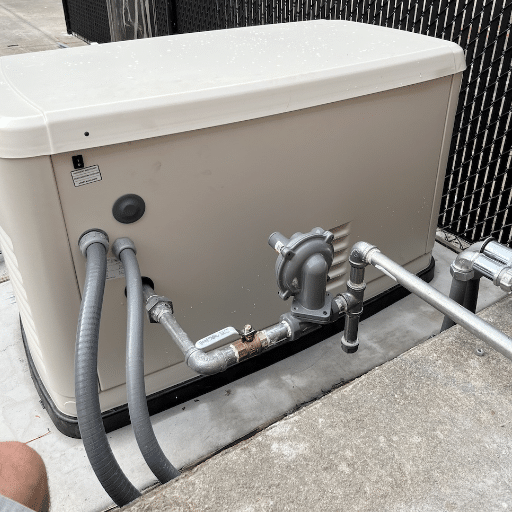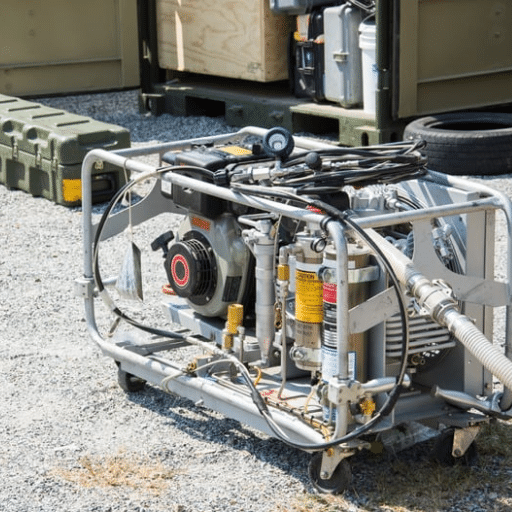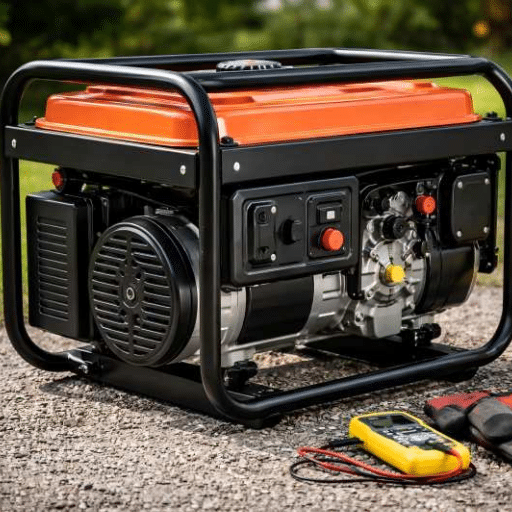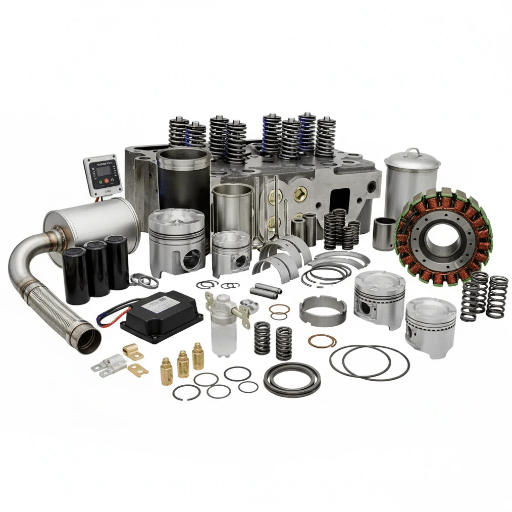

The battle between diesel and propane is this debate that customers usually have in mind every time they come to deciding on the best generator for their power requirements. Both types have their individual upsides and downsides; however, the right decision can hinge upon a myriad of factors based on the individual needs of the user such as efficiency, cost-effectiveness, environmental impact, and maintenance requirements. Especially knowing the major disparities between the two types of generators, whether diesel or propane, is important in case you are looking to purchase a durable backup power for your home, business, or industrial site. The distinctions in the way of technology, performance measures, and factors of utility will be presented in this article to enable you to make an informed decision, comparing the advantages and disadvantages of both options, and the generators which best answer your need.
Introduction to Generator

Generators are crucial machines developed to generate secondary or main electricity by transforming mechanical energy into electrical energy. Over a wide range of residential, commercial, and industrial settings, they are used to secure power at all times, whether there is a power failure or the place is off-grid. The main types of generators are diesel, propane, natural gas, and gasoline-powered units, and each of them has its own pros and cons. It is the factors like fuel cost and availability, efficiency, and pollution of the environment that greatly dictate the choice of the right generator for a particular case or place. To get to know these features, you will be able to have the very best in performance and reliability that sits precisely with your power demands.
Understanding Generator Types
| Generator Type | Fuel Type | Efficiency | Initial Cost | Environmental Impact | Maintenance | Best Use Case |
|---|---|---|---|---|---|---|
| Diesel Generator | Diesel | High | Moderate | Moderate emissions | Regular maintenance | Industrial and heavy-duty use |
| Propane Generator | Propane | Medium | Higher | Clean burning | Occasional servicing | Residential and commercial use |
| Gasoline Generator | Gasoline | Moderate | Low | Higher emissions | Frequent maintenance | Small-scale and emergency use |
| Natural Gas Generator | Natural gas | High | Moderate | Low emissions | Professional servicing | Continuous power for properties |
| Solar Generator | Solar energy | Variable | High upfront cost | Zero emissions | Minimal maintenance | Off-grid or eco-friendly use |
| Hybrid Generator | Multiple fuels | Versatile | Higher | Varies by fuel type | Flexible servicing | Backup and diverse needs |
Importance of Choosing the Right Generator
Choosing the correct generator for your demands is a very significant choice in terms of both effectiveness and long-term outcomes. The right generator will ensure that one gets a continuous power supply, keeping the operation costs to a minimum and supporting the environment as well. One example is solar generators, which are the best choice for the sustainability and off-grid operation of customers as they produce no emissions and use renewable energy from the sun. Nevertheless, natural gas generators are more beneficial for sites where there is a need for a continuous and steady power supply since they have fewer operating emissions and require continual maintenance by professionals. The use of hybrid generators was found to be a very flexible way for the energy sector to operate. They were able to cover the demand peaks in different countries by changing their fuel supply. It is truly considering the above-mentioned variables that allowed cost-effective choices to be made and circumstances to be matched. Statistics collected indicate that a detailed evaluation done on these parameters can greatly minimize downtimes as well as lift the performance in critical times.
Overview of Diesel and Propane Generators
Diesel and propane generators are indispensable for ensuring power supply continuity in a vast range of scenarios; however, the way they work and their advantages are very different. Among the many positive characteristics of diesel generators, the most well-known are their sturdiness and efficiency, especially at higher loads. They are generally fuel-efficient in comparison to gasoline gensets and can bear uninterrupted operation in harsh environments for a long time. The latest technologies have equally targeted the decrease of pollutants and noise, thus leading to a cleaner environment in compliance with the rules.
On the flip side, propane generators get a lot of praise because of the positive impact on the environment that they bring. Propane is a fuel that is clean when burnt, and it produces fewer greenhouse gas emissions and pollutants such as carbon monoxide and particulate matter compared to diesel. Moreover, propane is capable of being kept for an unlimited time in sealed tanks and hence is an ideal solution for lasting emergency preparation. The generator also comes with the bonus of its uninterrupted operation capability in frigid weather. Diesel engines might have trouble starting in cold weather; therefore, they will not be as reliable as the propane generator.
Key Points of Comparison
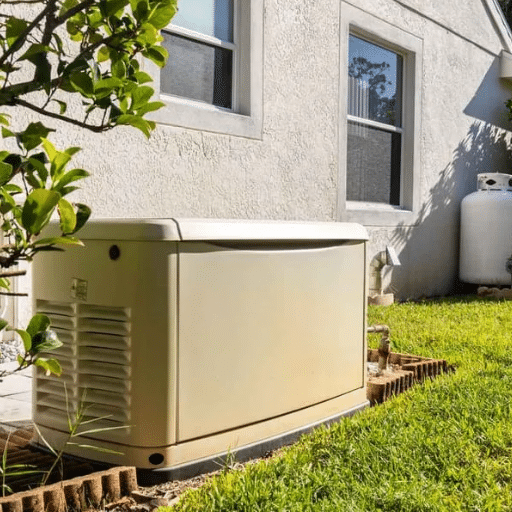
- Environmental Impact: Propane generators are a more sustainable option for the environment, as they emit lower amounts of greenhouse gases and dangerous pollutants compared to diesel generators.
- Fuel Storage: When placed in sealed tanks, propane can still be usable whereas diesel will be unusable due to potential for contamination and degradation even over a year of storage.
- Cold Weather Performance: Propane generators are highly reliable and efficient in cold weather, while diesel generators can require pre-heaters to run in the cold.
- Maintenance: With the cleaner combustion mechanism of the propane generator, the equipment usually requires less maintenance as opposed to the diesel generator, which can be more burdensome due to the residue accumulating on the equipment.
- Cost Efficiency: Diesel has a higher energy density compared to propane and thus runs longer per gallon; however, propane besides being commonly available in some regions is also often more stable in price and less expensive.
Fuel Efficiency: Diesel vs Propane
The fuel efficiency of diesel and propane generators can be compared using several technical factors. Among them, the first one being their thermal efficiency, is likely to be higher in diesel generators, with diesel fuel’s energy density being around 35.8 megajoules per liter on average. The major result taken from this high energy density is that the operating period is longer with the same amount of fuel which makes diesel a better choice for continuous operation-demanding applications. Apart from this, the compression ratio of a diesel engine is higher, hence it can make better use of the fuel’s energy.
Moreover, propane, though it yields the lower energy density of around 25.3 megajoules per liter, offers other efficiency benefits. The cooler and cleaner propane generators tend to reduce the wear on engine components and prolong the overall equipment service life. Propane can also be a reliable option for cold climate performance, as most of the time it is stored in a pressurized gas state and hence remains the same under most operational conditions.
In the end, the fuel-efficiency performance can be a qualified coin toss situation for a generator user in the selection of diesel and propane fuels. Diesel seems to be the prior choice if high energy content is the only issue to look for, but if durability and the cleanness of the equipment over time are the main features of the customer’s factor, he may go for propane too.
Availability and Accessibility of Fuel
The availability and accessibility of diesel and propane are highly different across geographic regions, infrastructure, and economic factors. Diesel is very much available all over the world as it has a very well-organized and established distribution network, so one can easily get it in cities as well as suburban and certain rural areas. Moreover, it is a fuel that is very common in transportation and big machine industries, and that is the reason it is always present in most of the fueling stations and commercial supply chains.
On the other hand, Propane distribution could be more regional and as a result, it is usually associated with its primary uses for residential, cooking and industrial purposes that are very unique and different everywhere. Where the infrastructure for propane supply is already in place and well developed, it is easily available, but the less densely populated off-grid and remote places could face the problem of non-availability. Yet, with the help of new technology, e.g., propane storage and portable tanks, the demand as well as the supply side has seen cooperative progress and thus the business has benefited. In the event that the fuel supply for the industry is continuous, then availability and its impact on reliability and cost effectiveness of the operation of the two fuels should also be a concern of the user industry very seriously.
Maintenance Requirements
The diesel and propane systems have substantial differences in terms of their maintenance requirements because of the fuels’ composition and the mechanical parts required for their operation. Diesel engines usually require more frequent maintenance running under a sophisticated design, which, among other things, includes units like fuel injectors, turbochargers and soot filters. The diesel systems’ standard maintenance operations consist of the changing of oil, the replacing of the air and fuel filters, and the servicing of the emissions system. Diesel fuel by itself may deteriorate and create the possibility of injectors clogging and contamination problems if its storage conditions are not made optimal.
Moreover, the cleaner combustion process expected of the propane systems is what makes them very popular. There will then be a minor carbon buildup and a low rate of part degradation so that the overall maintenance needs are considerably lower. Similarly, the oil consumption of the propane engines is rather low, and the service check interval is relatively long. Additionally, when compared to diesel tanks, the chances of air pollution with propane storage tanks are very low, thus cutting the risk of fuel-related problems.
Crucial Factors to Consider

- Compatibility: Consider the possibility of converting your current infrastructure/equipment to propane or the necessity to buy new equipment. The equipment Efficiency and compatibility are ensured by smooth integration and minimization of operational disruptions.
- Cost Efficiency: It is very important to weigh the investment at the beginning against the subsequent savings. Although propane systems may be charged with higher initial costs, the fuel and maintenance cost reductions can make up for it in the long run.
- Infrastructure Requirements: One of the things that you should check is the availability of fuelling stations or whether there is a need to install on-site propane storage tanks. Access to reliable fuel is a must for the operations to be smooth.
- Environmental Impact: Avoid taking into account the allegations and environmental benefits of propane use as opposed to the use of conventional fuels. This will help to enforce the strict environmental laws.
- Safety Measures: Make sure that the staff receive the appropriate training in the way they should handle the gas and observe the safety rules. Propane is a safe fuel by nature when used and stored correctly, but incorrect handling can result in risks.
Cost Analysis: Initial Purchase and Fuel Costs
Propane-powered machines mostly come with a higher initial price than those of conventional fuel types like gasoline or diesel. Nevertheless, many times this high cost can be recovered through the years due to lower operational and fuel costs. In particular, most often, propane is less volatile in terms of price among other fuels, thus aiding in long-term budgeting, being more predictable. Besides, propane engines usually need less maintenance since the combustion process is cleaner, thereby reducing the overall engine component wear and tear and scheduling less downtime.
Fuel efficiency is one more vital aspect to consider when we are doing the cost analysis. When it comes to the energy consumption of propane-powered vehicles and equipment, the situation is quite different from that of electricity-powered devices. The gasoline has bigger power than the propane but a different energy density, which is why the electricity-powered engines have higher power. It takes much less time to recharge, and that makes the performance per square meter, which is actually the big point.
Environmental Impact of Diesel vs Propane
To expound on the environmental problems that diesel and propane fuel induce, some of the most critical values in this connection are greenhouse gas emissions, soot, and LCA–or environmental life cycle assessment–efficiency. The most common problem with diesel is the fact that the carbon monoxide emissions are more substantial when it is burned than in the case of propane, mainly because carbon is almost twice as much in diesel per unit of energy. Compared with propane, diesel is expected to have a higher CO2 emission rate: 10.2 kg per gallon, versus 5.7 kg per gallon for propane. The marked contrast of emissions makes propane a workable alternative for pulling a company’s carbon footprint down.
Diesel engines additionally produce more nitrogen oxides (NOx) and particulate matter (PM) than gasoline or other types of engines, thus making the air quality worse and affecting the health of people living in cities and areas with high traffic flows. In contrast, propane combustion generates hardly any nitrogen oxides and virtually no particulate matter, which makes it a green choice of perfect clean combustion, which is in line with the most stringent laws and public health goals. When the lifecycle emissions are taken into account, propane shows lower total environmental impacts than diesel. Thus, petrol combustion can be considered the best alternative for a cleaner environment, as without diesel to compare with petrol, there would be no criterion from which to look at petrol combustion as a means of transport.
Performance in Various Conditions
Propane engines are known for their stable performance under various environmental and operational scenarios. Cold-weather performance is one of the key advantages of using propane. Because it has a higher vapor pressure than diesel, it remains in the vapor phase and continues to operate at low temperatures without the need for fuel additives or heaters. This aspect induces its selection and utilization in areas or types of establishments that encounter below-zero temperatures quite often.
Moreover, vehicles and machines powered by propane show an efficient combustion process even at high altitudes, where the reduced oxygen levels can have a negative impact on the performance of other fuel types like diesel or gasoline. Research findings show that the power loss of the propane engines in such conditions is minimal, thanks to their very precise fuel-to-air mixture and high energy content.
Besides, the propane combustion technology that is currently being used is now so advanced that some of the systems have even switched to electronic fuel injection (EFI) and engine calibration to still give high performance all the time by varying the load. These developments made the operation of the propane equipment reliable in the two extremes of light and heavy applications, thus making it a universal fuel solution for the economy and the environment as well.
Recommendations for Specific Use Cases

1. Residential Heating
The energy efficiency of propane and its lower emissions make it the best source for residential areas for heating purposes. In some areas where natural gas pipelines are not possible to reach, propane is the best option, offering its users dependable performance in all weathers.
2. Fleet Vehicles
Fleet operations could save money by using propane autogas rather than diesel or petrol. The fact that operating with propane gas easily absorbs the least costs for long-distance transport, as well as reduces repair and service costs by producing cleaner combustion, is also emissions-compliant.
3. Agriculture
Propane-powered equipment, for example, irrigation pumps and grain dryers, provides consistent energy output and reliability. It is very advantageous in agricultural centers since it has the ability even to work on its own in remote areas or in lands without any power sources, and thus, less electricity is needed, hence less fossil fuels and emissions as well.
4. Commercial Applications
Propane-fueled forklifts are the best among them for warehouses and industrial applications since they offer clean options with reduced emissions, particularly for indoor use, without sacrificing performance. Moreover, propane is the best for businesses’ backup power systems since it can work under all circumstances and so the operations are uninterrupted.
5. Outdoor Recreation
The use of portable propane equipment, for example, grills, heaters, and camping stoves, by outdoor lovers is a great idea. Of course, they are safe, easy to handle, and they bring and keep the heat no matter what the weather, and thus, they are the most common partners in outdoor activities.
Residential Backup Power Solutions
Propane generators can be regarded as a viable and dependable alternative power source for households during power outages. More comparisons cannot easily be made since LPG has a long shelf life and, therefore, it is usually more dependable. This system is such that when the grid power is down, the necessary appliances and systems, including refrigerators, HVAC units, and medical devices, will not experience any interruption in their operation. One of the benefits of the propane fuel source as an emergency power source is the longer shelf life of the propane generators, which usually do not present the same problem as the degrading gasoline and diesel.
Moreover, Propane is a very greener option and discharges are lower in comparison with other fossil fuels. It will have a great impact on reducing indoor and outdoor pollution. Moreover, as the technology has improved, the propane generators are now smaller, quieter, and more fuel-efficient. In fact, there are models ranging from tiny to more powerful ones – the perfect fit for any household, whatever its energy consumption may be. Thus, being reliable, sustainable, and scalable solar energy battery storage systems using propane as a backup power source will be a better choice for residential applications.
Industrial Site Power Needs
Factories always need tough and adaptable power solutions to guarantee smooth operations, high productivity, and safe workers. These factors are among those that affect the power requirements in an industrial setting – the plant’s size, the type of equipment, and the level at which the machines are running. Portable and standby generators are the ones responsible for providing the production with electric power when they aren’t available, hence, being very essential. In terms of industrial venues, diesel generators are still number one in the minds of decision-makers because they are long-lasting, consume little fuel, and can bear heavy loads constantly.
The advanced control systems integrated into today’s industrial generators empower real-time monitoring and load management. The bigger the facility, the more likely it is that generators are synchronized, thus making the power needs more flexible and adding robustness to the system due to its redundancy. By the same token, the need for compliance with the emissions regulations has been the main driver of the generator technology innovations that significantly impacted the generator market and led to the development of the new models that can be used even in the most environmentally friendly locations without a significant negative effect on performance.
The above-mentioned are the examples showing that businesses need to be equipped with the power they need continuously and improve operational fluency, besides meeting safety requirements, especially when the conditions are pretty much pushing.
Conclusion of Diesel and Propane Generators

Among several industry types, diesel generators have been observed to be a reliable source of energy because of their strong and durable materials and long-running capabilities. However, the fuel cells of diesel generators only a looser (though not easy to notice) connection with oxygen and hydrogen, thus making the burning process difficult and irreversible. In contrast, propane generators have much cleaner emissions and bear a much lower environmental impact, and are, therefore, the more sustainable choice. Consideration of operation as well as the financial and environmental standpoints still plays a significant role in the choice between diesel and propane. In the case of diesel, air under high pressure is mixed with the hot fuel, thus giving rise to the burning process.
Final Recommendations
It is very important to match the choice of the generator with the operational priorities that you have. Diesel generators are the most suitable for power-hungry applications and in remote locations with no grid connection. Their hardness and the fact that they are available almost everywhere make them the choice in construction and other similar industrial activities with rugged work on the go.
Respectively, propane generators are the recommended choice in operating circumstances where making a green contribution is a first-grade demand. Propane burns dirtier than diesel, which means that it is a much better greenhouse gas emitter and a collaborator with the strict environmental regulations that are getting dirtier. On top of that, propane is one of the fuels that can be stored for an unlimited time without becoming obsolete.
In order to achieve the highest level of resilience, hybrid systems enabled by the combination of both types of generators might be a perfect solution. These systems allow the user to take care of both the environmental impact and the performance requirements, thus helping in achieving a fully functional and optimized standard in various situations. The cost of ownership, however, which includes fuel availability, maintenance strict regimes, and meeting emissions standards, is one of the main factors to be taken into account by the decision-makers when selecting the right solution for their own specific case.
Helping You Make the Best Choice
Selecting the best power generation system is a matter of going through many factors carefully and then aligning the performance with the needs of operation. The first thing to do is to consider the output energy requirements as compared to the peak demand lest some cases happen with the business that it may fall short of demand at any given time. Then, look into the environmental aspects by checking emissions data or the possibility of externalizing the emissions in the future, as well as the compliance standards and the extent of renewable energy one can use. Cost is another criterion that should not be underestimated and it certainly involves a very careful study of the operating costs of such as the consumption of fuel, times of maintenance, as well as the downtime that could happen. The study of the figures from the real world and the benchmarks in the industry may give the needed data indicating the reliability of operations and long-term sustainability. Only by doing a proper analysis of the variables will you be able to come up with the right decision that will go hand in hand with the needs of the application.
Reference Sources
- University of Kansas ScholarWorks:
Title: Design and Operation of the Synthesis Gas Generator System for Reformed Propane and Glycerin Combustion
Link to source - Academia.edu:
Title: Gas Power Generator
Link to source
Frequently Asked Questions (FAQs)
Which is more fuel efficient: a diesel vs a propane generator?
Diesel-fueled generators are known for their comparative energy efficiency over those fueled by propane. Diesel fuel is capable of providing more energy per gallon and running the machine for a longer time at the same load. Propane-powered generators are less efficient in general, but it is claimed that modern, well-adjusted units or those that operate at constant loads can be on a par with diesel-powered generators in terms of efficiency. Generator size, load factor and maintenance schedule also play a role in fuel efficiency; under-utilizing loads on any generator is the worst enemy of the overall system efficiency. For those applications where oil storage and stockpiling life is a concern, the long shelf life of propane confers the advantage of storage in terms of total cost, with the efficiency being low.
How do running costs compare between diesel and propane generators?
Diesel generators tend to have fewer expenses time-wise when comparing running costs of both diesel and gas types because there is more energy per unit in diesel fuel, and diesel engines operate more economically at load levels with heavy duty on them. Unit-wise, propane fuel can be more costly, but this is subject to variations according to the region, as prices depend on supply and demand; propane could, however, be the less expensive option for irregularly used, low-duty requirements. Running costs are also affected by maintenance schedules and parts. Diesel engines may need more frequent oil changes and fuel system service, compared to propane-powered units, on the other hand, propane engines run cleaner which results in less maintenance work.
Which generator type has lower emissions: diesel or propane?
It’s a fact that in general, diesel generators emit more harmful chemicals and pollutants than propane generators do. However, this is due to the cleaner combustion process that propane undergoes, which results in the diesel engines’ lower NOx and soot levels. Particulate matter is another issue with diesel motors; they frequently emit it, thus making them need high-level post-processing systems like diesel particulate filters to comply with the standards of emissions, otherwise they exceed the limits. The newer generation of diesel engines with the emission control systems fitted is the only way to get closer to the propane performances in terms of emissions, but they are still expensive and need big extra efforts for the maintenance of these systems, in most cases.
Which is better for cold-weather use: diesel or propane generators?
Cold weather is generally more preferable for propane than for diesel. The reason for that is diesel may require heating of the fuel, use of additives or installation of engine block heaters to make it reliable at such levels. Weather can influence propane pressure causing it to fall at a cold enough point, thus necessitating the use of a cold-start system for consistent power delivery. A diesel engine is usually powerful on the cranking side and reliable on the starting too, if the fuel problems are all solved, being the key that can make it operate for an extended period of cold weather.