
If you want to pick the best generator depending on your electricity requirements, the question of gasoline vs diesel versions can be absolutely crucial. Both options have their distinct characteristics, pros, and cons that create grounds for them to be better for various situations. It’s not only about a backup power supply for a residential property but also for powering equipment at a worksite or for off-grid trips, navigate this maze of differences there should be a must before making an educated decision. This article will provide you with a thorough analysis of gasoline vs diesel generators, comparing their efficiency, cost-effectiveness, maintenance requirements, environmental impact, and much more. Eventually, you will be able to confidently decide the type which best fits your particular energy requirements.
Understanding of Gas and Diesel Generators

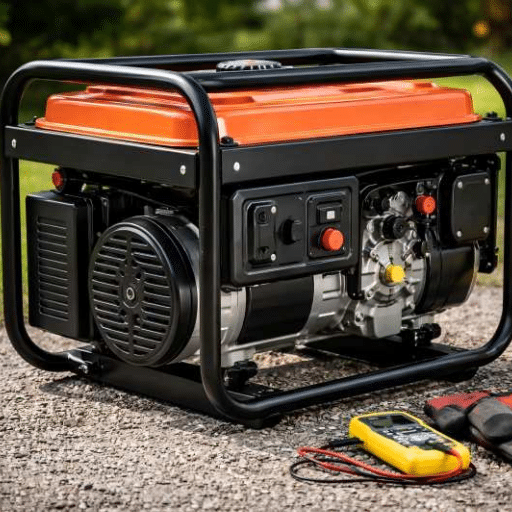
One of the reasons why gasoline generators are very popular is because they are relatively easy to get and cheap to buy. They are usually small and light, so they are the best option for such purposes as maintaining machines at the working places, spending leisure time, or securing a home for a short period during a power loss. The gasoline fuel is all over the place, and the energy supplied by the gasoline is stable, so no fluctuates can be observed. Nevertheless, this kind of equipment requires a lot of fuel and is less durable than the other kinds.
Diesel generators have been noted for their hardiness and low fuel consumption. The diesel engine in these generators is heavy-duty working in the long term, so they are fit to be used in the industrial sector, in construction, and where a large amount of power is needed. Diesel fuel burns more efficiently which results in cheaper operation costs and longer running hours as well. One other important point is that the rugged design of the engine makes it less vulnerable to failures and thus less maintenance is needed in comparison with gas engines, etc.
What is a Gas Generator?
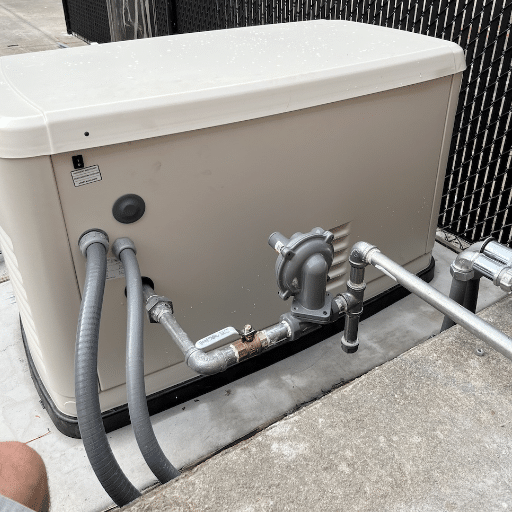
The generator that utilizes chemical energy from a gas source like natural gas, or liquefied petroleum gas (LPG), or propane to create electrical power, is called a gas generator. The generators have an arrangement where fuel is burned in the combustion engine then the other part of the engine known as alternator gets this mechanical power to create electricity. The gas generators are much seen in urban areas and they act as a reliable option in terms of the electrical power that can be generated in a timely manner. They are a popular choice due to their green and clean energy source and the fact that restricting the exhaust gases to be let out goes with LPG that promotes lower emissions than diesel.
Many modern gas generator systems integrate state-of-the-art features like automated load control and telemetry, all of which serve to raise efficiency and the needs of users. Normally, their noise levels are lower than those of diesel machines, and they are not that hard and costly to be serviced on intervals due to the fuel cleanliness, which minimizes carbon depositing in the engine. Nevertheless, the operation of gas generators could be largely impacted by the constant presence of a gas pipeline or a fuel delivery system, as a result they would not be the preferred solution for places with no power network or for locations where gas is an issue. Additionally, they may not run to their full potential if they are in extreme weather conditions, for example, very low temperatures, which could lead to a change in the fuel flow.
What is a Diesel Generator?
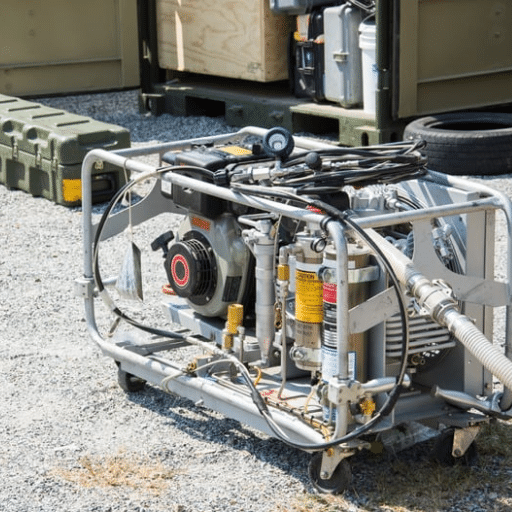
A diesel generator is a machine which is formed after combining a diesel engine with an electric generator (alternator) and produces electrical power. Diesel generators are mostly used as either backup or main power supply sources and are thus reliable in industrial, commercial, and residential settings. These machines carry out the task of converting chemical energy from diesel fuel to mechanical energy via the process of combustion within the engine. With this mechanical energy, the generator produces electricity.
Diesel-powered generators have long been known for their resistance to wear and tear, efficiency in fuel consumption, and capacity to put out a large amount of power. They are ideal in locations that are far from big cities or other power distribution facilities since diesel is a relatively easy type of fuel for storage and transportation. In addition, the current diesel generators satisfy the air quality regulations, they are eco-friendly since they have the latest technologies such as common-rail fuel injection, which is a high-pressure focusing technique, that leads to cleaner combustion processes.
Looking at it technically, diesel generators can be found in many shapes and sizes. Some examples include the single-phase and three-phase. Their power ratings also differ hence, they can carry loads of different sizes. These machines also remain in service for a long period and in most cases they do not need much maintenance in comparison with the gasoline generators as their engines have been built to be very strong. This is the reason why they are a preferable choice in hospitals, data centers, and construction sites.
Key Differences Between Diesel and Gasoline Generators
| Feature | Diesel Generators | Gasoline Generators |
|---|---|---|
| Fuel Efficiency | High fuel efficiency, longer operational hours | Lower fuel efficiency, shorter operational hours |
| Cost of Fuel | Diesel fuel generally more expensive | Gasoline cheaper but consumed faster |
| Engine Maintenance | Requires less frequent maintenance | Requires more frequent maintenance |
| Durability | Highly durable, suitable for heavy-duty usage | Less durable, better for light-to-moderate usage |
| Startup Performance | May struggle in colder temperatures | Performs better in cold starting conditions |
| Noise Levels | Tends to be noisier | Operates with relatively less noise |
| Environmental Impact | Produces more emissions | Cleaner emissions, but less fuel-efficient |
| Initial Cost | Higher upfront cost | Lower upfront purchase cost |
| Lifespan | Longer lifespan, excellent for prolonged use | Shorter lifespan due to higher wear and tear |
| Applications | Ideal for industrial and commercial settings | Commonly used in residential and recreational settings |
| Availability of Fuel | Diesel fuel slightly less accessible | Gasoline more widely available |
| Power Output | Delivers higher power for heavy loads | Adequate power for smaller or lighter loads |
Mechanical Differences

Diesel and gasoline generators differ mainly in engine design and combustion process. The former ones are compression-ignited, which means that they depend on high pressure for fuel ignition, whereas the latter ones are spark-ignited, using a spark plug to initiate combustion. The main difference observed in diesel and gasoline engines is the former ones are more rugged and efficient, especially under heavy loads. However, it also leads to a heavier engine and greater complexity. On the other hand, because of their lightness and simplicity, gasoline engines are mostly being taken as the right engines for use in portable situations or only where occasionally needed. Moreover, diesel generators normally run at lower RPMs which is why they actually wear and break down less compared to gasoline generators that run at higher RPMs and are subject to more engine strain as time goes by.
Engine Design and Functionality
The fuel efficiency and combustion processes of the diesel and gasoline generators are one of the most significant distinctions to discern. Diesel engines run on a compression-ignition principle where air is compressed to high pressure and temperature first before the injection of diesel fuel, which then self-ignites. This way diesel engines achieve greater thermal efficiency than gasoline engines, which work on a spark-ignition principle. That is, combustion in gasoline engines happens on the spark plug rather than inside the cylinder like the case of diesel engines which results is lower compression ratios and hence a lesser efficiency.
Diesel engines are generally known for being more economical in terms of fuel consumption than gas engines, particularly when consuming very heavy loads. This aspect of their operational efficiency becomes one of the main considerations in cases where power is needed to run continuously or for a long time, as, for example, in industries or as backup for the systems that support critical infrastructure. Nevertheless, the gas engines are not so efficient, but due to their maleness of being lightweight and their faster start-up times, they may be more appropriate for the sporadic utility of short periods or under different circumstances.
Fuel Type and Combustion Process
Among the most critical differences between diesel and gasoline engines are the fuel used and the combustion processes applied in them. The fuel in diesel generators is diesel, which is a fuel with high energy density and a specified composition, which makes it the most efficient and the torque-strongest generator fuel. The motors are diesel engines that are ignited by compression, where air is compressed to high pressures and consequently very high temperatures and then the diesel fuel is injected into the compressed air to burn without the use of a spark plug. That whole method has notably elevated the fuel efficiency and endurance especially when it comes to applications that need the constant running of the engine with no shutdown over a long stretch of time.
On the other hand, gasoline generators operate with gas, a less dense but more volatile fuel, as opposed to diesel. Spark ignition system which is combining and compressing an air-fuel mixture before igniting it through a spark plug is the basis of gasoline engines. Even though this ignition method leads to quicker and quieter operation at lower capacity, it is still generally less efficient in terms of fuel consumption as compared to diesel engines. Additionally, gas is more likely to evaporate and degrade over time hence less than the perfect choice for long-term storage.
Diesel generators, as a class of compression-ignition-based systems, are more likely to endure, have better fuel economy, and yet be more expensive to start with. But, gasoline-powered machines tend to be very popular if the matters are portability, cost, and time spent on maintenance. So, the division of generators into two basic types is the point of reference for the consumers, who have to make the choice according to their specific needs.
Cost Efficiency Analysis

One of the main concerns in evaluating the cost-efficiency is the significant factors such as initial expenditure, fuel consumption, upkeep expenses, and the long-term performance. Diesel-powered generators, for the most part, cost more than their gasoline counterparts when it comes to initial expenses but that is because of their solid structure and resistance to damage. On the other hand, the fuel economy of diesel generators is so much greater that the total expenditure remaining will be less than that of the gasoline ones. At the same time, these generators need to be serviced less because of their lower complexity and slower engine wear, which adds to their long-run fast operational costs-cutting.
On the contrary, the price competition that is evident in the buying of such generators is not their only cost factor; gasoline generators will cost you more in terms of fuel. Also, their running hours are shorter, and thus the machine is off for service more frequently. The increased cost sometimes contacts the cost-saving in the life of those units.
Initial Purchase Price Comparison
When assessing the introduction cost of diesel and petrol generators, quite a few determinants are taken into account. Diesel generators, for the most part, require a higher initial cost, this is a result of their tough build structure, cutting edge components, and higher lifetime. The range of diesel generators costs on the market can be around $3,000 for the smallest ones and go over $20,000 for the commercial grade ones. And it is not just a question of initial cost; the additional outlay on fuel and maintenance is also a matter of concern. Diesel generators’ initial costs get easily forthcoming as they have incubation and rebirth features, the cost saving effects are because of their better fuel consumption.
Oppositely, gas generators are much cheaper than diesel generators to purchase, with at the time of purchase the prices fluctuating between $500 and $5,000 depending on the power capacity and size. The low price of the gas units makes their purchase a very attractive option for homeowners or small-scale users. Even though these initial savings will not be that large but in the long run, the generator’s higher gasoline rates and the more frequent maintenance will eventually neutralize the cost.
Fuel Consumption and Long-Term Costs
Diesel generators, in general, run a much more efficient operation, which calls for less energy input when compared to their gasoline counterparts. Also, on a reliable basis, the difference is that diesel generators require only about 30% to 50% as much fuel as gasoline ones per unit of power output. This implies that, given the same power output, diesel generators will cost up to 50% less to operate than gasoline generators. This saving can be enough to cover any possible increase in the usage cost of the generator, should there be any. Diesel generators are already the best choice in terms of fuel efficiency; therefore, the future fuel price increase should not worry the customer.
Moreover, the diesel generators need less maintenance with lower operating temperatures and more robust engine build. On the other hand, gasoline generators, though most of the time are cheaper at the beginning, have a higher possibility of wearing out easily, thus requiring more regular servicing and part replacing which will add up to the long-term costs. Diesel generators could be a better investment over time in some cases and heavy usage or in applications that require continuous power. Nevertheless, the final decision between the two mainly lies in where the generator will be used, the amount of money one is willing to spend and the ongoing costs.
Maintenance Costs and Requirements
Diesel generators are generally less susceptible to maintenance intervals compared to gasoline generators as they are built stronger and run cooler. Diesel engines are made to cope with running for extensive periods and handling heavier loads, this feature makes them more enduring in the long run. The main maintenance issues of diesel generators are periodic oil changes, fuel filter replacements, and cooling system inspections, yet these are normally required at much longer intervals. Moreover, the diesel fuel has less boiling power and can be stored for a longer time reducing the threat of fuel-related degradation.
However, gasoline engines can also be a popular choice due to their lower initial cost and ease of operation which are in return usually more maintenance-intensive. Gasoline engines run at higher temperatures and this means quicker wearing of parts. More frequent spark plug replacements, carburetor cleaning, and fuel system service to prevent issues such as varnish buildup are some of the most common maintenance needs. Additionally, gasoline is more likely to be oxidized and degraded, especially when stored for a long time, thus, fuel stabilizers are really a must.
On the cost front, gas generators need more regular maintenance and hence have more attrition of expenses as their maintenance and repair costs gradually inflate with equal time. As for the diesels, not as often one needs to go servicing, but it happens that some of their maintenance tasks are much costlier than a gas generator’s supplies due to the need of rare parts and costly labor. In either case, it is the scenario of application usage such as runtime and storage conditions that plays a critical role in deciding the better alternative in terms of cost and reliability—a factor that is frequently overlooked.
Environmental Impact

The environmental impact of diesel and gasoline generators shows a significant difference. On one side, a diesel generator will generally emit less carbon dioxide (CO₂) per unit of the energy produced because of its best fuel efficiency. However, it will still be heavily polluting in terms of nitrogen oxides (NOₓ) and particulate matter output, leading to air quality issues and attracting health problems. Gasoline generators, while generating less NOₓ and particulate matter, emit more CO₂ as they are less efficient and consume more fuel. Also, in case of a diesel fuel spill, its effect is more catastrophic because of its long-lasting presence in the ecosystem although gasoline evaporates quite fast but is still a source of contamination through groundwater. The selection of one of the two systems should be based on the above factors as well as the environmental and regulatory requirements which are the main dimensions in this case.
Emissions from Gasoline Generators
The gasoline generators are the pollution source of the type of pollutants, they have a huge impact on the environment and health of the community. The emissions from the gasoline generators which are carbon dioxide (CO2), carbon monoxide (CO), hydrocarbons (HC), nitrogen oxides (NOx), and particulate matter (PM) are some of the most common ones. Among all these emissions, the carbon dioxide gas is a highly remarkable one as it has a major role in warming the earth. It is so because the combustion of gasoline releases much more CO2 for the unit of energy produced compared to most of the other fuels, and thus it has lower thermal efficiency property.
Carbon monoxide is colorless and has no smell; however, it can still be given off by significant amounts when engine is inefficient or runs at a poor combustion condition which creates the danger of poisoning, especially in enclosed or poorly ventilated spaces. Hydrocarbons and their volatile organic compounds (VOCs) are also notable for contributing to the formation of the dense urban smog. Moreover, there are many other toxic chemicals present in small amounts in gaseous form which can react with sunlight to yield the well-known pollutants of photochemical smog.
Apart from the respiratory and cardiovascular issues that the very fine particulate matter from gasoline generators causes when tangling deep in the lungs and posing another danger if it gets into the blood, one of the main conclusions from this is that enforcing strict emissions regulations, and the invention and use of technologies like catalytic converters as well as also a transition to cleaner sources of energy must be ways to reduce the pollution and health consequences of gasoline generator merits similar actions to that of the transportation industry.
Emissions from Diesel Generators
Diesel generators are among the major players of air pollution by emitting carbon dioxide (CO₂), nitrogen oxides (NOₓ), sulfur dioxide (SO₂), and particulate matter (PM). The environmental problems of these pollutants are recognized globally and locally. The global warming issue has been aggravated by the CO₂ emissions, whereas the formation of acid rain and smog is still being caused by precursors such as NOₓ and SO₂. The ultrafine and fine particles present in the diesel exhaust are a threat to human health due to their potential to go deep into the lungs and be the reason for asthma and heart diseases worsening and their probability of cardio diseases developing arising increased.
In addition to that, black carbon is a noxious air pollutant emitted by diesel generators, which is a part of particulate matter of considerable concern, due to its high warming potential and glacier melting acceleration on ice. Also, it is discovered that black carbon is the major player in short-term climate heating among the various climatic forces. On the one hand, the use of such technologies as diesel particulate filters (DPFs) and selective catalytic reduction (SCR) systems has substantially curbed the emissions of current diesel generators, on the other hand, the older ones and the ones that are not properly maintained are still running without these controls.
Performance Under Various Conditions

When it comes to durability and fuel economy of generators, diesel generators turn out to be ahead when compared to gasoline generators. One of the reasons for this is the fact that diesel engines work at lower speed which is more gentle on the machine additionally it prolongs the generator’s life. In addition, diesel contains more energy per gallon than gasoline, which ultimately results in better efficiency and longer running time under the same conditions.
One exception to the norm is gasoline generators, they tend to be the best ones to use in the cold areas because of the easier combustibility of gasoline. Many people like them to be quieter and even their lower initial cost, thus they are ideal for lighter, intermittent uses. In contrast, diesel generators are the opposite; they do really well even in severe conditions, they can deal with high temperatures and they are designed to be on all the time, thus they are perfect for large-scale and industrial operations.
Effect of Extreme Temperatures
Diesel engines are known to have a better performance in very harsh climates compared to petrol engines. This is due to both the nature of diesel fuel and the engine design. Diesel has a higher energy density and lower volatility which in turn makes the combustion process uniform even in extremely hot environments. Beside this, modern diesel engines come with advanced cooling systems and strong parts that are built to resist heat stress, hence they function well even in high-temperature surroundings.
However, gasoline generators tend to have a harder time in very hot situations. Gasoline’s greater tendency to vaporize means it is also more likely to vapor lock that is when the fuel cannot flow through the system as a consequence of excessive heat. This problem could either cause the system to stop working or even lead to a breakdown if the generation system is exposed to high heat for a long time. Moreover, gasoline engines can lose power or efficiency at higher temperatures because the operation condition tends to get tougher for less durable components due to increased wear and tear.
In a cold weather environment, diesel engines will more often than not face the problem of fuel gelling, which is the solidification of paraffin wax in diesel at lower temperatures. Yet, this is not a problem if one uses winter-grade diesel or an anti-gelling/fuel additive. While gasoline has a lower likelihood of thickening in cold weather as compared to diesel, it’s still a challenge when the engine is not starting in very cold weather. This could be due to the battery or other reasons.
Performance in Heavy Industrial Loads
The analysis of the heavy industrial load performance often leads to the discovery that diesel engines are the most efficient and reliable of all the internal combustion engines types. The reason for this is that diesel engines in general have a higher compression ratio which means more thermal efficiency. The latter quality enables the diesel generators to produce power in the same manner over the time and thus work under the big load even when there are harsh industrial conditions. In addition, they are engineered for tough Duty cycles that do not include a lot of wear that is why they are very proper for the industries such as mining, construction, and manufacturing those is in need of the power.
Though more affordable to buy at first, the gasoline generators still cannot provide the same load performance and long-time good conditioning as the diesel power systems for heavy industrial needs. The gasoline engines, thanks to having the lower energy rate stored in the material, usually, have to run faster to produce the same amount of power the diesel ones do. Also, it means the gasoline engine consumes more fuel and gives more stress to the engine when it is being used for long periods. Thus, this results in the rise of the maintenance costs and the cut down of the lifespan of gasoline models in challenging working areas.
The recent technological progress in the diesel sector – better filtering systems; the application of turbocharging are the main factors that have brought the generators nearer the ideal solution for heavy-duty applications through load-handling capability increase and emission decrease. However, gasoline generators still constitute the main choice for light and occasional-use power solutions only, where the operating loads are low and the demand cycles are short.
Reference Sources
-
Genotoxic Response and Histological Alterations in Rat Lungs Exposed to Gasoline Generator Exhaust
Read the paper here -
The Impact of Diesel/LPG Dual Fuel on Performance and Emissions in a Single Cylinder Diesel Generator
Read the study here
Frequently Asked Questions (FAQs)
Which generator is right: diesel vs gasoline generator?
One of the main things to consider when it comes to choosing the right generator is the primary power source and power needs. Besides these, it is a matter of choosing from among a cost-effective standby power source or a portable gas or diesel generator. Diesel generators are usually more fuel-efficient and are better for long-term and prolonged use, while gasoline generators are typically less expensive at the beginning and more portable. Fuel storage, fuel supply reliability as well as gas line availability are to be taken into account, especially because gas line-connected generators (natural gas generator) make the comparison change.
What are the pros and cons of diesel and gasoline generators?
It’s very common that the diesel comes out on top when the pros and cons are compared and contrasted, e.g. fewer fuel needs, more mainstays. Diesel can easily be regarded as the most fuel-efficient, and it has the highest power-to-weight ratio, which definitely makes it the most suitable for the majority of customers who use it when they are far from a power source. Diesel in itself is less viscous than gasoline, and in a generator where there is an engine it can be used singly in each case or even together for an oil/gas mix to increase the torque. Diesel engines probably need more maintenance than gasoline engines, but given that the fuel cost per horsepower hour is lower for diesel, the total cost over the life cycle of a diesel engine is lower.
How do natural gas generators and diesel generators compare: natural gas vs diesel?
When we talk about the availability of fuel and the power sources that the unit is to be connected to, it becomes clear that both natural gas and diesel generators have their own strengths. It is indeed much easier to use a natural gas generator without the necessity of on-site fuel storage but the biggest drawback is that the gas flow restriction and hence, the gas line power source altogether. The generator, which is fuel dependent, is going to stand there as good as nothing unless an alternative means of power is available. Diesel and natural gas generators have the same degree of helpfulness as the power supply back up and a stand-by power source when the electric energy is cut off.
How does fuel type affect generator maintenance and fuel storage?
The type of fuel is a major factor in the maintenance procedures of the generator and the methods of storing the same: diesel oil is mainly better in comparison to gasoline in terms of the possibility of the latter’s getting broken down, making fuel storage and the usage of diesel oil more convenient with the modification of the generators for that type of fuel. Gasoline, on the other hand, requires the use of stabilizers which is a cause of much more frequent fuel turnover to avoid varnish and carburetor issues; as a result, this, in turn, leads to an increase in the generator maintenance tasks for gasoline-powered generators.