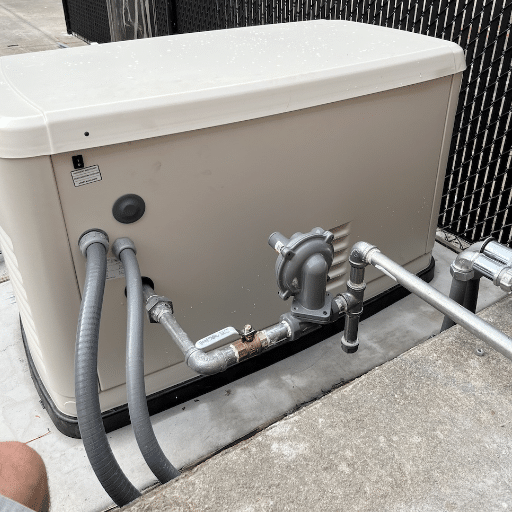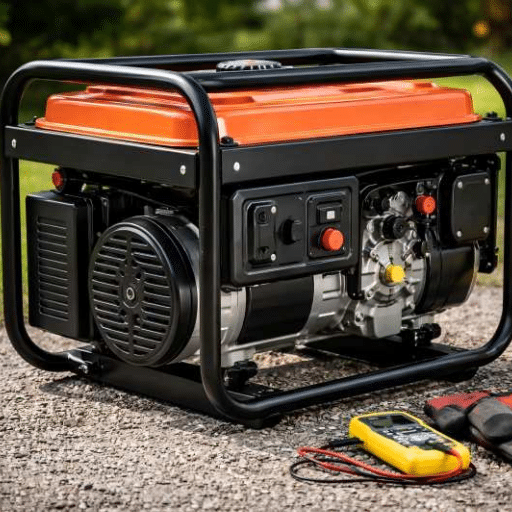

When it comes to powering important devices and systems during a power cut or engaging in outside activities, using a generator is a very important thing to do. The two most commonly used fuel options are propane and gasoline which have their pluses and minuses. This article will give a detailed comparison of propane and gas generators looking through their efficiency, the costs, the environmental effects, and the convenience of their use in different situations. In case of emergencies preparedness or if you simply want a reliable power source in a remote location, knowing the comparison of these two power solutions will assist you in making a well-informed decision. Continue to scroll down in order to uncover the major differences and to perhaps see which type of a generator will be most suitable for your needs.
A Brief Introduction to Generators

Generators are a type of machine that transform motion or mechanical energy into electricity, thus offering a dependable electric power source in a range of scenarios. Their primary application is as a backup during outages, and secondarily, in locations that are not connected to the power grid but need electricity, and lastly, for equipment that has to be powered independently of the power situation. A great variety of generators exists today, and among the most popular, there are propane and gasoline units, each of them having its peculiarities, but being favourite in certain areas of application like fuel availability, cost of operation, and efficiency. Getting specifics about them and their breakdown of uses is quite important for purchasing the most appropriate generator that would serve your requirements in the best way.
What is a Generator?
A generator is a machine that takes mechanical energy and converts it into electricity which can be used in various situations. The most common energy transformation is the one that uses magnetism and is called electromagnetic induction, where the movement of a conductor (e.g., a coil of wire) inside a magnetic field makes the current flow. Generators are fundamental in all kinds of applications, like the emergency rescue of power during blackouts, the backup of critical systems in hospitals, the operation of machines in industries, and the supply of electricity in the remote regions.
Likewise, modern generators have got a wide range of the possible construction and energy sources which may be fossil fuels such as gasoline and propane and, clean energy such solar and wind integration. And lastly, it is not wrong to say that the innovations have brought a significant change in the generator sector, the combustion becomes more efficient and emissions come down, besides, the smartness of features also brings the benefit of optimal operation and monitoring. To be able to properly select and maintain these key instruments, it is essential for one to know not only the basics but also the latest in the generator world for the use of these devices.
Types of Generators: Gasoline vs Propane
| Feature | Gasoline Generators | Propane Generators |
|---|---|---|
| Fuel Availability | Widely available, easy to source | May require dedicated supply setup |
| Fuel Shelf Life | Short, degrades over a few months | Long, stable over extended periods |
| Cost of Fuel | Typically less expensive | Relatively higher in many locations |
| Environmental Impact | Higher emissions, less eco-friendly | Cleaner burning with reduced emissions |
| Efficiency | Slightly more fuel-efficient | Less efficient due to lower energy yield |
| Temperature Performance | Reliable in extreme cold temperatures | May face issues in freezing conditions |
| Maintenance | Regular upkeep due to residue buildup | Cleaner operation, less frequent maintenance |
| Startup Time | Quick, reliable ignition | Slower as tank pressure matters |
| Portability | Compact models available, highly portable | Larger tanks affect portability |
| Usage Suitability | Ideal for infrequent or emergency use | Great for long-term or off-grid usage |
Importance of Choosing the Right Generator
Picking the right generator is essential to making sure there is a stable power supply, most especially in scenarios where the energy required and the surrounding have great differences. Efficiency in fuel, power output, noise disturbance, and the impact on the environment are important criteria for the selection of a generator. The recent improvements that have been made have given rise to generators that have made it possible to optimize not only low fuel consumption rates but also the costs and emissions. As an instance, the inverter generators do not only gain attentions but also their ability in the production of stable and clean energy, which is very much acceptable to be used for the sensitive electronics like laptops and medical devices.
Moreover, the time taken for processing and the fuel source used which can be petrol, diesel, gas or solar affects operational efficiency and maintenance schedules. The diesel generators are widely known for their very high level of robustness and for their high performance in industrial settings whereas the duel-fuel and solar mode models bring the flexibility and sustainability of eco-friendly customers. The issue of noise levels still stands as a most important one. For example, the units for houses and work areas situated in the suburbs are usually demanded to be within the lower boundary of the decibel range to avoid any major sounds.
Cost Analysis of Gasoline and Propane Generators
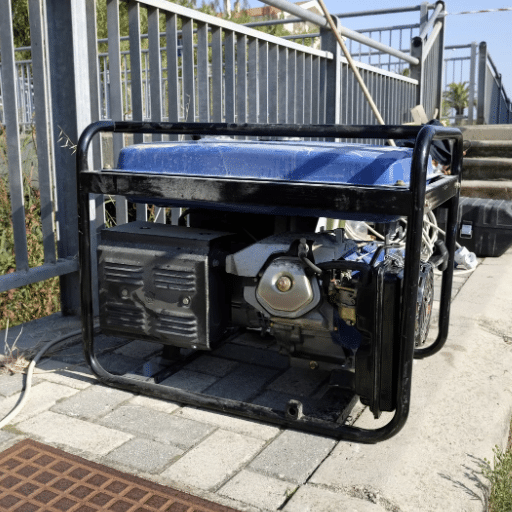
Gasoline generators are usually less expensive in the initial stage, and this would, therefore, make them a cost-efficient option for a short period of time. Nonetheless, plenty of challenges are hidden away in the use of petrol in the long run as it’s costly in return for the energy and also the petro factor is pretty much derived from the market situation. Furthermore, petrol has a shorter storage life that is going to result in the possible increase in the price of the general waste being disposed of or the frequent replacements to cope up with the situation.
The initial cost of a propane generator is typically much higher but its operational costs in the long run are more predictable. Propane usually costs less per unit on average, and it does not deteriorate over time, thereby reducing fuel waste. However, buyers considering the significant initial cash outlay and necessary propane storage setups may prefer to wait.
Initial Purchase Prices
When evaluating the cost of buying the first generators, a user must take into account the type and cost of the fuel source. Gasoline-powered generators are cheaper initially than any other type and cost usually from $500 to $1,500, depending on the capacity, brand, and functions. Budget groups who are in need of an economical power solution as well as a good percentage of the market will be attracted due to the fact that the units are available everywhere.
On the other hand, propane generators are usually more expensive to buy than gasoline or any other comparable fuel type, starting from about $800 and rising to $3,000 or more for the most powerful or dual-fuel models. The higher cost is due to the manufacturer using the best-fitting materials in the construction, employing the latest technology in combustion, and the propane set up requiring additional components besides the engine. Though the lump-sum first-folks-outlay is a bit tough, it may be the ‘no-brainer’ choice for many customers since the pros of having the fuel degrade slower and the operational costs being lower are the two most significant ones, especially for the applications that require long-term, frequent and reliable operating periods.
Fuel Costs: Gasoline vs Propane
When it comes to comparing the fuel costs of gasoline and propane, there are several aspects that need to be taken into consideration including the market price, energy efficiency, and the availability of the fuel. The prices of gasoline are somewhat unpredictable because of market forces, political activities, or demand changes throughout the year. In some parts of the country, the price of gasoline can be as high as $3.80 per gallon as of the latest data. On the contrary, propane is normally in between $2.50 to $3.00 per gallon but gives less energy per unit as compared to gasoline; the consumption will probably be a little more for the same performance in this case.
But, the engines that use propane as fuel often are found to be more fuel-efficient because of the cleaner combustion the fuel provides, this is only one way where propane’s numbers look better than gasoline’s, besides the higher cost. The storage of propane may come at the expense of more money since the tanks are required to be specific, but the life of the fuel is longer which is an advantage in cases of emergency or irregular use.
Long-Term Operational Expenses
In conducting an assessment of long-term operational costs, fuel expenses and the possibility of fuel supply play a crucial role in differentiating between gasoline and propane-powered generators. In the gasoline context, there is a tendency for prices to vary greatly because of the uncertainty present in the crude oil market, the changes in demand due to seasons, together with the geopolitical reasons as well. It is, therefore, conceivable that this inconsistency will significantly affect the budgets over an extended period, especially for the users of the generators which need to be always on. Conversely, the price of propane is usually much less steady through the time thus being less resisted to events of political nature and seasonal price shocks; this makes it easier to do a long-term cost forecasting that is more predictable.
The kind of fuel that is applied has an impact on the frequency of maintenance and the lifespan of the generator. Gasoline-fueled ones are more susceptible to fuel degradation if gasoline is stored for a long time, thus the risk of clogged carburetors and reduced performance. These and other problems that may arise necessitate more frequent maintenance and repairs which in turn result in increased operational costs over the years. On the other hand, propane is a fuel that burns cleaner producing fewer carbon deposits and decreasing the damage made to the engine parts by friction. This cleaner procedure of the combustion can be the cause of a longer life for the generator at the same time keeping all the regular service and part costs lower.
Environmental Impact of Propane and Gasoline Generators

The difference in the environmental impact of propane and gasoline generators is very big because of their combustion property. Gasoline generators emit a higher amount of greenhouse gases, such as carbon dioxide (CO2) as well as carbon monoxide (CO) which are the main gases that are responsible for air pollution and climate change respectively. They also produced unburned hydrocarbons and particulate matters that could be very harmful to the air indirectly and thus adding health risks.
On the other hand, the generators powered by propane emit far less CO2 but are still one of the top contributors to the overall environmental damage. Along with that, propane burning creates very little carbon monoxide and almost no particulate matter which is one of the biggest successes for the air quality. Furthermore, propane is a non-toxic substance which completely eliminates the possibility of a possible gasoline leak being a reason for the contamination of groundwater. This is why many people who are very concerned about environmental protection choose propane as their main fuel option.
Emissions Comparison
The emissions profiles of generators that produce electricity in parallel and those that run on gasoline are very different and a big issue that can impact the environment and human health. Specifically, the highest emissions of carbon dioxide (CO2), nitrogen oxides (NOx), volatile organic compounds (VOCs) are from gasoline-powered generators, which operate on the basis of what is found in the gas canisters. These can be thrown as the major reasons for such issues as global warming, the creation of smog, and respiratory ailments that are so harmful to people. When it comes to the gasoline generator, per each gallon of fuel burned, the generator can emit up to 20 pounds of CO2 and at the same time, there can be super high levels of unburned hydrocarbons and CO2 that can occur in the form of VOCs.
However, propane-operated devices produce significantly fewer pollution fumes, around 12% less carbon dioxide emissions specifically compared to gasoline units. Also, on top of that, the burning of propane produces up to 80% less nitrogen oxide emissions, and volatile organic compounds are in the barest traces. One of the most significant advantages of not having fuel storage evaporating is that it is such a big help in the reduction of ground-level ozone, a major pollutant. Such a high level of energy efficiency represents the use of propane generators as a medium for complying with the toughest pollution laws. Development in propane engine power technology in the last few years has led to getting the most out of the possible when it comes to efficiency, and at the same time, to decrease emissions to a minimum as well.
Fuel Storage Safety
There are many incongruences when one tries to compare fuel storage safety of propane and gasoline generators and most of them are due to the characteristic nature of each of the fuels. Propone is kept in tanks with high pressure and sealed which is resistant to spill and evaporation in normal cases. Such a state is a result of the fact that propane is contained in tanks which are high-pressure and sealed. This situation minimizes the risk of unintended leaks of fuel and also reduces the fire hazards during the same. Moreover, propane has an unlimited shelf-life which means it does not wear out with time, thus omitting the need for stabilizers or frequently changing it.
Gasoline is a good example as it is highly volatile and, therefore, has to be handled carefully. Gasoline in vented or portable containers requires more care in terms of possible spillage and evaporation and it may cause both safety and environmental problems. Gasoline has a very short shelf life of three to six months even if stabilizers are used so after this period, it can start degradation leading to poor engine performance and gas economy. This fact clearly shows that proper storage conditions, i.e., cooler, well-ventilated areas with no ignition source access, are essential to minimize risks.
Regulatory Considerations
It is important to point out a number of issues when reviewing the current rules for propane and gasoline gensets; these issues include mainly emission limits, safety requirements, and the need for storage. The proposed framework can be considered quite lenient on the emissions of propane generators and, in general, these generators can be equated to more environmental-friendly than gasoline generators, mainly through their being more combustion efficient and generating less pollution. Also, in comparison with the gas engine generators, the emissions (mostly CO, NOx, and particulates) from the former are much lower.
In contrast, gasoline generators come under a much tougher regime as far as fuel handling and storing are concerned. First of all, it’s no good getting the gasoline spilled; you also have to contain it properly and so avoid the fire or explosion hazards linked to it being prevalent. It’s also necessary to comply with the local ordinances and fire codes, which might put the gas in a hazardous location according to the requirements of the National Fire Protection Association (NFPA), for instance.
Besides, the two kinds of generators are supposed to comply with the Occupational Safety and Health Administration (OSHA) regulatory framework, which has a particular focus on the workplace location of the equipment. When it comes to OSHA, the rules take care of lots of matters including providing good ventilation so the toxic gases can’t accumulate and setting up protection for the operators. All in all, propane being stored in a more secure manner, e.g., in pressurized tanks, it is very unlikely that there would be leakage, which can prove to be an advantage under these regulations.
Maintenance Requirements for Propane and Gasoline Generators

It is very important to take good care of both, gas and propane generators to ensure they are efficient and have a long life-span. Propane generators usually need less often maintenance than gas generators because propane burns cleaner and leaves less dirt in the oil and fewer deposits on the engine and in the fuel system. In the case of gas generators, the regular maintenance includes checking and cleaning the fuel filters, carburetors, and spark plugs, and also gasoline can degrade over time in the case of not being used which may lead to buildup.
Propane generators even though they are still much cleaner will require that someone goes over them occasionally for the purpose of checking for any deteriorating parts, and for this, the very items to be checked are connections, hoses, and tanks. It is a must to change oil for both the types at regular intervals, meaning follow the manufacturer’s recommended schedule, but the oil and filter changes could be less frequent in the case of propane generators owing to less waste from the engine. Always refer to the user manual for the very specifications and schedules to maintain the performance at its peak.
Typical Upkeep Tasks for Gas Generators
Gas generator play a significant role in the basic maintenance operations. It is recommended that a complete maintenance schedule be completed before and after every major work operation. Additionally, according to the manufacturer, or rather after using them for 50-100 hours and if necessary. Spark plugs have to be looked for as well. Sometimes just dirty spark plugs with a high wear and tear rate can lead to bad combustion and sometimes misfires.
Furthermore, the air filter should be inspected and changed according to the schedule, as the dirt and debris will block the engine airflow, which will reduce the engine’s efficiency. Equally important are the fuel systems. It is better to start with inspecting the fuel lines for any damage such as punctures or clogs. Also, the filter should be cleaned and the fuel system should be unclogged. Stabilized gasoline should be used as it can help prevent the problem of varnish build-up in the carburetor.
Electric start engine models require proper battery care. To achieve this, the battery voltage must be tested and the cable connections cleaned regularly. The engine should be operated under load once a month to avoid component locking due to lack of use and to make sure the unit is working when needed. Consistent maintenance is one way to significantly prolong the generator’s life while enabling it to be more potent and trustworthy at the same time.
Typical Upkeep Tasks for Propane Generators
Proper maintenance is a must if you want to keep the performance and lifespan at a high level for propane generators. The weekly or monthly checkup should include a look at the connections and fuel lines for any leaks or damages as even small leaks can seriously affect the efficiency and safe operation of the generator. Changing or cleaning the air filter at a specific time is a must to avoid debris accumulation in the filter and as a result to avoid more strain on the engine and lower output. Oil changes should be done according to the manufacturer’s schedule, and for most generators, that’s after every 100 hours of operation, as only clean oil can provide enough lubrication and cooling for the internal parts of the generator.
The inspector should also look into the condition of the ignition system’s spark plugs which may need to be replaced if not free of the buildup that could lead to misfires. In addition, aside from preventing the generator from not being used for a long time, working the generator under load once a month is going to burn more of the potential carbon deposits in the combustion chamber. If the exterior and the venting are clean, they will not cause overheating and the unit will consume less energy. By applying these steps to the maintenance, the generator is going to be a safe, reliable, and cost-effective unit during its lifetime.
Choosing between Propane and Gasoline Generators

When trying to pick the best between propane and gasoline generators, take into account the following categories which are fuel availability, cost, efficiency, and environmental impact. Gas-powered generators are usually the best with regard to having more power and being cost-efficient for temporary use, since gas is so accessible and has a high energy output per gallon. However, gasoline is less stable, requires special handling, and might be more dangerous.
On the other hand, propane is the other choice, offering cleaner emissions along with qualities like longer storage stability that make a good fit for green and sustainability-minded users as well as those who need to keep supplies on hand for unforeseen situations. Propane has a higher thermal efficiency than gasoline and does not produce as many pollutants, although the latter is not entirely the case with the former. Nevertheless, there are conflicting views regarding the issue of supplying and availability. Propane tanks take up more space, and it is another challenge that one may face when in need of power in emergencies.
Summary of Key Differences
- Fuel Efficiency and Storage
Gasoline generators produce more energy in general but live a shorter life and which need to be stored under stable conditions to prevent fuel spoilage. On the other hand, propane generators give the benefit of fuel stability, hence, the storage can be kept for the far future without any loss, making them the best choice for a long time of readiness. - Environmental Impact
Propane when burnt is a less polluting fuel, making it the source of fewer greenhouse gases and particulates as opposed to gasoline. Thus propane generators boost the environmental friendliness factor and have to be considered more and more in areas with very tough emission regulations growing out of the situation. - Availability and Convenience
It is much easier to get gasoline as it is sold at every gas station, but people may have to look for propane since it is less common. However, if space and the right kind of tanks are provided, propane can be stored in large amounts, hence providing a constant source of fuel in times of disruption. - Power Output and Performance
One major benefit of gasoline generators is their ability to generate more power per unit of gasoline, especially when the demand is high. On the downside, propane generators are more likely to be affected by issues related to the fuel, like the carburetor getting gummed up or not clogging, hence being less reliable in the long run. - Maintenance Requirements
Propane generators are easier to maintain because they have cleaner combustion and less engine deposit formation. Gasoline engines, on the other hand, need more of these due to late fuel or unburned combustion products issues, which result in inspection and possible repair jobs to be done regularly.
Final Thoughts on Propane vs Gas Generators
The ultimate choice between propane and gasoline engines will depend on the particular user requirements and work priorities. Among the benefits of propane generators are the long-term stability of fuel, reduced emissions, and lower maintenance costs, which already make them an excellent choice for users who take care of the environment or for those who need powerful and yet at the same time stable power sources with rare need for maintenance. Also, waste-free propane is much easier to store, especially in places where people are worried about long-term fuel accessibility.
On the other hand, gasoline generators are more of bulky and heavy machines but at the same time, are preferable due to their high initial power output compared to propane ones. This feature might be required for surge capacities on some larger islands. Going for gasoline generators could also be a choice that is widely practical as a result of the ubiquity of gasoline, a situation that is expected to provide fueling options to people in various areas and also in times of emergencies, which is difficult in other ways to be realized.
Recent developments in the generator technology industry have been undergoing changes along with market trends that are tending very much to account for performance characteristics of different fuel types. That is, the changing world has brought with it the latest technologies such as fuel injectors and dual fuel generators which have increased both energy efficiency and operational flexibility to a point where users can choose their energy source end-to-end with their application-based requirements. As a result, the consumer will be able to make an informed decision as to what the best power source for them is based on available fuel, environmental impact, power needs, and financial resources.
Reference Sources
- “Determination of Emissions from Prototype Engine for Generation of Power from Exhaust Gas of Gasoline Generator”
Read the paper here - “Assessing the Impact of Modifying the Fuel System of a Small Power Generator on Exhaust Emissions—A Case Study”
Read the paper here
Frequently Asked Questions (FAQs)
How does propane burning cleaner than gasoline affect the life of your generator?
Propane generally produces fewer engine deposits than gasoline, and the propane-burning engine lasts longer and requires less maintenance. The lower combustion means less oil needs changing and fewer carburetors are clogged than with the use of gasoline or diesel engines of fossil fuel powered generators. In home backup use, the cleanliness translates to making savings in the long term, even though the per-unit fuel costs are quite high in some cases. Think about the runtime and propane per hour in estimating the total operational costs.
What are the pros and cons of propane for backup generator use?
There are several benefits of using propane, such as the longer shelf life and stable storage of propane in a tank compared to a gas tank; the engines other than propane work in a pilgrimage fashion and emit less carbon dioxide. On the other hand, factors that may limit the popularity of propane-based generators include gas scarcity if you have only a small tank and fuel costs that are likely higher per hour than those of gasoline-powered heavy-duty options, depending on local prices. To better address the issue of determining how long you can run the generator off of a 20-pound or a gallon propane container during a power outage, the system needs to make use of the estimates of the runtimes.
Are gasoline-powered generators a better option for short-term power outage needs?
Gas-powered generators are frequently chosen as the first choice when the power is out because the fuel is easier to find (gas tanks and gas cans are everywhere) and refueling is a hassle-free task. Still, gasoline is a highly combustible fuel with a shorter lifetime compared to propane, the latter of which may be an added factor to one’s living conditions when storing power backup for a long time. Gasoline generators usually provide great amount of power and they are the most used portable power source; still, do not forget to inspect the life and maintenance requirements of your power generator when using gas. In case your usage will be significant, then think about the runtime and compare a gallon of propane to a tank of gas in terms of more reliably meeting your needs.
What are the differences between propane and gas for run time and cost?
When you compare propane and gasoline, the main differences you can find are in the energy density and the way these substances are stored: usually gasoline provides more operating time in a small portable unit each gallon whereas propane gives you the same amount of power for a longer time and also it has a longer shelf life. A 20 lb propane cylinder or a gallon propane equivalent very often gives out less energy than a gallon of gasoline, at the same time the amount of propane consumed will be different compared to gasoline per hour. For emergency generator set planning, you need to calculate the fuel consumption as well as decide whether to keep propane or have extra gas cans ready at all times.