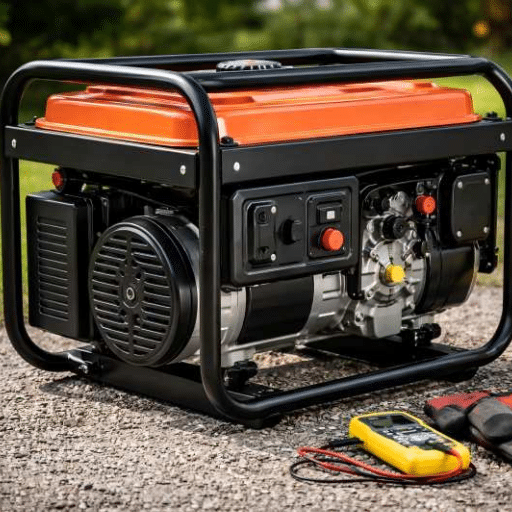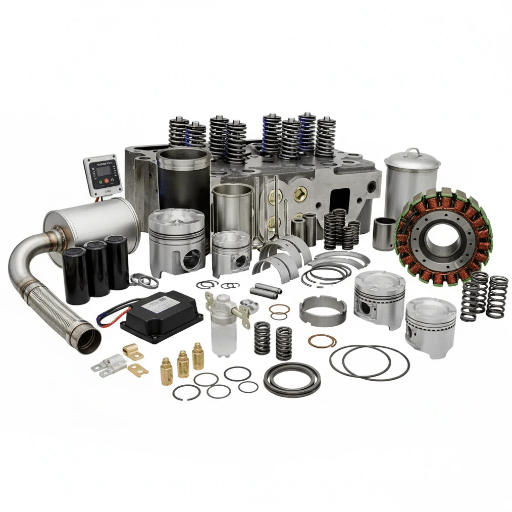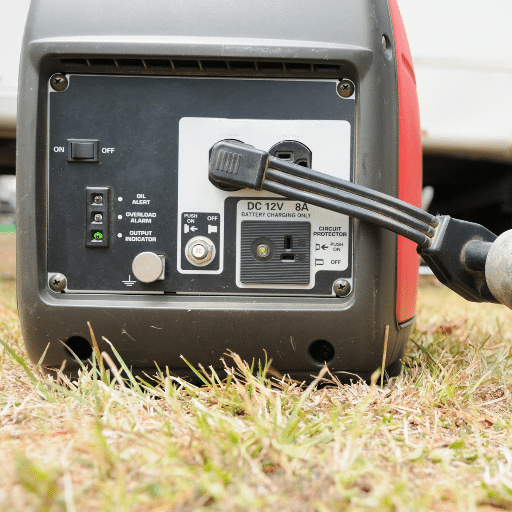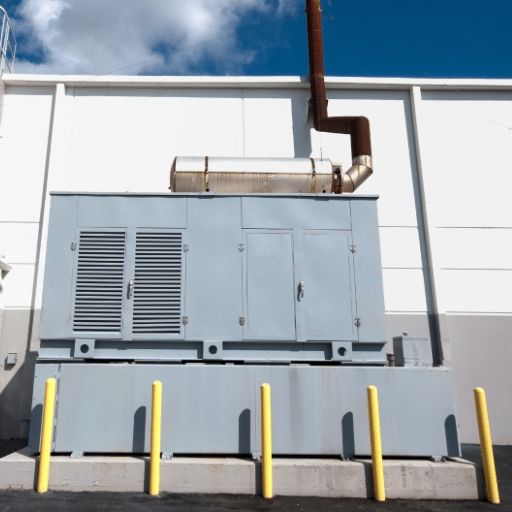

When one wishes for a reliable home power alternative, there are two names that people quickly identify in the field of generators, namely Generac and Briggs & Stratton. The task of opting for one of the two companies can be very daunting because they both have exceptional products, technological innovation, and product performance as the umbrella under which they expand. The main objective of this piece is to deliver a very thorough examination and evaluation of the generators from the two companies side by side, hence proffering you with the knowledge that enables you to make your decision very wisely and effectively. The article will point out the qualities of these brands in terms of power output, duration of use, maintenance, and advanced features. The topic is not limited only to the situations where you are ready for emergencies, but also where you are using your house power off, or you are using a backup solution for your business; this is a complete guide to find the generator that is the best answer for your particular need.
Introduction to Generac and Briggs and Stratton

Generac and Briggs & Stratton are two market leaders in the power generator manufacturing industry, both of them having a long-established reputation for high quality and innovativeness. Generac, in particular, is known for its ever-forward technological lead and the release of its very dependable products, especially whole-home liquid-cooled generators. Their offering is a product whose main focus is to have a genset system which is always ready and never runs out of power with features such as automated transfer switches and Wi-Fi and mobile technology. Briggs & Stratton, on the other hand, is offering its extensive knowledge of the engine manufacturing industry over the years to the generator sector. In terms specifically of their portable and standby generators, they are famed for their toughness, simplicity of maintenance, and cost-effectiveness. Briggs & Stratton generators also have a reputation for having very strong engines, and besides homes, they are often the first choice for small and medium-sized commercial buildings as well.
Overview of Generac
Generac is amongst the acknowledged leaders in the industry of power generation solutions design and manufacture, known for its creative technology and wide range of products. It is a company that makes electric generators for portable, residential, and industrial purposes and offers a variety of options that match different energy demands. Residential standby generators manufactured by Generac feature the latest applications and the Mobile Link remote monitoring option, which enables consumers to smartly control their power and check the system status through digital gadgets like a phone or tablet. Besides, Generac was a pioneer in the energy sector, especially in the integration of eco-friendly solutions such as battery storage and it has also developed solar products to cope with the growing interest among people for the renewable energy sources.
Overview of Briggs and Stratton
Briggs and Stratton manufacture power equipment and small engines that are robust and with good performance for use in homes, businesses, and industries. This company was formed in 1908 and it is well known for producing gas engines, pressure washers, generators, snow throwers, and outdoor power equipment. The amazingly efficient and environmentally friendly machines are still at the heart of the company’s product line, and are in a commitment to address the energy demands by providing innovative energy storage and standby power solutions. It has built, by far, its reputation for catering also to present-day and future energy requirements with its energy storage and standby power solutions. A network of service providers as well as ceaseless research for technology innovations keeps the company strong in the power solutions market.
Importance of Choosing the Right Generator
The appropriate generator choice is the key to the success of the performance, efficiency, and reliability of versatile applications. It is a laying-out process of the principal factors like power output, the type of fuel, runtime, and the purpose of use. Subsequently, a householder may choose the quietly operating and mobile generator, while the owner of the factory would prefer big generators for the unceasing heavy load. Furthermore, the awareness of the technological features like the inverter technology or the automatic transfer switches will lead to a better match with the modern energy system, which, e.g., includes the renewable energy installation. The latest industry data show that the market is in the green and the fuel-efficient generator models are in demand more and more supporting the choice of the models, which do not violate the environmental laws and meet the requirements for sustainability. In a word, customers will always have the most reliable power supply if a generator is chosen very wisely according to the specific needs.
Engine Performance

Factors like fuel efficiency, power rating and maintenance frequency are very important in evaluating engine performance. Efficient engines, generally speaking, operate at constant power and load ratios, show good fuel economy all the time and do not exceed the emission rates. The continuous operation of an engine under harsh conditions can cause the immediate need to call for repairs, and as a result, there is dirty oil and clogged-up filters also. Servicing that includes oil changing and filter replacing is a must to keep the engine running at peak performance and to prevent mechanical wear at an early stage. The selection of a power-heavy engine, however, must be guided by the operating conditions and should be done on the basis of the manufacturer’s power ratings, thus avoiding overloading and ensuring a reliable and efficient performance.
Power Output Comparison
Generac and Briggs and Stratton can be considered the top players on the generator market and each of them is producing a line of products unique to specific power requirements. The massive power output range is, to put it simply, the niche of the Generac brand. Their generators are undoubtedly the best when it comes to robustness, with the highest range being no less than 150 kW, which makes them the most suitable choice for the industrial and commercial sectors. This is in addition to the high-tech features developed by Generac such as the automatic transfer switch and remote monitoring systems which offer smooth and impeccable operation.
Conversely, Briggs and Stratton put a stress on the reliability of their power solutions for both domestic and small business places. The output power of their backup generators is usually between 10 kW and 48 kW. That purpose being for medium-scale environments. They also offer a design that is not only small but also very pocket-friendly along with maintenance features such as easy access to panels, and long-lasting durability under light to moderate loads.
Fuel Efficiency of Generac vs Briggs
When we compare the fuel efficiency of Generac and Briggs and Stratton generators, we will find several key differences. Generac is groundbreaking in the prioritization of efficiency in the energy consumption of the engine-assisted power supply products. Indeed, the very frequency of working conditions has been efficiently developed through the use of advanced technologies such as the G-Flex load management system. Generac’s generators can adapt to energy demand by changing engine speed, simulating fuel reduction in long-term power supply. The former case is a prime example of standby generators manufactured by Generac, which can actually operate at their full capacity by consuming less fuel when they are in the lower load modes; this makes them the prime choice for areas or occasions with changing electric power needs.
Briggs and Stratton generators, though more compact and focusing on the residential market, are created with the idea of being simple and reliable. The power supplies have been planned and constructed according to a model whereby the engines produce electricity in a constant flow and at fixed rates. This, in turn, leads to a somewhat higher fuel consumption level relative to Generac machines that operate under varying conditions. Nonetheless, Briggs and Stratton is able to overcome this through the use of smaller engine units that consume fuel much more efficiently when they are used for long time periods and under the aforementioned conditions. Thus, Briggs and Stratton generators are most suitable for homeowners who require low and controllable fuel costs due to their weekly/monthly operation with less than 100% load level.
Noise Levels During Operation
When it comes to the evaluation of power generator systems, noise levels whilst the system is in operation are always taken into account as the main issues for the user’s comfort and adherence to the community rules. The generators that are made by Briggs and Stratton are usually constructed with what the manufacturers call the “low noise technology.” These are models that have various noise-reduction features such as sound-dampening enclosures and mufflers. By and large, this range of models is not very loud, emitting sounds at between 65 and 75 decibels. This noise level is roughly as loud as talking in a normal conversation.
The innovative Quiet-Test self-diagnostic technology that the Generac generators provide, allowing for operational noise to be measured with the touch of a button during weekly tests, is unrivaled in the industry. With the quieter performance offered by the majority of the Generac models at that time being around 60 to 70 decibels, the company definitely had an edge in the market. These noise reduction advances become crucial in the absence of human-made noise and in no company noise meter reading less than after your work for many variables and a week application.
Reliability and Durability

Generac generators have been skillfully designed to offer the same top quality performance even under very different conditions and hence reliability is guaranteed. They come with corrosion-resistant and heavy weather-resistant enclosures made of durable aluminum metal, one of the critical parts in a generator system. These enclosures are able to withstand exposure to heavy rain, snow, and high winds without being affected. Generac also installs very sophisticated monitoring systems, which will determine and tell the likely problems and fix them beforehand; this will ultimately make the system reliable in an uninterruptible manner. The whole process of a strict test and solid foundation guarantees the generator’s operation and life for a long period of time and hence they are the best answers to any residential or other commercial power loads.
Long-term Performance of Generac Generators
Generac generators are engineered with the most recent innovations in a way that guarantees a stable performance that lasts long. The electrical machines in these generators are equipped with the most precise parts, such as high-power alternators and automatic voltage regulators, which enable the generators to generate more energy and work more efficiently. Thanks to the decrease of fuel consumption, operational costs have become even smaller due to the new fuel efficiency technologies. Moreover, the installation of smart controls along with remote monitoring features enables users to supervise the performance and, at the same time, to maintain metrics automatically and get alerts on their systems, all of which add up to an enhanced operational reliability. The independent industry testing and certification also prove and confirm the longevity and output uniformity of Generac’s models from a technical point of view; therefore, they have been strengthening the company’s reliability, leading to higher trust in their power generation technology.
Briggs and Stratton Reliability Insights
Their excellent power solution products testify about Briggs and Stratton’s great attention to exercising trustworthy and effective engineering means. Their technology is outstanding, as well as their product testing requirements. The company not only manufactures but also designs these engines with the help of the most advanced materials and techniques. It is guaranteed that the engines will work well in different places through the use of these two materials. Moreover, technologies like Overhead Valve (OHV) technology have been chosen to be in the engines because of their high fuel efficiency, low emissions, and good heat dissipation due to the valve controlling the flow of the air-fuel mixture to make them available for the combustion process only when needed.
Also, the organization adopts powerful diagnostic and maintenance systems that can support the monitoring of the performance without any interruptions. On the other hand, the low failure rates and consistently reliable operation of the company were proven by independent assessors in different fields including heavy usage scenarios. The company’s decency and reliability in terms of performance and quality have made Briggs and Stratton a well-known entity in the power equipment markets of residential and commercial purposes around the world. Furthermore, their inventions are a blend of the willingness to cope with the current requirements while still holding the ground of the high standard of energy efficiency and product resilience.
Common Maintenance Tips
1. Regular Oil Changes
It is absolutely necessary to change the oil often if you want the engine to run effectively and last longer. In the case of smaller engines, it is better to change the oil every 25-50 hours depending on the engine and the way you use it. Always follow the instructions of the manufacturer for what type of oil and when it must be changed.
2. Air Filter Maintenance
Clean usage of the air filter ensures the full power of the engine is produced with absolutely clean air. One such case is when the filter is clogged or even a little bit dirty, filter failures and air entry shape issues may occur. Inspect the air filter every 25 hours of usage, and replace it or clean it as necessary.
3. Spark Plug Inspection and Replacement
The spark plug plays a pivotal role in the ignition of the engine. And with time, it can get fouled or worn to the extent of producing starting issues or poor engine performance. The person should check the spark plug every 100 hours or annually and replace it if wear or carbon deposits are seen.
4. Fuel System Care
Engines may falter or lose power due to the use of old or deteriorated fuel. One should never forget to utilise fresh, treated fuel and always empty the fuel tank if the equipment is not going to be used for more than 30 days. Additionally, one may also want to add fuel stabilizers so as to hinder the formation of gum and also protect the system in other ways.
5. Blade and Belt Maintenance
For lawnmowers and other equipment with blades or belts, it’s recommended that these elements are maintained consistently by their examination for wear and damage. Regularly sharpening the blades on average every 20-25 hours of use contributes significantly to cutting efficiency, while worn or loose belts should be replaced speedily to prevent performance troubles too.
6. Periodic Cleaning
The same goes for keeping the equipment clean of dirt, grass trimmings, and other waste that can be washed away; it will help to avoid the parts’ blockages and the consequent overheating of the unit. After each use, vents and surfaces can be cleaned by a gentle brush or compressed air but never with high-pressure water, which can lead to a sensitive component failure.
Customer Support and Warranty

The service provided by Generac is top-notch and is always a phone call or website visit away through their official helpline. Clients can get hold of guides, FAQs, and help from a technician striving to assist through the whole process of resolving their problems. The cover of the warranty is mostly from 2 to 5 years, yet this varies with the product, and thus it encompasses repairs and replacement of materials and workmanship defects. One will have to provide registration information to get the warranty activated, and do the maintenance as outlined in the user manual to keep having the coverage.
Briggs & Stratton uses its consumer-oriented customer service team to provide online help and refer to specialized service centers. If you are buying a product for residential usage, the warranty period will be 2 years which will cover all the faults of the machine and its parts under normal usage. There is still a need for product registration to activate the warranty service, and the most important requirement is compliance with the recommended maintenance schedules to keep eligibility.
Generac Customer Service Experience
Generac has it as a goal to give its customers an out-of-this-world customer service experience, making help available and quick for all users. The customer support team handles customer support via different channels such as telephone, email, and live chat, to assist with questions and to address concerns quickly. In more recent times, the data shows that the response times are such that the inquiries are served very quickly, and with chat support or telephone usage, most of the customers initiate the support process within minutes. Moreover, Generac provides the user community with vast knowledge and documentation resources, which generally include highly structured manuals, frequently asked questions, and step-by-step guidelines, to let the customers solve the problems and support their own equipment.
The metrics for customer satisfaction rate are still reflecting stable and positive numbers, particularly regarding the competence of the support team and the quality of problem-solving. The general sentiment is good, as shown in the surveys. Generac has been continuously investing in the development of its human resources through training and in technology, which has further made the company’s support team one of the best in the industry. Their service has become quick and accurate due to the many different computer and technical challenges, thanks to the company’s great investment in the training of staff and the technology used. This has been Generac’s customer support team, where accessibility, trustworthiness, and friendliness are always put in the first place, which has made the company a key player in the niche of the power generation industry consumer support field.
Briggs and Stratton Customer Support Review
Briggs and Stratton’s support of customers in the industry has been remarkable, always very responsive and exceptionally well-informed, and that was irrespective of the needs of the widely mixed user groups and technical complexities they may be handling. The customers can enjoy multiple avenues to get their problems solved, either through the company’s telephone line, email, or by using the internet, where they can access the knowledge base that includes troubleshooting guides as well as user manuals. Reviewers never fail to mention the high level of expertise on the part of the company’s customer service team in the resolution of tech questions concerning engines, power generators, and yard and garden tools. Aside from this, Briggs and Stratton has been at the forefront of enhancing its service provision by incorporating the use of online digital tools such as a very effective online parts lookup tool and a wealth of maintenance resources, aiming at empowering users by providing such instantaneous and accurate problem-solving capabilities. These are the signs of their dedication to keeping their customers happy by way of a reliable support system that is able to compete in the market full of power equipment makers.
Warranty Offerings and Coverage
Briggs and Stratton not only tries to provide customers with amazement by the reliability and robustness of their power equipment but also offers a wide range of warranty provisions. As for the product version, the days of warranty can be different, as in many cases, residential use will have a standard two to three years limited warranty on the engines, and businesses will have a different term. The specific warranty applies to defects in the materials or workmanship but does not cover normal wear and tear, unjust usage, or unauthorized changes in the equipment. To facilitate the warranty process and be informed on time about maintenance and system support resources, the clients are being recommended to register their products online. For some models of the engine, the extended warranties can be had which makes the consumers who are focused on the long-term reliability of their investments even more delighted and also entails the added value argument to the manufacturers.
Choosing Between Generac and Briggs

One of the biggest concerns when it comes to Generac vs Briggs is finding out how they perform, how durable they are, and how much support you can get from the seller. Generac is known for its highly technological approach to the product, which includes such features as Wi-Fi monitoring and very smart load management, which eliminates the chances of overloading issues that other generators have. Focusing on the other side of it, Briggs & Stratton offers more on the low side of the price and easily transportable designs that are the users’ favorite power solution choices, even at the cost of less reliable technology.
Reliability is an issue where Generac is the most renowned for the build quality and its clean functionality, but using its units during long periods is the least problematic thing. On the other hand, for small or more convenient applications, Briggs & Stratton generators can contribute to user-friendly maintenance and accessible features. Regarding the warranty periods, both manufacturers are willing to acknowledge the users’ claims, although differences could be found in the warranty specifics, making it important to check the product’s terms.
The choice revolves around both what you need in terms of electrical power, as well as what you are willing to pay and which characteristics you hope to have. Those who need a sophisticated appliance with high performance may be inclined to choose Generac, whereas those who put the emphasis on what is practical and economical might decide on Briggs & Stratton.
Comparison Between Generac and Briggs and Stratton
Factors to Consider for Homeowners
To ensure that the generator is the right fit for individuals, the recommendation is for the homeowner to take the lead in evaluating certain aspects that are considered critical. The output of energy and the load are very important factors to be considered at first hand. The generator size that would be best for the house will be determined by the figure of the needed wattage, which is a sum of all important appliances and systems in the home such as the heating, ventilation and air conditioning (HVAC) unit, refrigerators, and medical equipment. The units of a generator’s capacity are thus kilowatts (kW) and they range from the smallest unit (7-10 kW) that covers only a part of the house to the larger system that goes beyond 20 kW with coverage for the whole house.
One more vital factor is the fuel type that is used and its availability. In general, natural gas, liquid propane, or diesel is run by standby generators of different capacities and types. The price, availability, and storage needs of these fuels should be considered by private homeowners in their location. For instance, natural gas as a fuel is perfect for those who have a natural gas service connection, yet propane or diesel might be the only option in secluded places.
Yet, the noise level and installation requirements are yet another to be considered heavily in decision-making. Different models of generators will produce different noise levels. This means that people living in areas where noise can be a problem might want to go for the generators with lower noise ratings or the ones with built-in noise reduction technology. Besides that, the easy process of placing the generator in a proximity spot and being in line with municipal codes or even getting the hiring of a pro installer, are all the pre-set installation logistics to be aware of and should be part of your initial assessment to not face any big unnecessary issues later.
Lastly, households have to assess maintenance plans and costs. Generators need to be regularly serviced, which includes oil changes, filter replacements, and system diagnostics. Decisive action now for generators with a strong warranty and also that come with easily accessible support services will make the power outage days maintenance-free and while maintaining the power high at those times. It will ensure the operation of the system during power cuts. Evaluating all these aspects integrally will make a well-informed decision that is oriented to the immediate and future needs as well.
Reference Sources
- Buying Electricity Resilience: Using Backup Generator Sales in the United States to Understand the Role of the Private Market in Resilience
Access the article here - Experimental Thermodynamic First and Second Law Analysis of a Variable Output 1–4.5 kWe, ICE-Driven, Natural-Gas Fueled Micro-CHP Generator
View the research here
Frequently Asked Questions (FAQs)
Which brand is better for home standby systems?
Generac seems to be the more established brand for home standby systems because it carries a wide range of whole-house generators and integrated transfer switches. The brand is completing its offer with stands and switches that are made for each other at the factories, and the improvements are made in the automation sector which are then much appreciated by the clients choosing the easiest-to-use and installation-free products. The Briggs and Stratton brand also provides standby power units that can be trusted but they are more into the portable generator and engine markets and less into the home standby market which is still most captured by Generac.
How do maintenance and serviceability compare between Generac and Briggs and Stratton?
The maintenance requirements for Generac generators are no different from those of Briggs and Stratton. They both require routine oil changes, the replacement of the air filter, and the checking of the spark plug, as well as the transfer switch and the battery need to be also periodically inspected. On the other hand, Generac, in most cases, integrates more diagnostics and sets longer gaps between service checks, among other advantages that make the process of maintenance easier and let the owners wait a little bit longer until the next maintenance visit. The case is compared to the simplicity of Briggs and Stratton products, even though they seem to have a stronger service network in terms of part availability.
What are the differences in engine reliability between Generac and Briggs and Stratton?
The engines’ dependability relies greatly on the particular model and on the frequency the generator is operated, but when it comes to the tough engines to be used by a range of brands and for a long time, Briggs and Stratton has a name. To some models, Generac provides the engines of its own production but in some cases still, make clients to rely on the specialists for generator rated components, this can not only mean the better but also the whole application of the machine in the stand-by mode will be influenced greatly. If the feedback given by the users to be the parameters for the engine comparison, then it can be quite confidently said that the two brands are alike and that the engines manufactured by both companies are of similar quality if they are just as much regularly taken care of, however, the conditions such as load management technique, climate, frequency of maintenance may still cause the differences, and thus the engine may last either longer or shorter.
Which brand offers better warranty and customer support?
Generac is usually generous when it comes to warranties; they often offer full warranties for their standby home units and further support them through extended warranties done via the dealer network, which is seen as an indicator of their stress on whole-house systems at home. Briggs and Stratton typically have good warranties as well; they are particularly good on engines and portable generators meant for consumers and the distribution network of their parts is vast and therefore repairs can be done quickly. As far as customer support is concerned, the situation is quite mixed for both brands, and it mainly relies on the excellence of the local dealers and service networks, so it is highly recommended for buyers to check the authorized service points and consider the local comments.