
When it comes to getting a reliable power source, businesses and even personal users can have a hard time deciding whether to rent or buy a generator. Both options come with some benefits and some difficulties, yet the final decision will depend on the extent of your requirements and budgets, and a planned future context. This article is to provide you with a kind of a map of the differences between the two, generator rental versus ownership, and at the same time bring up cost considerations, usage scenarios, maintenance requirements, and possible etc. Whether it is for a one-time occasion, a seasonal increase in demand, or a more permanent power solution, we will help you balance the advantages and disadvantages so that you can choose the most appropriate power strategy for your needs.
Understanding Generator Options
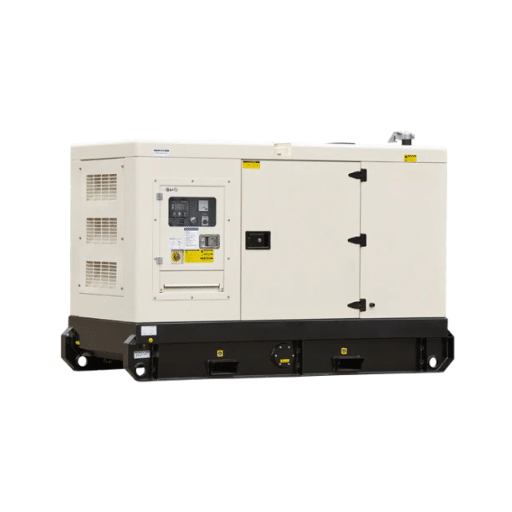
Rental generators are the perfect answer for the power need of short-term. For example, they are always in use in events, constructions, or emergency situations. What is appreciable about these generators is their flexibility; you can ensure to have just the right size and capacity by making the least cost for long-term ownership. Most of the time, renting a generator is accompanied by both maintenance and support free of charge, leading to less of a concern for the refurbishment. In contradiction, the maintenance and the support are taken into account in the full ownership cost.
Indeed, the latter is the more suitable option for the client having consistent or a long-period demand for the power. Despite the fact that the initial cost is a little bit higher than renting, the firm indeed, can save money with the owning. This is true particularly if the business is the one that relies upon power round the clock. On top of that, there is full control over the setting up of the maintenance period including the power that operating the whole system. Nevertheless, one has to meet the expense of storage, service, and other repairs, these are the possible items that the owner may bear together with the full ownership cost including them too.
What is Generator Rental?
Generator hiring definition is renting of power generation equipment only for specific and short uses provided by a third-party supplier. This facility caters mostly to the needs of private individuals or companies requiring the additional power supply at the time of an emergency, planed maintenance, or short-term project. The generator rental is done on the spot, no commitments for maintenance contracts plus the responsibilities for storage, regular maintenance, and repair is under the rental company. A great number of generators are the ones that rental companies have, from the smallest portable ones to the big industrial ones, all is about specific power requirements being met in the most efficient way. Furthermore, it is very likely that the rental solutions are very customer-friendly complete with delivery, setup, and troubleshooting services, which are sometimes also managed by specialists only, so this is a solution that should be considered when there is a high demand for the generator just for a while.
What is Generator Purchase?
Generator acquisition is when an individual company or organization selects a natural gas generator as a long-term asset to match the demand of ongoing electricity. This is a plant-oriented option which is typically considered by industrial plants, hospital, and big commercial operations. In the process of selecting a generator, the following have to be checked: considerate power capacity (in kilowatts), the primary fuel type (while also the co-generation potential, e.g., exhaust heat), the efficiency ratings, and the compliance with emission standards. Along with these key considerations mentioned are other factors like the generator’s routine maintenance, storage, and repair costs which are crucial in ensuring the machine’s peak performance uptime and life. Additionally, the up-front price, although usually a significant figure, is just one side of the coin. Ownership pros involve full operational control, customization, and availability during emergencies or power cut-offs that are critical to operations.
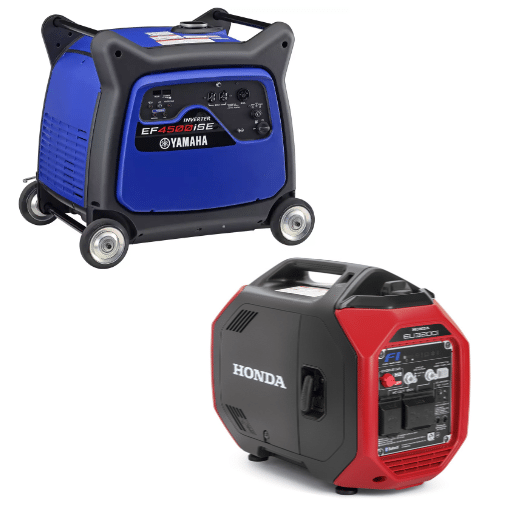
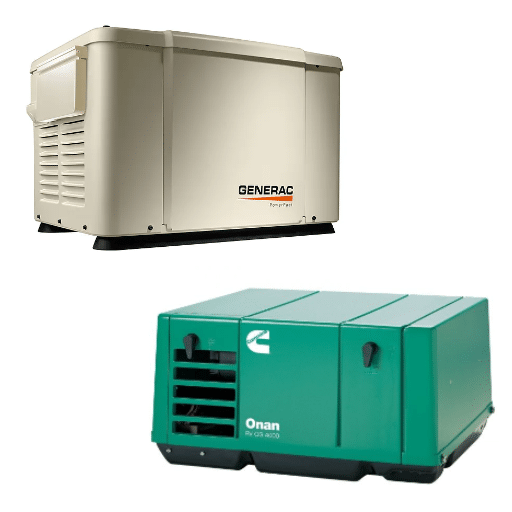
Types of Generators Available
Cost Comparisons: Rent vs Buy

The selection of a generator for rental or purchase is mostly dependent on how much and how often it will be used.
💰 Renting
It is the most suitable option for scenarios where equipment is needed for a specific short period of time. The main advantages include no maintenance costs, price, and customer service. For a duration of up to a few months, renting allows one to enjoy first-hand use, without the concern of where to store or how to guard against wear and tear at the end.
🏢 Buying
It is a better option in terms of costs. Even if the starting costs are high, purchasing a generator will save you from repeatable rental payments and will leave the equipment under your full control. The completion of the construction or manufacturing process is the main benefit
💡 Key Insight: Renting works best on a case-to-case basis during emergencies or construction. Buying, on the other hand, is more appropriate for consistent, ongoing operations. One of the factors in selecting the most economical choice is by analyzing the total cost of operation.
Initial Costs of Renting a Generator
The main expenses for renting a generator are the day-by-day rates, the costs to send it to your location, and the charges for putting the generator into operation. The day-by-day rates depend greatly on the capacity of the generator (usually measured in kilowatts or kVA) and the use it is being put to. For instance, the smaller portable types may be rented for somewhere between $50 and $200 per session, whereas the commercial or standby types which are heavier may fetch prices going beyond $1,000 per day. The delivery fees are contingent on how far the supplier is located in relation to the site and they typically amount to $50–$200. Moreover, the setup fees, covering the installation and testing labor, account for an added expense of $100–$500, depending on the complexity of the specifications. All these initial expenditures are the reason why for the use of generators in a short period they become a better choice among two since there is no need to invest capital or to take serious care of the equipment.
Long-term Costs of Buying a Generator
Beyond considering the purchase price when you evaluate the cost of having a generator in the long run, there are several major factors to keep in mind. To begin with, spending money on the maintenance and servicing is a big part of the total cost, because as generators are in use, they need oil changes, filter replacements, and regular inspections to make sure they operate well and are reliable. These expenses usually lie in the range of $150 to $300 per year and it depends on the model and the frequency of its usage. Besides, one has to think about fuel expenses. Both diesel and natural gas generators can be really expensive to continuously fuel as the major factor is the current market price, the generator’s consumption rate, and the extent of the operation which can add up to less than $1,000 for the bigger ones on an annual basis.
Depreciation is yet another factor that needs to be taken into account during the long haul; though the generator ownership may serve to provide a continuous power supply, the value of the equipment is reduced over time due to its being used and the industry improving its technologies. Besides, also the provision of a place for safekeeping and compliance with the environmental regulations may require extra costs, especially if the generator is to be kept for emergency purposes and be kept alive for long periods of non-use. So, in case of the choice of more long-lasting, more powerful engine models, the cost of doing business or living of the property owner will be very much influenced up to an extent that the machines, although being more expensive, they would have a longer life and better performance.
Hidden Costs in Both Options
There are some invisible expenses associated with acquiring a generator and hiring backup power rental services excluding the initial purchase or lease cost. In the case of generator ownership, constant maintenance is necessary for achieving top-notched performance and for forestalling equipment breakdown. The latter includes but not limited to doing the procedure of regular oil changes, using fuel stabilizers, replacing batteries, and examining the main parts of the machine such as the alternator and the control panel. As time goes on, the aforesaid kind of expenditures can very much be the prevailing factor in the overall owning cost. Moreover, the liquid fuel cost shifts depending on the running moments with the various types of generators (diesel, natural gas, propane) and the geographical prices of the fuel, which are subject to the market tide.
Despite the fact that rental services’ first-time costs may seem reasonable, the final bill will still be pretty higher with continued usage. Additional charges like the delivery and return fees, setup aid, and possibly penalties for the exceeding of the agreed time of use may significantly add to the overall cost. Apart from this, if rental equipment gets damaged or misused, there will also be extra expenses since usually, users are supposed to take responsibility for such incidents in rental contracts. These various hidden costs need to be seriously taken into account when one is to go for rental instead of owning the equipment to have a solid money-saving method in the long run.
Scenarios for Renting or Buying

The key decision between choosing a rental or making a purchase is highly influenced by context. For a person with a sudden need or only occasional use, rent is the best option, such as in the case of renting some specific equipment for a project, or when the operation is going to be so minimal that there will be practically no maintenance of the equipment. On the other hand, buying might be a more sensible option for an owner who is expecting frequent and long-term use and can get the desired features, can have the full control of the operation, and can save the regular rent payment. The matter is further complicated when market forces, like depreciation and the possibility of resale, are taken into account. In simple terms, the option chosen should be the one whose length of use, number of times used, and type of use are consistent with the efficiency of both financial and operational processes.
Short-term Power Needs
Usually, immediacy regard for portability, speed of deployment, and flexibility are the main considerations for short-term power needs. The compactness and energy-efficient features of portable generators or battery-based power systems make them more suited to applications where power is needed quickly and anywhere like event set-ups, emergency backup systems, or temporary site operations. The availability of lithium-ion battery technology advancements has led to battery systems with greater capacity and less weight, which as a result, is a tempting appeal over fuel-based generators. Furthermore, the compatibility provided by hybrid power systems, involving battery storage and solar panels, enables environmentally friendly solutions that can deal with short-term energy requirements thus, decreasing the carbon footprint. Generally, all these improvements have been helpful in terms of reliability and sustainability in meeting the ever-changing and time-constrained power demands.
Long-term Power Solutions
Advanced technologies are now gradually taking over the power facilities for long-term power solutions in order to ensure the power supply will be consistent and sustainable. One of the components that are significantly required for the stabilization of power grids is battery storage systems, which can be used on a very large scale. They store all the extra generated energy at the times of the peak production and release it when the supply is not enough for the demand. Nevertheless, lithium-ion batteries are still the most favored ones due to their high efficiency and energy density, and this trend may be driven further by the investigation of solid-state and sodium-ion battery technologies, making progress in the realm of performance and cost reduction.
Enabling renewable power sources to be used in microgrid structures is another breakthrough in making long-term energy plans much more sustainable. The fact that such grids can function on their own or through the main power system while providing a layer of back-up and reliability to the core power distribution is of great benefit, especially for the regions experiencing natural calamities or network outages. When used in tandem with artificial intelligence and predictive analytics, microgrid systems will revolutionize energy distribution as a whole, monitor peak usage time, and significantly reduce the amount of energy that is lost, presenting an ideal template for the establishment of smarter and more adaptable energy networks.
Commercial vs Industrial Generators
Long-term Maintenance Considerations

- 📋 Scheduled Inspections: Wear and tear or potential problems can be spotted sooner with the help of regular checks. Better to observe the manufacturer’s maintenance instructions for the equipment.
- 🔧 Replacement of Parts: Items that are constantly used and can be disposable such as bearings, filters, and seals should be under surveillance and timely replacement is a must in order to sustain the condition of the unit.
- 🛢️ Lubrication and Cleaning: Keeping proper lubrication can lessen friction and wear, while cleaning will prevent build-up of particles that can cause an operation to stop.
- 📝 Record Keeping: Keep complete records of all the maintenance works together with the date, parts that were replaced and any problems that were faced. This can keep track of the equipment’s maintenance and help to plan for the future.
- 👥 Staff Training: Make sure operational staff are trained in basic maintenance tasks and knows the importance of routine care.
Maintenance for Rental Generators
- 🔍 Inspection Schedule: Set up a fixed day-to-day inspection schedule that would help you to find the issues that may arise in the future. The inspection should be sorted out visually and by operation. You should include the checking of oil levels, antifreeze levels, fuel conditions, and battery health in the inspection. Inspection should be done at the beginning and the end of each rental deployment.
- 🛢️ Oil and Filter Changes: It is always best to keep to the manufacturer’s guidelines if you want to have the longest life for your engine. Diluent-free oil cuts the wear on the internal components, and concurrently, the cleanliness of the filter is the major reason for the efficient working of the machine, and also the lower risk of contamination.
- ❄️ Cooling System Care: To evade the generators from getting too hot, they need to have a good flow of air and water in the cooling system. The thermostat is another important part of the cooling system, which must also be maintained. Other systems required for the process of cooling systems must also be kept in good working order.
- 🔋 Battery Maintenance: The battery, being an essential part of the starter system, the battery’s charge and performance should be regularly tested. In such case, it must be seen that the terminals are clean and connections are tight. The cells must be replaced if there is any sign of the battery showing signs of capacity loss or in the electric power area.
- ⛽ Fuel System Management: Make sure the fuel for diesel generators is properly checked and that it is not mixed with any impurities. One may apply fuel stabilizers in case the generator is to be inactive for a long time. Moreover, make it a habit to drain the fuel tanks and clean the tanks with liquids periodically so as to avoid any sediment building up.
- ⚡ Load Testing: Always conduct regular load testing at just under the generator’s rated capacity to ascertain its ability to operate under standard conditions. The load tests do more than validate that the system is working correctly as they also go on to make the power supply and exhaust systems, regulator output, or any other problems visible.
Maintenance for Purchased Generators
- 🔋 Battery Inspection and Maintenance: Make it a habit to conduct a thorough check on the generator’s battery every now and then and make sure that the charge, and the life, wear. Clean the terminals as well as the connections of the battery to achieve desired results, i.e. working/uploading properly. More often than not, the battery is to be blamed for the generator’s failure; therefore, it is very important to make regular inspections of it. Experts also advise that batteries be changed within a 2-3 year time span or as prescribed by the makers.
- ❄️ Cooling System Maintenance: The cooling system must always be in tip-top condition to avoid overheating when operating the generator. Check and fill up the coolant as well as use the recommended mix of coolant as per the manufacturer’s instructions. At the same time, do the normal maintenance as the belts are weak and the hoses are leaking hence having issues while working is not an option.
- 🛢️ Engine and Oil Maintenance: Regular oil changes should be done on time whose intervals are either defined by the generator’s hours of operation or the manufacturer’s recommendations. The oil grade being used should always be the proper one for the model to keep the engine lubricated and operational. Also, the oil filter should be replaced every time at the time of oil changing to prevent contamination and boost the engine’s power.
- 💨 Exhaust System Checks: The most common inspection at the generator site is the exhaust system, for leaks, damage, or blockages. The presence of carbon monoxide is a common hazard that generators produce during period operations. It is because of this that the proper functioning of the exhaust components is very crucial for safety and efficiency. What to do is to provide proper ventilation surrounding the generator so as to lessen the risk of hazardous emissions.
- ⚡ Electrical Connections and Controls: Make an inspection of the following electrical connections, circuit breakers, and control panels to find any kind of degradation or unfastened wiring. All the connections should be cleaned and tightened if needed in order to avoid any electrical malfunctions. Maintenance diagnostics should be run on control panels from time to time to look into and make adjustments to the operating and parameter settings.
Choosing a Reliable Provider

When you want to pick the best generator service provider, experience and reputation should be the key factors taken into consideration. Service providers should have done the same equipment for a good long time and be able to prove the same. Alternatively, they might have very positive customer reviews or testimonials. Make sure they are qualified to handle your specific generator model and have a reservation of original parts. Their maintenance service must be timely and they should always be reachable in case of an emergency. Furthermore, make sure they give you the costs and the service agreements clearly, which go into each part of the service.
What to Look for in a Rental Provider
It is very important to have a wide range of very good quality and well-maintained equipment available from a rental provider when it is about renting a car. Look at the company’s reputation in the industry first by checking the professional certificates, awards, feedback from customers with a certain verification. A supplier that is worth trusting should have the possibility of offering the clients different time rental periods, i.e., short-term as well as long-term, to allow the customers to fit the project timelines and the budget that they have at hand. The other thing you have to double-check is that the company gives top support services as well, in other words, tech help, training on equipment, and even possibilities for fast delivery, to lessen the time period of the project.
A supplier that is already providing high technology should be including rental arrangements in a technological way, that way, operations can be maintained easily. Last but not least, see on the aspect of their growth and the service, which will lead to the possibility of taking bigger deals, or orders for more unique products, particularly with the spreading out of the projects. To rent equipment efficiently and with no trouble, all such aspects are very important in the process of choosing a rental provider.
Evaluating Generator Purchase Options
When you look into the criteria to be followed for the purchase of an electric generator, you must necessarily look at factors like power, gas consumption, and longevity. Start by the investigation of the exact power needs of your situation, taking into account both the maximum and general load demands, so that the machine will be able to cope with the usage you have got in mind. Furthermore, the third factor to consider is the fuel efficiency. Opting for a unit with the least consumption rate will not only save more for the consumers but also result in a significant reduction of the costs of operation. And finally, examine the toughness and the stand of the product in case of the generator, especially when it is used in hard places or is used continually, in which case reliability will matter a lot.
The integration of such advanced features as noise-reduction technology, automatic voltage regulation, and remote monitoring capabilities can greatly improve the function and user-friendliness of the generator. Besides, the meeting of the industry standards and emission regulations by the generator is not only a mark of the environment-friendly unit but it also means that the machine is in line with the legal directives. Warranty, service support, and replacement parts availability of the manufacturer can be one of the factors to consider in choosing a generator which has once aligned to your operational requirements. Through a comprehensive examination of these parameters, you can discern the model of the generator that is most suitable for your operational needs.
Customer Support and Service
An effective customer support and service framework is a must for ensuring smooth running without any glitches and a very prompt problem solution. The 24/7 technical support consist of the essentiality of the situation and is the main element of the company in the high operational period, so it is the main criterion for the company selection. Not only that, but it is time-saving to have a full network of services with experienced workforce along with in-house certified technicians who have their work aligned with safety and efficiency. The service agreements should be scrutinized carefully, including maintenance programs and performance testing to maintain the generator operation life cycle. Also, try to consider detailed customer testimonials and the status of the cases that are well documented so as to evaluate the manufacturer’s customer support, dependability, and overall commitment to the clients. This degree of scrutiny will then set a solid ground for a long-term operational partnership with the support of the best-operational success partner.
Reference Sources
- Model of Purchasing Decision (Renting) of Generator Set
Read the paper here - Simulation of Purchase or Rental Decision-Making Based on Product Service System
Access the article here
Frequently Asked Questions (FAQs)
❓ Is generator rental vs purchase better for short-term power needs?
Hiring, rather than buying, is frequently a cheaper option for the situation when energy power is needed for a short term. In addition to no initial payment required and no maintenance cost in the future, the renter has the chance to adjust to working with different size machines which will cover the short term job without being stuck with a particular model. If you expect frequent short projects, it is a good idea to add up the rental costs and compare to the buying cost as a means of decision to rent or to buy. Among the things to think about in the rents are the machine sizes, their locations, and the operating cost.
❓ How do I compare the cost of renting and buying a generator?
A cost comparison needs to be done which would comprise purchase price that has to be paid up front, the financing, maintenance, storage, insurance, and depreciation costs for buying against daily or weekly rental rates and delivery cost for renting. In case of long-term ownership, take into consideration the ongoing maintenance, fuel efficiency, and unanticipated repairs which cause a change in the total cost of ownership. If there are tax implications, owning might turn out to be beneficial due to the reason that the depreciation benefits might be available whereas renting usually is taken as an operating expense.
❓ What are the pros and cons of generator rental vs purchase?
Acquiring the item or buying it all up front means the item is always readily available and in some cases will be cheaper over the long run due to frequent use, but the user will be the one to handle maintenance and storage. Leasing or renting the product cancels out the difficulties of maintenance and storage and also allows for the change or increase of the capacity as and if needed by the consumer, but this process might turn out expensive if used regularly. In terms of acquiring, one must assess the upside and downside of the item factors such as its trustworthiness, and fuel economy, and compare to the number of expected miles/usage. Consider your use to determine whether you are using for business or residential application and then make your choice accordingly.
❓ When is long-term ownership of a generator the smarter choice?
It is better for you to have a long-term commitment to owning the backup power if you are in a situation that requires dependability in terms of backup power, such as for remote sites or critical operations since the average cost per use decreases as time goes by. If you own it, then you can have it the way you want it, get a service or warranty plan, and still control it in a way, but a power generation leader can do these and more. Make a long-term purchase if you care about fuel efficiency and total cost of ownership and have the space and man-power to hold and maintain. Weigh up the tax consequences and future value of the generator when making a decision on the question of to buy or to rent.