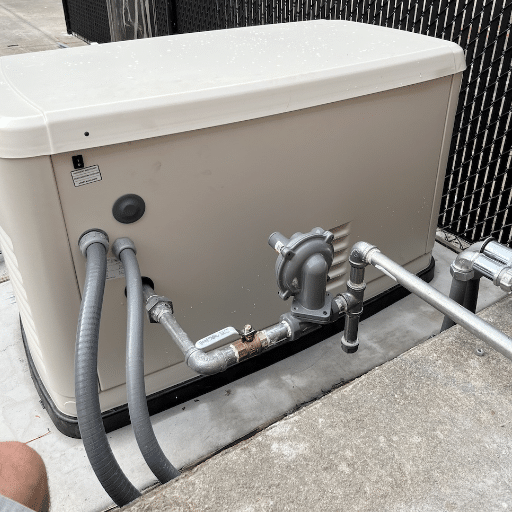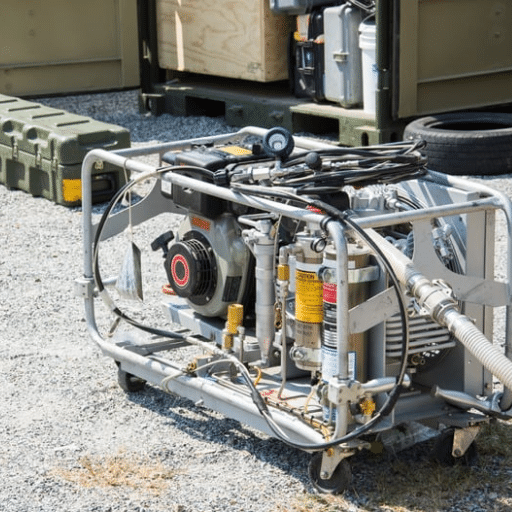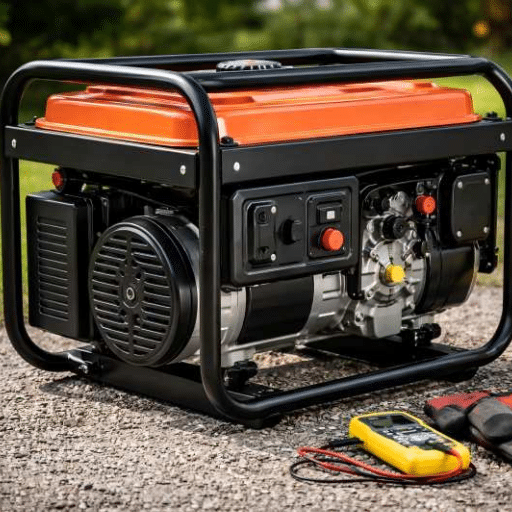

There isn’t a more important topic than when looking for a generator. In view of this pressing concern, there is no significant decision in that balance besides the decision on whether to go for an imported or local product. This is because, as opposed to brand loyalty only, you risk having to consider a myriad of factors including performance, reliability, cost, and warranty benefits with regards to service and maintenance of specific components. Each of the advantages and limitations derived from imported and locally manufactured generators are critical to ensure their equitable comparison. The present discourse consists of the key areas that one must consider in making a decision that is tailored to the given situation. Whether you intend to have a generator working for ages, or you are specifically looking to cut down on costs or still access the generator accessories or services, this is why you have come to the right place.
Introduction of Generator Types
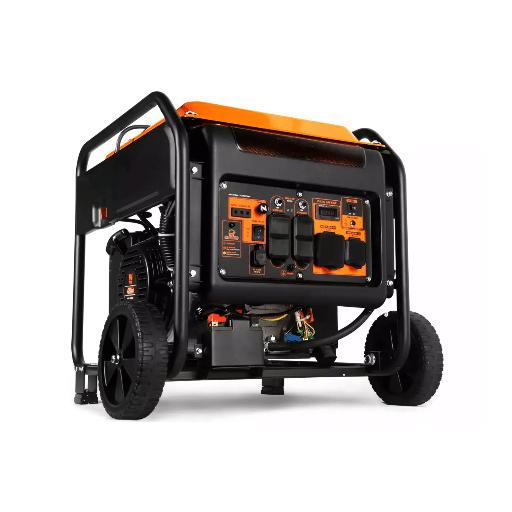
When selecting a generator just like any other machinery, the attributes of importance in the selection process include speed of work, reliability and ease of maintenance. Such imported power tools as the generator usually have technical and efficiency superiority often times emerging from advancements in the industry. Every superiority is not equally cost friendly when considering the potential delivery distances and possible repairs even in simple tasks.
Additionally, considering cost effectiveness and availability of spare parts and servicing among other factors, users might tend to prefer the locally manufactured ones. These are usually built to the idiosyncratic standards so, an advantage would be the minimization of the proposed works and maintenance downtimes where necessary. Although imported sets are superior and may not possess some advanced technologies, they compromise that, aspect for convenience and affordability of the user thus being very useful to those who are practical minded.
What is a Generator?
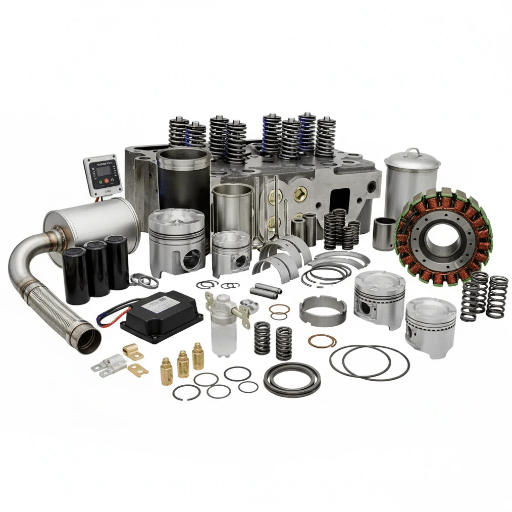
An electricity generator is a machine used for the conversion of mechanical energy into electrical energy through the process known as electromagnetic induction. The conversion is commonly achieved by a rotating device such as an engine or turbine geared to a rotor which causes current flow by rotating within a magnetic field. It should be noted that generators have gained immense global popularity in as far as supplying power in different residential, commercial and industrial settings is concerned i.e. backing at that is needed in emergencies, using power that does not require connections and meet demand within premises. The types of emergency power generators depend on requirements and are limited to use such types as auto-start portable, portable, inverter and heavy industrial systems. The key components of a generator include the stator, compensator, cooling system and monitor, designed to work together, providing the user with continuous power supply.
Overview of Diesel Generators
Diesel generators are acknowledged for being efficient, tough, and economical and are therefore a preferred choice in various sectors. Diesel engines have a higher compression ratio as compared to the gas engines, which inherently makes them more efficient hence better fuel consumption and low operating costs over time. On top of these economic considerations, the fact that it is specifically built for dealing with harsh conditions while at the same time requiring little maintenance makes it one of the most long lasting objects to see deployment in any system.
There is a greater advantage in dealing with a problem or coping with energy shortages. As of the time of increasing reliance on fossil fuel diesel engine standby generators have moved on from the concept of merely ‘turning a key’. This post focuses on the control and promotional abilities of modern day diesel generators. They are capable of output and real time supervision under advanced control conditions. A new periphery is established in terms of safety by the addition and control of automatic shutdown systems which not only protects system but also reduces risks to be caused in vigorous operating conditions. Other improvements are in the area of environmental pollution as engines thicken the oil with lead and allow the engine to meet restrictive standards which have been impossible to meet with typically used engines.
Types of Generators: A Comparative Overview
| Type of Generator | Primary Application | Fuel Source | Portability | Efficiency | Key Features |
|---|---|---|---|---|---|
| Diesel Generator | Industrial and commercial use | Diesel | Stationary | High fuel efficiency | Durable, low maintenance |
| Gasoline Generator | Residential and recreational | Gasoline | Portable | Moderate efficiency | Lightweight, affordable |
| Natural Gas Generator | Home and business backup | Natural gas | Stationary | Cleaner emissions | Quiet operation, reliable |
| Propane Generator | Residential and portable use | Propane | Portable | Moderate fuel efficiency | Long shelf-life of fuel |
| Solar Generator | Eco-friendly applications | Solar energy | Portable | Renewable energy | Quiet, no emissions |
| Hydrogen Generator | Cutting-edge sustainable use | Hydrogen | Stationary | High efficiency | Zero emissions, innovative |
| Wind-Powered Generator | Off-grid and remote areas | Wind energy | Stationary | Renewable energy | Requires specific locations |
| Standby Generator | Emergency power situations | Diesel or natural gas | Stationary | Reliable for outages | Automatic startup feature |
| Portable Generator | Short-term power needs | Gasoline or propane | Highly portable | Lower efficiency | Compact, convenient |
| Inverter Generator | Sensitive devices and tools | Gasoline | Portable | Stable power output | Quiet, efficient power |
Imported Generators: Features and Benefits

Foreign generators are of good quality and are reliable in providing power where and when needed. They exploit the most advanced engineering capabilities and, in terms of construction, they are among the strongest. It is important to note that they have speakers that may benefit the user by reducing noise and the level of emissions. They also conform to certain international guidelines for safety. A lot of the machines that are usually imported which is manufactured from outside the country will be easier to use by non-technology fanatics. They, in some cases, will have the automatic overvoltage cutout.
The major pros of foreign generators are security and flexibility. They can produce energy which is constant and suitable for domestic applications as well as for industrial equipment. And it’s also my understanding that the imported generators are relatively less noisy and have reduced emissions thereby associating them with the several environmental measures. Inverters within this class provide the appropriate voltage required for delicate electronics.
Advantages of Imported Diesel Generators
- Fuel Efficiency
Among the fuels found in the market, diesel is the most cost effective regarding performance. Technically, more work can be performed with diesel fuel oily type, at no extra cost that any other fuel. For example, a 10 kW diesel generator can work for 20-30% more than its gasoline equivalent. - Durability and Longevity
The importance and popularity of diesel fuel based imported electrical generators is mainly due to the following reasons. Namely, most domestic diesel generators were not designed to economically handle continuous full loads that typical schools and hospitals are in the habit of using. In contrast a reasonable estimate of the trouble free running hours possible is 20,000 – 30,000 operation hours before overhaul is necessary, which is almost twice the time that a gasoline generator can be operated. - Lower Operating Costs
Usually finessed gears and diminish to engine wear, cost of diesel maintenance is low. This happens because of using diesel fuel, and though imported generators are in question, the viewing is hardly different: those are compounded with enhancement to suppress aggressive components in the device. - High Power Output and Scalability
A majority of these, in particular, being sold, can give out more power; hence, they are very reliable – this is because they can be used efficiently for big projects like factory and building constructions, communication centres. On the same branded products like imported generators also feature versatile designs that customers can extend the solution in order to cover additional power solutions. - Reliability in Extreme Conditions
The imported diesel generators can function properly at extreme conditions, which include cold environments and high elevations. These generally do not stop as frequently and help is not required to get them back on the racks even under harsh conditions. - Advanced Technology and Features
Many diesel generators that have been imported come equipped with advanced technological features, for example, automatic voltage regulation (AVR), load management systems, etc., and have a digital monitor on them. This improves their workability and safety as well eases its use for the operators.
Common Concerns with Imported Generators
- Compliance with Local Regulations
The quality of diesel generators is also of concern as imported diesel generators may not meet required local emissions standards, equally be less safe or meet regulatory certification. The country’s leaders must enforce punitive enforcement actions can include alerts or fines as what is most common. Otherwise, the engine may need to be retrofitted to meet certain standards. - Availability of Spare Parts and Maintenance
The procurement of generators from abroad may lead to increased expenses in situations where spare parts are absent or there are no branches of authorized service centers nearby. If the manufacturer does not have its own distribution within the country, the repair of the generator can stretch longer than it is expected. Those who use this backup power in business management as well as the individual users are the worst hit. - Initial Costs and Import Duties
It is also worth noting that cost factor of importing generators can be more compared to local options due to shipping and importing costs, and tariffs, and there will be other charges which may differ for the local consumers as well as the imported models. Especially for projects with limited funds, these costs may reduce the extent to which imported models are adopted in preference to indigenous products by a much greater proportion. - Voltage and Frequency Compatibility
It is possible for machinery imported into the market to come in a different standard from that in the buyer’s country due to different voltages and frequency. For instance, the generator intended for an area on 60 Hz may have compatibility issues when taken to an area on 50 Hz. It is of importance when region importing operates on a higher frequency than the machinery: additional equipment in the form of adapters or converters has to be purchased, hence an increase in the cost. - Potential Warranty Limitations
Some limitations of the warranties of the imported generators might be applicable within the hosting nation only. Strained warranty constraints along with unyielding claims resolutions may keep potential customers away, especially when the support provided locally is abstract. - Dependence on Foreign Supply Chains
Imported generators are likely to depend on global suppliers, which can face disruption from geopolitical conflicts, port congestion, labor and shipping costs, among others. Prospects for mitigating supply chain risk management in the presence of the supply chain risk elements aligning such with sources of risk.
Domestic Generators Explained

Frequently known as domestic generators, the devices being reviewed are intended for power cut situations. Most commonly, these items can be found in the market; they usually come in different sizes and are used in different parts of the house for specific purposes. For instance, some are used for power of the essential appliances such as the lights or the refrigerator, while some are used as backup for even more demanding appliances such as the air conditioning. It’s also true that domestic generators enjoy to some extent advantages over foreign ones due to lower immediate and long-term replacement costs, and the increased odds of breakdown whenever needed and servicing coupled with it. Even so, they come in a variety of designs for customer preference even adapted to the region with its laws and regulations and also its climate.
Benefits of Choosing Domestic Generator Sets
- Enhanced Reliability and Performance
Domestic generator sets handle specific requirements depending on the location and power demands of the region. For example, some places must experience harsh climatic conditions which are typical in their construction with higher-rated equipment. Reports also show that homegrown models might be favourable when it comes to the usefulness expectation of their use giving a chance of experiencing a higher reliability performance of 10-20% over the general unmarque manufactured models. - Compliance with Local Regulations
Apart from the benefits indicated above regarding domestic generator sets the standard of installing generators in a particular country that sells generators is helpful. The generators that you can consider buying are not the ‘filtered’ ones that are only intended for use in homes. In this respect, it is not surprising that domestic generators usually fall within the US EPA Tier 2 or Tier 4 limits to minimize emissions pollution. - Simplified Maintenance and Support
In addition to on-call support and maintenance services, domestic manufacturers also make it easier to source highly specialized and difficult-to-find replacement parts. It is stated in the statistics that the generator owners in the country experience a quicker service delivery time of 30% higher than the facility and repair, ensuring that power interruptions are minimal and do not inconvenience them in the process. - Customization and Flexibility
It is also does not come as a surprise that domestic manufacturers usually make products that are tailored to specific needs and may range from simple home backup generators to highly specialized machinery for industrial use. This approach is often useful because prices and other terms and conditions are negotiable. - Lower Total Cost of Ownership (TCO)
Although the lump sum cost representative of the consumption of a locally manufactured generator may also be slightly higher or the same with regards to the imported one, typically the overall future expenses will be less. This is observed due to an increase in the cost of refueling, the cost of component shipping and receiving of new parts, and the recoverable useful life to the customer. - Support for Local Economy
Employing domestic generators to meet one’s energy needs is a show of support to the local economy which in turn rescues the same from unemployment. The study states that for every 100 generator units from inside the country, approximately 15 manufacturing and service-related jobs have stayed within the place.
Disadvantages of Domestic Generators
- Higher Initial Costs
When acquiring a domestic generator, the initial expenses are often higher as compared to the foreign models. Tougher regulation, and higher labor and raw material costs, all contribute to the increase in manufacturing expenses. It has been found that the domestic conservation and into power extraction systems can sometimes cost between 10% to 20% higher than the proportional imported alternatives. - Limited Variety of Models
More so, variety of custom made generators sets in the domestic economies is normally limited to a number of standard offerings only when compared with the range from the import market. The company may focus on the mainstream general availability of generators, hence other special needs may not be met. It is in such cases that the basic need may have divisions which cannot effectively function due to lack of reliable purchases. - Potential for Technological Lag
Domestic generators are more reliable as compared to import ones nevertheless the latter’s enhancements may not always be the best. Manufacturers from advanced countries in many cases shelter their consumers from the redundant noise or offer tools for remote monitoring systems which makes them superior. Research points out that some quarter of domestic generator players do not implement new offerings as readily as the competition from abroad. - Geographic Limitations on Market Availability
Conversely, they may contain within them local arms manufacturers who, as is usually the trend, tend to serve regional markets first before they can consider opening new frontiers in other regions. And in some instances, it creates a shortfall in tremendously poorly characterized areas which increases available stock pressure or stationing of units from suppliers. - Perceived Value and Brand Strength
Many brands that are known internationally have been able to build strong reputations which influences how much trust their consumers have in them. They see this as an advantage imported generators have over domestic ones. Studies have, in fact, found that 40% of people think imported generators are of a higher quality, even though the facts on the ground may say otherwise.
Comparative Analysis: Imported vs Domestic Generators

When choosing between local and international generators, a number of variables have to be regardes such as costs, effectiveness, durability and also the ease and duration of repair:
- Cost
Certainly, generators imported from other countries typically cost more than brings tariffs and other monetary costs. However, generators manufactured locally cost comparatively less which makes it cheaper to move. - Reliability
When it comes to service, both generators that are manufactured outside or inside the home come in handy. However, overseas based suppliers are much more likely to be regarded from an angle of picturing new products in different, while local ones are oriented towards production of safe, durable and easy to use products. - Maintenance and Support
The advantage of such home purchases is that they are of a local origin, thus there are usually spare parts and related services offered by the dealers or more distributors. Purchasing any foreign made generators might be risky as obtaining maintenance will then mean shipping in the equivalent parts and even the technician to work on the repairs to them. - Availability
Most generators on sale in the market are domestic, which guarantees their availability even against the constraints of supply chains. In the case where the generator is foreign, it would be impossible to deliver it on time maybe because of the challenge encountered in shipping issues or even in the delivery chain.
Eventually, the decision will factor in factors such as how operations are intended to be carried out, the finances available as well as the long-term aspects in relation to the availability of maintenance and costs.
Differences Between Imported and Domestic Generators
| Parameter | Imported Generators | Domestic Generators |
|---|---|---|
| Initial Cost | Generally higher due to shipping costs | Typically more affordable |
| Quality Standards | Often varied based on country of origin | Standardized for local regulations |
| Availability | Subject to shipping and delays | Readily available locally |
| Repair Parts Availability | Potential delays due to import logistics | Easily accessible in the region |
| Maintenance Expertise | Requires specialist knowledge/training | Local expertise widely available |
| Customization Options | Limited customization from manufacturers | Greater adaptation for local needs |
| Warranty Support | May require overseas communication | Local support usually faster |
| Operational Efficiency | Can offer advanced features in some cases | Tailored for regional efficiency |
| Regulatory Compliance | Needs adaptation for local standards | Already compliant with local policies |
| Shipping Costs | Higher due to international logistics | Minimal or nonexistent |
| After-Sales Support | Dependent on foreign manufacturers | Reliable local service networks |
Cost Comparison: Initial and Long-Term Expenses
In assessing front and back-end costs; it is very important to identify that there is a difference between the initial costs and the periodic costs. The initial expenditure under international options is also affected due to the high acquisition costs comprising import duties, taxes, freight charges etc. These extra costs tend to increase the projected budget stems particularly for large productions involving huge purchases. Local competitors on the other hand, usually realize a lower barrier to market entry in form of low initial costs, as the goods may be stocked within the regional distribution system, therefore incurring lesser costs due to time and transportation and also customs duties.
As time goes on, the total cost of ownership (TCO) will differ due to factors such as upkeep, refurbishment and whether the components are available or not. Custom solutions may present an increased cost of operations due to factors like an over-extensive schedule of repairs, protracted warranty claims, and most probably expensive overseas-based spare parts. In contrast, the regional options in most cases do not entail any costs owing to immediate availability of replacement parts amidst low service costs as well as a more extensive support system, which limits the period of downtime and increases operational output.
Local suppliers are also more likely to offer varied payment options to buyers like installments or leasing agreements that have a manageable spread over the repayment period. This makes them not only ideal but easily accessible to clients who desire these long-term payment solutions. Businesses, for example, in need of innovative solutions to support business objectives, such as assessing the potential benefits from energy saving solutions, should also evaluate the long-term cost in business.
Conclusion: Making the Right Choice

If there’s a choice between international and Russian unified energy supplies, it will depend on the manufacturing and utility operational needs. Foreign equipment is especially interesting in the market due to its high technological level and innovations, as well as built-in oriental for the global reliability standards. On the other hand, they are very expensive to obtain and at the same time have spare parts or maintenance takes long time after acquisition. Local (not very reliable) generators on one hand are considered as not very effective, provide with an emergency provides quicker support and are more suitable for the local operating conditions, most suitable for emergencies.
To choose the best option, businesses must consider cases like financial restrictions given to the parameters of the budget reach, location of the services in the vicinity as well as business capacities of the generator. Look at the two answers in the light of the designated objectives and needs so that full compliance is achieved. Do not take any rapid decisions in your benefit on this matter; normally seek opinion of the experts who have dealt with the same issue or the authorities.
Factors to Consider When Choosing a Generator
- Cost Efficiency
Generators that have been imported to a country will have higher purchase price because there are long distance shipping and payment of Custom duties which are counted in total cost of the equipment. While, in country bearings nomad do not have the above, because they are not imported directly. However, more importantly when costs are dealt with, it is critical to involve worrying about initial costs and the maintenance costs that the generating set will rack up including but not limited to fuel volumes, the availability of spares in the market and the availability of technical assistance. - Maintenance and Spare Parts Availability
In regions with poor electricity, there is an increased need for alternative power tools in the form of generators. With such high demand for spare parts and servicing among the generator dealers and users alike, local generators will be the first to benefit from easy availability of spares courtesy of the local dealers. On the other hand, imported generators are considered to offer advanced technology. - Durability and Performance
Some of the brand-specific performance metrics like fuel efficiency, consistency in power output and the ability to withstand harsh weather conditions may vary from one brand or make of a generator to another. Imported models of generators produced by reputable companies may have better enhancing performance characteristics and quality as they tend to have longer life and shifts almost all of them still possess their technological edge. - Compliance with Regulatory Standards
Domestic and foreign generators are not exceptions to the rules of regulation and environmental safety. There is a need to verify such certificates as EPA (Environmental Protection Agency) certification including local legislation on emission levels. There may be instances where imported equipment is not readily available as it is still undergoing approval procedures in the market it is being introduced into. - Cultural and Industry Adaptability
Domestic generators are designed with local know-how, which makes them more relevant to special industries or particular locations in the area. Imported generators are more sophisticated as they usually incorporate newer concepts however; additional customization might be in order to fit into the existing system.
Final Thoughts on Imported vs Domestic Generators
There is a series of crucial factors that need to be taken into account while opting for domestic or imported engines to ensure they suit the objectives, resources, and performance expectations. In most cases, localized support, rapid service, and customer-specific adjustments to suit the environmental and industrial intricacies of a particular region are possible when one opts for domestic generators. For foreign products, however, they are situated away from customers and as such, they could possibly offer the most recent and most diverse products though with more impediments. For this, one is likely to have more options compared to domestic markets hence, they will have more models to choose from. These may include longer wait times, acceptance tests delays, among others.
Recent industry reports suggest that there is an expansion in imported generators as a result of efficiency and automation technology improvement. The use of local machinery in certain regions will still continue due to the efficiency of service deliveries and the able to acquire that specific spare part needed. The final verdict lies in the assessment of the costs incurred at inception, the cost of maintaining the system and the availability of maintenance to be offered afterward. A commanding and that which necessitates making a basing otherwise rather a detailed assessment would therefore see the investment profile fitting one that facilitates the realization of uncovered conditions.
Reference Sources
- AERMOD Modeling of Air Pollutant Emissions from Backup Generator Use in Lagos, Nigeria
Access the thesis here - Health Risk Communication and The Hazards of Portable Electricity Generator Use
Download the paper here
Frequently Asked Questions (FAQs)
How do types of generators compare for 3-phase and 50hz power equipment needs?
For industrial applications, providers of three-phase domestic and imported industrial electrical systems are variably equipped allowing users to optimize tariff rates for 50Hz grids and to achieve specific kilowatt hour efficiency benchmarks. Due to sophisticated diesel engines therein, it is different in the case of certain imported machine models, such as those that are powered by engine manufacturers like Cummin and other foreign brands, suggesting depreciation of the import price of the equipment. Auto & power machines specifically lie in wait in terms of comparative noise levels, services, and spare parts, including oil tank and oil pumping support.
What are the advantages and disadvantages of buying an imported diesel generator?
Some of the main benefits can include the possibility to supply some of the famous imported engines, the probable reduction in the noise level and the technical parameters that are made to order and meet the special requirements of power equipment. However, there are also some drawbacks such as much higher spare parts costs in case of breakdown, longer time for maintenance to be carried out and also problems with, for instance, pollution control in areas which follow the California Air Resources Board standards. This is why the demand for imported generator units is better met by analyzing domestic diesel generator sets of similar quality and what the acquisition prices would be.
How do fuel-related components like the fuel tank and oil tank affect generator choice?
The fuel tank’s size as well as the design of tanks that hold oil have an effect on run times as well as overall maintenance schedules, the rate at which refueling and oil changing is done, together with the respective costs per kilowatt hour certainly. One main benefit of the diesel sets that are imported into the country is that the fuel system and lubrication systems configured are well adjusted such that the consumption too is catered for, inbuilt with optimized technologies however there is an availability of spare parts although they can not thoroughly satisfy the needs of some customers.
Can I avoid buying fake units and fake goods when shopping for a professional generator?
To avoid the purchase of counterfeit goods or false claims, it is recommended that the products be bought only from authorized dealers, be sure to check with the manufacturer about the series, request letters for the engines, and the parts of the import brands. The professionals tend to clear all specifications, warranty, and proofs of certification both for local and imported models. The unreasonably high price differences in the bla bla bla generated by domestic diesel engine competitors against imported options are possible to trace. Prior to deciding to purchase always verify the build up, the noise level, and additional periodic gloating and availability of supports are provided.