
Selecting the appropriate generator that can serve your needs involves more than simply looking at its capacity and type of fuel; the location in which the generator is situated can also inform its cost efficiency, lifespan and in relation to that, how much it works. Global description of marine and land generator main aim is analogous whereas the requirements for each are seriously different. In this editorial, the main generality and differences in the design of the two types of generators will be discussed as well as their performance and appropriateness considering the application. Whether transforming a watercraft into a loyal marine or defending a land-based location from that minus the healthy flexibility of innovative power supply and the propelled laden performance then understanding these nuances helps in taking the decision with better confidence.
Introduction of Marine and Land Generators
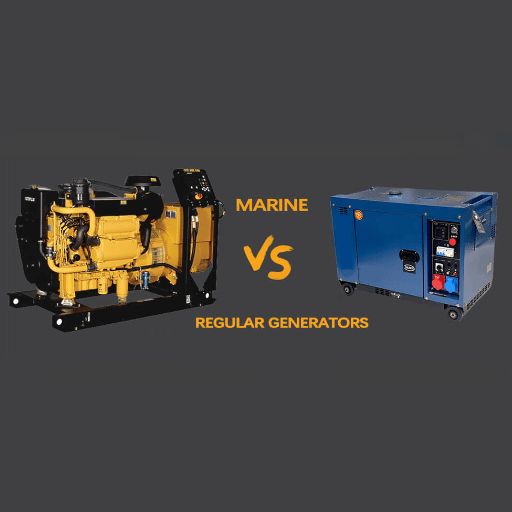
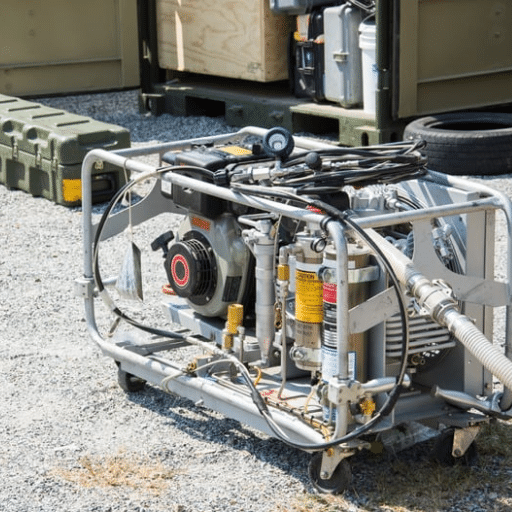
While understanding certain differences among sets, i.e., generators that deal with land versus those that are restricted on the boat, will be in order, especially when it comes to making a decision on what generator to go for. Marine generators are for instance designed to last rugged conditions of marine application where it is possible that they could be exposed to seawater, high relative humidity, movement in terms of the boat or ship or even salt. They can be made of materials that do not react to salt and are often small in size in order to fit within the congested vessels.
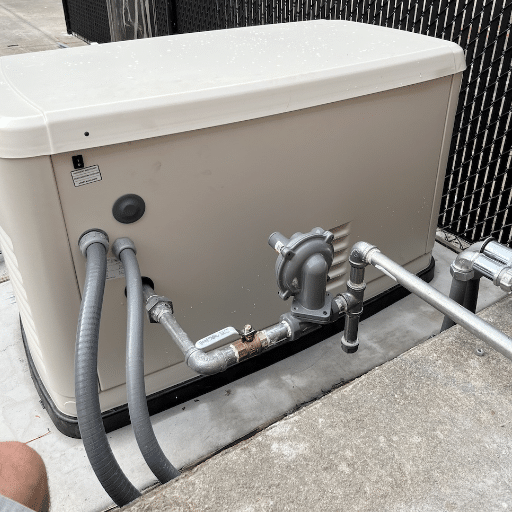
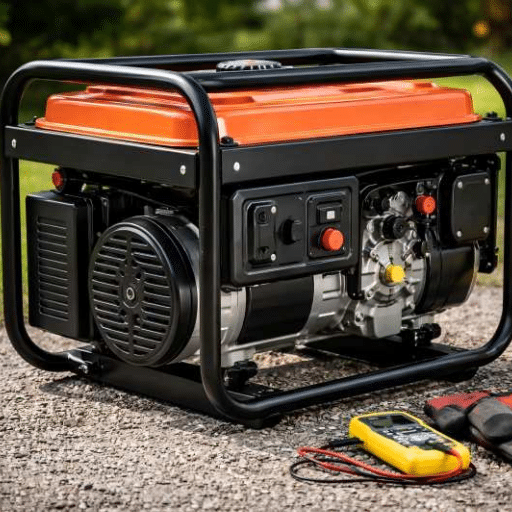
On the other hand, land generators are generally designed for use in one place and hence are normally operationally efficient and low maintenance. These units come in a wide range of sizes and have multiple uses including as standby power, in the building industry, and in manufacture. To choose the right kind of generator, it is necessary to determine the climatic and power requirements expected for the particular space, which the generator will be fitted into.
Importance of Generators in Various Applications
The use of generators spreads to numerous branches and is practical in various cases where power supply must be regular and dependable. In a medical setup, it is mostly generators that come to the rescue in case of power deficit, to ensure that essential equipment like life-support machines, coolers of medical materials and other critical lighting facilities won’t be adversely affected due to power disruption. In addition, with the power of the generators, the reliability of the power is apt in case of industrial use where manufacturing is a key function and would avoid such issues on equipment disruption and costly facilities downtime with abrupt power failure.
Data centers, on the other hand, have to embrace generators since even a brief loss of power can result in a huge setback in terms of loss of data, business failure or increase in response time. Thus, the latest models being created for these needs are fitted with some highly sensitive detection mechanisms so they can absorb more and more power efficiently. And, indeed, for some endpoints, like buildings, generators are basic in running cranes and power fences and supplying electricity in districts where grids have not yet stretched.
Moreover, renewable technology integration has earned hybrid generator technologies which cross between conventional fuel systems and renewables like solar or wind. These advances have gone a long way in reducing fossil fuel usage and global initiatives targeted to minimization of environmental degradation. Also, the various applications of generators ensure their constant importance in the highly technological age where business operation success relies on power adequacy.
Differences Between Marine and Land Generators
| Parameter | Marine Generators | Land Generators |
|---|---|---|
| Application | Used on ships and boats | Used in homes, industries, and offices |
| Corrosion Resistance | High due to saltwater exposure | Minimal as corrosion is less of a concern |
| Cooling System | Water-cooled using seawater | Air-cooled or closed-loop water-cooled |
| Size and Weight | Compact, lightweight for limited space | Larger, suitable for open spaces |
| Noise Levels | Designed for low noise during operation | Noise levels vary based on type and brand |
| Fuel Type | Primarily diesel for safety and efficiency | Diesel, gasoline, natural gas utilized |
| Cost | Higher due to specialized materials and features | Relatively lower and widely available |
| Durability | Built to withstand harsh marine environments | Designed for stable, static conditions |
| Installation | Requires professional marine-grade installation | Simpler installation procedures |
| Maintenance Requirements | Regular checks for saltwater-related wear | General maintenance without saltwater exposure |
Cooling Systems in Generators

Marine Generators:
These systems can be assumed to have a cooling system using water which means that they get cooled by seawater. This is an efficient strategy for free water environments that have large amounts of seawater. Nonetheless, it necessitates implementation of corrosion resistance and regular inspection to the marine atmosphere-induced effects on materials.
Land Generators:
These types of generators usually make use of air or water cooling systems. Herewith, the air-cooled system is a solution equipped with a cooling fan, while the closed-loop liquid cooling is a solution that starts with a system with a radiator and is assisted in cooling by fans to control liquid flow. Such installations are used in areas where stationary generators are appropriate for installation and there is no convenient supply of external water sources.
Raw Water Cooling in Marine Generators
Raw water cooling systems cooling systems for marine generators work based on retrieval of large raw water volumes from the surrounding environment, preferentially from the seas, lake or river water, to cool the engine and associated parts. This process is rather frequent due to the high efficiency in heat removal of the marine structure where there are plenty of sources of external water. The raw water passes through the heat exchanger where it absorbs heat from the engine’s cooling system before being directed to the world. As much as it might be good, these systems, however, work better and therefore do not come without some sort of difficulty, such as mineral and marine organisms and salt that might cause scaling, biofouling, and also corrosion in such systems.
So that those problems can be avoided, advanced raw water cooling systems usually come equipped with some sort of sieving equipment which takes care of getting rid of foreign objects, and also incorporate sacrificial anodes made of some metals such as zinc, to prevent galvanic corrosion. In addition to that, routine rinsing and upkeep are of great importance in preserving the longevity of the system and preventing problems during its operation. With the inroads made in materials science, there now exist options that are stronger and more resistant to fouling than the traditional heat exchanger materials, such as titanium, that one can use even in high marine conditions.
Air Cooling in Land-based Generators
Air cooling helps in managing the temperature of gas fired generators placed in power plants for use on land. Also should be the choice of a cooling technique particularly if the power plant is located lacking any water source or it becomes impractical to use any water cooling system. With the air cooling system, heat will be pumped out into the surrounding air powered by fans so that the critical components of the generator do not become too hot. In the majority of electric machines, the cooling is done by an electric fan; other uses are in cars and trucks, where it generally cools the engine, mostly the engine blocks, the stator, and the rotor coils.
Modern air-cooled generators are designed with advanced thermal management systems, consisting of efficient axial flow cooling fans, and enhanced fin geometries to increase the surface area of heat exchange. The creation of the cooling fins is usually done with the use of light metals which have copper or aluminum alloys since they are found to have the highest temperature conductivity. Such machines are imposed with very few demands especially in mild climatic environments since they require far less maintenance than their liquid cooled counterparts.
Impact of Cooling Systems on Efficiency
Generators, specifically marine and inland machinery, are known to have great efficiency which primarily relies on the appropriate liquid cooling design for that particular application. An example of such cooling system in the marine generator is the sea water cooling system, which is preferred due to the abundant water available in the environment. Therefore, the cooling system incorporates heat exchangers which cool the engine’s coolant, through which seawater passes. Though such systems are known to have a high attenuation of heat, fouled systems have hidden consequences such as wear. supplanted what the typical schematic was also reduced maintenance intervals as well as other engine components and installations also such as ester coolant.
A lot of white papers are lengthy in explanation because of the complexity of the subjects they deal with. Land based generators in the supply of gas must use many advanced methods such as air-cooled or closed-loop liquid cooled systems. Air-cooled designs are a common choice since they do not need water for operation or piping and can be employed in a wide range of places regardless of climatic conditions. However, they experience some limitation when it comes to prevailing temperature and do not work well when exposed to excessive temperatures. The most advanced of torrid and arid air-cooling system with water or glycol also provides adequate cooling capacity for high power applications.
Materials and Coatings for Corrosion Resistance

Marine power plants are activated within an environment where exposure to saltwater predetermines the risk of corrosion. To fight against this issue, materials which are innately resistant to rust and or corrosion, e.g., stainless steel and marine-grade aluminum, are widely employed. Also, advanced coating materials such as epoxy or marine specialized coatings will be applied to avoid direct impact of corrosive agents on the equipment.
For land based generators, while corrosion is still a concern, the threat is less pronounced in comparison to marine settings. For example, protective zinc-based coatings, powder coatings, or weather-resistant paints are sufficient to protect the components against moisture and environmental wear.
Consideration of materials and coatings at the same time depends on the context of exposure including serious marine conditions where salt, humidity, water and moisture are far above allowable limits. Regular maintenance, with particular emphasis on coated surfaces, is one of the key exercises in assuring long-term corrosion resistance and especially in those two environments.
Materials Used in Marine Generators
A good marine generator can be built to withstand the environmental conditions, and thus the selection of materials used holds a lot of weight on the issue of the marine generator life. Some of the material used includes stainless steel, aluminium alloys and copper-nickel (Cu-Ni) alloy. Stainless steel, in particular, is used to make grade 316 and duplex steel. It is very effective when it comes to the resistance to erosion as it has a high chromium quality in addition to molybdenum content. Most often is where mars is utilized for the making of framing and where the exhaust/parts are in contact with the sea water.
Aluminum was chosen for its light weight and its resistance to corrosion provided through self-generating protective oxide layer on surfaces. Being espoused aluminum outsourced to unpressurized components and covers. Copper-nickel metals have good protective features against the environment as they are serviceable to heat exchangers and conduits directly in contact with sea water to prevent biofouling and pitting corrosion.
The growing pursuit of innovative technologies in protective engineering has increased the occurrence of these composites and polymers. These materials offer both outstanding corrosion properties and light weight. In addition to that, coatings such as epoxy, polyurethane, linings, and other specific types of zinc coatings known as zinc-rich coatings are lined inside in order to establish an extra layer of protection from seawater and air moisture. Generally the choice of material for shipboard generators should take into account the strength and corrosiveness in which the equipment will be operated and also take into consideration the cost implications of such operations within the useful life years.
Comparison with Land-based Generator Materials
Materials used for land-based generating facilities exhibit significant differences from those chosen to construct marine-based generator, as specified by the technical forecasts of the ocean development and the preservation of natural resources. The reasoning goes that the materials that remain on the ground typically do not suffer as much from dampness, saltiness, and decay as those that are used in marine generating sets. More often than not, such metals as. Structural steel and cast iron are widely used in land-based systems at enhancing machines’ strength, effectiveness, and machinability.
Other perspectives include land-based operations where the environment control is always easier than it is for offshore components, which do not require complex shields like land-based ones. For example, protective layers on electric power generator components in land installations may be aimed at thermal protection or protection from abrasion, not necessarily marine appropriate aggressive resistant coatings. Such differentiation reasserts the requirement for stringent material choice strategies through all stages of design and construction specific to the working conditions enabling the physical plant for a successful long operational life.
Environmental Durability

Seaworthy engines are built quite differently from engines that operate on land. The main difference in these constructions is all about the creative ways of treating the corrosive problem. Since vessels run in salt sea water, this is one measure that has to be looked at seriously. Is there any special treatment you can provide say such as coatings and stainless steel material to the sea water environment? However, dry land engines normally are in such cases not so harsh regarding environmental conditions like protection against dust, thermal stress, and dry periods from time to time. Both these options call for wear and tear schedules though the schedule required by a vessel’s engine is usually more detailed to reduce corrosion effects of sea water exposure.
Effects of Saltwater and Humidity on Generators
The introduction of saltwater as well as zero oxygen humidity within a structure accelerates the corrosive process on the generator components. This enhancement of water corrosion is especially emphasized in metals like iron and steel which are commonly remembered by people from their rust and pitting actions brought about by salt water’s chloride ions. A similar fate can strike electrical components, as trace elements of salt can build up as a result of evaporation, and these salts can serve as conductive paths creating short circuits and hot spots. Additionally, high humidity worsens, making the above worse, as it promotes the development of condensation inside the enclosure compounds and attacks the insulation material and equipment more powerfully.
To prevent such occurrences, it’s critical to undertake the use of elaborate protective strategies. For instance, many power plants that are designed for use in marine environments come with protective layers, sacrifice anodes and hermetic seals in order to increase their durability and reduce maintenance requirements. Even environmental controlling devices such as dehumidifiers or air heaters are usually mounted on the enclosures to enable effective operation of the generator and avoid moisture build-up. In practice, it has been demonstrated that the employment of anti-rust sprays from time to time and cleaning components of a generator tend to be the most effective ways of reducing harm from salt and moisture.
Design Considerations for Marine Diesel Generators
When designing marine diesel generators, conditions of higher humidity, salt water, and varying sea temperatures must be taken into consideration. This is very essential to make the generator durable and effective for its specific environment. Thus, the materials of construction are very carefully selected as one of the key strategies to enhance the corrosion resistance performance of marine equipments. Most structural critical components are made up of corrosion resistant materials such as stainless steel and aluminium so as to reduce the effect of degradation with time. Also, protective coatings, such as marine-type paints and antifouled coatings, act as corrosion inhibitor shields and antifouling agents.
Marine Diesels quite largely rely on suitable cooling process to remain functional, through time as well as preserve the standard development. There are in principle two most widespread systems—air-cooled and water-cooled. The scorching marine heat necessitates water-cooling, and due to the vast abundance of seawater, water-cooled systems are often chosen over air-cooled. Still, they are successful only up to a certain extent, as they also require elaborate filtration and certain robust construction of heat exchangers to avert damages that can be brought about by the salts and aquatic organisms. When applying ductile working conditions to a system, it could be advantageous to allow for additional cooling routes and the logic of that is understandable.
Land Generator Durability Factors
Whether a land-based generator will last long depends largely on the kind of materials used in its construction, including protective coatings. When considering the materials that must be employed for constructing engine blocks, bearings, windings, it is necessary to choose materials that are capable of withstanding long terms of mechanical and thermal activity. For example, engineering steel and their alloys are preferred for their resistance to chemical corrosion as well as for their physical strength while winding applications require the best electric conductors and thermal expansion resistant copper or aluminum.
It is necessary to introduce advanced protective technologies such as innovative coatings in the design of structures to minimize environmental drawbacks such as corrosion, wear, or oxidation. The benefits of which are also present with galvanic protection and epoxy-based paints, in which coatings are durable and can withstand exposure to many different weather systems and chemical substances. Frequently, dust-laden or stress is imposed by liquids containing suspended particles and other substances. The capacity of components benefited by ceramic coatings allows for elevated temperatures. Strength material coating eliminates wear and fractures attributed to both heat and dry friction.
Practical Applications and Suitability

Both land-based and sea-based generators are constructed keeping in mind the type of work, based on their environment. The sea-based ones are made more resistant to corrosion such as seawater and during construction, different to absent sealing techniques along with it uses stainless steel components and improved coatings such as temperature coatings. Besides, the last thing to say about such generators is that they are used most commonly in the spaces of the ships since they are compact and can be loaded easily so as to generate appropriate power continuously under very heavy loads.
Such preventative practices as correct selection of materials and various forms of covering not only help to improve operational properties but also significantly reduce costs for repair and prevention because of the bigger and prolonged reliability of the equipment.
If choosing one of the two, one should bet on marine generators as they are more adept in places surrounded by water, they have anti-corrosive properties and are more long-lasting. In case of the stable terrestrial conditions with less exposure to the environmental changes, the land-based generators shall be used. However, the operating environment and power output needs are the determining factors in one’s decision-making process.
Choosing Between Marine and Land Generators
Upon evaluation of all the factors complicating the decision, we find out that proper consideration of several governing principles with respect to the requirements and restrictions in the environmental media of the object under design is indispensable. First, energy enough to complete the task is required. Actually, marine installations are better positioned within the vessels to meet the requirements for differing loads and work under tough conditions without any performance issues. But in the case of land use, the generators are designed to provide constant and load determined electricity to the user such as in the case of construction or industrial activities.
The cause of the environment is another important factor, not the least. In fact, Diesel generators need to be given materials that will not erode in the wet salty atmosphere that is found in ships. Inclusion of plastic and glass sheets are used and special coating of commonly used engineering materials is used to prolong the service life of the equipment. The land generators are generally constructed to withstand most weather conditions, such as temperature extremes and precipitation, and even at the lowest degree of correction prescribed at sea level, they do not require any specific anti-corrosion measures.
Peculiarities like fuel type and how efficient it is are also of the essence. Marine generators have become most reliable and safe due to the fact most uses is diesel with improved energy density and storage for any maritime activity. On the other hand, land-based power networks, special ones, are likely more flexible, and even depending on other circumstances, can be propane-fired or natural gas-fired and even diesel at a melting stack.
It is also important consider maintenance consideration. Ship-based power plants should be serviced more often as they are exposed to more volatile environmental conditions especially with todays technologically advanced naval ships. As for land based power plants, although they do require some form of maintenance elevation is such that it is efficient. Analyzing such notions can be very beneficial in identifying the best alternative in generator technology that suits the intended purpose more.
Future Trends in Generator Technology
In recent times, there has been a revolution in the field of generators fuelled by the merger of emerging technologies and demand for contemporary science, which operations in an environmentally friendly manner. A phenomenon that is driven by the current situation is the entry of hydrogen-based power driven solutions as well as the adverse conventional fuel based systems. On the mention of these, thermal generators have taken on alternative energy from hydrogen fuel cells, as it results in the only water and useful heat which makes it environmentally friendly, particularly if used to mitigate the effects of carbon dioxide emissions.
The evolution of hybrid generator systems is another development that carries a lot of weight. Hybrid generator systems merge renewable sources like sunlight and breeze together with traditional engine properties. The beauty of these provisions is the smartness attained where the system is such that it can even operate in fully remote and off-grid environments. These are impressive ideas. And within the same timeframe, there are modifications in energy storage devices, such as batteries for generators, which enable power supply contingencies to be overcome efficiently because the switch between the devices becomes almost seamless with the availability of power.
Lastly, the changing outlook on power as a business through automation and AI-driven capabilities will alter the way generators function, comprising the smartest load management strategies and coping with changing energy requirements. The coexistence of these technical breakthroughs paints a clear picture of future development of power generation systems in a way that will make it more and environmentally friendly and above all more intelligent; power generation today will be more efficient and clean in the years to come.
Reference Sources
1. The EU Blue Economy Report 2025
2. Clean Energy Technology Observatory: Ocean Energy in the European Union – 2022 Status Report
Frequently Asked Questions (FAQs)
What is a generator set, and why choose a marine vs. a land generator?
A generator set is a device that converts mechanical energy into electrical power, and generators offer support in emergency situations or function as a primary power source, depending on the use case. In case of marine generators, bearing in mind the conditions out at sea, prevention of vibration and the use of non-corrosive substances help reduce the rate of wear of the equipment in the corrosive marine environment. On the other side, land generators and marine generators differ in the environmental conditions and the maritime regulations. These regulations keep optimum quality assurance in marine generators they are constructed to be fail-proof and reliable.
How does a diesel generator set compare between marine and land use?
It is a common and straightforward choice to use a diesel generator set as diesel fuel brings in high levels of energy. Especially when it comes to a diesel generator, designed for a continuous or emergency supply of new power, it is usually prefilled with diesel fuel. Marine generators are regularly outfitted with water-cooled exhaust systems and seawater strainers and have special mounting to prevent mechanical vibration. However, terrestrial generators with flooded batteries do not exhibit such conditions. Sea-going generators require that measures be taken to ensure that the corrosive effects of seawater are eliminated.
What is the difference between marine generators and land-based models?
Differences in how marine and land-generated works arise in areas of constituting materials, refrigeration mechanisms, as well as adaptation to the requirements of marine applications, specifically in safety and emission control. Marine generators are built such that they can be able to withstand the forces due to the ship’s hull being in motion, water sprays, relatively increased humidity levels over land and so on; on the contrary land-based generators regardless of whether or not they are placed in an air-conditioned prefabricated structure, dome or hexagonal enclosure are relatively more stable than marine ones.
Why are generators different in corrosion resistance and mounting for marine units?
Maritime generators are produced with materials and coatings that can withstand corrosion because salt air and seawater can accelerate corrosion and eventually destroy metal parts. These generators are usually housed in homes, ships, and or other enclosures, and they have special vibration mounts to reduce vibration from surges and extreme waves. Whereas the land units are therefore devoid of such provisioning and would use seals orcooling which proves ineffective in the marine sector, as the generators need to be tailored to the specific operating conditions.