

Electricity that is both reliable and efficient is a choice between natural gas and diesel generators that confronts businesses as well as homeowners to be a major decision. These two choices have each their separate advantages and disadvantages, but money is the key criteria usually deciding the matter. To understand the types of costs involved in either generator and to be able to make the financial implications of generator-typing the most certain matter, it is important to see the whole financial picture—installed and operating costs, and costs along the lifecycle. A full-scale cost dynamics comparison between natural gas and diesel generators is the theme of this article. We’ll point out the prices at the time of purchase, fuel consumption, operational costs, and the length of life to show the direct or indirect financial impacts. If someone is looking to run an industrial process, a business, or a house, this is the guide that will give them the understanding to match their generator choice to their financial and energy consumption requirements.
Initial Cost Comparisons

The differences in the up-front costs, due to factors like design, fuel, and build complexity, are very substantial between natural gas and diesel generators. Normally, diesel generators are less expensive than natural gas generators when it comes to the initial investment and the costs related to the purchase and installation, because of the easier fuel delivery systems and more widespread availability. On the other hand, natural gas generators with their more complex fuel management systems and gas supply line connection usually have to be brought to the market with comparably higher price tags. Whenever there is a need for a starting solution which is either for a minor-scale project or for supplying power that has a very tight budget, diesel generators are the first go-to; however, the choice between natural gas and diesel generators is always determined by the fuel cost and the expectations from the operation in the long run.
Upfront Purchase Costs
When it comes to buying a generator, the main considerations that need to be made are the financials, the most important among them being the capacity of the equipment, the technology, and the type of fuel used. Diesel generators usually have the cheapest operation costs because they are very simple to make and the parts are relatively cheap. For example, a small diesel generator that will be used in the home or business sector can cost anywhere from $5,000 to $15,000, depending on the output capacity and the brand. But, the price of natural gas generators that are not only more environmentally friendly and can be more efficient, usually starts from $10,000 and goes up to $20,000 for the same output capacity. The main reason for this big difference in pricing is the utilization of innovative fuel systems, which are mostly used in natural gas generators and also the need for the machines to be compatible with the existing natural gas capital. The buyers should be focusing on the amount they have to pay at the very beginning but also on the lifespan of the generator, which can have a major impact on the total cost of ownership in the future.
Installation Expenses
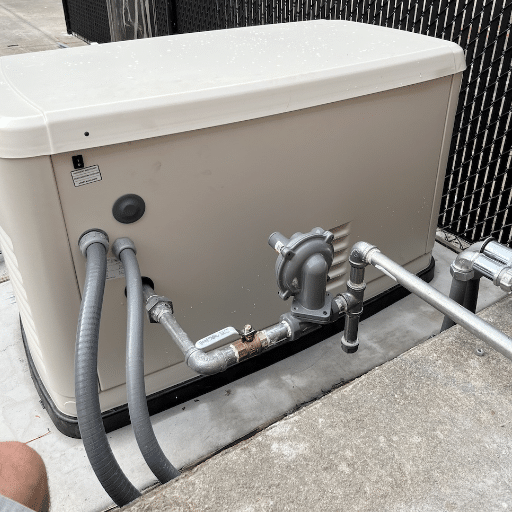
The cost of installing natural gas and diesel generators can differ by a wide margin owing to disparities in infrastructure and site preparation. For instance, natural gas generators usually need a special connection to the already set gas pipeline which possibly includes costs for digging the ground for the pipe, pipe installation, and regulation compliance. This could raise the total installation budget by a few thousand dollars depending on the location of the property. Moreover, the services of specialized technicians might be needed to make sure that the gas supply is properly integrated, which would mean higher costs.
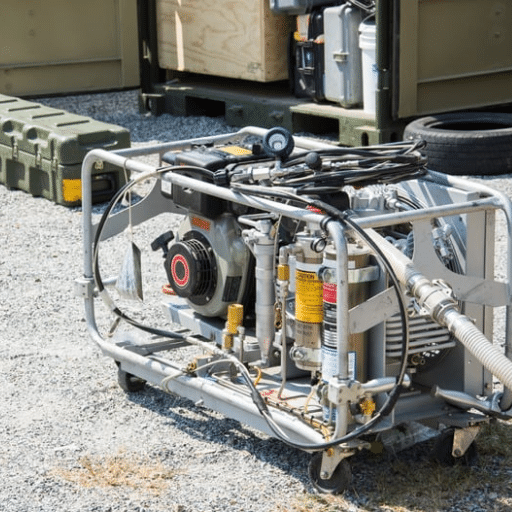
In contrast, diesel generators, at the outset, usually have a smaller budgetary hit, thereby eliminating the need for ties to sources of fuel outside the plant. It is just the introduction of the need for a fuel storage tank, the cost of which can range significantly depending on the size and the requirements in terms of environmental containment, that is required. Nevertheless, fuel delivery systems and regular maintenance aspects, like the essential spill prevention measures, usually result in additional costs for diesel installations too, and they have to comply with very strict environmental controls.
Financing Options
Various key factors have to be considered in the determination of the prospective investment attractiveness when planning to power up using the financing options of natural gas and diesel generators. Some of the factors include the cost implications, running expenses, fuel price predictability, and asset life-cycle expenditure. Industrial sectors with high power consumption are typically the target of natural gas generators since that is where their affordable fuel and price stability advantages play out most. The manufacturers and energy companies, in general, offer the option of leasing or financing which allows the user to pay over a certain time and in addition to that, they get a service contract to keep their equipment up and running.
However, diesel generators, on the contrary, appear to have lower upfront costs, but the running fuel charges can vary widely depending on the market conditions. Generally, the finances of diesel generators are designed to cover the cost of at least the regular fuel delivery as well as the compliance with environmental measures like the spill containment systems. In the case of both generator types, various government grants and incentives can be found depending on the energy policies and emission-reduction goals of the region in question, which will be especially so in the case of the cleaner-burning natural gas plants. Businesses need to estimate these financial aspects concurrently with the necessities of the operation in order to take a measured stance and make a corresponding decision.
Long-Term Operational Expenses

The main factors leading to the difference in overall costs over the long run between the two types of generators are the fuel cost, maintenance, and efficiency, in which natural gas can be distinguished primarily as less expensive and more efficient.
- Fuel Costs: In terms of cost, natural gas might be a better option as it usually has lower and more stable prices compared to diesel. Diesel prices are highly affected by the market, and so one might end up paying more in the long run.
- Maintenance: Diesel gensets are usually more maintenance-heavy as they need to have their filters changed and the oil replaced more frequently because of the combustion by-products. On the other hand, natural gas gensets give off less carbon and therefore require less frequent maintenance.
- Efficiency and Lifespan: Diesels are known to be less fuel-efficient even though through times they can sometimes have a longer life. At the same time, however, the latest technological advances in natural gas-based gensets are making this performance difference smaller.
- Environmental Compliance Costs: Diesel gensets, situated in a building or residential area, will often resort to emission control technologies and this will indeed considerably increase their costs. Gas gensets, on the other hand, are comforted by their low pollution levels and so avoid such costs at the end of the day.
In terms of the cost of having, the discussion of the two should not only be about the alleged high initial cost of the gas system but also of the one that is associated with the availability of fuel, usage pattern, and compliance cost.
Fuel Cost Analysis
The fuel expenses are instrumental in determining the expense budget of the generators and the long-term financial perspective may vary depending on whether natural gas or diesel is selected. The gas is known for its pipelines that cover the whole country and also for being domestically produced in many places. As a result, it has only slight fluctuations and this is good for the businesses that have to plan according to the prices that are not to rise or fall suddenly.
Diesel, on the contrary, is a highly-priced item that has associated price rises and drops with political situations and also with crude oil market changes. The extra wildcard that accompanies the latter, however, leads to the situation never being too stable. On the positive side, the diesel fuel has a higher energy density than the gas. Hence, diesel generators are able to produce the most power.
Aside from the direct fuel costs, the expenses associated with transportation and storage should also be adequately assessed. The diesel fuel usage generally requires an on-site storage placed in the tanks, which may create additional expenses for the site and the maintenance as well, especially if the storage is for the long-term and the fuel degrades. The major sales of natural gas in industrial operations where the pipelines are close by do not require on-site storage, in addition to bringing down the logistical expenses.
Price Volatility and Availability
Natural gas prices are usually more consistent than diesel prices when it comes to diverse supply places and the wide network of pipelines as contributing factors. The factors like long-term contracts and local production brought stability to the natural gas price. On the contrary, diesel is in a unique position where the price can fluctuate at a high rate due to factors such as crude oil markets, political events, and seasonal demand variations. For example, in times of aggravated international tension, the price of diesel can experience a rapid and significant increase, which will affect the operational costs of the industries that use diesel generators heavily.
Availability is a key factor that may limit the uptake of natural gas in some areas because Pipelines built for natural gas are not available everywhere, and hence, its transportation may be cost-prohibitive. Conversely, Diesel, being transportable via several means, is frequently more accessible in such cases, although it is prone to being cut off during emergencies due to supply issues. This difference between cheap stable fuel and the need for the appropriate piping creates a situation where the choice between natural gas and diesel generators must be specific and balanced; cost, reliability, and infrastructure adequacy must all be considered carefully.
Cost to Run Over Time
When it comes to comparing the long term operational costs of natural gas and diesel generators a lot of critical factors must be taken into account which include fuel pricing trends maintenance requirements and efficiency rates. Natural gas is often more cost-effective when considering the energy unit because of the future price and the stability of current prices, and at the same time, the concentration of the gas supply in many countries. This price stability can be very beneficial for those facilities that use the generators as their main power source and that require a large amount of fuel to operate or operate continuously. Also, natural gas generators in general will emit poisons less than their diesel counterparts, which will also result in cost savings through lower environmental compliance fees.
Although diesel generators are less efficient in terms of energy per unit fuel, their energy output per gallon is still higher than that of gasoline generators, which makes them more efficient in certain heavy-duty sectors when assessed in terms of energy per unit output. However, the non-stable prices of diesel fuel and the higher maintenance complexities—caused by fuels becoming less effective and by the soot/dirt sticking to the engine—may wipe out the efficiency advantage in the long run. The operating costs for those who use and depend on them, be it business or individual, will further rise with the more regular preventive maintenance routines that are required to keep diesel generators in acceptable working condition and protect them from major component wear-outs.
Efficiency and Performance

When comparing the efficiency and performance of natural gas and diesel generators, both options have distinct advantages depending on the application. Diesel generators are typically more fuel-efficient, particularly under high load conditions, due to the energy density of diesel fuel. They are also well-suited for heavy-duty, continuous operation, making them ideal for industrial environments.
Gas generators are publicly known for their lower pollution, that is, the environment and human health are less affected by their operation since emissions include less of the major air pollutants like carbon dioxide and nitrogen oxides. They also save money in areas where natural gas is inexpensive, and the combustion of gas is environmentally friendly. Nevertheless, the generators that run on gas are slightly less efficient and have lower power, especially in the case of critical load times.
Fuel Efficiency Metrics
When we analyze fuel efficiency data for natural gas and diesel generators, we’ll find that a number of performance characteristics are responsible. So far, power and mechanical engineering already know that diesel generators have a lower energy density, because per unit of it, diesel fuel packs more energy than natural gas. As a result of this, the power output becomes higher per volume, and the overall efficiency gets higher in most applications. Diesel generators usually produce electrical power from fuel with an efficiency rate of about 40%-50% on average; hence, they are very often the make-or-break choice for high-demand and heavy-duty situations.
On the contrary, natural gas generators come with the problem of lower energy density per unit of fuel, which may lead to the consumption of more fuel for the same amount of energy production. As a result of the breakthrough in engine design and technology, the thermal efficiency of natural gas generators has been enhanced enormously, with some of the models now reaching up to 30-40% efficiency rates. Moreover, natural gas generators have the lowest operational costs and the greatest environmental benefits, as they can be the cheapest and least contaminant-intensive in certain regions, and their combustion by-products entail lower greenhouse gas emissions than diesel. Considering diesel generators are able to set up in situations needing the maximum capacity and efficiency, the gas-based generators are the solution to start, which reduces the need for running the setup in the air.
Load Handling Capabilities
Diesel generators are often the first choice when it comes to sudden load variations, primarily because of their high torque and tough engine design. It takes just a few seconds for the diesel generator to reach its full load capacity right after the start-up process, thus it is perfect for operations demanding the need of secure and immediate alternative power sources like critical infrastructure and industrial plants. The one factor that makes this fast response time possible is the high energy content of diesel, meaning minimal interruptions in load transitions.
In contrast, even though they are typically not up to full load quite as promptly as the diesel generators, natural gas generators have been developed to possess very much improved responses in present-day designs. Even now, the advanced natural gas power plants are empowered with the technology that has the features of very precise ignition controls and variable valve timing which, in turn, make the load adaptation better. However, it must be noted that there might be a certain increase in the time delay of the systems’ response in sudden load changes, whereby natural gas generators are still slower and hence suitable for steady-state applications or cases with known load demand profiles.
Detailed Comparison of Natural Gas vs Diesel
| Aspect | Natural Gas | Diesel |
|---|---|---|
| Energy Density | Lower than diesel | High energy density |
| Emissions | Lower CO2 and particulate emissions | Higher emissions, more NOx |
| Fuel Cost | Typically cheaper than diesel | Generally more expensive |
| Availability | Dependent on gas infrastructure | Widely available globally |
| Engine Durability | Longer lifespan with proper maintenance | Good durability under high stress |
| Storage and Handling | Requires pressurized tanks | Easier to store and transport |
| Combustion Efficiency | Highly efficient in lean-burning engines | Efficient, especially in heavy-duty |
| Operational Noise | Quieter operation | Louder operation |
| Cold Weather Performance | Challenging in extreme cold | Reliable in most cold conditions |
| Environmental Impact | Lower overall impact | Higher environmental footprint |
| Suitability for Load Demand | Better for steady-state loads | Ideal for variable load conditions |
Environmental Impact

When we compare the two, natural gas generators have a lower impact on the environment than diesel generators. They release significantly less greenhouse gas emissions, such as carbon dioxide (CO2) and nitrogen oxides (NOx), because of natural gas’s cleaner burning characteristics. They also put out very little particulate matter, which is great for the air quality and so it also decreases health hazards.
Diesel-fueled generators, apart from being very dependable, emit more CO2, NOx, and smoke. Consequently, they pollute a lot more both in terms of air and climate. Apart from that, the steps and the operations involved in fueling diesel are usually much more environmentally detrimental in total than the production of natural gas.
Emissions Analysis (NOx, SOx, Particulates)
Compared to the diesel generators, natural gas generators produce very little NOx (nitrogen oxide) gas. The natural gas NOx emissions could be as low as 80% when compared to the diesel, due to the burning of the cleaner fuel gas methane. The reduction of the NOx output is also beneficial since it decreases the formation of the ground-level ozone layer and thus minimizes the respiratory health hazards that people would encounter.
The sulfur oxides (SOx) emissions in natural gas systems are practically zero due to the sulfur-less nature of methane. In contrast, diesel is an oil-based fuel that always has at least traces of sulfur. Even with the low-sulfur diesel option, sulfur oxides are released, which become not only the main cause of acid rain but also contribute to the generation of fine particulates.
With respect to particulate matter (PM), the combustion of natural gas releases very minute amounts of particulates, this being because of its almost complete and efficient combustion. On the other hand, combustion of diesel results in the very high discharge of particulate matter, especially in the form of fine particles (PM2.5). These particulates are the cause of multiple health problems that eventually lead to respiratory and cardiovascular diseases and are responsible for the haze in the air.
Noise Pollution Considerations
Natural gas generators, in a great many cases, are found to be quieter than their diesel counterparts, if we talk about the analysis of the noise pollution at all. That is due to the fact that the combustion process of natural gas is much smoother and, as a result, produces lower mechanical noise and fewer vibrations. The noise levels that natural gas generators normally run at are somewhere between the 60-70 decibel (dB) range if measured at a 23-foot distance. As a comparison, diesel generators would, in most cases, make even more than 75 decibels if the conditions were the same, and the bigger models would go up to 100 decibels depending on the load capacity and the way they were installed. It is a fact that prolonged exposure to noise levels of more than 70 decibels can cause hearing loss and escalate stress in residential and industrial settings.
Furthermore, the ongoing progress in the area of acoustic insulation and noise attenuation technologies has contributed to the reduction of the noise emissions of modern natural gas generators so that they are now the most sought-after option where little noise is acceptable, like in hospitals and residential areas. In comparison, diesel generators, albeit mighty and tough, will quite regularly have to be enclosed or fenced with soundproof material to produce the same noise levels, which in turn will complicate and increase the installation costs alike. This is why the natural gas generators with the advantage of their quiet operation will be the right choice in managing the sound disturbances in the city and the outskirts, and the noise control policies in these areas, as well.
Regulatory Compliance and Standards
The importance of adhering to regulatory compliance and standardized guidelines is paramount in the selection and operation of power generation systems. The case of natural gas generators is a good example; their emissions should be in compliance with the provisions of such bodies as the United States Environmental Protection Agency (EPA) when they are situated in the U.S.A. or the equivalent bodies if they are in other countries. The restrictions of the standards often involve the use of nitrogen oxides (NOx), carbon monoxide (CO), and particulate matter, as well as other sources of pollution that are harmful to the environment. On the generator, the impact is minimized to a great extent. Moreover, noise levels that are produced by the operation of the system are, in most cases, controlled by local laws that prescribe particular decibel limits for different areas and the time of the day.
Diesel generators, even though they stand as the go-to, face the spotlight pyrolyzing their emissions profile and demanding the installation of one of the high-end technologies in order to be able to pass the bar according to these set legal requirements via diesel particulate filters (DPFs) or selective catalytic reduction (SCR) systems. On the other hand, natural gas generators seem to nod towards easier times as they already possess the eco-friendly combustion technique and they are more likely to obtain sanction for their operational and environmental works more easily. International standards like ISO 8528 are fully dedicated to the layout and operation of generators, as well as safety, which automatically catalyzes the process of acquiring the right equipment and making sure it’s a part of the global market. Recognizing and staying compliant with the changing regulations not only enables companies to operate legally but also puts an emphasis on the responsible consumption of resources.
Maintenance Requirements

Compared to diesel generators, which have a dirtier combustion process, natural gas generators are generally low maintenance. Thus, the pollutant smoke and carbon deposits are so minimal that the engine parts are subjected to less stress, hence, reducing the incidence of oil and filter renewals. Besides, usually natural gas networks, in the case of natural gas, are connected to the pipeline, which minimizes the necessity of fuel storage and related risks like fuel contamination and fuel quality depreciation.
Natural gas generators, despite being the opposite, need regular maintenance for various reasons like cleaning the fuel system, water contamination removal, and tank inspection on a scheduled basis. Moreover, there may have to be regular changes of the fuel injectors or filters and this is all brought about by the formation of the residues in the course of combustion. And, in addition to that, diesel fuel, if it is stored, not only should be kept under strict control management, but also could lead to various issues including oxidation and microbiological growth.
Routine Servicing Needs
Diesel-powered generators are in a situation where they have to undergo more servicing than gas generators. The main reason for it is where the natural gas is released into the air, making fewer pollutants than diesel, such as soot and particulate matter. This makes the interval of replacement for components like spark plugs and air filters in a generator for natural gas long, and at the same time, they are still functional. Besides, the fuel-storage maintenance is completely abandoned with natural gas since it’s being transported through pipes, where there is no worry about contamination or deterioration.
On the contrary, diesel generators demand much more thorough care, especially when it comes to their fuel systems. Diesel oil is very sensitive to getting contaminated by water, microorganisms, and solid particles. That’s why it is required to check the quality of the fuel and treat it at certain intervals of time. Moreover, carbon deposits are emitted by the combustion of diesel ,which is a harmful factor in the long run of an engine’s life. Hence, it is of the utmost necessity to regularly disassemble such components as fuel injectors by means of specially designed devices. Also, the oil changes remain to be a more frequent process for the diesel generators because the oil is exposed to contaminants at a higher level during diesel combustion.
Potential Repair Costs
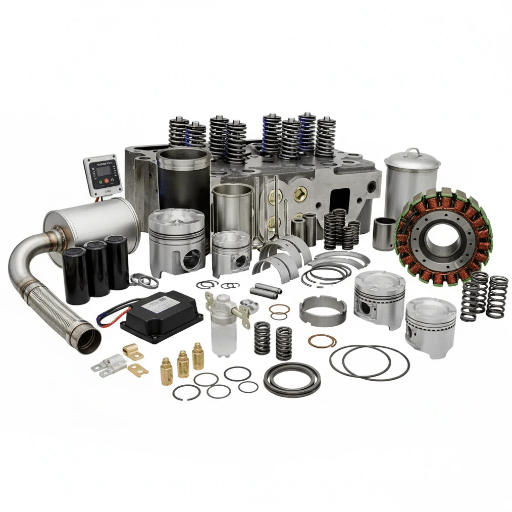
When looking into the potential repair costs for both natural gas and diesel generators, it is very important to remember the dissimilarities between their operational designs, fuel systems, and maintenance requirements. One would normally expect the diesel generators to have much simpler engine designs, and this could reduce the cost of specific repairs related to their internal components. But still, in addition to engine wear, the higher probability of issues of carbon buildup and particulate matter, both being the diesel combustion byproducts, may result in supplementary expenditure on fuel injector replacements, exhaust system cleaning, and turbocharger maintenance.
Gas generators, on the other hand, are likely to include more complex systems compared to diesel generators, for example, separate gas flow regulators and ignition components, leading to a possibly higher cost in replacing or repairing those individual parts in case of a breakdown. On the other hand, natural gas’s low emissions make it a more environmentally friendly fuel, thus saving valve and piston wear and tear that eventually can result in less repair cost, mainly for the internal parts.
Even though diesel generators can still have a higher repair bill due to the fuel system and carbon deposit maintenance, the cost of treating the more sophisticated ignition and control systems in gas generators might be greater. In most cases, the economic effect is determined by the power plant’s purpose, and the degree of usage and strictly observed maintenance protocol will have a substantial influence on the realization of when and if the generator will break.
Reference Sources
- Oklahoma State University Extension: Comparative Energy Costs for Irrigation Pumping
- Stanford University – Energy Information Administration Report: Capital Cost and Performance Characteristics for Utility-Scale Generating Technologies
Frequently Asked Questions (FAQs)
How does a natural gas generator compare to a diesel generator in fuel type and operating costs?
It is a usual scenario that natural gas generators have a lower fuel cost per energy unit in comparison with diesel engines, so we can expect lower operating costs if these machines are connected to a utility gas pipeline. Besides, when the case is about diesel generators, the fuel storage is needed on site and the diesel fuel price can go up and down, signaling the cost of making the generator run to the higher side during some intermittent demand situations. On the other hand, emission characteristics change: diesel emits more particulate and nitrogen oxides, but natural gas produces fewer pollutants as it is cleaner burning and can even contribute to making emissions in the backup power system operation lower.
What are the differences between diesel and natural gas generators?
Backup power systems in the form of diesel generators are very much sought after because they can be refueled with diesel stored in tanks on site, and they can operate for long durations, provided they have a diesel supply; yet diesel generators require constant checks of the coolant level and oil changes as part of the maintenance. If there is a natural gas connection, natural gas generators do not require any fuel tanks nearby. Hence, there will not be any risks of fuel storage spills, and they will have a single and constant fuel supply, but they are bonded to natural gas lines that are also exposed to failures in large-scale power outages. The temporary alternatives when natural gas is out of the scene are propane and diesel; propane generators need a separate storage and, surprisingly, may be able to give a cleaner burn than diesel.
Which generator fuel yields a lower fuel cost and a lower cost per hour?
Cost comparison in terms of energy content (BTUs per gallon) and fuel prices for a particular local area is the first step to be made; since a gallon of diesel has huge BTU per gallon then the diesel generator can be cost-ineffective; even-though but the diesel generator efficiency, and diesel generator costs, such as the higher maintenance cost can raise the effective cost to run related to supposedly lower diesel fuel cost. The natural gas power plant’s natural gas cost per therm or even per cubic foot can be cheaper and natural gas power plants would often have lower operating costs than, for instance, diesel, in cases where the natural gas pipes and gas utility pricing are the best possible.
What are the pros and cons of diesel for generators?
Pros of diesel involve high energy density, the possibility of fuel storage at the site, and the use of versatile and durable engines for heavy-duty applications; diesel generators are usually the choice in areas where natural gas is not available. On the other hand, diesel has some disadvantages, such as lower combustion rates and emissions of SO2, NOx, and particulate matter; as a result, there is a requirement for emission controls and restrictions in certain locations. Besides, an extended power loss with diesel generators will also lead to the combination of engine fuels and oils which will result in an increase in the expenditure for maintenance and repair work.