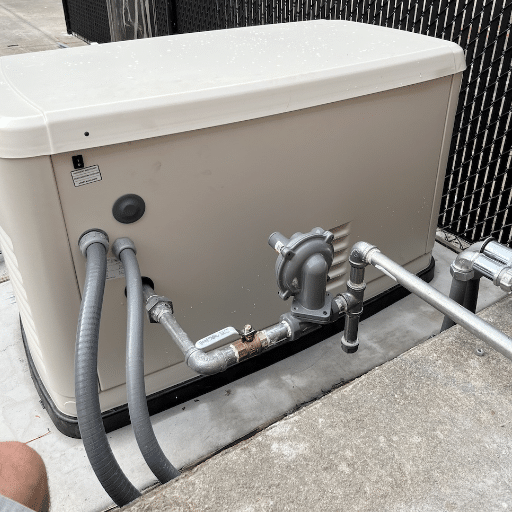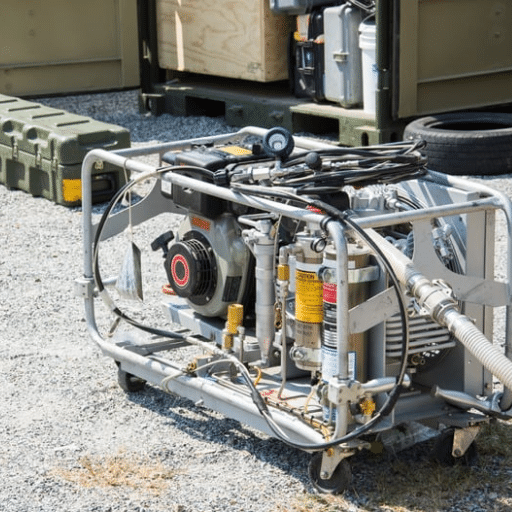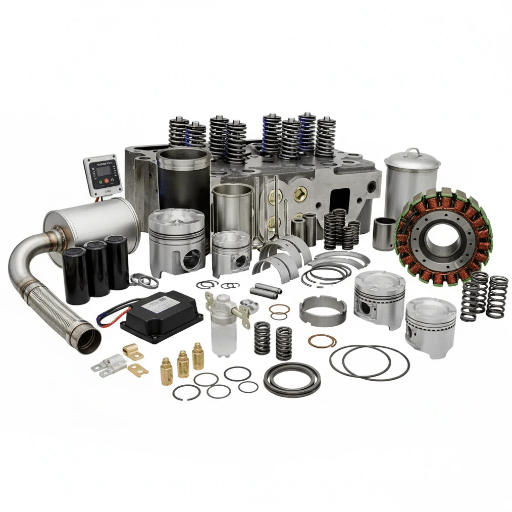

Selecting a reliable backup power source can be daunting when you have to determine whether to go with a natural gas generator or a propane generator. Nevertheless, both alternatives have their unique pros and cons; hence, it is vital that you are aware of the major differences between the two so that you can finally pick the electric generator that will come to your rescue at your time of need. This comprehensive comparison is meant to discuss the aspects of their performance, efficiency, cost, environmental impact, and long-term reliability thoroughly with the two different generators. If you are among those who are getting ready for unplanned power cuts or looking for a planet-friendly energy system, then this guideline is perfect in allowing you to get the necessary insights that will aid you in making an educated decision. Continue reading to be in touch with the key factors that might influence your preferred choice, and at the same time, help you buy the right generator matched with your needs.
Understanding the Basics of Generators
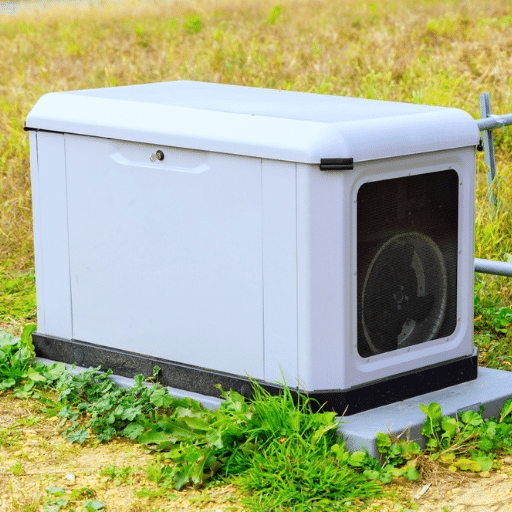
Generators are machines that turn mechanical energy into electricity keeping a constant power flow when the main source fails or is not enough. Their principle of operation is the electromagnetic induction, where the movement of a conductor in a magnetic field creates electricity. Most generators fall into two categories, i.e., portable and standby. Portable kinds are meant for short-term operation and have the privilege of being the best choice during power failures or when you are out in the wild. Whereas the standby ones are the other type, and are systems that are always in place and come on automatically whenever there is no electricity, providing one with a calm and steady backup.
What is a Propane Generator?
A propane generator is a power system that uses propane gas as its fuel source, and it is considered a backup one. Propane, a very clean fuel, is also readily available. It forms the gas that powers the internal combustion engine located in the generator; the engine, in turn, drives the alternator to produce electrical energy. Propane generators are favored for their efficiency, reduced environmental impact compared to gasoline or diesel, and the long shelf life of propane fuel – three of their main advantages. They are equally good for portable and standby applications and thus altogether suitable for residential, commercial, and industrial needs.
One of the main beneficial features of a propane generator is its ability to generate stable electricity with just a little bit of maintenance. Propane does not spoil over time, unlike gasoline, thereby making it a very good choice for long-term storage and emergency preparedness. Furthermore, propane generators are usually quieter than gasoline or diesel ones, which brings a lot of comfort to the user. Equipped with exhausts that meet the requirements of most environmental laws, propane generators support a durable and nature-friendly system for the backup power needs. Selecting the right size, the location and the fuel consumption rate are very important in making the performance of the propane generator optimized.
What is a Natural Gas Generator?
The natural gas generator is a power system that uses natural gas as the main energy source. It is designed with a special provision to convert the combusted gas energy into electricity through the use of an internal combustion engine or a turbine. Natural gas is a fuel that burns cleanly, mainly made up of methane with very little other hydrocarbons, and being at the same time piped to an existing gas pipeline, it assures an uninterrupted and dependable fuel supply without the necessity of manual refueling.
Natural gas generators are extensively used in the home and business marketplaces owing to their effectiveness and the fact that they do not emit much harmful material. That said, are they able to deliver power consistently during power outages or in areas where power demand is greater than the power supplied by the electricity grid? Furthermore, the technology of generators has been greatly improved which in consequence has resulted in higher efficiency and longer-lasting performance of the machines and being less costly in terms of operation. The main aspects to take into account are the size of the generator corresponding to the energy need, making the installation in accordance with the law that deals with zoning and safety, and to take the generator through maintenance for it to work to its maximum efficiency. These generators are very helpful for places where there is already an established natural gas infrastructure, as they also provide, besides the power, an eco-friendly and uninterrupted power source.
Key Differences between Propane and Natural Gas
| Feature | Propane | Natural Gas |
|---|---|---|
| Energy Content | Higher energy per unit | Lower energy per unit |
| Storage | Stored in liquid form | Delivered via pipelines |
| Transportation | Requires tanks or cylinders | No storage; direct delivery |
| Availability | Limited to specific suppliers | Extensive infrastructure |
| Environmental Impact | Lower emissions when burned | Lower carbon footprint overall |
| Cost per Unit | Higher than natural gas | Generally cheaper |
| Efficiency | Burns more efficiently | Less efficient combustion |
| Safety | Heavier than air; settles | Lighter than air; dissipates |
| Installation Requirements | Requires on-site storage tanks | Requires pipeline connection |
| Common Uses | Rural heating and appliances | Urban heating and energy needs |
Performance Comparison

The evaluation of propane and natural gas performance is one of the major viewpoints that must be considered, and this evaluation essentially relies on the following few points:
- Energy Output: Propane is much more energy-efficient in heating than natural gas because it has a higher energy content per unit and delivers approximately 2,516 BTUs per cubic foot compared to natural gas at approximately 1,030 BTUs per cubic foot.
- Combustion Efficiency: Propane, by characteristic, burns cleaner and more efficiently and hence produces minimal soot. Natural gas is also a clean fuel, but it still ranks below propane in terms of combustion efficiency.
- Environmental Considerations: Both fuels are huge polluters. Still, propane comes as the cleaner one among them with lower carbon dioxide emissions per unit of energy, and it has a small advantage in terms of environmental friendliness.
- Usability in Diverse Conditions: The possibility of using propane in different locations is highly possible because it can even be stored or carried thereby making it very convenient and usable in rural areas even in places where no natural gas pipeline might be available.
For the selection to be as successful as possible, the different energy requirements, importance of environmental issues, and the availability of infrastructure should be considered when choosing between propane and natural gas for the application.
Power Output and Efficiency
The evaluation of efficiency and power output must consider both energy value and combustion quality. In comparison with natural gas, Propane has a higher energy density and produces approximately 2,516 BTUs (British Thermal Units) per cubic foot, in contrast to natural gas, which produces 1,030 BTUs per cubic foot. It is, therefore, heating up, as well as producing a larger part, volume for volume, of the heat that is often considered a concentrated source of energy and is used for heating and powering things.
However, natural gas stands for itself by being readily available everywhere and its burning not leaving much of a carbon footprint, which is why it is the first choice for places where the energy efficiency aspect of the matter is also put in conjunction with the environment. In addition, gas-fired power plants and other industrial consumers have slightly altered their fuel preferences over the years due to the fact that they have already adopted high-efficiency technology.
Moreover, the two energy sources proved to be efficient in terms of maintaining combustion, yet it was found that propane’s reliability in cold environments is a distinguishing feature that made the fuel stand out in the areas with the most challenging weather. With these technical disparities well known, a person could sufficiently utilize energy depending on the necessities of the operation and the energy structure that is at hand.
Fuel Consumption Rates
The comparison of the rates of fuel consumption in regards to the different energy sources is significant because of the differences in the energy density, combustion efficiency, and the application-specific requirements. An example of it is the propane, which, being a gas per volume at a creeping volume and at around 91,600 BTU per gallon, i.e., the energy content, is mostly consumed more as compared to the natural gas, where the gas volume is a major factor. However, the latter, being a gas volume of around 1,037 BTU per cubic foot, is more advantageous due to the fact that it is a gas.
For instance, the usage at residential heating facilities could be as low as one gallon or as high as three gallons of propane every hour, depending on the efficiency of the appliances and the outside atmosphere. As for natural gas, the quantity of it used is most frequently estimated in therms, such that a typical residential furnace may utilize 40 to 130 cubic feet per hour, which translates to 0.4 to 1.3 therms approximately. An important aspect to consider, besides the fuel costs on a short-term basis, when choosing among the energy sources, is the long-term efficiency of these sources. The aforementioned factors also point to the importance of taking into account the advanced combustion technologies and the system optimizations, which, in addition, influence the specified rates and lead to the eventual solution of enhancing energy saving and reducing the environmental impact.
Operational Longevity
In order to have more energy saving heating systems, one of the crucial factors is the life span. Normally, natural gas furnaces have a life span between 15 and 20 years, while the efficient operation of electric heat pumps is usually around 10 to 15 years. These differences are influenced by a number of factors, such as the installer’s skill, the frequency of maintenance, and the conditions of the climate. The installation of contemporary heating systems, which are equipped with novel materials and enhancements based on innovation, like variable-speed motors and new heat exchangers, has dramatically increased their durability compared to the older models. Furthermore, the use of the maintenance and inspection programs, besides the diagnostic technologies, makes it possible to detect the problems much earlier, extending the time of device uptime and overall making the systems more efficient with time. The use of these improvements is extending the lives of the heating systems and taking the user through a profitable journey of operational and financial sustainability.
Cost Analysis of Propane and Natural Gas Generators

When one considers the expenses associated with both propane and natural gas generators, there are at least four factors that have to be paid attention to: initial investment, fuel expenditure, maintenance, and lifespan.
Initial Investment
One cannot deny that at times propane generators are high in cost as compared to natural gas generators when it comes to upfront investment. This is partly due to the design and the fact which require more or less the same but differ in terms of complexity to operationalize the fuel delivery.
Fuel Costs
Normally, when a certain unit of energy is concerned, natural gas is cheaper than propane, which makes it a better choice for long-term use, especially in places where it is already available and the supply of natural gas has been established already.
Maintenance
Both leading types of generators have nearly the same requirements for keeping, but the propane option is foul-burning in its nature; as a result, the motor grease deposits could be less and overall long-term maintenance expenses somewhat less.
Lifespan
Propane’s stable fuel properties mean it can be stored in a fuel tank for extended periods without losing effectiveness, making it well-suited for intermittent-use applications. On the contrary, natural gas generators rely on being near a pipeline to maintain a steady gas supply, which can be an advantage in some scenarios but is unsuitable for off-grid locations.
A compromise between the two generator models exists and the decision should be based on the kind of application, fuel accessibility, and cost in the long run. Each customer will have their own set of requirements and they should decide on the most economical and dependable option after considering those requirements.
Fuel Costs: Propane vs Natural Gas
The assessment of fuel expenses depends largely on comparing the unit price of propane and natural gas in terms of energy supplied. Propane, by convention, is sold in gallons with an energy content of approximately 91,500 BTUs per gallon. But it is in the case of natural gas, which is often priced per BTU or cubic foot, where 1 therm, a unit measure for the energy content of approximately 100,000 BTUs, equates to a specific cubic foot. Generally speaking, natural gas is more cost-effective per BTU because of the higher, always available supply and comparatively lower transportation costs. Nonetheless, regional availability, extraction costs, and market demand are in a position to trigger significant fluctuation in these prices.
On top of that, natural gas generators need a direct pipeline supply, which usually has a fixed monthly utility cost, while propane supplies require the presence of on-site storage tanks to be refilled. Consequently, this difference in the method of delivery might result in different operational expenses, especially in remote places where there are no natural gas pipelines but still propane can be brought in without much trouble. The customers should take into account the market fluctuations of the two fuels in the region, as well as the cost of the respective infrastructural changes to be made, which will be profitable for them in the long run.
Maintenance and Operating Expenses
When it comes to operational costs and maintenance, there is a large gap between natural gas and propane systems due to various factors like the way fuel is delivered, the life span and maintenance requirements of the equipment. Natural gas systems are connected to a municipal grid most of the time, and this calls for regular and thorough inspection of pipelines and metering systems for leaks and to ensure compliance with safety regulations. On the other hand, propane systems, as they depend on storage tanks located on the property, need the tank to be periodically inspected and refilled as well as the facility of maintenance and care of outdated equipment through replacement.
The gas providers have argued from their perspective that life spans in natural gas furnaces quite often reach 15 to 20 years but meanwhile systems powered by propane might have to be changed because of the condition and design of maintenance. To convert it into another point, propane is a gas that generally burns much hotter than natural gas, which can bring about more energy efficiency; however, it can also create the situation where it burns off any parts like burners and heat exchangers at a much faster rate.
Another aspect to take into account is the combined total of safety compliance, because the two systems have to comply with strict standards in order to avert danger. To illustrate this by an example, the inclusion of carbon monoxide detectors in any combustion-based system is indispensable to the safety of exhaust monitoring. Last but not least, such things as climate and fuel availability in a region affect these costs and in the long run, it’s the customized assessment.
Maintenance and Reliability

It’s essential to maintain and ensure the reliability of propane and natural gas generators because it will ultimately result in the long-term performance of the generators. Propane generators are normally made more aware to the public for their burning more cleanly, resulting in less and less frequent maintenance of the engine or exhaust systems. On the contrary, Natural gas generators have always been lucky with fuel supply lines, which means that the running time is maximized because of the elimination of the intermediate operations related to fuel storage and handling; still, these very devices may be taking up a big chunk of the operating cost, or making the most out of the utilization of the units.
Both types of generators necessitate periodic service to prevent unexpected breakdowns. This requires, among other things, recurrent oil changes, load testing, and the identification of fuel line leaks or blockages. Maintenance following the manufacturer’s manual is integral to ensuring that the reliability is maximized. In addition, possible problems related to corrosion or moisture damage can be greatly minimized by providing correct storage and protection against environmental exposure, so that not only will the operational consistency be improved, but also the system will run with less energy.
Routine Maintenance Needs
Apart from the usual inspections and servicing, propane and natural gas generators demand a more focused attention to certain components to ensure consistent peak performance. One of the crucial elements in the system is the ignition system, and it has to be checked for wear as well as carbon formation, besides the routine inspection. This is because inefficient combustion can result from the clogged parts of the combustion chamber. The spark plugs should be replaced and inspected in line with the recommended service intervals by the manufacturer.
The role of fuel regulators and vaporizer systems cannot be underestimated in performing one of the main rituals in the car’s life: feeding the right fuel and maintaining pressure. Slowly, these parts may wear out due to dirt formation, or they may lose their calibration which can result in not only uneven performance on the part of the engine but also in less fuel being used. It is important to inspect and recalibrate these systems at regular intervals to maintain faultless operation.
Further, replacement of air and oil filters is crucial for engine life protection. The filter replacement cycle of the propane and natural gas units should be considered more frequently in dusty and debris-filled places, as the latter can speed up the filtering by factors. Another essential point is to ensure that the cooling system of the generator, whether it is air or liquid-cooled, is running at its peak, as otherwise, excessively heat-emitting engines usually lead to the burnout of component(s) before their time.
Certainly, checking the exhaust systems and emissions output in a structured way is the key to meeting the local environmental standard regulations. The low-emission designs that are the attribute of the natural gas generators necessitate a routine check so that the requirements of different local authorities are met. Nevertheless, both tasks combined with the necessary documentation would enhance the generator’s operational lifecycle to a great extent and, at the same time, minimize maintenance downtime.
Reliability during Emergencies
Propane and natural gas generators are universally accepted for being dependable in emergencies, especially as the lifelines when grid downtime or natural disasters are involved. Such generators benefit a lot from their connection to pure and sure fuel supplies—natural gas pipelines or large propane storage tanks. This definitely makes them much less prone to supply breaks than diesel alternatives, which require very frequent fueling. In addition to that, the latest advancements in generator technology make them more efficient and faster in response time in their start-up activities, which in turn ensures immediate operation as needed.
As per the current information received, both natural gas and propane generators are generally equipped with powerful combustion systems that are built to keep the energy output steady regardless of the load conditions. The system is complex to rely on, also because of the many safety systems like automatic transfer switches, which switch from grid to generator power almost immediately after an unexpected power failure. Weather-resistant enclosures and corrosion-resistant components are among the other features that these systems offer, which also contribute to their life span and make them more effective in their work. The various abilities of the systems therefore introduce them as the only solution to provide a continuous power supply during emergencies.
Practical Tips for Choosing Between Natural Gas and Propane Generators

Consider these notes carefully while you’re making your decision between natural gas and propane generators:
- Fuel Availability: Gasoline generators need various connection types based on the size of their engines—a municipal gas line—so that they might be set wherever there is one in the house. When stored in tanks on your property, propane offers greater flexibility in locations such as the outskirts of a city, flatlands, and hills.
- Operating Costs: Natural gas, due to its stable prices and constant supply, is the most cost-effective option when it comes to energy resources, whereas the propane system often faces high costs and price fluctuations as a result.
- Storage and Shelf Life: The storage life of Propane is practically unlimited and can thus be saved for long periods which is convenient for emergency readiness. It does not have to rely on utility services like natural gas, which is distribution-dependent.
- Environmental Impact: In comparison to diesel, both fuels are cleaner burning, but natural gas does outdo propane just slightly in the global warming emissions aspect during operation.
- Power Output and Efficiency: Propane also usually comes with higher energy efficiency and storage capacity. However, natural gas is more suitable for energy-intensive, long-duration tasks since it always has a consistent flow.
Examine all these aspects and also your work or business needs, the place of usage, and the budget before you can come up with a wise decision.
Evaluating Your Needs and Usage
A careful survey and study of your current data usage and requirements of the application are fundamental when you are considering the needs and utilization. Thus, one good example is the current situation in which the search for new energy that is both cost-effective and environmentally friendly forces the technology in the propane and natural gas sectors to the limit. The recent data indicate that in the urban areas, the natural gas infrastructure might be a better choice in terms of the wider availability of the supply, but still propane is the most common fuel due to its transportability, especially in the off-grid or rural areas. Moreover, there has been a significant improvement in the fuel storage systems that have made propane gas an attractive option for high-efficiency energy storage. This is because the innovations in the pipeline systems have ensured that there is always a reliable and continuous supply of natural gas.
Moreover, the significance of the emissions profile of these types of fuels is crucial for evaluating the environmental effects of the fuels. In the emissions reduction aspect of studies, natural gas usually has the upper hand due to its lower carbon dioxide-to-energy-unit ratio. However, in methane burning, there is practically no black soot and propane can be a viable option in locations where the dust levels are too high. Access to a decent option might simply be dependent on the scale of the investigation and operational and geographic particulars will always be the determining factors of the sustainability and efficiency of the company.
Future Considerations and Flexibility
Integrating advancements in energy technology and evolving regulatory frameworks should be taken into consideration most when looking at the future. Technologies such as carbon capture and storage systems (CCS) and renewable energy integration, which includes solar and wind, are the future operational capacities shaping tools. A very important factor that is often taken into consideration when using the solutions is their scalability for large-scale applications.
Besides, the introduction of hybrid systems that feature both conventional and renewable energy sources is a prime method of making energy solutions more flexible. As an example, storing batteries with renewable energy, along with the means of their production, and also increasing overall energy storage within wind and solar farms, decreases the problem of energy availability and stabilizes energy output. It is critical also to foresee the strictness of the different emission norms around the globe and the carbon neutrality standards, which are going to become more and more rigorous over the course of time. A pathway to such changes, by crossing the boundaries of the present and the future effectively, will drastically lower the cost of future adjustments, so the investments will not need to be huge.
On top of that, economic predictions indicate that sustainable energy will be cheaper and cheaper compared to the use of conventional sources as technology advancements create larger scales of production, and to cap that up, development is still reducing the capital expenditure. As a matter of fact, managing the capital cost of the first investments and, at the same time, considering the future system flexibility will result in renewable energy-based systems that are economical and environmentally friendly, in contrast to the variable backgrounds.
Reference Sources
- Comparison of natural gas and propane addition to combustion air in terms of engine performance in compression ignition engine
Read more here - Cost-Benefit Analysis of Propane-fueled Portable Generator Conversion Kit in Warri, Nigeria
Read more here - A Conversion of Petrol Generator to Enable the Use of Liquefied Petroleum Gas (Propane)
Read more here
Frequently Asked Questions (FAQs)
How do natural gas vs propane generators compare as a backup generator fuel source?
As a point of comparison, natural gas and propane are both considered to be alternative sources for backup power with the former typically being piped and the latter stored in tanks. Gas generators are especially easy to set up, as they are connected directly to the natural gas pipeline and, therefore, can run continuously until the natural gas supply is cut off. On the other hand, propane generators would need propane tanks or liquid propane as fuel which can be stored where there is no presence of natural gas pipelines—this is one of the major reasons of propane being the most used and demanded gas in rural areas. Natural gas generators are more comfortable in case of a prolonged power outage since there is no need to refuel in the short term; yet, the propane generators are more mobile and reliable when there are interruptions in the natural gas pipelines.
What are the pros and cons of natural gas and propane as fuel options for a generator?
The pros and cons of natural gas are that the delivery through gas pipes is steady, but emissions are not as high as with diesel; meanwhile, piping and storage are still not a problem. Another point is that the advantage of the mentioned types of fuels is their stored state and that they appear green, the case of renewable energies at the same time where the power outage should not affect the fuel supply. Thus, residents who already have these systems can feel confident that they are prepared regardless of the fuel and that since the power is out, they will steal the energy from the generator in front of their house. But fuel storage and back-up generator technology have continuously been improving, allowing for the fuel to be kept below ground and the generator placed in the open.
Which fuel type is more cost-effective over time?
Natural gas line connection is usually a more economical choice at the end of the day, simply because natural gas is usually cheaper per unit of energy, and you would not have to buy and refill propane tanks all the time, thus being very attractive to homeowners who need a very reliable power generator operation. But there are also great costs for the first installations when you connect to gas lines, especially if your house is in a place far from the gas infrastructure which will make propane the better initial choice. Propane is also more immediate than gas and is actually used in places where there are no long-term natural gas contracts, and it can be kept on-site to avoid delays in delivery. Take into account the generator efficiency, gallons of propane per hour for your load, and maintenance differences when comparing lifetime costs.
How do performance and fuel consumption differ between natural gas generators and propane generators?
Natural gas is a kind of fuel that is described as less dirty in the vast majority of generator engines than other fuels, and that usually leads to lower particulate emissions and, in the best cases, better fuel efficiency when the engine is properly operated. On the other hand, propane is considered the most reliable and stable combustion type of fuel, thus being a choice for both portable and stationary generator sets. In contrast to compressed natural gas, propane provides more energy in terms of weight but cannot give the same volume of energy; hence, comparing generators with these two fuels, they might need different quantities of fuel to produce the same power.