
When it comes to picking the right power generator, recognizing the major distinctions between an open frame and an inverter generator is very important. Both these generators are the results of different technologies and are used for different purposes, such as from powering construction sites to making sure that the energy backup is smooth for the delicate electronics. This article will detail a complete comparison between open frame and inverter generators by pointing out their functionality, efficiency, noise levels, and practical applications. Whether you are a householder who is in need of portable power solutions or a professional who is looking for high-quality performance, this guide will help you acquire the major insights and thus help you make a decisive decision.
Understanding Common Generator Types
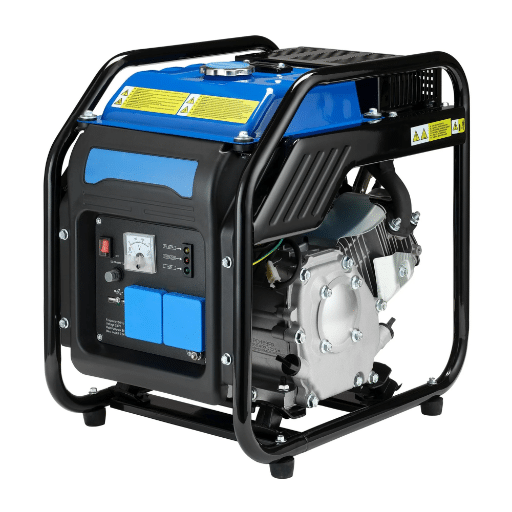
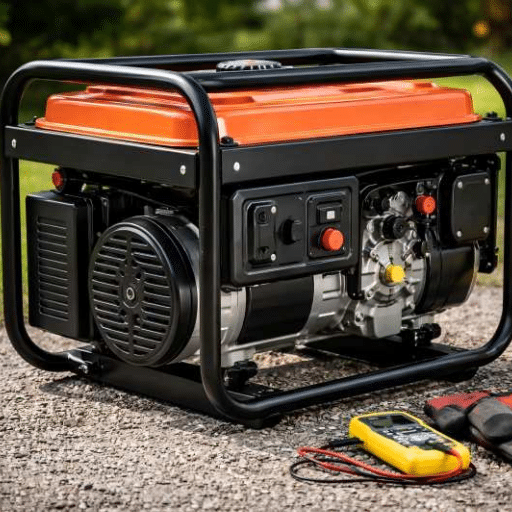
Open frame generators are the classic and widely acknowledged models that are employed to supply stable and strong power in challenging scenarios. They have the grille exposed, which holds the engine and alternator. The excellent characteristic of open frame generators is their high capacity to release energy and toughness, which makes them the first choice for tough applications, for example, feeding tools on building projects or giving secondary power over long durations of blackouts. The problem is that they are also louder when compared to the inverter types and less mobile owing to their bulkier built and greater weight.
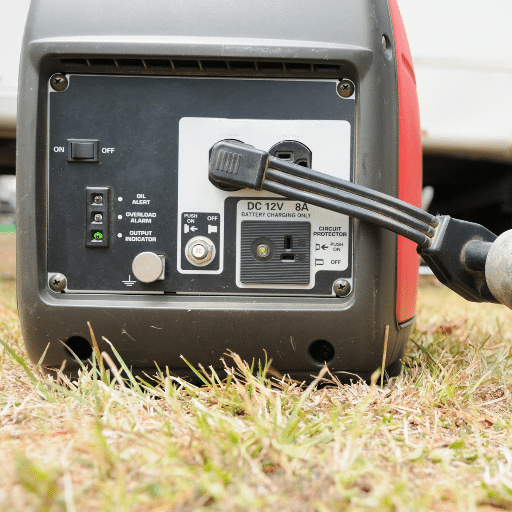
Inverter generators employ advanced electronic design along with high-grade magnets to create power that is more regular and cleaner. Such mechanisms draw energy from the generator power source and turn it into the purest of sine waves which is precisely the kind to be used in ultra-sensitive electronics such as laptops, healthcare equipment, and mobile phones. In addition, inverter generators are very quiet, much more so than the open-frame kind, and more economical with fuel making them the best power source in that they can be used at home, when camping, or when getting quieter and smaller is a must situation. Nonetheless, they come with higher initial costs and they have lower total power output compared to the open frame generators at the end of the day.
What is an Open Frame Generator?
Open frame generator (also known as portable generators) is mainly manufactured to perform in tough conditions, so high power capacity and long lifetime are the main buying points. Instead of inverter type, open frame (also referred to as traditional) type generator has its frame fully exposed which ensures the necessary durability and indirectly solves the problem of heat produced during continuous running through heat dissipation. Construction work, single phase and backup power at homes, in addition to mains islanding applications in factories and shops are some of the typical uses of open frame generator; in all these cases they are typically silent and problem-free from almost any point of view.
To supply power, these inverter-generator systems usually employ a basic alternator and an internal combustion engine, thereby allowing them to output a stable albeit less clean electricity, most likely in the form of a modified sine wave. Even though this type of electricity is workable for machinery and equipment, it may not be suitable for sensitive electronics. The open frame generators are always known to be more affordable than the inverter models, and the same can be said for their durability. They are, nonetheless, generally noisier and less fuel-efficient. The addition of such modern aspects as automatic voltage regulation (AVR) and fuel tanks of larger capacities has not only made the generators work and last longer but has also made them tough.
What is an Inverter Generator?
An inverter generator is one such high capacity and technology-oriented generator which is made with the sole purpose of producing electricity that is both clean and very safe. The generators perform their job differently to the typical ones which give you the power of the current AC supply straight away whereas the inverter generators are three-staged. The newer AC power at the high frequency is produced at the first stage and then is converted & stored as DC. The next stage involves inverting the stored DC power back into a stable AC output that is again having the same sine curve shape and with this way assuring the very necessary harmonic distortion that is barely detectable. Since the output of inverter generators is clean, they can be used for powering all kinds of electronic goods, such as laptops, smartphones, medical equipment, without the fear of their breakdown due to power fluctuations.
Moreover, inverter generators usually consist of the best of the best components such as variable-speed engines and advanced microprocessors. The variable-speed feature makes the generator change engine speed in accordance with load demand, thus improving fuel efficiency and at the same time reducing noise as compared to more traditional types. They are mostly portable, small, and cause fewer environmental problems when it comes to being a source of power. They also work much more silently. Nevertheless, it is quite possible that they are more costly at the beginning but their efficiency, reliability, and effectiveness are what make them a much-preferred option for different applications like home backup power, camping, and urgent situations.
Key Differences Between Open Frame and Inverter Generators
| Feature | Open Frame Generator | Inverter Generator |
|---|---|---|
| Noise Level | High | Low |
| Portability | Bulky and heavy | Compact and lightweight |
| Fuel Efficiency | Lower fuel efficiency | Higher fuel efficiency |
| Power Output Stability | Fluctuating, less stable | Stable, clean power output |
| Cost | Lower upfront cost | Higher upfront cost |
| Maintenance Requirement | Regular maintenance required | Low maintenance needed |
| Usage Environment | Suitable for outdoor, high-noise areas | Ideal for sensitive environments |
| Technology | Basic, older technology | Advanced, modern technology |
| Environmental Impact | Higher emissions | Lower emissions |
| Typical Applications | Construction sites, heavy equipment | Electronics, home backup power |
Performance Comparison Between Open Frame and Inverter Generators

- Power Output
Open frame generators are generally more powerful, which is why they are great for handling big loads and multiple pieces of equipment simultaneously. On the other hand, inverter generators are top-notch in the area of delivering steady power without too many swings and providing the safety of sensitive electronics like medical devices and computers. - Fuel Efficiency
Inverter generators are, in general, the most fuel-efficient ones since they can always adapt to the needed power by changing the engine speed. This thing means that they will have less fuel to eat up as compared to open frame models that, more often than not, work at full throttle no matter what the actual load is. - Noise Levels
Open frame generators are, thanks to the fact that they do not have any sound-deadening material, a lot louder. On the other hand, inverter generators are created to run almost noiselessly, hence they can be used in residential areas, camping grounds, or other places where silence is of great importance. - Portability
Open frame generators are commonly heavier and bulkier, notwithstanding the fact that inverter generators are small and light, which increases their portability for outside or emergency usage. - Durability
Open frame generators are sturdy and manufactured for tough places, such as construction sites. On the contrary, inverter generators are not as tough, but they are better as far as technology is concerned because they are more reliable in the long run in residential or light industries environments typical of most users.
Power Output and Efficiency
Generators with their frame out are usually more powerful generators which make it easy to put them in industrial, commercial and various power-thirsty contexts. Their power can be very high, which means that the generator wattage can be a value within 3000 to 10,000 watts, and higher, respectively. Therefore, they can power a couple of big appliances or power-hungry devices at the same time, hence serving a great purpose like construction sites or a generator backup for big buildings. However, we can meet the situation where they are not so fuel-efficient (which apparently is one of the examples) because their engines run on a constant speed, therefore, energy is not saved, regardless of the load.
On the other hand, the inverter generators are the most efficient as they apply the latest technology for their operations. The engine speed of these generators is automatically adjusted based on the required electric load which in turn results in significant reduction of fuel consumption and lessened waste. Though the power output of inverter generators is lower, typically from 1,000 to 5,000 watts, they are particularly constructed to deliver clean, and stable power which is very essential for sensitive devices like medical equipment, laptops, and smartphones. Furthermore, inverter generators usually have parallel connectivity as one of their main features, thus allowing users to connect two units together and increase the power output which then more or less closes the gap in terms of the capacity.
Fuel Consumption Rates
The open frame generators are not as fuel-efficient as inverter generators and this is mostly due to their design and way of work. To clarify, the open frame generators would usually use up much more fuel to provide their maximum power output. The main reason for this was that the engines could not change the speed according to the power demand. Under half load, an open frame generator was consuming fuel almost as much as it would at full load situations.
On the other hand, inverter generators are built with the aim of utilizing fuel in the most efficient way by means of cutting-edge electronics and variable engine speed technology. To deliver a load of power, these generators change their revolutions per minute to the value of the power load and thus manage to use less fuel. This can be even more noticeable in light loads. Besides, research and the most recent accounts are of the view that inverter generators tend to have fuel consumption that is 20-40% lower than that of their open frame peers for the same power output under normal operating conditions.
Furthermore, inverter generators frequently come with eco-modes, which give priority to fuel efficiency during light load operations. This also means a longer time of using the same amount of fuel, making them the best choice for situations which requires power for long lengths of time but with fuel saving as a main concern. Even though open frame generators might reach higher power levels for bigger loads, their fuel consumption significant cost can be very high as compared to inverters. All these issues are crucial to consider when determining the total cost of ownership and evaluating the environmental impact of each generator type.
Noise Levels and Reduction Techniques

The general noisier characteristic of open frame generators is often attributed to the fact that they have their moving parts exposed and the lack of advanced sound-dampening features. These generators are usually accompanied by noise levels that lie between 70 and 90 decibels, which can easily be a problem, especially in residential and quiet outdoor settings. In contrast, inverter generators are less noisy due to clever casings and advanced mufflers, where the average sound levels with 50 to 60 decibels have been reduced. That is why they are good for places where the amount of noise is critical.
Some of the most common methods for reducing the noise of the open frame generators involve the usage of sound barriers outside, placing the generator on mats that dampen the vibrations, and the unit enclosed in a soundproof box which is specially designed to ventilate the unit. The inverter generators are on the muffler’s side, and those who are using them indoors and/outdoors have to know about air flow and that the muffler is in good health. This will help get the best of them and at the same time, avoid unnecessary disruptions.
Noise Levels of Open Frame Generators
Loudness is a major concern when it comes to open frame generators and inverter generators as well. For this reason, users should know that open frame generators are the louder of the two because they don’t have the features that are designed to reduce noise level right on the machine. Contrary to this, when they are checked for their decibel level after a distance of 7 meters, they usually range the noise from 70 to 90 decibels. This noise level can be associated with that of a busy street or a power lawn mower, and it would, therefore, not be very recommendable for the use in residential areas where noise is a factor to consider.
Because of technological progress, there are open frame models that are quieter than before, and they have certain elements, such as the improved mufflers and the flexible engine mounts, which are aimed at noise reduction. On the other hand, the open type of these generators is still a disadvantage for their peaceful and quiet operations in the house. If there is a need to find out the noise level of a particular generator, it is always a good idea to check the maker’s specifications and be guided by reviews that adhere to standard noise testing to get the most precise results of its actual operational noise.
Noise Levels of Inverter Generators
Inverter generators, unlike traditional ones, are custom-made to work at markedly lower noise levels that allow them to be more appropriate for household living or outdoor fun. Their quietness has to do with their small size, sophisticated engine tech, and noise-reducing compartments. On the whole, inverter generators give out sounds of 50-65 decibels (dB) when listened to from 23 feet away, which is similar to talking at a normal voice without the music in the background. A few units are fitted with variable-speed technology, letting the engine run only at the needed amount, thus, eliminating additional noise output.
To put this in perspective, the noise levels coming from the open-frame generators usually reach up to a maximum of 65 dB all the way to 85 dB or even more which is intolerable in quiet areas. The manufacturers’ performance claims are often confirmed by independent lab tests that assess different aspects like the range of decibels produced in operation under various load conditions. By selecting an inverter generator, you not only benefit from the noiseless operation but also comply with the regulations for noise emissions in residential areas, campsites, or other places where noise is shared.
Strategies for Noise Reduction
One way of lowering noise levels still in inverter generators is by applying engineering solutions and adopting some practical strategies. The manufacturers have been gradually incorporating all kinds of sound-absorbing materials such as composite panels and acoustic foams for generator enclosures to reduce the noise level. In other equally important cases, mufflers that are engineered to have dual chambers have been found to be very effective for sound wave reduction during the time of operation.
Strategic placement of the generator is a key issue for people. Putting the generator on a soft surface, like grass or a vibration damping mat, can stop the noise from being amplified through hard surfaces. Adding sound shields or enclosures as barriers does even more to bend and absorb sound. In addition to them all, maintenance plays an essential part in the process; dirty parts cleaned and making sure that exemplary lubrication functioning can help avoid the mechanical noise from friction or wear. The compilation of these methods, which are made up of different strategies to get to the technical side of the thing and the practical side of the thing at the same time, is the best way to reduce the noise to a great extent, thus meeting the tough regulatory and environmental standards.
Price Differences and Value Analysis

In terms of price, a traditional generator would normally be cheaper than an inverter generator as it is more basic in design hence less manufacturing costs. The cost of a traditional is between $300 and $1000 and ranges due to the brand and the power it produces. It is one of the best solutions for basic power requirements or an emergency power solution. Speaking in contrast, an inverter generator is sophisticated in design and it produces a cleaner and a more stable form of electricity, so it is suitable for sensitive electronic gadgets. That is why they are always in the higher price range, with the usual price range for these devices being $500 to $3000, and the high-end models will present you with extra features such as a quieter operation, and better fuel efficiency.
Analysing the value allows us to conclude that open frame generators are the most economical option for the supply of large appliances or tools working in environment where noise is not a problem, but they are also the most fuel consuming and noisiest. On the other hand, inverter generators are the most expensive but at the same time, they have the best performance, they are very portable and their noise level is the lowest. Therefore, the final choice is made on the basis of the purpose of the generator usage, the financial means of the buyer and the buyer’s preference towards the purchasing of the most efficient and convenient product.
Cost of Open Frame Generators
The prices of the open framed generators are very different and this depends on many factors like power output, brand, and additional features. The low-level models normally start from $300 to $500 and have a low wattage. In this case, they are suitable for small projects or for the times of occasional use. In certain cases, the starting prices of the mid-range models are between $500 and $1,000 and they can reach 7,500 watts. They can be portable, have a greater variety of outlets as well as tougher covers. For the very top products the price may be over $1,000 and most of them have the power over 10,000 watts, so can be mostly used in the industry. The eventual expense of the fuel and maintenance is a sub-issue in the buyers’ decision processes due to it being a large expense over time besides the costs of ownership. These costs may change drastically according to how much it runs and the generator’s efficiency ratings.
Cost of Inverter Generators
Inverter generators priced in the range of $300 to $700 often have an output power of 2,000 watts. This capacity is enough for smaller requirements such as tailgate parties, camping and emergency situations, among others. For the next category of inverter generators, rated between $700 and $1,500, they have the power to ramp up the power to as high as 5,000 watts and come with additional features like fuel efficiency improvements and noise reduction.
Generators that cost over $1500 can provide a power output of more than 5000 watts and thus are considered by their manufacturers as a perfect fit for recreational vehicles, building work sites, or even for being continuously used at a house as a power backup solution. Premium generators also usually equipped with some high-tech features like digital displays, remote controls, and engine management systems that are fuel-efficient and thus one of the factors contributing to their higher cost. Buyers should take into account that operational costs are also part of the purchase and that they will have to deal with how much they obtain in fuel efficiency and maintenance savings as these can greatly affect the overall ownership costs.
Value for Money: Which is Worth the Investment?
When it comes to the aspect of price, it is a must to match the generator type with the consumer’s very own needs and manner of usage to a T. For those who need power occasionally and their requirement is not high enough, the range of power necessary will be within 3,000 watts which is the case where economy models are likely to be bought and prices that vary in the $300-$700 range. These power sources present a halfway solution for prospective costs and the capability of providing the basic necessities like running appliances during a short power outage. Heavy-duty machines, on the contrary, being above 5,000 watts, may be sold at a price of $800-to-above-$2500, which is determined by the features they are equipped with (fuel, inverter, or dual-fuel).
Diesel generators are often characterised by the lowest per-watt-hour operational cost and higher life expectancy, especially when they are under excessive load. They are still more difficult to procure and to replenish than their gas-powered counterparts. More than that, the saving of energy is by far the most influential for models provided with automatic load sensing, eco-modes, and parallel operation capability in the longer term. Performing an extensive cost-benefit analysis taking into account the capital outlay, operating expenses, and the working life of the unit will help to uncover the best solution in terms of economics that would meet the requirements.
Choosing Proper Generators

The selection of an open frame or an inverter generator depends to a large extent on the actual power needs and the purpose. Open frame units are more appropriate for scenarios where great power is demanded, such as construction machinery or as a home emergency power source. They generally give off more power and typically cost less than inverter models. But on the other hand, they make much noise and use more fuel.
However, an inverter generator is perfect for the sensitive electronics that we have today such as laptops, and phones, as its power is cleaner with nearly no harmonic distortion. On top of that, they are less noisy, more space-saving, and more fuel-efficient, thus they are the first option for camping, RVs, and the like. Even if they are usually more costly, their performance and mobility can surpass the starting costs if you use them enough.
Factors to Consider in Your Decision
- Power Output Requirements
The generative pace of open frame generators has been brought to a very high level by three thousand (3,000) and even over fifteen thousand (15,000) wattage ratings. That is why they find their quick place in construction sites and home power sources during blackouts. On the contrary, inverter generators deliver lower output, starting from one thousand (1,000) up to seven thousand (7,000) watts, but they still are considered sufficient for small-scale uses like the operation of household appliances or recreational electronic devices. - Noise Levels
Noisy level is the main factor which is especially the case in household and recreational areas. Generally, open-framed generators produce noise that is as loud as 70 to 90 dB, which can cause a lot of trouble while inverter generators make less noise and run at levels as low as 50 to 60 dB thanks to the advanced noise-damping technology. - Fuel Efficiency and Runtime
Inverter generators work by the use of more sophisticated engines and load-sensing technology, which enable them to adapt fuel consumption according to power demand. As a consequence of this, users experience a better performance and longer durations per fuel gallon. In contrast, open frame generators tend to consume more fuel even when they have big fuel tanks to back up their power output. - Portability and Weight
Nevertheless, the weight of the power source matters for many consumers. Open frame generators are heavy, most of them weighing over 100 pounds, and some of them have to be moved on wheels or by hands. On the other side, inverter generators come in small sizes and are thus easy to handle and transport, with a weight of less than 50 pounds in most cases. - Price Point and Long-Term Cost
Typically inexpensive of Open frame generators at the very beginning, as they can start as low as $300. They are, however, higher in fuel use and possibly higher in maintenance costs over time. Inverter generators, on the other hand, bring about higher costs at the start, very often at about $500, but their lower expenses in the long run might be connected to fuel economy and robustness. - Power Quality and Safety for Devices
Due to the varying voltage and frequency an open-frame generator generates, electronic equipment connected to the generator may be exposed to hazardous conditions such as short circuits and surges. On the other hand, inverter generators have constant voltage and frequency output and a very low total harmonic distortion level of less than 3%, thus electronic equipment is always connected to the generator safely and without any risk of damage.
Recommendations Based on Use Cases
- Home Backup Power
During a power outage in a house, an open-frame generator will be the most common choice since it can fulfill the power requirements and is cost-effective. These units are very good at running of fridges, water heaters, and air-conditioning machines. Nonetheless, the users must be ready for the high noise levels and they should take care of placing the devices in a properly ventilated open area to avoid carbon monoxide hazards. - Recreational Activities and Mobile Applications
With regard to leisure, one cannot overlook the use of inverter generators because of their outstanding characteristics, such as small size, low noise, and the ability to smoothly power the most sensitive gadgets whilst minimizing the risk of their impact. They help maintain the power flow evenly, hence smartphones, laptops, and portable medical equipment will have the power available and be highly protected at the same time. - Construction Sites and Heavy-Duty Applications
The use of construction sites with power tools, compressors, or welders is most commonly facilitated by open frame generators. They possess a large power output and are resistant. These types of generators are usually engineered to operate in tough conditions which make them perfect for carrying out heavy tasks. However, in case of work in urban or controlled noise areas, noise management should be one of the workers’ priorities. - Small Business and Commercial Needs
It is common in food trucks, pop-up retail shops, and event vendors that a steady and clean power source is needed for the POS system, lighting, and cooking equipment. Among the different types of generators, inverter generators are mainly chosen because of their reliability and low noise output, which in turn enhance the entire productivity while also adhering to the noise regulations. - Emergency and Medical Applications
There are cases where things totally rely on the power not failing and being of the best quality at the same time. Such cases are the most expected to require inverter generators. Their low total harmonic distortion, trouble-free for delicate electronics, is what guarantees them the best for health care and emergency plans among other regular uses.
Reference Sources
- arXiv:
Title: Grid-forming inverter-based wind turbine generators: Comprehensive review, comparative analysis, and recommendations
URL: https://arxiv.org/abs/2203.02105 - IEEE Xplore:
Title: Alternating current electric generator machine inverters in a parallel power sharing connection
URL: https://ieeexplore.ieee.org/abstract/document/8657688/
Frequently Asked Questions (FAQs)
What is the difference between an open-frame and a closed-frame generator?
When most of the time an open-frame design is used, it results in making the engine more accessible and maintenance is easier while the closed frame or generator enclosure, as well as ensuring protection, allows quieter noise levels to be experienced. Noise levels of the various design types act as a significant factor of separation between open-frame inverter generators and the closed ones, with the enclosed inverter models delivering the cleanest and most noise-free power. The power requirements vary depending on what you are using the generator for, e.g., camping or work, so it is advisable to take this into account before buying it, one other very important factor is that the generator is not the best option to use in the summer or winter.
How does a frame inverter generator compare to an open frame inverter?
A frame inverter generator is a generator with a sturdier design, which sometimes limits the visibility of the engine compartment or the engine itself as opposed to an open frame inverter that is more easily accessible. The open frame inverter generators are typically cheaper than the frame or closed frame ones and are also more user-friendly in terms of maintenance, while the latter ones, by comparison, offer benefits of noise and protection better. Provided that the noise factor is among your top priorities, the inverter generator runs on about a lower dBa than many of the non-inverter generator models, thus allowing for a quieter operation. The user is advised to evaluate whether or not dual fuel capacity or a certain output of amps will be the deciders.
Are open-frame inverter generator models significantly quieter than closed-frame alternatives?
A large number of inverter generators and enclosed inverter units are designed with the goal of giving out cleaner and quieter power, but the extent of quietness is a function of both the particular model and the enclosure quality. Noise levels of open-frame models can sometimes reach as high as 72 to 76 dBa, which happens when the noise levels of the two types meet somewhere in between, while the closed-frame options always provide lower noise levels. When the lowest possible noise levels are a must, either for camping or residential use, then a closed-frame or an enclosed generator usually becomes the better option. Furthermore, shifting our focus to the power output and amp load of an inverter generator would mean making sure they closely match your requirements.
Can a closed-frame inverter generator be an enclosed inverter alternative to open-frame models?
Certainly, among other roles, a closed-frame inverter generator can perform the function of being an enclosed inverter alternative and give a protective housing for reducing noise and exposure to elements. The above-mentioned design decreases the amount of engine exposure but frequently results in lower noise levels, which are usually more appreciated for residential properties or camping sites where noise levels are a crucial point. Open-frame models are preferred for situations where the design allows quick access and maintenance is easier. The assessment of amp requirements and, in particular, the need for a quieter generator for camping will help in the decision.