
Using portable electricity generation and home standby generators as two possible solutions to the sudden disappearance of power, there is no better comfort, safety, and functionality than to use the backup generator solution. However, it can be confusing to pick the best for one’s needs and preferences if one is not aware of the different features, advantages and disadvantages, as well as the operating cost for each of the generators. This article provides an all-round view to enable you to make a sound choice that meets your specific criteria, be it a temporary ’emergency’ or a permanent system with a constant power supply for your home. Eventually, you will have the proper knowledge to enable the right decision that secures the uninterrupted power supply to your household or business.
Understanding of Generators
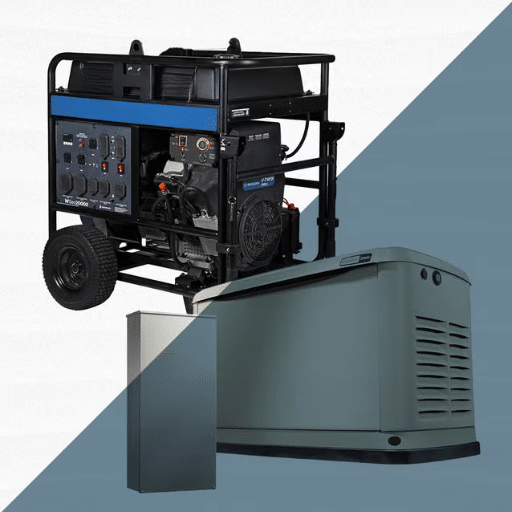
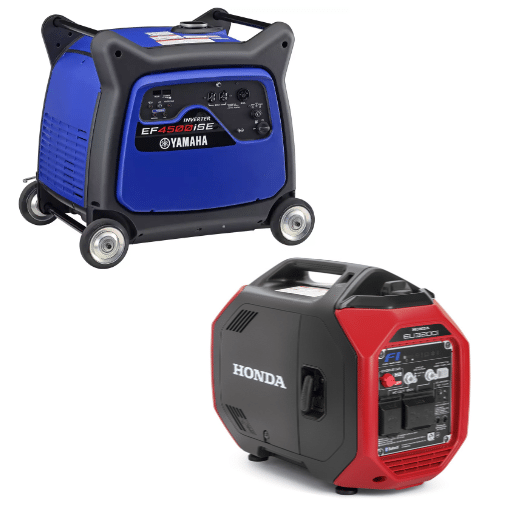
It is crucial to comprehend the two key types of generators when choosing one. These are portable generators and standby generators. Portable generators are usually not heavy, and it’s very easy to transport them to desired locations on the one hand, and on the other, they’re designed for short-term use during power outages or even when doing some work in a remote place. They can be powered by gas, propane, or diesel, and they usually need manual operation for starting and then connecting to devices or systems.
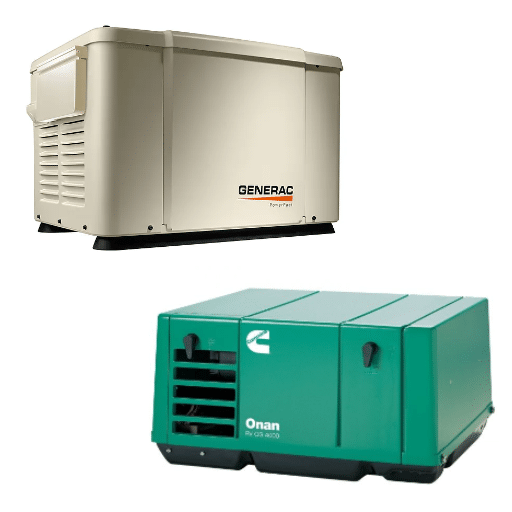
On the contrary, standby generators are permanently installed units that give power automatically as a backup during an outage. They are linked to the electrical system of a building and in many cases, they use either natural gas or propane. They are good for being reliable for a long time and for providing continuous power to the homes or businesses even in areas where power outages are frequent.
What is a Portable Generator?
A portable generator, which is a power generator that is moveable, and it works with a combustion engine and outputs the current via the onboard plugs. These gadgets usually use petrol, diesel or gas as fuel and are made to give temporary power for different demands like the ones at the construction sites, outdoor events, or power backup during the time of short outages at home, etc. They are fitted with several sockets or outlets to support both low-power and high-power devices at the same time, which provides flexibility in the face of different energy requirements. The latest portable gensets more often than not come with the same technologies that are present in inverter systems that guarantee a more secure, cleaner, and more importantly, better energy output that is suitable even for very sensitive electronics like laptops and smartphones. The products are manufactured in many different sizes and capacities, which makes them very popular among users. The people are now able to choose the model which is not only the best for the power needs but also most economical among the power ranges.
What is a Standby Generator?
A standby generator is a device that is permanently installed, and its main purpose is to provide an automatic backup in case of a blackout of the main power source. It is most common that these systems are directly connected to a building’s electrical system and operate on either natural gas or liquid propane gas. Thus, this works as a very stable and reliable source of energy. In contrast to the portable generator, the standby generator comes with an automatic transfer switch (ATS) that is able to detect the power disturbances and subsequently start up the generator to supply electricity. Standby generators’ capacities vary in ranges, usually from 5 kW to over 50 kW, and thus they are widely used in the residential, commercial, and industrial sectors. The most up-to-date standby generators have the latest load-management systems that give the user the ability to set the priority for certain appliances and systems during long outages in order to have the best efficiency and output.
Key Differences Between Portable and Standby Generators
Assessing Your Power Needs

In order to get an accurate picture of your power needs, the first step is to point out the devices or systems that require emergency power in case of an outage. Mention the most important applications like refrigerators, heating systems, medical equipment, and essential electronics. Total up their wattages so as to get the whole figure of the power demand. For a good power supply, the suggestion to go by is a generator with a rated wattage that is well above this calculated figure to take care of the startup surges.
After that, you should think about how often you will have to use the generator. If there are occasional and short-term outages, then a portable model would do the trick. Nevertheless, if the outages are going to be long or frequent, an automatic standby generator is recommended as it has a higher reliability and is very easy to use.
Make an assessment of fuel availability and storage options as a last step. Gasoline or propane are common fuels used in portable generators, while natural gas is the most often used fuel for stationary generators. One needs to be sure that their choice of machine is all right for the fuel they have or wish to buy, so that efficiency and convenience are well-coordinated and indeed in their optimal state.
Identifying Your Home’s Power Requirements
The quest to determine the electrical power needs of a domestic setting shall always start by engaging some critical thinking to come up with a list of necessary appliances and systems that must not be out of operation during a blackout period. The basic kit may comprise the refrigerator, heater, or cooler, and medical equipment, among others. Each appliance has a rating in watts, which can sometimes be found on the tag or the user’s manual. Large units like the HVAC system or the water heater usually have a higher peak power that is required to start compared with the small electronics, which is another aspect that one needs to calculate during the blackout period in order not to overwhelm their generator and the starting inrush currents of the motors.
Determining the whole power demand is necessary by starting the watts calculation. The former is the extra power needed when the equipment turns on, while the latter is the power that has to be continuously available. A comprehensive list in a spreadsheet of all the crucial devices and their wattage consumption is a helpful way to avoid missing any of the components. If an electrician examines and performs a thorough household load analysis, it will give a more accurate result. Doing this ensures a correctly sized generator is selected and that it can meet the energy needs of the home without getting overloaded.
Evaluating Usage Scenarios for Portable vs Standby Generators
When you are deciding between a portable and a standby generator to meet your needs, you should compare and contrast the different scenarios of use and operational requirements. Portable generators are frequently the choice for their flexibility and easy handling, which makes them perfect for providing power that is not permanent, as in the case of outdoor events, on-site operations, or as a backup for small homes in an emergency situation. These portable power-generating units usually run on gasoline or propane and are intended for use for a few hours to a few days, needing human operation and intermittent refueling.
On the other hand, a standby generator is more suitable for being a source of continuous, steady power supply to a home or business. It is embedded permanence and linked to the structure’s power system, is programmed to operate independently during blackouts, and usually uses natural gas or liquid propane as fuel. Standby generators are purpose-built for running without a break for long periods, being able to cater to the various needs of power of multiple large appliances and HVAC systems at the same time. Additionally, they come with services of cutting-edge technology and the latest maintenance that will ensure their efficiency and longevity. The determination of which generator type to purchase should be made dependent on the considerations of money available, power type required, fuel accessibility, and the intended life span of the generator.
Calculating Load Capacity
One of the most important things in operating the generator of a house or office is to calculate the amount of weight it can take, which is ideally done using the generator’s user manual. Running the generator at full capacity for the whole day is not recommended, as this would result in breakage or very high maintenance costs. Know the Generator’s Weight Requirement. Manufacturers always indicate the safe weight limit that a generator can take, so it’s very important to know your generator’s weight requirement before buying the generator or hiring it if the owner does not provide this information. In the case of the refrigerator, the average power it requires to operate is 800 watts, but it just might as well draw a peak of 1,200 watts upon startup.
After the computation of individual wattages, they have to be accumulated to find out the overall power requirement of the generator. To illustrate, in the case of a residential power requirement with lighting, a refrigerator, and an air conditioner, the total wattage can be anywhere from 4,000 to 7,000 watts based on the particular appliances and their usage. It is wise to choose a generator that is a little larger than what the demand dictates, so that it can accommodate power rushes and, at the same time, assure the best possible performance. Load calculators and appliance manuals provide specific wattage values, which is the best way for one to recognize the power usage pattern. Consequently, this method builds a bridge linking the generator’s capacity and the environment’s operational requirements, thereby reducing the chances of overloading and, by so doing, improving the system’s sustainability.
Benefits of Portable Generators

1. Emergency Power Supply
Portable generators are incredibly important when the power goes out, since they save essential systems such as refrigerators, medical devices, and heating or cooling systems from collapsing. One major energy study reports that more than 70% of households with portable generators reported no loss of critical appliance use during the outage.
2. Versatility Across Applications
Generators of this type are suitable for various situations such as construction sites, outdoor events, and camping trips. The fact that they can power tools, lighting systems, and entertainment equipment makes them a very versatile power source.
3. Ease of Transportation and Storage
Portable-minded, models offered this modern feature in addition to the classic electricity producer option. They are often included in the luggage carriers with the cords and kits that are needed, like the ones with wheels for effortless mobility, plus handles and simply incorporated wiring to ease operation.
4. Cost-Effective Operation
Portable generators are usually cheaper than standby systems, not to mention their affordable maintenance costs. More of them are powered with gasoline or propane and they operate well, meaning they save a lot of fuel without seeming to lose power.
5. Reduced Installation Requirements
Standby generators, unlike portable ones, have to be installed by a professional and have complex wiring. The only thing a user has to do is attach the generator to the appliances or systems for the power, and this greatly decreases the setup time and cost.
6. Low Maintenance Needs
The modern portable generators are designed for longevity and maintenance, including such high-end components as an automatic voltage regulator and effective cooling mechanisms. Typically, it is the yearly maintenance that sustains the generator to perform in the top-efficient mode.
Flexibility and Portability
Portable generators have an amazing advantage, which is their versatility to be used in many different situations. These generators are made very small in size, or they can come with handles that are easy to transport or with wheels to move them where the power is needed. At present, the advanced inverter technology that is packed in many of the most modern models allows for no problem in the usage with sensitive electronics like a laptop or a medical device. Moreover, due to the increases in fuel efficiency, the length of the operation reduces and you won’t need to refuel it that frequently while using the device for a long time. This we can say is the reason why the portable generator has come to be such a helpful and almost a must-have tool in cases like emergencies, during the abrupt power cuts at work, or in the case of spending summer outdoor times at a camp, always being there to make sure there is power wherever it is needed in every place and at all times.
Cost-Effectiveness
The 21st-century invention, the power generator, is not only an electric power source but also a cost-saving product. The portable power generator is actually cost-effective as it provides significant energy to the consumer during its lifetime. Innovation in fuel efficiency and sturdy construction is responsible for minimizing the cost of operation by maximizing the runtime on just a gallon of fuel, which is a great advantage during power shortages or when the situation is economically not viable. Plus, the design of the majority of modern generator models is such that there is no need for frequent maintenance, and their repair costs are low too. As per some recent industry analysis, the cost of ownership has been reduced due to features like auto-throttle systems and smart load management that adjust fuel usage according to the power requirement, thereby optimizing fuel use. The innovations guarantee that the users will have a great money-to-value ratio, and they will be satisfied with both their residential and commercial requirements.
Ideal Situations for Use
Nowadays, power generator machines are good at working in various cases due to their high technological capabilities and flexibility. Specifically, they can be of immense help in cases of a power cut, as they provide a source of power, which is very reliable, to both family houses and business premises. By having cleverly engineered load management systems, they are able to quickly adjust to the different power needs, making sure that indispensable refrigerating, HVAC, and medical systems still work. Moreover, one can use these generators in places that have no grid connection, like remote construction sites. In such situations, these machines can be operated to work as a steady and uniform energy supply to conduct heavy machinery and other equipment tasks.
For camping or outdoor events, the portable versions provide enough power to light up the place, charge electronic devices or even use small appliances without having to worry about the noise or fuel consumption. The use of power is highly controlled and can be used to benefit many areas, such as agriculture, where it is used to power irrigation systems and other farm equipment, which is crucial to the farm industry. It has been reported in the industry that the use of generators is on the rise due to their overall efficiency, strength, and the fact that their owners can use them even in the worst circumstances.
Advantages of Standby Generators

1. Reliable Power Supply
During power outages, standby generators become the ready and automatic power supply that ensures that the most important systems and appliances are not interrupted.
2. Convenience and Automation
The power outage detection for these machines is done automatically with the aim of starting the generators immediately, and therefore, there is no need for manual intervention.
3. Protection of Sensitive Equipment
Keep in mind that generators that are used as standby power also offer stable power with minimum fluctuations, which in turn lessens the danger of damage to sensitive electronics or the reproduction of the appliances.
4. Enhanced Property Value
When a standby generator is installed on a property, its value can be raised as it is a reliable solution for the unexpected loss of power.
5. Energy Efficiency
Most modern standby generators today that have fuel-management systems run efficiently and thus have low fuel costs, but still provide good performance.
Seamless Power Supply During Outages
The primary function of the modern standby generator is to provide a constant power supply, irrespective of the availability of electric power, in case of an outage. These generators have an inbuilt automatic transfer switch that immediately detects power outages and then shifts the power source to the generator without causing any interruptions. The most powerful ones can power the whole house or an entire business, with the inclusion of high-demand machinery like air conditioning units, refrigerators, and medical devices, among others. The power management of these generators has been significantly improved through modern technological innovations, which help to reduce the waste of power and increase the performance of the generator. The industry sees these systems as a very reliable source of power, and many models are offered with 20 years of service life or more, which is a huge benefit for one’s energy problems and also a guarantor of the system’s longevity.
Automatic Operation and Convenience
Standby generators with automatic transfer switches are crucial for centers that cannot bear any electricity downtime. When the main power disturbance is sensed by the system, it switches on its own and starts to support without any human interaction needed. This automatic operation is a feature that medical facilities and data centers and the like can all benefit from because very short interruptions can lead to disastrous outcomes. The self-diagnostics, maintenance scheduling, and user notification in case of any integrity breach are all made possible by very recent advancements in automation technology; thus, the system’s functional capability as well as its reliability have been greatly strengthened. The result of the latest industry evaluation is that these features not only provide operational efficiencies but also decrease the downtime risks, thus guaranteeing power supply without any interruptions in many different environments.
Providing Whole-House Power
Whole-house power systems are structured with the purpose of serving a property with electricity that is both consistent and reliable, even in the event of off-grid failures. These kinds of systems usually use the newest technologies in generators and battery storage, the latter with inverters that switch very smoothly between the sources. The most recent advances in this sector include high-energy lithium-ion batteries widely used in solar energy storage systems, which, unlike conventional fuel-powered systems, offer a more eco-friendly and quieter option.
Studies have underlined the fact that the most recent whole-house power units can be a great match with renewable sources of energy, such as solar panels, thus making the whole energy utilization process more efficient and environmentally friendly. They can also shield residents from the impact of the power failure by backing up critical appliances—like HVAC units, refrigerators, and medical devices—that will keep operating normally, thus making life easier and more comfortable. Moreover, the systems have intelligent functions that are connected to the monitoring and management service and can be operated through smartphone-like gadgets, and at the same time provide feedback to the users, which is closer to the real-time timing of energy use and battery charging, hence the control over the whole energy of the house.
Installation Considerations

Careful preparations are a key component in the installation of energy storage systems so as to ensure both safety and optimal performance. The first step is to take stock of the energy consumption of the household to be able to properly size and to be able to pick the right system. Then, location selection should be based on proper doors or windows, protection from harsh temperature conditions, and compliance with the building codes in the neighborhood. Some manufacturers may place the power plants in the open air, while others present them in the house.
To ensure that the electrical wiring and integration with the existing solar panels or the utility connections are done properly, it is very important to hire a certified professional installer. The best installation practices imply that the system should be compatible with other aspects, proven to comply with the national and local electrical standards and safety tests should be done before the system gets activated. Besides, a detailed review should be made of the terms of the warranty and the maintenance requirements of the system so that long-term reliability is guaranteed.
Standby Generator Installation Requirements
It is very important to get the necessary permits and observe the local, state, and federal laws before putting up a standby generator, as has been said many times. These prerequisites are not the same depending on the place of the installation, but quite frequently include the need to have approval from the local zoning office, to observe the levels of noise to be produced, and to conform to the pollution standards enforced by the U. S. EPA (Environmental Protection Agency). A generator that is to be installed must also be installed according to the National Electrical Code (NEC) of the United States to enable it to have correct grounding, wiring, and operation that is safe. When a licensed electrician or contractor is hired to take charge of the process through which the various permits are to be secured, the risks associated with not being able to comply with the set regulations and the imposition of fines are significantly reduced.
Elevated and Level site preparation is an integral step in the process of prolonging the life and upgrading the performance of your generator – that is the kind of effort that pays off in the long run. Take a site that is a safe distance from openings like windows, doors, and air intakes in order to eliminate or at least minimize exposure to carbon monoxide. In addition, the site needs to possess an elevation and levelness that would result in the least possible impact in case of floods and other environmental hazards. Many of the manufacturers are for the idea of an 18-inch clear space from walls and a distance of five feet from doors or vents when it comes to proper ventilation and easy maintenance.
Portable Generator Safety Tips
1. Use the Correct Fuel Type
Making use of the fuel type specified by the manufacturer is extremely important, which is commonly gasoline, propane, or the less popular diesel. Refueling should take place when the whole unit is already off and is already cold to avoid any shutdown. Refueling is a major cause of fires related to generators, according to the U. S. Consumer Product Safety Commission (CPSC).
2. Prevent Carbon Monoxide Poisoning
Carbon monoxide (CO) is an invisible gas that lacks any smell but can cause death if breathed in. According to the Centers for Disease Control (CDC) reports, around 50% of fatalities related to generators are a result of poisoning by CO. Place the generator farther than 20 feet from the living areas and make sure that the fumes are not pointed towards the building. Get battery-powered CO detectors as another measure of safety.
3. Ensure Proper Electrical Connections
You should always use outdoor-rated extension cords that have the proper wattage rating attached to them to connect the appliances to the generator. Do not directly plug a generator into a wall outlet ever. This means you will never be part of the process known as “backfeeding,” which results in the generation of electrical shock hazards and the power grid being damaged. The safest and the one that meets the code is to install a transfer switch that will integrate the generator with the home’s electrical system.
4. Regular Maintenance and Inspection
A generator that is well-maintained can be operated in a more reliable and more efficient manner. Frayed wires, fuel leaks, or corroded parts may be some of the points to be checked for wear. Stick to the maintenance timetable from the maker for oil change, filter change, and spark plug inspection. New research advises that these measures will increase the generator’s life by 30%
5. Avoid Overloading the Generator
Take the example of an appliance or device that will be connected and decide its power rating. The total load must never go beyond what the generator can handle. If it does, there is a risk of the generator overheating, equipment damage, and even potential fire hazards. Go through the product’s wattage guides before plugging in and also mull over the idea of using a wattage monitoring device for accuracy.
6. Proper Storage of Fuel and Generator
Transfer fuel to the generator unit only from well-approved containers and make sure to keep them in a well-ventilated place far from any living areas. Also, add fuel stabilizer every now and then, especially if the fuel is for storage. When the generator is about to be stored, empty the tank of any fuel and then let the engine run dry so as to avoid blockage and damage due to old fuel.
Maintenance and Upkeep for Longevity
Proper maintenance and regular checks are important factors for your genset to keep running efficiently and for a longer time. The oil has to be checked at regular intervals and changed as soon as it gets dirty, say after every 50-100 hours of run time. Air filters must be checked and either cleaned or replaced occasionally because when they accumulate dirt, they can block the air and decrease the generator’s efficiency.
You are in need of a very rigorous check of the marks that point the way and the lines that feed the engine. Thus, the faults that can be present can be detected. Another thing to do is to check the spark plugs and to change them if necessary. The battery terminals also need proper cleaning and ensure they are installed securely; failure to do so can cause the engine to start up incorrectly due to corrosion that forms at the beginning of its life.
Moreover, regular load tests must be made to validate the generator’s capability to consume its nominally given power. Presently, this confirmation test is the sole method that guarantees the alternator and all the electrical components are operating optimally. Running the generator on a scheduled basis and implementing such preventive maintenance measures are the keys to reducing both the chances of the system failing and prolonging the available generator’s life.
Reference Sources
Frequently Asked Questions (FAQs)
Which is right for home needs?
The decision between a portable generator and a standby model depends on your backup power goals as well as your wallet. The standby generator for home use is a solution that provides an uninterrupted power source and your home equipment will run as if nothing has happened on its own, which will give you more peace of mind than a portable one. The portable generators are usually more compact and cheaper; however, they require manual setting up, and in reality, it will be only a very rare occasion that one can cover all the household electricity consumption with a portable unit. There are lots of homeowners who would rather go for a whole-home or whole-house generator because they want to be sure that nothing gets interrupted if they are not there to take care of it, e.g., to power their home’s electrical panel and water pump.
Can I combine both for better backup power?
Yes, flexible backup power can be achieved when a portable generator and a standby unit are combined—for instance, a standby handling the essential loads and a portable catering for additional, temporary loads. A standby unit like a home backup generator necessitates permanent installation and automatic transfer-switching to ensure your home is safeguarded, whereas a portable unit provides a temporary power source for less frequent instances of the extra demand. The size and cost of the whole-house generator will be lower if the portable is only for nonessential circuits, which, in turn, will be more affordable than providing electricity for everything in your home.
What does standby generator installation involve?
Backup generators are usually placed outside, with the standby unit connected to the home generator panel or the main battery, and a transfer switch installed to keep the grid away. A licensed electrician will inspect control over the home and the generator location; the breakers should meet the local codes and the unit should be installed in such a way that it does not affect the building’s premises. Disconnecting the generator models is referred to as changing the switch from a temporary power to. A portable generator must be manually powered; there is no interconnection.
Can a portable generator power your home during an outage?
During a power outage, the whole house is still in need of power, but the portable generators can supply only a few appliances and circuits. A very low number of household appliances — a fridge, a few lights, and a small heater might serve as an example — are the portable generators’ primary usage. However, the whole-house generator is designed to accommodate a lot of circuits and heavy loads like HVAC and water heaters. If a portable generator is providing power for only one part of the house, then a transfer equipment of some kind or the manual generator connection through a breaker interlock must be put in place, to prevent the power from the house being fed back to the grid.