
When trying to find the most suitable diesel-powered generator for your needs, one of the things you need to understand is the concept of prime and standby powers. These two types of power are delivered for specific, distinct reasons and applications. If you need power over a long duration without fail or need something to substitute if there is a power cut, then the choice of a generator may be an important performance, efficiency and cost consideration. This article will delve into what makes prime power different from backup power in an approach designed to help the reader see the distinctions in both the benefits and utilization of the systems. Should you need a guide for choosing the best generator for your power requirements, this document will be useful in evaluating all the necessary factors to make your choice.
Understanding the Types of Generators

There are several applications of prime power generators in which reliable power is a fundamental, and constant power supply is less required for such devices that are especially made for long hours of continuous work. Use of these generators is more commonly made where they are required in constructions and buildings in remote areas, where electric supply is not sufficient or not available. Particularly, these generators are made of quality and can work safely for a very long time even on changed conditions
Generally, standby power generators are backups that are used during periods when there is no electricity or when there is an emergency. These generators are designed to generate power immediately the supply from the main source stops, allowing the workflow in any organization to continue without interruptions. The ideal application for standby generators includes residential configurations as well as commercial and healthcare facilities, where there are certain standards for power supply that must be met from time to time, but not all the time.
What is a Prime Power Generator?
A prime power system is designed in such a way that it can run continuously and without interruption for a long time, under normal conditions, therefore making it suitable for situations where the system is the sole source of electricity. They are different from standby generators in that they are activated only when there is an outage. Prime power systems, in contrast, are designed for more endurance utilization usually for weeks or even months at times. They are oftentimes embraced at isolated positions where for instance mineral extraction, oil harbourage, or areas nearby are missing an electricity backbone system.
Generators of prime energy contain technology to take aggressive atmospheric conditions. These generators are capable of surviving harsh working environments due to the power, advanced cooling aids, and fuel savings. They are designed to work with high efficiency, and are provided with features to deal with changes in power requirements. If installed and serviced safely, such facilities are labelled for continuous operation, regardless of the number of running hours they were engineered for. Their range of operations and resistance only adds strength to their connection with necessary directions for application in consistent grid infrastructure-reliant industries.
What is a Standby Generator?
A standby generator is a special device that switches on automatically in the event of a power cut in a building. Typically in the form of a small engine available in natural gas or diesel among other sources, it is installed as a permanent feature in the property. In case of failure, the generator can be remotely activated to continue with the provision of energy to the house. Most of the modern standby generators are fitted with computers to control their entrances and to switch them off in case some parameters go beyond an acceptable range. These standby generators are used in homes, offices, factories, and in all places where precious things are protected, and also jobs are carried on with minimal safety in the absence of utilities and amenities.
Key Differences Between Prime and Standby Generators
| Parameter | Prime Generators | Standby Generators |
|---|---|---|
| Primary Function | Continuous operation for extended periods | Backup power during outages |
| Usage Frequency | Regular or continuous | Occasional or emergency use |
| Load Capacity | Handles variable loads consistently | Designed for stable backup loads |
| Fuel Efficiency | Optimized for long-term fuel consumption | Focused on short-term fuel efficiency |
| Maintenance Schedule | Intensive and frequent maintenance | Lower maintenance frequency required |
| Durability | Built for prolonged and demanding operation | Suitable for short-duration power supply |
| Cost of Operation | Higher operational and maintenance costs | Lower overall operating expenses |
| Installation Context | Industrial sites with high energy needs | Residential, commercial backup installations |
| Runtime Limitation | No specific runtime limitations | Restricted runtime based on emergency need |
| Engine Specifications | Heavy-duty design for continuous use | Lighter-duty engine for intermittent use |
Technical Specifications of Generators
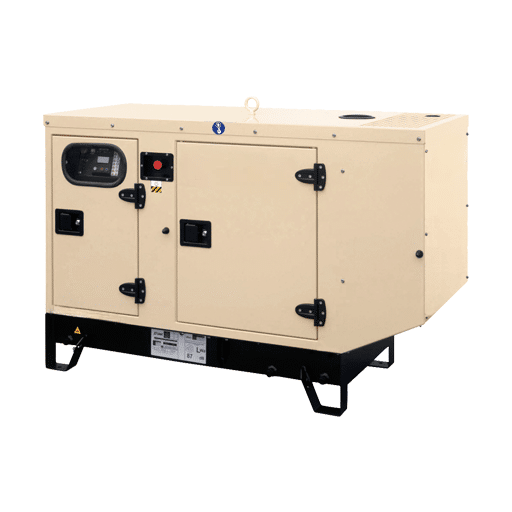
- Power Output
Ratings for Generators are specified according to their kilowatts (kW) capacity, otherwise in megawatts (MW) capacity. This information points out the capability of the generator to fulfill the power requirements in service sectors, such as industrial, commercial, residential and others. - Fuel Type
It runs on a variety of fuels such as diesel, petrol and gas natural, and propane. In this context, diesel is commonly used for base load applications, whereas natural gas and propane tend to be selective for applications where the cleanliness of the emission is a prerequisite. - Voltage Regulation
Good Frequency regulation is critical in many situations, since equipment will not function properly, especially if the voltage fluctuates. More complex gensets usually feature automatic voltage regulation (AVR) to maintain the output voltage. - Run Time and Fuel Efficiency
The battery life of a generator is limited by its fuel tank capacity and how much load it is able to handle. For example, continuous-duty gensets are frequently used for long periods, whereas, dependent upon the application, access to standby gensets may be needed occasionally for only a relatively short duration for emergency service. - Noise Levels
Generator units arrive in varying levels of noise output. In locations that require low levels of noise or are based in residential or commercial regions, soundproof or enclosed generator units are the best.
Power Ratings for Prime and Standby Generators
Generators are distinguished as prime or standby generators according to their operational capability and utilization environment. Principal generators are those that are capable of operating continuously for a prolonged period, making them an appropriate power source for applications where the interest. These may include cases such as remote locations or factories which have no connection to a grid of a power utility. Such machines operate mainly within a safe range of 70% to 80% of their maximum capacity for longer capacities to ensure a comfortable and assured operation.
In contrast, standby generators are designed to intermittently counter power interruptions especially when the primary power source fails. Ultimately, despite the fact that standby generators are not used very often, in case they must be used, the engine must have the capability of standing a sharp increase in load within a very short time. For example, a power backup system’s power rating may satisfactorily support some of a building’s operations, such as the lighting or even elevated services like HVAC, medical equipment, or lighting, in the event of a temporary power supply interruption.
Continuous vs. Prime Power: Definitions and Uses
The term continuous power is a way of specifying the ability of the generator to supply a load without any disruption over an extended period without breaking serviceability. The generators are intended for such applications where the energy requirement is said to be uniform and foreseeable. The constant power system is operated at 100% load factor, it is not meant for changing loads or overload conditions. Hence, they are best suited for applications where maintaining equilibrium occurs more often.
Prime power is a different issue, as it recognizes that in some applications, the load may change with time. Prime power-rated gensets are those that are capable of continuous operation for long hours, with provisions being made for fluctuations in energy demand. They are extensively used at construction sites, mining locations, and areas where work can be temporarily set up or is semi-permanent. Unlike standby power systems, prime power plants have the capability of carrying out an acceptable overload of 10% for a limited period; usually one hour at 12-hour intervals to cater for alternative energy planning.
Power Output Capabilities
This is why the present generation of prime power generators is designed for uninterrupted performance in any environmental extremity. The equipment is usually measured in watts or kilowatts, it could be in watts per hour, serving the requirements of small and large establishments. It is a fact that thanks to a plethora of new capabilities, prime power plants boast better performance and longer service life. Power factor, an issue of practical concern, varies between 0.8 and 1 which refers to the optimal use of load connectivity with electrical power use.
Furthermore, the most recent generations of alternators and their associated control systems have taken voltage regulation and frequency stabilization to a new level in operation, even maintaining their efficiency under varying conditions of load. In modern society, while considering only industrial purpose diesel generators, the expectations from these machines may range from a low of 30 KW to a high of more than 3000KW. The surge capacities of these machines, as per the control measures provided in ISO 8528, allow them to withstand occasional rapid increases in energy demand without any loss in performance.
Ideal Use Cases for Generator
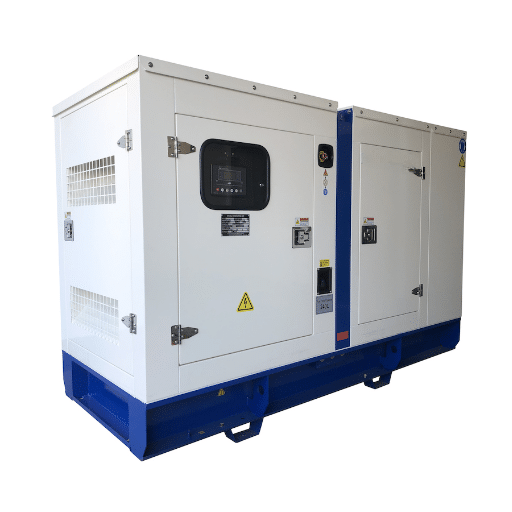
Generators are indispensable in many cases ranging over various industries. They are often used as the main source or even as a backup power during healthcare services, data center, or even factory where a continuous supply of electricity is a must. On the other hand, even construction sites uses generators to run equipment in some parts without any power grid. So, they are also necessary for disaster control and helping people to operate vital services and functions in the midst of unexpected contingencies. They are likewise marketed for home use as standby generators which can be easily used in case of short blackouts enabling the user to operate most of the home appliances.
When to Choose a Prime Power Generator
Prime power generators are considered most appropriate for such types of applications that require a constant and stable flow of electricity for excessive duration, precisely at places where there is no power grid or it does not function properly. Their main feature is that they can operate as the basic source of electrical energy, which is crucial especially for people living in remote regions. These devices are often used in industries such as mining, oil and gas and building structures, as well as in smaller habitations. Prime power generators are also optimally designed to be robust as well as effective, since they can be manufactured to operate under various load conditions without any degradation in performance levels.
Standby generators and prime power gensets satisfy distinct power requirements in a variety of applications. Prime power generators also operate infrequently and stand by until primary energy source is shut down. While for Standby generators they are used frequently and as such are built for ongoing service and can run hundreds or even thousands of hours per year. It’s important to accommodate the correct size and performance parameters to achieve the highest possible load utilization without impairing the consumption and environmental protection criteria.
When to Choose a Standby Generator
Facilities or residences situated in regions susceptible to power outages often find standby generator as equipment that needs to be obtained. Situations requiring backup power like this are mostly associated with those businesses operating in all environments, whose failure to comply would cause financial loss such as data centers and hospitals and manufactures or processing plants for operation since there are possibilities of injuries occurring. Modern standby generators are usually designed in such a way that it is possible to have a shift of power in case of a power cut due to an automatic transfer switch.
It’s important to point out that there are several crucial factors to keep in mind if you want to buy an effective and durable generator: appropriate capacity and fuel type. Also, with recent advances in the field of remote monitoring and diagnostics, it is very easy to ascertain the operational readiness of the generator, as more often than not, the system has built-in alerts which can be utilized to inform the standby users against any eventualities. Alternatively, in many parts of the world with increasing incidence of erratic weather patterns, making the choice to have an electric generator installed can also be seen as a forward-looking solution to the age-long quest for self-sufficient power.
Cost Implications of Prime and Standby Generators

The monetary implications that come with prime and standby generators can come as a result of how the generators are designed, the operating environment and the maintenance requirements. In general, since prime generators are built to work for a longer period without stoppage, there are one or two reasons why the costs are too high in today’s economies: durability as well as components. Also, most times these generators cost more to fuel and maintain because they are switched on for longer periods. On the contrary, since standby generators are put to use only when the main source of electrical power fails, their purchase costs are lower and maintenance costs are less as compared to continuously operated generators.
Initial Investment for Prime vs. Standby Generators
The superior functionality offered by prime power rated gensets is reflected in their higher prices as compared to those designed for use in other applications. This type of generator is built traditionally with all the necessary components which include expensive prime mover, a premium quality synchronous generator and a high-flow cooling system and hence can be very expensive. A small prime generator sale can be upward of $10,000, approximately, while numerous large industrial power planning options can exceed even $100,000, depending on the complications of installed equipment.
Backup generators are generally less expensive relative to standby generators due to their opportunity cost. They also include a high price. The standby generators that are available for residential buildings or small-scale use are known for the price tags of $2,000 to $12,000 for a single-phase and $15,000-$40,000 for a three-phase commercial-grade generator. Besides such design and performance-enhancing factors as type and quality of enclosure, sound enclosure, and automation, minimizing power interrupt cases also affect the costs of this equipment.
Long-term Operating Costs
Operations of prime and backup generations are costly over periods of time. The cost is quite high because of the differences in their usage patterns, fuel efficiency and specified maintenance. The operation of prime generators which are designed for continuous operation has an excessively high cost for energy as it is necessary to keep them in operation continuously for a long time. Such machines have efficient working engines; however, the high costs of energy consumption due to a high number of operations can still remain the same. For instance, a 100 kw diesel prime generator rated operable approximately at 7-10 gallons of fuel per hour may, depending on the high demand of fuel at that point in time, use up to thousands of gallons annually.
However, standby generators are designed for infrequent and brief use times, such as during power failures, which tends to result in fewer long-term expenses. Fuel consumption with regard to standby systems varies with their size but is considerably lesser relative to the prime movers due to limited activity. In addition, another essential detail to consider is the recurrent costs of maintenance. In this case, a prime generator may require maintenance after operations of around 250 to 500 hours in order to maximize the life expectancy of the equipment including its parts due to wear and tear.
In addition, improvements in technology and capabilities by proper means, such as the use of, for example, monitoring equipment or computers with optimized interfaces, could alter the overall operating costs as well. Such functions may therefore result in increased productivity and down-time avoidance, particularly for critical machines such as the engine sets. It is dependent on the operational expenditure of such generators in the long run that makes sense to check the application, duties and the available resources in terms of fuel.
Cost-Benefit Analysis of Choosing a Generator
When looking at an investment in a generator, there are several important concerns in a running cost efficiency and economic efficacy perspective. The first one concerns direct costs in the status quo that would be borne for the purchase installation, extra equipment that would be installed, and the expenses usually incurred for the said purpose; such as operation and maintenance costs. By doing so, it enables the investor to understand how much the asset has depreciated and whether long-term returns would justify the investment.
Type and the availability of fuel is a great determinant in the overall cost as diesel, natural gas, and bi-fuel generators all come with completely distinct cost marginal, energy density and pollution impact. Better fuel economy technology, such as engines that are environmentally minded, Tier 4 emissions stackups for example, can help reduce cost of operations and greenhouse gases, so for the companies that are green, or wish to pursue green supply chain objectives, such engines are strategically beneficial.
Lastly, understanding the power consumption needs of the application such as peak loads, operation time, or even duplication is equally a key factor in the sizing and capacity of the generator. Supposing too high capacity shall lead to unnecessary costs while assuming too low capacity will affect the quality of competency. Thus, the economic use of all resources and pairing them with the specific needs of the component shall result in better return on state funds in the form of developing the component’s mass production.
Maintenance Requirements for Generators

Exclusively, Prime power generators can be utilized uninterrupted and for a wide timeframe, although they require regular maintenance to maintain good working conditions. Some major tasks that need to be conducted include changing the oil and the filters, whether on a weekly basis or in a specific situation where there is a need, followed by checking the whole fuel system and coolant system. These tasks would need to be performed in accordance with precise manufacturer’s instructions, usually for a certain period or a number of operating hours during which the set was in use.
In contrast, standby generators on the other hand, are usually not operated regularly and are left without activity for prolonged durations. The maintenance needed for such generators is geared towards conducting test runs and taking measures to ensure they are reliable. Such activities include checking that the diesel generator is operated every month, inspecting the batteries, and ensuring that the fuel is in proper condition.
Routine Maintenance for Prime Power Generators
- Oil and Filter Changes
Oil should be replaced after 250 to 500 operating hours, depending on the manufacturer’s satisfaction levels so as to reduce the wear and tear on the engine due to contaminated lubricant. Filters should be simultaneously changed to ensure that there are no contamination problems resulting from the change of one without the other. - Coolant System Monitoring
Due to the fact that the gear cooling in the water bodies of the shafts is of a closed type, the level of the cooling water of the gearbox must be elevated daily. Complete flushing and refilling of the cooling system fluid must be undertaken at 2000–3000 working hours. Observance of the sound proportions of coolants ensures proper control of the engine temperature. - Fuel System Maintenance
Regular change of fuel filters is to be integrated into the common schedule; enabling continuous performance of fuel tanks, proper support is to be checked for the level of contamination and corrosion. Fuel separating outlets should at least be cleaned on a regular basis and drained in general, as it is necessary - Air Filter Inspection and Replacement
Engine operation performance in terms of air filters is greatly affects by the extent contaminants are prevented from getting into the critical assemblies. Filter change schedules recommended by the manufacturer may be adopted with the condition of performing a filter change due to physical wear. - Battery Testing
Checking the voltage of the battery at scheduled intervals is required, along with cleaning the battery terminals to facilitate trouble-free electric connections. Load tests must be employed to make sure the battery does not fail while in operation. - Engine Belt and Hose Checks
Visible signs on the belt or hose like cracks and long aging in the belt or hose and tightness should be detected. It is important to replace old parts so that they don’t damage the system during use.
Maintenance Considerations for Standby Generators
- Cooling System Evaluation
Cooling of the generator plays a vital role in minimizing any chances of overheating. The level of cooling fluid should always be maintained and the fluid should be changed at recommended intervals. Pay particular attention to the radiators for external obstructions and leaks within the apparatus, as the obstruction of either will result in reduced cooling efficiency. - Fuel System Inspection
Another valid concern that should be kept in view is that fuel becomes weaker over the course of time especially in those generators which are kept for long periods. It is recommended to perform samples for fuel periodically, and in case of pollutants or traces of damage, such fuel should be cleaned or replaced, and fuel supply equipment should be repaired or replaced in case of scheduled or unscheduled maintenance. - Control Panel Diagnostics
The control panel has status indicators and diagnostic tools. Check out all dials, gauges and warning systems to ensure they are working and to find out if they have any malfunctions. Digital control panels are frequently designed with some faulty parts that require firmware updates. Hence, all updates available should be downloaded and installed as quick as possible, possible as they correct these errors and software problems. - Load Bank Testing
Schedule load bank testing within the appropriate target, set for the maintenance frequency. This is where the process involves running the generator in the setup system to ensure that it operates on its rated capacity. It therefore also aids in the burning of carbon build-ups that tend to be found in Diesel engines, and thus increases efficiency. - Exhaust System Evaluation
It is important to carry out regular checks of the exhaust system for any possible problems such as leakages, rust, and entanglement that endanger personnel or the system. To make a habitual practice of the system with appropriate venting in place will aid in maintaining relatively low backpressure and preventing harmful emissions from flowing into the generator location.
Reference Sources
- Tradeoff Analysis of Backup Power Generation Solutions for Military Bases
Read more here - Understanding Generator Stator Ground Faults and Their Protection Schemes
Read more here
Frequently Asked Questions (FAQs)
What is the difference between prime power and standby power?
Both prime power and standby generators have their application areas. For instance, prime power considers prolonged hours of operations under the stand-alone power supply. On the other hand, standby power systems are designed to be used specifically for short power interruptions that occur temporarily. There is a significant difference between prime-rated and standby-rated generators: In prime-rated machines, the duty cycle is continuous, and the equipment is designed to provide power for the entire period. For the addressing of standby rated power, the equipment can be called about or less than for the designated length of operating time.
When should I choose a continuous generator instead of a standby generator?
Opt for a standby generator when a reliable standby generator or backup power supply is needed, especially in places such as remote locations or sites where conventional power grids are unavailable or inaccessible. Both continuous operating and prime power modes imply that the set may be operated at different levels of load and there are no time limits to the operation at rated prime load. If installing a generator for most likely events, those that wish to use motor as a backup system charge or active surge protection with any of the parts included in UPS surge protection grade voltage regulation may want to resort to a generator set with a rateable standby specification.
What is the difference between continuous and standby applications in generator types?
In the first case, when the generators are used without power and for a limited time, the prime movers refers to the prime movers louded coupled on the generator set which does not necessarily give fast speeds while the generators are loaded but the prime movers continues to work at an almost constant rate fro relatively low speed up to fast speed for moderate and short periods of time. This work outside the normal parameters is usually for maintaining prime movers. In that case, the power sources and power levels at which the generator should be installed can be determined.
Can a generator set provide power for both prime and standby uses?
Some generators can serve a variety of functions and adapt to work in an area as both a backup or prime mover. But this is not universally so, since the ratings and maintenance needs have disparities based on the anticipated application of the equipment. A prime generator set will enable a continuously running prime-rated system that can be used for an extended time period, whereas a standby-rated set has larger standby capability, but short-term emergency rating is more important. In case of rare or long power outages or even contact operations, choose a correct rated plus sized generator facility.