
The selection of either the portable or stationary generator is a very important decision when it comes to having the electric power guaranteed during power outages or off-grid scenarios. Every choice has its own unique characteristics and the deployment potential as well as certain requirements that can considerably affect your energy needs and overall comfort. Be it that you are going for the versatile, easy-to-carry devise or the fixed and automatically controlled one, it is of the highest importance that the main differences are clear between these two types of generators. This paper is going to pave the way for you to have a full grasp of the key characteristics, usage contexts, and decision-making factors so that you can eventually find out which type of generator is the most compatible with your way of living, financial status, and power demands.
Understanding of Generator Types

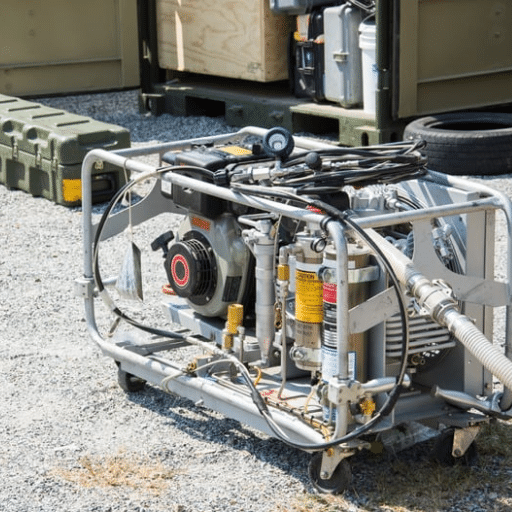
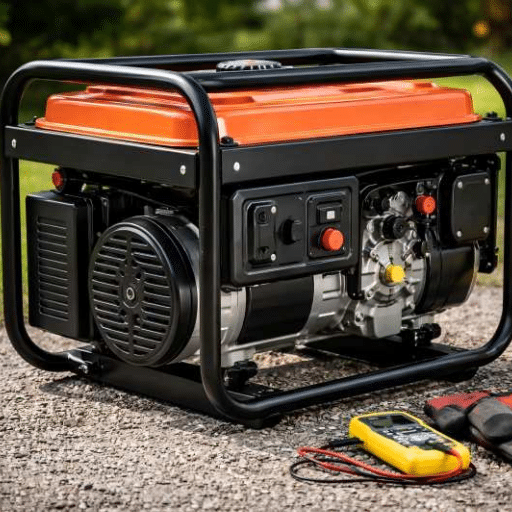
Portable generators have been developed to be the most convenient power solution. They are handheld, which means they can be taken from one place to another easily. The most common fuel used to run them is, therefore, gasoline, which makes the process of refueling smooth and, thus, efficient and, above all, is the best despite the fact that it is in the outdoors in a camping site or in any remote type of work-related place. These machines can only run for a short time because they have very small tanks that are the source of fuel, and they often need to be put into action by people. Apart from that, they are generally more cost-effective in the beginning, but later, the maintenance costs can be quite a lot.
Standby generators are fixed installations that are supposed to automatically supply back-up power in case of a power failure. Typically, they are linked to a supply of natural gas or propane resulting in continuous operation without any necessity for manual refueling. These installations are most appropriate for locations like houses and businesses, which need a steady and unbreakable source of power for their critical appliances or operations. It is a fact that they are even more expensive in the beginning; however, standby generators give you not only the advantage but also resilience and operability; for example, they feature automatic transfer switches and self-testing capabilities.
What is a Portable Generator?
A portable generator is a small, lightweight machine that has been designed for the purpose of providing electricity for a short period of time, typically during blackouts or in remote areas devoid of a fixed power source. Built with a combustion engine, these machines transform mechanical power to electric power with the help of a built-in alternator. Generally, portable generators rely on gasoline, diesel, or propane and are produced in various power capacities to serve different purposes; for instance, from operating small electric devices to maintaining the crucial systems of the houses, building sites, or outdoor fairs.
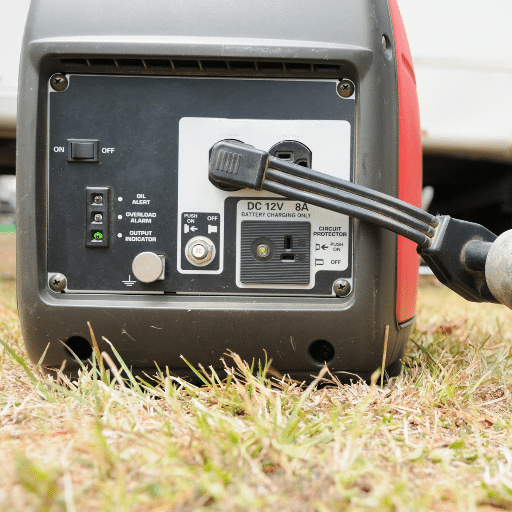
As technology progresses, new models are equipped with more and more advanced, sophisticated features like inverter technology that offers a cleaner and more stable power output what is a good fit for sensitive electronics. Besides being manufacturers of modern portable generators may also put overload protection, fuel efficiency modes, and user-friendly control panels, thus enhancing safety and ease of use on their positive marks. Although they are made for manual jobs like starting the engine and connecting loads their cost-effectiveness and adaptability make them a viable option for homes and businesses alike.
What is a Standby Generator?
A standby generator is a backup power system that is installed permanently. It automatically supplies power during a utility outage. Such generators are customarily connected directly to the electrical system of a building and they are powered by the use of external fuel sources like natural gas, propane, and diesel. Conversely, portable generators, in comparison with standby generators, are not only linked to the main but also come with an automatic transfer switch (ATS) that is meant to sense the power interruptions and connect the load from the grid to the generator very smoothly hence the continuous function of critical systems.
Backup power plants are known for their superior performance and are featured by their ability to withstand harsh weather conditions, the use of modern monitoring systems, and a longer period of running. Their power of operation is within a few kilowatt for residential consumption and can amount to a few hundred kilowatts for factories or big department stores. One must-do activity is the regular maintenance where the operator checks if all the fluid levels are correct and if all connections are in good shape. This is not just for the reliability part but also a matter of safety compliance.
Key Differences Between Portable and Standby Generators
Power Output and Capacity

Portable generators usually produce a power range from 2,000 to 10,000 watts and hence can be used for the appliances, small tools, and the like for houses. These units are very convenient to use for less than a week and do not need any license to use, while it may be the other way around for a standing unit.
In contrast, the units on standby are made in such a way that they can handle greater loads with capacities that range from 10,000 to over 50,000 watts. They have the capability to supply power to the whole family or office and several circuits automatically, thus enabling operations at all times during prolonged outages. This is another reason why the standby generators are considered more trustworthy for the power requirements that are long-term or of the demanding type.
Assessing Power Needs for Your Home
In order to make home energy planning more accurate first, you need to determine the power demand of the critical home energy consumption devices and installed systems. The procedure should start with noting down high-priority devices like refrigerators, HVAC, lights, and medical devices as the first thing to do. The power consumption of a standard fridge, as an example, is 600 to 800 watts. Going with the latter case, meanwhile, the central air conditioning unit, the size and efficiency of which determine how much power it can take, will be around 3,000 to 5,000 watts. In addition, do not forget also the total household essentials consumption in watts like water heaters (4,500 watts on average) and sump pumps (1,000 watts or more).
Subsequently, assess whether the total sum of the numbers represents the generator’s minimum power that is required to properly support your home. Take into consideration that starting or peak power consumptions of some appliances might be a couple of times that of their rated power consumption. Namely, during the start-up phase, the air conditioner and the pump loads are generally about three times their operational power. In order to have a system without any glitches, pick a generator that is around 30% larger than what you need so that it would be able to cover not only the extra energy consumption that might happen but also the electric power needs of the future.
Comparing Power Output of Portable vs Standby Generators
The power output and the target utilization of portable and standby generators are the two major discrepancies between them. Usually, portable generators produce from 2,000 to 10,000 watts which would be enough for essential electricity needs and power tools in homes or camps during short power failures. They are quite adaptable, small, and easy to carry but at the same time, they lack in power capacity, so they might have an issue working with large household systems or simultaneously high energy appliances.
Among the types of generators, the backup ones are for the higher electrical requirements. These machines can offer a wattage range between 7,000 watts and 50,000 watts according to the one that is chosen and its installation. They are fixtures that are always present and they start working by themselves in case of a power cut providing undisturbed electric power to the whole household or even to the industrial area. The backup electric generators can also handle with no trouble the very complex HVAC systems, the big electric appliances, and multiple electric circuits. The initial cost of these generators can be somewhat larger compared to the portable ones since they need to be installed by professionals and have an independent fuel supply.
Choosing the Right Capacity for Your Unique Needs
Picking the correct generator power is very important as to do that you really need to measure very accurately your energy consumption. The first thing to do would be to find out the essential appliances and devices you are planning to operate in case of an absence of power such as refrigerators, heating units, and even lights and medical equipment for any medical need. It is a standard practice for each appliance to have a power consumption power label. It should be pointed out that from both operational and surge wattage sides devices have to comply with the range. A precise calculation has to take into account not only the running wattage but also the extra surge wattage needed for starting up of some items like the air conditioner or pump.
It is generally recommended that residential users should get a generator with a power between 5,000 and 7,500 watts to cover everything from the essential household systems and appliances. For larger homes which require greater amounts of energy, the optimum way is to go for standby generators with a range of 10,000 to 20,000 watts. On the other hand, 2,000 to 4,000 watts is the power range acceptable for smaller-scale or recreational use with such a model being portable. One should also add in the planned future needs factor, for example, home expansions or additional appliances, to guarantee the long-term effectiveness of the generator.
The latest generators use the most up-to-date technology including inverter technology which provides a steady power flow and that is even more beneficial for the modern computers and other sensitive electronics. After that many different producers are offering different tools like internet calculators and guidelines that will help you to choose the correct generator size according to your home’s needs. Given that you’re careful with measurements and that you use the tools, your generator choice will probably be safe, highly efficient, and the most economical one at the same time.
Fuel Sources and Compatibility
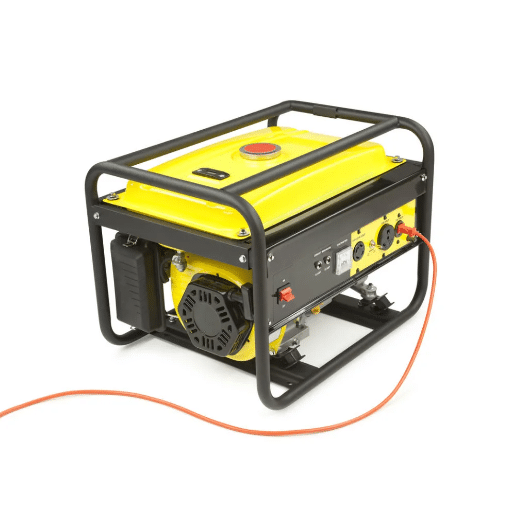
Generators can be both portable and stationary and their most common energy sources are gasoline, propane, and diesel, with certain models having a capability to run on two fuels. The main fuel type for portable generators is gas because it is widely used, nevertheless, propane is available as a secondary fuel to provide the longer life of the appliance and to reduce the toxic emissions. Contrariwise, the stationary generators‘ power sources are, on one hand, propane or, on the other hand, the more preferable and greener natural gas that the local utility company is piping to your home, in that case bringing in a continuous supply without a need to refuel.
When you are picking out a generator, make sure that the chosen fuel type is according to the resources that you have and the storage capacity you have. It is recommended that the installation manual for the generator in question be checked for compatibility of the fuel types particularly if it is a dual-fuel model. For the stand-by units, before installation, ensure that the natural gas or propane supply line has the pressure and flow that the manufacturer has prescribed. Finally safe storage and fuel economy should also be considered for ensuring long-term energy security. Such an approach delivers both a reliable operation and an easy maintenance process.
Common Fuel Types: Propane, Natural Gas, and Gasoline
Fuel Efficiency: Portable vs Standby Generators
One of the most important aspects that should be taken into account when making a comparison between portable and standby generators is their fuel efficiency since it has a direct effect on both operational costs and running time. Power generators intended for portable use are characterized by small engines and, as a result, are less fuel economic than the ones used as a standby system. The main reason is the gasoline aspect as it is faster-burning and less efficient than propane and natural gas. Yet, the former does have the advantage of flexibility and ease of use for snap installations as such; thus making them a good fit for requirements with limited power loads.
On the contrary, standby generators are made for longer durations and higher power demands. They utilize larger engines which have been improved to the extent to produce a maximum performance and are frequently equipped with more fuel-efficient technologies, for example, variable-speed operation or dynamic load management systems. Powered by propane or natural gas, they produce a cleaner and more energy-efficient burn than the portable generators, thus, minimize waste and reduce emissions. Even though the fact that standby generators cause a higher upfront cost, their better fuel efficiency and capability to automatically supply power during outages are the factors that make the standby generators the best choice for permanent installations or high-demand scenarios.
Best Fit for Your Household Fuel Supply
Choosing the right source of fuel for your generator’s back-up supply depends on a number of factors among them the availability of the fuel, the cost, and the environmental impact. The two most common sources of fuel are propane and natural gas, and each of them has special benefits. The use of propane as a fuel is very convenient especially in the case of rural or off-grid areas where the gas line may not be available. It is safe to store the fuel on-site for the reason of the long shelf life and the ability to have a good stock of gas. One can be sure that there will not be any stopping of the gas once it is connected to the municipal pipeline.
In terms of costs, natural gas is usually the cheaper option in the long run if the local infrastructure supports it. However, propane because of the density of energy it has the ability to last longer than the other fuels, thus it can be a major pull to certain applications. Moreover, environmental impact is a paramount factor, natural gas relatively having a bit smaller carbon footprint than propane, which is mainly because of a decrease in the emissions of greenhouse gases during combustion. The air quality is much better in both cases than with a diesel-fueled unit which makes them an eco-friendly solution for households. If you have a careful examination of the location, power needs, and budget, then you will find that the best stand-by generator fuel choice has been made.
Installation Requirements

Portable generators are made for fast installations and temporary use. They need a flat, stable grounding, preferably outdoor and not close to confined spaces, to avoid the accumulation of carbon monoxide. For safe connection to the electricity system of the household, a transfer switch is the best solution to use, it ensures that circuits are adequately isolated. The natural gas or propane supply line for these generators has to be at the correct pressure and flow as specified by the manufacturer to prevent damage or malfunctions.
Standby generators are meant to be a part of the home system permanently and a professional’s help is required for their installation. In most cases, the place is assessed so that the local rules are not broken, and units are situated on a concrete slab near the house. They are connected directly to a building’s electrical system through an automatic transfer switch. Also, standby generators are supplied with gas or propane on an everyday basis and thus, the problem of refueling is eliminated. Moreover, maintenance and checking from time to time are the other things that are very important to keep the standby generator functioning well.
Professional Installation of Home Standby Generators
The construction project of a residential standby generator including the steps of the construction project planning and the strict safety procedures that need to be complied with in order to have an efficient and reliable generator performance. One very important consideration for instance is the locality which must be according to both the manufacturer’s and the local council’s clearance specifications. This can also be less dangerous in different ways like exhaust venting, overheating, and getting the generator corroded by the environment.
Professional wiring is also essential when it comes to electric connections, although the electrician works on it and ties the generator into the home’s electrical system through an automatic transfer switch. This, in turn, allows for an uninterrupted power supply in the case of a power outage without any human activity being needed. The fuel source — whether natural gas or propane — must be properly and securely connected, with the supply lines checked for leaks and code compliance.
The provision of proper grounding to the system following the National Electrical Code (NEC) is vital to prevent electrical accidents. The only test that should be conducted is after the system has been installed so that its whole functionality under different scenarios is assessed. Working with certified technicians complies with the local regulations and at the same time, it is a way of maximizing the performance and life of the generator.
Ease of Setting Up Portable Generators
Thanks to the design and technology improvements, it has gotten a lot easier to set up a portable generator. The common feature of modern-day generators is the user-friendly interface, which will normally be put together with a push-button electric starter thus making the first step the starter is already switched on. In addition to this, some models include visual or digital displays, making it the only way not to know the status; if there’s a problem, if you’re running out of fuel, etc. To make it even more convenient for the users, the manufacturers build in the mobility and setup feature, namely through adding robust wheels and user-friendly handles.
Moreover, the practice of meticulous flow of instructions in manuals and the use of connectors marked with colors make the installation very easy, thus technical novices can also do it effortlessly. Along with the portability feature, safety has also got its due seriousness with the addition of carbon monoxide sensors in many of the new models of the generators that prompt the machine to stop running the moment the levels go unsafe. It seems that the introduction of these devices in the market is a step towards opening up access to portable power solutions to everyone, improving the safety of the users, and reducing the number of applications for which these systems cannot be used.
Maintenance Needs

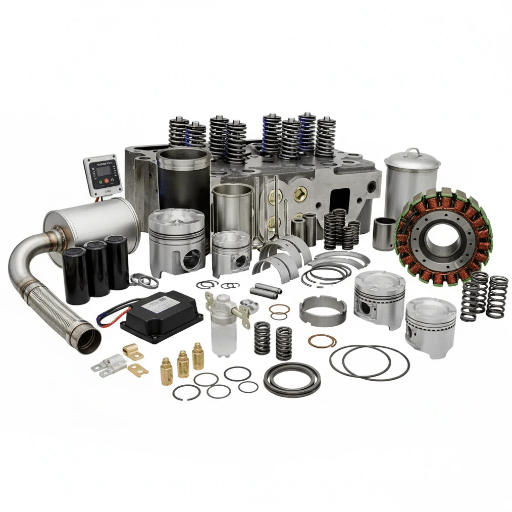
The distinction in maintenance needs between the two types of generators, that is, portable and standby, is mainly dependent on their design and intended application. The smaller engines and the fact that they are switched on and off from time to time are the main reasons why the portable ones have to be taken care of more often. Among the main routine activities are checking the gas, changing the oil at intervals of about 50-100 hours of work, and seeing to it that the air filter stays clean. Moreover, these types of generators have to be placed in the right location when not in operation because the gasoline in the tank can oxidize and result in some operating problems.
Standby generators, however, are typically provided with more advanced, automated equipment, and intended for constant, long-lasting operation. Normally, maintenance of the backup power supply units will include semi-yearly checks by a specialist, verification of the automatic transfer switch, and changing of the oil and the filters, according to the manufacturer’s instructions—often every 200 running hours or yearly. Moreover, battery condition and coolant levels must be controlled to maintain the readiness of the system for use in cases of emergency.
Regular Maintenance for Portable Generators
Portable generators cannot do without regular maintenance for top performance and long service life. The most important tasks are the inspection and cleansing of the air filter every 25 to 50 hours of operation, because a dirty filter can cause insufficient air flow and thus, decrease efficiency. Before the generator is started the oil level and quality should be checked, and oil changes are suggested every 50 to 100 hours of operation or as per the manufacturer’s specification, whichever is longer.
Besides, it is necessary to inspect spark plugs and replace them once a year or every 100 working hours approximately to keep the ignition system running. The importance of the fuel system maintenance cannot be overstated; the gasoline should be either drained or treated with a stabilizer if the generator is to be kept idle for a long time, so as to prevent the clogs in the carburetor due to the build-up. Finally, the generator should be load tested periodically as a routine to know beforehand its status in case the power goes off during that period. These types of regular maintenance not only increase performance but also decrease the possibility of failures in components.
Maintenance Requirements for Standby Generators
Standby generators aimed at a robust and fault-proof operation should have their oil and filter changed periodically according to the manufacturer’s recommendations or the number of hours operated, whatever comes first. Clean, top-quality oil aids in proper lubrication of the moving engine parts, thus resulting in less wear and a longer life span of the machine. Also, it is a good practice to replace air filters on a regular basis. This will reduce the occurrence of debris and particulate matter in the unit that could restrict airflow and thus, efficiency and performance may be compromised.
Besides these practical issues, we also have the necessity of battery maintenance in order that dead or weak batteries, major causes of generator failure, may not occur. The main steps here are to check the battery terminals for corrosion, to make sure the battery is fully charged, and to test the voltage output at regular intervals to ensure the battery is still functional. Also, the levels of the coolant that the generator is using should be checked on a regular basis, with special attention being paid to situations where the system uses a liquid-cooled system as the lack of coolant can result in the system’s overheating.
To have fully functional system, the integrity of the Automatic Transfer Switch (ATS) needs to be checked. By testing the ATS, it is assured that the smooth transition between the main power source and the generator is done during outages. These days many of the standby generators come equipped with the remote monitoring system that provides the key performance metrics and even reminds the operator about the maintenance activities, besides presenting an additional level of reliability.
Cost of Maintenance Over Time
The price of running and maintaining movable and standby generators depends greatly on the differences in design, capacity, and operational features. The initial maintenance cost of portable generators is usually lower due to their simpler and non-automated system of construction. However, as time goes by, the maintenance activities may become more frequent because of the wearing out of parts such as spark plugs, fuel filters, and pull cords. Besides, portable generators may demand consistent manual handling which includes re-fuelling and oil change after every 50-100 hours of usage.
On the contrary, you have to pay more for the initial maintenance of a standby generator, specifically for the professional services of checking the automatic transfer switch and the remote monitoring components. To make it up in the long run, the cost of maintaining a standby generator is compensated by its high performance and long life. These systems are expected to have use-quality engines that can run for a long time without power decline. The annual maintenance tasks are usually the common oil changing, coolant testing, and system diagnostics, whose schedules are more or less fixed and less often than the portable units.
Standby generators, during the calculation of the total maintenance amount over the extended period (for instance 5-10 years), usually reveal cost cut to output and reliability through to the end. Yet, when evaluating the total maintenance expenditures, and by far the availability of the maker advised back-up spare parts etc., it becomes of paramount importance taking into account additional factors such as the local workforce payment policies, repair practices and prices as these might have an overbearing effect on the ultimate expenses.
Reference Sources
- Reliability of emergency and standby diesel generators: Impact on energy resiliency solutions – URL: sciencedirect.com
- Cost-Benefit Analysis of Power Generator Types with Alternative Fuels Versus Conventional Diesel Generator – URL: papers.ssrn.com
Frequently Asked Questions (FAQs)
Will a home generator power everything in your home?
Kohler is a big player in the field of standby or home standby generators that can power your whole home according to your needs and load management. The smaller power systems and even the large portable ones typically serve only the essential circuits and so they are great for running the basic appliances and maintaining your general consumption. Generators offer different power levels and for a backup, a diesel generator, or a liquid propane system are the possible fuel options. For a whole-house standby power supply, a permanently installed stationary generator is the one to guarantee a fully automated backup.
How do standby vs portable generators compare in performance?
Standby generators often have a higher output, they start automatically, are permanently installed in the outer area, and provide backup power for the entire home, while portable generators can be used for more flexible situations during a tailgate event, or on job sites. Portable power generators are very cost-effective at the beginning, but at the same time are not economical if refueling is considered and manual transfer switches or extension cords is also a challenge for portable use. All types of power outages can be managed by the whole-house power supply that standby models provide and the generators will start running automatically if there is a power loss, this makes them a very reliable backup along with being the supply for the extended outages.
What does standby generator installation involve and cost?
Standby generator installation is, in general, an expensive process with a need for a concrete pad, transfer switch to main panel wiring, and fuel hookups for liquid propane or diesel generators as the major portions of the installation cost. Since the standby generator is installed permanently outside, professionals take care of the permits and make sure the generator can safely power the entire home. Even though the initial cost is more than that of a portable model, the standby models allow for the whole house to be backed up and the operation to be fully automatic. A thing to think about here is not only the cost of the installation of such a generator but also the worth of a generator that prevents your house from getting affected by power loss even without manual setup.
How can I decide between a standby and a portable unit?
When deciding whether to use a portable generator to electrify your home or to go for a whole house power supply, first, evaluate your basic loads. If, with only essential appliances running, you do not meet the whole house power demand, you can choose a portable source just for the critical appliances. Portable generators for home are multi-choice and have the advantage of being budget-friendly and portable, but they do not always have a good runtime, and they make use of extension cords or a manual switch for the power supply of the appliances. Whole-house standby generators, on the other hand, no doubt, can supply power to the entire house without experiencing any hassle and they run automatically but the installation cost is quite high.