
When installing an industrial diesel generator, the process requires precise, careful planning and detailed technical work. Whether it is back up power system for a big food processing facility, data center, or any other extensive project, this article can help one interested in the above as it contains many useful tips on incorporating the engine in work geometry effectively and within the set operation. This step by step guidance will give you answers to every doubt you have concerning the installation of a machine in an exercise where so many things have to be done to ensures each step is easy. It is a tool prepared for those working in this industry who may find installations challenging. By the time you are through with this manual, you will not have any fear working on how to put together and fabricate the diesel engine. Ensuring power supply at the premises is compliant and secure from any power outages.
Pre-Installation Planning

1
Site Assessment
Make sure you review the installation site considering space constraints existence, approach facilities available, ventilation and safety stability issues. Also, ensure that the site does not violate building restrictions and that it provides for safe usage and operation.
2
Load Calculation
There is a need to calculate power requirements for the entire facility, including the capacity for running all loads during startup, so that the plant size that will be put in place will be determined accurately. Proper engine operation will not be achieved when the generator is overloaded or under-volted, which can result in equipment malfunction.
3
Fuel Supply and Storage
It is therefore crucial to provide for adequate fuel storage along with safe handling practices. A feature of the organization should be a storage vessel suitable for the intended purpose, but limited to diesel fuel and should have a way of refilling and avoid adulteration and degradation of the fuel.
4
Regulatory Compliance
It is ensured that the proposed plans are in line with the local, state, and federal regulations including maintenance of the air and noise quality as well as the safety codes of the proposed structures. Possibly in your case, acquire also the relevant permits before installation.
5
Environmental Considerations
Consider how flooding threats, unexpected heat values and other related aspects might change how things are done. And improve the durability of whatever is put up by putting a weather shield just at the point.
Understanding Power Requirements
It is widely acknowledged that power requirements are specifically important in both system design and system functioning, although it is estimated more accurately through load characteristics and pattern of usage. In directing one’s efforts to calculate the necessity, the considerations that should be taken are two, equally pondering the considerations of peak demand together with those of average consumption. In this context, peak demand is the maximum level over a specific timeframe, while average consumption is the mean energy demand for day-to-day operations.
Similarly, evaluating the system’s voltage and current requirements helps identify the ranges within which the system can be operated for cordoning measures. Differentiation of power between single- and three-phase loads, utilization of both single- and multiphase loads, load-balancing navigation, art and power-factor correction, many other, e.g., power-factor correction. In this case, to help protect the system in the event of an unforeseen power disturbance, alternate or redundant power, including UPSs or standby generators, may be used, thereby ensuring continuous proper operations during such critical conditions. Besides incorporating reliable power-promoting shield technologies, it also offers many other benefits, including effective power management software for real-time consumption studies.
Site Planning Considerations
Effective website strategies have to have a careful examination of regional, environmental and infrastructural determinants for the promotion of efficiency and sustainability. For example, it requires the right site, with the view of such factors as how close it is to important resources, what the land is zoned for and ease of access for both people and goods. Environmental impacts studies are important, in that it helps in indentifying the possible changes that the activities may bring to the environment and on top of that, helps in ensuring that the activities are within the regulatory standards.
Moreover, utilization of energy saving methods in building involves any such approaches of making the built environment more ecologically sound including the use of solar panels and windmills thus reducing the costs of utilities and environmental pollution. In addition, attention should be paid to climatic consequences, i.e. temperatures, degrees of precipitation, and annual wind directions, in creation of building projects and energy systems with a view to improving safety and effectiveness.
When designing infrastructure, it is mandatory to articulate the need for building structures that can reasonably cater to the present usage and have allowance for increased demand in future. Besides this, flood risks can best be countered by drawing proper and high embankments with effective drainage systems well put in place within the parameters of that sector. Moreover, in the absence of reliable design loads, compliance shall be demonstrated only with respect to the local content within the building.
Choosing the Right Generator System
In view of such requirements with regard to the choice of the suitable source of supply, it is important to examine the parameters of an intended generator including the power, other parameters such as the fuel, effectiveness and necessary capacity, its reliability in various modes of operation. Large capacity generators which are capable of generating from either the national grid or another power source are needed for most industrial purposes, which are even more essential in a situation where particular activities may result in huge costs when the power goes off. Even more advanced diesel gensets that use less fuel and meet modern standards have disadvantages, such as the risk of hardening, as natural gas and hybrid systems that support lower-emission systems are available.
In addition, the assessment of loads is essential for designing generating plant projects to operate either standby, prime, or base load, as the generation of currents to consumers may have the show-stopping limits of harmonic distortion. In the early days, we could appreciate an energy load being managed, allocated, as well as maintenance of efficient operational characteristics of the system, which was not energy efficient. It is also grounded on intra and extra-regional factors, for instance, noise pollution levels, adherence to legal requirements, and the total overall period a system shall have to be operational. There are many factors that must be incorporated into decisions that organizations must make, especially those related to energy management.
Site Preparation

Location Assessment
Point out a certain position which is properly ventilated and occupants can undergo minimum exposure to extreme weather elements and where there is enough facilitation for maintenance work without barricades. Failure to adhere to this will result in the particular location becoming inaccessible.
Foundation Design
Make a thick level concrete slab that will not only be able to hold the generator in place but also to absorb the noise during the running of the diesel engine. The project design for the foundation must also consider the load capacity the portable generator endorses based on the manufacturer’s specifications.
Fuel Storage and Access
Place fuel tanks while ensuring compliance with local regulations. The fuel tanks should also be placed close to the generator so that the length of the fuel line is minimized but at the same time cracking is prevented due to fuel spillage.
Electrical Connections
Install cabling straight to the generator and transfer switch – and, based on what is being installed, in a given project make sure that all electrical installations are compliant with the national and local codes for system installation.
Ventilation and Exhaust
Provide a means of exhausting the fumes to eliminate excessive heat and the dispersion of hazardous gases. Exhaust systems are classified with extraction equipment owing to the depreciation that may be caused by emitted gases.
Site Assessment and Preparation
Some practical activities must be carried out before the proper installation can be done. In this regard, quarantine the area for the desired or proposed equipment. Check if the generator can fit in the allowable space, inclusive of a clear area for open space service and choke for correct inlet, exhaust and cooling air to be passed. It also involves investigation regarding the nature of the foundations supported by the ground and any additional measures that need to be taken to prevent floor sliding under strong machines.
Moreover, consider a comprehensive environmental examination of the site that includes risks such as flooding, extreme natural hazards, and the possibility of fire. Confirm ease of personnel and equipment entry during normal maintenance or even in cases of emergency repair. Efforts should also be dedicated to looking at noise levels in addition to adhering to the decrees of regions as to with sound construction. To support the increase of the project’s effectiveness, several digitized aids aimed at improving project management, such as geodemographic, topographic surveys, and risk assessment aids, should also be exploited. They contribute to optimizing the mixing of measures and to eliminating some of the hurdles in constructing facilities.
Access and Space Requirements
To be effective when installing generators or performing routine checks on them in the future, it is key to plan for access to them and leave enough space for one as well. The area of the layout must be reached easily by installers and staff — a clear path must be available for all equipment and tools to be easily accessible without any barriers. Also observe the types of clearances indicated in each generator in line with the specification of the model, as lack of enough space hampers the cooling section and poses risks, ensure safety in cutting concrete floors. A standard room clearance of 3 feet is the best around the unit to avoid the occupants’ signal problems, in some local municipalities or manufacturers’ guidelines, it could be more. In addition, maintenance openings should be provided so that routine changes can be made to heavy components, such as the alternator or the fuel tank, with minimal interference with operation.
Grounding and Foundation Considerations
Having a firm understanding of the principles of grounding and design with the right methods will assure the safe, stable and efficient installation of equipment. The main aim of grounding is to offer the path of least resistance for the dissipation of the electrical current from the installation into earth and to lessen the fire risks and equipment damages due to electrical shock. Grounding systems should be designed as per the national standards as far as possible with low resistance paths through copper or galvanized steel materials being the most widely used in the installation and according to the National Electrical Code (NEC).
The foundation must bear a designed load, whether it is from constant or moving loads. The foundation design should also consider depending variables like soil conditions, seismic forces, and possible water flow interference potential. The most typical materials used in foundation construction involve reinforced concrete that is both durable and equally distributes stresses within it. A number of projects tend to involve foundation designs that incorporate anti-vibration systems as a part of requirement in order to minimize wear and tear and improve the longevity of the operational service. All the more necessary are measures to protect the foundation bolts from rust and high water or aggressive environments, to prevent damage for longer.
Generator Selection

When it comes to selecting a diesel generator, multiple criteria must be weighed against each other in order to determine whether the generator will be up to the task in terms of the operation and the load set. Calculating the total demanded power in the first instance, that is, the sum of wattages of all those devices that the generator is specifically designed to run, considering both starting and running power loads is crucial. The role of the generator, whether backup or primary power, would determine the capacity and reliability decisions in place.
Moreover, the efficiency in utilizing fuel, run time, and fuel tank capacity forethought should be there, so that it can run within the specified time frames and fuel level should not be overlooked. It is important to follow the relevant regulatory limits in noise pollution in the area. Furthermore, ensure that you acquire a generator that operates well within the bounds of the geographical features it encounters, such as temperature and humidity. In addition, it is beneficial to find models that are controlled via a remote having operations such as the load management module. Ensuring reliable logistics and efficient service from proven manufacturers of such devices is an important condition for sustaining their operational capability throughout the service period.
Types of Diesel Generators
| Type | Key Points | Applications | Advantages | Limitations |
|---|---|---|---|---|
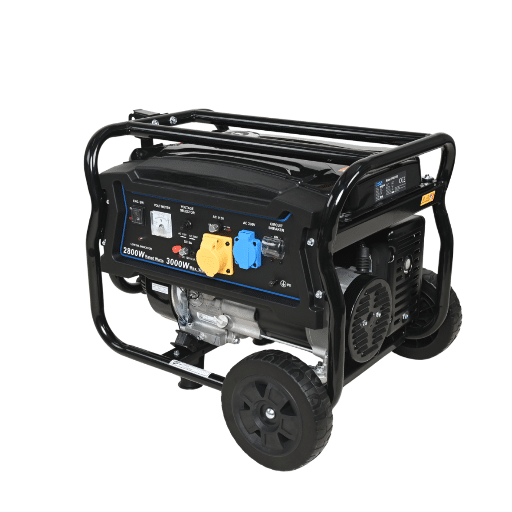
| Portable Generators | Compact and easy to transport | Construction sites, outdoor events | Mobility, lower cost | Limited power output |
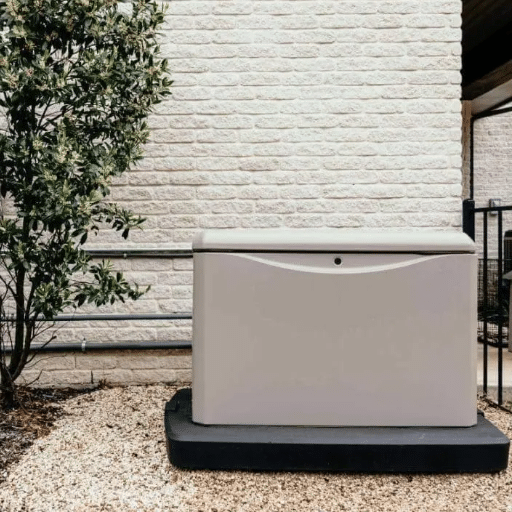
| Standby Generators | Operates during power outages automatically | Hospitals, businesses, homes | Reliable backup power | Requires professional installation |
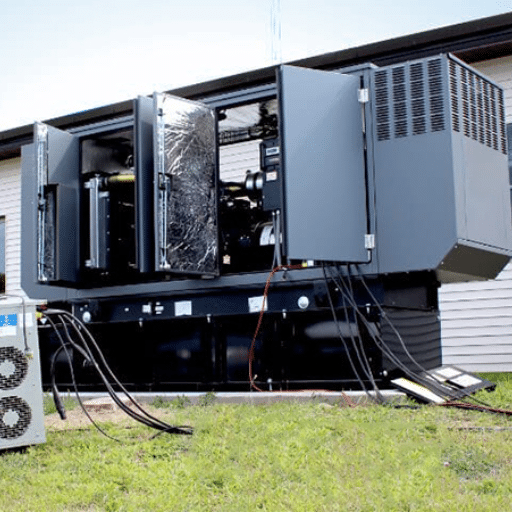
| Industrial Generators | High capacity for demanding operations | Factories, large facilities | Powerful, durable | Costly and space-consuming |
| Silent Generators | Noise-reduction technology integrated | Residential areas, offices | Quiet, suitable for noise-sensitive areas | Higher cost compared to standard models |
| Fuel-Efficient Generators | Optimized for low fuel consumption | Remote sites, extended use | Environmentally friendly, cost-effective | May lack high power output |
Evaluating Standby vs. Portable Generators
| Parameter | Standby Generators | Portable Generators |
|---|---|---|
| Power Output | High, supports entire premises | Medium, supports limited devices or areas |
| Installation | Permanently installed | No permanent installation required |
| Fuel Source | Natural gas, propane, or diesel | Gasoline, diesel, or propane |
| Operation | Automatic start during outages | Manual start required |
| Maintenance | Requires professional servicing | Easy to maintain by owner |
| Mobility | Fixed location | Easily transportable |
| Runtime | Long runtime with continuous fuel supply | Limited runtime based on tank size |
| Cost | Higher initial and operational cost | Lower cost, budget-friendly |
| Noise Levels | Typically quieter with advanced enclosures | Louder unless specific noise-reduction models |
| Ideal Use Case | Homes, large facilities, critical infrastructure | Small homes, outdoor, temporary power needs |
Fuel System Options for Diesel Generators
Fuel systems of diesel engines are built in a specific way which helps maintain the stability of the system as the engine is running. Different fuel system designs would be used based on engine size, use, and operating time. Here are the fuel system variations that can be used on a diesel engine:
1. Integrated Fuel Tanks
It is the most suitable area for small- and medium-power generators. The tank turns up to the frame of the generator, this design compacts the system and makes it easy to move. This design models can be too impractical due to the storage volume capacity; for such cases, they are applicable to use within equipment with short running time or low power.
2. External Fuel Tanks
An external fuel tank added is appropriate for larger heavy-duty diesel generators that are stationary. The amount the tanks can hold depends on the generator and the purpose for which it will be used. The tanks are of great use in such places as factories and many other commercial operations, data centers and other separate facilities like safety installations where power should not fail for many hours or even days.
3. Automatic Refueling Systems
This solution is best for applications that require both the ability to work for extended periods without breaks and constant power. These are systems connecting a generator to a big fuel tank and they have the fuel level sensor and system of autorecharge when needed. These narrow the risk of fuel exhaustion and are an important part of operations that continue for 24 hours in places like hospitals, large factories, and command centers.
4. Day Tanks with Transfer Pumps
A day tank usually consists of a smaller secondary reservoir, generally installed to the genset with fuel supplied from a main container. The horizontal transfer pump will drive and enable easy flow of fuel to the day tank from the storage tank. Filling the day tank depends only on the tank’s capacity or maximum head for the size used.
5. Dual Fuel Systems
A dual-fuel system is one in which a primary fuel, such as diesel, is combined with another fuel type, such as natural gas. Dual-fuel engines, in addition to providing nearly identical performance, also offer the advantage of operating on diesel (as an alternative liquid fuel) and natural gas. Therefore, they are ideal for areas with erratic diesel fuel costs or inadequate supplies of gas or alternative fuels.
Given the role played by the generator, its intended use, as well as industry specific requirements, different factors will have to be considered to choose the most appropriate type of fuel system. To have the system function correctly and increase the lifespan of the generator, there may also be a need to draw up workplace design and undertake planned maintenance.
Installation Steps of Diesel Generators
Site Assessment and Preparation
Find an appropriate place under consideration of factors such as the possibility of ventilation, access and load feasibility. Clear the place from any furniture and ensure the ground is of a good and flat nature.
Foundation and Mounting
Add a concrete or steel-enforced base to the base which can offer support to the generator’s weight and a lower amount of vibration. Fix the generator to the exposed section of the foundation by the use of suitable mounting fittings.
Fuel System Setup
Ensure that all steps taken to install an efficient fuel system do follow the Health and Safety requirements. There can be no overflows of any vessel or pipe before or even after the system has been operated. Verify that the tanks as well as the piping as the case may be so arranged is in such a way that the systems comply to the provided or the already applicable and available control systems of fuel supply. Both the domestic and the commercial fuel supply systems should have fuel leaking test according to such standards – and that test should also be passed.
Exhaust System Installation
Fit an appropriately dimensioned exhaust system to expel contaminants without environmental issues. As far as health and safety are concerned, the vent shall be pointed in a direction where its fumes will not affect people or damage other precious or inflammable property.
Electrical Connections
Please make certain that all cable works, including connection between transfer switches and load panels, is undertaken by a professional electrician. The test will be to make sure that the system is well grounded and there are no potential safety hazards related to electricity.
Ventilation and Cooling Integration
Please make sure that enough air circulation is provided to prevent the generator from getting too hot; in case necessary, install any cooling units such as air intake or exhaust air fans considering the engine power and heat emission of the equipment.
Control Panel and Battery System
Properly prepare and install the control unit that will assist in governing or aligning the generator. Fit and Interlink the battery set that is needed for energizing the generator and its back up functions.
System Testing and Commissioning
Check assemblies visually and on-site to ensure installations and connections conform to the description and applicable safety laws. Verify that running the shafts and load test will, in principle, allow the generator to operate correctly under certain simulated conditions or normal operation.
Operator Training and Documentation
Training to take, routine inspections to perform, and Maintenance tasks to perform in a safe manner should be provided. Also offer O&M manuals and contact details that may be required during emergencies.
Electrical Connections and Transfer Switch Installation
Accurate conduction of electricity is imperative in ensuring the smooth running of operation of any generator. This means ensuring proper electrical codes are observed, foremost among them the National Electrical Code (NEC) of the United States, in avoiding electrical fires, as continuity of the wiring is paramount in this procedure. It is also necessary to examine conduits, cable, and wire cross-sectional area to check how they measure up to the load and system voltage that are going to be, and gear’s specs, ensuring that all items are in compliance. Connections must also be properly positioned to minimize expansion forces and to ensure their maintenance is not a problem under various operating conditions, by utilizing fasteners that are strong and offer reduced corrosive unraveling.
When the main power system generator is switched to back up generator system – the transfer switch does most of the work. Specify the correct size and type of transfer switch for example automatic transfer switch (ATS) or manual transfer switch (MTS) according to the needs of the system and the load. The switch that will be used should handle the load effectively and not overheat or fail during usage. Fit the transfer switch at a reachable place inverter to the main service panel to avoid high voltage as resistance power loss and increase the general strength of the system. Find more answers about maintenance and servicing right here below.
It was suggested to protect the system from backfeeding by implementing appropriate interlocks on manual interlocks or using the Automatic Transfer Switch software that can manage the power flow. When power is disconnected, an isolation system is important to ensure the safety of electricians as well as maintaining connected equipment. There is a need to test the power transfer switch to check for correct operation and fail-operation under load and un-loading conditions. It is important for the system owner to correctly install a standby warranty compliant system so they will seek out the manufacturer’s manual for correct installation.
Exhaust System and Ventilation Setup
It is notably imperative for safety and efficiency that proper and efficient functioning of a properly designed exhaust system with ventilation and the generation of electricity is ensured. An exhaust system is composed of pipes, one of whose tasks is to lead any harmful combustion products, such as carbon monoxide, created during the combustion process, away from the buildings and their surrounding areas. This is done in areas covered by NFPA 110 and related codes by discharging exhaust gas to the roof of the building but in general, once inside the equipment room, requirements for discharging exhaust through a chimney to the outside area are also defined. The ventilation system should be designed to reduce air adaptation and heat loss.
In order to ensure their long-term use, it is of utmost importance to take into consideration the corrosion on the materials and the high temperatures and the polluted material tolerant characteristics while selecting materials. For example, in the complex where the power plant is installed, it’s possible to use innovative mufflers and silencers which reduce the noise level and the simple operation of the complex both in different residential and commercial premises. It is also important that the installations in the systems are checked on a regular basis and that any necessary repairs or other treatment are done so that internal or external work is not leaked or the system is not closed, because of the incorrectly utilized corrosive Durability of the elements will also be weakened in such a situation.
Post-Installation Maintenance of Diesel Generators

Routine Inspections
Conduct periodical checks to detect and rectify issues earlier before they can result in a failure such as damages or leakages and poor connections, especially pipes, hoses, belts, fuel lines and other components in question thus promoting their good working condition.
Oil and Filter Changes
Change the engine oil and the oil filter in the car according to the schedule. In the case of engine wear, dirt-free engine oil is a good lubricator for the engine. If not purified, the oil could contaminate the engine’s internals.
Cooling System Checks
Focus on engine coolant levels and lets look for any foreign objects that can cause obstruction. In the event that the temperature of the engine rises, it results in damage to the engine and this is not good for the engine; as a rule, the temperature of the engine should be maintained as low as possible.
Battery Maintenance
The final task that can be mentioned here is checking the battery of the device regularly to make sure that the condition of the battery is good and has suitable charge and power as recommended. Remove dust from leads and check if all the leads are connected so that the engine can turn on.
Fuel System Upkeep
The type of work frequently done on a fuel system entails removing sediment from the fuel to prevent blockages in the pipes or injectors. The burning of fuel that is not good quality uses up more fuel per kilowatt-hour than better quality fuel.
Load Testing
Conduct regular stress tests to ascertain correct power output from the generator with different working conditions as required. This practice will help to assess actual overtime operation.
Routine Maintenance Tasks for Diesel Generators
Tips and concepts for proper maintenance of this engine include: checking the temperature from the coolant and acting accordingly especially when the generator has to run for extended period. For effective working, an optimum cooling system was built. People should check the amount of cooling liquid, look for holes in hoses or signs of damage, and ascertain that no radiators are clogged with deposit such as leaves and dust which limits air intake. Insist on changing caking and cleaning the filters regularly to avoid cases where very little air will make it through which causes partial pneumatic reactions and subsequently, low efficiency of the generating device.
Employing top-notch engine oils and keeping checking the quality of oil also serve an essential purpose in friction reduction of the engine parts such as the piston and piston ring wear hence the life of the cylinder liner or piston skirt wear. More so, making sure these systems perform as intended increases their operability as well as reduces fuel wastage resulting from an undesired down-time catalyst. Last but not least, appropriate adjustment of significance to specific parts like voltage regulator and fuel injectors prevents the generator from operating out of limits which otherwise manifests in effective generation of power in variable load conditions.
Expert Tips for Long-Term Generator Performance
Implement a Structured Maintenance Schedule
This requires a rigorous maintenance schedule to prevent mechanical catastrophes and lengthen routine operations. It entails regular changing of oil, installation of air filters, and checking of belts and hoses for any signs of damage. Failure to perform these obligations will cause a reasonable amount of destruction within a period of time compared to those caused if these tasks are complied with.
Ensure Proper Load Management
Consistent operation of the generator at any load above or below the optimal load can have a large effect on its skin. It is always recommended to operate the generator at a load below 30%–70% unless the manufacturer has provided other unambiguous guidelines. This ensures that carbon is not deposited and that no internal components are under unnecessary loads in the diesel engine.
Utilize High-Quality Consumables and Parts
When it comes to lubing, gassing, or repairing an equipment, every vehicle should be applied with only genuine oil or oil filters, only accurate gas or gas filters, and even the right branded parts in any order. Poor-quality consumables will place a load on the equipment, reduce its efficiency, and wear down its parts, such as connecting rods.
Monitor Fuel Quality and Storage
Contaminated fuel has been a major problem in the past, as it caused generators to fail, and water, sediments, molds, etc. should be removed every now and then. Preservatives can also be added to prolong fuel quality and prevent the fuel system from clogging.
Regularly Test Safety Systems
The unfortunate part of ignoring the safety devices such as overload protection and other protections like circuit breakers is that they eventually lead to giant failure instances. These entities need regular checks to ensure that the protection devices act as they should under abnormal conditions.
Integrate Advanced Monitoring Systems
Modern gas generators have come on the market with the capabilities for remote monitoring and diagnostics, also providing the ability to monitor in real time certain key parameters such as engine temperature, oil pressure, and working hours. Prompt identification of any shortcoming in the system structure without any anxiety causes the operator to carry out preventive maintenance as though any failure is anticipated which has an advantage over the downtime waiting for such a failure.
Reference Sources
Frequently Asked Questions
How do I approach site preparation for industrial generator installation?
For this project enablement and facilitation activities are vital; site preparation is therefore done as a project and ensure that any the service contract also includes the necessary workshops and tools to cater for the site preparation. With this regard all its equipment’s are to be installed with markings and a service manual to ensure successful and accurate assembling or installations of all such equipment’s. The generator is an important element in any emergency power supply system, as it converts and delivers kinetic energy into electrical energy when the main source is switched off.
What installation requirements and compliance must be met for diesel generator installation?
When installing the transfer switch, it is critical of course to meet the local safety and conformity of building regulations, obtain a permit, assignment of certified installers and a qualified electrician to perform the work on the electrical connections and a switch. Also, require providing an air pollution control permit and exhaust system certificates for operation of the backup and diesel generators in different frequency mode. Installation typically includes the construction of the reinforced pad and the layout of the fuel system and pipes in compliance with established norms to prevent spillage and fire outbreaks.
How do I install a generator and manage electrical connections with a transfer switch?
One must understand and realize delight possesses a natural power; the happiness of doing what one likes is a certain guarantee that one will do it. Performing the tasks you relish is enjoyable, therefore no worries about executing them. The ability of each new generation of signal processors entering the market to handle increasingly complex tasks is the evidence of endless advancement of technologies and comprises the development of new silicon. Steady use of modern communication equipment in academic routines, however, has sparked debate about its appropriateness beyond the business sector.
What are the fuel system and diesel fuel considerations for a standby generator?
It is important to design fuel receiving stations in such a way that they facilitate the storage of diesel fuel, its cleaning and passing of the pipes while complying with the local environmental and safety requirements of the diesel generator installation. The capacity of the fuel tanks for the expected times of work, the use of the same equipment on the premises, and the delivery for cases where long-term outages or difficulty of distance occur needs attention. Inclusion of these constraints means that the diesel generators have to be supplied with fuel that would normally fail to serve its purpose which nevertheless is possible.