
Understanding of Standby Generators
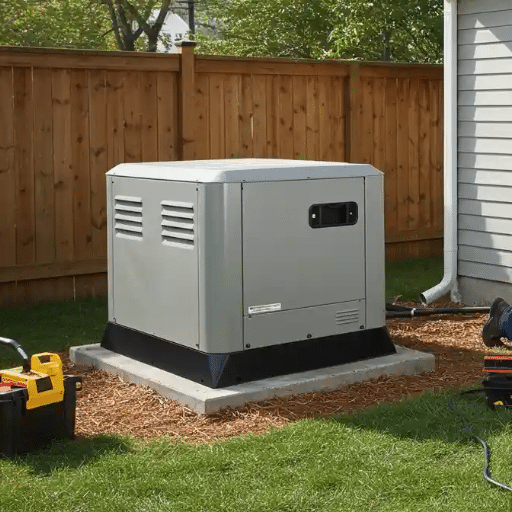
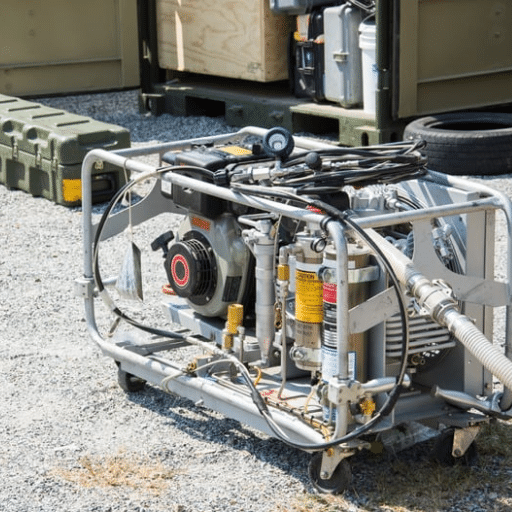
A standby generator is an alternate source of electricity that is designed to restore power in the event of a power failure. This type of generator can be installed on the company’s premises, where it can be attached to the normal electric service while its power source is usually natural gas or diesel. The backup generators have an auto transfer switch which is used to sense when the power fails allowing the generator to get on within seconds helping achieve an uninterrupted power supply. These generators are also used where it is critical that such systems as heating, refrigeration, life support equipment, and communication systems are operational during emergencies, improving disaster management in such facilities.
What is a Standby Generator?
A backup power-generation device operates like an emergency system to ensure power provision during outages. If a failure or hindrance befalls the main system and the presence of this transition mechanism is experienced, a standby unit will begin to supply power seconds before the generator is turned on by its automatic switch. This diesel, natural gas or propane, depending on which fuel is being used, is represented as a resource that’s been converted with electrical energy following some transformations in energy.
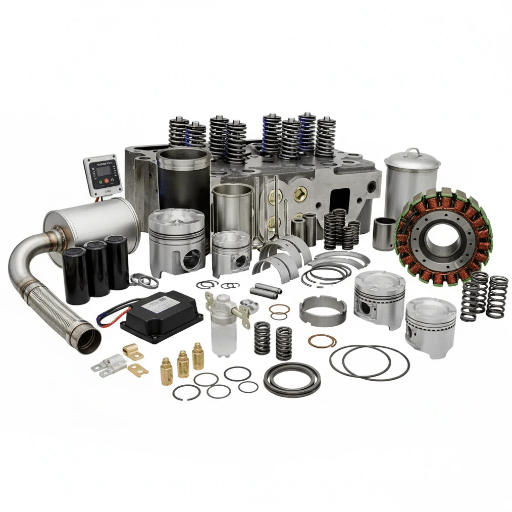
To achieve this, the generator needs to engage a series of electromechanical and pneumatic actions. The latest generations of generators come with a chip, the voltage regulators combined with mechanical filters are capable of supplying pure sine three phase voltages to the loads. The construction of these devices is done in such a way that they can be used up to the full period of a power cut. Proper maintenance and regular testing are needed to ensure effective usage and system availability in accordance with the standards of safety.
Types of Standby Generators
| Type | Fuel Type | Power Output Range | Best For | Key Feature |
|---|---|---|---|---|
| Diesel Generators | Diesel | 8 kW – 2500 kW | Industrial and commercial use | High efficiency and durability |
| Gas Generators | Natural Gas/Propane | 7 kW – 400 kW | Residential and small business use | Clean emissions |
| Bi-Fuel Generators | Diesel & Gas | 20 kW – 2000+ kW | Critical facilities, long runtime | Flexible fuel options |
| Portable Generators | Gasoline/Diesel | 1 kW – 20 kW | Emergency or temporary power | Easily transportable |
| Solar Generators | Solar Panels | 500 W – 10 kW | Eco-friendly backup power | Renewable energy powered |
| Inverter Generators | Gasoline | 1 kW – 7 kW | RVs and outdoor activities | Compact and quiet operation |
| Hybrid Generators | Mixed Technologies | Varies | Multi-purpose power needs | Combines multiple generation types |
Common Applications for Home Generators
- 01
Essential Appliances
Standby generators can run essential household appliances such as a refrigerator, microwave oven, and air conditioner to prevent spoiling food and keeping desired room temperature. In a normal market setting such as this one, smaller household appliances need a total generation of between 2 kW and 10 kW of electricity to function depending on the size and needs of a household.
- 02
Lighting Systems
Especially during periods with no electricity, household lights have to be on throughout the house for protective and performance objectives of the building. For the operation of a normal house lighting system, a unit will require roughly as little as 1 kW or as much as 2 kW.
- 03
Medical Equipment
Residents with life support systems at home cannot afford power blackouts as they depend on standby power generators. Such systems as they are, oxygen concentrators and powered beds consume energy and can be in the range of 500 W and 2 kW.
- 04
Security Systems
The absence of the power supply is a greater concern for house owners when it comes to safety of their properties. Generators power security equipment such as surveillance cameras, intruder alarm systems and even electric gates with average consumption of between 500 W and 1.5 kW.
- 05
Home Offices
Due in part to the recent advances in technologies that support the workation trend, a steady flow of actionable power at domestic level has become necessary in almost every other household which operates an office at home. These days, computers, routers and office equipment are able to adequately perform their functions with power supply as little as 1 kW to 3 kW.
- 06
Cooking and Kitchen Equipment
Temporary generators also have an advantage in providing energy to the electric range, microwave, or any other smaller kitchen appliance that might be required during any power failure. Power needs are dependent on the level of activity but are usually around 1 kW to 5 kW per hour.
The Importance of a Proper Gas Line Installation

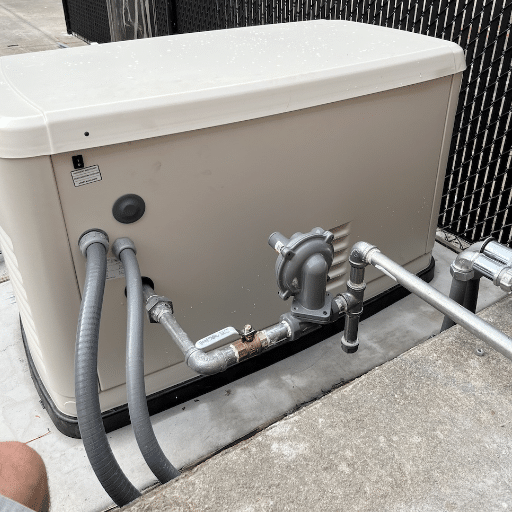
A key part of the proper installation of gas in-line is your choice of gas fitting. It will contain fuel properly, i.e., the tube will transport the fuel it is supposed to, over any particular distance which in this case the gas runs to the generator. A damaging factor associated with this component involves the correct or incorrect installation of gas plumbing lines. A poor gas line installation will cause gas leakage, poor pressure of delivery and also bad equipment performance and the safety of the system may be undermined. Proper compliance with building codes and professional installation are advisable to avoid the above-mentioned and other related problems. Specific types of tubing need to be used to get tight and tactical connections over time. Such systems will be convenient if one does not seek the regular usage of the generator. Inspection and maintenance prevent any failures in the air conditioning system.
Why a Natural Gas Line is Crucial for Standby Generators
The provision of a gas mains is significant in the functionality of the designated back-up resource, such as standby generators, which is critical when it comes to provision of an uninterrupted power supply. Diesel and gasoline use fade away with time as the storage ends and such fuels cannot be kept for a long time. On the other hand, natural gas is distributed from gas mains that are installed and accessible without the need of bringing individual hoses to the facility. This reliable provision of fuel means that, once the generator has been started, it will run for a fairly good amount of time without any person adding more fuel to it which is why it is essential in case of a sustained situation.
Furthermore, natural gas is also known to be a cleaner burning fuel as compared to many other fossil fuels, hence producing fewer pollutants like carbon monoxide gas and particulate smoke, which is required by the expected environmental expectations. Incorporating such lines with advanced generator technology will also improve the efficiency of natural gas systems while at the same time reduced overall operating and maintenance cost making them suitable and friendly for use in either residential and commercial applications. In addition to the aforesaid characteristics, as far as any weather concerns are at issue, the networks of natural gas transportation provide another excellent reason for such systems in case other sources of energy are out of order: standby power systems designed to operate on alternative fuel are the best choice.
Safety Considerations When Installing Gas Lines
The installation of gas lines for standby generators requires a degree of precision in planning as well as adherence to the safety policies that are in place; all this is to bring about an effective system and keep off any risks that may come up. To start with, all the rules and regulations applicable within different localities should be checked for confirmation since they stipulate the type and size of fuel lines. Therefore, other than steel, natural or propane gas lines which are made of materials that are resistant to the internal and external environment may also be utilized.
One other vital aspect that one must take stern control of is this: the pressure. Very often, an excessively pressurized system will up the ante of danger of equipment or more importantly, gas leakage happening. It is advisable that you use a pressure regulator of the appropriate size, measuring up to the generator’s operational requirements and conduct a pressure test in order to ascertain the system’s functionality prior to starting the generator. Also, provision must be made for ventilation standards. It is very important to ensure that there is an appropriate to the required installation of various parts of system gas pipeline, avoiding the accumulation of easily ignitable gases.
Securing qualified installers and testers makes it likely that the more dynamic parts like shut-off valves or fittings, and piping made out of unions are handled effectively. In addition, checks and maintenance exercises are undertaken on a regular basis and the locating of leakages without the adverse use of monitoring mechanisms such as soapy water solutions or electronic sniffing tools drill in oil, significantly reduces the frequency of any risk hazards over the duration that the network is used, is brought to small chances. Safety protocols meet current engineering best practices in the construction of the gas line system for a generator such that optimal functioning and safety are guaranteed.
Planning Your Natural Gas Line Installation
- 1
Assess Your Power Needs
Calculate how much power the standby generator will be using. This means that you should be able to specify the appliances or systems that the generator will be able to support in the event of power failure to ensure there is enough strength in the generator system.
- 2
Evaluate Gas Supply Capacity
Then, consult with the supplier of the gas assistance – utility provider to ascertain whether the gas supply will be proper for the area where from the emergency generator raises concerns. Failure to provide enough can lead to an under performance of the generator.
- 3
Placement of the Generator
Choose a hydro generator that conforms to the local regulations and the manufacturer’s stipulations. There should be adequate space to promote proper air circulation and should be a minimum safe distance away from buildings and windows.
- 4
Comply with Local Codes
Develop a mechanism where these requirements will be applicable, like licensing laws and safety measures stipulated in the construction code in place. A licensed professional must be consulted in order to assure that all regulations are met.
- 5
Hire a Qualified Professional
Licensed technicians or contractors who specialize in laying gas pipelines for electric backup generators should be used for all gas line installations. Agreed, this suggestion addresses all the concerns that were valid.
Assessing the Size of the Gas Line Required
Several important factors determine the size of the gas line for a standby power unit, among which are the power of the generator, the type of fuel it uses and the distance that separates the generator from the fuel source. It’s tailored by the manufacturer usually with the flow volume necessary for the best way how the device works flow rate usually in cubic feet per hour (CFH) or British Thermal Units (BTUs). For instance, a generator that gives off 22 kW may need a ¾ inch or 1 inch gas line depending on the length of run and head requirements. Even more important is the pressure of combustible gas. This is so because most domestic-oriented standby generator requirements are between 5-7 inches of water columns for natural gas and 10-12 inches for propane.
Sufficient and stable levels of fuel should be delivered to the gas-fired generator. The longer gas line runs will naturally result in a pressure drop. Accordingly, up-sizing the diameter of the pipe may be necessary in order to ensure that the gas supplied is sufficient for the operation of the generator. It is recommended that such detailed evaluations with tables from National Fuel Gas Code (NFPA 54) or the International Fuel Gas Code considering some factors like line length and BTU demand be undertaken for this purpose so as to ensure that the sizing is done correctly. When a line is significantly smaller than what is required, a gas generator will work with problems such as not cranking or functioning perfectly in the face of the load.
Evaluating Your Home’s Energy Needs
Understanding the energy requirements of your house is the very first and crucial step for the installation of natural gas line and standby generators. Start by computing electricity consumption in all the areas, so as to establish the amount of energy each household appliance the natural gas generator is supposed to provide in case of blackouts. Key devices are normally the air conditioning appliances and heating facilities, fridges, emergency lighting, underwater drainage systems, and healthcare gadgets. After compiling such a complete table, calculate the sum of these power rating figures to estimate the amount of power of the generator.
In addition, it is important to take into account the fuel consumption of the source in question. This is because Generators normally use natural gas and it is measured in cubic feet per hour. These values maintain some level of dependency where it takes into account the kind of loads that the generator is rated to support. As an illustration, a 20-kW standby generator can use 189 CFH gas at 50% load on average but that can increase to 295 CFH for fully loaded operation. However, to be able to produce accurate results, guide on how to calculate the generator’s consumption profile should be inquired from the manufacturer.
To avoid the situation where there is an undersized installation it will be necessary to anticipate future energy requirements especially in relation to including some more bulky devices or even extending your house. Strain on system which is too small for such an application may cause undue losses, pressure build up or even breakdown with time. Bringing in specialists that utilize advanced formulas for calculating energy demand and follow the standards of the National Fuel Gas Code (NFPA 54) will ensure the current and future energy requirements of your house are appropriately addressed.
Choosing the Right Location for Installation
For the safety and optimal function of the facility’s diesel generator, it is necessary to carefully think through the positioning of the natural gas lines. This involves a wide range of variables including its position closer to the generator, ease of maintenance, location in strict accordance with area codes, and any suitable alterations on the site. For each of the following, the gas line will have to lie at a place where the chances of obstruction are minimized, yet meets the specified minimum requirements as set by regulatory agencies.
Moreover, the composition of the soil of the planned construction site, as well as the location of the existing services below the ground, need to be kept in mind as these are critical elements. Before commencement of any digging exercises, proper demarcations of where the services lie are necessary to avert any accidental damage. Also, the type of soil has to be tested to understand the bearing capacity of the soil as well as the protection of the gas line against wear and tear. Ventilation is necessary around the generator as it prevents the accumulation of the exhaust gases and also ensures operation without unease.
Last of all, the natural conditions of the location, the highest of which is extreme weather such as floods or freezing should be considered when installing the gas pipeline. The functionality of the line can be upgraded if the materials used are capable of withstanding a vast range of temperatures and the line is installed according to the engine room design laid out in the general design, and this significantly enhances the system life, and compliance with engineering standards and manufacturers’ recommendations in possible emergency situations ensures system reliability.
The Installation Process for a Natural Gas Line

Site Assessment
As a part of the evaluation, experts must identify a gas line route recommended for the given site. Experts must consider the distance from the unit, the compatibility to the existing services and the local authority requirements.
Design and Permitting
Prepare an installation action plan that conforms to the health and safety regulations and specifications of the project. Seek relevant authorization before commencing the work of installing a gas line.
Trenching and Gas Line Placement
Dig up a trench of specific depth that permits the taking of the correct width in accordance with compliance calculation. Arrange the pipe carefully so that it can barely slip and also remain safe from damage.
Connection to Supply and Generator
Join the natural gas piping installation to the building service and to the generator securely, either by using approved connection devices or taking care to follow related manufacturers’ instructions especially to stop future leaks soon.
Pressure Testing
Carry out a filled pressure test of the pipeline system to determine the gas quality. This step is necessary as no gas leaks should be possible and the pipeline is in a working condition.
Inspection and Final Approval
Seek permission from the local authorities or approved contractors to check whether installation has been done properly. Ensure all procedures are met before turning on the system altogether.
Tools and Materials Needed for Installation
| Tool / Material | Description |
|---|---|
| Pipe Wrench | Used for gripping and turning pipes securely. |
| Adjustable Wrench | Versatile tool for loosening/tightening fittings. |
| Pipe Cutter | For cutting precise lengths of gas piping. |
| Teflon Tape | Ensures leak-proof connections at pipe threads. |
| Pipe Thread Sealant | Reinforces thread fittings to prevent gas leaks. |
| Natural Gas Rated Flexible Hose | Links generator to main gas supply safely. |
| Black Iron Pipe | Standard piping material for gas line systems. |
| Gas Line Shut-Off Valve | Provides manual control to stop gas flow. |
| Pressure Gauge | Monitors gas pressure during and after testing. |
| Soap Solution | Detects small leaks through bubble formation. |
| Pipe Joint Compound | Seals threaded fittings for durable connections. |
| Drill and Drill Bits | Creates openings for pipe installation. |
| Tape Measure | Ensures accurate pipe measurements. |
| Safety Glasses | Protects eyes during cutting and installation. |
| Work Gloves | Shields hands when handling tools and materials. |
Common Challenges and Solutions During Installation
Cost to Install a Natural Gas Line for Generators

There is a wide cost range involved in setting up a natural gas line for driving a generator, due to numerous aspects such as the proximity to the gas source, installation complexity, rates of the local workforce, etc. The owner of the property will spend an average of $15 to $25 per linear foot in costs for horizontal boring services, materials, and labour. The general range of expenditure for the most straightforward type of gas line installations at homes is usually from $500 to $2,000; after all, complex installations may break this range. Get in touch with registered gas fitters as they may offer an insight on some cost factors such as the ordinances and permitting requirements of the area.
Typical Cost Range
$500 – $2,000+
Residential installations · Complex projects may exceed $5,000
Factors Influencing Installation Costs
- Distance from the Gas Source
One of the biggest cost contributors is the location of the generator relative to the gas outlet. The more the generator is located in the house, the shorter the distance between it and the point of gas supply, hence reducing the cost of construction. Noise for gas piping where extended gas pipes cross through the terrain requiring trenching or excavation may incur high costs due to materials being extended.
- Pipe Material and Size
Despite the project’s necessities, it is important to note that the price of the gas line is also significantly determined by the type and diameter of the pipes used in construction. It is normal to use standard materials like polyethylene or black iron pipes, however the implemental requirements such as high level of corrosion may ask for, inclusion of specialized materials in the project.
- Local Permitting and Inspections
A majority of cities and towns require permits for setting up gas pipelines and these permits come with some charges that are also dependent on the regions, hence additional costs are included in the project. Apart from this, additional requirements like tougher regulations or additional levels of testing could affect the timing and the cost of the project.
- Complexity of Installation
The cost of certain installations can be increased by a number of factors such as existing utility line interference, the need for additional fittings or connections, and the installation location whether it is in an urban or rural area. For instance, when there are extensive materials such as rocky terrains or high-water tables, in some cases, the use of proper tools and techniques boosts labor charges even higher.
- Labor Costs and Contractor Expertise
The pricing model used by most professional contractors is somewhat percentage based, based on the complexity and volume of the work that a potential customer might need. There are instances where an advanced and certified professional may charge more, but it is usually guaranteed that they will not put themselves in liability of safety and legal aspects.
- Generator Specifications
The size of the gas line as well as the amount of pressure that is required is influenced by various factors including the purpose of the generator, its BTU rating, and many other factors. Larger generators with higher capacities usually require more complicated configurations which are therefore more costly.
Estimating Your Total Investment
It is important to take into account all the aspects while evaluating the fixed price for installing a gas line for generator. The influentially important parameter considered is the labor which is typically in the range of $50 to $150 per hour subject to geographical location and experience level of the contractor. In addition to labor, another fundamental factor to be incorporated in the calculation of labor population is external material costs the range of $10 to $25 usually being directed to piping, fittings and other extra components depending on the type required for example while copper or stainless steel would have a higher quotation, polyethylene or PVC materials are the cheapest and most basic.
Accounting for fees and inspections imposed by local building codes will also require funding in the range of $100 to $500 depending on the authority in question. In the case of domestic installations, the normal range lies between $500 and $2500 more for the small to mid-size generators with the larger stations going $5000 and above owing to additional sophistication. With proper planning and the use of professionals has been shown to an extent aid in the projection of the cost, budgeting and proper installation is possible.
Reference Sources
Research Paper
A Methodology for Building and Simulating Synthetic Natural Gas Transmission Grids
Research Study
Quantifying Resiliency of Coupled Natural Gas and Electricity Systems: A Simulation and Proposed Metric from the 2021 Texas Power Outage