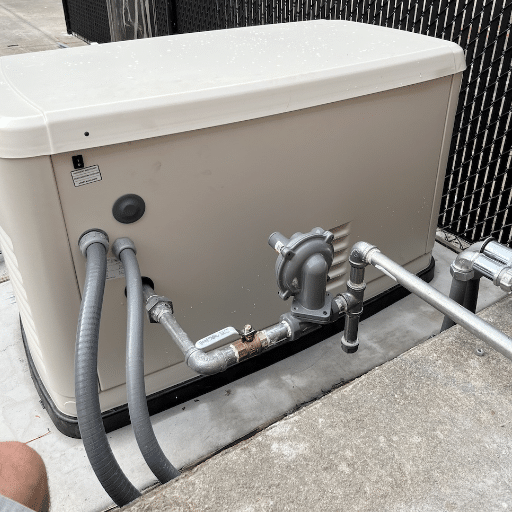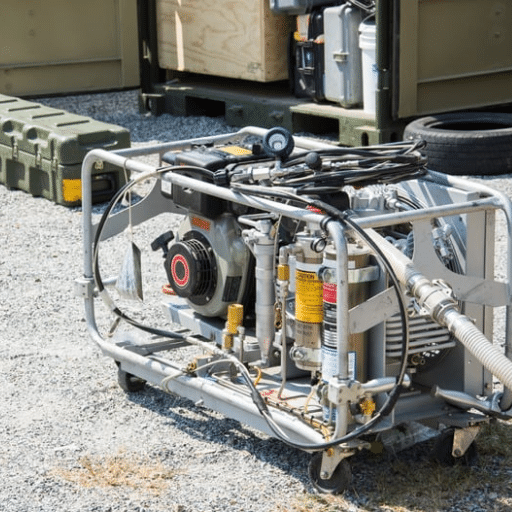

It can be observed that diesel powered generators are of vital importance when it comes to continuous operations for any enterprise, institution or even a house. Nevertheless, embarking on these resilient devices to deliver as expected entails regular and specialized maintenance systems. It is easy for any slip of mind or failure to follow up on a task initiation point to lead to losses or breakdown of equipment or even environmental risks. This manual offers a comprehensive list specifically designed to ensure that the efficiency and reliability of your diesel generator are protected. This article will enable you to perform all the necessary activities that you are taught with a view to maintaining the absolute reliability of the generator as long as it can deliver power in whichever course.
Why It Matters
Why Diesel Generator Maintenance Matters

Maintenance of diesel generators is essential to enhancing their further operation during critical periods. This maintenance is meant to avoid any unexpected incidents such as failure by identifying simple issues at an early stage thus preventing high costs on such machines. More to this point by keeping the generator in a good working order; the check also helps in utilizing a little fuel which will enhance the life span of the generator in the end at the same time reduce the overall cost of the operation. In addition to the above-given advantages, well-preserved generator sets are less likely to cause any danger such as electrical, and overheating problems. Keeping to the manufacturer’s recommendations and conducting frequent maintenance checks helps ensures there is less worrying in such critical situations where optimal performance is needed.
Consequences of Poor Maintenance
Neglecting diesel generator preventive maintenance can lead to a variety of risks, ranging from operational accidents to financial and safety problems. The most immediate risk is the decrease in the reliability of equipment, since such components as fuel filters, lubricants and air cleaning functions are also subject to blockage and largely contribute to sudden breakage. This unreliability is especially dangerous in branches or objects where an uninterrupted power supply is set at naught, for example in hospitals, data centers and even production sites. Insufficient preventative measures can also cause decrease in fuel efficiency thus adding to operation costs by way of increased fuel consumption.
The increase in costs for repairs is a very important issue. Whenever maintenance issues are overlooked, a small problem escalates to such an extent that the principal parts such as the engine or alternator might be damaged. When the generator is not well taken care of, this can lead to more nitrogen and sulfur oxides than the limits set by the controlling agencies; hence charges, as well as a poor reputation. The likelihood of accidents like short circuiting, overloading and even fires remains higher for unmaintained generators, and so, the staff and the equipment are put to jeopardy.
There is also a fear that with time, maintenance could be reduced which will shorten the life of the generator and hence the owner will have to replace it early thereby increasing the costs further. Adhering to regular maintenance as well as service and maintenance protocols is imperative to reduce the above outlined risks as well as the optimizer to function well efficiently, safely and in an environmentally sustainable way for the required period.
Benefits of Regular Maintenance
-
01
Enhanced Operational Efficiency
It is much easier to carry out regular maintenance to ensure that all the parts that make up the generator, such as filters, fuel injectors and the cooling systems, are functioning in an optimum manner. The available research suggests that a maintained generator has the potential ability perform about 20-30% better than a generator which is gutted without basic service necessities.
-
02
Improved Reliability and Reduced Downtime
The importance of standard maintenance lies in detecting and correcting any potential weaknesses long before they develop into irreparable faults. This preventive style of maintenance helps keep the emergency power operational when it is needed, so that there are minimal or no unexpected outages.
-
03
Extended Lifespan
It is paramount for a generator to receive the right kind of care, attention and treatment so in return, it will justify why it should serve those people for more time, and therefore there is no need to buy another one which is very expensive. The generators which are regularly checked or repaired may even last about 25%-30% longer than the ones which are not maintained at all.
-
04
Compliance with Safety Standards
Diesel engines, in case they are not well kept, in addition to the lifespan issues, there is enough evidence that they also pose other forms of threats such as fire dangers, emission of carbon monoxide into air as well as power problems. These programs would be implemented in such a way that they will align and incorporate all the safety-compliant systems and all the standard practices to ensure the safety of both the employees and the other assets within the industry.
-
05
Controlled Environmental Impact
The maintenance prevents the generator from releasing excessive fumes by enhancing optimum combustion and fuel usage. Regular checkups improve the working order of filters and the exhaust enables the diesel generator to function within stipulated parameters factories in order to enhance their sustainability.
-
06
Cost Savings on Repairs and Fuel
By taking care of simple issues in the early stages we save ourselves from spending more on rebuilding or fixing major problems later on in the lifespan of the machine, referred to as capital. We should also add that in order to avoid such unnecessary waste, the use of the petroleum or gas power supply must be brief or very economic to achieve its function.
The Checklist
Comprehensive Diesel Generator Maintenance Checklist

- 01 /
Routine Engine Inspections
The engine must be checked for obvious indications of use, any leakages, or any harm. Inspect all interconnections and parts, making certain that everything is in place and in good condition. - 02 /
Oil and Filter Changes
Inspect the oil levels on a regular basis and maintain the ideal functionality by changing the oil and the filter as advised by the manufacturer. - 03 /
Coolant System Maintenance
Do not forget to check the number of coolant because the system sometimes clogs. The new coolant should always be in place in order to ward off the challenges posed by high temperatures. - 04 /
Air Filter Cleaning and Replacement
Keep a close check on air filters in order to prevent them from clogging or any other hindrance hence replace or clean them to allow easy air intake to the combustion chamber. - 05 /
Fuel System Inspection
Be sure to inspect the fuel system for any fuel leakage, water or debris in the fuel as well. Provide regular lip management, the use of fuel filters/ fuel/ fuel oil separators so that clean fuel is provided at all times. - 06 /
Battery Condition Monitoring
Ensure the batteries are charged and that the various connections are not loose. Check the battery’s adjusted charge coefficient to make sure it is in working order.
Maintenance Tasks by Frequency
Diesel Generator Maintenance Service Options

Regular maintenance upgradation is a complex of scheduled test and maintenance activities tailored to optimally maintain the operational performance of an emergency power source. By these activities such as a planned oil and filter, changing maintenance fluid and managing fuel the health of the generator is audited in both units’ principles, and resources inspection concerning such devices is made satisfactory in the case of such practices. Planned maintenance contributes the effective operation of the vital functions and lessens the costly period of breakdowns.
When there is a generator that malfunctions or has not been functioning properly unexpected, it is essential to have the support of trained technicians whose purpose is also to attend to operational delays as quickly as possible. These professionals would necessarily understand how to assess and resolve power equipment malfunctions and drive problems onsite such that processes are resumed as fast as practicable. It offers the assessment of the generator’s performance in practical field applications or load conditions. This function comes above all to assure the operations that generators can standby demand, but without any power divergence or overheating, etc. Highly important is periodic load banks testing for proper engineering practice and equipment investment protection.
In-House vs. Professional Maintenance Services
| Parameter | In-House Maintenance | Professional Maintenance |
|---|---|---|
| Required Expertise | Basic technical knowledge | Highly trained and certified technicians |
| Cost | Lower upfront costs | Higher investment, long-term cost efficiency |
| Diagnostic Tools | Limited equipment | Advanced diagnostic tools and technologies |
| Compliance | Risk of non-compliance with standards | Ensures compliance with industry regulations |
| Time Efficiency | Potentially time-consuming | Faster, streamlined maintenance process |
| Problem Detection | Limited to obvious issues | Comprehensive detection of underlying problems |
| Flexibility | May lack specialized expertise | Adapts to specific generator models and needs |
| Documentation | Often inconsistent | Detailed record-keeping and reporting |
| Emergency Response | May struggle with urgent repairs | Rapid response to emergency breakdowns |
| Warranty Impact | Potential risks to warranty validity | Usually aligns with warranty requirements |
Choosing the Right Diesel Generator Maintenance Service
Picking a diesel generator for service intervals requires assessing numerous salient issues to assure performance, durability, and the longevity of your equipment. It is necessary to start with understanding the caliber of technical proficiency of your proposed service provider as well as their specialization. On that note, it is ideal to look for services where the technicians are all qualified or certified by the organizations or manufacturers, since that is a guarantee that it is the most current knowledge and skills in the industry matrix.
To add more to it, it is necessary to take note of the scope of services provided. A good maintenance programme should consist of routine checkups, load bank practice, fuel system cleansing, coolant tests, and battery checks. The use of modern diagnostic instruments and prognostic analysis allows improvement in the issue’s identification prior to the occurrence of failures. It is also an essential feature to operate with clear and honest pricing. Professionals in this sector will present the customer with a model of charges in such a comprehensive manner to show in depth analysis that includes the amount associated with each of the materials, the price to be paid for labor, and any deductions. All these enable the administration to plan accordingly for generation maintenance beforehand without incurring extra cost.
This last point calls for an investigation of any time lags in relationship to the calling of the provider. For running operations non-stop, owners require diesel operated generators and as such, one requires help that can be offered at any hour of the day. Assessment of these elements should therefore be conducted to allow the management of business entities and other organizations to conduct generator maintenance within the harsh constraints in a proper manner and continuously retain their generators efficiency.
Scheduled Servicing
Annual Maintenance Service Overview
One comprehensive diesel generator repair and maintenance schedule involves, security in the critical mission system, the effective and stringent adherence to this order safeguards against unexpected and unpleasant happenings. This also involves, engine lubricant check and basic oil and filters change as mechanical fluids get exhausted when used and decompose due to heat, or other environmental factors. Appropriate lubrication helps in reducing the internal element-to-element slip shortage of wear abrasion thereby increasing the life of the genset.
One key feature of the truck is cooling system management. Professionals always have to take care to assess condition and amount of coolants, clean up the system, if necessary, make sure that there are no leaks or jams, so that the engine does not overheat and cause severe damage. Also, work must be done on the fuel system – all fuel tanks should be emptied to drain off water and any other impurities, there should be an inspection of fuel lines in case there is any wear and other problems present in the system and lastly the injectors should work in the most possible manner.
Batteries are the lifeline of a truck as they ensure all systems for the engine to operate. Battery checking involves checking that the terminals are free from corrosion, making sure that all cells are properly filled with electrolytes and at the correct levels and the conductance is a measurement of the charge that the batteries are able to store. Devices such as circuit breakers and alternators are maintained and their conditions observed keenly to do away with cause of failures that may lead to total blackout.
Moreover, load bank testing is a key final step at the factory, to ensure the generator’s safe operation, or more specifically its performance under load and loading transient in case of AC alternator sets. This is essential for the detection of potential malfunctions that may not be revealed upon every day use of equipment. In in-service conditions, periodic checking’s present is extremely beneficial for many reasons: It helps understand load capacity in terms of generator output, enables to measure compliance to norms and standards and improves system reliability. All of these efforts are necessary in enhancing power efficiency, operability, and functional life of diesel back-up sets thus incorporating yearly servicing in the maintenance plan of any back-up power users.
Key Components
Key Components of Diesel Generator Maintenance
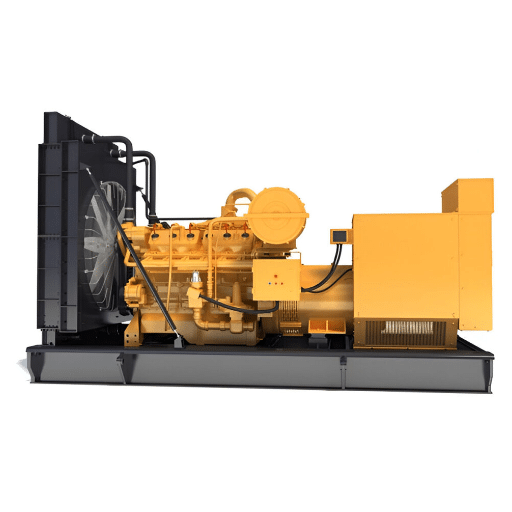
Component 01
Oil and Filter Changes
It is a necessity to periodically change the oil and oil filters that maintain the engine well lubricated, lessening the odds of the engine working extensively and reducing the lifespan of the generator.
Component 02
Cooling System Inspection
To keep your equipment in good working order, the cooling system, the coolant levels, and the hoses should be checked periodically to avoid overheating and maintain normal working temperatures.
Component 03
Battery Maintenance
Checking the battery, its reliability restrictions and other features of its elements, assists in no startup failures and loss of current due to wear off or corrosion of the battery, battery terminals, or wiring connecting it to the block.
Component 04
Fuel System Checks
Cracks in the fuel lines and dirty fuel filters should be checked and replaced because it helps the generator to generate constant power which spares the engine from failing.
Component 05
Air Filter Replacement
When the filters are stuffed, one should put in their mind to replace the clean filters to have the right airflow which will boost the engine efficiency and this will prevent the engine from working too hard.
Component 06
Control Panel Examination
Care should also be taken to ensure that the generator’s control panel is error or alert free so that the generator does not interfere with the system.
Component 07
Load Bank Testing
The generator system must be load bank tested intermittently to ascertain that it is able to perform up to the level that it is specified under practical conditions without breakdown.
Fuel System Maintenance
If a diesel generator is to work reliably and effectively, it needs service and maintenance of the fuel system. Therefore it is important to eventually inspect and maintain the crucial components of the fuel system such as the fuel tank, fuel lines, injectors, fuel filters to prevent issues like contamination, blockages, or decrease in fuel quality. Such as, diesel fuel has the risk of degradation of quality decay to oxidation or the presence of microorganisms, also termed diesel bug, which can clog filters or damage the fuel system. This may be resolved through a fuel polishing, and the application of certain treatments to fuel supply. A lot more moisture, as well as contaminants, can be eliminated through this procedure.
Furthermore, it is important to ensure that water is drained from fuel storage tanks, as condensation can commonly occur, particularly when temperatures are fluctuating. Equally, as water can contain quite a number of microorganisms that can survive within fuels, rusty screw injectors is also possible. Other forms of damage associated with this contamination are the degeneration of the injector’s structure and poor mixing of air and fuel. Practices such as tank water and residue removal and utilization of water-separating fuel filters are vital in containing these risks. The fuel injectors should be in good state as well.
It is through the following activities that diesel generator operators manage to ensure proper fuel usage, ensure that the systems last longer than they normally should and keep all downtimes which may be due to lack of fuel, under control. It is one of the most important things that need to be considered in the maintenance schedules, i.e., elaboration of a series of steps to be managed among them the fuel system inspection and the related maintenance activities, as seen on its operations.
Electrical System Inspection
Most critical in preserving the efficiency and reliability of a diesel generator is a deep dive into the electrical system. It is a requisite to assess the alternator, which foremost involves insulation resistance measurements and ensuring the alterator is synchronized with the generator’s parameters for load run other than zero. Especially, regulators need to be checked, to save generator from potential overvoltage deviation or undervoltage deviation, due to which a lot of expensive equipment may become inoperative or less efficient. Diesel standby power systems are also powered by battery systems during initial running time. Checks have to be carried out on a regular basis in order to able to everyone that the battery is in good condition and correctly priced.
Considering these factors, cable inspections do indeed have to be carried out with the aim of scanning for damage. Such damages include but are not limited to corrosion or mechanical damage or even loose connecting points. Their control panel must show an absence of any mistakes or failure in its regurgitation and screening functionality. It implies that every operative protection device like the phase breakers, auto switches, and such are still operational too. Instead of just visually investigating the installations, more sophisticated diagnostics devices can augment the inspections and aid in pinpointing hidden sources of faults thus enhancing the systems operation and avoiding unnecessary failures and associated expensive financial and social wastes.
Cooling System Checks
The cooling framework is the indispensable unit of a diesel generator that is basically utilized in dielectric, the cooling throughout the generator assembly is extremely essential to address the heat dissipation according to the operational use. The coolant levels must be ensured within acceptable levels by checking adequately time to time. Failure to do so results in the engines operating at high temperatures and lower engines efficiency. The coolant should also be examined to verify its pH and additive contents with regards to antifreeze, corrosion inhibitor and other inhibitors to enhance durability.
Take the chance to look for leaks, creaks or any signs of aging without distinction in the entire system of circulated cooling liquid as all these signs can increase to more severe in breakage. The radiator has to be inspected to see there are no particles that have settled inside of it or on it. In this case, dirt is more likely to disturb the airflow past the radiator. Dust on the fins must also be removed to maximize their heat-rejecting efficiency. Most importantly, the water pump effectiveness is one of the important components that should be evaluated.
The thermostat is one critical aspect that must be taken into high consideration during system testing as it can negatively affect the temperature regulation of the system with malfunctioning state. Test the operating vehicle’s air conditioning system to determine if the system has any leaks while under pressure. Consider the fan and drive belts by checking the tension and verifying there are no cuts and the belts are clean. Periodically monitor these parts ensures that the power generation system is able to work uniformly irrespective of the existing weather conditions.
Planning
Creating a Maintenance Schedule for Diesel Generators

When one wants to develop a maintenance timetable for a generator installed in a coal application. Of the tasks, the daily, weekly, monthly and annual inspections, tasks have to be items that that can be achieved within one day, such small breakdowns of maintenance, keeping in mind the levels, upkeep of fuel, engine oil adjustment, and control through the control panel. Develop a daily calendar with a list of the preferred tasks done in the diesel operated site from primary go/no-go checks if required. Each and every week check the effective states of the air filter and the charge of the battery. Mark the true picture of the conditions attained concerning the generator operation under loading and the integrity of the connections with respect to corrosion or usage, on a monthly run basis. On a yearly basis, evaluate and replace appropriately the key system components of the generator, including the fuel, cooling and exhaust systems and the installation of fluids and filters in an as needed basis.
Setting Up a Maintenance Calendar
The process of establishing a solid cleaning schedule for a diesel generator is not an easy one, it necessitates careful consideration of all components and acquisition of suitable service work. To minimize degradation of efficiency, you need to follow recommendations of the organization which made the diesel generator since such schedules are always in the user’s manual. This is because wear and tear will always be influenced by the conditions in which the device is being used, i.e., environment, how frequently the equipment is being put to use, and how much load it is designed to with stand.
As far as the work the users have to do each day is concerned, they must take care of checking the engine oil, the cooling systems (anti-freeze – engine water, etc.) and recording such operational data as the number of running millions as well as energy run into an alternator. The checks at the end of the week must involve checking the state of the battery including the voltage supplied and the cleanliness or the connection points. Monthly assignments, on the other hand, will explicitly explain the above processes focusing on full load runs, assessing fuel and inspecting the belts, hoses, and connections.
Another important aspect is the semi-annual or annual check-up. This is to ensure that all elements are properly cleaned and processed. This includes replacement of fuel and air filters, flushing the cooling system, conducting fuel injector tests and examining the exhaust system for and cracks or restrictions. It is also a good idea to switch the alternator off every now and then as well as the control panel in order to see how accurate the generator is when it kicks off. Making use of strategies such as the ones to be drafted in the service agreement itself would help detect potential reasons of the failure early in time and prevent additional period of absence of any malfunctioning component.
Adjusting the Schedule Based on Usage
In order to maximize the uptime of such devices as diesel-powered generators, one needs to study the operating hours, load conditions, and environmental issues in detail. They are subject to frequent maintenance in order to provide stable performance and smooth operation in long periods of performance without a failure. For example, by using data on the generator runtime, it is possible to find the necessary maintenance routine that reflects actual usage versus maintenance checks at periods that are neither necessary nor of economic value.
Therefore, over the 12 months, if a generating set has more than 500 hours of operation and operates at 75% or higher load, paying more attention to regular oil and filter change will be prudent with a frequency of once after every 250 hours of operation under such conditions, rather than after every 500 hours as usual. Also worth noting, in case generators are operational in areas where excessive dust or other forms of contamination is prevalent, it is important for such components as the cooling system, air filters, and fuel quality to be subjected to periodic checks.
FAQ
Frequently Asked Questions
What generator preventive maintenance tasks should be included in a maintenance checklist?
When considering the general condition of a gas generator suitable to be operated in the industry, a standard maintenance checklist should be produced and broken down different activities will be performed at different stages of the diesel generator maintenance. Such consumable materials include oil and its filters, coolants, batteries, serviceable components for the fuel system, filters and even alternator tests. Appropriate tips for use specify to operate the generator in advance for a week and in training within constant power preference. Decommissioning to reduce fuel costs by turning the generator off right alongside regular monthly load tests.
When should I schedule generator service and generator inspection checklist tasks?
You should prepare a chart for your generator and revise it every day to include monitoring visual checks weekly or monthly operational checks and repairs quarterly every year for annual maintenance checks. In addition to all these factors, in particular for commercial power, and their dependent generators for auxiliary services, a monthly periodical maintenance routine and appropriate inspection should be done to ensure the generator is operating safely. As much as possible, remote control means have to be met so that any abnormality of the plant could be attended with the necessary maintenance. This approach of maintaining a generator beyond its established performance level for as long period as possible also assist in preventing generator failures.
What maintenance tips and maintenance services are essential for diesel generator maintenance?
In order to keep the starting system in the best condition, here are some maintenance tips: always have charged batteries, clean the terminals, conduct starter motors testing and also make sure that the auto start controls are operable. Practice simple maintenance checks like checking battery water and level, tightening cables, and last but not least, trying the generator under load, to see if the control of the starting system is reliable. With proper care and management practices, you can save on cost of replacement equipment and be sure that the generator is in working condition when a need arises.
Why is an annual maintenance and generator inspection checklist important?
Annual maintenance involves servicing and running of equipment at high database service rates. The principle of performance levels encompasses part checks, settings for valves, examining faults of an alternator, and designing all the mechanisms for proper operation of the fuel systems, which also renders it difficult to catch problems in them. Setting and carrying out annual inspections as well as maintenance enables keeping the equipment in good condition for a longer period rather than on sudden main generator failures. In other situations, at integrated management systems, the machine, which is the prime concern, will be kept in a healthy state and discontinued its operation will be controlled from time to time.
Academic Sources
Reference Sources
- 01
IoT-enabled Predictive Maintenance and Analytic Hierarchy Process-based Prioritization of Real-time Parameters in a Diesel Generator: An Industry 4.0 Case Study
Link to source - 02
Variable Speed Diesel Generators: Performance and Characteristic Comparison
Link to source