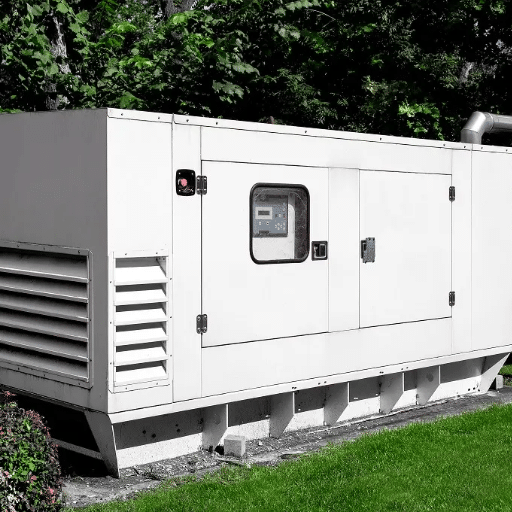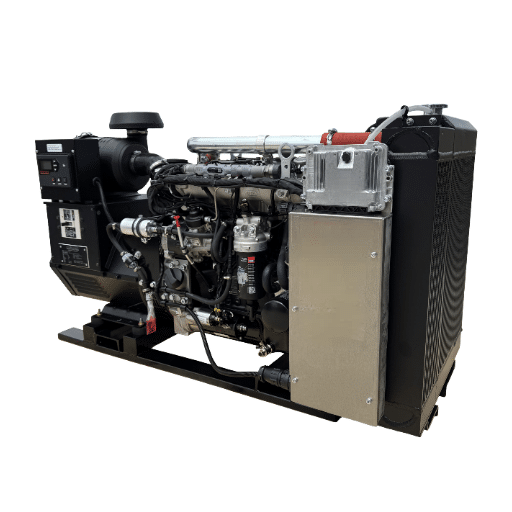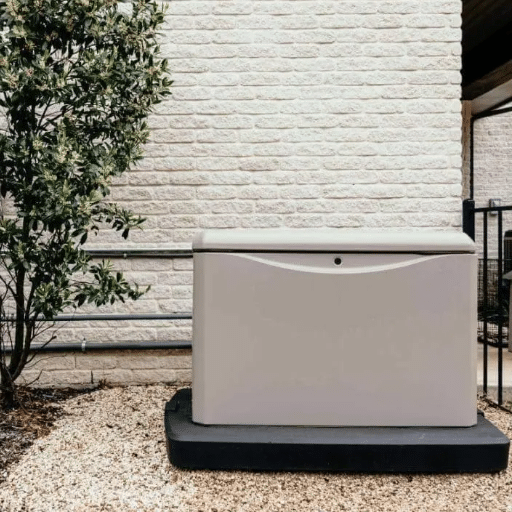

Introduction to Standby Generator Maintenance

The practice of maintaining a standby generator is about the scheduled periodic inspection, servicing, and protection of such a generator ensuring it guarantees power supply reliability during blackouts. The key maintenance operations are the following: checking the availability of fuel, inspection for depletion and compulsory replacement of engine oil and filters, battery load and wire connections controls, cooling and exhaust processes evaluation. Complying with the recommended maintenance intervals as stated by the manufacturer is important. Any deviation from this at any point may cause various pitfalls. Apart from the extension of the life of the fuel generator. It is expected to provide and maintain a reliable power output when it is needed, as well as during emergencies.
Importance of Regular Maintenance
Disruptive mean time to repairs issues will lead to unwarranted consequential effect on operations which are critical and/or may be cause severe downtime. Moreover, industry statistics suggest that a generator that is cared for efficiently is able to work better and save up to 15% of operational expense relative to a poorly maintained set. This is in addition to the fact that in most cases, diagnostic maintenance usually involves addressing minor, but potentially destructive problems that may come out as mechanical issues or electrical aspects of power systems before they happen. It follows that with this strategy, maintenance costs can be kept to minimum levels, while at the same time ensuring the proper operation of the generator to abate the risk of fires or shock hazards. Regular maintenance of equipment after installation achieves performance objectives while keeping the overall life cycle costs of the equipment optimal.
Operational expense savings achievable with a well-maintained generator versus a poorly serviced unit, according to industry statistics.
Overview of Generator Types
| Generator Type | Fuel Source | Application | Power Output Range | Efficiency | Portability | Noise Level |
|---|---|---|---|---|---|---|
| Diesel Generators | Diesel | Industrial and heavy usage | High, up to 50+ kW | High | Limited mobility | Moderate to high |
| Gasoline Generators | Gasoline | Residential and light-duty | Up to 10–20 kW | Medium | Portable | Moderate |
| Natural Gas Generators | Natural Gas | Commercial and residential | Medium to high, scalable | High | Stationary use | Low to moderate |
| Propane Generators | Liquid Propane | Backup and emergency power | Up to 10–50 kW | Medium | Portable or stationary | Moderate |
| Solar Generators | Solar Energy | Residential and eco-friendly | Low to medium, 1–10 kW | Low to medium | Portable options available | Silent |
| Standby Generators | Various (diesel/gas) | Permanent backup for buildings | High, 20–200+ kW | High | Stationary only | Low |
| Portable Generators | Gasoline or propane | Versatile and general use | Low to medium, 1–15 kW | Medium | Highly portable | Moderate to high |
| Inverter Generators | Gasoline or propane | Sensitive electronics power | Low to medium, 1–10 kW | High | Highly portable | Low |
Understanding Power Outages
Power interruptions happen when the electricity provided to a particular region fails to work, causing inconvenience to the residents, firms, and important structures. Incidents of power interruption can be classified into many significant divisions, with the major causes being natural occurrences, system malfunctions and human input. For example, in cases of hurricanes, tornadoes, or other natural disasters, power lines or other electrical installations and stations are often destroyed. Also, if there are issues with equipment during peak hours, then there may be blackouts. Finally, some human interventions may also contribute to a power cut, for instance, construction related accidents and deliberate destruction.
The extent of the damage caused will vary with the power outage’s timeframe, scope, the region in which the outage occurs, and the preparedness level of the people affected by it. Threats posed by brief interruptions are limited to now and then become annoying while the risks emanating from a frequent and extended disconnection can be severe including disturbances in the provision of vital services, spoilage of food banks and blocking emergency efforts. In this respect, it is critical to comprehend this concern to be able to enhance representative preventive measure approaches, for instance, through the deployment of secondary power sources and enhanced electricity distribution and transmission infrastructure to make the social group less prone to blackouts.
Daily Maintenance Checks for Standby Generators

For optimal efficiency, the following steps are important for daily operational assessments of the standby generators:
- 01
Inspect Fluid Levels
This includes checking the oil, coolants and fuel to make sure they are not below the advisable marking values. - 02
Examine for Leaks
Do a thorough survey to identify any leakage of fuel, oil, or coolant substances around the device. - 03
Check Battery Condition
Look to make sure the battery terminals are also free from corrosion and are somehow protected from any short circuits as well as that the battery is properly charging. - 04
Assess Gauges and Indicators
Keep an eye on any instruments on the control panel that are lit or that contain red warning geometric figures that would indicate problems in the engine. - 05
Inspect the Exterior
Be sure to examine the state of the structural components of the device (the same applies to all its parts), there should be no signs of damage, dirt, or obstruction of the engine casing and air outlet orifice.
These studies, carried out regularly are of course very beneficial as they prevent serious damages before they occur and get the backup generator ready for work whenever it is necessary with such parameters.
Visual Inspection of the Generator
A detailed physical evaluation of the generator is essentially needed to maintain an optimal working operation of the genny. Start the conduction of the checking by looking at all the fuel lines and connections in search of any places with damages, cracks or simply leaking. No fuel leakage should be entertained. Carry on with the inspection of the engineering components of the generator, e.g., belts, hoses, and seals, and look for any torn parts or pressure fitted parts that may lead to a breakdown. Finally, concerning the engine of the generator, be sure to include the battery trays, ensuring that the batt holders sit in place well and in addition ensure that the cables are free of any voltage losses caused by corrosion.
In addition, make sure to follow the manufacturer’s specification levels while at the same time checking the levels of oil which is the item that is accountable for producing the power inside the engine. It is very crucial to make sure that the generator’s case together with the exhaust systems are constantly checked to ensure that there are also no hindrances or weaknesses in their structures which may affect how the generator works. The in-depth analysis of turbines consists of some elements of inspections and measures that need be done by the turbine generator maintenance crew as part of the generator maintenance.
Fuel Level Check
A generator without adequate fuel is a weakness during the operation and maintenance. Its performance and that of its connected equipment are likely to be compromised due to malfunctioning caused by lack of fuel. Achieving maximum efficiency requires adherence to prescribed levels of fuel in order to keep the generator operational at its optimal level. The type of fuel used also changes the amount of energy produced by the generator and even its lifespan. One common ground for this is diesel where the fuel can undergo degradation over a period of time and leave some deposit which might block the fuel lines or filters. Besides a deficiency of fuel, one should also make sure that there is no fuel seepage or impurities as they could be detrimental to a healthier system. It can be easier to control the fuel consumption when a decision is made to refill periodically or when the information obtained is sufficient for tracking consumption of fuel.
Battery Condition Assessment
Optimal battery health is the most valued in the successful running of the generator as well as keeping track of its use. It is imperative that the state of the batteries is checked in defined intervals; checking for visible damage on the batteries, corrosion or fluid levels in the wet type batteries. Furthermore, voltage should be tested to see if a battery can still hold a charge, and for generators, this goes to about 12 to 24 volts for most of the systems and batteries. There is also to be a simulation of the operational process to check if the battery can serve as expected.
Developments in accumulator technology have pointed to practical storage solutions in both sealed lead acid and lithium-ion batteries whose operational life-cycle departs from the maintenance-heavy and shorter-life wet-cell type. It is also important to keep into consideration the site conditions: deviation from normal ambient temperature can cause battery capacity and charging efficiency levels to wane. And the most important is enhancing safety measures and fulfilling tasks through the application of intelligent monitoring and other aspects of remote battery control which allows the system to operate more efficiently and reduces the risk of it not working.
Weekly Maintenance Procedures

- 01
Inspect System Components
Please confirm the state of the most essential parts and locations of your system by having a good look at them. Make sure to note the condition of the connections, conductors, and components susceptible to mechanical stresses. - 02
Test System Performance
They carry out functional trials in order to ascertain the behavior of the system within the prescribed operational limits. Test the system outputs, the number of cycles and inefficiencies against vendor-recommended standards. - 03
Check Power Sources
Study power sources and assess this year’s power sources in terms of battery performance and power lines. Check the determinants of energy resourcing and most especially the state of the batteries, whether they are fully charged and do not have corrosion. Ensure such units are replaced immediately to maintain the reliability of any given system. - 04
Update Software and Firmware
Check if all software and firmware are up to date as per the record and traceable evidence. Install all patches or updates released by the manufacturer for the systems so as to avoid security threats companies may face. - 05
Review Sensor Accuracy
Rectify errors in sensors. Adjust the sensors documented to be operating on an incorrect or limited range of values, due to evaluative or interpretational defects, or wear and tear fail to make the correct measurements and hamper system efficiency. - 06
Document Findings and Actions
All the assessment, operational checks, and any activity aimed for support carried out must be recorded in detailed and comprehensive manner. It is helpful to use the logs as an aid for identifying performance statistics of the system and for planning future preventive maintenance.
Testing Generator Functionality
The functionality of the generator during tests requires it to seemingly apply full load and goes through a course of development of its efficiency. This means first of all, whether it successfully follows the startup operation under various sizes of the orders applied to an alternative energy unit. Secondly, it is to investigate the power system’s voltage, frequency and stability where equipment has been used to satisfy the requirements. The contradiction is denoted by the fuel consumption variation where the system is operated, and similarly check if there is any loud noise variation below that are relevant to the operation. And it is also necessary to verify that the features of the generator that are designed to ensure continuous operation operate well by practically removing the city’s electricity.
Inspection of Cooling System
The generator requires a cooling system in order for it to avoid operational temperature and overheating damage, which can be very damaging to the unit’s mechanics. To properly inspect the unit, with the intention of diagnosing existing problems we suggest the following: check if the coolant is within its operational levels as per the original manufacturer’s specifications. Check the state of all components of the cooling apparatus which includes hoses, clamps and radiator to look for any wear and tear on these components as it may lead to functionality issues. Another important factor to consider is the state and the content of the mixture coolant as an increase in the coolant has antifreeze which reduces thermal heat transfer and increases corrosion rates.
Moreover, the fuel pump can and should be checked to ensure the Stroked engine’s cooling fluid is circulating properly. The fan belt must also be checked as well since belt slip or incorrect belt tension can greatly damage the generator’s cooling system and trigger overheating. In addition, if the generator set is designed for enclosed cooling, no maintenance is needed for cleaning the radiator. Regular maintenance, such as cleaning the radiator fins so that no debris blocks the space and the air circulates optimally, is also possible. It helps in checking prescribed service interval and does not lead to innovative or increasing the level of oil consumption, for example.
Review of Control Panel Indicators
The display symbols on the control board are of utmost importance in assessing system operation and for dealing with potential system malfunctions. These elements will present to the operating personnel key data such as voltage level, current rating and even system frequency which is relevant to the specifications at a particular time. Indicators in sophisticated supports are likely to show the fuel level, oil pressure and a fault indicator to assist in identifying the troubled areas quickly and easily. The proper understanding of these symbols allows one to make decisions efficiently and hastens the operation of the system avoiding any downtime that may exist. The proper utilization of the control panel’s output and the incorporation of the modern analytical tools will therefore enhance monitoring procedures where such information as history and surveillance will lead to better predicting strategies, and the system’s preventive maintenance will be on a higher level.
Monthly Maintenance Tasks
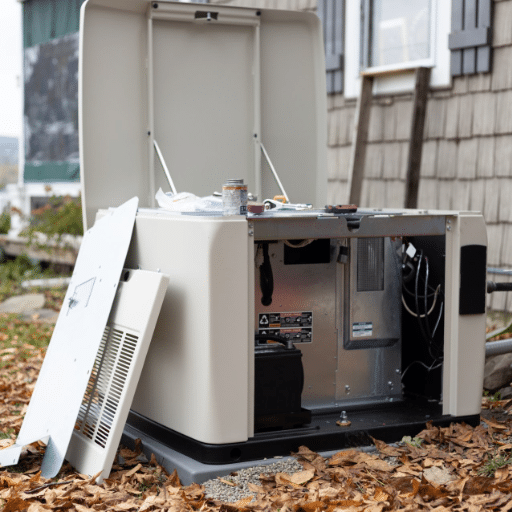
Inspect and Clean Air Filters
Examine air filters periodically and conduct maintenance including cleaning or changing when these components are dirty to ensure the proper functioning of the engine’s air flow.
Check Oil Levels
Inspect engine oils using a dipstick and add oil if the level falls below the mark. Ensure that the engine oil does not exceed the recommended level according to the car manufacturer’s specification.
Inspect Battery Condition
Inspect the battery for any white powdery substance which indicates corrosion. Wash the terminals and check the charge levels with a battery checker tool, reconnect where needed.
Test Coolant Levels
Confirm enough levels of coolant by gesturing to the reservoir and the radiator where necessary and adding the appropriate antifreeze if required.
Examine Fuel System
Inspect fuel lines and connections for faults such as leaks cracking or corrosion deterioration. Check if there is any need to drain and flushing water and dust from fuel tank and filters.
Run a Load Test
Testing the generator under load ensures its full functional ability and also helps identify any weaknesses in it.
Oil and Filter Change
In order for the generator to keep running at its best, there is an enormous need to do regular oil and filter changes. With time engine oil will deteriorate which in a certain way will result to accumulation of debris such as carbon deposits, dirt and metallic fillings among many others which will in essence affect the effectiveness and increase the amount of wear. The search may start with reviewing the instruction supplied in the manual on what oil type and which grade to buy. And the oil-change frequency level as well. The normal standard is 100-200 hours of operation. However, this ranges upon model of the generator, function place of the generator and how long the machine is used.
When it comes to changing oil, one must take care to empty the engine of any residual oil into a proper container making sure the generator stands on level surface as the engine is allowed to warm up. In doing so, a suitable replacement oil filter of equally superior quality should be sourced so that the generator remains in good filtering condition. At the end, new stock oil must be added to the generator, being mindful not to surpass the specified amount as this could be detrimental to the generator. Once you are through with the oil change, turn on the generator for a few times so the new oil could flow and the next step check if there is any leakage.
Inspection of Hoses and Connections
Survey all hoses at first glance intending to identify physical deformations of wearing out, stiff, cracked, bulging, non-ferrous, or other areas that have these might increase the order delivery time and lead to system failure. It is more so necessary to look keenly on areas near clamps or fittings where such areas may consequently lead to rapid degradation. Inspections should also verify that connections are latched appropriately, and no vertical movement has been noted that could lead to electrical or hydraulic leakage thanks to poor contacts.
Monitor changes in the quality of the material in the hose periodically, with attention paid to whether or not the hose can hold up to the temperature and pressure conditions under which the generator will operate. Immediate replacement of damaged or worn hoses and timely repair of failing hoses will lower the chance of unplanned downtimes and accidents. These measures do not only improve safety practice but also minimize the efficiency of generators under unfavorable conditions.
Cleaning Air Filters
Generator systems cannot operate effectively and efficiently without air filters in the system. More so, the higher sales of the system for the market, greatly increases the usage of air filters, debris, dust, and particles get stuck in the air filters, consequently hindering them, and reducing the rate of performance of the generator. However, the air filters come with a manufacturer’s recommendation which is when regular inspection and cleaning of the air filters should be done. Normally, filters should be looked at after every 100 to 200 operating hours, or more frequently where operating conditions are dirty with a lot of dust or particles.
However, if the filter gets damaged or worn out in any way, then it needs to be replaced right away because usage of a faulty filter can pose a grave threat of the engine suffering damage from unfiltered debris. In addition, innovative design concepts for filters have also resulted in more efficient filters that conform to higher airflow conditions and half ingenious ways of trapping fine dust and fewer other small particles; such systems are more effective in performance than previous systems and are less prone to maintenance costs.
Annual Inspection and Maintenance

- 01
Inspect the Fuel System
Run a thorough check for any possible causes of leaks, corrosion, or blockages in the line, filter or the tank, flush the fuel system, and, if need be, replace the fuel filter to ensure that the fuel remains clean and does not hold any foreign bodies that are harmful to the engine. - 02
Examine the Battery
Check the voltage of the battery for any abnormalities, specifically look at the terminals for any signs for corrosion or looseness. Clean the terminals in case of locating any and afterward check that the battery is well secured to the battery tray. - 03
Check the Engine Oil
Smudge run oil and examine the oil using the dipstick. In case it’s time to replace oil and oil filter, manufacturer recommendations are adhered to in terms of oil and on specific times intervals of replacement. - 04
Inspect the Air Filter
Check the air filter for blockage or wear that is too much. Get rid of it, as it is causing restrictions to the free flow of air inside the engine or is obviously damaged to continue operating it. - 05
Test the Cooling System
Check that the cooling system is filled to the norm and look for any breaks in the hoses. Be sure to renew the coolant by draining and refilling the systems according to the service manual. - 06
Assess Electrical Components
Always readily check systems for continuity. Look up strength testing systems and use software that correctly measures the strain of a tested wire from control panel considering it has been subjected to heavy loads. - 07
Perform a Load Test
Load the generator to full capacity to confirm that it is able to work efficiently under normal conditions. Any variations in operation would be further examined under the test conditions. - 08
Ensure Cleanliness
It is important to keep the exterior of the generator free of dirt, debris, and moisture in order to prevent damage due to overlaid layers.
Professional Maintenance Recommendations
For the best performance and the longest possible service life of the generator, an effective maintenance strategy must be designed and adhered. Procure the best practices from the published standards of the industry to plan the maintenance work. The preventive maintenance which is recommended for a generator is useful for both safety and proper functioning. Customary servicing is expected to involve examination of the items and repair of the faulty parts such as belts, hoses and filters so that there will be fewer breakdowns as much as possible. For machines with moving parts, it is necessary to lubricate them so as to minimize friction and wear.
Every detail must be aligned and installed within the alternate power generator and engine block. The cooling system components must be gauged for proper levels of fluid and any possible clogs, in order to prevent overheating of the equipment. Fuel systems have their requirements too, tending tank clean as some elements are drained of sediment from time to time just to ensure high fuel quality standards of the generator. Other systems contribute a great deal to engine performance and voltage regulation such as an alternator and this requires more attention in the system repair process and also an update of the system controller is in need.
Degradation Monitoring and Parts Replacement
The effectiveness of the system degradation control and of the system durability is mainly conditioned by the appropriate control of a full cycle which includes the system degradation prevention and the timely replacement of system components. One can make degradation more organized that is aimed at Condition-Based Maintenance using innovative technologies like vibration diagnostics, thermal imaging and ultrasound scanning which shall help to determine in advance the wear and excess stress on the components. Alongside usual preventive maintenance manual visual inspections, an extra layer of electronic protection should also be devised utilizing IoT sensors for proactive opting through the real-time monitoring of operational parameters like temperature, pressure and vibration.
When installing new components, one must follow the original producer’s set of rules concerning the material choice, permissible inaccuracies, and working loads. And one more supporting fact is related to this sub-issue – the use of approved and correct frames containing non-physics components protects the integrity of the system and provides conformance with all the regulated criteria. Also, life cycle analysis tools are very useful for prediction of the life span of a component at various environmental conditions, such as environmental strength, physical strength, etc. The procedures help to carry out maintenance of the equipment effectively and increase the availability of equipment so that the critical systems have a longer life span.
Reference Sources
- [01]
Standby Generator Maintenance
Read more here - [02]
Facilities Preventive Maintenance Program
Read more here