
Introduction of Diesel Generators

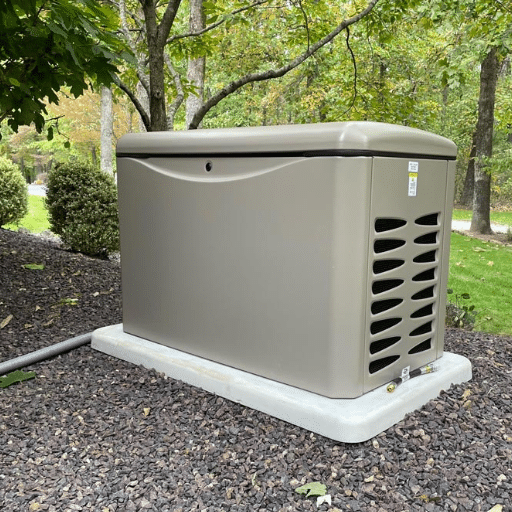
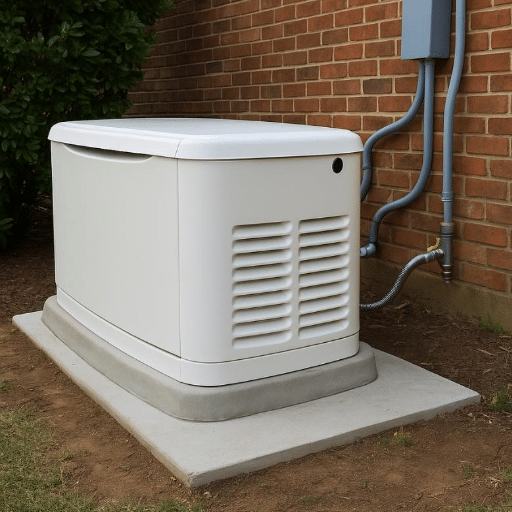
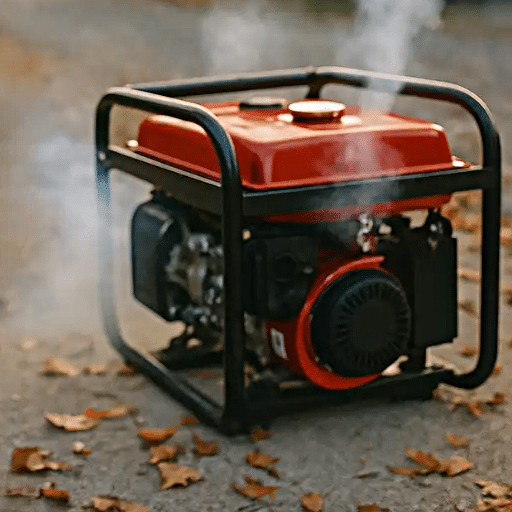
Diesel is considered to be an ideal fuel type because of many factors. Indeed, diesel generators are known for their high performance and resilience, as the power generation system takes the chemical energy from diesel fuel, and converts it to electrical energy. The technology is based on integrating a diesel engine with an alternator to produce electrical power. Therefore, such kind of a system is especially applicable for backup power systems and so-called off-grid systems. In turn, these systems are popular for being very robust and cost efficient, making diesel-powered generators very popular in sectors such as health care and construction and even data centers for the simple reason that power should always be on. Finally, diesel generators with their numerous benefits and long life spans help extend energy services to all the needy people.
Understanding of 501–1000 kW Diesel Generator Sets
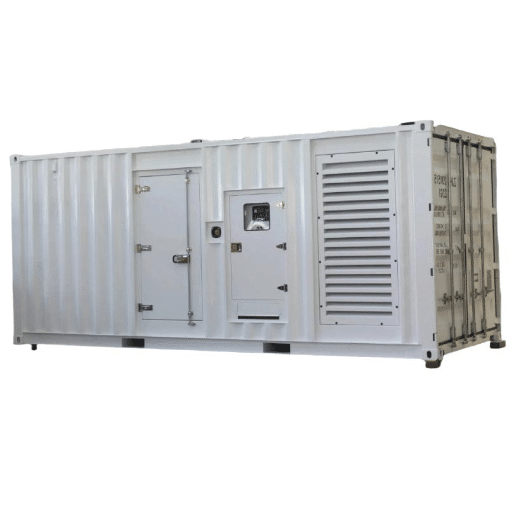
The 501–1000 kW diesel generator sets have been made to serve medium to large quantities of power demand with a high level of efficiency. They have featured high specification diesel engines with most of the time the engine has been made compliant to the Tier 3 or Tier 4 emission standards thus compliance with current environmental laws is ensured. They are usually fitted with state of the art control panels to allow them to be monitored and controlled when needed, offering advanced features like load sharing, real-time detection of problems with the engine history as well as remote control functionality.
Efficiency considerations are pervasive and hence, these kinds of units normally contain electrically controlled fuel systems for adequate fuel utilization under diverse load conditions. As a result of this, these generators are usefully employed in such settings as production lines, in hospitals, in large function centers and information services. In addition to this, gen-sets have firm construction which extends the life of the equipment and ability to work under tough conditions.
On a related note, gensets are usually housed in sound proof and vibration-damping units which allow silent working of the set. The generator sets are also capable of being synchronized for use with other earth year equipment, thereby giving room for adjustment for increased power demands. Filling a void in the energy sector, 501 to 1000 kW is a size that meets immediate and future energy needs in almost all the sectors, providing efficient and long-term uninterrupted power – an improvement of the country’s overall energy viability over time.
Components of Diesel Generator Sets
| Component | Description |
|---|---|
| Engine | Converts fuel into mechanical energy. |
| Alternator | Converts mechanical energy into electrical power. |
| Fuel System | Stores and supplies fuel to the engine. |
| Control Panel | Manages and monitors generator operation. |
| Cooling System | Regulates engine temperature during operation. |
| Exhaust System | Expels waste gases generated by the engine. |
| Lubrication System | Reduces friction and wear on moving parts. |
| Battery and Charger | Provides startup power and maintains battery charge. |
| Frame or Base | Houses and stabilizes generator components. |
| Voltage Regulator | Maintains constant voltage output. |
| Circuit Breaker | Protects generator from overloading or short circuits. |
| Sound Attenuation System | Minimizes noise during operation. |
| Vibration Isolators | Reduces vibrations to ensure smoother performance. |
| Paralleling System | Synchronizes multiple generators for load sharing. |
Power Range and Applications
Many industries and services could not function without the presence of such diesel generator sets with a rated power of 501-1000 kW. They are built to work proficiently and provide machines with additional mechanical energy which is needed in case of an abruption in power. A lot of power generators like the 501-1000KW industrial backup generators find a lot of application from the endemic levels of Diesel in various sectors, especially as an alternative heat or as the designated power source for the facility. Design of generators in this category is seen in a lot of other applications in other sectors in addition to those that lift and steal.
For a data center operation, generators of sizes from 501 kW to 1000 kW guarantee the uninterruptible operation of the IT infrastructure, supporting all levels of the organization from an enterprise to a cloud-scale. The demand for such per unit power level is also prevalent in other systems such as medical facilities where they are even used to run equipment that is often mobile in service delivery, and need not be limited within the four walls of the building. Many industries also get the advantage of doing ‘business as usual’ as the systems prevent downtime that results into higher risks and lower economic benefits.
Today, due to some extent to advances in fuel efficiency, emission control and digital monitoring technologies, these generators have evolved into a more viable option for infrastructures that are sustainable and self sufficient to run in their surroundings or locations. Their durability as well as the configurability guarantees a smooth functioning phase within the paralleling system allowing the new and better power levels to be reached.
Key Components of 501–1000 kW Diesel Generator Sets

- 01
Engine — The heart of the power system is the diesel engine, which takes in fuels and transforms it into mechanical energy in order to power the generator. - 02
Alternator — The alternator rotates and finally produce electric power. The essential elements of an alternator are the field systems made up of the rotor and stator arrangement in order to ensure the power output during operation. - 03
Control Panel — Most of the functions and operator controls displayed on the panel relate to the operation of the machine. Being the most important, the above decision ‘clearly’ signifies critical performance factors, which are voltage, current, frequency, and the engine’s performance. - 04
Fuel System — The engine system, on the other hand, is responsible for accumulating and delivering diesel to the engine. The repair systems have the fuel tank which stores the diesel fuel, the fuel lines and filters connected to the fuel tank for effective supply of fuel. - 05
Cooling System — When in use, a cooling system is employed to regulate coolant and water flow in order to provide a steady internal temperature thereby achieving superior efficiency and longer operation of the hardware with minimal wear and tear. - 06
Exhaust System — An exhaust system removes emissions of fuel combustion products in a safe manner. Silencers are designed to absorb and minimize the noise level of such systems. - 07
Lubrication System — It is particularly effective in preventing any damage to the moving parts and thus promoting smooth and abrasion-free functioning of your entire engine as a unit. - 08
Battery and Charging System — It is the battery that supplies the initial thrust for the generator engine to start, while the dynamo, as it tops up the battery frequently during and after use, ensures the battery is held fixed by charging for subsequent work.
Oil Filters: Function and Maintenance
The main job of the oil filter is filtering the oil that travels through an engine so that the oil’s efficiency and power dynamics are kept to the maximum at all times while sustaining the health and life span of the engine. This dirt includes but not limited to dirt, metallic substances and carbon due to the wear of the engine. The oil filters also help the engine by recycling the oil and keeping the engine free from dust, ensuring there is no harmful interaction between the parts.
Advanced oil filters apply filtering materials such as cellulose to synthetic media, to prevent particles as small as 20 microns worth that size from being transmitted in the engine. The use of quality oil filters means that these filters will stop more than 95% of the particles. It is necessary to replace the oil filter often which varies depending on the type of contact to be filtered, type of oil, and condition of use. It normally ranges from 5,000 to 7,500 miles for most automobile engines, but some heavy-duty or performance engines may require more frequent changes to accommodate increased stress and load conditions that would be placed on the engine.
Neglecting oil filters can worsen the situation in lubrication activites, cause over heating and harm the engine as unfiltered granules penetrate various sensitive areas. However, if a health and safety plan consisting of regular maintenance works to the specifications of relevant controlling authority is strictly adhered to according to the recommendations, the machine is likely to preserve its integrity.
Fuel Filters: Types and Replacement Frequency
It is undisputed that fuel filters have a vital importance when it comes to the effectiveness and sustainability of the internal parts of an engine as they neutralize impurities that would otherwise reach them mainly such are dirt, rust, and foreign objects through the fuel supply. Moreover, there are three main types of fuel filters, namely, in-line filters, cartridge filters, and spin-on filters, which are designed for different applications and types of fuel.
The regularity of replacement of a fuel filter has everything to do with the model of the particular vehicle and its use as well as the type of fuel. In respect to modern gasoline-powered engines, maintenance providers commonly suggest an average change interval of 30,000 and 60,000 miles, and diesel-powered engines that are more prone to fuel deterioration such as requiring increased frequency of the filter may require substitution as often as every 15,000 and 25,000 miles. Machine guns in areas with much dust or low-grade fuel are likely to attract even finer tuning with shorter schedules even double that in an assemblage-free region including the reassessment of the fuel filter.
Maintaining compliance with the appropriate manufacturer’s fuel and OEM (Original Equipment Manufacturer) filter specifications is of utmost importance where fuel pressure as well as high injection pressure components are concerned. It will be useful to refer to the filter and replace it during maintenance or in case of a malfunction in order to help prevent such situations and associated costs from recurring in the future.
Belt Systems: Types and Wear Indicators
Modern engine-oriented texture is the central one in engine design and forms essential elements, such as the alternator, power steering pump, water pump and air conditioner compressor and similar. There are two main designs of belt systems that can be found in most vehicles and these are crankshaft drive belts and timing belts. Serpentine belts are single strands of belt that wind around many pulleys, simultaneously driving several accessory systems – a feature that allows these to be flexible and compact. On the other hand, are the timing belts which are responsible for linking and maintaining the accurate position of the crankshaft and the camshaft in an engine with respect to the appropriate gear.
Wear indicators of serpentine belts may include the development of cracks, fraying of the edges, shiny and hard scars on the surface, or the belt appearing to slacken which could cause belt slipping. Signs of wear of the timing belts may include stripping of the belt teeth, or tears in the material of the belt part, or unusual noises when the belt is in operation. In engine works there is always a set interval of change that the manufacturers would advise on the basis of the distance covered or the age of the vehicle, because non-replacement can sometimes cause an internal disfigurement of the engine. Recent efforts have tried to make belts such as the drive belts for camshaft and accessories/auxiliary belts more durable using materials like EPDM (ethylene propylene diene monomer) rubber due to its better heat and wear resistance.
Other Common Wear Parts of Diesel Generator Sets

A spark plug is the key to the initiation of combustion in generators. Therefore, all thermically ignited generators have spark plugs to ignite the ignitable gaseous mixture. In the course of time spark plugs decompose because of electrode wear and soot formation which may result in misfires and lower operational efficiency of the generator. It is by no means redundant to fully commit to frequent service and when necessary replacement as stipulated in the manufacturer’s instructions.
Providing a constant level of voltage, the voltage regulator seeks to ensure the power that is needed is available at all times and does not fail. These fail to comply with their manufacturing standards if kept running too long, at high limits, and in hot or cold environments. This often happens when the output voltage is tested and fluctuation is observed, the regulator has to be either serviced repaired or replaced.
Spark Plugs: Importance in Diesel Engines
In diesel engines that focus on compression ignition, an electric spark causing ignition is generally not utilized, even though spark plugs are necessary to some diesel configurations, for instance, gas-diesel dual-fuel engines. This specialized systems involve incandescent plugs for the mixed combustion of oil and other fuels and they help to minimize energy losses and reduce ecological hazards. In modern days, such applications feature creative spark plugs made in a way that they remain long lasting even when subjected to high pressure and high temperatures even with high performance guaranteed.
Improved technologies in spark plugs have been reported over the years, especially with regards to heat and electrical conductivity, firing pin position, etc. For example, zirconia-based ceramics as well as platinum or iridium electrodes improve execute their expected useful life period and electrical performance. Regular check of medicine and spark plugs replacement is a must since secondary discharge systems are in the proper firing range or the fire is out due to worn-up spark plugs can cause failures, deteriorate economy of the fuel or aggravate demands for servicing. Being familiar with their placement inside the diesel engines has strengthened the need for combustion in achieving ‘clean air’ and durability of the power plant.
Voltage Regulators: Role in Generator Performance
Voltage regulators represent a crucial element in making sure that the generator performs well, as they are responsible for handling and absorbing output voltage. Putting it in other words, these tools allow us to maintain voltage at its particular level regardless of any external loading or input supply voltage. The importance of this balance is further underscored since it ensures optimal functioning of any appliances linked to a generator while the latter is in use. They have been advanced with microcontrollers that enable enhanced accuracy in voltage regulation in such a way that most of them do not require modification thanks to fluctuations in load. Besides this, these are the voltage regulators that come with a level of increased standards which also include functions like the entire overload protection, or room protective cooling and other fault finding, for the whole generator setup.
A good example of this when the generator gets equipped with automatic Voltage Regulators (AVRs) that help to not only maintain the output but also increase the generator’s general advantages and longer period of operation. It is believed that the application of tightly controlled output voltages will prevent any related electrical system failures, especially in high value situations such as the healthcare and industrial environments. Such enhancers are mostly used to keep the voltage wave in its boundaries while feeding power and this also increases the capacity of both generators and feeding systems.
Battery Systems: Maintenance and Lifespan
Good upkeep of battery systems is a major factor that determines their effective working life and their ability to perform different tasks without problems. Key maintenance activities such as regular checking of power levels in the battery, identifying common signs like the appearance of salt along the terminal, etc., and making sure that the battery is kept and used at the right temperature contribute to good battery use and increase its efficiency. As a thermal resistor, the battery also charges when it reaches the designed temperature or the safest temperature for the environment. An optimal temperature that is often referred to in battery handbooks is usually within the range of 20°C and 25°C (68°F and 77°F), this particular range of temperature for most batteries ensures maximum capacity retention hence prevents shelf loss and degradation in battery quality due to inferior recycling.
On top of it, the regular correction of equalization values for lead acid batteries ensures protection against accumulation of sulfation, which is a typical case with traditional systems and deteriorates utilization and efficiency within time. In fact, there are already existing battery management systems (BMS) which help in measurement of battery performance indicators like state of charge (SOC) and depth of discharge (DOD) thus even extending their use by preventing overcharge and overdischarge. These processes, in conjunction with the observance of the conditions recommended by the manufacturer of the product, provide a good level of service of the batteries in the mentioned applications such as renewable energy, communication systems, and emergency power supplies.
Maintenance Tips for Diesel Generator Sets
- 1
Perform Regular Oil Changes — Conduct oil checks at the intervals specified by the manufacturer and ensure that the oil is within the quality range. Change the oil as per the stipulated operating hours or annually making sure that it is suitable to the generator’s operating conditions. - 2
Inspect and Replace Filters — Air, fuel and oil filters must be visually examined after each operation, and replaced as necessary in line with AIRBUS certification to ensure correct air circulation, purity of fuel and oil spray of lubricant. - 3
Check the Cooling System — Inspect the quantity of the anti-freeze and make sure that there are no leakages. Prior to running, it is recommended to check out the antifreeze liquid and the intervals of replacement upon checking on the maintenance schedule capacities to help in the elimination of higher-than-normal heat emission. - 4
Test the Battery System — It is also among the requirements that a battery should be checked to see the level of its charge and if the wires fit firmly. Perform a load test on the battery to ensure proper ignition. - 5
Verify Fuel Quality — It is also vital that the diesel fuel you use is of the highest quality and see if there are contaminants and water in the fuel. In addition, clean or empty it (the tank) and protect it, otherwise blockage could result to lowered efficiency of the engine. - 6
Inspect Belts and Hoses — Once again, the condition of the drive belts (laceration or cracking) and the integrity of the hoses have to be checked. In the event of evident damage or wear, there should be a timely exchange of parts to prevent unexpected breakdowns.
Regular Inspection Schedules for Diesel Generator Sets
Frequency
Daily Inspections
The daily checks tend to detect present issues that could disrupt the system’s operation. They will generally involve checking the level of fuel and lubricants, the level of coolant, examining for leaks, looking for abnormal noises and vibrations during operation. Besides, each day, it is important to provide readings and the numbers of such performance losses as voltage and frequency across the switchboard.
Frequency
Weekly Inspections
Periodic maintenance involves more comprehensive studies than general operational assessment such as operational checks. Air filters should be cleaned and there should be an inspection of the battery terminals if they are corroded. Besides that, weekly checks should also entail a visual examination of the wear of the hoses and belts to assure that they are in good condition.
Frequency
Monthly Inspections
A functional test of the generator under load to mimic the conditions under which it will operate is one of the points in this phase. For example, exhaust systems should be monitored for carbon and perform oil investigations to detect any presence of foreign material and while making advancements, always be aware of the levels of the cooling water inhibitors levels. In addition to this, all ventilation systems should be checked to confirm that the necessary airflow for heat dissipation hence the efficiency of the said systems is still experienced.
Frequency
Annual Inspections
This is the extent to which the generator is expected to be serviced during the year, inclusive of many checks that are to be done such as carrying of full load bank tests on the generator, engine oil and filter changes according to operational hours or service intervals and all preventive maintenance checks. The only fuel at the power plant will be diesel, so it should be heavily cleaned as all tanks and delivery lines will be cleaned to prevent sludge and other tank deposits in the future.
Best Practices for Component Replacement for Diesel Generator Sets
The durability and efficiency of the diesel power plants depend on the timely changing of the basic repaired elements. Air filters, fuel filters, and oil filters are a must-change based on the interval indicated by the manufacturer or less depending on operational conditions. The replacement of any of these parts during routine planned maintenance should only be done using the recommended original manufacturer components. As such, it is equally important to look into the aging and possible replacement of belts and hoses because they also deteriorate under high temperatures and dynamic loads with aging.
At the same time, battery replacement is considerably important too, and each battery is subjected to tests that measure voltages, capacities, and general states. In addition, fuel injectors and fuel pumps should be calibrated correctly to achieve the best fuel combustion, which can also reduce unproductive energy loss and be compliant with the emission standards. Moreover, detailed checks should be made to the alternator and the control panels to replace any areas where the relays and fuses have gone out of date in contrast to the use of the old-fashioned circuit boards whenever repairs are required in order to prevent any unwanted delays.
Extending the Lifespan of Generator Components

-
1
Routine Inspection — It is good practice for the machines to be regularly inspected visually and operationally—any irregularities that are observed should undergo fault finding in situ and immediate repair action taken, all this attention should be paid to such elements as fuel systems, cooling system and electrical connections respectively.
-
2
Scheduled Maintenance — Make it a point to follow the stipulated maintenance schedule suggested by the manufacturer. This pertains to the inclusion of periodic oil checks, replacements of filters, charging terminals, and overhauling of other major sub-units, among which are alternator–battery systems.
-
3
Proper Storage and Operation — When not in use, the generator should be kept in a dry and dust-free place as much as possible so as to avoid the damages caused by water and dirt. Also, run this engine above fight, while it is highly discouraged, in an attempt to avoid lessening or adding too much load to the generator as running the engine roughly can lead to engine failure.
-
4
Quality Replacement Parts — Similar, high-quality spare parts that fulfill or exceed the manufacturer’s required quality standards should be used. The use of lower grade parts leads to early part failures, which could necessitate higher repair costs.
-
5
Environmental Controls — Proper ventilation and temperature control of the generator are mandatory. This mitigates the chances of parts overheating in the long term and thereby mitigates the incremental risk of parts’ physical as well as functional damage with time.
Quality Spare Parts Selection
Sourcing the best generator accessory parts are a great concern towards the generator efficiency and how long the generators of such a component would last. In focus here is the necessity of ensuring the importance of original component with a view to using only best spares carrying certification features consistent with ISO (International Organization for Standardization) or IEC (International Electrotechnical Commission) norms because of the defined limits of operation. The necessary qualification and competent execution as required in procurement should create sufficient confidence in the end product, the component.
Furthermore, it is essential to authenticate compatibility with the make and model of the generator to optimize the incorporation and working of the components. Modern-day advancement in materials as durable and resistant to corrosion as stainless and carbon steel components has made it easy to use exhaust system components, bearings, and seals that provide long-term protection without additional maintenance costs to the system. Also, due to the extensive use of such parts, it is necessary to use OEM parts or their legitimate counterparts in order to ensure a generator operates as it was designed without the need for maintenance as a result of unsuitable resources. When these are observed, enterprises can be confident that their power generation systems will be efficient over time.
Routine Maintenance Practices
Generator components have to be regularly maintained and serviced in a way that is sober and organized so as to ensure that the equipment remains serviceable for the most time possible and operates as intended. In this case, it is expected that, for instance, on a regular basis, the air filters are checked and when necessary, replaced. This is because it is unnecessary and even dangerous to have the engine run when it is already pleading clogged air filters. These should be followed by checks on cleaning of coolers and cooling system, as provided in the manufacturer’s specifications for the type of abatement such applications.
A stronger emphasis is still put, on the other hand, on the need for cleaning the fuel systems – controlling the number of impurities therein. Elimination of excessive fuel pipes overcomes the underground fuel tank leakage risks and improves combustion efficiency. Testing the battery, along with the other electrical connections, protects the working power lines as it is easy to start the operation. The date generated from characterizing these parameters include the effective communication of values that preempt other issues during a particular period. The organizations that do incur preventive and corrective maintenance together with a variety of monitoring technologies are now able to enhance generator utilization and are less likely to waste finances.
Reference Sources
- [1]
Effects of Low Charge and Environmental Conditions on Diesel Generators Operation — Read the paper here - [2]
Durability and Lube Oil Contamination Study on Diesel Engines Fueled with Various Alternative Fuels: A Review — Access the review here