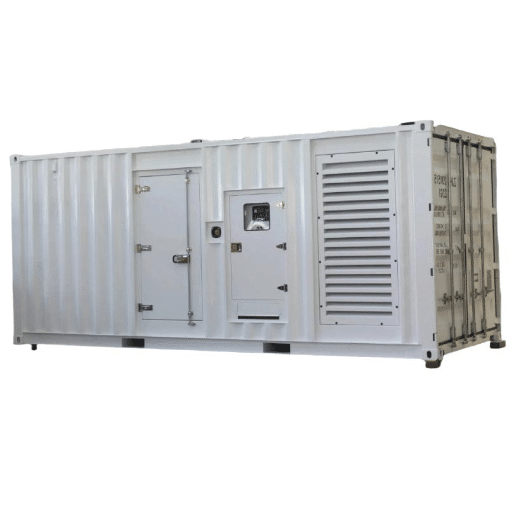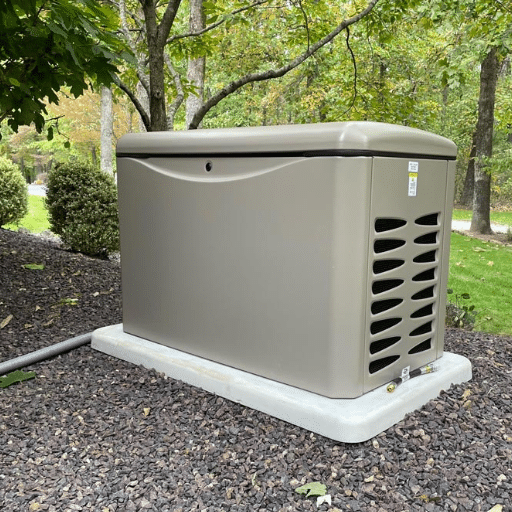

Understanding the Basics of Alternators and Control Modules
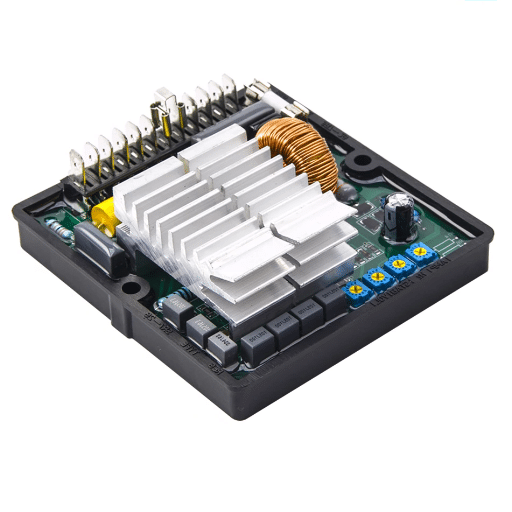
Motors, circuit control boards, voltage and stabilizing control units are the gen set’s most important elements responsible for producing electric energy in accordance with the demand. The motor drives the generator’s engine, which results in the engine producing electricity. This explains the electromagnetic phenomenon in the alternator for instance, its rotor and stator working. There may not be a single universal set point for all dimensions but features such as output voltage, efficiency and load-bearing characteristics have to be taken into consideration.
The control modules, on the other hand, are like the ‘brain’ of the generator. Remotely, they make the systems work and in the most efficient manner, they do it according to the mentioned parameters such as the voltage, the number of cycles and the engine. They take into account all the interfacing tasks like carrying out the startups, shutdowns and detecting the defects all by themselves, which is aimed at keeping the system reliable and the device operationally safe. For efficient performance, it is necessary to choose components with advanced monitoring features and appropriate only when used with the generator in question.
What Are Alternators and How Do They Work in Generators?
Alternators are a very vital part of driving the forward direction of an electricity generator, this is how they are primarily used to establish the principle of electromagnetic induction in generating electric energy. As machines, in a brief analysis, generators incorporate two basic constituents described elementarily as the stator and the rotor. Furthermore, the rotor refers to the member that is in rotation, typically being either driven by an electric motor or a gas turbine. The stator, in contrast to the former, functions as a station and typically retains a series of rings made of conducting materials such as copper.
If an electric rotor happens to spin in a magnetic field, electrical conductors that are in its stator create an AC (Alternating current). The generated electricity’s speed is determined by the speed of rotation and by how the generator is designed among other factors. Advances have been made in the design of the present day alternators to enhance efficiency and facilitate their reliability. The alternators handle this by incorporating more advanced cooling systems and materials in order to be able to handle such loads. To achieve the planned performance, quality assurance should be done at each stage of manufacturing, and once the system is installed, maintenance should also be taken into consideration, particularly when this system is applied in industrial or large use.
Key Components of Control Modules and Their Functions
-
1
Microcontroller Unit (MCU)
This is the most important component of the control unit because it is responsible for information processing from sensors and precise execution of the control. In particular, this unit adjusts power generation in terms voltage, frequency and load in such a way that the parametrically defined system dynamics are maintained.
-
2
Voltage Regulator
It is a very important part that prevents the generator from producing excessive or insufficient output voltage due to change in the load on the generator. It is due to a fact that this component is used to regulate the size of the current that is fed into the generator’s rotor whenever this is required.
-
3
Sensors and Feedback Systems
The place of the sensors and response systems is to check all the essential parameters like temperature, oil pressure, fuel in the tank, speed of the engine and many more. All inputs are supplied to the control module enabling automatic reaction to any abnormal occurrence.
-
4
Display and Interface Panel
This part of the hardware equips the machine with the newest technologies that give the most realistic view of the machine, such as faults, status and generic health. As a result, the machine operators are capable of following the machine running in a comprehensive mode effectively, allowing for the troubleshooting the generation process.
-
5
Circuit Protection Devices
Protective objects, like built-in relays or breakers and fuses, are strategically fitted to protect against possibilities of overcurrent and overloading such as short-circuits. These contrivances help in ensuring the uninterrupted functioning of any machines while ensuring that minimum downtime leads to no permanent damage.
-
6
Communication Modules
Remote monitoring and control of a high number of newly designed sensor nodes containing single sensor or sensor array are supported by prevailing technologies. Such undertakings are especially enhanced by the application of industry standard communication architectures such as Modbus, CAN Network or Ethernet in interconnecting these nodes.
Differences Between Single-Bearing and Double-Bearing Alternators
| Key Point | Single-Bearing Alternators | Double-Bearing Alternators |
|---|---|---|
| Bearing Configuration | One bearing supporting the rotor shaft | Two bearings supporting the rotor shaft |
| Alignment Requirement | Requires precise alignment with prime mover | Less critical alignment requirements |
| Vibration Damping | Typically less vibration damping | Better vibration absorption |
| Installation Complexity | Easier owing to fewer components | More complex due to extra bearing |
| Maintenance Needs | Generally lower maintenance needs | Higher maintenance due to extra bearing |
| Costs | Lower initial cost | Higher initial cost |
| Durability | Suitable for lower to medium loads | Ideal for high-load applications |
| Flexibility | Less adaptable to misalignments | More forgiving of system misalignments |
| System Size | Reduces total system size | May increase overall system footprint |
| Usage Scenarios | Small to medium industrial applications | Heavy-duty industrial or power applications |
← Scroll horizontally on mobile to view full table
Key Factors to Consider When Selecting Alternators and Control Modules

Power Output Requirements
Match the alternator’s power rating to the power needed by the design and the worst case, it should supply for occasional excess that is still within the required limits.
Durability and Environmental Suitability
Choose robustly constructed alternators and attend to such aspects as temperature performance, humidity protection, and anti-corrosive treatment in order to function with reliability under specific conditions.
Voltage Regulation and Stability
Task the control system with the responsibility for providing consistent regulation of voltage and thereby protecting appliances from fluctuating voltages that can be detrimental or prevent them from functioning at their best performance.
Ease of Integration
Choose components that maintain harmonious assembly with the rest of the machine and readily fit without extensive modifications.
Monitoring and Control Features
Choose control modules that have advanced features like fault recording, load requiring and remote accessibility which will assist in improving the functionality.
Matching Alternator Specifications to Generator Requirements
It is important to choose the right alternator for the generator as the alterations in performance of the generator and longevity of the machine will be affected. One must take into account a few important parameters while selecting an alternator. These parameters are the generation Power rating, voltage output, and inputs which is the frequency requirements. It is important to note that the power rating of the alternator should be higher than the maximum load of the generator under normal and peak conditions so that overloading or failure of the system does not occur.
Also, make sure to specify the voltage output of the generator in compliance with the requirements of a particular electric load or system. High and low voltage levels will lead to poor performance or even destruction of some elements. Then, matching up frequency is equally important, especially in applications using 50 Hz or 60 Hz, as argon is because minor changes will affect the proper operation of the powered items.
Inspection of materials for insulation, evaluation of the cooling system and thermal capacity, and the alternator’s winding design are also critical, essential factors. With regards to high operating conditions, the prolonged service of the insulation materials is also a challenge because they should be of high quality; while materials with forced cooling techniques and liquid-cooled machines allow continuous use. These requirements are carefully examined down to the most specific detail so that the device can be smoothly interfaced into the generator system with assured reliability and service life.
Evaluating Control Module Features for Optimal Performance
One of the most significant components crucial to a mechanical generator is the control module whereby all control and adjustment operations are located to monitor and check the performance of the system. Owing to the fact the sacral principles are worth estimate the most important functions of this device are the ability to be programmed, diagnostic tools, and the communication layer. Upgraded control modules, in such case, employ microprocessor systems that can facilitate the imperceptible variation of the voltage, speed, and frequency for different load demands. The system has also advanced diagnostic features that ensures faults are captured in real time and necessary remedy actions are implemented during interventions to ensure operation down time is maintained at minimal levels.
Moreover, application of robust communication infrastructure such as MODBUS, CAN bus, and Ethernet, to mention a few, ensures remote monitoring and centralized control that is obligatory in advanced buildings or industrial processes. The extension of the capability improvement by equipping the module for other fuels and other generator configurations improves the optimization and contributes to the effective use in different situations.
Industry Standard
Importance of Compatibility with SAE Standards and Configurations
It is an essential criterion that the alternator and the control modules of the generators are inspected with mission in reference to SAE (Society of Automotive Engineers) standard before being acquired. These standards are important because they enable a single normative environment for the development, operation and interaction of the components of the automotive device. The choice of alternators that are configured according to one of the standards set by SAE, assures as well that specific mounting points, dimensions and the available electrical systems are well ‘harnessed’ so there are no issues arising from simultaneous use of such elements.
This extension of functionalities may include control modules and consequently control over these systems on the generator supply, therefore, the signal shall be accepted by the CAN bus module; usually in its SAE J1939 format. Such standardization makes parameter processing possible, yielding real-time actions through diagnostics, prognostics and effective monitoring. Moreover, there exists use of these standards to a greater extent for general interconnection between the systems especially where such integration warrants incorporation of other generation systems that use new components.
By selecting elements purposely created with a performance edge over those in industry guidelines, operators are able to enjoy longevity, planned and steady functioning of the system and less time out of service. This focus is also not exclusive to the enhanced reliability of the generating systems, but rather it simplifies functioning in instances of many component systems, something that emphasizes demand of SAE standards in use for industrial and commercial applications today.
Advanced Technical Insights for Industry Professionals

Selection of alternators and controllers or control modules for generator sets several key considerations need to be made in order to maintain compatibility, effectiveness, and the stability of the system:
- 01 —
Power Output and Load Requirements: Select a properly sized alternator whose rated voltage and full load current should be in line with the generator’s rated power and the maximum load it is expected to serve, respectively. Incorrectly sized alternators can compromise efficiency, leading to wear and tear, necessitating repairs reducing generator system durability.
- 02 —
Voltage Regulation and Stability: Control units that are fitted with computerized controls to perform this function accurately are known as voltage regulators in order to ensure precise regulation of electric pressures under all levels of electrical loads’ fluctuations. It is preferable to have a control unit with the possible removal features including automatic voltage regulators (AVRs) so that the best performance can be achieved.
- 03 —
Environmental Conditions: Operating condition, which regards degree of temperature, humidity, presence of aggressive substances to be controlled. Consider the attachment of seals and paints to the device to ensure operational resilience under varying environmental exposure.
- 04 —
Integration and Communication Protocols: Control modules should be capable of working with other systems, with protocols like the CAN bus or Modbus adapted for ease of system monitoring and diagnosis.
- 05 —
Compliance with Standards: For all the system components, make sure that this covers the industrial norms additionally applicable to the given object for example, SAE, IEC, to make it appropriate and reliable when complying with the operations.
Taking into account these aspects, it helps to improve the generator’s operational quality and the quality of their saved energy resources.
Analyzing Electrical Load Requirements and Output Efficiency
One of the fundamental aspects of enhancing the working behaviour of generators is optimization of electrical consumption in the facility. Good load zoning ensures that whatever generator an end-user connects to an electrical distribution system will meet their demand requirements and in this way reduce or completely mitigate the chances of running the generator with little or a lot of fuel that is not being converted into relevant electrical energy. Some of the things to consider, which tend to increase the initial power required, include when the power is being distributed, that is during the starting of load supplies and during normal conditions.
It’s not enough to evaluate the operational efficiency of a system at a given moment but it’s equally important to test how that efficiency evolves with changes in demand. Operating near top capacity, i.e., about 70% to 80% of a generator’s rated load, is the most effective efficiency example of where the generator is reaching optimum efficiency. Furthermore, running a generator below the concentration of the design load leads to a reduction in fuel burn rate and increased susceptibility to wet-stacking and soot formation such as carbon buildup resulting in a reduction towards the durability of the equipment.
Most of the present time generator systems often have real-time monitoring sensors and advanced control systems to supply a constant power even when the consumed power varies. These developments will enable an efficient tuning of fuelling as well as operational parameters making the energy conversion more efficient. Industry models along with data after firm benchmarking procedure tell it that not only can a battery of good capacity be managed on demand properly but also productive load management replaces high cost, energy at impact margin and saves energy band as well.
Innovations in Brushless Alternators and Integrated Control Systems
In the most current innovative discoveries of brushless alternator technology, priority has actually been granted to the enhancement of energy conservation, the reduction of maintenance costs, and the overall prolongation of the operational period. The main advantage of brushless alternators is that they eliminate the need for brushes and seek to reduce the harsh effect of all moving components; therefore, they are considered less likely to fail and are soon operational. And currently, a lot of energy-intensive functions involve brushing of electromechanical or permanent magnets, and method magnets temperatures with other peaks, where machines even with the higher thermally resistant magnets, lose in their efficiency.
In terms of the integrated control, recent advancements have also occurred. For example, systems now allow monitoring of real time energy output thus help in precise consumption of the same. With such an array of technologies incorporating one’s goals, these systems allow for more advanced approaches to maintenance based on the risk severity and the network’s service stability. This data makes it possible for the electric power generation facility operators to notice where the areas of malfunction are and ways of enhancement so that unscheduled maintenance is minimized. All in all, stemming from these advances, it is promising that industries will have significantly powerful, performing and reliable auxiliary equipment such as the modern brushless generators and complex electronic control systems in both the high power and the highly intensive production operations.
Common Challenges and Solutions in Sourcing Generator Parts
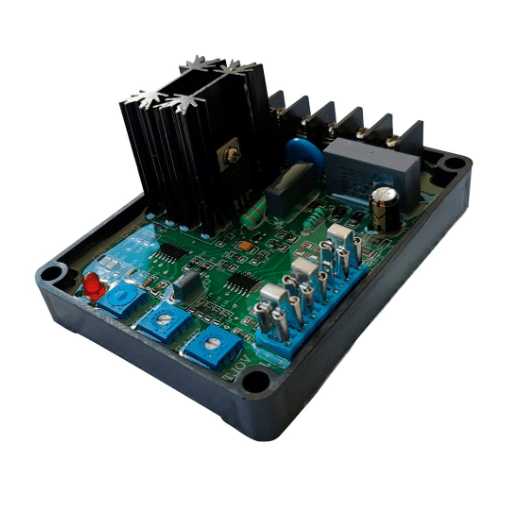
When searching for the parts of a generating set, several issues would affect the choice: low turnover, poor quality, and slow delivery. Low turnover is mostly as a result of irregular demands or supplier problems within the supply chain, which in turn extends the time taken to meet breakdown calls and prevent neurogenic diseases. As such, firms that aim to respond quickly in times of crises should work with more than one supplier and give preference to those that have a history of proven reliability. Another frequent issue customers usually face is quality issues. Specifically, this becomes problematic when products have been sourced from unknown manufacturers which tend to assist in quality deviations such poor quality worn out components or system failures. Addressing this calls for looking for products from suppliers who have been certified for quality taking strict steps towards avoidance of deviation in quality prior to putting the product into use.
Identifying Reliable Suppliers and Ensuring Quality Assurance
In the search for suppliers, the analysis of numerous parameters is carried out. The main factors are how timely the delivery was made, how much the company meets the requirements of industry standards, and what the vendor’s performance has been in the past. Those vendors that have a favorable track record of meeting project timelines and submit complete set of documents such as certificates of conformity and even request for tests shall likely to meet the end user’s operational requirements. Measures such as the number of non-conformances and in time delivering performance percent can be taken as a measure of reliability.
As for the maintenance of air generator parts, delivered any companies must have in place multiple quality control measures. The foremost stage of such quality control efforts is the performance of preliminary assessments at the supplier location to evaluate the supply chain strategies and procedures, and the source of materials in relation to ISO standards or similarly applicable certifications. Notwithstanding the supplies denunciation, the application of random inspection of ending stocks and operational testing makes it easier to identify substandard materials or defective components in due time.
Troubleshooting Common Issues with Alternators and Control Modules
Alternator Issues
When troubleshooting alternators as well as control modules new effective techniques are often essential. Alternators can be a headache mainly due to mechanical, electrical or improper mounting. Worn parts, loose fans or misalignment issues can significantly create a lot of noise or lead to poor power generation thus worn bearings, belts or even misalignment may be of use to a technician who knows exactly how these noises are created. The alternator may present voltage problems, not because of the loaded circuit but because of the auxiliary systems such as misdiagnosis of open compartments owing to faulty diodes or a winding defect. Such physical examination of the parts of an alternator together with checking all electrical parameters using a calibrated meter is the first and most critical step in any diagnosing processes.
Control Module Issues
Conversely, control modules consistently have challenges such as communication errors, software malfunctions, or environmental impacts, particularly steam humidity and temperature. If some limitations in programming or lack of updates for certain systems do not allow these modules to perform their generator management functions well, this will result in cables being in secret locations, equipment being mounted on racks/owl hooting birds and so on. It is advised to confirm the network topology according to the previously referenced sensor information, inspect for circulation interruptions and also digital signal interface tabs common with the monitor’s indicator function. Even if some technologies can be applied to solve a problem by relying on the mature market, it is imperative that such procedures are done through the digitized system to ensure effective coordination within the groups.
Future Trends and Innovations in Generator Technology

The generator industry is currently evolving due to new developments that are designed to improve how efficient, durable and sustainable they are. The trends dominating the industry now revolve around environmentally friendly sources of energy such as hybrid generators that use solar or wind energy alongside mechanical technology so that carbon emissions are decreased. Next, since operational costs are so high, the amount of ready smart solutions used is increasing, for instance, smart grid solutions including advanced monitoring and predictive diagnostics technologies for generators. Finally, advanced battery technologies help to minimize such issues but at the same time to increase the performance of the generator by converting energy stored within the generator.
Emerging Technology
The Role of Smart Control Modules in Modern Generators
The major role that smart control modules play in the operation and adaptation of modern power plants cannot be overemphasized. Their technological design is largely influenced by the use of the latest generation chips and relent software. This in turn makes it possible to measure the performance of a particular generator through online supervision and self-testing capability. They use thorough algorithms in their operations and help to improve handling of the loads and, therefore save on the running costs through only operating when the energy demanded by the end users are fluctuating.
Not only are smart control systems trained in many strategies nowadays, a large number of them has advanced to embrace the Internet of Things hence the ability to check or analyze the performance results on local systems or cloud. This integration will be useful to avert such situations by applying monitoring systems to figure out the most probable defects and thus reduce the earnings loss and expenses on repairs. These modules have invented the beneficiaries as they have friendly user interfaces including extra safety that help in establishing the generator as an intelligent tough health, high-performance, compliant system.
Emerging Technologies: Hybrid Systems and Electrification Trends
In power generation, hybrid generator systems and the trend of electrification has caused a reorientation in the know-how and perspectives of generators. Hybrid systems are composed of traditional well-powered engines along with offsetting electricity from renewable energy or well-storage systems and hybrid also contribute to the reduction in greenhouse gas emissions and also the energy use is more in equilibrium. Systems of these kind are also inclusive of features that optimize energy utilization by enabling the switch from one power source to another in real time as per the load requirement or to the conditions at that point hence reducing the overall activity costs and eliminating the pollutant discharge to the atmosphere.
In addition to the above, the adoption of emission or near-zero emission generators and advanced efficient equipment has increased more with the development of advanced batteries and their integration into the electricity system. Increased use of lithium-ion and solid state batteries with high energy content, durable structured batteries that have a high lifespan and low failure rate, is now applied to the new generation generators. They are revolutionized by technologies such as two-way power transmission and controlled over wides geographic area through internet services. All these are guides that can drive the entire development of state and does not conflict with socio-political roots that place a high demand on energy and resilient components in power production and delivery.
Frequently Asked Questions (FAQs)
Q.
What Are the Key Features to Look for in an Alternator?
While choosing an alternator, take a look at the amount of power it can deliver, its power efficiency, and whether or not it matches the generator in question. Advanced implementations typically include such enhancements aimed at better performance and longevity of the equipment as brushless designs, built-in voltage controls and temperature management systems. It is also wise to check that the alternator complies with SAE ratings and is going to be most useful for the given area of application like industrial or marine activity.
Q.
How Do Control Modules Improve Generator Performance?
Generators behave at the highest performance levels under the management of control modules focusing on how efficiently voltage regulation is maintained, voltage division among the units, and fault-detecting systems. The modules are designated as advanced because they often come with a package of IoT features for instance remote monitoring and diagnostics. This goes a long way in minimizing loss of productivity and permits an uninterrupted access to the operational status of a number of simultaneous systems.
Q.
Why Is Compatibility with SAE Standards Important?
In order to guarantee full compatibility of the alternators with the control modules and generator systems, SAE standards have been developed. These requirements form a rigid framework for the design and development of the control units and even cover the measures to be taken during installation. Where the SAE standards are observed, the control system will work correctly in diverse applications.
Q.
What Are the Benefits of Brushless Alternators?
As an example, it is expected that brushless alternators will have reduced demand for replacement and extended operation compared to the traditional designs for the system. They do not utilize brushes and rings and therefore they were designed to be well-suited for demanding duty cycles with no downtime. Again, they also provide a higher ratio of working power to the energy supplied even in high thermal environmental conditions.
Reference Sources
- [1]
Optimization Approaches and Techniques for Automotive Alternators: Review Study — Link to Source - [2]
A Review of Automatic Voltage Regulation Methods for Synchronous Generator Control — Link to Source