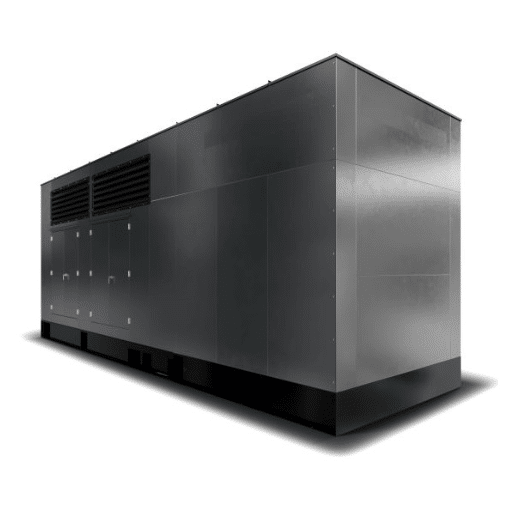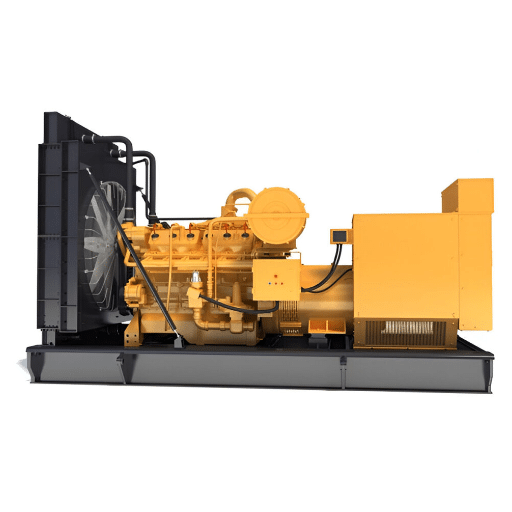

Having reliable power access when time is of the essence in residential and corporate settings is critical. Electric power failures are usually a concern as they result in disrupted power distribution across institutions, and automatic functions can cease — putting lives and operations at risk. What makes safety and control measures so impressive, and how do these parts work concurrently? In this vein, the reader will be provided with an in-depth understanding of the primary constituents that ensure the works of emergency power systems. The key components covered will include power production as well as storage, transfer isolators and faucet, and panel handling equipment. No matter if the reader has to evaluate the systems for their works or is simply interested in using such a system, this guide provides detailed information to make an informed and effective choice.
Introduction to Emergency Power Systems
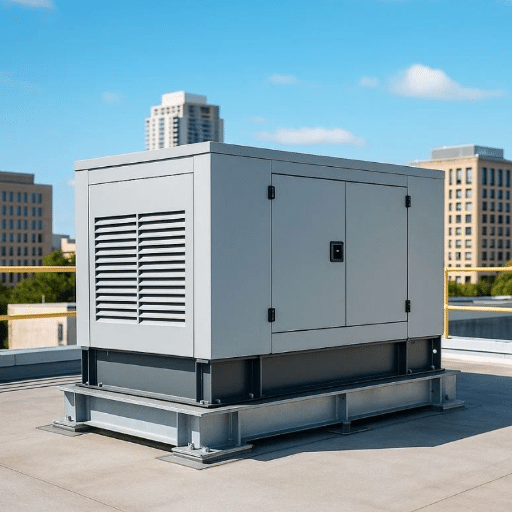
Emergency power systems are important, since their function is to act as a reserve, probably when the primary power supply shuts down. These systems are particularly important because they ensure that essential equipment and facilities do not stop running when power is lost, especially in healthcare, data centers, factories, and other high-risk or high-downtime areas. It can be equipment specifically designed for that task, additional batteries for short-term power support, or an automatic switch installed in the current line enabling perfection in changing power. By introducing all these elements — including energy sources — emergency power systems achieve maximum reliability and almost full uninterrupted service.
Definition and Importance of Emergency Power
In order to avoid outages from causing injury, harm, or loss, it is important for an organization to have an emergency power solution. At the very least, this will involve a secondary source of power which, most of the time, would be a generator designed to operate for long durations. An auxiliary power source, especially a bank of batteries or uninterruptible power supplies (UPS), is attached to the generator so that power can be instantaneously provided as the generating sets synchronize.
Automatic transfer switches (ATS) leap into action the moment a power loss is detected, thereby activating the backup system while minimizing disruption to the current system. In some cases, the displays have tools that service the ongoing systems or connect to the manufacturer’s management system which enables the operator to monitor properly functioning processes and troubleshoot issues to prevent downtime. It is the sum of all these disparate elements that forms an efficient, safe single body ensuring continuous provision — thereby fulfilling safety requirements imposed across different industries.
Importance of Reliable Power During Outages
Power provision is a major concern especially during blackouts because disruption is kept at its minimal levels, safety is ensured, and most importantly, all essential services are intact. Medical services require urgent power which is important for ensuring that machinery required to save lives is operational and that all patients are well maintained. On the other hand, critical systems such as data centers require consistent power supplies so as to avert data loss and maintain digital continuity.
Key Statistic
It is estimated that even for data center facilities alone there is a risk of losing money in the tens of thousands or sometimes hundreds of thousands of dollars every minute there is a loss of their electricity supply.
In addition, in industrial and manufacturing sectors, the availability of electricity curtails potential damages and ascertains that probabilities of financial losses and safety concerns — in terms of product integrity or injury to personnel — do not occur. It can be concluded that back-up power systems are in high demand for the preservation of the economy of modern industries that depend on the supply of energy.
Overview of Emergency Power Supply Systems
Emergency power units are essential facilities designed to ensure the functioning of a facility when there is a power failure. These encompass numerous resources including diesel generators, uninterruptible power supplies (UPS), automatic transfer switches (ATS), and electrical power storage systems — all backed with operational and monitoring systems for seamless power output. Advancements in the technology of emergency power supply systems have improved reliability, efficiency, and growth to cope with the needs of present-day energy demands.
State-of-the-art electric power supply systems use various kinds of fuel such as diesel, natural gas, and alternative energy which allows their use in various circumstances. This flexibility is good for example in state-of-the-art data centers where high levels of redundant systems and recovery-based electricity can restore power during an emergency. In addition, the use of UPS systems with lithium-ion batteries has seen faster response times, increased durability of equipment and a much lower cost required for maintenance compared to classical lead-acid technology.
Integration of the EPSS into everything is highly advanced, and solutions must meet requirements such as NFPA 110. This particular standard is clear specifically in the performance and maintenance of power systems. It is necessary to outline exhaustive guide practices when it comes to EPSS equipment to ensure specific load requirements are met and that emergency power supply functions without fail under natural factors such as hurricane winds. Global demand is anticipated to grow, contributing to reasons why many organisations are focused on capital expenditure towards state-of-the-art EPSS to withstand and deter risks and unforeseen events that will come with changes in the energy sector.
Key Components of an Emergency Power System

- 01
GeneratorA Generator is known to be the main form of backup power which governs the transformation of energy from mechanical to electrical in case of power cuts.
- 02
Automatic Transfer Switch (ATS)An automatic transfer switch, abbreviated as ATS, is employed in order to switch the load from the primary source over to the standby source as soon as the normal power supplies fail.
- 03
Uninterruptible Power Supply (UPS)UPS provides short-term power and voltage support during unsteady conditions before the generator can be activated.
- 04
Fuel Supply SystemThe intricate system incorporates tanks, pipes and pumps to facilitate the provision of a sustainable and adequate fuel feed to the generator.
- 05
Control SystemsThis group monitors and controls the operation of the EPSS and ensures the capacity and speed of response during emergencies.
- 06
Cooling SystemPrevents the generator from overheating and also prevents any critical components from being abnormal when used for a long duration of time.
- 07
Battery SystemPuts the main functions on standby and ensures that the control functions remain active when the power system starts running for the first time.
Generators: Types and Functions
| Type of Generator | Primary Function | Key Parameters |
|---|---|---|
| Diesel Generator | Provides high power efficiency | Reliable, durable, suitable for heavy load |
| Gas Generator | Utilizes natural gas for electricity | Cleaner emissions, cost-effective |
| Solar Generator | Converts solar energy to electrical power | Sustainable, off-grid applications |
| Wind Generator | Generates power from wind energy | Renewable, requires specific location |
| Hydroelectric Generator | Converts water flow to electricity | High output, location-dependent |
| Steam Turbine Generator | Uses steam to rotate turbines | Ideal for power plants, high efficiency |
| Portable Generator | Supplies temporary power during outages | Compact, mobile, limited output |
| Standby Generator | Makes electricity automatically during outages | Automatic start, ideal for emergencies |
| Induction Generator | Produces power from mechanical motion | Simpler design, requires load connection |
| Synchronous Generator | Also called an alternator; ensures constant frequency | High stability, steady power output |
Transfer Switch: Ensuring Seamless Power Transition
In the event of a power failure or irregularity, the switch serves as an electrical series to transfer from one power source to another. It is, hence, a system that facilitates the easy and quick connection of a grid and an emergency generator. The transfer switches are made in two different types: the manual and automatic transfer switch. The manual transfer switch needs to be controlled by an operator in order to shift the power from one source to another, hence they are more suitable in places where the occurrence of power shortage or breakdown is less common. Conversely, automatic transfer switches (ATS) are able to sense the failure of the basic power source and take necessary corrective action — seamlessly changing over to a power backup within a few seconds.
Today, sophisticated transfer switches come incorporated with improved automation and management control systems to achieve maximum effectiveness. For an electric switch unit, advantages like enabling resetting in the event of excess discharge, being steerable from a remote location, and being capable of being integrated with different types of generators are in place. The transfer switch systems are considered necessary for crucial functions, especially within health facilities and the IT sector where there is a requirement for a constant power supply. It is important that the transfer switches are carefully installed and regularly serviced, so that they do their job in an efficient and suitable manner.
Battery Backup: Role in Emergency Power Supply
In any and every formation, backup systems are very important in preventing sudden power interruptions in any circumstance where power is essential. These particular systems have the following functions: they store energy in temporary storage using such technologies as lithium or galvanic cells. There is increased energy capacity in contemporary battery backup systems and reduced charging times; the system is also much more reliable and cost-effective. It is typically used in such critical infrastructure as healthcare centers, data centers, telecommunication networks, and others.
The power that can be provided by a backup battery system is normally expressed in kilowatt-hours (kWh) and stipulates the time for which the system will actually provide power. With the types of innovation witnessed in energy management solutions, there is the possibility of real-time control aspects of load, service management, and predictive maintenance enabling the systems to operate at optimum. Additionally, connecting renewable energy resources especially solar power systems with energy storage services becomes efficient and more environmentally friendly compared to the use of fossil energy. Assurance is given that such systems, provided that they are well maintained, are undisturbed particularly when grid emergency exists, and this ensures that operations are not inhibited and required standards are adhered to.
Types of Emergency Power Solutions

- 1
Generator SystemsThey are devices that work by changing mechanical energy into electrical one, providing backup power when the mains are not available. Normally found in small businesses to large factories, a range of diesel or natural gas generators are used due to their availability and affordability.
- 2
Uninterruptible Power Supply (UPS)These types of UPS systems are the most rapid backup power units which work on batteries or flywheel energy storage. Though they are for short-duration purposes, they are used between when the primary power is affected and before the operation of a generator or any other installed alternative, so that the systems do not go offline.
- 3
Backup Battery SystemsRenewable battery systems are portable, off-grid energy production systems. Batteries that are capable of being recharged wait in readiness and can be quickly activated when the need arises. They feature in applications that are integrated with other renewable sources of energy.
- 4
MicrogridsRecent advances in engine technology have progressed even further by the introduction of systems that can work as grids — Microgrids. They have the ability to combine renewable energy sources besides the generators and battery technologies, giving hope that even less common applications will still find their purchase.
- 5
Automatic Transfer Switches (ATS)Transfer switches are mandatory to make sure that there are no bumps in the changeover from the main supply to the backup supply. Whenever there is a break in the main power supply, these devices will sense it, and after that, they will put the connected load to the generators.
Diesel Generators: Pros and Cons
Diesel generators are commonly used for power generation. This is because they are considered a reliable, fuel-efficient power supply for critical loads such as data centers, medical centers and hazardous industrial sites. Particularly useful is the logistic aspect of diesel engines which burn less fuel for each unit of electricity generated, making them suitable for extended operation periods. Apart from better fuel efficiency characteristics, modern diesel generators are equipped with advanced emissions control systems that comply with existing and foreseen legislative and regulatory requirements.
Advantages
- High fuel efficiency compared to other options
- Reliable and durable for extended operation
- Advanced emissions control in modern models
- Suitable for heavy and critical loads
Disadvantages
- Typically higher initial purchase cost
- Requires regular maintenance and servicing
- Higher greenhouse gas emissions vs. clean energy
- High noise levels requiring sound enclosures
Even with all these annoyances, diesel operated generators keep winning hearts due to relentless hard work and the dependability of the mechanisms enabling their use in a variety of settings and for various applications.
Renewable Energy Sources: Solar Power in Emergencies
Emergency situations have in the recent past turned to solar power as a prime, feasible and most importantly eco-friendly solution. On application of this source, photovoltaic (PV) solar panels have the ability to generate power straight from the sunlight. Unlike diesel engines, solar systems do not emit any amount of greenhouse gases nor require fuel and they can be used all day long.
In emergency cases, the high capacity of accumulation of electrical energy in the battery becomes a key component for the solar power. In view of their inherent efficiency and dependability, lithium-ion batteries are commonly used to capture any surplus energy powered during the day and held for use overnight or when in low light. There are also portable solar kits that are as small as enabling power to be provided for life-supporting machines, handheld radios and lighting — making certain that the fundamental services operate.
Furthermore, there is an increase in use of solar power for microgrids put in place for the purpose of disaster management. Nations having frequent hurricanes or earthquakes are putting solar plant installations in their relief management operations due to the ease of their future expansion without high costs. These systems have alternative sources of power that are decentralised and self-sustaining, unlike the normal grid-based systems, which provides resilient alternatives in situations far away from grid infrastructure.
Energy Storage Systems: Enhancing Reliability
In the deployment of a solar-powered microgrid, a key critical factor is the presence of energy storage systems which are used to provide additional function and guarantee system performance, especially during most risky times such as emergencies. The integration of energy systems with technologies such as batteries has enabled management to expand their focus on storage, with new types of electric energy storage such as lithium-ion and solid state continuing to be improved. The improvements in battery material and design technology have yielded enhanced energy storage.
For example, such technology, composed of lithium-ion batteries, is capable of up to 250 watt-hours per kilogram. This allows for an uninterrupted energy supply for up to several hours in the event of a power failure. In addition, the real time monitoring and control of stored energy has been provided by the improvement of energy management systems, making it easy to maximally use energy from renewable sources. Through the avoidance of fossil fuel-based backup resources, such storage solutions not only cover disruptive events but also provide a much greener disaster response approach which has less reliance on nonrenewable fuels.
Considerations for Emergency Power System Design

- 01
Scalability and CapacityPrior to detailing an emergency power system, every factor concerning the scalability and the capacity of the system involved must be taken into utmost consideration. Systems should be engineered to meet the present power needs while allowing future expansion. This administrative virtue will save the cost of the whole system being redone every now and then to match the increasing power levels.
- 02
Reliability and RedundancyReliability is a prerequisite for effective power supply in times of crisis. Incorporating, for instance, an extra power source or a standby generator will reduce the likelihood of failure and effectively maintain the load even in the worst conditions.
- 03
Integration with Renewable EnergyTo support sustainability in the coming days, it will be good to control assets such that the technology leans toward using renewable energy sources, e.g., solar or wind, within the system. Doing so will not only reduce the utilization of non-renewable energy resources but will also bring into existence a safer and greener energy profile.
- 04
Ease of MaintenanceUse components that are easy to test and understand in order to eliminate unnecessary downtime typically spent on routine services, as well as to re-establish it quickly if a breakdown occurs.
- 05
Compliance with StandardsAdhere to all applicable local, national, and international rules, regulations and conventions with respect to safety, performance and the environment. In view of the above, there will be no clashes and one can be sure that the purpose of the system itself will be realized.
Fuel Quality and Management
Fuel is the primary necessity that power systems will require in order to function efficiently and have a long period of life. Better fuels assist in complete burning, ensure that the engine life is not shortened, and eliminate the risk of the fuel flow lines getting blocked due to impurities or corruption. For the smooth running of the operation, it is necessary to use ASTM or ISO-certified fuel as per the requirements, e.g., ASTM D975 for diesel.
One essential factor to fuel management is proper fuel storage. Tanks must be designed in a way that prevents water from entering the tank, the growth of microorganisms, or the oxygenation of the fuel. Tanks that are double-walled or have secondary containment systems fitted in them can be used in mitigating pollution problems and enhancing the ability of the tanks to operate effectively. This is done using visual inspections and water-staining paste, which is used to check for the level of moisture and remove any that collects water.
Moreover, long-term fuel management requires that fuel be checked for its quality and preserved. Intermittent fuel analysis can be carried out twice a year, which is a standard rule for most organizations. Content of such testing includes checking for contaminants, the amount of water and sediments present, among others. Substances such as anti-microbes and preservative treatment may be injected into the fuel in the tanks, more specifically for those where inactivity is anticipated.
In addition, if correctly implemented, the “first-in, first-out” (FIFO) rotation system will also help in minimizing the over-staying period of fuel stocks in the tanks, should a fuel degradation and outdating problem arise. Such approaches reduce pipeline-blocking operations and supply delays which can sometimes lead to unexpected operational failures.
Life Safety Systems Integration
It is critically essential to embed the incorporation of life safety systems with backup power systems so as to not get breaks in the provision of essential services every time there is a malfunction in the power. Such systems consist of joining fire alarm panels, emergency luminaires, communication devices, automatic fire protection systems, and additional features on the site to standby power systems. This enables administrators to fully operate these systems and hence guests can evacuate; emergency assistance can then be provided effectively.
The efficient operation of safety systems is very much dependent on the existence of emergency power, as suggested by the National Fire Protection Association and/or International Building Code. It is very normative to recommend the guidelines of NFPA 110 because it provides the procedures for emergency power and standby power systems including the safety measures that should be put in place in case of an emergency. With innovation, programmable logic controllers (PLCs) make it possible to simplify the life safety features by allowing automatic transfer switches which can easily shift the power from any source to the other without the risk of a device breakdown.
It is obligatory in the construction framework to establish and maintain quality control measures. Regular system load tests with thorough system diagnosis and checking the interconnections between life safety components and the backup power system are some of the essential procedures aimed at determining the weak points before they emerge as the cause of crises. With the help of a comprehensive integration and maintenance strategy, enterprises should not only meet established standards, but also decrease the probability of harmful incidents during power outages.
Managing Power Outages Effectively

To prioritize effective responses to power outages, facilities have to set up a well defined and immediate emergency power system. The first step is to carry out regular testing and control of the equipment to ensure that it remains functional when needed. This will involve such activities as regularly carrying out load tests on the generators, checking the levels of fuel and confirming the connections of the systems.
The second is to ensure that every aspect of the emergency power system is properly documented and that the records received are complete. This will involve the use of routines such as record keeping including maintaining maintenance logs, observing regulatory and ethical protocols, and developing contingency plans. This shall help in identifying the problem more quickly and ease solving the problem to comply with various acceptable standards.
Train your employees to manage emergency situations including outages, by scheduling occasional rehearsals. The goal of the exercises is to enhance how the staff use alternate systems and who should be contacted in the event of an emergency, to ensure or reduce the downtime of critical activities. Undertake periodic and necessary upgrades of the systems to meet enhanced energy requirements and redundancy provisions.
Preparing for Utility Power Failures
Managing risks related to power losses is critical and takes dedicated risk assessment efforts. Considering the risks and issues encompassed in utility power systems, it is advised to estimate the impact of disturbances on other electric systems established within a given infrastructure territory.
A vital approach involves the provision of Uninterruptible Power Supply (UPS) solutions to deal with short-term disruptions and make a less severe shift to the usage of backup power systems. A properly sized UPS is backed by industry statistics to prevent damage to sensitive equipment due to spikes and surges or sudden power outages that are typically major occurrences in case of utility outages, especially when brownouts are involved. Besides, the current development of energy storage units for renewable power generation like solar batteries provide yet another green solution that is cost effective and practical for generating backup energy in most places.
Maintenance programs for all electrical equipment and especially the provision of servicing to the backup electrical source are very useful in ensuring that equipment is workable when needed. This would entail maintaining proper fuel supplies and conducting load bank tests, making sure there is no interference in the readiness stage by checking the automatic switchover. Studies have shown that organisations that carry out rigorous maintenance procedures experience less breakdowns during crisis situations and as a result get back to their business functions quite quickly.
Strategies for Reliable Power During Emergencies
Implement Robust Redundancy Systems
The implementation of redundancy into power systems helps eliminate the likelihood of complete breakdowns in case of an emergency. This cannot be conveyed as UPS systems alone being enough; they must be complemented by well-serviced backup generators and, if need be, complementary sources of energy. Redundancy helps to achieve full functionality of essential services even if the main power source fails.
Conduct Regular Load Bank Testing
Load bank testing is used to validate how a generator can sustain power and function under actual load conditions. This is a well-coordinated supply, with load bank resistance applied to the output of an electrical source. The recommended standards in the industry suggest that these tests be carried out at least once per year or more frequently in high demand areas.
Automate Power Transfer Mechanisms
Uninterruptible Power Supply (UPS) systems contain Automatic Transfer Switches (ATS). Whenever a power shutdown occurs, the equipment changes or switches to standby power sources. To increase the effectiveness of emergency preparedness, center management must locate the most suitable position for ATS, and make sure it is running the latest update where the effectiveness of the solution can be gauged.
Monitor and Optimize Fuel Management
For any set-up with diesel backup generators, fuel condition and storage should be looked at with attention, as inadequate care might make such a system fail to work. The presence of impurities, water and fuel degradation can lead to the malfunction of the equipment. Preparatory fuel examination as well as suitable filtration and diesel additive deployment will improve the reliability of enterprise power backup solutions and allow equipment to function for long periods in case of a power failure.
Utilize Advanced Monitoring Technology
Real-time monitoring systems detect possible faults in the power system infrastructure as soon as they occur. The systems are assimilated into the structures of sensors and devices functioning as IoT, which serve to measure the performance of the system including stability of voltage and battery temperatures that help in lowering the time needed to respond in emergencies as well as in providing maintenance in advance.
Develop Comprehensive Emergency Protocols
Development of a well-planned emergency power policy ensures that all key players comprehend their place in case of a blackout. This outlines the contours of equipment utilization, the procedures for information sharing, as well as fixed actions responding to given scenarios in blackouts. These measures undergo consistent revision through routine practice and constant training sessions to ensure compliance with these steps.
Such a convergence of methods helps organizations across sectors comply with reliability criteria and embrace the concept of operational resilience. Examination of these measures on a regular basis and unequivocal implementation of power is necessary so as to be able to cope with different challenges and developments in the industry or society.
Frequently Asked Questions
Reference Sources
- 01
Virginia Tech — Measuring and Enhancing the Resilience of Interdependent Power Systems
Read more here - 02
Academia.edu — Portable Solar Photovoltaic Systems for Post-Disaster Emergency Power Supply
Read more here