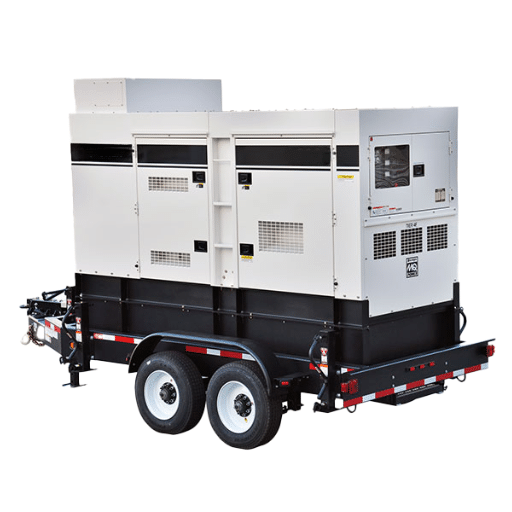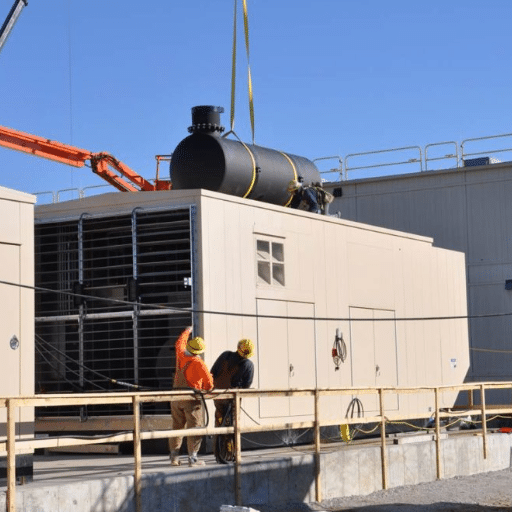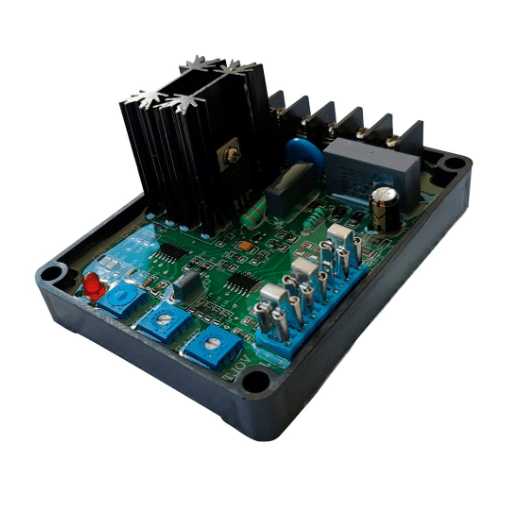

When engineering power continuity and framework stability in critical facilities, an intrinsic part of any backup system is an Automatic Transfer Switch (ATS). This unsung but highly necessary tool allows for smooth switchover between the primary power and a spare generator whenever there arise power interruptions or a side power system fails. However, how does it operate and what components are fully operational for such operation? The facility managers, the engineers and everyone interested in operational reliability need to know how it is built and how it works. This post proceeds to explain the basics of the ATS components, analyzing each of them with regard to the position, link and the potential consequences of not performing maintenance. And on completion, you will have learned the reasons why these are necessary as well as the role which they play in the security of mission development environments.
Fundamentals of Automatic Transfer Switches

A component that an ATS means Automatic Transfer Switch device and it is designed to be automatic. It allows the safe switching or transition of AC power and when a sudden interruption of said power happens, or in the event of a generator breakdown, the ATS comes in so as to ensure that no applications are denied electricity for however much duration. The basic function of the ATS is that it automatically performs the process of transferring power to another source when the chosen power source fails and then transfers back to the mains upon the resumption of power. The following reasons may justify it importance in places such as hospitals, data centers, industrial centers among others.
Core Components of an ATS
-
1
Control Panel
Within the enclosure, this is a subunit that collects sensor-based stimuli and gives a command so that the switching phenomenon occurs. Current panels have digital displays within them and programmable logic controllers (PLCs) for customizable settings and improved dexterity in control facilities. -
2
Power Switching Device
This electrical equipment carries the facilitating device for transfer of the auto-changeover mechanism by means of electro-mechanical relays or solid-state relays. This is a device that is capable of carrying out high electrical currents and safely handling capacitors. -
3
Voltage Sensing Relay
Voltage-sensing capability is employed by the voltage-sensing devices to continuously monitor the given parameters of the primary power source. In practice, these devices also detect specifics of automatic changeover problems, e.g., voltage sags of voltage variations, fault of power supply, etc., hence causing the backup source to supply power. -
4
Engine Start Circuit
In cases where the generator is available to the system, this connection is established to start the generator at the instant it regards the loss of primary power. It will enable the standby source in case of stabilization to the load as fast as possible. -
5
Transfer Mechanism
This is the mechanical or electronic mechanism that accomplishes the electrical load transfer. In particular, there are two kinds of anything changeover devices; the open transition (break-before-make) and the closed transition (make-before-break) depending on the downtime allowance of the system. -
6
Protective Devices
The protection devices in ATS include devices like fuses, circuit breakers, and surge suppressors which help in preventing damage to other equipment connected to the ATS.
The Importance of ATS in Emergency Systems
An integral component in the power generation field, a so called Automatic Transfer Switches (ATS) which helps to activate power systems, especially that of emergencies and stop any kind of disruption is a device referred to in the previous sentence that is designed to automatically detect a power interruption with the primary source of power and transfer the power support to that of generator or auxiliary power without the need for human intervention. This technology is particularly important in industrial situations where no power interruption can be entertained such as data centers, hospitals, industrial power systems and emergency response.
In accordance with the evolving technical requirements and standards, advanced Automatic Transfer Switches today are integrated with better monitoring and control features so as to heighten the reliability and effectiveness of the said systems. This ensures that the transfer will be safe by continuously. They also have configurable features making it possible to adjust the response time and the order in which loads are connected while at the same time taking into account limitations of the system. They also ensure compliance with safety codes such as the NFPA 110 standards, which show the relevance of an ATS in protection against electric disruptions of important processes.
Common Types of Automatic Transfer Switches
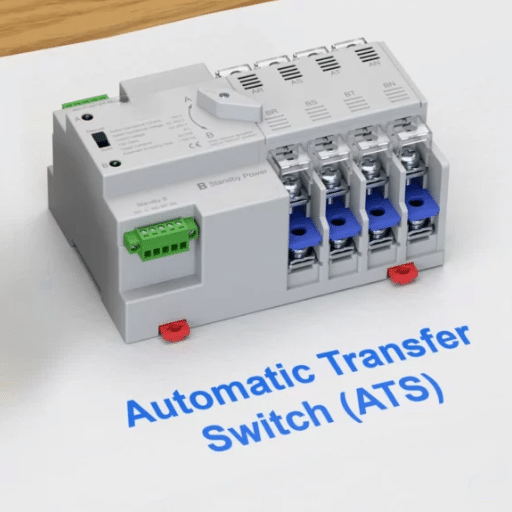
There are three main types of the Automatic Transfer Switch (ATS) according to its design and type of application.
As the casts are being put through an optimization choice, beyond other factors, system architecture, the expanse of the load that facilitates the activity, and servicing are taken into account to specify the form.
Open Transition ATS
An Open Transition Automatic Transfer Switch (ATS) is one that operates by opening the load from the power source momentarily to effect the transfer. Such a momentary opening usually occurs within a few milliseconds while the switch is transitioning from the civilian power supply to the second remote container of the power source. Open Transfer ATS are mainly found in systems where patients’ need of supplies is minimal and any longer client work is okay which does not interrupt the operations soling such acquired devices.
Open transition autophagy can control electricity flows and remains safe and sufficiently simple in financial terms. Just a few lesser-known firm variants are integrated and this includes the functionality of modern control systems that can make a changeover only under preset conditions such as voltage and frequency limits. Moreover, such intelligent relaying shall improve the quality of power operations and can be enhanced with many features including system status monitoring or communication capacity that allows operators to check on the set up of the system remotely. It is very useful in some sectors such as manufacturing, facility operations, and such small datacenters.
Closed Transition ATS
The closed-transition automatic transfer switches (ATS) offer the possibility of smooth switching by simultaneously linking the utility and generator sources. This approach allows for the reduction of overvoltages and ensures that power supply is not stopped even for a moment. These devices are taken a step further by incorporating complex algorithms for synchronizing the phase angle, voltage and frequency in order to ensure the accurate positioning of the two power supplies before the transfer is carried out.
It is now possible to say that with the current progress in development of ATS closed transition systems, such a transition system can easily be managed without much effort and time. This is because there has been the integration of enhanced digital controls and on-board diagnostic tools that facilitate features that can provide real time data and analysis. It also empowers the engineers to spot any potential problems sooner rather than later, as these will be known to present themselves without warning. Furthermore, present day systems realize the connection with grid management protocols, which is very crucial for microgrid and distributed energy resource (DER) applications.
Bypass-Isolation ATS
By including a bypass mechanism in addition to the isolation features, a bypass isolation automatic transfer switch (bypass isolation ATS) is expected to improve the reliability and serviceability of the switching equipment operated through the bypass. With this setup in place, it is easier for maintenance or testing work to be done on the equipment without the risk of power disruptions to the load. Today’s designs of the bypass isolation ATS include functionalities such as multiple switching devices, advanced diagnostics as well as the ability to be remotely accessed.
Performance specifications that render the suitability of these systems very high include very low time constant time, very high rate of failure acceptance and interacting with a very large set of power systems, among others. Furthermore, other aspects of service such as real-time fault analysis and condition-based checking improve the effective utilization of the system and minimizes idle time through proactive maintenance practices. These enhanced possibilities therefore position Bypass Isolation ATS units as an inevitable component for employment in data centers, hospitals, industrial estates where constant power is a must.
Applications of ATS in Various Settings

-
⚡Healthcare Facilities
ATS in hospitals is apparent as the essential systems lockdown is significantly decreased during power shortages in a hospital or clinic. -
💻Data Centers
Used to provide an uninterruptible power supply to the servers and communication systems while preventing power failures thereby protecting the data and operational pathway from being compromised. -
⚙Industrial Operations
ATS serves specifically for power support for manufacturing equipment. It limits any disturbance while operating the equipment and also ensures safety while operating in a production facility with automated equipment. -
🏠Residential Complexes
In upscale residential constructions, the use of ATS supplies people with electricity in the event of a power failure hence simplifying their lives as well as giving them an additional layer of security. -
🏛Public Infrastructure
Essential services such as transportation, water and waste management and communication are supported by the ATS. The availability of electricity cannot rely on one power source especially during interruptions.
ATS in Commercial Buildings
During times of power interruptions in commercial buildings, it is important that there are Automatic Transfer Switches (ATS) that will take over the power supply. The transfer switches are so designed to detect loss of power and connect the facility’s generator or any other alternative power source within no time as such reducing the length of time the operational activities are brought to a halt. An excellent example of such condition is the facility housing data centers. Trade squares, healthcare centers and places for business such as banks are also in this category. Any momentary power failure may lead to huge financial losses or even accidents due to loss of data or wrong actions executed during transfers.
Modern ATS is equipped with up-to-date facilities like several applications of real-time monitoring, working on a remote basis, self-diagnostics, thus ensuring high depending less for either competence or parts availability to the machine. For example, in large commercial buildings, ATS systems are usually compatible with power management devices to improve the frequency and capacity of load sharing thereby avoiding over loading at the time of switching the loads. Such systems have been instrumental in bringing downtime recovery time significantly down as per the market and providing an electrical solution that can be counted on throughout the operation to enhance business.
ATS for Industrial Use
For the effective operation of most industries, an Automatic Transfer Switch (ATS) is crucial since it assures smooth electricity transfer between various sources and keeps the systems running in cases of a power cut. When it comes to industrial environments for power systems, industries such as manufacturing sites, data centres and infrastructure tend to have high-capacity technology like the ATS that can cater to high loads. These new technologies are proving that ATS is more reactive, reliable and quicker in switching power, making the older designs outdated.
Moreover, Supervisory Control and Data Acquisition (SCADA) systems and ATS technologies cooperate in many cases, hence SCADA systems integrate ATS systems to provide functional, real-time monitoring and analytics which allows operators to actively manage energy and system performance. Emerging advancements like predictive maintenance algorithms adoption with the aim of increasing uptime are an enormous plus, as they allow to detect possible failures before they occur. In the industrial background, it is said that the use of Automatic Transfer Switches can improve efficiency by about 40%, providing not only assurances of reliability but also providing definite monetary benefits in the long run.
40%
Efficiency improvement reported with ATS use in industrial environments
Residential ATS Solutions
Automatic Transfer Switch systems designated for residential use come handy in the sense that they are intended to provide the owners uninterrupted operation of their household equipment during power interruptions. Nowadays, the latest automatic residential transfer switches use built-in microcontroller technology to sense changes in voltage and shift over to alternative power sources – generators or battery standby systems – in such cases as few milliseconds. These modern devices are customized for including smart homes such that an individual can use a computer or a downloaded app to keep track and control the energy consumed via the numerous appliances.
For example, research evidence has illustrated that advanced ATS are responsible for curtailing service breaks by at least 90% during crises in turn increasing the level of safety and customer convenience. This is further enhanced by incorporation of load management that harmonizes the distribution of energy to prevent transmission wastage-induced faults and expand the lifespan of the backup equipment. These improvements have been seen as a fundamental requirement for commencing a program of enhancement for the tapping of energy to enable handling the problems that come with the instability of the grid.
Common Maintenance Issues and Safety Considerations

⚠ Maintenance Alert: It is not uncommon for Automatic Transfer Switches (ATS) to develop functionality problems due to wear and tear in mechanics, corrosion in electrical contacts, and faults in programs. With continuous use, the circulation of electric current through contactors also contributes in wearing out the same contactors which may sometimes lead to circuit breaking failure. With the ATS enclosed in a dusty and poorly-ventilated environment, the problem is further compounded because heat is generated which interferes with the operation of the ATS which may create a hazard to health and life from overheat-related injuries.
It can also be observed from a safety standpoint that one has to ensure suitable grounding of the Automatic Transfer Switch. Misgrounding the system could possibly result in the presence of dangerous voltages and hence electric shock. It is mandatory to conduct regular inspections in order to mitigate these problems caused by wire connections, software or rusting. Furthermore, it is necessary to carry out a functional test of the transfer switch under load to see if a long term switch operation is possible without failure during the failover of any of the buses of the critical system.
Routine Inspection and Testing of ATS
Periodic maintenance and checks at the mandatory level for Automatic Transfer Switches (ATS) are not adequately pursued. As per the norms provided in the relevant standards, there should be a survey and assessment of the main parts of the ATS including contactors, control cubicles, and wiring systems. Appropriate use of grease and gum petroleum jelly, any component in the machine and most definitely its electrical contacts maintenance will save you much trouble due to give in relation to wearing out of materials due to friction and oxidation.
The current generation of sophisticated diagnostic tools enables healthcare professionals to measure voltage, frequency, and transfer timing in real time, which are key basic requirements for observing the efficiency of the ATS. Thus, for example, in the case of a power cut, it greatly contributes to avoiding delay and hold on to the power as transfer time should be between 1 to 3 seconds. Also, the system at a bare minimum should be tested at full load using fully automatic procedures, including context simulations, at least once every quarter in order to ascertain its ability to meet full power discharge without issues.
It is imperative to upgrade the current firmware versions and refresh the control logic when needed. Not undergoing any updates might make safety-critical software, like ATS applications and security, vulnerable to a number of threats and functionality for the system. Enhancing software and gadgets also entails that maintenance services are well structured to avoid confusion and enhance compliance with such standards as NFPA 110 and IEEE 1547 while ensuring that the systems’ utility is prolonged.
Common Problems with ATS
Automatic transfer made possible by Automatic Transfer Switches (ATS) during power failure is a very essential service that is required for many organizations as well as residential areas. In certain situations, these elements can be rendered ineffective if they are not installed or if they are in bad condition. One of the abnormalities that occurs in many applications is the wearing away of contacts and pitting due to frequent switching, which can cause them to be closed or contact electrodes to adhere such that the contact resistance increases as the system eventually fails.
In addition, the incorrect settings of the switching of the two sources can cause delays extending or even intentionally adding interruptions to the sensitive loads switching process. The other additional problems can be the electrical defects such as phase imbalance, voltage surge and short circuiting attributed to insulation and age of the materials in the system which warrants electrical diagnostic testing on regular basis. Improvement in the technology used in Automatic Transfer Switch monitoring is also expected to contribute towards diagnosing and solving the problems that are experienced in the early stages of the faults and as a result increase the power systems performance more times.
Safety Precautions During ATS Maintenance
Given the potential hazards and threats that accompany the performance of maintenance, it is necessary to always follow the required safety protocols. While commencing the inspection and testing of any equipment, the need to have the Automatic Transfer Switch disconnected from the power supply should be satisfied in order to prevent any electric shocks. Besides, it is quite important that the safety measures known as lockout/tagout (LOTO) are applied to isolate the sources of energy and ensure there is no chance of sudden power revival.
It is advisable any time before or immediately after a recharge is done, technicians check parts such as hot clothing line and gloves and then wear them before anything else. Especially, before any job in equipment maintenance is started a safety check of the machine which helps to identify danger zones caused by compressors, live parts, gears, and so on. Following the manufacturers’ guidelines and the National Electric Code (NEC) is essential whenever system apparatus is kept in good condition.
In addition, avoid unknowingly switching loads by scheduling facility personnel for downtime and ensuring communications are clear. Tools such as thermal imaging cameras, an advanced form of a viscometer, are also very useful in detecting problems which cannot be examined with a regular flashlight energy. Inspections and repairs need to be documented professionally, for inspection, repairs, reports, and other documents to be included in master data and all regulatory institutions. This requires adherence to the specific culture of maintenance which supports the achievement of the objectives while minimizing risk to life or property in the course of the work or using critical assets.
Selecting the Right ATS for Your Needs
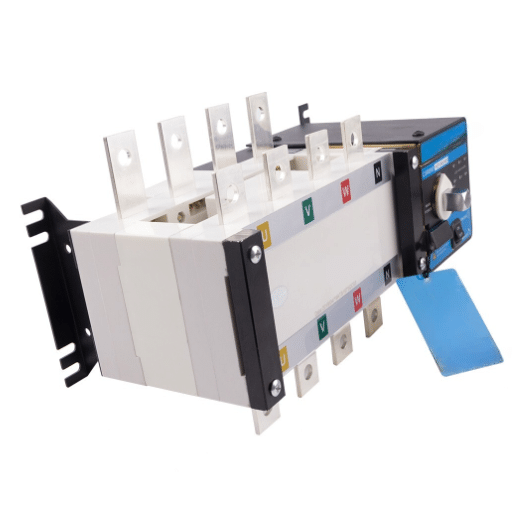
While applying an Auto Transfer Switch (ATS), the main are the load requirements, the power system compatibility and the operational requirements. Determine the maximum load that the ATS should safely handle. Ensure that this is either the total demand or more than that of the system. Determining the extent to which an ATS fits the purpose it was built and whether it can be used with a generator and a utility line is also necessary. It is also important to decide which type of transfer – whether open, closed or soft transfer can be more useful considering such factors as the operational priorities of a facility, specifically, the reliability of a power system and the downtime. Make sure you consult the data from the manufacturer while complying with the standards in place and take one that is sure to be of quality and complies with each detail.
Assessing Power Requirements
To pick out the most suitable Automatic Transfer Switch (ATS), the initial step is to identify the total demand for power in the building. This means getting a breakdown of both the critical as well as the non-critical loads so as to ensure smooth operations during transition of power. The first thing you should do is to work out the total kilowatt (kW) or kilovolt-ampere (kVA) rating of the plant and machinery in view of peak demand and any future growth. Doing this allows the load to be shared uniformly by the ATS without it getting strained.
Apart from that, anyone working on a particular electrical system, needs to know its voltage, phase and frequency to ensure that they are standard to the ATS and other sources of power. For establishments with sensitive electronic equipment and devices, it is worth examining the power shifting mode used in the ATS to avoid such disruptions whenever there are power transfers. The use of strategies of prioritizing loads is also a useful tool that enables the ATS to power the critical systems first in case of power interruptions.
To enhance the operational efficiency of the ATS, the following activities need to be assessed: the power factor that the switch can control, and whether its design has the capability to support inrush currents of the connected equipment appropriately, especially in environments where loads are comprised of motors like HVAC applications. Additionally, the capacity of the facility to operate distortion free also has an impact on the use of harmonic distortion analysis. Technical assessments are essential as they guarantee the reliable working of the ATS, relate to the needs of your facility’s work as well as security restrictions.
Understanding Different ATS Types
| ATS Type | Key Features | Applications | Advantages | Disadvantages |
|---|---|---|---|---|
| Open Transition | Break before make operation | General electrical loads | ✓ Simple design, cost-effective | ✗ Brief interruption in power |
| Closed Transition | Make before break operation | Critical power systems | ✓ No power interruption | ✗ Complex design, higher cost |
| Soft Load | Load sharing during transfer | Parallel generator systems | ✓ Efficient load management | ✗ Sophisticated control required |
| Static Transfer Switch | Uses solid-state components | High-speed critical loads | ✓ Fast transfer speed | ✗ Limited to specific loads |
| Bypass/Isolation | Includes maintenance bypass feature | Redundant backup systems | ✓ Easy maintenance, high reliability | ✗ Bulky and expensive |
Consulting with Professionals for Installation
To guarantee the best working conditions for the power supply, when installing the Automatic Transfer Switch (ATS), it is essential to interact with professionals familiar with the matter. The industry experts provide professional help in the design, configuration, adherence and compliance with the existing electric norms, including the National Electrical Code (NEC) and local regulations. This helps them apply methods to calculate the loads, solve the problems of structure adaptation to generate power and electricity and define the best automatic serving devices, which can be an open, closed, or static transfer switch.
Professionals also analyze aspects such as electrical supply, power quality requirements, and potential risk factors for each site. They identify and integrate novo technology and diagnostic/monitoring solutions for capacity optimization. In addition, they purpose that there is double faulting of ATS configuration, certifying proper earthing design and that power line conditioners are placed at the back backbone of the circuit breakers’ output. Most importantly, companies with the help of such officials can earn zero downtimes and system damage and increase installation life. Professionals today are best suited to assist with issues relating to secure working on an adjusted power and can thereby provide safety for all workers involved, avoid some building functions that may recur, and contain capital expenditure on most equipments that are provisioned for.
Reference Sources
Design and Development of Automatic Transfer Switch System, Energy Saving Emergency Panel
Design and Implementation of an Automatic Transfer Switch (ATS) Based Cloud Computing System for an Industrial Company