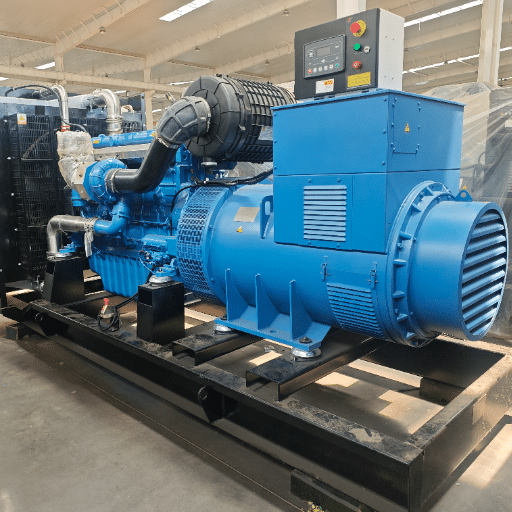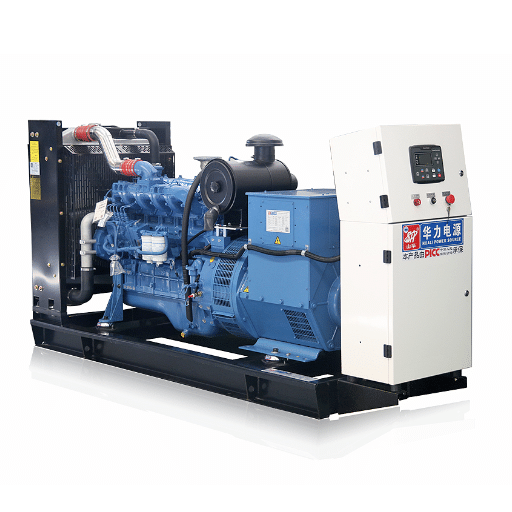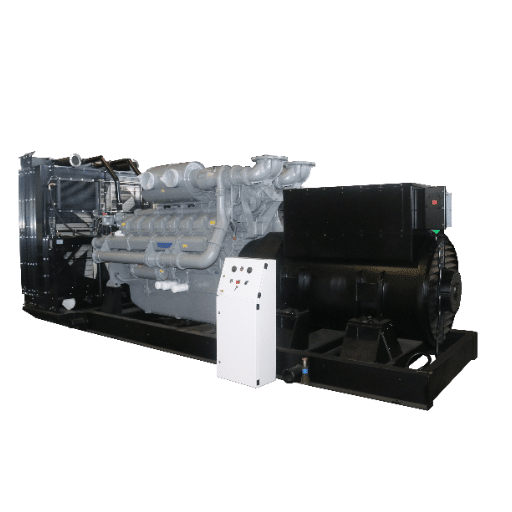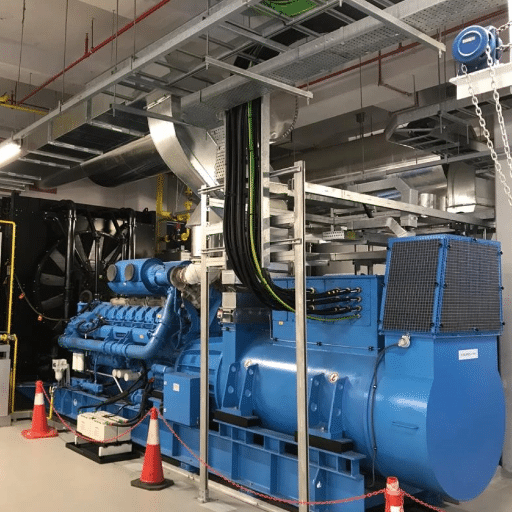


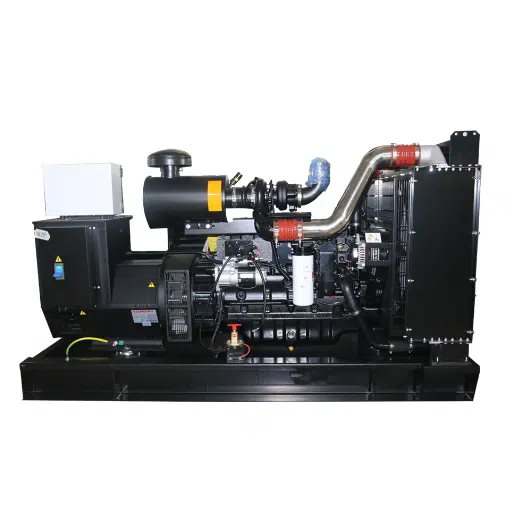
Um gerador industrial bicombustível é um sistema de energia que pode operar com diesel ou gás natural de forma independente, permitindo que os operadores alternem entre os combustíveis com base na disponibilidade, preço ou requisitos de emissões. O verdadeiro sistema de gerador industrial bicombustível opera com um combustível de cada vez para produzir energia, o que permite aos usuários operar o sistema sem precisar lidar com as dificuldades presentes na combustão mista.
Mas eis o que a maioria dos compradores industriais não percebe. O termo "combustível duplo" é usado indistintamente no mercado para descrever duas tecnologias completamente diferentes. Um gerente de instalações na Califórnia especificou geradores bicombustíveis para a expansão de um data center, acreditando que eles se qualificavam para incentivos estaduais de emissões. As unidades chegaram, foram instaladas e passaram pela fase de comissionamento. Então, o pedido de incentivo foi negado. Bicombustível (combustão simultânea de diesel e gás) e combustível duplo (comutável) têm caminhos de certificação diferentes sob a CARB (California Air Resources Board). O mal-entendido acrescentou US$ 45,000 a um projeto que já estava com orçamento limitado.
Este guia explica a tecnologia de geradores industriais bicombustíveis sob a perspectiva de um fabricante que produz grupos geradores com configurações a diesel, gás natural e bicombustíveis. Vamos esclarecer a tecnologia, analisar quando ela faz sentido economicamente, comparar os principais fabricantes e mostrar como avaliar sistemas bicombustíveis para sua aplicação específica.
Para obter detalhes técnicos aprofundados sobre as especificações do gerador a gás natural, consulte nosso guia de geradores a gás natural.
Principais lições
- A gerador industrial de combustível duplo Funciona com diesel or O gás natural (comutável) e o combustível duplo (bifuel) queimam ambos simultaneamente — a distinção é importante para certificações e aplicações.
- O mercado de geradores bicombustíveis atingiu aproximadamente 950 milhões em 2026*** e a previsão é de crescimento para***950millioo2026**andisprojectedtogrowto**1.3 a 2.0 bilhões até 2030 com uma taxa de crescimento anual composta (CAGR) de 8.8 a 12%.
- Sistemas de combustível duplo custam 15-30% a mais de entrada do que unidades somente a diesel, mas oferecem proteção contra a variação do preço do combustível e Redução de NOx de 20 a 40% quando funcionando com gás natural.
- Centros de dados, instalações de saúde e fábricas. Essas são as principais aplicações industriais onde os geradores bicombustíveis oferecem o maior retorno sobre o investimento.
- Modo de gás normalmente reduz a potência de saída em 5-10% Em comparação com o modo diesel, dimensione seu sistema de acordo.
- Para aplicações de missão crítica, especifique sistemas de combustível duplo fabricados em fábricaAs conversões de adaptação funcionam melhor para potência primária de longa duração em motores em boas condições.
O que é um gerador industrial bicombustível?

Combustível duplo versus combustível duplo: a distinção crucial
O erro mais caro na aquisição de veículos bicombustíveis é confundir bicombustível com combustível duplo. Esses termos não são intercambiáveis, e a diferença entre eles determina a conformidade com as normas de emissões, a cobertura da garantia e a capacidade operacional.
Um gerador industrial bicombustível possui dois sistemas de combustível independentes. O motor funciona com diesel ou gás natural, mas nunca com ambos simultaneamente. Um operador ou controlador automático seleciona o combustível ativo. O motor é otimizado para um ou outro combustível, com ajustes de calibração e temporização gerenciados pelo sistema de controle durante a troca entre eles.
Um gerador bicombustível queima diesel e gás natural simultaneamente. O diesel serve como combustível piloto (tipicamente 20-30% da energia total) para inflamar a carga de gás natural. Os dois combustíveis se misturam na câmara de combustão. Isso exige componentes de motor diferentes, certificação de emissões distinta e lógica de controle diferente.
Por que isso importa? Porque os órgãos reguladores os tratam de forma diferente. A certificação EPA Tier 4 Final para sistemas bicombustíveis segue um processo distinto do de sistemas bicombustíveis comutáveis. Os incentivos da CARB na Califórnia se aplicam a certas configurações, mas não a outras. Se o seu projeto exigir certificação de emissões específica ou elegibilidade para incentivos, a distinção entre bicombustível e combustível duplo não é meramente teórica — é contratual.
Como funciona a tecnologia de combustível duplo
Um gerador industrial bicombustível começa com uma plataforma de motor a diesel. O fabricante ou integrador OEM adiciona um sistema de alimentação a gás natural, incluindo reguladores, filtros e válvulas de corte. Um sistema de admissão de gás injeta gás natural no fluxo de ar de admissão quando o modo a gás é selecionado.
O sistema de controle gerencia a transição. Os modernos grupos geradores bicombustíveis utilizam controladores como ComAp, DSE (Deep Sea Electronics) ou Caterpillar ADEM para monitorar os parâmetros do motor e executar as mudanças de combustível. A configuração do controle, juntamente com os requisitos da aplicação, determina se o sistema fará a transição por meio de métodos manuais ou processos automatizados.
O gerador produz energia através de um sistema a diesel, como um gerador a diesel típico. O sistema de injeção de diesel opera em modo piloto, sendo desativado no modo a gás para permitir que o gás natural funcione como combustível principal. O motor requer operação bicombustível porque sua taxa de compressão, sistema de turbocompressão e sistema de arrefecimento precisam funcionar com ambos os combustíveis. Motores bicombustíveis fabricados em série oferecem melhor desempenho do que conversões feitas posteriormente em aplicações críticas.
Faixa de potência e configurações
Os geradores industriais bicombustíveis abrangem um amplo espectro de potência. Os sistemas fabricados em série pela Caterpillar, Cummins e Wärtsilä variam de aproximadamente 500 kW a mais de 3,000 kW. Os fabricantes de equipamentos originais (OEMs) podem configurar sistemas bicombustíveis personalizados na faixa de 100 kW a 2,000 kW, utilizando motores da Cummins, Perkins e Deutz com kits de admissão de gás integrados.
As duas principais abordagens de configuração são:
- Motor bicombustível fabricado em fábricaMotor projetado na fábrica para operação com combustível duplo. Ambos os sistemas de combustível são integrados à plataforma do motor. A garantia cobre a operação com combustível duplo. Preferencial para aplicações críticas de reserva e geração de energia principal.
- Conversão de retrofitSistema de admissão de gás pós-venda adicionado a um motor diesel existente. Mais econômico, porém requer uma avaliação cuidadosa das condições do motor. Mais adequado para aplicações de potência contínua com longa duração, onde o motor ainda possui uma vida útil significativa.
Mercado de geradores industriais de combustível duplo em 2026
Tamanho e crescimento do mercado
A ReportCubes estima que o mercado global de geradores bicombustíveis para 2026 será de aproximadamente 950 milhões de unidades. A pesquisa da ReportCubes mostra que o mercado atingirá 950 milhões de unidades até 2026. Projeta-se que o mercado alcance um valor entre 1.3 bilhão e 2.0 bilhões de unidades até 2030, o que resultará em uma taxa de crescimento anual entre 8.8% e 12%. A Maximize Market Research prevê uma trajetória ainda mais agressiva, com o mercado atingindo 1.06 bilhão de unidades até 2032, partindo de uma base de 294.7 milhões em 2025.
A configuração gás natural-diesel detém a maior participação de mercado, com aproximadamente 38.6% do mercado total de veículos bicombustíveis. O mercado de veículos bicombustíveis na América do Norte e na Europa atinge seu pico devido à infraestrutura de gasodutos existente nessas regiões, juntamente com sistemas de reserva a diesel que garantem confiabilidade durante interrupções no fornecimento de gás.
Principais fatores de crescimento
Diversos fatores estão acelerando a adoção de combustíveis duplos nos mercados industriais:
O principal fator que impulsiona os padrões de emissões precisa ser eliminado. A combinação dos padrões EPA Tier 4 Final e EU Stage V gerou custos operacionais mais altos para sistemas puramente a diesel. A combustão de gás natural produz de 20 a 40% menos NOx e gera emissões reduzidas de material particulado em comparação com o diesel. O sistema bicombustível permite que os operadores usem gás para suas operações principais e alternem para diesel em situações de emergência.
As variações nos preços dos combustíveis criam desafios econômicos que exigem soluções flexíveis. A América do Norte tem experimentado preços de gás natural mais baixos e estáveis em comparação com o diesel, que utiliza a medição por unidade de energia. O sistema sofre dois tipos de violações que resultam em aumentos abruptos de preços e interrupções no fornecimento de gás natural. O sistema de combustível duplo protege contra a inviabilidade econômica de ambos os combustíveis se tornarem inviáveis.
A expansão de data centers é uma importante fonte de demanda. Data centers de hiperescala exigem redundância N+1 ou N+2 com energia de reserva de inicialização rápida. As novas instalações em áreas com restrições de emissões requerem sistemas de combustível duplo ou sistemas a gás natural, pois precisam atender aos requisitos ambientais, enquanto os sistemas a diesel fornecem energia constante.
A necessidade de sistemas de energia de reserva surge de problemas contínuos de fornecimento de energia. Os setores industriais sofrem interrupções mais frequentes devido a condições climáticas extremas, sistemas obsoletos e fontes de energia renováveis irregulares. Organizações que enfrentam períodos de inatividade do sistema investem em sistemas de reserva avançados, que incluem a opção de utilizar fontes de energia de combustível duplo.
Tendências regionais
A América do Norte lidera o mercado de geradores bicombustíveis com aproximadamente 34.8% de participação global. Os Estados Unidos se beneficiam de uma extensa infraestrutura de gasodutos, preços favoráveis do gás natural e exigências rigorosas de emissões em estados como Califórnia e Nova York, o que torna cada vez mais difícil a obtenção de licenças para geradores a diesel de reserva.
A região Ásia-Pacífico é a que apresenta o crescimento mais rápido. As exigências de conversão para diesel em áreas metropolitanas na Índia e as metas de redução de emissões industriais na China estão impulsionando os fabricantes a adotarem sistemas bicombustíveis e híbridos a gás e diesel. Os fabricantes chineses de equipamentos originais (OEMs) estão respondendo com um portfólio crescente de grupos geradores bicombustíveis para os mercados interno e de exportação.
A Europa mantém uma demanda estável, impulsionada pelos requisitos de conformidade com a Fase V da diretiva da UE e pelos compromissos de redução de carbono. O Oriente Médio e a África representam mercados emergentes onde os sistemas de combustível duplo permitem que os operadores utilizem gás natural disponível localmente ou gás associado ao petróleo proveniente da produção de petróleo.
Vantagens e desvantagens dos geradores industriais de combustível duplo

Vantagens
A primeira vantagem que se destaca claramente entre a flexibilidade de combustível e a proteção contra oscilações de preços é que os operadores obtêm suas maiores economias de combustível quando os preços do gás natural atingem seus níveis ideais. O sistema mantém a operação por meio de geradores a diesel durante períodos de escassez de gás ou aumentos repentinos de preços. O sistema permite eficiência operacional em momentos em que os preços da energia sofrem flutuações imprevisíveis.
A tecnologia produz emissões reduzidas em comparação com o diesel. A operação com gás natural resulta em uma redução de 20 a 40% nas emissões de NOx, eliminando completamente o material particulado. Essa redução de emissões estabelece um requisito crucial para instalações que operam em zonas de não conformidade ou que buscam metas de sustentabilidade corporativa.
A capacidade de operar mesmo em períodos de escassez de combustível proporciona uma vantagem de resiliência que os sistemas puramente a gás natural não oferecem. Um hospital que utiliza gás natural como gerador torna-se vulnerável quando um terremoto ou uma tempestade de inverno danifica seu gasoduto. O sistema de combustível duplo opera com armazenamento de combustível no local e alterna para o diesel.
O sistema utiliza redundância a diesel para operar em ambas as direções. O gerador funciona com diesel quando o sistema de gás natural necessita de manutenção. O sistema permite a operação com gás natural para manter o motor e o alternador em condições operacionais, sem a necessidade de usar diesel durante longos períodos de armazenamento de combustível, que criariam um problema de armazenamento para geradores de reserva.
Os custos operacionais diminuem quando os preços do gás caem significativamente abaixo dos preços do diesel, que oferece o mesmo valor energético. Na última década, os preços do gás natural industrial nos Estados Unidos mantiveram uma vantagem de 30 a 50% em relação aos seus equivalentes em diesel. Essa diferença permite que aplicações com longos períodos de operação alcancem economias consideráveis.
Desvantagens
O principal obstáculo é o custo inicial mais elevado . Os sistemas bicombustíveis fabricados em série geralmente custam de 15% a 30% a mais do que unidades equivalentes movidas apenas a diesel. Esse valor adicional cobre os componentes extras do sistema de combustível, o sistema de controle de modo duplo, a certificação de emissões para ambos os combustíveis e os testes de fábrica para ambos os combustíveis.
A manutenção é mais complexa porque o sistema possui dois sistemas de combustível completos, dois conjuntos de filtros e lógica de controle adicional. Os técnicos de manutenção precisam de treinamento em diagnóstico de sistemas a diesel e a gás. Os intervalos de serviço podem variar de acordo com o modo de combustível.
Os requisitos de infraestrutura de gás natural limitam as situações em que o sistema bicombustível faz sentido. A instalação precisa de um gasoduto com pressão e capacidade adequadas, ou de um sistema de distribuição e vaporização de GNV/GNL. Para locais remotos sem acesso a gasodutos, o investimento em infraestrutura pode exceder o custo adicional da geração de energia.
A redução da potência no modo a gás é uma realidade técnica. A maioria dos motores bicombustíveis produz de 5 a 10% menos potência no modo a gás em comparação com o modo a diesel, devido à menor densidade energética do gás natural e às suas características de combustão. Um grupo gerador com potência nominal de 1,000 kW a diesel pode fornecer apenas 900-950 kW quando operado a gás natural. Esse fator deve ser considerado nos cálculos de dimensionamento.
O suporte do fabricante é limitado em comparação com sistemas puramente a diesel ou puramente a gás. Nem todos os técnicos de serviço são treinados em diagnóstico de sistemas bicombustíveis. Em regiões remotas, o técnico bicombustível certificado mais próximo pode estar a centenas de quilômetros de distância.
Quando o sistema de combustível duplo NÃO faz sentido
Uma fábrica em Ohio instalou geradores a gás natural puro em 2022, quando os preços do gás estavam em mínimas históricas. A unidade operou sem problemas por dezoito meses. Então, chegou o inverno de 2024 e os preços regionais do gás dispararam 300% devido a restrições nos gasodutos e à demanda por energia em clima frio. A fábrica não tinha geradores a diesel como opção de reserva. Quando a concessionária de gás implementou o racionamento para clientes industriais, os geradores não puderam funcionar. A produção parou por seis dias. Custo da paralisação: US$ 180,000 em perda de produção, multas por frete expresso e aluguel temporário de energia. Um sistema bicombustível teria alternado para diesel em minutos.
Mas o inverso também é verdadeiro. O uso de combustível duplo não faz sentido para todos os projetos. Considere o uso de diesel puro ou gás natural puro quando:
- O local não possui acesso a gasoduto e o fornecimento de GNV/GNL é inviável.
- A aplicação requer densidade de potência máxima (mineração, militar, construção remota).
- O tempo de funcionamento é extremamente baixo (menos de 50 horas por ano) — a economia de combustível nunca compensa o preço adicional.
- O projeto possui requisitos rigorosos de combustível único por motivos de seguro ou regulamentares.
- A capacidade de manutenção é limitada a técnicos especializados em motores a diesel.
Aplicações: Onde os geradores industriais de combustível duplo se destacam

Centros de dados
Os centros de dados são a aplicação de geradores industriais de combustível duplo que apresenta o crescimento mais rápido. As instalações de hiperescala exigem redundância N+1 ou N+2 com inicialização em menos de dez segundos. Elas também enfrentam pressão crescente de clientes e órgãos reguladores para reduzir as emissões de carbono.
Os sistemas de combustível duplo permitem que os centros de dados funcionem com gás natural para testes normais e pequenas interrupções, mantendo o diesel em boas condições para apagões prolongados. O perfil de emissões da operação com gás natural ajuda as instalações a cumprirem seus compromissos ambientais sem sacrificar a resiliência a desastres proporcionada pelo armazenamento de diesel no local.
Nota sobre dimensionamento : As cargas de data centers são sensíveis à estabilidade de tensão e frequência. A redução de potência de 5 a 10% no modo a gás deve ser considerada no planejamento da capacidade. Se a instalação exigir 2,000 kW de energia de reserva, especifique uma unidade bicombustível de 2,200 a 2,500 kW para garantir capacidade adequada em ambos os modos de combustível. Nosso guia sobre como dimensionar um gerador a gás natural fornece um método passo a passo para uma avaliação precisa da carga.
Saúde e Hospitais
Os hospitais exigem energia de reserva para garantir a segurança de suas vidas, com tolerância zero para falhas. Além disso, frequentemente estão localizados em áreas urbanas com rigorosos requisitos de emissões. Os geradores bicombustíveis resolvem ambos os problemas.
A operação com gás natural reduz as emissões para os testes frequentes exigidos pela norma NFPA 110 (o teste de carga mensal é padrão). O diesel permanece disponível para interrupções prolongadas quando o fornecimento de gás é incerto. Essa combinação atende tanto à exigência de confiabilidade quanto às restrições ambientais.
A Kohler e a Cummins dominam o mercado de motores bicombustíveis para o setor de saúde na América do Norte, com ambos os fabricantes oferecendo configurações bicombustíveis certificadas pela EPA especificamente para aplicações hospitalares.
Manufatura e Instalações Industriais
As fábricas com processos contínuos enfrentam perdas significativas devido a interrupções no fornecimento de energia. Os geradores bicombustíveis oferecem capacidade de geração de energia primária para operações fora da rede ou com redes fracas, além do benefício econômico da troca de combustível com base nos preços de mercado.
O corte de pico é outra aplicação emergente. Instalações com altas tarifas de demanda podem operar geradores bicombustíveis durante os períodos de pico da concessionária de energia, alternando para o combustível mais barato para minimizar os custos operacionais. Configurações de cogeração (CHP ) melhoram ainda mais a viabilidade econômica, capturando o calor residual para processos ou aquecimento de ambientes.
Operações de petróleo e gás
Os campos de petróleo e gás apresentam uma oportunidade única de dupla utilização de combustível: o gás de boca de poço. O gás associado ao petróleo, que de outra forma seria queimado, pode alimentar geradores a um custo de combustível próximo de zero. Quando o fornecimento de gás de boca de poço é insuficiente ou inconsistente, o sistema alterna para o diesel.
Esta aplicação favorece os sistemas bicombustíveis em detrimento dos sistemas de combustível duplo comutáveis, porque a qualidade do gás na boca do poço varia e a combustão bicombustível tolera faixas de qualidade de combustível mais amplas. No entanto, sistemas de combustível duplo pré-fabricados com tratamento de gás robusto também são usados com sucesso em operações de exploração e produção.
Edifícios e Campus Comerciais
Universidades, campus corporativos e instalações municipais em áreas urbanas enfrentam restrições de emissões que dificultam a obtenção de licenças para sistemas de reserva exclusivamente a diesel. Os sistemas bicombustíveis atendem aos requisitos ambientais, mantendo a capacidade de armazenamento de diesel para interrupções prolongadas.
Para uma análise detalhada dos custos de sistemas comerciais de geradores a gás natural, consulte nossa discriminação de custos de geradores comerciais a gás natural, incluindo instalação, projeto do sistema de combustível e despesas operacionais de longo prazo.
Principais fabricantes de geradores industriais de combustível duplo
Nível 1: Sistemas de Combustível Duplo de Fábrica
A Caterpillar oferece capacidade de combustível duplo de fábrica em seus motores a gás da série G3500 e em plataformas a diesel selecionadas. A abordagem integrada da Cat significa que o motor, o alternador, os controles e os sistemas de combustível são projetados em conjunto. A rede de concessionárias Cat fornece técnicos certificados em combustível duplo em todo o mundo. Faixa de potência: 500 kW a mais de 4,000 kW. Preços premium, mas suporte incomparável para aplicações de serviço extremo.
A Cummins oferece configurações bicombustíveis por meio de seus motores HSK78G e de alguns motores da série QSK, gerenciados pelos sistemas de controle PowerCommand. A Cummins se destaca em aplicações para data centers e hospitais, onde a resposta a transientes e a conformidade com as normas de emissões são cruciais. Sua garantia de fornecedor único cobre todo o grupo gerador em ambos os modos de combustível. Faixa de potência: 400 kW a 3,500 kW.
A Wärtsilä domina o segmento de grande escala do mercado com motores bicombustíveis para usinas de energia, aplicações marítimas e industriais pesadas. A tecnologia da Wärtsilä permite a alternância entre diesel, gás natural e até mesmo GLP. Faixa de potência: 1 MW a mais de 20 MW. A escolha ideal para grandes complexos industriais e usinas de grande porte.
A MTU (Rolls-Royce Power Systems) oferece motores a gás da Série 4000 com capacidade de operação a diesel, voltados principalmente para aplicações críticas em data centers e na área da saúde. O foco da MTU em alta densidade de potência e tamanho compacto os torna populares em instalações urbanas com espaço limitado. Faixa de potência: 400 kW a 3,250 kW.
Nível 2: Especialistas em Bicombustível e Conversão
A Generac oferece sistemas bicombustíveis para aplicações de energia de reserva por meio de sua divisão de Energia Industrial. Esses sistemas queimam aproximadamente 70% de gás natural e 30% de diesel simultaneamente. O ponto forte da Generac é a ampla rede de assistência técnica na América do Norte e a rápida disponibilidade de peças. Mais indicado para aplicações comerciais de energia de reserva com potência inferior a 2,000 kW.
A Alturdyne e a GFS são especializadas em sistemas de conversão de diesel para gás para frotas de geradores existentes. Esses kits de reposição adicionam a capacidade de admissão de gás a motores a diesel em operação. São econômicos para aplicações de longa duração, mas exigem uma avaliação cuidadosa das condições do motor antes da conversão.
Nível 3: Fabricantes OEM e chineses
Fabricantes chineses de equipamentos originais (OEMs), incluindo a Shandong Huali, produzem grupos geradores bicombustíveis utilizando motores Cummins, Perkins e Deutz com sistemas integrados de admissão de gás. Esses fabricantes oferecem vantagens significativas em termos de custo para compradores que trabalham com projetos específicos, com uma flexibilidade de personalização que as marcas de primeira linha não conseguem igualar para configurações não padronizadas.
Uma operação de mineração na Austrália Ocidental aprendeu essa lição da maneira mais difícil. A equipe do projeto comprou cinco kits de conversão bicombustível para geradores a diesel Cummins existentes, para usar gás de poço. Dois dos motores já haviam acumulado 18,000 horas de operação — bem acima do máximo recomendado pelo fabricante para a conversão. Em oito meses, ambos os motores convertidos apresentaram falhas de recessão da sede da válvula, causadas pelas temperaturas de combustão mais altas da operação com gás em sedes de válvula desgastadas. A garantia da adaptação não cobria a condição pré-existente do motor. Custo total não planejado: US$ 120,000 em reparos, aluguel de motor substituto e perda de produção.
A lição: motores bicombustíveis fabricados em série são projetados para suportar as tensões térmicas e mecânicas de ambos os combustíveis. Conversões posteriores em motores com muitas horas de uso são uma aposta arriscada.
Quer entender como as principais marcas se comparam em todos os tipos de geradores? Nosso ranking das melhores marcas de geradores comerciais abrange Caterpillar, Cummins, Generac e Kohler, com dados de mercado e orientações para a escolha ideal.
Custo total de propriedade: Combustível duplo vs. Diesel vs. Gás natural

Comparação de custos iniciais
Utilizando um gerador industrial de reserva de 1,000 kW como referência:
- Somente a diesel: 185,000-185,000-220,000 (linha de base de 100%)
- Fabricado em série com dupla alimentação de combustível: 215,000-215,000-275,000 (115-130% do diesel)
- Conversão para bicombustível: 205,000-205,000-260,000 (110-125% do diesel)
- Gás natural puro: 195,000-195,000-240,000 (105-115% do diesel)
O custo adicional varia de acordo com o fabricante, a potência do motor e o nível de certificação de emissões. A certificação EPA Tier 4 Final para motores bicombustíveis aumenta o custo em comparação com as configurações EPA Tier 2.
Análise de Custos Operacionais
O custo do combustível é a principal despesa operacional para aplicações de longa duração. Considerando os preços industriais médios da América do Norte:
- diesel: 0.12-0.12-0.18 por kWh (somente combustível)
- Gás natural: 0.06-0.06-0.10 por kWh (somente combustível)
- Média da mistura de combustível duplo: 0.08-0.08-0.14 por kWh, dependendo da mistura de combustível.
Para um gerador que funciona 4,000 horas por ano com 75% de carga (potência média de saída de 750 kW):
- Custo anual do combustível diesel: 270,000-270,000-405,000
- Custo anual do gás natural: 135,000-135,000-225,000
- Potencial de economia anual com combustível duplo: 50,000-50,000-150,000
Os custos de manutenção para sistemas bicombustíveis são aproximadamente 10 a 15% maiores do que para sistemas movidos apenas a diesel, devido aos componentes adicionais do sistema de combustível. No entanto, a operação em modo bicombustível normalmente produz menos fuligem e depósitos no motor, o que pode compensar parcialmente a manutenção adicional.
Cenários de Período de Retorno do Investimento
Geração de energia primária com alta autonomia (mais de 4,000 horas/ano): O período de retorno do investimento típico é de 2 a 4 anos. Uma fábrica que utiliza energia primária de combustível duplo em uma região com gás natural barato pode recuperar rapidamente o investimento inicial por meio da economia de combustível.
Tempo de espera de duração média (200-500 horas/ano): O período de retorno do investimento se estende de 5 a 8 anos. A economia de combustível existe, mas não é significativa. A decisão geralmente é motivada pela conformidade com as normas de emissões ou pela segurança do abastecimento de combustível, e não apenas por fatores econômicos.
Em modo de espera com baixa autonomia (menos de 200 horas/ano): o período de retorno do investimento ultrapassa 10 anos e pode nunca ser alcançado. Para essas aplicações, o uso de combustível duplo só se justifica por exigências regulatórias, metas de sustentabilidade ou preocupações extremas com a segurança do abastecimento de combustível.
Especificações e critérios de seleção
Especificações-chave a serem avaliadas
A potência nominal em cada modo de combustível é a especificação mais crítica. Os fabricantes normalmente classificam os grupos geradores bicombustíveis com base na potência do modo diesel, sendo a potência do modo a gás 5 a 10% inferior. Verifique ambas as classificações e certifique-se de que a potência do modo a gás atenda aos seus requisitos de carga.
As taxas de consumo de combustível devem ser fornecidas separadamente para o modo diesel e para o modo gasolina. Compare-as com os preços locais dos combustíveis para calcular os custos operacionais com precisão. Desconfie de fabricantes que fornecem apenas o consumo de combustível no modo diesel.
A conformidade com as normas de emissões deve ser verificada para ambos os combustíveis. Um gerador com certificação EPA Tier 4 Final no modo diesel pode apresentar níveis de emissões diferentes no modo gás. Solicite dados de emissões para ambos os modos de operação caso seu projeto exija desempenho específico em relação às emissões.
O tempo de comutação e a resposta transitória são importantes para cargas sensíveis. Consulte o fabricante para saber quanto tempo levam as transições de combustível e se a transição é suave. Cargas de data centers e hospitais não toleram distúrbios de tensão ou frequência durante a troca de combustível.
As capacidades do sistema de controle determinam a flexibilidade operacional. Controladores modernos de combustível duplo devem oferecer seleção automática de combustível com base em sinais de preço do combustível, monitoramento de emissões e demanda de carga. A capacidade de monitoramento remoto é essencial para instalações não tripuladas.
Estrutura de Seleção
A seleção de um gerador industrial bicombustível requer a avaliação de seis fatores em sequência:
- Avaliação da disponibilidade de combustívelConfirme a capacidade, a pressão e a confiabilidade do gasoduto. Caso o gás natural não esteja disponível por gasoduto, avalie a logística e o custo de entrega de GNV/GNL.
- Requisitos de tempo de execuçãoAplicações com alta autonomia favorecem o uso de combustível duplo por razões econômicas. Aplicações em modo de espera com baixa autonomia precisam de uma justificativa robusta além da economia de combustível.
- Necessidades de conformidade com as emissõesIdentificar as normas aplicáveis (EPA Tier 4 Final, CARB, EU Stage V, regulamentações locais de qualidade do ar). Verificar se a configuração específica atende aos requisitos.
- Capacidade de manutençãoGarantir a disponibilidade de técnicos qualificados dentro de uma distância de deslocamento aceitável. Sistemas bicombustíveis exigem habilidades mais abrangentes do que sistemas puramente a diesel.
- Análise de orçamento e custo total de propriedadeCalcule o custo total de propriedade ao longo da vida útil esperada do equipamento, e não apenas o preço de compra inicial.
- Suporte do fabricanteAvaliar os termos da garantia para operação com combustível duplo, disponibilidade de peças e proximidade da rede de assistência técnica.
A Perspectiva do Fabricante de Equipamentos Originais (OEM) sobre o Combustível Duplo

Quem fabrica seu gerador bicombustível?
Um gerador industrial bicombustível é um sistema integrado montado a partir de múltiplos fornecedores especializados:
- MotorCummins, Perkins, Caterpillar, Deutz, Mitsubishi
- Sistema de admissão de gás: Integrado ao fabricante original ou de reposição (Altronic, GFS, fábrica da Cummins)
- Alternador: Stamford, Leroy-Somer, Mecc Alte, Maratona
- Sistema de controleComAp, DSE, Cat ADEM, Tomador de Decisão Kohler
- Integração do sistema de combustívelFabricante de embalagens OEM ou fabricante de marca
- Gabinete e resfriamento: Equipe de engenharia de embalagens OEM
Ao adquirir um sistema bicombustível de fábrica da Caterpillar ou da Cummins, o fabricante projeta a admissão de combustível, os controles e as modificações do motor como um pacote integrado. Ao comprar de um fabricante OEM, o mesmo motor Cummins é combinado com um sistema de admissão de combustível de terceiros, um alternador Stamford e um controlador DSE, sendo então integrados pela equipe de engenharia do OEM.
Ambas as abordagens podem produzir excelentes resultados. Ambas podem levar a falhas. A diferença reside nos padrões de engenharia, nos protocolos de teste e no controle de qualidade do fabricante — e não na marca do motor.
Considerações sobre personalização
Os sistemas de combustível duplo exigem mais personalização do que os geradores puramente a diesel ou puramente a gás. As principais considerações de engenharia incluem:
Requisitos de pressão de gás : Os motores a gás natural requerem uma pressão de entrada específica, normalmente entre 5 e 50 psi, dependendo do motor e do sistema de admissão de gás. O regulador de gás da instalação deve ser dimensionado e posicionado corretamente.
Modificações no sistema de escape : O funcionamento a gás produz temperaturas e taxas de fluxo de gases de escape diferentes dos motores a diesel. O coletor de escape, o turbocompressor e o sistema de pós-tratamento devem ser compatíveis com ambos os modos de funcionamento.
Ajustes no sistema de arrefecimento : A combustão a gás gera diferentes perfis de dissipação de calor. O radiador e o circuito de arrefecimento podem precisar ser redimensionados para operação com combustível duplo.
Programação de controle : O controlador deve gerenciar a lógica de transição de combustível, o monitoramento de emissões para ambos os combustíveis e os desligamentos de segurança em caso de vazamentos de gás ou falhas no sistema de combustível.
Indicadores de Qualidade
Independentemente de optar por uma marca de primeira linha ou por um fabricante OEM, avalie estes indicadores de qualidade para sistemas de combustível duplo:
- Testes de aceitação em fábrica para ambos os combustíveisO gerador deve funcionar com carga máxima nos modos diesel e gás antes do envio.
- Certificação de emissões para ambos os combustíveisCertificação EPA, CARB ou da UE específica para operação com combustível duplo.
- Conformidade com a ISO 8528 Para cada modo de combustível: Classe G2 ou superior para modo de espera, G3 ou superior para modo de potência máxima.
- Testes de transição de combustívelComutação sem solavancos documentada sob carga.
- certificação de segurança do sistema de gásDetecção de vazamentos, resposta da válvula de fechamento, requisitos de ventilação
Na Shandong Huali, nosso centro de testes de padrão nacional valida cada grupo gerador antes do envio, incluindo configurações bicombustíveis testadas em plena carga com diesel e gás natural. Nossos mais de 80 engenheiros projetam integrações de sistemas de combustível personalizados para projetos que exigem pressão de gás não padronizada, gabinetes personalizados ou lógica de controle especializada.
Planejando uma instalação de combustível duplo? Nosso guia de instalação de geradores a gás natural aborda o projeto do sistema de combustível, o dimensionamento do regulador e os requisitos de segurança que se aplicam igualmente a sistemas de gás natural de combustível duplo.
Erros comuns na seleção de geradores bicombustíveis
Confundir motores de combustível duplo com motores bicombustíveis é o erro mais comum e mais caro. Os termos são usados indistintamente em materiais de marketing, mas as tecnologias, certificações e aplicações diferem significativamente. Sempre especifique a tecnologia de combustão exata que seu projeto exige.
Subestimar os custos da infraestrutura de gás surpreende muitos compradores. O gerador em si é apenas um componente. A extensão do gasoduto, a regulação da pressão, a medição e os sistemas de segurança podem adicionar de 15,000 a 75,000 ao custo do projeto , dependendo da distância da infraestrutura existente.
Ignorar a redução de potência no modo a gás leva a sistemas subdimensionados. Um grupo gerador bicombustível com potência nominal de 1,000 kW para diesel pode fornecer apenas 920 kW quando operado a gás natural. Se o seu cálculo de carga assumir a potência máxima do modo diesel para operação em modo a gás, o sistema estará subdimensionado.
Ignorar a certificação de emissões para ambos os combustíveis cria riscos de não conformidade. Alguns sistemas bicombustíveis são certificados apenas para o modo diesel, sendo o modo gasolina considerado um combustível alternativo não abrangido pela certificação principal. Verifique se ambos os modos de combustível estão incluídos na documentação de certificação de emissões.
Optar pela conversão sem avaliar as condições do motor é uma receita para falhas prematuras. A combustão a gás produz temperaturas mais altas do que o diesel. Motores com sedes de válvulas desgastadas, anéis de pistão danificados ou desgaste excessivo dos cilindros podem não tolerar o funcionamento a gás. Uma avaliação prévia do motor pelo fabricante do kit de conversão é essencial.
Negligenciar o treinamento em manutenção gera problemas de serviço a longo prazo. Sistemas bicombustíveis apresentam mais modos de falha do que sistemas a diesel puro. Os técnicos precisam de treinamento em diagnóstico de sistemas a gás, detecção de vazamentos e solução de problemas na transição de combustível. Se o seu fornecedor de serviços local só trabalha com diesel, leve em consideração os custos de treinamento ao tomar sua decisão.
Conclusão
Um gerador industrial bicombustível oferece vantagens reais para a aplicação correta. A flexibilidade de combustível protege contra a volatilidade de preços. A operação com gás natural reduz as emissões. O gerador a diesel de reserva garante a resiliência em caso de falha no fornecimento de gás. Para centros de dados, instalações de saúde e operações de manufatura de longa duração, a capacidade bicombustível está se tornando cada vez mais um requisito padrão, e não apenas um opcional.
Mas o sistema bicombustível não é universalmente superior. O custo inicial 15-30% maior, os requisitos de infraestrutura de gás, a redução de potência no modo gás e a complexidade de manutenção fazem com que o diesel puro ou o gás natural puro possam ser opções melhores para muitos projetos. Locais remotos sem acesso a gasodutos, aplicações que exigem densidade de potência máxima e sistemas de reserva com tempo de operação muito curto raramente justificam o investimento em bicombustível.
A tecnologia deve ser adequada à aplicação. Verifique a certificação de emissões para ambos os combustíveis. O sistema precisa ser projetado de acordo com sua capacidade de operação a gás, em vez de usar o valor de potência máxima do modo diesel. A seleção do fabricante deve ser baseada em seus sistemas bicombustíveis, que exigem certificação Tier 1 ou OEM para comprovar sua capacidade de engenharia e fornecer suporte ao cliente.
Nossa equipe de engenharia avaliará suas necessidades de energia, requisitos de autonomia, opções de combustível e limites de emissões para fornecer recomendações imparciais sobre geradores industriais bicombustíveis para o seu projeto. Fabricamos grupos geradores de 5 kW a 3,000 kW com configurações a diesel, gás natural e bicombustíveis, e podemos ajudá-lo a determinar se a tecnologia bicombustível é a mais adequada para sua aplicação.
Para cuidados contínuos após a instalação, siga nosso guia de manutenção de geradores a gás natural . Se você ainda está avaliando as opções de combustível, leia nossa comparação entre geradores a diesel e a gás para confirmar a estratégia de combustível ideal para sua aplicação.