
Introduction of Backup Power

Backup energy has a critical importance for many sectors, including healthcare and IT, during electricity outages. It enables health equipment, critical infrastructure, and key functions to operate in case of electricity failures. Appropriate power alternatives like generators or uninterruptible power supplies (UPS) are essential to minimize losses related to downtime, prevent data centers from being exposed or following correct safety measures if any which often causes the chances of getting to heights where critical fire especially for medical facilities or risky manufacturing sites. Such alternatives are meant to offer instant services and guarantee the stability of operations especially in critical environments.
Importance of Uninterrupted Power in Critical Sectors
In important industries such as medicine, computation, and communications, the guarantee of inexhaustible electricity is especially critical. In these sectors, even a short power shutdown results in severe consequences. Take healthcare, for instance. In each one, hospitals upholding various life-support systems have to guarantee that all equipment will not go down. If there is a blackout in such hospitals, the risks in terms of patients well-being, timely coordination of medical services, transport services, surgeries, and therapeutic supports shoot up. Similarly, data centers as the life-centers of the twenty-first century require a wave of non-stop power to avoid any chances of data becoming useless or subsequent server failures along with providing unbroken global connections.
Automated machinery and an environment where tolerances are in microns in the manufacturing process, rely on regular supply of energy to ensure that the efficiency is maintained. Without the power, the working lines immediately come to a standstill, entailing fixed fines, damage of production instrumentation and finished products. To provide the necessary resources to critical applications, the performance of the national telecommunications grid should be maintained, especially when there is no power during an emergency, financial transactions or in communicating with the computers through the internet. These types of disruptions are minimized when high attachment dimensions allow the installation of common site and load-balanced systems including the high capacity batteries, back up generators and monitoring facilities in real time to ensure congruency and stability of the systems.
Overview of Standby Generators as a Solution
It is impossible to reject that standby generators are an important part of power continuity planning, providing instant power back up in case of power disruption. In fact, time lost for failure and start-up is negligible if these units are installed because they intervene, when necessary, in a span of seconds. And because the latest standby units come with advantages such as automatic transfer switches (ATS), their ability to cater for different load categories also improves or they come in units with different capabilities for the load it is supposed to carry from very small or residential, to very large, e.g., even the size needed for industries.
Technologically, standby generators have contributed further in enhancing their effectiveness and increased business. The modern models help save load, as they burn fuel smoothly with loads aimed at performing better. There are several models that accept many types of fuels including diesel, natural gas and for certain applications, dangerously scarce and expensive propane. Besides, with such advanced infrastructure comes some automation such as continuous monitoring and management which informs the user (facility manager) and plant engineers of the systems performance and the state of the machine. This is beyond beneficial for enhancing efficiency by making it possible to either service all or some of the equipment in relation to performance or repair within the scheduled time.
These figures prove that the installation of standby generator systems allows for the remodeling of industries in terms of reduced stops and results as production. It becomes power engineering-related statistics to an improvement of performance on the ground level and still includes a reliable emergency electricity reserves for hospital operating rooms, information hubs, and other needs.
Understanding Standby Generators for Critical Applications

Backup generators are basically designed backup power systems that are intended to supply electric power in case the main power source fails. These machines are attached to the facility’s electrical structure and are often equipped by diesel, gas, and propane in this mostly case. Thus, these standby systems perform their functions only in the absence of incoming main supply and will be in service to power up other loads. The main aim of their installation, therefore, is not only redressing but completely preventing the effect of power disruption hence they are imperative in areas that require uninterrupted supply of power such as health centres, communication stations and data processing.
What Are Standby Generators, and How Do They Work?
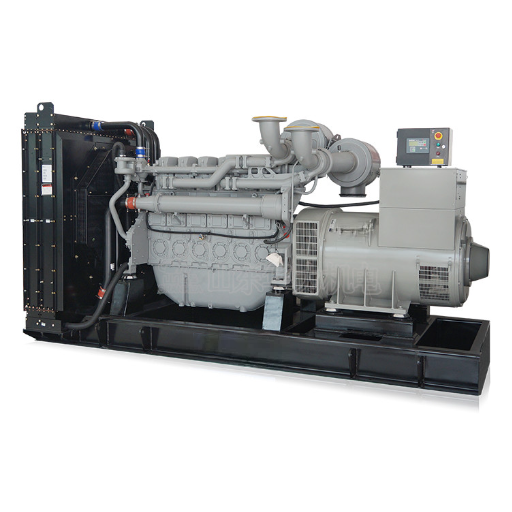
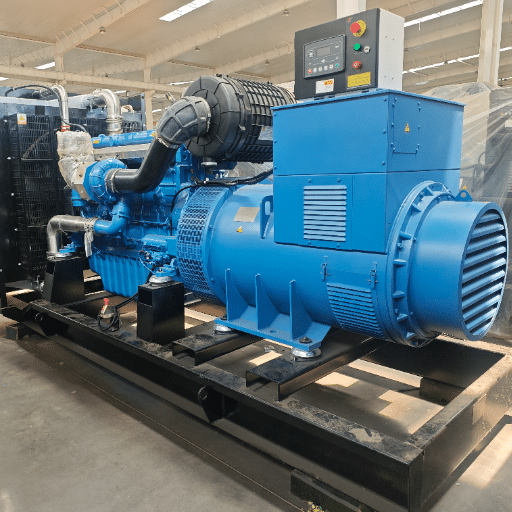
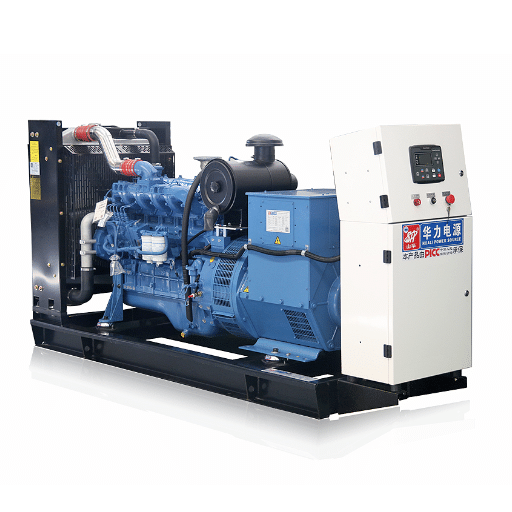
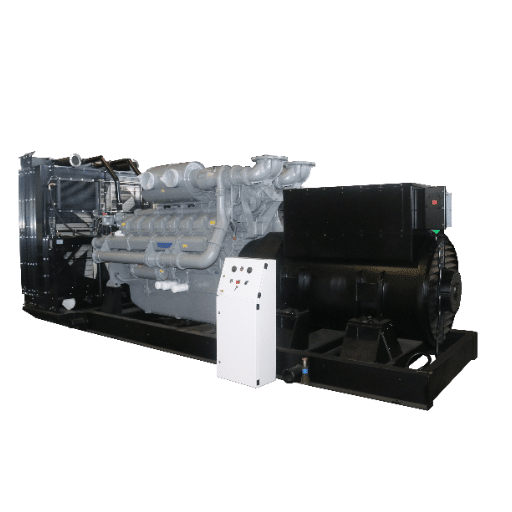
Standby generators work in a way that all elements are in one. A transfer switch, engine, and alternator provide aid to ensure uninterrupted power supply to overcome blackouts. In the case of power failure, the automatic transfer switch immediately detects it and the generator is switched on. Within seconds, the generator is up and running and the transfer switch transfers the load from the main source power to the generating set. The engine is the electrical machinery powered by diesel, natural gas, or propane, which is used to run the alternator that converts mechanical power to electrical power. The generator is shut down and the power is reconnected back to the grid through the transfer switch when the primary source power resumes. More efficient solutions are the newest emergency generators which have monitoring features added to them for the sake of increased comfort, security and reliability which could be used in housing, banking and industries for power generation.
Types of Standby Generators
| Type | Fuel Type | Power Output Range | Typical Applications | Notable Advantages |
|---|---|---|---|---|
| Diesel Generators | Diesel | 5 kW to 3,000+ kW | Industrial, Commercial, Large-scale | Durable and efficient performance |
| Natural Gas Generators | Natural Gas | 8 kW to 400 kW | Residential, Commercial | Cleaner emissions, long fuel supply |
| Propane Generators | LPG/Propane | 5 kW to 150 kW | Residential, Small-scale Commercial | Flexible fuel storage options |
| Bi-Fuel Generators | Diesel + Natural Gas | 10 kW to 500+ kW | Critical Infrastructure | Combined fuel flexibility |
| Portable Generators | Gasoline/Diesel | 1 kW to 20 kW | Temporary, Emergency power | Portable and versatile usage |
Table: Comparison of standby generator types across fuel, capacity, and application.
Regulatory and Compliance Requirements for Critical Facilities
Examples of basic high-level requirements that exist for critical facilities such as medical centers, data and communication centers and emergency response facilities are certain regulatory rules which ensure the supply for power even in case of outages. In order for one to expect an effectual in Cranston, there is a need to be disciplined in working with regulations from organizations like the National Fire Protection Association (NFPA) as well as the relevant state building codes. NFPA 110, for example, states requirements for Emergency and Standby Power Systems and it includes repair, load testing and certification that the unit installed complies with the necessary standards for performance and safety reasons. An equal emphasis is also applied by the Environmental Protection Agency (EPA) to the full enforcement of the Clean Air Act involving how the emissions are to be controlled specifically for diesel generator sets in order to minimize the pollution.
Another requirement for the generators in the buildings is systematic operations test and verification up to the expected periods considering the extent of buffering in the building. The stationary engine operated generators within the facility can be compliant of health and safety measures as attested by the Underwriters Laboratories (UL) certification codes. Compliance with the Occupational Safety and Health Administration (OSHA) requirements is also necessary to so as to address any existing and potential hazards concerning the use of generators.
For the above reasons, deployment of standby generators would entail the design and installation of strict monitoring measures that capture every parameter of the designed performance, environmental compliance emissions, and operational usage. Some additions being exploited as well such as having the capability of getting automated system test results right away and the associated materials are not wasted as a means of any delays in operation and maintenance of generators in the critical infrastructure as well as used to ensure both federal and local compliance.
Installing Standby Generators for Healthcare Facilities

Observing significant legal rules and standards during the installation of standby power generators within healthcare facilities is key to the well-being of the patients as well as efficient operation of the facility. Within these legal restrictions, for example, it is advisable to test such standby power systems ensuring they perform their functions and meet normal requirements which based on standards in the market and as outlined in the National Fire Protection Association (NFPA) 110. Generator sizing is critical to ensure there is continuous power supply to maintain such functions as lighting, conditioning of air and running medical machinery.
Another important issue to consider is the placement of the generators, which must be placed at the right place so that risks brought about by flooding and extreme weather and other environmental factors are minimized. Time-frames for routine maintenance of the generators too must be put in place so that the required levels of reliability is achieved especially during emergencies. At the end, it is important to arrange for the relevant authorities to carry out their detective work including inspections and also make sure that permission is granted so that building and fire safety codes are not violated before the effective operation of the system.
Essential Power Requirements for Hospitals and Healthcare Facilities
Most hospitals and healthcare providers use standby generators to operate essential systems whenever power failure happens in order to prevent man and machine instability. These generators are often required to cover these first in the list for loads which may happen to be items such as patient life support systems, ventilators, various diagnostics, hospital illumination, and air conditioning among others. Increasingly common among modern medical institutions is the use of generator sets that balance spaces over ranges of anything from 500 kV to a few MW, depending on the design and application of the institution.
Having the capacity of starting an automatic transfer switch (ATS) in a matter of seconds in case of power deficiency is a must for all standby generators, since any delays in doing so can potentially endanger the safety of patients. They must adhere to the provisions of certain regulations such as the National Fire Protection Association (NFPA) 110 which provides the criteria about requirement of emergency power services. Furthermore, a capacity of fuel should be such that it should at least support 96 hours of operation in most countries recommended in situations of emergency that is due to natural calamities or also as a result of failure of other infrastructural structures.
Load balancing, replication, and fault tolerance are the implementations that involve ensuring reliability and scalability. Many times, these are backed up by sophisticated monitoring and control systems enabling immediate trouble shooting and control from afar, reducing response time during emergencies. Meanwhile, it is paramount that standby generators for hospitals be designed to be very reliable, efficient with respect to fuel consumption, and easily adaptive to the ever-increasing technological and infrastructural requirements of today’s hospitals.
Key Considerations: Fuel Type, Capacity, and Location
The absolute best way to enhance any soundproofing project is to choose the right generator type and that is the type of fuel generator runs on. Common types that are used in this case include: diesel, natural gas, and propane. Given their high energy density and good quality power especially in locations where reliable power is not easily accessible, diesel engines are crowds’ favourite for emergencies. They need care and special fuel management setups and they are prone to the risks of undue deterioration of stored fuel. Whereas when using natural gas generators they are easy to maintain and provide a continuous supply of fuel without the need for outdoor tanks that subject the installation to potential explosion risk.
Deciphering the appropriate amount of energy available such that there is no risk of the electricity exceeding the facility’s capacity is very important. Within the above, critical systems such as lighting, HVAC, medical equipment in (mostly hospitals or data centers) and other critical loads have to be taken into consideration. To be more subjective, over sizing a generator in this case could mean a waste of resources and high costs in fuel, under-sizing, on the other hand, could mean a higher risk of generator failure especially during high load periods. Systems such as equipment based resource management, also called load shedding systems and priority supply of energy can well be incorporated to maximize the generator efficiencies of the generators.
Where your backup generator is located determines how well it will work, how safe it is, and how well it meets industry standards. Generators should be installed in climate controlled areas free of features that may cause impairment to power supply, e.g., flood, fire, excessive heat or cold and so on. In many cases, flood-prone regions may recommend the use of raised or flood-proof foundations. There can also be the factor of noise or emissions and these involve using some enclosures with noise proof materials as well as some advanced means to exhaust air effectively, especially when working in busy urban or high population areas. Furthermore, making it easy to access for repairs, maintenance, and refueling is necessary since this will bring into play the backup system in instances of disasters.
Installing Standby Generators for Data Centers
- 01
Power Load Requirements
It is necessary for an efficient calculation of the overall power consumption of the data center where such power will cater for different purposes such as critical and non-critical loads. This is important as uninterrupted power supply will cater for huge load during an emergency outage without causing problems of excessive load on the generator.
- 02
Redundancy and Reliability
It is recommended to apply combinations based on N+1 to eliminate power disruptions while on line during maintenance or under failure situations.
- 03
Fuel Type and Storage
Notably, it is very crucial to ensure that all the installations can operate using a reliable fuel source such as diesel or natural gas with sufficient on-site storage for such fuels. Therefore, normal fuel quality inspection is needed to prevent such from happening.
- 04
Cooling and Ventilation
There is a need for safe feelings in structure, i.e., giving cooling system to the generators themselves and conditioning the surrounding areas along side ensuring other normal operating conditions.
- 05
Automatic Transfer Switch (ATS)
An ATS shall be integrated into the system to switch the power source from utility to generator seamlessly to prevent power loss during constant power interruptions.
- 06
Compliance and Permitting
Review operational, construction and especially technical parts of a proposed development to ensure that all current local, regional, and national governing legislation is being met, including all emissions, noise and safety regulations and obtain critical necessary permits prior to actual construction.
Unique Power Demands of Data Centers
When talking about the energy consumption stemming from commercial structures, data center are often noted as one of the highest consumers of energy, as they require continuous quality power supply. In modern settings, it is known that for any business that deals with data storage, the energy demand can reach about 200 watts per square foot which incorporates racks of servers balanced by storage devices and networking. Cooling systems are of great power consumption especially while ensuring that equipment remains within the operating temperatures and operating relative humidity range. Energy-efficient cooling technologies such as liquid cooling and airflow optimization are gaining popularity due to their easy implementation.
An increase in the use of renewable sources of energy is another development that the industry has to deal with and as such, many data centres are now opting for solar and wind energy sources to lessen their environmental impact. To fully benefit from these resources, it is paramount to use energy storage systems that ensure continuous power generation, especially during peak hours. Furthermore, the need to observe internal and external requirements concerning energy usage ‘optimization’ also shows how crucial it is that a data center is operated sustainably. This reciprocal relationship is the most challenging aspect that faces the data center sector in terms of high power consumption and reduction objectives.
Integration with Existing Systems: UPS and Cooling Loads
The Uninterruptible Power Supply (UPS) systems must be integrated with ips and cooling loads for ensuring sustaining of operations and energy conservation in the data center facilites. Nowadays, UPS systems are now engineered to operate in close collaboration with cooling devices by ensuring that power is distributed equally with the requirement that critical IT equipment should be cooled and the optimum temperature is kept at all times. This calls for the adjustment of loads in proportion to variations in electricity loads and cooling loads which in turn makes it necessary to control the load with both strict time coordination and load balance.
The achievement of the modernized power management systems will often be accompanied by rather complex elements, such as a real-time system of monitoring that will carry out balancing of the load and features of heat exposures. The technology of control of cooling and generation of power will make it feasible to enhance the performance of most data centers, even when the pressure is extremely high. If the design consists of several power sources which are connected to one or five power lines, an adequate level of redundancy is provided. It also ensures that at least one of the power sources is fully protected and, therefore, ensures continuous service in case of failure of the elements.
Environmental Considerations: Emissions, Noise, and Sustainability
Standby generators, although necessary for ensuring power supply, do have some environmental drawbacks. The pollutants that can emanate from the said equipment basically comprise of such contents as carbon dioxide (CO2), nitrogen oxides (NOx), and particulate matter, which in total accelerate global warming and pollute the air. Diesel generators are especially one of the types of systems with higher pollution levels that cause a switchover to natural gas and renewable sources generation systems. For this reason, the use of backing gas for the oil-burning system is forbidden and the requirements for replacing diesel fuel with other cleaner fuels, such as woodchip or biomass, are streamlined. The regulatory control measures in the USA have taken form of the EPA Tier standards and are becoming more and more strict by banning the emission of certain pollutants and stimulating the development of clean technologies.
On the other hand, another problem is the noise that is present with the standby generators. The sound of a generator functioning can be so high that it ranges from 65 to several hundred decibels, depending on the size and quality of the generator which causes nearby people and animals to be covered in noise. It is in their best interest to tune down this noise by installing acoustic encapsulation and vibration blocking technologies in more recent designs.
Even green factors like tailpipe and particulate emissions for standby generators have been appreciated. The new technology favors the arrangement of the system into hybrid mode that couples with renewable energy sources or even accommodates buffer storage from batteries that work in conjunction with the conventional fuels when the generator is in use so as to cushion the environment from more damage. On an alarming note, the fuel utilization has been high due to the slow improvements in generation technologies and the non-renewable resources that youngsters of these generations depend on are being depleted with the more energy they continue to use.
Best Practices for Installation and Maintenance

It is extremely important to correctly install and take care of backup power supply devices which are often known as generators, while enhancing their availability and life span. In order for all installations are done in the right manner, all requirements contained in the national building codes apart from the one by the company as if there’s heat any site as in this case the generator will require ventilation so as to allow the heat to disperse away and also the installation should not cause for the generator must exert its heat in an already heated up site. The aid of an automatic transfer switch (ATS) is a paramount condition for any such device to be incorporated into the electricity generation system since it enables the transfer of power in the outage period in a normal way without backfeeding.
Conducting a Thorough Load Assessment and Scalability Planning
Ensuring that the performance of the standby generator is up to the mark and that it will serve you longer is important for any system. While assessing loads, you need to take into consideration the needs of all important equipment to be connected to the generator in respect of both the starting and running watts and also consider the highest possible demand situation. When looking at full load condition and the data depicting estimated mean of measurements patterns for instance due to variability of output parameters, the managers are able to identify whether the available generator power fits the purpose. There are certain instances where due to excess power out put in most applications there is a potential risk for overloading.
Planning an inclusive growth is essential too especially in places where the power needs are on the increase. When one uses the known technical aspects as well as historic power costs and the future projected loads, then it is easy to do an extensive of the pre-existing facility without compromising the structures laid down. Load shedding techniques can also be employed in order to control the load patterns when required through setting up automatic transfer switches. It is important to install power generating units that can be easily expanded so that the load is not a problem as the operation expands.
Ensuring Proper Testing, Maintenance, and Fuel Management
Ongoing evaluation, care, and operation support play a significant role in increasing the dependability and effectiveness of emergency generators. The conducting of regular performance tests in both unload and loaded conditions serves as a check to ensure the generator can deliver the requisite power under emergency situations. Maintenance actions, such as monitoring and topping up fluids, examining interfaces, greasing engine parts, or filter replacement, ought to be carried out on time following the operation and maintenance guidelines provided by the producer in order to reduce the abnormal loss and other risks.
Advanced fuel quality administration is of great importance as underground tanks can prove harmful to fuel quality, especially when fuel is left in the tank for a long time. To improve its quality and eliminate contaminants, fuel can be retreated by filling up the tank, using biofuel, or heating the tank correctly. Provided that this is done, no problems from deficient fuel in the generator will occur throughout the duration of a device’s operating life. It will remain a standby generator and will be capable of generating power when required.
Reference Sources
- The role of energy storage systems in resilience enhancement of health care centers with critical loads
Read the article on ScienceDirect → - Reliability of emergency and standby diesel generators: Impact on energy resiliency solutions
Read the article on ScienceDirect →
Frequently Asked Questions (FAQs)
Q
What Are the Key Benefits of Installing Standby Generators in Healthcare Facilities?
Emergency electrical generators are one of the best solutions for interruptions in power supply. This is particularly important because their power is needed for the functioning of vital health facilities that use machines like operation ventilation and surgical instruments as well as chillers for production and storage of medical. Most important is the electronic or new paper record that they have installed. They are easily accessed by all users.
Q
How Do Standby Generators Support Data Center Operations?
It is possible for the after sectors in facilities such as data centers, cooling systems, etc., to keep operating using the standby generator in cases of power cut, this also provides back-up to UPS systems incorporation. Where such back-up functions for instance heating, ventilation systems and exhaust ducts providing air, importantly, an assessment of the enclosure sound power levels must be undertaken to ensure noise does not exceed a certain limit.
Q
What Factors Should Be Considered When Choosing a Standby Generator?
The capacity of the generator, presence of adequate fuel, be it diesel or natural gas, and the intended position of the generator in the installation area are some of the factors which influence sizing and installations of auxiliary power supplies or standby generators. In facilities such as hospitals and data centers, the importance of the equipment being able to function as a complete unit rather than a part of an existing system is paramount such as ATS. In addition, the consideration of the principles of health and safety with respect to customer service as well as the maintenance of a good business environment also matters in product selection.
Q
How Often Should Standby Generators Be Tested and Maintained?
The generators on standby should be subjected to regular weekly checks and a monthly exercise load test so as to ascertain their dependability. It must also be noted that healthcare facilities must employ the relevant codes of standards especially NFPA 110 which specifically requires the testing to be done under load for at least 30 minutes per month. The monitoring services which include a fuel management plan and emission tests are mandatory for both health and data centres and are part of normal controls and regular maintenance of the equipment.