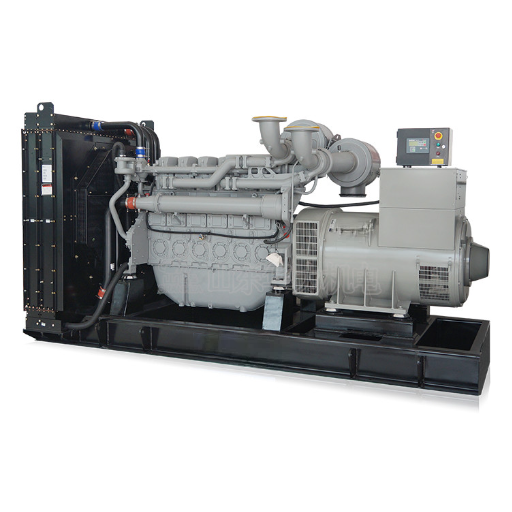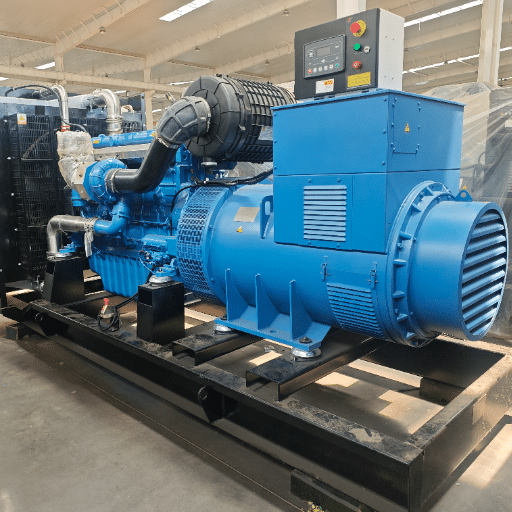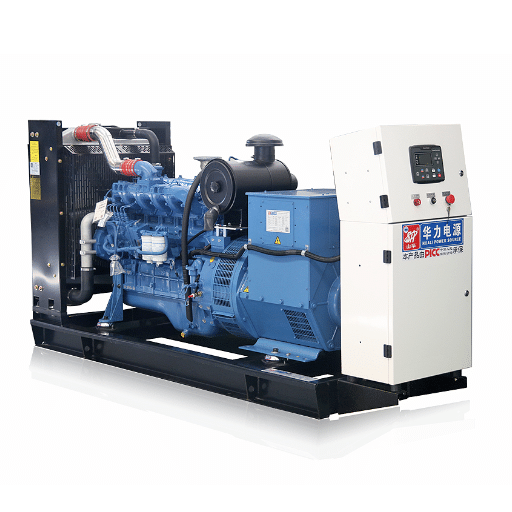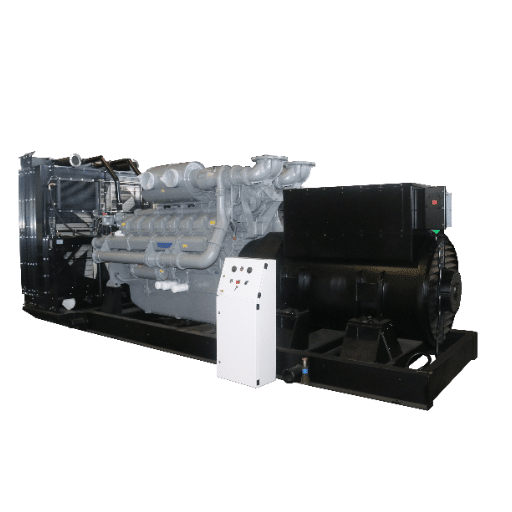

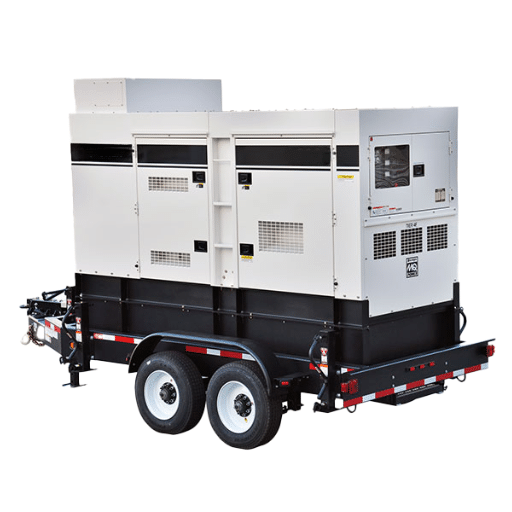
Performance and longevity of 101–300 kW medium scale gen-sets depends heavily on their proper maintenance as they are designed to be used at all times in various operations. These gen-sets are the stand-by supply for most of the industries, commercial establishments and facilities where any profitable stoppage due to lack of maintenance can be improbable. This manual elaborates strategies, measures, and skills necessary to sustain satisfactory performance of medium scale gensets. A step by step guide starting from the basic servicing of the generator to the most advanced trouble shooting of the generator shall help reduce failure rates and costs associated with operations of these complex machines. Whether you are an estate or property manager, a technical engineer or someone engaging in industry activities, you are provided with these tools that enable you to fully meet the objectives of maintaining these valuable systems.
Understanding Generator Lifespan and Longevity

A medium-sized generator with a power range of 101-300 kW is used for a long time to work for 10,000 to 30,000 operating hours under varying conditions of operation, which may depend on the pattern of operating, maintaining the equipment in correct order, and the conditions of use. Should the operator practices proper care of the generator, such as changing its oil every now and then, replacing air filters as needed, and regular checking of vital parts, the generator may last the duration for which it was purchased. The consistent operation of the generator within the stipulated power ratings and in a clean and well-ventilated space also helps minimize wear and tear. Good quality fuel and regular maintenance, whose schedule is given by the manufacturer, are also important to preserve the properties of the device for a long period of time.
The Importance of Generator Maintenance
Maintenance of medium-sized generators in the range of 101–300 kW rating is very crucial for ensuring an effective and efficient operation while avoiding any stoppage of operations or unwarranted outages. These generators find widespread application in business, factory, and social functions areas where smooth reliable operations and unwavering power supply are the primary deliverables. It is pertinent to recognize that best practices illustrations urge everyone to do a regular check-up and preventive measures with the opinion that the device breakdown probability will significantly decrease.
Regular maintenance activities such as checking oil and water levels, replacing air and fuel filters upon completion of quantified usage, and examination of contacts for signs of degradation are essential. A particular method used to measure the generator during operation is the load bank test which is designed to investigate the actual capability of the individual generator while operating at desired and acceptable levels without overloading and degrade the generator performance.
How to Extend Generator Life
To keep the life expectancy of medium capacity generators, in a range of 101–300kW, at a maximum, installing a maintenance program that is all-inclusive is unavoidable. As part of the routine examination, such as monitoring the fluid levels like fuel, oil and coolant to verify that they are at optimal levels and are not contaminated, is an absolute requirement. Deferring oil change and filter replacement beyond the stipulated intervals by the manufacturer means allowing degradation of the power plant even where all the other maintenance practices are executed promptly. Observing the amount of watts being used and ensuring it is within safe limits is also important as attempting to use very few watts for a very long time can cause and finally wet stroke will occur affecting its proper function and fuel efficiency too.
Types of 101–300 kW Medium-Sized Generators
|
Type |
Fuel Type |
Key Features |
Typical Applications |
|---|---|---|---|
|
Diesel Generators |
Diesel |
High efficiency, reliable |
Industrial operations, backup power |
|
Natural Gas Generators |
Natural Gas |
Clean emissions, cost-effective |
Residential, small businesses |
|
Biodiesel Generators |
Biodiesel |
Renewable, reduced emissions |
Eco-friendly industries |
|
Propane Generators |
Propane |
Long shelf life, portable |
Remote locations, construction sites |
|
Dual-Fuel Generators |
Diesel/Natural Gas |
Fuel versatility, operational flexibility |
Emergency services |
|
Portable Generators |
Gasoline/Diesel |
Lightweight, compact design |
Recreational use, small projects |
|
Standby Generators |
Diesel/Natural Gas |
Automatic start, continuous supply |
Emergency backup power |
|
Hybrid Generators |
Renewable/Diesel |
Renewable integration, fuel efficiency |
Hospitals, data centers |
|
PTO Generators |
Tractor-Powered |
Easy setup, versatile use |
Agriculture, rural applications |
|
Marine Generators |
Diesel/Gasoline |
Corrosion-resistant, compact |
Marine vessels, offshore equipment |
Routine Generator Maintenance Tasks Generator

- Inspect the Fuel System
Inspect each and every fuel line and filter for blockages, breaks or potential leaks and damages to the injectors. Additionally, examine that the fuel is not contaminated for optimal engine execution. - Oil and Filter Changes
Use new lubricants and change engine oils and filters from time to time based on the advice of the manufacturer so that there is adequate lubrication and there is reduction in wear. - Coolant System Check
To assist in enhancing the efficiency of the cooling system, perform a visual inspection of the level of the coolant. Equally, during this inspection, make the coolant hoses, clamps and the radiator are inspected for signs of leaks and blockages. Use the correct coolant if it requires topping up, and if in doubt about any of the above consult a repair manual. - Battery Maintenance
Direct your attention to the battery and evaluate it for seepage at the terminals. Steer clear of the battery voltage transmission, remove the dust from the battery terminals, standardize all the terminologies, and confirm that the battery is capable of starting the engine. - Air Filter Replacement
Check and most importantly, change air filters at the appropriate time to ensure maximum volumetric air flow and minimize overworking the engine. - Inspect Belts and Hoses
Pay attention and make sure to check, with a special focus on the belts, if these are prone to any breaks, stretches, or loosening given their age, condition or fatigue.
Key Maintenance Tasks to Keep Your Generator Running
Best practices dictate that a generator requires inline with enhanced service delivery a routine maintenance aimed at enhancing performance and life longevity. This week, it is recommended to check oil and refill, as the engine might get spoiled without it being properly lubricated. Check the coolant condition, replenish it, and check for possible losses as we understand that the excessively heated engine may operate less effectively and may become more worn out. Further, one could also run the engine under loaded conditions cleans the carbon, enabling it to be used for the most part without any problems, but any abnormal sounds or pressure fluctuations should be checked and immediately rectified.
In its turn the employment of sediment-free fillers and ensuring the use of gas inside it is not going to gum can alleviate all the messy issues that come with deposit and parasite loads. Last in line is to keep a record of every single maintenance activity of the generator in order to ensure a proper historical tracking of the generator and quick resolutions of the problems encountered while using it under different operational conditions
Common Generator Maintenance Tips
- Routine Inspection and Cleaning
The generator also needs to be checked on a regular basis for evidence of erosion, material build up, or wear and tear. Make sure the coal and tar in the vents and the respective filters is clear so as to reduce the amount of air they take in. This can be reduced to as low as 30% due to clogging of the filters. And before that, try to see if there are any indications of loose connections in the fuel supply or the heat exchange system, since such minor problems can lead to quite extensive operational breakdowns in the end. - Battery Maintenance
Inspect the generator’s battery every month as a bad or dead battery ranks top on the list of reasons for its failure. While using the multimeter device, make sure the voltage remains at a minimum of 12.6 volts in the lead-acid batteries. The cleaning of the terminals should be carried out to avoid the formation of corrosion and there should also be the application of terminal grease to avoid the oxidation lock and terminal from facing oxidation. - Oil and Filter Changes
Aim to replace the engine oil and filters after every 100-200 hour for the hour meter controlled engines as per the manufacturer’s guidelines on oil change. Employ the high-performance oil that is recommended by the manufacturer as it will not only ensure that the engine is sufficiently lubricated but will also shield strong parts of the system from abrasion. - Fuel Quality Management
Do not allow the fuel to be in tanks or drums unless they are kept in a clean, moisture free place with controlled temperatures. Whenever fuel is to be stored for a long period of time, make sure that it has fuel preservatives in order to avoid any phase separation or creation of varnish. Test the fuel concerned for the most recent six months to see to it that clean burning is achieved and misfiring is as low as possible. - Coolant System Maintenance
Please remember to conduct cooling system level checks at the appropriate intervals. It is also recommended to test the coolant composition occasionally (specifically after every 200 hours or after six months) using a hydrometer to check the specific gravity of antifreeze and establish the antifreeze to water ratio which should be 50/50. In addition, you should recharge the system with new coolant every 1,000-2,000 operating hours or following the maintenance intervals as specified by the manufacturer. - Spark Plug Replacement
Having the service and replacement of the spark plugs performed is necessary in case when the engine is running under gas and LPG conditions every 100 hours. Adhere to the guidelines provided by the manufacturer such the plug gap of the right size for the typical spark plug, in this case (0.028- 0.031 inches). - Load Bank Testing
Load testing with a load bank should be completed once a month to assess the generator’s capability for full load. This helps in restoring the efficiency of diesel generators, reducing the so-called “wet stacking” issue. - Exhaust System Examination
It is advised that the installment duration be properly coordinated in intervals of 200 hours of operation, in order to ascertain any blockages, cracks or corrosion being present into the exhaust system. Tempered exhaust systems expose the likelihood of dangerous fume destabilization hence reducing some level of efficiency in the engine.
Protecting Your 101–300 kW Medium-Sized Generator

For 101 – 300 kW generators, regular maintenance is highly recommended to ensure efficiency and service life. Absence of attention to it leads to quite often, expensive emergency repairs, compromises operations, and imposes high risks of safety. The major maintenance operations include oil changes, air filtration replacements in due course and periodical load run tests. These actions lead to load decrease on wear-prone surfaces and enhanced fuel economy contributing to higher lifecycle of the generator. Timely maintenance allows to solve small issues in a time manner before turning them into expensive fixes.
Environmental Considerations for Generator Longevity
The efficiency and life span of a generator very much depend on the surrounding conditions. In this regard, one of the main factors is the temperature range in which the generator is used. Environments with high temperatures can result in overheating of the device which can in turn damage the internals, whereas low temperatures can increase the viscosity of the fuel and adversely affect the starting systems. It is important that the generator is located in a location where it is allowed for ventilation and the heat generated does not accumulate thus allowing for air circulation.
In addition to this, long exposure to high moisture and humidity levels can be harmful in that it may directly impact performance, such as through issues of deterioration and electrical confusion leading to undesired current path to ground. Where feasible, hence, a weather protective covering or allocation away from wet and damp places for the generator is recommended to minimize these risks. More importantly, the compatibility of the resources that power should be considered too, because their quality can have an effect on whether or not the generator is going to be compatible with the material. Any contaminants in the fuel will probably cause incomplete combustion and cause increased wear in the system components.
It should also be worth to note that an increase in altitude does affect the behavior and performance of an air cooled generator for the fact that as the altitude increases the levels of oxygen available also increase reduces the level of combustion and also the amount of power produced. In such cases, it is of absolute necessity that fuel and air settings must be changed in conjunction with the specific operating instructions of the manufacturer in order to maintain the best practices. Employing positive methods to compensate for these external conditions or changing them, engineers can ensure that generators function well past the schedule without disruption as well as condensation.
Proper Care During Off-Season
Even in the peak range of 101 to 300 kW for the medium-sized generators, there is an acute necessity to apply maintenance procedures so that the generators survive for another use cycle and do not get eroded whilst doing nothing. Among these procedures is thorough examination of the internals of the generators, carrying out checks on the fuel, any electric or electronic cables or wires within the unit, and ensuring that the levels of lubrication are satisfactory level. Such stability of the fuel may not be assured to last due to the bioactivity of fuel over time, and as time goes by, the detection of use of top-quality fuel stabilizers is recommended in order to stay ahead of this issue.
During the off-season, maintenance and care of irrigation engines is very much dependent on the surroundings, too. This is especially the case with generators that have high humidity levels, which usually requires the provision of dehumidifiers or moisture-absorbing agents inbuilt into the engines to avoid corrosion. Even more so when it concerns the battery systems, which have to be checked periodically for electric voltage and cleaning the contacts with the posts, so that the cranking remains good whenever it is needed. It is also encouraged to carry out regular generation maintenance “exercise” which is running the engine off and on, to avoid system shut down or dry rot of necessary components.
To end off, upgrading the physical and logical arrangements of the process activates increases the reliability of work. This enables to utilize modern equipment, and advantageously to connect control system components to monitoring stations for condition-based maintenance. Such precautions will help in prolonging the useful service life of the generator and curtailing material cost associated with the fondness and abuse of machines.
Using Covers and Enclosures
Using condensations (removable shells or covers) and covenco (permanent shells) has a positive effect on the performance and service life of 101–300 kW, middle-power engines, especially when it is necessary to operate the generators under harsh conditions. Enclosures comprise several protection layers which are used in enclosing the generators to resist various operation and environmental pressures such as ingress of moisture, accumulation of deposits, impact of dust, and damage from ultraviolet radiation which are known to cause deterioration of this equipment. Additionally, protective coatings of materials such as steel or aluminium are that are powder coated flood the market, promising a better longevity against corrosion of the structural components.
Troubleshooting Common 101–300 kW Medium-Sized Generator Issues

- Check Fuel Levels
Adequate fuel should be refilled on the generator since starting up with low or empty fuel tank is a prevalent cause of startup failures. In addition, it is advisable to confirm any fuel leakages and fuel contamination. - Inspect the Battery
With the battery charged and the connections not cut, the security of the battery equipment should be affirmed. This is b3cause4 corroded or lose terminals can lead to inadequate starting of the starter motor. - Examine the Control Panel
Check if there are any ongoing alarms or error codes displayed in the control panel. Rectify the indicated problems in the accordance to the manufacturer’s positions. - Test the Starter Motor
When the battery and connections are functional but the generator still does not start, one might have to consider inspecting the starter motor for the generator. - Verify Air and Fuel Filters
Heavy accumulation of contaminant in air and fuel filters causes blockage hence hampering proper functioning of the aforementioned systems. Replace filters at the intervals they are normally replaced.
Identifying Symptoms of Generator Problems
Generators commonly have signs that are exhibited when there are issues that disrupt the smooth performance. One of the common signs includes uneven power generation due to reasons like a problem within the inverter or the generator being too old. However, another issue could be posed by other distinct issues like problems in the fuel systems, ignition systems as well as battery run out. Also, it should be noted that a lot of noise during the generator’s operation could arise when it is already worn out, especially some of the components such as the diesel engine being out of alignment or even an inadequate supply of oil.
A rather abrupt stop generally indicates the generator has risen above its average temperature, the coolant in the radiator has completely depleted or perhaps malfunctioning due to some critical location monitoring devices which were purposely designed to save the product from damage. To prevent any damages, one has to check on the consumption of the generator. Rising consumption beyond the capacity can be due to the leaks in the fuel lines or the average of the engine.
Preventative Maintenance for Generators
It is well known that doing preventative maintenance helps to avert frequent generator breakages and enhances the productivity of the equipment. One of the common reasons why generators can stop working include poor performance, which is mostly as a result of blocked or dirty air filters. This and other similar interruptions can be prevented when a system of air filter replacing or cleaning is adhered to during the daily check of the equipment. The second most probable reason would be that one of the spark plugs is worn out due to which the engine misfires or fails to start.
The primary cause of frequent breakdowns is associated with a reduction or the incorrect tensioning of the drive belts which leads to a drop in the efficiency of the alternator. These risks can be decreased by the introduction of routine checks and adjustment of the drive belt’s tension. In system operation, the gasoline’s quality is also important because previous or unpurified gas can cause dirt in the fuel injectors to prevent complete fuel combustion, and therefore, some parts of the system operate at a lower efficiency. Marking it this way, those complications can be avoided by purchasing premium gasoline and applying certain treatments as instructions.
Ultimately, power systems rely on electrical components for them to function as designed. As such, it is essential that the electrical components are always kept in check for degradation or slack which can lead to voltage disparities or complete power removal. In a more practical manner, repeated inspections, for example, when tightened or cleaned are areas of more critical importance. Adopting or even meticulously sticking to a schedule has been found to work since companies can prevent most costly business interruption and utilize their power generators for the longest possible time.
When to Call for Professional Service
While much of the regular maintenance can be done by individuals within an organization, professional involvement is absolutely necessary in some cases to guarantee the reliability and security of your generator. For example, the decision to seek professional help in dealing with technical issues is generally made if problems occur such as poor starting qualities, half-functioning behavior from the engine or unstable output of electrical energy and a technical assessment is required. For instance, strange engine noise or excessive shaking or even any fluid seepage which is fuel, oil or coolant should be an issue and ought to be handled by the experts as this shows existence of some deep-rooted problem in the machinery.
Best Practices for Reliable Power
- Regular Maintenance Scheduling
Adhere to the manufacturer’s recommended maintenance program and perform oil changes, belt and hose checks, and coolant inspections for the generator. - Load Bank Testing
Run the tests of load bank regularly to prevent or discover wet stacking and check that the generator works efficiently in full capacity during practical applications. - Environment Management
Make sure the generator is placed somewhere with no much dust, moisture, or other garbage. In order to prevent overheating or efficiency decrease, it is crucial to install air conditioning units and manage ventilation properly. - Fuel Quality Assurance
Another way organic fuel contamination can be avoided is by periodically checking and using good quality fuel. Clean, closed tanks should be used for keeping the fuel and also, it can be energetic in the form of fuel additives when need arises. - Battery Inspection
Periodic checking and handling the battery is useful not only for the generator but also for ensuring the engine readiness. Look for any signs of corrosion, clean up the ends, and just wear experimentation level of the battery. - Professional Inspections
Annual inspections should be arranged with competent technicians, always. Inspections are conducted by professionals to find hidden errors that could cause malfunction or breakdown of the equipment or processes at work.
Industry Standards for Generator Maintenance
Every company that owns a generator should manage it only in a proper and correct manner according to the best practices ensuring its efficient and reliable operation for as long as possible. This implies that an essential fixed frequency maintenance policy is adopted or relied upon which in this instance will encompasses the estimated machine running time or periods in service, There are also repair and maintenance operation management standards of different origins such as the National Fire Protection Association (NFPA), which focus more on control of activities and providing standards of maintenance. Moreover, the American National Standards Institute (ANSI) and International Electrical Standards (IEC) have also created some standards for electrical safety and equipment maintenance.
To achieve optimum performance, the lubrication system should be able to meet the criteria of ISO 6743 for using the correct oil against the typical running and physical conditions of the generator engine. The maintenance personnel should conduct load bank testing every year, or in accordance with NFPA 110, in which 30%, 50% and full tests are done in order to find out how well the unit can function under intended conditions. It is also important for organizations to account for Environmental Protection Agency (EPA) regulations in relation to diesel or gas-powered generator sets especially for commercial, or industrial use.
Long-Term Strategies for Generator Reliability
Integrating cutting-edge monitoring and control tools for the purpose of increasing the reliability of generators has been established as a potent long-term strategy. These systems offer the ability to assess and control the operational factors such as the available fuel, coolant and oil temperature, engine oil pressure or battery voltage in real time. In case the said elements are breached, preventive maintenance can be conducted by making practical use of data mining techniques, which would help in reducing the unproductive time that ends up being quite expensive. Thanks to the technologies present in network applications within the realms of Internet of Things (IoT), the systems will email alerts to the support teams whenever the set limits are exceeded and it will be more of a readiness to solve the problem than wait for it to escalate.
Reference Sources
-
Economic Implications of Generator Dependence Amid Nigeria’s Energy Crisis
Read the paper here -
The Potential for Grid Defection of Small and Medium-Sized Enterprises Using Solar Photovoltaic, Battery, and Generator Hybrid Systems
Read the article here
Frequently Asked Questions (FAQs)
How does regular maintenance protect your generator and help it last longer?
Consistent and periodic preventive measures are essential in reducing wear and tear on generators, prolonging their life span and ensuring that backup power sources offer the much-desired relief when called upon. A generator can also be kept in good working condition by other routine maintenance activities such as changing the oil and filters and carrying out routine checks to ensure that there is no dirt or anything in the engine that might cause the generator to fail. When a generator is well-maintained, it becomes more efficient and is less likely to indicate damages that will bring about its failure and limit its use.
What maintenance schedule should I follow for a standby generator?
Observe and ensure that you are compliant with the manufacturer’s guidelines for maintenance services and prepare a schedule for systematic maintenance, for example at least once a year and more frequent intervals in similarly infrequent circumstances such as burdened generators. It is recommended to run and keep exercises ongoing for the generator, either monthly or as instructed, in order to maintain its efficiency and to keep dirt and other unwanted material from clogging the engine parts. Make a point to log the generator in for scheduled servicing, oil changes etc. This way you are assured that the generator is operational whenever you request back up power service and the fallowing mileage on generator hours will also lengthen its life.
Which maintenance tasks are essential to protect your generator from damage?
Essential maintenance tips include checking and replacing the generator oil, waterless inlets and fuel systems, carry out battery tests and make sure no pollutants are carried to the inlet grilles thus potentially causing a blockage. By doing those instructions you protect the prime mover parts of your generator and help it survive an additional strain in case of a power failure. Diagnosing the generators for any signs of weakness and taking measures will prolong the life of this machine as well as the existence of any generator. Working with experts where repairs are complex or when the need for annual servicing is not avoidable, is a great investment that ensures service will be reliable in times to come.