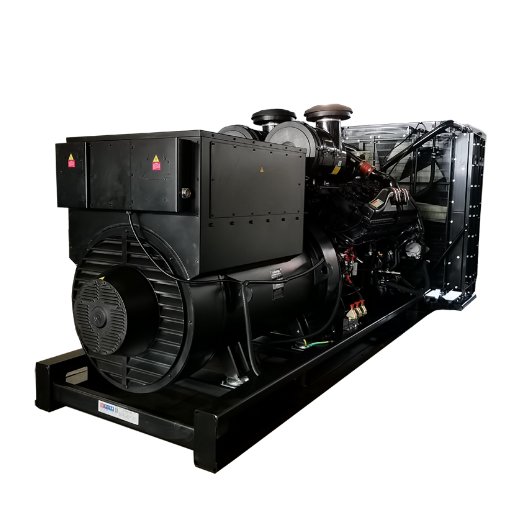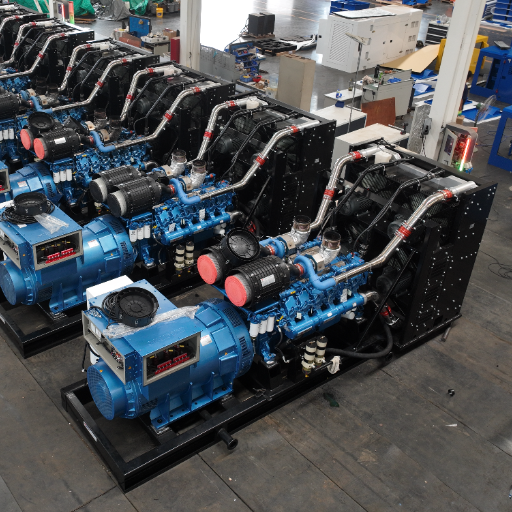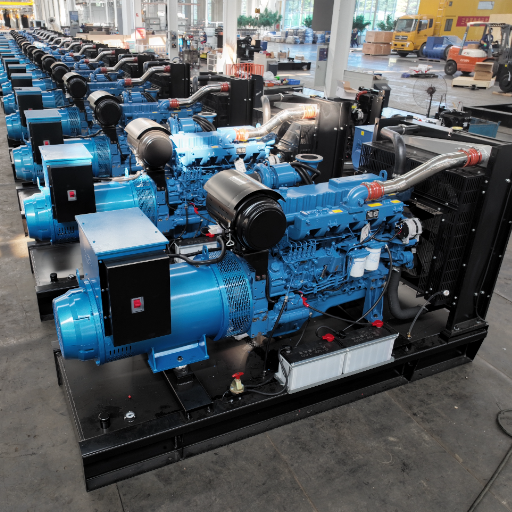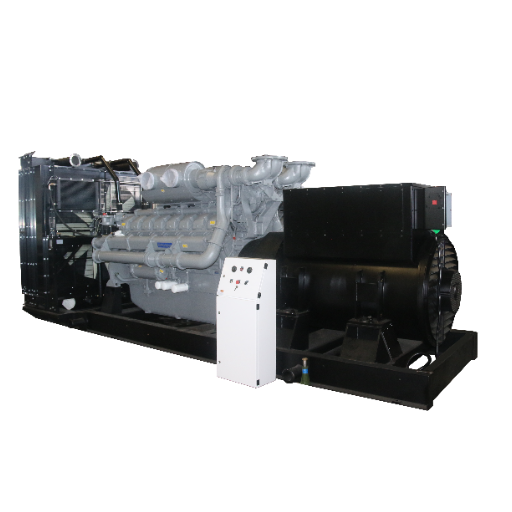

In different operation environments, the maintenace of an efficient and dependable current supplying equipment is of the utmost importance. The most observed and potentially most devastating problem which may accrue is the overheating of the gen set. When if fails, it may even caused by the cooling system leading to great financial loss and unplanned shutdown of the plant equipment and unscheduled maintenance – all these results impact the budget of a company for the company’s operations. The article envisages maintenance programs and best practices aimed at reducing the risk of generator overheating. Since the very basic to the very advanced factors that contribute to heat gain are included, recommendations as to what steps should be taken to ensure proper maintenance and ultimate performance of the heat-dependent equipment are made in this paper.
Understanding Generator Overheating
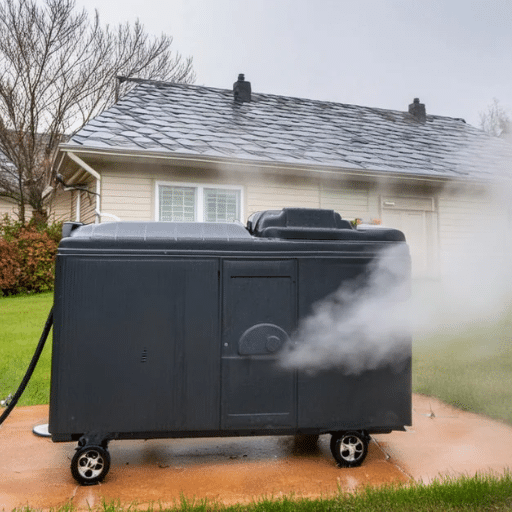
One of the main reasons why the generator would get overheated is due to cooling failure, overloading or ambient temperature. The insufficiency of air circulation supplied to the generator or failure of the cooling system could not only result in creation of hot spots in the generator but also will increase the generator’s temperature on the whole. Furthermore, applying any generator that is built for, capacity wise as anything other than what it was designed for will also lead to excessive heat within the machine, which affects the internal components of the machine. Conditions that encourage overheating of the generator, such as extreme heat, poor air circulation or the generator air inlet clogged with foreign matter, add to the risk of overheating of the engine. These aspects require frequent assessment to prevent the occurrence of advanced problems.
What Happens When a Generator Overheats?
When an engine runs too hot, a few worrying problems come up that can interfere with its satisfactory function and ruin its potential efficiency. The growth of aggressively high temperatures may in the long run disintegrate the materials of insulation inside the windings and the winding assemblies thus leading to short circuits or reduced prompting materials through such callous mechanics. In other hopeless cases, the overheating could warrant issues to the mechanical parts in the generator such as, pistons, bearings, and the rotors among others which in the end would increase the rate of wear and tear. The mediums which are furnished in the generators for its accessorial parts such as oils and fluids present in the system may also get decomposed to some extent because of high temperatures, thus enhancing the material property of the parts and making even more friction between them. The extended use of the machines should not be at high temperatures as is the case because this would lead to breakdown of the mechanical systems completely.
Common Causes of Generator Overheating
- Insufficient Ventilation
Generators require appropriate air flow in order to properly work since we know that generators in themselves are equipment that warms up. When airflow is either restricted or blocked by poorly ventilated areas the rate of heating increases rapidly in the components. A problem that tends to happen a lot in containers and improperly structured housings is that hot air rises instead of going out efficiently. - Overloading
Overloading a generator remains the primary reason for several a time-like heating. So that the components of the generator do not work more than their ability and hence produce more heat which may degrade even the insulation or other important materials. - Dirty or Clogged Filters
There are air filters which are packed with dirt, mud, dust, and other unwanted particles which bring down the effectiveness of the cooling system appreciably. These solid contaminants prevent the smooth movement of air, which consequently reduces the capacity of the cooling and heat rejection processes. - Cooling System Failure
Loss of coolant, damage to the pump or blockage of the radiator in liquid-cooled generator systems can impair the cooling mechanism in place. This can result in violations of heat exchange and overheating of certain engine parts. - Faulty Electrical Connections
Resistance creates by the loose electrical connections and corrosion, locally warm fragments. This warmth is then capable of defiling the unit and bringing the unit temperature higher. - Extended Run Times
When the generator is used for too long without breaks, the safety features of the generator will be overworked. This will break down the cooling, insulation and moving mechanisms even faster.
Signs Your Generator is Overheating
- Unusual Noise or Vibration
Abnormal noises are result of the machine operating in such conditions, e.g., overheating, normal knocking, ticking, irregularity in running temperatures, such as grey and tany lower will present the conditions - Warning Lights or Error Codes
Generator machines these days use innovative heat detectors to sense if the working temperature is too high. With the heat alarm, the temperature warning light or a set of error codes is issued which means the generator is overheating and needs immediate rectification action. - Reduced Performance
An increase in energy or overall effectiveness could be a sign for concern about the system as a whole. Overheating within the machine can have dire consequences, and it is important to be aware of this. Heat can damage internal components and cause the overall system not to work properly. - Visible Signs of Heat Damage
One or more of the following physical signs like burning and frosting and melted materials, will show that the lines, connectors, or accessories have been overheated. Such signs indicate that devices have been subjected to high temperatures for a long time. - Coolant or Oil Issues
The major source of heating in a generator could be leakage of coolants or low coolant levels which on the other hand raises the level of danger. Generators have overheating issues primarily due to abnormal functioning of the coolant systems. - Shutdowns or Tripped Safety Mechanisms
Most generators are designed with construction features that aims at reducing high-temperature-related damages. If your engine simply shuts down suddenly or the safety cut off fuses are activated, then you should know that there is a high chance that the machine is overheating.
Cooling System Essentials

A generator, to operate safely, should be provided with proper cooling systems, which are used to dispel the additional heat produced during the generation and delivery of electrical energy. This is achieved by utilizing various processes, heat exchange, in particular, their central operation being to pump off the heat generated to remote areas outside internal components with the help of coolants or air. The cooling system is made up of the essentials: the radiators, the fans, the coolant reservoir, the temperature regulators among others to ensure proper thermodynamics. Regular servicing is indispensable. This entails checking the level of coolant, examining the hoses for any bulges, and making sure there is no designing issues with fans and radiators. It is advisable to follow the recommended procedure in terms of refilling the coolant and inspection of parts as this will save the generator from overheating and the generation equipment from expiring prematurely.
Components of a Generator Cooling System
|
Component |
Function |
Key Considerations |
|---|---|---|
|
Radiator |
Dissipates heat through coolant circulation |
Keep fins clean and unobstructed |
|
Coolant |
Transfers heat from engine to radiator |
Use recommended type and maintain proper levels |
|
Fan |
Provides airflow to support heat dissipation |
Ensure proper operation and alignment |
|
Coolant Reservoir |
Stores excess coolant and prevents overheating |
Check levels and inspect for leaks |
|
Temperature Sensor |
Monitors engine temperature for overheating alerts |
Test regularly for accurate readings |
|
Hoses |
Transport coolant between components |
Inspect for cracks, leaks, or blockages |
|
Water Pump |
Circulates coolant through engine and radiator |
Check for wear and ensure optimal flow |
|
Thermostat |
Regulates coolant flow based on engine temperature |
Replace if stuck or malfunctioning |
|
Pressure Cap |
Maintains pressure in the cooling system |
Replace if seal is worn or damaged |
|
Overflow Tube |
Routes excess coolant to the reservoir |
Ensure tube is free of clogs or cracks |
Importance of Cooling System Maintenance
The cooling system of generators must be serviced on a regular basis to maintain the expected performance levels. In the event that there is a failure of the cooling system, there are high chances of the generator being bunted entirely. According to statistics by the manufacturing and branch of the industry as far as the downtime is concerned, overheating comes in as one of the conditions responsible for more than 40% of the original failure rates.
Phrases like the radiator and the water pump are key elements that have to be checked everyday so that everything is fine and healthy. Check if the water pump and radiator components have not been worn out, developed leakages, or the water channels have not been blocked in the aim of making sure that the coolant flows undeterred. Also very important is ensuring that the pressure in the cooling system reservoir is maintained; this is because it has been shown that a former helps to greatly increase the thermal activity placing more tension on the motor during its operation.
By honoring a strict cooling system maintenance regime and solving identified problems promptly, the possibility of more costly repairs, shorter equipment life, and dependency on other services can be reduced quite significantly. It also needs to be mentioned that proper cooling is conducive to the proper working order of the engine, and performs a very vital function in the context of fuel-saving methods and operational economy on the long run.
How a Well-Maintained Cooling System Prevents Overheating
The cooling system is a type of a system that regulates the temperature of the vehicle by making the efficient exchange of heat from the engine. It has a complex structure which generally consists, among other things, of the radiator, the radiator fan, the water pump and the cooling fluid, which is responsible for the removal of excessive heat energy formed as a result of the engine running. Routine checks are important to ensure that the system does not have any blockages, leaks, or a decreased level of fluid among other things, that may cause the stopping of its operation. With the advancement of more sophisticated technologies, applications such as heat exchangers and temp gauges were designed to improve the performance of a cooling system.
In addition, according to the results obtained during studies, the presence of clean cooler lines could contribute to the better thermal resistance, up to 20% improvement, reducing torque to the generator. Moreover, the use of high-quality antifreezes of continuous action also protects from corrosion and decreases the accumulation of scale, which hampers the flow of the liquid, damages or compromises the installation (system). As a result, preventive measures can help decrease the probability of the failure of the internal components that may lead to a danger of damaging overheating. This is essential as energy producers have to maintain the output level of the plant, protect the critical even if minimal electrical equipment and finally prolong the life time of the gen-set.
Preventive Maintenance Practices for Generators

- Regular Inspection of Cooling Systems: Unscrew and thoroughly check the models of radiators, fans, coolant containers, and other neat roof units without contamination and worn out parts. Eliminate identified problems with wear and blockages.
- Monitor and Maintain Coolant Levels: Controlling the condition of the antifreeze in the generator is performed on a regular basis. Apply the correct coolant if it has decreased, the frequency of which will also depend on the time stipulated for the right coolant change for the generator in question.
- Ensure Adequate Ventilation: Be sure to place the generator in a well-ventilated area to enhance airflow and heat removal by convection. Especially remove materials in front of the air ducts and louvers to facilitate the process of air intake and exhaust.
- Replace Worn Belts and Hoses: Examine the pipes and the hoses for any splits, strains, or unseating. The damaged parts are to be changed to allow for the uninterrupted, smooth flow of coolants.
- Keep Air Filters Clean: Always inspect the air filters so as to remove the dust particles in case it has been clogged. It is difficult to obtain the right heat level required because dirty air filters clog and restrict the flow of the air inside leading to increased temperature, even within a short duration.
- Schedule Professional Servicing: Get high quality periodical time to time professional maintenance services from the qualified technicians, under whose expert control all aspects including the thermostat and pressure testing of the radiator are well taken care of.
Routine Maintenance Checklist for Generators
- Inspect Coolant Levels Regularly: An obvious reason why most of the generators run hot is because of low coolant levels. Place the coolant in the reservoir to the specific level mark provided and look for areas of loss of coolant from the system.
- Check Engine Oil Quality and Levels: Poor lubrication will induce friction in the generator parts which have been designed for normal movement. One can check the oil status from time to time and ensure that the oil drain and the switches are put according to the relevant specifications so that the usage or any other pressure that may affect the system will never become a worry.
- Monitor Ventilation System Efficiency: The generators are to be used in places where there is sufficient fresh air to help remove the exhaust gases. Ensure that the exhaust is not clogged, the ventilation fans are operational for adequate airflow.
- Inspect Belts and Hoses for Wear: Every time, the belts and hoses are easily worn out or may come out of their place. This results to a decrease in the effectiveness of the cooling system. It is necessary to check for cracks, fraying and any loss of tension regularly to preserve the functionality of the systems.
- Test Safety Shutdown Systems: Check the protection shutdown function of generators. Overheat-responsive shutdown devices are installed in modern engines. Confirm that such devices work well as the setpoints are adjusted onsite thereby ensuring they respond effectively after overheating occurs.
- Ensure Radiator Cleanliness: If there is a blockage of dirt on the surface of the radiator, it will be impossible for air to flow so there will be no cooling down effect. Use specialized tools to clean off the surface and the fins of the radiator after installation as this will ensure the effective functioning of the heat radiating surface.
Professional Maintenance and Its Benefits
Proper care and maintenance are essential for the smooth functioning of diesel generators in order to avoid the common challenge of overheating. It involves a lot of expertise and diagnosis to check for preliminary signs of failure such as damaged seals or coolant leakage, or worn out parts within the cooling system which could affect its effectiveness. They are able to calibrate the settings by taking into account the readings from the special equipment used to evaluate such parameters.
Troubleshooting Overheating Generators

If a generator is reported to be suffering from overheating issues, the first thing to check is the cooling system. In order to prevent unwanted heating, researchers must ensure that the radiator doesnt have dirt or debris on it since they may block the amount of air that has to pass on the radiator hence reducing the heat controlled by the coolant. Make sure that the coolant does not have an alarmingly low level as specified and enaures that the fluid lines are free from fluid. If that does not help then it is time to take a closer look at the fan working order as well as belt tightness.
Positive cooling might turn into a solver of few issues in the unit in question in case the familiar noise level is caused because the fun or the belt is broken down. It is also necessary to control the oil level and its condition for its quality since low oil, or outdated oil will increase the working temperature. If the above checks do not cure the problem at hand, please refer to the generator’s handbook for more advanced troubleshooting or simply employ an engineer to undertake the inspection.
Step-by-Step Troubleshooting Guide
- Inspect the Cooling System
Start by looking at the cooling system for the generator, particularly the radiator, the fan, and the level of coolant in it. Also, look for any waste, grime, or dissuading elements within the radiator of the generator which could suggest an issue with the flow of air. Make sure the expansion tank or the plastic reservoir of the said generator has been filled accordingly, as recommended by the manufacturer’s service information with the precise grade of coolant prescribed. - Verify Ventilation in the Operating Environment
The generator can be overheated or something called temperature rise can occur as a result of bad airflow or system ventilation in the working area of the generator. And this can be done by gauging the environmental temperature and confirming that the generator is currently running in the optimum environmental conditions. Speed up this by ensuring that the outlet ducts are clear and there is enough allowance for the heat-generating equipment. - Examine the Thermostat and Temperature Sensors
The thermostat which acts to control the flow of coolants if not working well can reduce its effectiveness. There is a need thus to have the thermostat tested by the use of a thermometer or other diagnostics instruments. Temperature sensors, on the other hand, should be checked for signs of tear and wear and also for possible malfunction, for any unreliable signals could possibly prolong the cooling cycle. - Inspect Hoses and Connections for Leaks
It is important to check all the cooling system and its parts, viz. coolant pipes, adapters, connections and the like, for cracks, corrosion or signs of leakage. If the hose connections get weak there is a possibility that the pipes might fall off leading to loss of coolant that could eventually in poor cooling. - Evaluate the Load on the Generator
Improper generator usage that tends to overload the generator puts the generator under much load and as a result this can increase the generator’s temperature levels. Therefore, place the generator under a normal electrical load, by using a multimeter or a load analyzer and find out the maximum load it can take. - Analyze Fuel Quality and Delivery
There are several possible causes for the engine of the generator to be overloaded, namely bad quality of fuel or clogging in the fuel system. The fuel system parts such as fuel filter, fuel lines and injectors, etc., should be checked for clogging or pollution as well. Eliminate all damaged parts, clean the RPM setting according to the manufacturer’s drawing standard. - Perform Regular Maintenance Checks
To avoid overheating problems, regular maintenance should be a priority. Stick to the appropriate service plan for replacement of components, redoing oil change and other appropriate checks like belt and pulley wear tear detection. Rather than waiting for anything to break down first, it is preferable to take a proactive approach in reducing the likelihood of overheating which is mechanical.
Common Solutions to Overheating Generators
For the effective solution of excessive heating problems in the generators, it is necessary to eliminate the obvious causes and apply well-proven techniques for rescuing the generators from overheating. When the Generator depends entirely on favorable conditions of ventilation for its cooling process, the issue of the provision of adequate airflow is very essential. Obstructions in the ventilation system should be dealt with immediately in order to ensure the efficient cooling of the equipment. It is also recommended for those seeking increased heat dissipation to perform a thorough examination of the cooling systems in the generators fast.
Routine checking of the antifreeze level and compliance of the antifreeze with the coolant temperature limits is also necessary for effective thermoregulation. The use of high-grade lubricants which decrease frictional forces on the surfaces also reduces unnecessary heat production. Last but not least, overheating can be prevented by keeping the generator in average temperature conditions avoiding high temperature and direct sunlight thus increasing the life span and the performance of the generator as well.
When to Seek Professional Help
In the event of less complex heating issues, basic approach and maintenance serve as a useful starting point. However, where proper operating regimes do not solve the problem, or a string of high-temperature alarms are triggered after the unit cranks up accidentally, then the problem escalates and requires the input of an expert. Another scenario that may endanger the generator’s functionality is an increased knocking sound supported by excessive heating of the device in the event of possible defects in its mechanical structure or any of its components.
If one of the symptoms of failure, as the reduction or even jet fuel evaporated, apparently no such external damage is now possible to locate the location of a pressure leak within the vehicle and some kind of special equipment is required. Consequently, certain problems remain hidden and the issue needs further investigation including using corrosion-inhibiting fluids (hardness requirements) and inhibiting treatment practices on exhaust gases and oxidant gases that can easily bring more heat into an engine. An adept repairer is also capable of solving the problems without stretching the functional life of the generator and by providing effective service to this equipment.
Keeping Your Generator Cool

For the generator to keep running smoothly, it is important to take care of a lot of things however one of the things which is often forgotten is the usage of appropriate coolants. Proper coolant cleanliness and effectiveness during operation are fundamental requirements for efficient cooling of the generator. The first preventive measure includes regular inspection and cleaning of air filters to prevent any accumulation of dirt which could hamper airflow in the machine. Regularly check the level of coolant and if it falls below the level recommended by the manufacturer fill it with the appropriate coolant in order to prevent any overheating. Doing all these necessitates that the area within the generator is properly vented which means that no objects or obstructions are erected around the generator that might interfere with its air intake.
Best Practices to Avoid Overheating
Reminding oneself to check on air filters and clean them in order to ensure that the airflow works efficiently for cooling to function effectively. A generator’s air consumption efficiency is significantly reduced in the event that the air filters are blocked and negatively impacted in any way. Seek the help of a thermal imaging device to pinpoint areas within the components which may be slightly over heated due to some process such as mechanical wear or improper oiling. However, one can always choose to service procurement of high performance oil instead, which helps in preventing heat generation as well from friction thus the engine components last longer.
In addition, other factors could lead to overheating. This includes the intelligent effects of the environmental circumstances. For example, running generators at the tip of marginal conditions or in confined spaces with no or poor air circulation can greatly affect the control of temperature. External cooling such as radiator fans with higher CFM (cubic feet per minute) values, can help enhance the heat dissipation through increased air flow. In conclusion, designing real-time monitoring systems which are capable of continuously measuring such critical parameters as the temperature, oil pressure, and the amount of coolant would assist in identifying the potential issues and hazards so that troubleshooting remedies and ongoing operation under severe atmospheres can still be achieved.
Monitoring Tools for Optimal Performance
Modern generators are characterized by the inclusion of increasingly sophisticated monitoring tools. These devices are so powerful that they are able to follow systems that measure various levels of performance in real time. The most basic of which may include the possibility to measure the engine heat and, it also prevents overheating through pin point precision monitoring regarding temperature, while the other equipment is more deeply thorough because it involves checking the wear of a system through an oil pressure sensor.
In addition to web-based maintenance applications, cloud-based diagnostic systems are gradually becoming common in the maintenance industry. This tool makes it easier to monitor and analyze the parameters via the Internet of Things (IoT) facility. Such systems are in operation to alert technicians about impending faults limiting extinction but rather to make use of the advancements in predictive software which can determine when the equipment should be maintained. In doing so, the managers of such systems are able to mainstream the utilization of generators within a given life cycle using best technologies available thus optimal in normal circumstances for the design and operation of industrial and commercial equipment.
Long-Term Strategies for Generator Cooling System Maintenance
Indeed, the consistency of inspections schedule is of great importance, as they aim to extend the life of the generator cooling system. Increased scrutiny of the performance indicators through routine inspection is useful as it helps to identify signs of progressive deterioration and detail such as faltering heat transfer or coolant breakdown. Inspection intervals in respect of some parts like radiator’s fingers or the coolant channels, thermostats and water pumps are part of the general industry accepted standards to detect the wearing out of such parts before their dysfunction leads to the system failures.
Sustained high quality of coolant fluid is one of the cann’t do without action in generator cooling system operation. Coolant can also be called worked up solutions which have been in use, but until expired. Coolant contamination can lead to electrochemical corrosion, scale formation, and poor heat transfer rates. Thus, regular checks for the abidance of the level of pH, presence of contaminants and whether the inhibitors are depleted need to be carried out in order not to breach the allowed values of working conditions of the system concerned. Upon the completion of such checks, there is also a possibility that the system may need to be adjusted, topped up, or have the entire coolant drained and changed to maintain the expected performance of the system.
Reference Sources
-
Wind Turbine Generator Overheating Solution
Link to source -
System Architecture Design of a Robust Heating System
Link to source
Frequently Asked Questions (FAQs)
How does regular radiator cleaning help in cooling power equipment maintenance?
Dirt and litter within the radiators restrict the flow of air limiting the rate of heat dissipation creating hot spots that decrease the lifetime of the generator and increase chances of engine failure. That method used to replace coolant in the tanks assists in managing the equipments’ heattranslation and preparedness to carry out transmission industrial processes. This is now also the same case with preventation of untimely appreciation through airspace when cleaning is carried out with importance and this is because of absence of these hotspots. Add radiator health check to your planned preventive maintenance activities
What role does coolant replacement play in preventing generator overheating?
Among other activities, replacing the coolant is necessary to maintain the freezing point and ensure an effective transfer of heat energy. New coolant would prevent the blockage that may occur in the pipes and enhance the performance of the heat exchangers and the radiators. This must be followed by an examination of all the hoses and the coolant tank to check for possible malfunctioning such as leaks. Moreover, the use of the correct coolant helps the water pump and the thermostat live up to expectations.
How can ventilation and air intake filter care reduce the chance of overheating?
The movement of surrounding cooler air around the unit, which is an important task necessary for the cooling of the engine under a load is facilitated by ventilation. The most common reason for higher temperatures during operations is a dirty or clogged air filter which does not allow the air to pass freely. Efforts should be made to minimize the use of enclosed areas for the placement of equipment and to monitor the temperature to support better cooling. Ventilation also aids in thorough check of on load applications, thereby enhancing the structural integrity of the applications greatly by reducing the load dimension of the components.