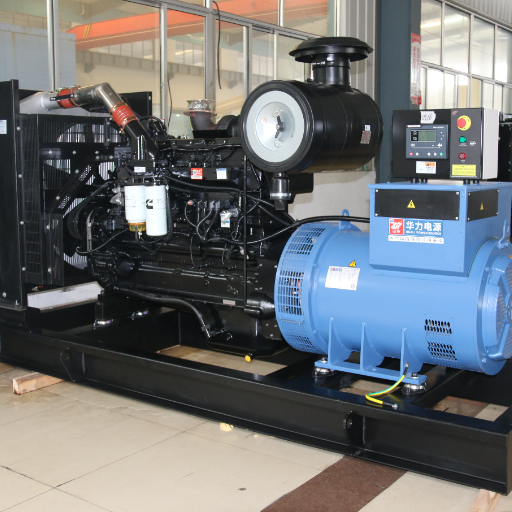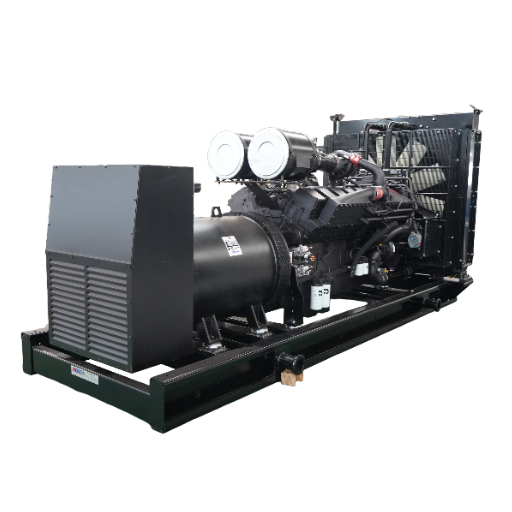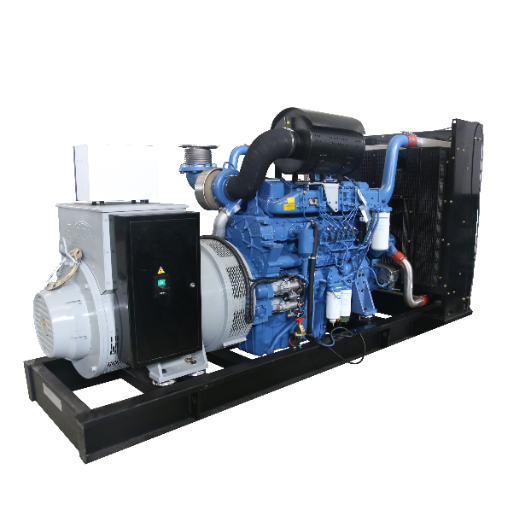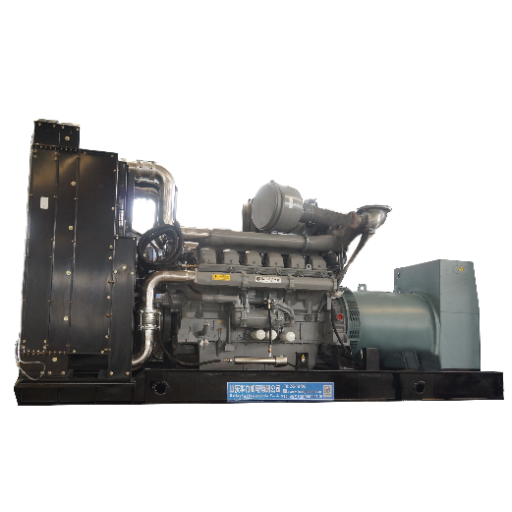


The price range for commercially available diesel generators is vast, extending from approximately $3,200 for small backup units to over $400,000 for megawatt-class industrial systems; lead times also vary—depending on brand, certification, and configuration—from as little as four weeks to more than a year. Selecting the right diesel generator requires a comprehensive evaluation of factors such as power capacity, duty cycle, emissions compliance, and supplier type, all based on actual operating conditions.
A procurement manager in Texas ordered a Tier 4 data-center generator from a Tier 1 OEM in early 2024. The quoted lead time was 52 weeks. By the time the unit arrived in mid-2026, the company had spent $340,000 on rental power across two storm seasons.
The delay was not manufacturing capacity. It was EPA certification backlog and switchgear procurement. That story is why this guide exists.
Buying a diesel generator is a major capital decision, but it does not have to be uncertain. This article provides a practical framework that moves from sizing and specifications to supplier selection and landed cost. You will learn how to compare new, used, and rental options. You will also learn how to read price-per-kW tables, verify specifications before payment, and avoid the most common procurement mistakes.
Key Takeaways
- Diesel generators for sale span 3,200–3,200–400,000+, with price-per-kW typically falling as capacity rises until brand and certification premiums kick in.
- Lead times in 2026 range from 4–16 weeks for Chinese integrated manufacturers to 40–100+ weeks for Tier 1 OEMs.
- New units offer customization and warranty; used units save capital but need inspection; rentals solve short-term gaps but rarely make financial sense long term.
- Landed cost includes freight, duties, VAT/GST, commissioning, fuel, maintenance, and spare parts, often totaling 2–3x the purchase price over ten years.
- Always verify engine brand and model, alternator brand, controller capability, emissions tier, and factory test reports before paying.
What Is a Diesel Generator and Who Buys Them?

A diesel generator is an internal-combustion engine coupled to an alternator that converts diesel fuel into electrical power. The engine provides mechanical rotation; the alternator uses electromagnetic induction to produce voltage. A control system monitors speed, voltage, frequency, oil pressure, coolant temperature, and fault conditions. An automatic transfer switch (ATS) can start the generator and transfer load within seconds of a grid failure.
Diesel generators are categorized by duty cycle:
- Standby power: Emergency backup that runs only during utility outages. Typical run hours are low, but reliability must be immediate.
- Prime power: Continuous operation with variable load where grid power is unavailable or unreliable.
- Continuous power: Non-stop operation at near-constant load, common in mining, remote industrial sites, and off-grid utilities.
The buyers are as varied as the applications. Industrial facilities need industrial diesel generator solutions for manufacturing lines, mining camps, and oil-and-gas sites. Commercial buildings, hospitals, and data centers need standby and prime systems that start automatically and meet strict codes.
Contractors need mobile power for construction sites. Rural businesses and telecom operators need off-grid or backup power in locations where utility service is weak.
For a deeper look at generator types and how they fit different environments, see our overview of diesel generator types and applications.
Types of Diesel Generator for Sale
The right enclosure and mounting format affect noise, portability, weather protection, and installation cost. Most buyers who look for a diesel generator for sale choose among four main formats.
Open Skid Generators
Open skid units mount the engine, alternator, radiator, and control panel on a steel base frame. They are the most cost-effective option per kilowatt and are ideal for indoor plant rooms, covered yards, or sites with existing acoustic screening. Because they have no canopy, installation must include ventilation, exhaust routing, and weather protection.
Silent / Sound-Attenuated Canopy Generators
Silent generators enclose the skid in a steel canopy lined with acoustic insulation. Noise levels typically drop from 95–105 dB(A) at 1 meter for open units to 65–75 dB(A) for well-designed canopies. These are the default choice for hospitals, residential backup, commercial buildings, and events where noise limits apply.If noise control is a priority for your site, our guide to the silent diesel generator for sale explains how canopy design, exhaust silencers, and airflow work together to meet strict decibel limits.
Containerized Generators
Containerized sets fit inside a modified ISO shipping container. They offer integrated fuel tanks, ventilation, lighting, and plug-and-play transport. Data centers, large industrial plants, and rental fleets prefer them because they simplify logistics and can be stacked or relocated quickly.
Portable / Trailer-Mounted Generators
Trailer-mounted generators are common in construction, roadwork, agriculture, and emergency response. Units range from 20 kVA light towers to 500 kVA mobile plants. The trade-off is fuel tank size and noise control, but mobility is unmatched for temporary sites.For projects that move frequently or need power on short notice, our guide to the portable diesel generator for sale covers trailer options, tank sizing, and transport considerations in more detail.
| Generator Type | Best Use | Typical Noise at 7 m | Approximate Price Range |
|---|---|---|---|
| Open skid | Plant rooms, covered yards, industrial sites | 85–95 dB(A) | Lowest cost per kW |
| Silent canopy | Hospitals, commercial buildings, events | 55–75 dB(A) | 10–25% premium over open |
| Containerized | Data centers, large industrial, rental fleets | 70–80 dB(A) | 15–30% premium over open |
| Trailer-mounted | Construction, roadwork, emergency response | 70–85 dB(A) | Varies by trailer and tank size |
The table above is a starting point for any diesel generator for sale. Site-specific noise limits, fuel capacity requirements, and transport restrictions often drive the final decision more than purchase price alone.
New, Used, and Rental Diesel Generator for Sale

The new-versus-used decision is not just about budget. When you compare a diesel generator for sale as new, used, or rental, weigh lead time, risk tolerance, expected run hours, and whether the unit must meet a specific emissions tier or code.
| Factor | New | Used | Rental |
|---|---|---|---|
| Capital cost | Highest | 30–60% below new | No purchase; daily/weekly rate |
| Lead time | 4–100+ weeks | Days to weeks | Immediate to days |
| Warranty | Full manufacturer/dealer warranty | Limited or none | Covered by rental company |
| Customization | Full specification control | As-is or minor modifications | Standard fleet units |
| Risk | Lowest if verified | Higher; depends on history | Lowest ownership risk |
| Best for | Long-term critical applications | Tight budgets, short remaining project life | Temporary gaps, emergencies |
New makes sense when the diesel generator for sale is part of a long-term facility plan, must meet current emissions rules, or needs custom voltage, controller, enclosure, or ATS integration. New units also come with complete documentation, factory acceptance test reports, and predictable spare-part availability.
Used is the better choice when capital is constrained, the run-hour requirement is modest, or a temporary project needs a unit that can be resold afterward. The key is a thorough inspection: engine hours, compression test, alternator insulation resistance, controller fault history, and coolant/oil analysis. If you are leaning toward a pre-owned unit to save capital, our guide to the used diesel generator for sale walks through the inspection checks and history checks that separate a bargain from a liability.
Rental is the only practical option when a permanent diesel generator for sale is delayed, an emergency has already happened, or a project lasts less than a few months. Rental rates add up quickly, but they transfer maintenance, transport, and downtime risk to the rental provider.
A Southeast Asian construction contractor required ten 100 kW mobile diesel generators for a six-month roadworks project. Purchasing new units from Western OEMs would have cost $28,000 each and entailed a 30-week lead time; instead, the contractor purchased units directly from the manufacturer—equipped with Cummins engines and Stamford alternators—for just $14,000 each, with a lead time of only six weeks. Upon project completion, the units were resold at 60% of their purchase price. The lower capital investment and faster delivery ensured the project’s viability.
Industrial Diesel Generator for Sale
An industrial diesel generator for sale generally covers 100 kW to 2,000 kW and beyond. These units serve manufacturing plants, mining operations, data centers, oil-and-gas facilities, water treatment plants, and large construction camps.For a closer look at configurations built for continuous and standby duty in these settings, see our dedicated guide to the industrial diesel generator for sale.
For these buyers, reliability and load acceptance matter more than the diesel generator price. An industrial unit must start and accept full load in one step after a grid failure. That requires:
- A heavy-duty engine with sufficient torque reserve and a proven service network.
- A brushless alternator with Class H insulation and digital automatic voltage regulation (AVR).
- A controller capable of auto-start, remote monitoring, and integration with the building management system or SCADA.
- Adequate cooling capacity for the site’s ambient temperature and altitude.
- Fuel storage sized for the required runtime, plus filtration and water separation.
Engine choices are usually split between global brands and strong regional brands. Global options include Cummins, Perkins, MTU, Volvo Penta, and Doosan. Regional options include Weichai, Yuchai, and Shanghai Diesel. Alternator brands such as Stamford, Leroy-Somer, and Mecc Alte dominate premium applications, while cost-sensitive projects may use qualified Chinese alternators with documented test data.
If your application is large-scale or mission-critical, explore our high-capacity industrial generator range to see configurations designed for continuous and standby duty. For megawatt-class projects in particular, our guide to choosing a 1000kw diesel generator supplier explains how to evaluate paralleling capability, cooling, and after-sales support at that scale.
Commercial Diesel Generator for Sale
A commercial diesel generator for sale typically falls between 50 kW and 500 kW. These units protect offices, retail centers, hotels, apartment buildings, schools, small hospitals, and telecommunications facilities.Our guide to the commercial diesel generator for sale covers how to balance space, noise, and code requirements when specifying a unit for these buildings.
Commercial buyers face different constraints than industrial buyers:
- Space: The generator must fit in a designated room, rooftop enclosure, or parking area.
- Noise: Local ordinances often limit sound at the property line, making silent canopy units the norm.
- Codes: In the United States, NFPA 110 classifies emergency power supply systems by Level, Type, and Class. Level 1 systems support life safety and require stricter acceptance testing and maintenance than Level 2 systems.
- Fuel storage: Tank capacity must balance runtime requirements, fire codes, and spill containment rules.
- ATS integration: The transfer switch must match the generator controller and the building’s electrical topology.
Because commercial units run fewer hours than industrial prime-power units, durability is still important when choosing a commercial diesel generator for sale, but first-cost and noise control often drive selection. A 200 kVA silent canopy generator for a hotel, for example, must start automatically, run quietly, and fit within a compact mechanical yard.
Diesel Generator Price by kW Tier
Pricing for a diesel generator for sale depends on capacity, brand, enclosure, emissions certification, controller, and alternator. If your main concern is diesel generator price, the tables below show representative 2026 ranges based on manufacturer listings, reseller inventories, and marketplace data.For a full breakdown of how cost scales with capacity, our guide to diesel generator price per kW explains why the per-kilowatt figure falls as units get larger and where brand premiums reverse that trend.
| Capacity Tier | Typical Use | Price Range (USD) | Price per kW (USD) |
|---|---|---|---|
| 10–30 kVA | Residential, small commercial standby | 3,200–3,200–8,500 | 200–200–400 |
| 50–200 kVA | Commercial buildings, retail, hotels | 10,000–10,000–40,000 | 120–120–250 |
| 200–500 kVA | Larger commercial, light industrial | 30,000–30,000–75,000 | 100–100–200 |
| 500–1,000 kVA | Industrial, data centers, hospitals | 60,000–60,000–140,000 | 90–90–180 |
| 1 MW+ | Heavy industrial, utilities, large campuses | 125,000–125,000–400,000+ | 125–125–400 |
The 500 kW class sits at the crossover point where commercial and industrial needs meet, so if that capacity fits your project, our detailed 500kw diesel generator price guide shows exactly what drives the quote for this popular size.
Several factors push a diesel generator for sale toward the top or bottom of each price band:
- Engine brand: Premium OEM engines command 20–50% more than equivalent regional engines.
- Emissions tier: EPA Tier 4 Final and EU Stage V add after-treatment systems (DPF, SCR) that increase cost and complexity.
- Alternator brand: Stamford, Leroy-Somer, and Mecc Alte cost more than unbranded or regional alternators.
- Enclosure: Silent and containerized enclosures add 10–30% over open skid pricing.
- Controller and ATS: Deep Sea, ComAp, and Smartgen controllers with full auto-start and remote monitoring add cost but reduce operational risk.
- Import duties and freight: These are not in the FOB price. A 50,000generatorcancarryanother50,000generatorcancarryanother8,000–$15,000 in shipping, insurance, and duties depending on the destination.
At the 1 MW level, price-per-kW ranges from about 125to125to400 according to LETON Power. The spread is driven largely by engine brand and emission certification. Use these ranges as a starting point when you evaluate any diesel generator for sale.
2026 Diesel Generator Lead Times by Supplier Tier

Lead time is often the decisive factor for a diesel generator for sale in 2026. Tier 1 OEMs are running extended backlogs because of component shortages, EPA certification queues, and strong data-center demand.
| Supplier Tier | Typical Lead Time | Strengths | Considerations |
|---|---|---|---|
| Tier 1 OEMs (Caterpillar, Cummins, MTU, Kohler) | 40–100+ weeks | Proven reliability, global service, strong resale value | Highest cost, longest waits, allocation into 2027–2028 |
| Certified GOEMs / Tier 2 assemblers | 18–30 weeks | Balanced cost and quality, faster than OEMs | Verify engine and alternator sourcing, local service capability |
| Chinese integrated manufacturers | 4–16 weeks production | Competitive pricing, flexible customization, scalable capacity | Check certifications, factory acceptance testing, and after-sales parts network |
| Resellers / surplus dealers | Days to weeks for in-stock units | Immediate availability, price negotiation | Inspect hours, condition, and remaining component life |
These lead-time ranges are consistent with 2026 data from Shanhuachina. Match these lead times to your project schedule before you finalize a diesel generator for sale.
Caterpillar’s 2026 backlog has reached approximately $63 billion, and Cummins data-center allocations extend into 2028. Those numbers explain why many buyers are looking at certified assemblers and diesel generator suppliers outside the Tier 1 OEM channel to close delivery gaps.
The real bottleneck is often not the generator itself. Permitting, switchgear procurement, ATS availability, and on-site commissioning can add weeks or months beyond the factory lead time. A buyer who selects a supplier with 10-week production may still wait 14 weeks for switchgear and 6 weeks for commissioning. That creates a 30-week total timeline, not 10.
When evaluating lead times, ask for a documented schedule that includes production, inspection, shipping, customs, and commissioning. Manufacturer-direct suppliers with integrated production and testing can often compress this schedule because they control the full build process.
Where to Buy a Diesel Generator for Sale
The four main purchase channels each serve a different buyer profile. If you want to buy a diesel generator, understanding the trade-offs helps you avoid both overpayment and hidden risk.To weigh the full range of sourcing options side by side, our overview of diesel generator suppliers compares dealers, marketplaces, manufacturers, and surplus channels so you can match the right seller to your project.
Authorized Dealers and Resellers
Resellers such as Generator Source carry large inventories of new and used units across a wide kW range. The advantage is immediate availability and the ability to compare multiple diesel generator suppliers. The disadvantage is that resellers rarely offer manufacturer-direct customization, and pricing includes their markup.
Online B2B Marketplaces
Platforms like Alibaba and Made-in-China list diesel generators at every diesel generator price point. Portable units start near 108–108–180 per set at volume, while industrial sets range from 3,600to3,600to63,000 or more. Marketplaces are useful for discovering suppliers and rough pricing, but FOB quotes do not include freight, duties, VAT/GST, commissioning, or after-sales support. Treat marketplace listings as the starting point for due diligence, not the final price.For practical tips on vetting sellers and avoiding hidden costs when shopping these platforms, see our guide to buying diesel generators for sale online.
Manufacturer-Direct Purchasing
Buying directly from a manufacturer removes the middleman, allows customization, and provides direct access to engineering support and test documentation. This is often the best way to buy diesel generator equipment if you have a technical team that can validate specifications. Manufacturer-direct pricing is usually the most transparent, but the buyer takes more responsibility for logistics and import clearance.
At Shandong Huali, we supply diesel generators for sale directly from our factory, with configuration support, factory acceptance testing, and documentation for global shipment. This is the most transparent way to buy a diesel generator for sale when you know your specifications. Learn more about our manufacturing capability and project experience.
Auctions and Surplus Dealers
Auctions and surplus dealers sell decommissioned units from data centers, utilities, and industrial plants. Prices can be attractive, but the risk is high. Hours may be understated, maintenance records may be incomplete, and spare parts for older control systems may be hard to find.
A hospital facilities director in Nigeria purchased a “new” 500 kVA silent generator online at 40% below market price. Upon arrival, the alternator was a rewound unknown brand and the controller lacked English-language support. The unit required $18,000 in corrective work before commissioning. The experience underscored why specification verification matters more than sticker price.
Key Specifications to Verify Before Purchase

Before paying a deposit on a diesel generator for sale, verify every major component and document. A legitimate supplier should provide this information without hesitation.
Engine
- Brand, model, and country of manufacture
- Rated kW/kVA at the required duty cycle
- Emissions tier (EPA Tier, EU Stage, or local equivalent)
- Service interval and recommended spare parts list
Alternator
- Brand, model, insulation class (F or H), and IP rating
- Voltage regulation type (analog or digital AVR)
- Winding pitch and harmonic performance
- Temperature rise class
Controller
- Brand and model (Deep Sea, ComAp, Smartgen, etc.)
- Auto-start, auto-stop, and remote monitoring capability
- Language support and parameter access
- Fault logging and event history
ATS and Switchgear
- ATS ampere rating and transfer time
- Compatibility with generator controller and utility protection
- Enclosure rating for the installation environment
Fuel Tank and Enclosure
- Tank capacity and runtime at rated load
- Fuel level monitoring and leak detection
- Enclosure material, acoustic rating, and ventilation design
- Environmental rating (IP code) for outdoor use
Testing and Documentation
- Factory acceptance test (FAT) report
- Load acceptance test at 0–100% step load
- Engine and alternator factory test certificates
- Wiring diagrams, operation manual, and parts book
If a seller refuses to share engine and alternator model numbers, cannot provide a load test report, or pressures you to pay before documentation review, walk away. The cheapest diesel generator for sale can become the most expensive if it fails on day one.
Use the checklist below whenever you evaluate a diesel generator for sale.
Total Cost of Ownership Beyond Sticker Price
The purchase price is only the beginning. Factor these lifetime costs into every diesel generator for sale you compare. Over a 10-year life, fuel, maintenance, and parts often exceed the initial cost by a factor of two to three.
Shipping and Import Costs
- Ocean freight, insurance, and port handling
- Import duties, VAT/GST, and customs clearance fees
- Inland trucking from port to site
Installation and Commissioning
- Foundation, vibration pads, and anchoring
- Exhaust, ventilation, and fuel system piping
- Electrical connections, ATS installation, and load testing
- Commissioning engineer travel and labor
Fuel Consumption
- Diesel consumption is typically 0.25–0.35 liters per kWh depending on engine efficiency and load factor.
- A 500 kW generator running at 75% load for 1,000 hours per year can consume 93,000–130,000 liters annually.
Maintenance and Spare Parts
- Oil, filters, belts, hoses, coolant, and batteries
- Major overhaul at 10,000–15,000 hours
- Spare parts inventory for critical components
Warranty Terms and Exclusions
- What is covered: engine, alternator, controller, or complete genset?
- Geographic coverage and authorized service centers
- Conditions that void warranty, such as unauthorized parts or missed service intervals
When comparing quotes, build a simple 10-year model. A generator that costs 15% more upfront but uses 8% less fuel and has a longer service interval will often win on total cost of ownership.
Red Flags and How to Avoid Scams

The global diesel generator for sale market includes excellent suppliers and bad actors. Watch for these warning signs in any listing:
- Unrealistically low prices: If a quote is 30% below comparable offers, verify what is missing or substituted.
- Vague engine or alternator branding: “Cummins type” or “Stamford type” is not the same as genuine Cummins or Stamford.
- Missing test reports: A new generator should have FAT records. A used generator should have service history and load test data.
- No physical address or factory visit option: Legitimate manufacturers welcome video calls, audits, or third-party inspections.
- Pressure to pay before documentation review: Never transfer a deposit until specifications, contract terms, and payment milestones are clear.
The best protection is a purchase order that ties final payment to factory acceptance testing, shipping documents, and delivery condition. Escrow or a letter of credit can also reduce risk for large international transactions.
FAQ: Diesel Generator for Sale
How much does a diesel generator cost?
Prices for small standby units (10–30 kVA) range from $3,200 to $8,500; mid-sized commercial units (50–200 kVA) range from $10,000 to $40,000; large industrial systems (above 500 kVA) start at approximately $60,000, while 1 MW units range from $125,000 to $400,000 (or higher). The diesel generator price ranges mentioned above reflect market conditions for 2026.
What size diesel generator do I need?
List all loads and include motor starting current. Then apply a 10–25% future-growth margin. Match the result to the generator’s kVA rating at your site’s altitude and temperature. A qualified engineer should validate the calculation.
How long does it take to get a diesel generator in 2026?
Lead time for a diesel generator for sale in 2026 varies by supplier tier. Tier 1 OEMs quote 40–100+ weeks. Certified assemblers often deliver in 18–30 weeks. Chinese integrated manufacturers commonly quote 4–16 weeks production. Permitting, switchgear, and commissioning can add additional time.
Should I buy a new or used diesel generator?
Buy new for long-term critical applications, emissions compliance, and customization. Buy used when capital is limited and run hours will be low. Rent for emergencies or short-term projects.
Is it safe to buy a diesel generator from Alibaba or Made-in-China?
You can safely buy a diesel generator for sale on these marketplaces if you treat them as supplier discovery tools. Verify the factory, request video calls, ask for FAT reports, and use secure payment terms. Do not assume FOB pricing is your final landed cost.
What is the difference between kW and kVA?
kW is real power. kVA is apparent power, which includes reactive power. The relationship is kW = kVA × power factor. Most industrial generators are rated in kVA, and the power factor is typically 0.8.
What emissions standards should I look for?
In the United States, look for EPA Tier 4 Final for stationary emergency and prime power. In Europe, look for EU Stage V. Other regions have their own standards; confirm local requirements for any diesel generator for sale before purchasing.
Can I negotiate the price of a diesel generator?
Yes, especially for multiple units, repeat orders, or standardized configurations. Negotiation is harder for Tier 1 OEMs during periods of allocation. Manufacturer-direct suppliers often have more flexibility on options, packaging, and payment terms.
Conclusion
Buying a diesel generator for sale in 2026 requires more than comparing catalog prices. It demands a clear understanding of capacity, duty cycle, enclosure type, emissions compliance, supplier lead times, and total cost of ownership. The buyers who get the best outcomes verify specifications and model landed cost. They also choose a supplier that can deliver both the equipment and the documentation needed for reliable commissioning.
The global diesel genset market is forecast to reach approximately USD 22.78 billion in 2026, according to Grand View Research and Research and Markets. Growth is driven by data-center expansion, grid instability, and industrial growth in Asia Pacific. That demand is stretching Tier 1 OEM lead times and creating opportunities for buyers who work with certified assemblers and integrated manufacturers.
If you are evaluating a diesel generator for sale for your facility or project, start with a technical consultation. Tell us your load profile, duty cycle, and delivery needs. The right specification today prevents expensive problems tomorrow. Contact Shandong Huali for a competitive quote, factory acceptance testing support, and a delivery schedule that matches your project timeline.