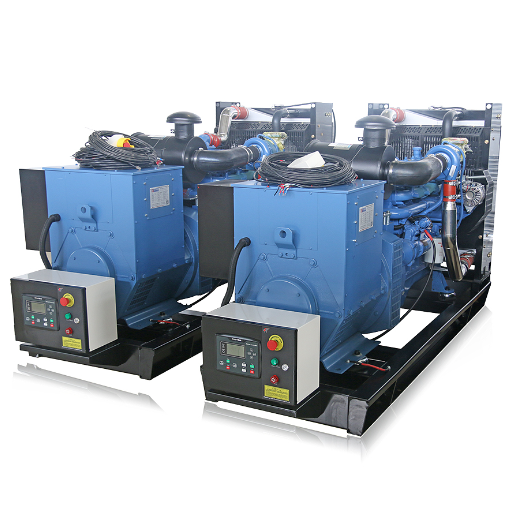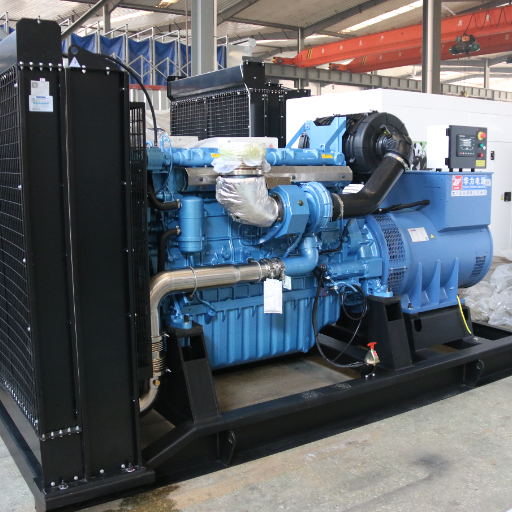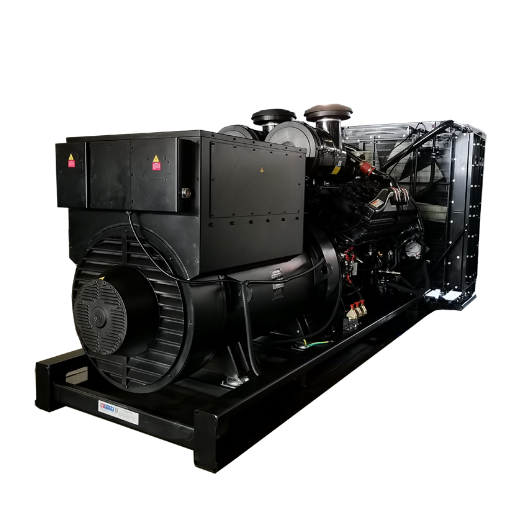

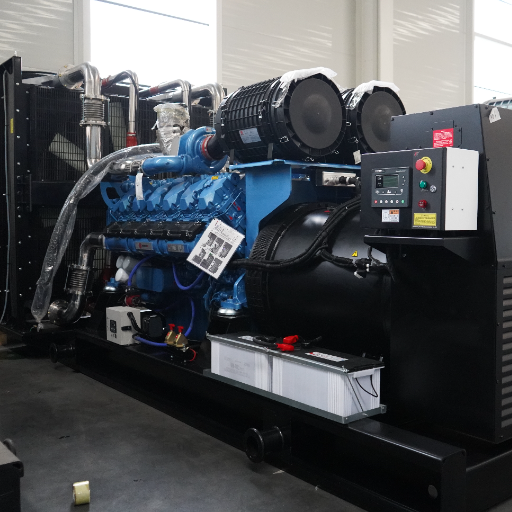
A generator inspection and test plan (ITP) sets out the agreed inspections, acceptance references, responsibilities and records for a generator package. It also identifies where work must stop for release and where another party must receive an invitation to witness.
The set has passed a test. Can it move to the next stage? That depends on the agreed release rules, not just the reading on a test sheet. Buyers need those rules before the test date arrives.
This guide provides a planning worksheet and shows how to connect each activity to a decision. It separates test results, attendance and permission to proceed.
Key Takeaways
- Identify the complete set and its configuration before assigning inspection points.
- Define hold, witness and review in the approved project legend.
- Name the criteria source, record and release authority for each activity.
- Keep failed results, waivers and repeat tests linked to their original rows.
Planning a purchase? Send Huali your project scope and proposed inspection requirements to ask which arrangements and deliverables can be agreed.
What a generator inspection and test plan decides
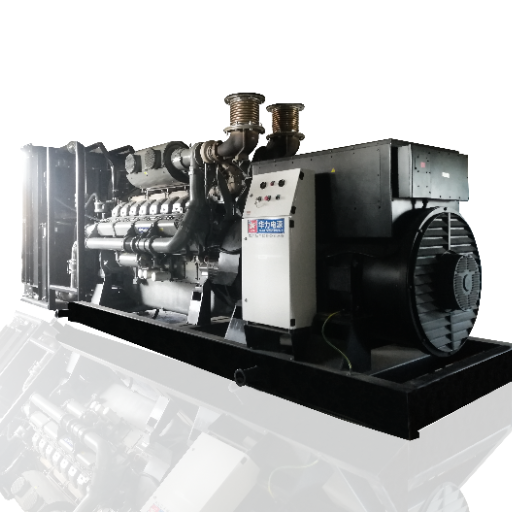
Plan, procedure and report answer different questions
The generator inspection and test plan answers: what needs checking, against which reference, by whom, with which intervention and record? The approved procedure tells qualified staff how to do the work. The report shows what happened and what result was obtained.
Link the documents by number and revision. A generator inspection and test plan row that says only “test according to standard” leaves the method and limits unclear. Which document sets the pass/fail criteria? Name the approved procedure and its relevant section so the buyer can find the answer.
Use our generator set commissioning procedure for the broader factory-to-site sequence. A generator inspection and test plan adds responsibility and evidence controls to that sequence; it does not replace the execution procedure.
Identify the equipment boundary
State whether a row concerns the alternator, complete generating set, supplied accessories or installed site system. A component report cannot answer every question about the assembled package or its site interfaces.
ISO 8528-6:2023 addresses test methods for complete reciprocating-engine AC generating sets. Its public scope helps distinguish complete-set testing from component evidence. Agree the applicable edition and project requirements; the catalogue does not supply this worksheet with acceptance limits.
Illustrative scenario: A purchaser receives a sheet marked “passed” but cannot match it to a unit or approved procedure. The first review action is to request those references. Even after they are supplied, the purchaser still needs the release decision required by the contract.
Put the same boundary in the generator inspection and test plan header and the report index. This gives the buyer a consistent starting point when checking a delivery containing more than one set.
Hold and witness points in a generator inspection and test plan
An invitation to observe and authority to release are different responsibilities. Define the codes used in your generator inspection and test plan rather than assuming every organization reads H, W and R identically.
Inspection-provider guidance on inspection and test plans describes coordinated intervention by the parties. Apply that principle through the approved project legend and contract. Do not import another project’s notice period or absence rule.
Hold: identify the stop and the releasing role
A hold point prevents progression beyond its defined boundary until the authorized party releases it under the agreed rules. Write that boundary precisely: before the named test, before packing or before another identified activity. Avoid a general “buyer approval” note with no decision attached.
Who can release the hold? Name that role, the evidence needed and how the decision is recorded.
If that person cannot attend, name the approved alternate or escalation route. Don’t treat a signature for attendance as permission to proceed.
Witness: agree notice and nonattendance rules
A witness point offers the named party an opportunity to observe. Specify how notice is issued, how receipt is recorded, what changes require a new invitation and what happens if the party cannot attend. The generator inspection and test plan should point to the agreed absence or waiver rule.
Illustrative scenario: An invited remote witness cannot attend the planned session. The team checks whether an authorized waiver or rescheduled session is required. If a separate hold point controls progression, the missed invitation does not release that hold.
Review: name the document and decision
A review point identifies records that a named role must examine. Say whether that review must finish before release or can occur at another agreed stage. “R” alone cannot settle that timing.
| Suggested code | Decision to define | Evidence to retain |
|---|---|---|
| H: hold | Who permits progression beyond the boundary? | Authorized release and supporting record references |
| W: witness | Who is invited, and what rule applies if absent? | Notice, receipt, attendance or authorized waiver |
| R: review | Who reviews which revision, and when? | Review outcome and disposition of comments |
These are suggested meanings for discussion, not assigned intervention points. Check the roles against the generator tender specification before approving the matrix. Keep the supplier, purchaser and any third-party inspector visible as separate participants.
Also define the scope of each person’s authority. An inspector may record observations without having authority to accept a deviation. Write that distinction into the generator inspection and test plan so a completed attendance box cannot conceal an unresolved decision.
Build a generator inspection and test plan matrix buyers can review
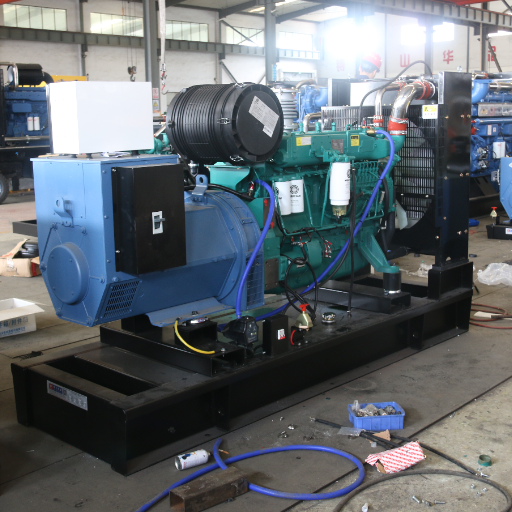
Start the generator inspection and test plan with a controlled header: project, purchase order, package scope, unit/model/serial identifiers, document number, revision and approval status. For multiple units, identify which rows apply to each set and how shared documents are referenced.
Use two linked tables
The generator inspection and test plan worksheet below splits activity references from responsibility fields for a narrow screen. Use the row identifier to join them in your project form.
Illustrative planning worksheet; project approval required. These rows are discussion prompts, not mandatory tests, test instructions or completed acceptance records. Technical limits, procedure revisions, H/W/R allocations and notice duration remain To be agreed.
| Row | Proposed activity | Scope and criteria references to complete |
|---|---|---|
| A | Document/configuration review | Purchase scope, unit list, approved drawings and revisions |
| B | Identity and visual inspection | Unit identifiers, agreed inspection scope and criteria |
| C | Applicable pre-test readiness checks | Approved readiness procedure and prerequisites |
| D | Agreed factory functional/load testing | Test configuration, approved procedure and acceptance references |
| E | Exception disposition and affected repeat tests | Original issue, authorized disposition and retest scope |
| F | Factory release and packing review | Release prerequisites and agreed packing evidence |
| G | Site interface and dossier handover, if contracted | Site scope, responsible parties and handover requirements |
For each selected row, complete the companion control fields:
| Control field | What the project team must enter |
|---|---|
| Performer | Responsible organization and role |
| Intervention | Purchaser/TPI designation; meaning defined in the legend |
| Notice | Agreed duration, recipient and notice/receipt record |
| Attendance or waiver | Linked record and authorized decision, where applicable |
| Evidence | Report/data-file identifier and revision |
| Release | Authorized role, decision record and status |
TPI means third-party inspection. Add a separate column for each participant when their intervention differs. Do not place a single “W” against the whole team and leave readers guessing who receives notice.
Make each row traceable
Compare “load test passed” with this proposed record structure: “Unit identifier: to be entered; approved procedure/revision: to be entered; criteria reference: to be entered; report/data file: to be entered; release decision: pending.” The second entry exposes what must be supplied without inventing a result.
Record the agreed load type and configuration by reference. Avoid treating every activity called a load test as identical. The generator inspection and test plan records the selected scope; the approved technical procedure carries the test method and limits.
Avtron’s guidance on load-test data capture explains the value of consistent data for comparison and investigation. Link the report to its data files and instrument/calibration references where applicable, so the reviewer can locate the evidence behind a summary.
Use video as context
The following Cat Electric Power video introduces its own pre-delivery witness-testing context. It illustrates factory observation; it does not establish Huali facilities, an approved project procedure or acceptance of your unit.
Prepare your generator inspection and test plan before discussing attendance. Ask Huali about the proposed scope, witness arrangements and required records, attaching your matrix and configuration references rather than requesting an undefined “full test.”
Handle a missed witness, failed test or changed configuration
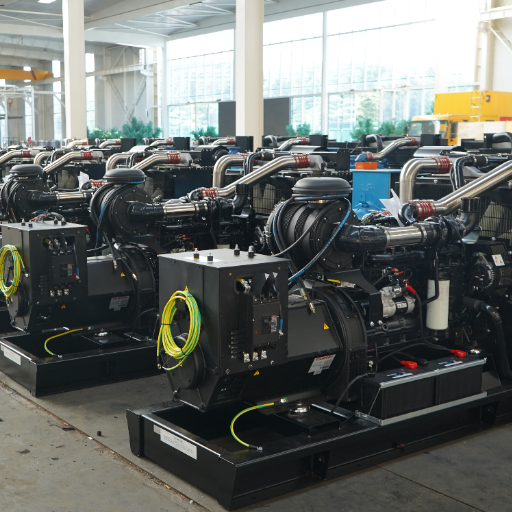
The generator inspection and test plan needs an exception route as well as routine rows. Write down the event, affected activity, responsible owner and decision required. Preserve the original record so the later reviewer can follow the sequence.
When a witness cannot attend
Check the issued notice, receipt and approved absence rule. Ask the authorized role for the required decision if the rule does not resolve the situation. Record a waiver only when it has actually been authorized; an unanswered message is not evidence of approval.
For remote attendance, agree which activities must be seen live and which files must be delivered afterwards. If recorded footage is proposed instead, obtain agreement before treating it as the witness arrangement. A highlight video cannot document every activity merely because it shows the same generator.
When a test fails
Retain the actual result and identify the unmet criterion. Open the project’s discrepancy or nonconformity record, link it to the ITP row and obtain the authorized disposition. A corrective action note alone does not demonstrate that a required repeat test succeeded.
Define the affected retest scope through the approved project process. Keep the new report connected to the failed result, then record the authorized closure and any remaining restrictions. The generator inspection and test plan should make the chain visible without overwriting history.
When equipment or settings change
Illustrative scenario: A controller setting changes after the witnessed session. The reviewer asks which approved configuration the report represents and which checks the change affects. The original report remains linked to its original configuration while the authorized team decides what additional verification is needed.
Record the changed item, previous baseline, approved revision and affected documents. Update references in the generator inspection and test plan and dossier together. Do not assume that every change requires every test again, or that no further check is needed; that decision belongs to the authorized technical review.
Show open items at the release boundary. If a concession would permit work to proceed with a restriction, name its approver and retain its written scope. Use clear status notes:
| Status | Record needed for the next decision |
|---|---|
| Test incomplete | Missing activity and responsible owner |
| Failure open | Unmet criterion and proposed disposition |
| Concession accepted | Authorized terms and remaining restrictions |
A later signature alone doesn’t explain which status applies.
Assemble acceptance records and agree the supplier handover
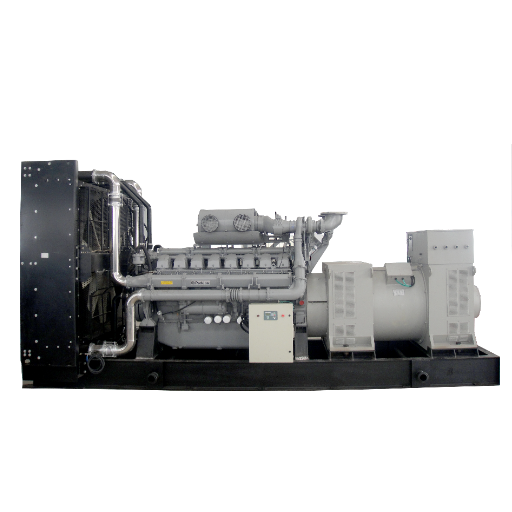
A generator inspection and test plan becomes useful at handover when its rows lead to findable records. Build a dossier index around the agreed activities, not an unexplained folder of PDFs.
Index evidence by unit and activity
Start the index with the approved generator inspection and test plan and its revisions. Add the linked procedures, unit/configuration records, inspection sheets, test reports and data files. Include relevant instrument/calibration references, attendance or waiver records, discrepancies, repeat tests and release decisions as required by the project.
Give each entry a document number, revision, unit scope and status. Does one report cover multiple units? Show which ones in the index. Mark missing records and pending reviews openly so the buyer can see what remains to be closed.
The generator inspection and test plan should let a buyer distinguish four decisions: execution of the specified test, technical release at the factory, permission to ship and acceptance of the installed system. Identify which records support each decision and which party owns it.
Agree the boundaries before handover
Project inspection records also differ from the wider technical file discussed in our OEM generator documentation responsibilities guide. Shipping and customs paperwork have their own purpose. Keep these deliverables separate in the purchase scope even when they share equipment identifiers.
Before approval, ask who performs each activity, who receives notice, who resolves exceptions and who accepts the dossier. Confirm file formats, record language, revision control and delivery timing through the contract. Treat those as terms to agree, not as assumptions about a supplier’s standard package.
Use the generator inspection and test plan as the agenda for that conversation. Contact Huali with your unit scope, criteria references and proposed record list to discuss what can be included in the supply agreement. A clearly assigned decision is more useful than a larger bundle of unconnected documents.
Frequently asked questions
Is an ITP the same as a commissioning checklist?
No. A generator inspection and test plan assigns inspections, roles, criteria references and records. A commissioning checklist follows checks through the commissioning sequence. Where they cover the same activities, link the procedure, evidence and release authority as the scope requires; keep each document’s purpose clear.
What is a hold point versus a witness point?
A hold point stops work beyond a defined boundary until authorized release. A witness point offers a chance to observe. Define notice, absence and waiver rules in the project legend. Witness nonattendance does not release a separate hold; retain the decision required for that boundary.
Can testing continue when the invited inspector does not attend?
Follow the approved generator inspection and test plan and contract, checking that notice was issued and received as required. Obtain any specified waiver or release. If the documents leave the absence unresolved, ask the authorized role. Silence does not establish permission to pass a hold point.
Can recorded video replace a witnessed test?
Only where the parties have agreed that arrangement and its scope. Define the activities, unit identity, data and review process. Footage can support the dossier, but video does not automatically meet a live-witness obligation. Nor does it provide the authorized release required by a hold point.
Which records should accompany a generator ITP?
Use the approved plan to build the record list. Scope may include configuration references, inspection sheets, test reports, data files, instrument records, attendance or waiver evidence, discrepancies, repeat tests and release decisions. Index documents by unit, activity and revision so buyers can find and review the evidence.
Does a passed factory test also accept site integration?
A passed factory test establishes the result within its recorded scope and conditions. Site interfaces need their own agreed acceptance evidence. Keep factory release, shipment and site acceptance distinct in the generator inspection and test plan. Identify each responsible party and required record before approval.