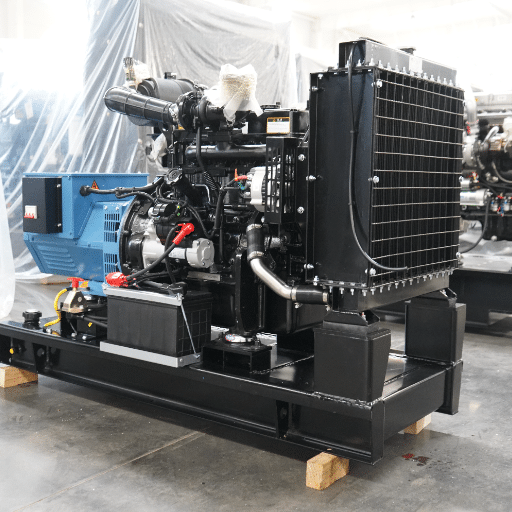


The management of dependable backup power systems is a crucial factor that guarantees the safety, functionality, and continuity of educational institutions during blackouts. Generators in schools are crucial for keeping different systems running, which include lighting, HVAC, communication networks, and security, among others. Nonetheless, the reliability of these systems is largely determined by maintenance practices that are both regular and rigorous. The article that follows is intended to shed light on the necessity of maintenance of school generators, providing details about the best practices, hazards of neglect, and practical tactics to make sure that these systems are reliable when they are most needed. Through the comprehension of the complexities of generator maintenance, the school management and facilities can protect their institutions from interruptions and keep the learning environment safe at all times.
Understanding Generators for Schools
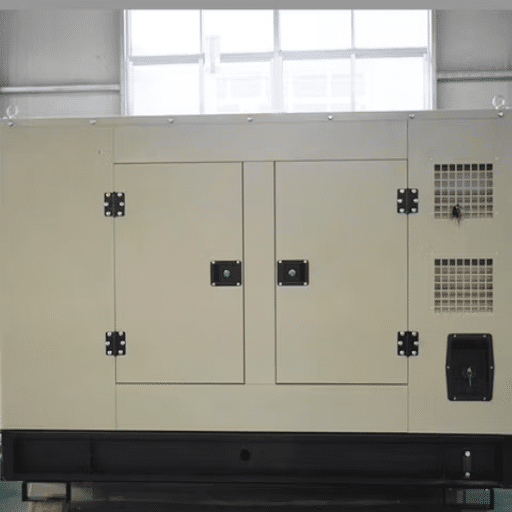
Generators are absolutely vital for supplying schools with power that does not get interrupted at any time, especially during outages or emergencies. The backup power from these systems is used for the most important functions like lighting, heating, air conditioning, technology systems, and security. If there are reliable generators, then critical operations can go on without disruption, which will not only protect the safety of the students and staff but also keep the educational facilities functional. Schools mostly have diesel or natural gas generators because they are efficient and reliable; therefore, maintenance and inspections must be done regularly so that the performance is optimal when needed.
Types of Generators Used in Educational Facilities
Academic institutions, for example, use different kinds of generators, the choice of which depends on such factors as their power needs, efficiency, and reliability. The following are some of the most common types:
Diesel Generators
Diesel generators are the most preferred choice because of their long life and low maintenance costs. They are able to generate a lot of power and are made to run for long periods under heavy load. Diesel generators are particularly the best option in large campuses with high energy requirements, where the cost of power generation still has to be kept low, because they have a relatively low running cost when compared with generators of other types.
Natural Gas Generators
Natural gas generators produce fewer emissions than diesel generators and thus offer a cleaner alternative. These gas-powered generators are not only very efficient but also environmentally friendly since their emissions are minimal. They are very suitable for schools near the gas pipeline as they would guarantee a steady and long-term performance, along with being quieter than other types.
Portable Generators
Portable generators are the solution of choice for small facilities or as a backup for larger ones during power outages. These little machines can be moved and installed effortlessly; they would be very helpful in providing urgently needed power to such things as lighting, communication equipment, and maybe even some appliances.
All these types of generators have their own places, and the one that is chosen often depends on the size of the institution, budget, and local infrastructure. The generators give a power supply at the desired time through regular maintenance and proper energy needs assessment.
The Importance of Backup Generators
Backup generators are very important machines that make sure the power supply does not get interrupted, no matter how many natural disasters, grid failures, or other emergencies occur. Power supply is very important for every household, business, hospital, and data center, so the interruption of power supply means the loss of money and even the destruction of sensitive equipment. Reliability in power supply for businesses ensures no revenue loss and no threat to the systems that are critical to the business. For domestic users, it means comfort and the safety of family members during power cuts that last for a long time.
The different types of backup generators include portable and standby generators as the two main classifications. Portable generators are user-friendly, inexpensive, and suitable only for temporary requirements. Besides, they have limitations, such as requiring human intervention for setting up and refueling. Standby generators, on the contrary, are permanently set up on the premises and automatically come into action when a blackout happens. These are the strongest systems and therefore the most suited for long-term reliability in power, but the cost and complexity involved upfront are higher.
Users must determine electrical load, availability of fuel (like natural gas, diesel, or propane), and possible maintenance costs over a long period in order to make a wise choice of a backup generator. Their role is so important that they are the source of tranquillity, conducting critical operations and, of course, non-stop production for both domestic and commercial applications. It can be said that reliable backup power solutions are a long-term investment to mitigate the risks posed by the increasing number of power disturbances in our energy-dependent society.
How Generators Provide Emergency Power
Generators work by transferring the mechanical energy from the engine into electrical energy with the help of electromagnetic induction, thus providing a source of power in emergencies. The automatic transfer switch (ATS) detects the outage of utility power and signals the generator to start when the power outage occurs. The generator is then able to supply power to the respective circuits, thereby preventing interruption of operation for the critical systems and equipment.
Diesel, natural gas, or propane are the common fuels powering emergency generators. The fuel is combusted to run an internal combustion engine, then the engine drives an alternator to produce electricity. The installation of high-grade voltage regulation systems guarantees that the output is stable and safe for use with sensitive devices.
The latest standby generators are equipped with sensors that monitor the quality of the power in real-time. Once the utility power is back, the ATS automatically reverts to the grid, and the generator is signaled to stop. This operation is so smooth that it hardly causes any interruption, which is why generators are so much needed in homes, hospitals, data centers, and factories that cannot afford power failures.
Types of Generators for Schools
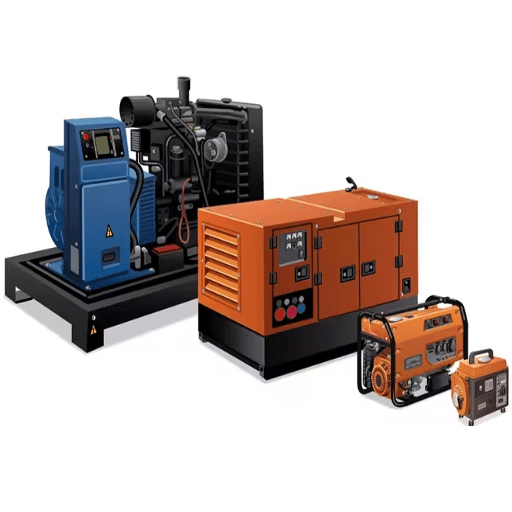
During outages, schools usually depend on two kinds of generators to keep their operations running without any interruptions:
Standby Generators
These units are installed at the place permanently and start to work by themselves when the outage occurs. Standby generators assure continuous power and are very suitable for the operation of necessary systems such as lights, air conditioning, communication devices, and security. They can be driven by diesel, natural gas, or propane; they are often very reliable for a long duration of usage. The installation of these generators is a one-time process, and they automatically switch on when the power goes out. They are capable of large-scale electricity load shedding and thus are used in large facilities, hospitals, and sometimes even in the military. Besides that, they also need high power for reasons such as HVAC systems, lighting, and essential electronic equipment. The typical fuel for standby generators is natural gas or propane, which results in higher efficiency and lesser runtime without frequent refueling. The costs of installation are higher, but they provide seamless operation with minimal manual intervention.
Portable Generators
Portable generators are small, easily transportable devices that can provide power temporarily. They are a cheap solution for smaller schools or short-term power needs. However, they have to be set up manually and usually supply power to fewer devices than the standby ones. These are the smaller, mobile units, which are cheaper, and their use is limited to temporary power needs. They will only be able to power essential devices, but will not be able to sustain the entire energy needs of a bigger facility. Portable generators require manual setup, regular fueling (usually gasoline or diesel), and supervision, which makes them more labor-intensive compared to standby options.
The two ways depend primarily on the particular power requirements and financial resources of the school. Standby generators are tipped for their automation and ability to cope with bigger loads. When establishing which backup generator is the most appropriate one, the most important matters to consider are the school’s electricity load, the expected outage duration, the budget, and whether total automation is a priority. Standby generators are usually the best choice for schools that are looking for a strong and long-lasting solution. In contrast, portable generators may be enough for short-term situations or those that are under a tight budget. Comprehensive maintenance planning is also very important to ensure the long life and good performance of either option.
Emergency Power Generators
When selecting the best emergency power generator for a school, it is necessary to analyze several important factors. Start with the total energy load requirements to determine that the generator has enough capacity to supply the essential systems like lighting, HVAC, and communications. For blackouts lasting long, a standby generator will allow the whole school to be powered up automatically, coming into operation when the grid power is down, and operating under reliable and long-term use. On the other hand, portable generators, despite being cheaper, are more like a temporary power solution and less demanding. Still, they are quite labor-intensive as they require manual operation.
Budget Considerations: Another the budget constraint is a major factor that cannot be overlooked. Standby generators are the black sheep in this regard; sure, they come at a high price at the beginning, but their efficiency and automation will eventually be the reason for not incurring the cost of operations over time. In contrast, portable generators are low in total cost, but fuel and maintenance will still cost, making them unfit for widespread use.
Besides, maintenance is a must in the case of generators as it significantly extends their life and optimizes performance. Both portable and standby units require regular inspections, supply management, and load testing as the no-side operations. It is better to choose a generator size that can provide a 25-30% power cushion over the calculated load to cover emergency surges or future expansion.
Obeying the laws and regulations of the locality is yet another important factor. The generator must conform to the safety standards, emissions limits, and noise regulations in the area. A licensed supplier or contractor can be a big help in the process of installation, obtaining permits, and the integration of the system, as they will know what to do and be able to do it quickly.
Taking these grooves, schools can combine the reliability, cost-effectiveness, and preparedness to keep the operations running during an electrical blackout.
Power Generator Brands and Models
There are a few leading brands and models that power generators are chosen from, depending on their performance, reliability, and user satisfaction.
Generac
Generac is a major brand, providing a wide range of generators that can be used in different ways, ranging from portable to standby generators. The Generac Guardian Series is among the most renowned models due to its fully automatic operation, very good build quality, and smart technology for remote monitoring. Generac is mostly chosen for home and institutional backup power.
Cummins
With its generators that are durable and strong enough for industrial use, Cummins can deliver high-performance power sources even for the smallest and biggest kinds of operations. The Cummins QuietConnect Series is one of the models that provides efficient and very quiet operation with natural gas and diesel power options. These generators are very often found in places like schools or hospitals, where dependability is always a must.
Kohler
Kohler generators are things that one thinks of first when it comes to premium engineering and long-lasting reliability. The Kohler 20RESCL model is a standout choice for institutions, providing excellent power quality, fast response times, and corrosion-resistant construction. Kohler generators also come with control systems that improve the safety and longevity of the operations.
Going with these premium brands and their models, schools and other institutions can be sure of getting the best performance with a long service life. Fuel type, power output, and maintenance are factors that should be considered before making the final decision.
Generator Maintenance Plans
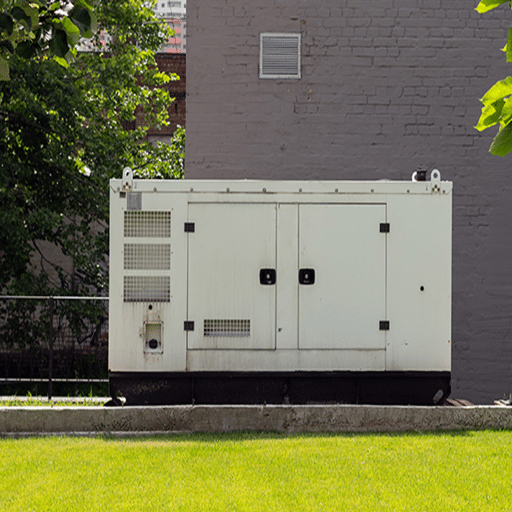
Thorough generator maintenance plans are very important if the intention is to have the equipment work reliably and to prolong its lifetime. A standard maintenance plan consists of inspecting the generators regularly, changing oil and filters, checking coolant levels, testing batteries, and doing load operational tests. By scheduling these tasks quarterly or biannually according to usage and the manufacturer’s recommendation, efficiency is maximized, and the chance of unexpected failures is minimized. It is highly advisable to have certified technicians work on the generators as they will not only follow the manufacturer’s specifications but also comply with safety standards.
Creating a Preventative Maintenance Schedule
A well-thought-out preventive maintenance schedule is an absolute necessity for equipment performance to be consistent and for downtime to be minimal. Start with recognizing the most important equipment and gathering thorough documentation, which consists of user manuals, manufacturer recommendations, and maintenance history. Prioritize the equipment and categorize it based on factors like frequency of use, operational impact, and importance.
After that, decide what maintenance activities will be performed on which equipment. This will generally involve lubrication, cleaning, calibration, replacement of parts, and testing of performance. Set a timeline for these activities, either following the recommendations of the manufacturer or industry best practices. Choose between a calendar-based or a usage-based scheduling approach, considering the operational needs.
Make use of computerized maintenance management systems (CMMS) to facilitate automation of the scheduling, monitor maintenance logs, and send out alerts. Provide training for all staff who will be involved, as this will help to maintain adherence to the safety regulations and enhance the performance of the tasks. Review the schedule regularly and modify it in accordance with the equipment performance data, changing requirements, or new operational insights.
Essential Components of a Maintenance Program
A good maintenance program combines several important parts to guarantee the dependability, safety, and effectiveness of operations. The foremost parts are:
Preventive Maintenance
Inspections and servicing of equipment are done at a set time to avoid surprises with failures. This consists of a series of methodical tasks such as lubrication, adjustments, and parts substitution, according to manufacturer-approved intervals or based on past performance data.
Predictive Maintenance
Feeds on real-time data and cutting-edge technologies, like vibration analysis, thermal imaging, or oil analysis, to keep a close watch on the equipment’s health and predict possible failures, thus preventing them. This method reduces the time of unavailability of the machine and increases its working life to the maximum.
Corrective Maintenance
It is a part of maintenance that repairs machines or systems that are no longer working or are working below expectations. Although it is usually a reactive measure, it is still very important to have such a component, as it covers areas that could not be caught by the preventive maintenance activities.
Work Order Management
Uses a very effective process for managing and tracking maintenance orders and tasks that are performed on the equipment, and it has the documentation and classification to support it. A sophisticated CMMS can make the whole process easier by assigning tasks automatically and keeping track of how far along they are.
Inventory and Spare Parts Management
Guarantees that the most important spare parts are at hand to cut down the time that the equipment is not available. This involves the careful monitoring of the stock levels and having a good comprehension of the time it takes to get the critical components ordered.
Technical Documentation and Training
Means having the right and current manuals, safety procedures, and service history for all the equipment. A well-trained staff helps significantly with maintaining company safety standards and operating skills.
Performance Metrics and Continuous Improvement
Keep on analysing the main indicators like Mean Time Between Failures (MTBF) and Mean Time to Repair (MTTR) regularly so that the maintenance strategy can be adjusted based on data. Continuous improvement is a way to keep the company efficient and save money in the long run.
It is crucial to adapt these essential components to the specific requirements of the operation while realizing the importance of deploying best practices, harnessing technology, and creating an atmosphere of accountability among the maintenance staff.
Choosing the Right Generator Service Provider
Choosing a dependable generator service provider is vital for securing the best output and lessening downtime to a minimum. A wise decision can be made if the following aspects are taken into account:
Experience and Expertise
The first thing that should be looked for in a provider is that they have a very good background servicing the kind and brand of generator you have. The provider’s technicians should be experts in their field, having the right certifications and technical knowledge to work on both routine maintenance and complicated repairs.
Service Range and Availability
Go over the different service options and whether the provider can do everything from regular tunes to emergency repairs and replacing parts. On top of that, check if the provider gives round-the-clock support and quick reaction times, especially if a steady power supply is critical to your operations.
Reputation and Reviews
Get information through customer reviews, testimonials, and case studies to estimate the provider’s reliability and service quality. High ratings and strong endorsements from other clients are signs of a respectable company.
Genuine Parts and Warranty
Make sure the provider employs OEM (Original Equipment Manufacturer) parts so that the generator’s integrity and output are maintained. Moreover, ask about warranties that come with the parts and services for more assurance.
Cost Transparency
Select a provider that gives open, upfront pricing plus precise quotes for the services. Do not go for companies with hidden fees or uncertain estimates, as these can be the source of unexpected costs.
Proactive Maintenance Approach
Providers that practice predictive and preventative maintenance heavily, using state-of-the-art diagnostic tools to detect potential problems before they escalate into costly repairs, are the ones you should go for.
If these aspects are thoroughly discussed, you can choose a generator service provider that not only fits your operational requirements but also secures your power systems’ reliability.
Generator Repair and Troubleshooting

In case of generator failures, it is very important to diagnose the causes and fix the problems quickly so as not to let the generator be out of service for a long time. The list below gives the most common generator problems along with their solutions:
Failure to Start
Cause: Dead battery, defective starting motor, or insufficient fuel.
Solution: Check the battery voltage and connections, ensure that fuel levels are sufficient, and look at the starter motor for any damage.
Overheating
Cause: Low coolant level, restricted air supply, or leaking radiator.
Solution: Top up coolant, clean or open up the ventilation areas, and check the radiator for leaks or deterioration.
Low Power Output
Cause: Overloading, worn-out parts, or fuel line issues.
Solution: Cut down the load to the generator’s capacity, replace the worn-out parts, and check the fuel line.
Frequent Shutdowns
Cause: Safety interlocks caused by low oil pressure or high temperature.
Solution: Verify oil levels, fix overheating problems, and make sure the sensors and alarms are working properly.
Implementing these troubleshooting steps will allow you to discover the root causes quickly and keep your generator working perfectly. It is always advisable to refer to the manufacturer’s manual or to a certified technician in the case of complicated repairs.
Common Issues with School Generators
Fuel Supply Problems
Cause: Fuel shortages, contaminated fuel, or clogged fuel lines can disrupt the operation of the power generators.
Solution: Check fuel levels, clean fuel lines, and make sure to use only high-quality fuel to avoid contamination. Set up a refueling schedule to avoid supply shortages.
Battery Failures
Cause: Batteries are weaker or dead due to their age, inadequate maintenance, or long standby periods.
Solution: Schedule battery inspection and testing as part of routine maintenance. Change old batteries before they die and keep the charging systems in good condition to support the optimal performance of the batteries.
Electrical Malfunctions
Cause: Aging wiring, loose connections, or unreliable circuit breakers might hinder the power supply.
Solution: Carry out an inspection and replace wiring or make connections as necessary. Conduct testing of each electrical component, including the circuit breakers, to verify that they are functional and meet the system’s requirements.
Cooling System Failures
Cause: Radiators being blocked, coolant leaking, or defective fan systems resulting in the overheating of machinery.
Solution: Monitor coolant levels, clean radiator fins, and check that all fans or cooling systems are working properly. Fix any leaks fast to ensure regular cooling.
By taking these common problems out of the way ahead of time, schools can make sure their generators are always available during the times that matter most. The combination of routine maintenance and manufacturer guidelines is the prerequisite for the generators’ long-lasting reliability.
Signs Your Generator Needs Repair
| Warning Sign | Description | Potential Causes |
|---|---|---|
| Difficulty Starting | If the generator has a hard time starting up or needs several tries before it actually starts | Faulty spark plugs, a dead battery, or fuel problems in the case of delivery to the engine |
| Unusual Noises | Any knocking, grinding, or rattling noises that are made by the generator during operation | Worn-out bearings, loose parts, or even internal damage |
| Excessive Smoke or Fumes | A thick cloud of smoke, dark exhaust, or an odd smell | Fuel system irregularities or faulty combustion, which are likely to be caused by a clogged air filter, dirty fuel, or oil leaks |
| Unexpected Power Fluctuations | Frequent voltage drops, surges, and unstable power output | Old alternators, broken regulators, and damaged wires |
| Warning Lights or Error Codes | Diagnostic lights are on or error codes are displayed | Various system malfunctions requiring diagnostic assessment |
| Overheating During Use | Gradual heating-up of the unit or high-temperature warnings and even shutdowns | Possible cooling system failure, inadequate lubrication, or obstructed air passages |
Taking care of these problems right away not only saves the generator but also allows it to be of service at times when it is most needed. Accurate diagnosis and repair are done better through consultations with skilled technicians. Always follow the manufacturer’s maintenance schedule for peak operation.
Emergency Repair Services for Power Outages
When there is a power outage, especially during critical periods, the presence of reliable emergency repair services turns out to be very important. The first one to restore power is a professional repair team that specializes in diagnosing and fixing generators and electrical systems. Emergency services usually consist of going to the site to check, fixing immediately, changing bad parts, and being on call 24/7 to meet urgent demands.
Timely action is necessary in order to avoid long outages and also to reduce equipment damage risk. The technicians are the ones who get trained for dealing with common failures like fuel system blockages, battery malfunctions, or problems with the control panel. To support quick recovery, many companies keep a stock of necessary components and hire very talented workers who use the latest tools and technology. Regular service contracts can also be a way to get priority support during emergencies if they are updated often.
For companies or residential places that are very much dependent on backup power, being in a good relationship with a reliable emergency repair provider can assure that the response times of response will be quick and the system will work consistently even in the case of unforeseen circumstances.
Importance of Generator Maintenance

Generator maintenance is needed to guarantee dependable functioning, increase the lifespan of machines, and avoid expensive repairs. Routine inspections and cleanings reveal possible problems before they become quite serious, thus decreasing the chance of outages. A properly taken care of generator will use less fuel and produce fewer emissions while providing the same power output. It is very important to follow the suggested regular maintenance and manufacturer rules in order to keep the best working condition and get the most out of warranties or meet the requirements of the industry.
Role of Generators in Schools
Generators are essential in schools for keeping the power supply uninterrupted, especially during outages. They are needed for the basic operations of lighting, heating, cooling, and communication systems, which are very important for the safety and comfort of the people in the school. Besides, generators also make sure that computer systems, laboratory instruments, and educational technology are all working; thus, the learning process will only be a little bit disrupted. For instance, schools that provide emergency shelter or serve as community centers during disasters will rely on generators for power, which in turn will help facilitate the provision of the necessary services and evacuation of people. Eventually, the effectiveness of generators in schools would be determined by their regular maintenance, experienced installation, and adherence to safety regulations to prevent accidents and ensure that the performance is up to the mark.
Consequences of Poor Maintenance
Generators that are not maintained properly can become the source of major interruptions, and their use can be very unsafe. Regularly not doing timely inspection of the generators or letting small problems occur before they are solved directly leads to poor efficiency, sudden breakdowns, and expensive repairs. On the other hand, jerry-built maintenance may compromise safety practices that result in fuel leaking, electrical failure, or even fire taking place. Therefore, carrying out maintenance works can be considered a double guarantee, whereby reliable operation is assured and avoidable risks are also eliminated.
Benefits of Regular Maintenance
Regular maintenance brings along a multitude of benefits, such as higher efficacy of the equipment, longer life, and decreased operational costs. Early on, in the machinery and system wear and tear, they can still work at their best, which would mean consistent performance and less downtime. The preventive treatment, in addition, will decrease the occurrence of big breakdowns whose repair would be very expensive and time-consuming. What is more, the maintenance done as per the schedule will make one comply with safety standards and regulations, and thus one will not have to deal with the risks caused by equipment failure, such as leaking, overheating, or power cuts. To sum it up, routine maintenance is the foundation of operational reliability and workplace safety; it is an indispensable practice for sustainable productivity.
Reference Sources
Turbine Generator Maintenance, Inspection, and Repair
Offers insights into troubleshooting, repairing, and overhauling turbines and generators.
Diesel Power Generation & Marine Service Tech (FABTECH)
Provides hands-on training for generator maintenance, engine overhauls, and fuel system repairs.
Electric Power Generation Technology – State Tech
Covers basic tooling and hazards associated with electric power generation service.
Frequently Asked Questions (FAQs)
A school’s generator preventive maintenance program covers what?
Generator preventive maintenance programs are comprehensive, and they include scheduled maintenance checks, among which are oil level, coolant, filters, belts, battery condition, electrical connections, and control systems of the generator. It usually covers semi-annual inspection tasks, load banking testing to ensure the generator runs under a realistic load, fuel system care, and documentation. Preventive maintenance plays a major role in issue detection before escalation, thus ensuring the longevity of your generator and that the campus can quickly be operational again after an outage.
For what reason is load bank testing included in generator preventive maintenance?
Load bank testing mimics the actual electrical demand, so the genset gets the true load it will manage during an outage. This prevents wet stacking, confirms running performance, and assures critical power transfer to school operations. The regularity of load bank testing is a critical aspect in the longevity of industrial generators and in preventing surprises during emergency power events.
What is the frequency of semi-annual inspection and maintenance checks that schools should adopt?
Semi-annual inspections are common in many generator preventive maintenance programs, although certain components may need monthly or quarterly checks. Semi-annual inspections must consist of power transfer switch functional testing, emergency lighting circuit checks, fuel quality tests, battery load tests, and visual inspections of air intake and exhaust systems. The frequency can be modified according to generator operating hours, environmental conditions, and the manufacturer’s recommendations.
Can regular preventive maintenance guarantee the longevity and life of your generator?
Certainly. Regular preventive maintenance slows down the wear, reveals parts that are deteriorating, and cuts down on unplanned downtimes. Filter replacement, generator oil level monitoring, periodic overhauls as suggested, and maintenance checks all contribute to the longevity and the optimal life of your generator, thus making your school’s emergency power supply reliable.
Who is the right person to do the installation and the maintenance of the school’s gensets?
Installation and maintenance should be performed by either EGSA-certified technicians or similarly qualified industrial power professionals who are experienced in school generator systems. The qualified technician is knowledgeable concerning code compliance, safe generator installation procedures, the need for overhaul, and how power transfer and emergency lighting circuits can be tested so that school operations will be sheltered and critical power will be available when needed.
What role does preventive maintenance play in getting a school back up and running fast after an outage?
Preventive maintenance detects and repairs wear and potential failures before they cause an outage, and it also makes sure that at the time of the outage, systems like the automatic transfer switch and the fuel delivery are reliable. If there is an outage, a properly maintained genset will have a greater chance of starting, accepting the load, and carrying on with the operation so that the campus can get back to critical activities. Regular services also mean that technicians will be able to troubleshoot issues before they become major, thus there will be no/minimum downtime.
What are some of the most common signs during maintenance checks that would imply a need for overhaul or repair?
During maintenance checks, running the generator with excessive smoke, oil consumption, low compression, strange sounds, weak battery performance, constant fault codes, and passing load bank tests all point to the need for an overhaul or repair. Promptly dealing with these signs helps in preventing failures and protecting the school’s emergency power supply and other equipment and systems.