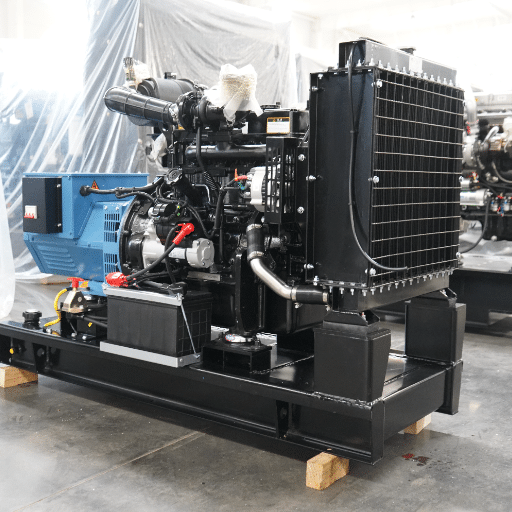


When looking to buy a portable generator, the price tag could be one of the biggest contributing factors. Still, other than the upfront cost, there are a lot of critical considerations that you might have to look at and affect your selection, starting from performance and reliability, and down to long-term operation cost and features. Are the less expensive generators a wise choice from the investment point of view or do the higher-cost models give so much value that the higher expense is justified? This text endeavors to lay out the disparities between the economical and top-notch portable generators, supplying a comprehensive comparison as a basis for your well-founded decision. Whether you are a homeowner needing standby power, a camping or hiking lover, or a technician who has to have reliable power at the work site, this paper will supply the information you require to trade off cost, efficiency and performance.
Introduction of Generator

Portable generators are small and self-contained machines which are used for a limited time in order to provide electricity. They function by changing the given energy into the desired energy by the help of a mechanical motor which in most cases is connected to an alternator. Whatever the level of gasoline and diesel consumption might be, one can always rely on portable generators to power up the gadgets through the conventional power outlets. The main parts of these generators are the engine, alternator, fuel system, and control panel. The alternator is powered by the engine to create electricity, and the control panel is in charge of the output and safety devices like circuit breakers. Such units are very often required in the absence of the main power supply, during camping, or at isolated job sites. Their main asset is being moveable, easily set up, and capable of towing a wide variety of machines.
What is a Generator?
The generator is an electric machine that functions to transmit kinetic energy into electric energy by electromagnetic induction using through. The operation is done by the primarily located engine and generator. An engine, which usually runs on gasoline, diesel, or natural gas, is the source of mechanical power that turns the alternator. The alternator has copper windings through which a magnetic field flows and electric current is produced this way.
Recent generators are practical machines with many advantages and improvements that add to their appeal and efficiency. They come with high-tech control panels that display the voltage, frequency, and power consumption, and with the automatic feature of load-sensing technology, it would be easier for them to use the generator optimally. Also, the inverter or the dual-fuel option has become a feature of many models, and that makes it possible for one to have a rather stable, and a quality energy output, which is suitable for home electronics.
Generators are a well-known solution for power supply that is used on a large scale in the residential, commercial, and industrial sectors. In times of emergency, the running of the business as usual with an unstoppable power supply is guaranteed; power is always present in regions very far from the grid through their use. The demand for everyday as well as critical power is met by the efficient generations and environment friendly design advancements still going on.
Types of Generators
| Type | Key Features | Best Applications | Fuel Type | Reliability |
|---|---|---|---|---|
| Portable Generators | Compact, easy to transport | Home backup, outdoor events | Gasoline, propane | Moderate |
| Standby Generators | Automatically starts during power outages | Residential, commercial | Diesel, natural gas | High |
| Inverter Generators | Stable power, low noise output | Electronics, camping | Gasoline, propane | High |
| Solar Generators | Renewable energy, zero emissions | Off-grid homes, eco-friendly backup | Solar energy | Variable (weather dependent) |
| Diesel Generators | Durable, high power output | Industrial, large facilities | Diesel | High |
| Gasoline Generators | Easy to refuel, widely available | Short-term residential use | Gasoline | Moderate |
| Propane Generators | Long shelf life, clean burning | Residential, small businesses | Propane | Moderate to high |
| Natural Gas Generators | Continuous fuel supply through pipelines | Residential, commercial | Natural gas | High |
| Hydrogen Generators | Zero carbon emissions, emerging technology | Future-focused industries | Hydrogen | Variable (technological limits) |
| Biogas Generators | Renewable, utilizes organic waste | Farms, eco-friendly businesses | Biogas | Moderate to high |
Importance of Generators in Daily Life
Generators play an important part in regulating the uninterrupted power supply that the many sectors demand and easing the difficulty of power interruptions are some of the benefits of that to mention a few. They help provide backup electricity for households at times the grid fails, enabling families to carry on with their daily activities like use of lighting, heating, refrigeration and even communication. Quite similarly, in institutions and industries, without the existence of generators, productivity would go to zero and a major part of running cost would come from downtime. A lot of companies rely on generators to protect their critical infrastructures such as servers and data centers from disruptions that could incur heavy costs.
The development of superior tools to employ as well as an extension of industries’ use of the machines has put the generator at the center of the controversy. The origin of both the new hydrogen and the biogas generator models is an illustration of a gradual changeover to sustainable energy solutions made possible by the natural resources and the carbon emissions being minimized. Compared to the market of smart generators and IoT technology vendors that provide real-time monitoring and energy optimization of generators, is another trend reflecting the rising expectation for efficiency and endurance. With the growing consumption of power, especially with the arrival of electric vehicles and the building of renewable energy systems, generators would be a technology everybody continues to rely on in terms of both short-term and long-term energy necessities.
Cheap vs Expensive Generators

1. Build Quality and Durability:
Expensive generators are typically characterized by their superior quality and longevity. They are generally more reliable when subjected to heavy or steady loads. In contrast, lower-quality components in the case of cheaper models might lay the grounds for troubles and rapid wearing, eventually affecting their resilience.
2. Features and Technology:
Better-quality generators are by far more expensive but better equipped with high technology for minimization of noise, easier refueling, and automatic operation. Cheaper generators are more likely to have the basic operating mode as their main advantage, and they do not have the modern technology convenience being part of the package.
3. Performance and Output:
Expensive generators would usually be the ones that reduce the chance of interruptions the most by providing stable and continuous power. Cheaper generators could work well for normal appliances but would hardly control the voltage perfectly when the load is not constant.
4. Maintenance and Service Life:
Expensive generators and the initial costs of them can be challenging but with fewer maintenance and repair needs, it is possible to bring down the operational costs in a long run. On the contrary, least costly generators are always in demand and they are sometimes the best choice.
Defining Cheap Generators
Generators that are cheap, sometimes also known as pocket-friendly or economical options, are most of the time characterized by their less investment-friendly price points when compared to the luxury models. These generators are mostly produced using cost-saving materials and uncomplicated designs to cut down on production expenses. Even though they might be good enough in supplying power to limited areas or for a short period of time, e.g., running individual appliances or standing by during blackouts, they might have certain issues with respect to being reliable, long-lasting, and energy efficient.
One thing that really sets more affordable generators apart is that they generally have fewer Watts and less toleration for high power or continually changing loads. This can be seen in numerous, often any, of the less costly models with power ranging from 2000W to 5000W, which can be enough yet not optimal for the needs of heavy loads. Moreover, these low-cost generators frequently work with simpler engines or do not have the latest technologies such as the inverters that are essential not only for protecting electronics but also for supporting stable power.
Besides, very crucial are the fuel efficiency and run time factors. Cheaper generators are often found to be more fuel-hungry as they do have less complicated engine configurations causing higher running costs in the long run. Also, the other possible tolls of the noise may be paid for since the total emissions are usually minimal due to the lack of any other pricier reducing factors in the market. Noise, therefore, especially when considering operation in shortages may become a problem even to the neighborhoods of the most silent places.
Defining Expensive Generators
Top-of-the-line generators are generally made according to the highest engineering standards, and they usually execute top-notch, cutting-edge technologies and top-quality materials to ensure the best performance and user friendliness. They often have the most efficient engines that are designed to minimize fuel consumption hence they save a lot on operational costs over a long period of time and ensure constant power output. Generators with high price tags usually come with these noise reduction features, enclosures, and mufflers made from the best materials, which, when combined, make the model less noisy. Besides that, these models are perfectly suited for usage at a place that demands low sound levels.
Moreover, they ordinarily incorporate special protective measures that normalize the voltage automatically, as well as screen the performance through digital displays and initiation from far away through remote means for the users’ sake. These generators are generally made of strong and durable materials thus making it possible for them to be robust. Besides, a rigorous quality control process must be carried out for high-end generators to verify that they are still efficient in supporting operational tasks that may require substantial power, such as the case of industrial or medical systems where the power may be the only thing that keeps the equipment alive until the patients can be attended to. Despite the fact that high-end models cost more, they exhibit more fail-safes, also more efficiency, and are loaded with more functionality, thus they turn out to be the right choice in the long term for users who cannot do without a stable power supply.
Key Differences Between Cheap and Expensive Generators
| Feature | Cheap Generators | Expensive Generators |
|---|---|---|
| Build Quality | Basic materials, less durable | Premium materials, highly durable |
| Power Output | Limited, may struggle with high loads | High, handles demanding applications |
| Noise Levels | Loud operation | Quiet or noise-reduced designs |
| Fuel Efficiency | Consumes more fuel, less efficient | Optimized for better fuel economy |
| Lifespan | Shorter lifespan, prone to wear | Long-lasting with minimal degradation |
| Maintenance | Frequent maintenance required | Low maintenance, long intervals |
| Technology/Features | Basic features, no advanced options | Includes advanced, user-friendly features |
| Safety Features | Limited safety measures | Comprehensive safety mechanisms |
| Compatibility | Often lacks compatibility with devices | Compatible with modern electronics |
| Warranty | Short warranty, limited support | Extended warranties, excellent support |
Performance Comparison Between Generators

- Power Output:
Higher and more regular power outputs are functionalities of expensive generators making them the best choice for applications which demand power. Low-cost generators usually provide much less power and might have trouble keeping the voltage stable under heavy loads. - Durability:
High-quality modern generators are made of exclusively better materials, thus, their usage is higher and they have a longer life span. Economy generators, even though useful, can break down faster since they have poor quality materials. - Fuel Efficiency:
The use of the most innovative also the most expensive generator models results in a significant decrease in operational costs over time. In comparison, the less expensive and low-end models only contribute to the increase of operating costs over time. - Noise Levels:
Noise-reduction features which make operation quieter are common in top-tier generators. On the other hand, budget models do not have these features and are generally noisier.
Power Output and Efficiency
In terms of power output, high-priced generators are created to offer a controlled supply of power with minor changes thus providing the ideal power source for highly sensitive electronic devices and heavy-duty equipment. They often come with state-of-the-art inverter technology, which provides cleaner sine wave output with total harmonic distortion (THD) levels not exceeding 5%. On the other hand, low-cost generators might be the cause of irregularity in voltage and frequency, which is a threat to the appliances that are directly connected.
When it comes to efficiency, top-notch generators profit the most from the developments like automatic load sensing, which is synchronous with an engine and makes the right engine speed for the generation of energy and fuel utilization. In this and other cases, very high efficiency ratios are achieved. A significant increase in efficiency during the partial load conditions happens here in most of the cases. The generators that are the opposites are cheap ones, the main reason being that they have fixed-speed engines and not so good control systems, resulting in a larger amount of consumed fuel for every unit of power (kWh) produced. These differences bring forth the necessity for the proper evaluation of the requirements of the application and the long-term operating costs to decide the generator that is indeed suitable for you.
Fuel Consumption Rates
Fuel efficiency along with the rate at which fuel is consumed is dependent on how the generator is designed and the level of technical sophistication. Being equipped with high-grade engine control units (ECUs) and variable-speed or inverter technology, high-end generators top this list by the virtue of their fuel efficiency, since the engine speed is adjusted in real-time to match the load demand. In this case, a high-grade generator with a 25% load factor is likely to consume only 0.12 gallons per kilowatt-hour (kWh) when compared to a low-cost fixed-speed generator which may exceed 0.20 gallons per kWh under the same conditions.
Such a big difference is due to the cut of fuel optimization present in top-notch generators, which get rid of the waste under low loads through the operating of fuel injection and engine speed under tight control. As opposed to this, the less expensive models continue to run at a constant speed even if the load fluctuates, which will result in a high level of inefficiency and consequently, higher operational costs in the end. This means that the cost of the power from cheap model generators can be very high, even if their running cost is very low while the cost of the power coming out from expensive generators can be very low although their running cost is very high too.
Noise Levels and Operation
When evaluating generators, most important points standing between cheap and expensive models are noise output and operating characteristics. Less expensive generators, in general, work at the same speed all the time, which makes them produce a uniform but very loud noise level, in most cases above 70-80 decibels (dB), depending on the load and engine design. Such a high level of noise can cause a concern environment-wise, especially in places with a density of population quality, or applications that are particular about noise. On top of that, the absence of advanced soundproofing systems and modest engine setups here the biggest contributors to the overall acoustic emissions.
On the contrary, expensive generators are created using state-of-the-art technologies that reduce the noise to a minimum level. Most of the best products have engines that can vary speed and use very advanced muffler systems which in effect also allow the generator to adjust its operation dynamically according to the load demands and thus, the noise output is reduced significantly. The majority of the top designs may even reach noise levels as low as 50-65 dB under standard operating conditions, which is why they are silencing friendly and thus commonly used in hospitals, offices, and events where quietness is a must.
Very often, the highest-end generators are also designed with enclosures that are lined with sound-absorbing materials and even have vibration-dampening systems that absorb the noise and also enhance the overall experience of the user. This technical finesse alongside their capacity to keep up a solid performance even when the loads they are handling are fluctuating, bestows a definite operational benefit on them when compared to the gensets on the lower end of the price scale.
Durability and Build Quality

Costly, high-end generators are usually more durable and better-built than their less expensive counterparts. They are generally made using top-quality components, which are specially manufactured to endure the heavy usage and tough surroundings, thereby, reducing the rate at which frequent hitches take place. In contrast, less expensive generators may be made of low-grade materials, which may be less durable and therefore need more frequent fixing or replacement. Besides, the premium models are checked through quality control at the production line, which is only a way of getting the same performance and reliability you expect from the severe control. The increased life span of expensive generators is what makes them a cheaper alternative in the long run, especially for the user who needs continuous and having hard working hours.
Warranty and Longevity
During the comparison of cheap and expensive generators, the difference between the two lies in the warranty and the service life. The expensive generators are usually backed up by a better warranty ranging from three to five years, which shows that the manufacturers have much confidence in what they have produced. These warranties are usually comprehensive and will take care of almost any issue including materials and workmanship defects, thus reducing the user’s worries and the costs of maintenance in the long run. Conversely, the cheaper alternatives are mainly associated with shorter warranties, which are usually one year or even less, and when they do exist, they are very limiting and might not cover the most important parts of the generator company.
The lifespan of a generator depends greatly on the quality of parts and engineering used to design it. High-end machines have bought in the best materials and technologies, and thus it’s not surprising to see special alternators and engine bonnets that can bear the heaviest usage over the longest times being the machines in focus because of their strength and resistance. By comparison budget machines can be of a totally different nature in terms of design standards and materials (and therefore not fit to cope with prolonged or hard use) thus even the highest-end machines can give a far better total cost of ownership by means of a better warranty and a more reliable and durable generator. Consequently, by considering warranties and comparing fabricated components, you can never avoid the issue when it comes to generating power for years to come.
Real-World Usage Scenarios
Generators that are cheap and expensive significantly do not have the same outcome when they are put through some real-world conditions. One example is that, for the case of electricity generators used in our houses for backup power, the cheap one will do for those very rare instances of very short periods of power cut. Nevertheless, the continuous application of backup power leads eventually to performance degrading because the economy-based models mostly are made of less strong material and defective parts. As a result, these cheaper generators might pose problems in supporting the sensitive electronics that need a constant voltage, and this might lead to the causing of damages to the connected devices.
The higher-end machines are, however, purpose-built for the even more demanding conditions and hence, come with higher reliability. They are frequently used in places like, for example, factories, where there can be no shortfall of power and time. The vigorous design combined with the less consumption of fuel bring about continuous operation in places like the building sites and server rooms. Moreover, the costlier models are likely to come with such features as the transfer switch automation and the noise reduction as well, thereby enhancing the use of the machines either in the critical or home places.
Comparative studies often underline a major contrast in fuel efficiency wherein the top-grade generators have a tendency to boast of a much superior performance, especially at times of lengthy power cuts where too much fuel usage is a pressing matter. This increase in productivity is attributed to the prevailing technological breakthroughs in the form of inverter systems or load-balancing functionalities which are usually not incorporated into those cheaper options. Subsequently, the overall operational expenses of the high-end generators do come down gradually, thus making them a wise long-term purchase for those who look up to the highest standards of reliability and efficiency.
Features and Functionality

Generally, cheaper power generators tend to go for cost-effectiveness over high-tech features, thus they usually provide only basic functionality with a very few number of features. Static speed engines fitted and without features like automatic voltage regulation or inverter systems which are the latest actual the power output is meant to remain constant then the technology is such a great helper in the maintenance of the voltage. Unfortunately, this does not apply to most of the low-cost models, which, in many cases, are the most common of all generators and have a really bad habitat for the electronics as well.
On the other hand, expensive generators, however, have the modern and technology-heavy features that help them to perform better and last longer. Moreover, the inverters in these models are among the best—and most expensive—of their kind. Other notable features in many premium and expensive models include smart load management systems and quieter operation due to improved soundproofing.
Essential Features in Portable Generators
1. Power Output (Wattage Range)
Generators are designed to operate on different electrical power outputs in watts (W). There is a wide range of these units and the power usually goes from 1,000W to 12,000W, low-wattage models meant for basic appliances and high-wattage units allowed to serve all electric tools in construction or house emergency power.
2. Fuel Type and Capacity
Gasoline, propane, and diesel are the most popular kinds of fuel. In case of fuel tanks of generator that are dual, they can be used in two ways either gasoline or propane. Depending on usage, the capacity of fuel tanks to be used can be between 1 and 8 gallons for normal tanks.
3. Runtime and Fuel Efficiency
In the recent years, most of the generators are built with an intention of saving the fuel and this task is made easier by some features like economy mode and automatic engine idle control. For instance, a 4-gallon generator may give 8–12 hours of runtime at 50% load, while the very high-efficiency models can exceed even the mentioned figures.
4. Portability
When it comes to the transport of the generator, mainly this refers to the mobility of the unit through the wheel, handle, or its wand, and even the frame. Usually units weighing less than 100 pounds are more easily movable, heavier models may need extra mobility parts like the above-meant wheel.
5. Noise Levels
One of the most important factors to be considered about gen sets is that of the noise level, particularly for their domestic or remote site application. The low noise levels as 52 dB, or less, at 25% load, the noise levels in most of these high-quality gensets are comparable to a normal conversation, hence they are safe to be utilized in very quiet areas.
6. Start Mechanism
Electric start, recoil start, or remote start are the most common options for portable generators. Electric and remote start are the two most convenient, and still, the recoil start offers a good substitute.
Safety Features in Generators
- Automatic Voltage Regulation (AVR)
AVR is a technology in the generator that is used to make the generator work at a regular voltage. In that way, the AVR prevents fluctuations from occurring which could end up harming the computer or appliance. This also helps in maintaining steady power supply especially at the time of loading. - Low Oil Shutoff
The above-mentioned feature of the generator automatically shuts it down when the oil level goes below a certain level, making it unsafe. This is an example of how the machine gets disabled to perform without enough lubrication, and as a result, the machine will not be damaged so severely mechanically and the maintenance costs will be reduced. - Overload Protection
The new generators will have either electronic overload sensors or circuit breakers with them. Those systems will stop the power when the generator goes over the wattage, which will prevent the overheating or failure of both the device itself and the devices connected to it. - GFCI (Ground Fault Circuit Interrupter) Outlets
The GFCI outlets are made to be the easiest and safest route for the electricity to pass in case of an imbalance, and thereby its flow will be stopped as soon as there is the slightest fault detected. They are the most crucial in the wet or outdoor conditions as the possibility of the ground faults is much greater there and the individuals can get a shock much easier due to the moist environment around. - Carbon Monoxide (CO) Detection and Automatic Shutoff
One of the recent trends in generator set design is the inclusion of CO detectors in the sets that are built in. These detectors work on the principle of the generator set being prevented from producing power in instances of dangerous CO levels, thereby protecting the health of human beings and other living things from the resulting poisoning which actually accounts for a significant part of injuries inflicted by generator sets each year. - Thermal Protection
It is the feature that gets into operation at the time the operating temperatures of the generator parts escalate above the levels considered as safe. The feature is to keep the equipment away from the causes of overheating and such prevention measures make it last longer in terms of its thermal tolerance.
Reference Sources
- Portable Nano-Hydro Power Generator for the DC House Project
Read more here - Producing Light from Stoves Using a Thermoelectric Generator
Read more here
Frequently Asked Questions (FAQs)
Is a portable generator worth the higher cost compared to a cheap model?
If you ever come to the point where you have to choose between the cheapest option and the luxury brand, then it is essential that you specify your electricity usage (total amount and location or the way your electricity would be utilized) before making the decision. Not only will a premium generator result in a purer power supply but also the owner will have the option of having a dual fuel or a dual fuel inverter generator, all at a higher cost which may be justifiable. Hence, a very low-cost generator may seem the right solution at the beginning but they are always designated as not environmentally friendly, and poor parts and engine problems eventually make the engine inoperative due to a defect in compression.
What pros and cons should I consider when buying a portable generator?
Portability and power output are the advantages and disadvantages taking into consideration to compare both portable and non-portable generators; temporary backup power and camping is the best use of portable power, on the other hand, the larger generator is more suitable for the whole-house needs and for high Kilowatt demand. Think over the fuel option and fuel availability—propane tank compatibility or gasoline and dual fuel models have an impact on run time and storage. Besides that, take the weight, noise, and safety features into account. You can avoid hazardous situations with the factors like automatic shutoff and CO detection. Make it a rule to go for high quality parts and material if you planning to use the unit very often.
How do safety features on a generator protect my home and appliances?
Generators are commonly equipped with safety measures like oil depletion prevention, overloading protection, ground connection points and carbon monoxide detectors that help to minimize the occurrence of fires, mechanical problems and the emission of hazardous substances. The clearer and purer power coming from inverter-type or dual fuel inverter generator categories minimizes the harmonic distortion that is so damaging to the equipment and the electrical appliances in refrigerators and electronics an example of appliances suffering such damage.
Can a portable generator emit dangerous fumes or cause engine problems?
Yes, always have the generators outside, as they do produce carbon monoxide and other garbage in the air. Safety gadgets and good ventilation will take away most of the danger. It is possible that the poor quality of units or when you buy a cheap model, the engine or the compression parts may go bad faster because of the parts of lower quality and poor construction. If engines were chosen that are Honda, Yamaha, or Predator brands and thus with proper maintenance, the chances of having engine trouble are greatly reduced. Power quality and durability should be considered for frequent users of generators.