
An easy and practical solution to power cuts is to install an emergency generator at home that runs continuously without disrupting family comfort. After you go through this in-depth post on whole house generators, you will be able to understand the working of the system along with the mandatory actions to take upon completion. This post aims to serve the needs of people who face network problems very often because of the weather or low-capacity grids or who are stressed when unexpected events occur and advises them use the information available here to solve these problems effectively. So don’t go – the development of this technology showcases the systems – technical specs, preparation for use and benefits peculiar to these systems render the user fully aware with what he/she has as well in other efforts to protect his/her home in any circumstances.
Understanding Standby Generators

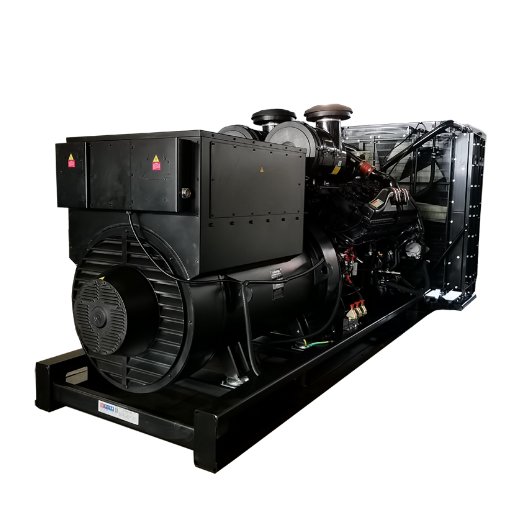
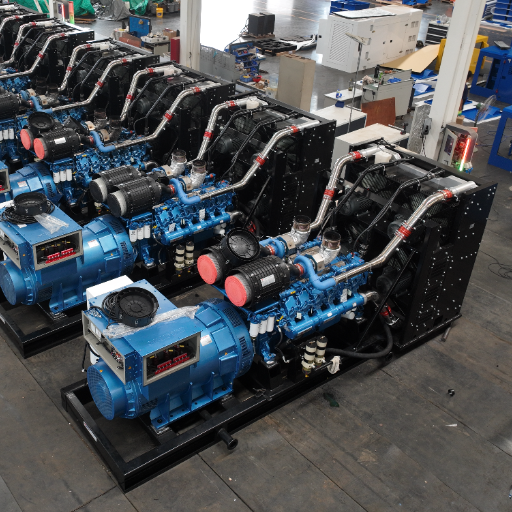
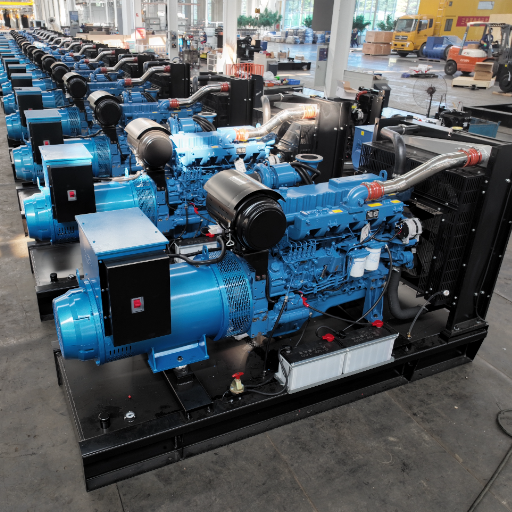
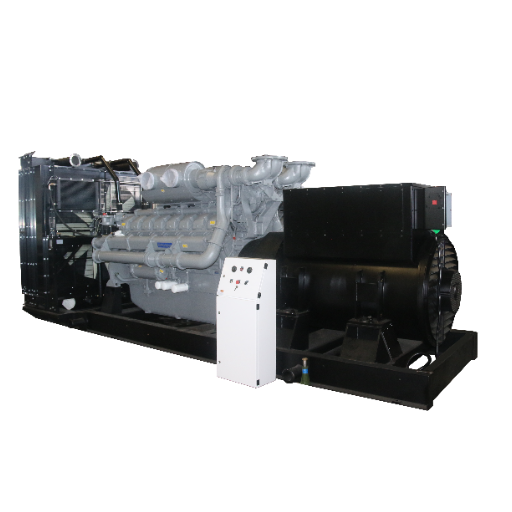
A standby generator is an established strategy for securing extra power by setting up a facility to supply power immediately in case of power failure without waiting for operations restoration. These standby generators are usually placed outdoors and are connected directly to the house’s electrical panel and the gas line if natural gas or propane service is available. Once power failure has occurred, the system initiates itself in a few seconds automatically while sustaining power supply until the main source of power is restored. In industrial settings, where items such as household appliances, such as HVAC systems, resilient power backup for medical devices, refrigeration, etc., play a crucial role, assistance of standby power is very useful. For this reason, these systems are widely applied where loads have low tolerance to interruptions and high priority of power continuity is set up.
What is a Home Standby Generator?
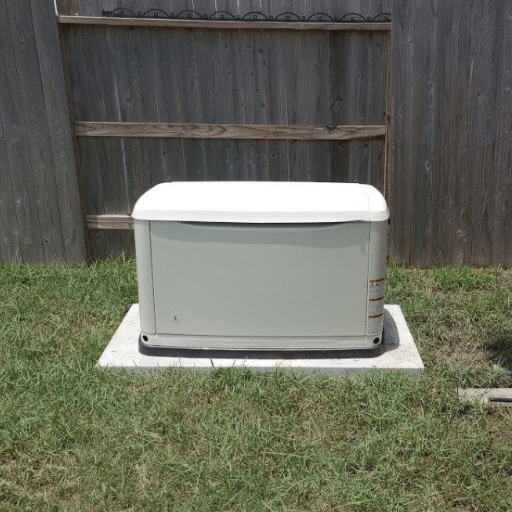
A home standby generator is a kind of engine mostly incorporated within the power backup system of a residential building, which provides power, much needed by the homes, even in the absence of power from the main source due to unforeseen circumstances. It works through a service entrance or subpanel for the former, or a transfer switch for the latter. They run on combustible materials like gasoline or diesel and are mated to existing facilities like natural gas and propane supplies with the aim of reducing the resistance in transmission when running them. They come fitted with ATS that are operational from the bust of power, such that they start automatically when electric power is off.
Therefore, this equipment is crucial to sustaining households and even small businesses during power breakdowns. They are motorized and feature many things such as remote defective trouble analysis, reduced fuel consumption and they are also quieter compared to others. They are also designed to complement all essential systems concerning heating, cooling, as well as protection, health and many other equipment within a building hence are necessary to avoid danger, and also interference especially in the house and just as well to certain other commercial environments in which such structures might be found.
Benefits of Installing a Standby Generator
- Uninterrupted Power Supply
A back-up source of electricity is a generator that activates automatically as and when there has been a power failure, ensuring a constant supply of power in a short (a few-second period). This feature helps to avert interruptions in business, for example shutting down heating and cooling or refrigeration systems. - Protection of Sensitive Equipment
In this tech-savvy world, a large number of devices have become so that they work in conjunction with other systems. This includes medical equipment, computer systems, systems for house automation among others. For such devices which involve electronics, computer information, or any sort of automation, the standby generator ensures that no harm is done due to rapid voltage fluctuations, thus protecting the property which is of value. - Improved Safety and Security
Power cuts at home place all the security systems such as alarms and surveillance cameras at a risk. But with a back-up standby generator installed they operate at full fledge and keep unknown danger on hold. Moreover, preventive safety systems like smoke and carbon monoxide detectors will not fail either, protecting the users and others in the home. - Enhanced Home Value
In addition, the presence of a standby generator is seen as an exclusive domestic facility and this contributes significantly to the increased worth of a home. It’s worth noting that the overwhelming opinion from real estate market experts is that the back-up generator present in the house can increase the offer price by 3-5%. - Support for Critical Operations
During instances where main sump pumps fail, there’s always flooding while saving the mess. Furthermore, smaller commercial buildings and shop outlets can maintain continuous electricity access for both streams. This helps avoid the losses that can emanate in case of long power outages as reported by businesses that have generators. In fact, on average, businesses that have in place generators indicate reduction of losses by 50%. - Cost Savings on Emergency Expenses
All this is due to the reason that generators eliminate the unnecessary costs that are associated with power failures. Equally excessive spending on a number of other related things, such as hotel accommodation, food destruction, or repair services for broken facilities, is cut out by the benefiting party. It does not appear to the majority that residents were the only ones to enjoy making such savings as even the business owners were also spared this otherwise great expenditure.
Whole Home vs. Portable Generators
| Key Point | Whole Home Generators | Portable Generators |
|---|---|---|
| Power Capacity | High, powers entire home | Low to medium, powers select devices |
| Installation | Permanently installed by professionals | No installation required, plug-and-play |
| Fuel Source | Natural gas or propane | Gasoline, diesel, or propane |
| Runtime | Unlimited with steady fuel supply | Limited by fuel tank size |
| Size and Portability | Large, fixed in one place | Compact, easy to transport |
| Noise Level | Quieter operation with sound insulation | Louder, limited soundproofing |
| Maintenance | Annual professional maintenance needed | Simple, user-performed maintenance |
| Cost | Higher initial and maintenance costs | Lower purchase price |
| Startup Method | Automatic during power outages | Manual startup required |
| Best For | Long-term, whole-home backup power | Temporary, selective power solutions |
Cost Considerations for Installation

The cost of setting up machinery depends on the machinery type, size, and the extent of the installation process. For standard devices, the standard process usually consists of the employment of the developer, electrical work, and, possibly, extra expenses for some permits or inspections, usually an average of $5000 – $10,000 including the actual generator. On the contrary, the assembly of individual generators is very simple and all one has to do is buying the machine which usually is sold at around $300-$1500. Other affecting elements in the establishment can be the place and fuel, by the fuel connection, and perhaps upgrade the electrical system of the house. You can call an electrician or installation technician for a more precise price quotation.
Initial Purchase Costs of Standby Generators
When needing a generator in case of energy drop, the prices of those machines vary slightly due to differences in the unit’s capacity, manufacturer’s name and quality. As per the report, home standby generator is expected to cost between $2,000 and $6,000 for the generator alone. Commercial grade energy generators exceeding higher wattage capacities shall cost more than $10,000. Further, another $3,000 to $5,000 are incurred for the presence of connection cables and additional skilled consumption for mounting and hooking the generator to the precinct. Last but not least, if the generator needs to be integrated to the house’s power system by implementing transfer switches, extra costs may also be involved. Analysis of the construction in question including some factors such as power consumption and the distance from the grid helps in developing accurate budgeting and returns over assets.
Installation Expenses: What to Expect
There are numerous variables that will mold the total costs of setting up a generator. Geographical location can also comes into perspective where labor charges do differ greatly from one place to another. For example, areas considered to be urban and have more electricians who are well trained will have higher labor costs as compared to other areas such as rural settings. Also, the mode of generating energy that is, portable generators stand by and inverter generators will determine the installation requirements on the basis of complexity and cost. The large-sized standby generators often come with transfer switches that have high ratings and require special additional wiring, which demands more materials and a larger workforce.
Expenses that shall restrict the availability of generators in the event of a power failure include permits and inspections, as these are often required in constructions for security and ethical concerns. The cost of the permits is different depending on the administrative unit and it ranges between $50 to $500. In addition, it requires that the area to be under the construction of the generator be factored into the expenses needed to bring about good masonry. All these cost consideration along with others related to the installation should be analyzed with great attention by the property owners.
Long-term Maintenance Costs
Longevity expenses from a house generator depend upon numerous points, such as the type of generator, how often it is used and service intervals given by the manufacturer. In general, a stiff box component will demand to be serviced at one year intervals. The service provides costs that square between $150 and $300 per service. The most common bad experiences include replacing oil and filters, checking that wiring does not conflict with equipment and pressing a button to turn the auto switching system on. There are repairs that involve fuel, and they normally have different related costs. For example, diesel generators quite often require fuel polishing to eliminate water ingress while natural gas fillet or propane tanks necessitate routine watching of the fuel lines.
It is advisable for one to make a point of replacing some of the units, say a phone battery, every 3 to 5 years, with a price ranging from $100 to $300. Most importantly, any internal mechanical components, such as the generator’s alternator or the voltage regulator, will experience wear and may require repairs or replacement over time, at a cost of $500 to $2,000, depending on the part and the difficulty of the job. Homeowners should also take into account the maintenance costs in regard to software upgrades and diagnostics of generators of this present time, whereby they also have advanced control systems. A standard work routine, including anticipated events, must ensure the effectiveness and extended operation of the generator.
Step-by-Step Installation Guide for Generators

- Site Selection
Locate a suitable area for setting the generator. It should have enough room for airflow and also respect the ambient interior temperature, as well as other rules that may be in force. Finally, make sure that it won’t be possible for the engine gas to penetrate inner spaces through windows or any other openings, in case of an issue. - Gather Necessary Tools and Equipment
To continue the process, you need all items needed for carrying out the installation. These items include mounting pads, fuel pipes, electrical cables and fasteners. This also applies to understandable instructions on the use of all the parts gathered. - Install the Generator Pad
Pitch an even concrete or a pre-cast pad to hold the unitanchored to a location on the pad. Check here and confirm that the generator is facing windows, doors, vents, and sections of the building plumbing in order to avoid obstruction of any movement. - Position the Generator
Place the generator on the pad, and in doing so take care to align it properly and ensure there is enough room for any servicing. If the unit’s Installation manual indicates that the unit must be secured using mounting bolts, kindly do so. - Connect the Fuel Source
Hook up the generator to your gas supply (natural gas or propane) and be sure that the connection is leak-proof before proceeding. - Electrical Wiring
Wire the generator to the transfer switch in the order specified in the design. Route the wiring in conduit, and safety hazards should not be compromised in any way. - Install the Transfer Switch
Install the transfer switch from the delivered hardware close to the main panel. Wire the switch to the electrical panel after ensuring no power is then passing through the circuits in the transfer switches. - Test and Inspect
Turn on the generator to verify it is functioning properly, and look for issues such as fuel leaks, electrical system defects, or unusual noise. Go through safety checks for compliance checks or local code acceptance, if applicable, after all requirements are fulfilled. - Finalize Installation
Reposition all the panels and covers on the generator, write down how to operate the system and maintain it safely for the people who live in the house.
Selecting the Right Location for Installation
A number of key factors must be examined to establish the best installation site for a generator, in order to ensure that it is in compliance with safety standards in the most effective way. The generator is always best placed out of any structures on a flat, solid surface so that it does not shift and fall. It is also important to locate it at a distance not less than fifteen hundred millimeters from any opening, air vent, door, or fire-rated curtain, which is in accordance with workplace safety rules and guidelines, and prevents CO from entering the room.
Another vital aspect to consider when it comes to the placement of the generator is the distance that must be left around it. Without this clearance necessitated the generator will not adequately be cooled when in service. Usually, the manufacturers give the recommended distances from walls, fences, or any other structures to ensure outstanding generator performance. Be sure to note that noise figures have also to be thought about, modern day generators have means of sound reduction but still it is advisable not to install the generator close to these areas to avoid these noise disturbances.
Lastly, where it valiantly served its purpose, there are also requirements surrounding the placement of the generator, these could involve local development plans, or the residential and commercial permits, including the requirements for specific distanced setbacks. In low-lying areas, it is highly recommended to have the generator positioned in a raised platform as a precaution against future and eminent floods where water could flow much higher than the base line elevation of the site. After going through all extents in addressing these issues, the installation crew is able to come up with a location that takes into account safety first, practicality second and durability significance.
Connecting the Generator to Your Home’s Power System
Homeowners must follow all safety precautions and comply with both national and regional electrical regulations while connecting the generator to their house’s electrical system. The operation of an indoor generator necessitates an automatic transfer switch. Such an electronic regimen isolates the stand-alone generator from the primary electrical supply which in turn acts as a prevention measure against back-feed, a potential danger caused to operators serving the utility service industry, and to the homeowner’s provision support system as well. By design, transfer switches are predominantly operated manually or automatically using a specific sequence of instructions to achieve a no-break power transfer.
Appropriately sizing the conductors and load capacity of the system is crucial in order to ensure the system’s correct functioning and to prevent unexpected overload. When setting the device, be it the generator or the UPS, it is installed on a free circuit breaker, where only the system’s ”important” loads in the form of refrigerators, heating systems, and medical equipment, exist with no other unnecessary consumers. However, it is highly recommended to add spike arrestors to the devices in order to protect the integrated circuits inside from voltage transients.
Using the system and its different components, it is always practiced to perform such tests in order to overcome any shortcoming in functioning of the system due to time and clients reported defects. It is better to have an electrician in order to ensure that there are periodic examinations and all components are complied with the regulations. This specific set of measures denotes the correct and operational incorporation of the generator with the internal power system of a house.
Choosing the Right Generator Based on Your Home Needs
It is important to consider various factors such as the size of the area and the type of power it uses before making a choice of whether to hit the blinds button. Such things happen in the casinos full of gamblers and live casinos with female hosts. Influence of sexiness if it were a gambling culture, say in India, it will have two consequences. It will influence gambling greatly. It will be considered taboo since the country is not accommodating of sexual conversations. Carefully analyze your consumer preferences, the number of power cuts your home encounters, and what you are willing to spend for better decision-making.
Assessing Your Power Needs
In order to evaluate energy solutions, it is imperative to comprehend how much energy is needed before that. First of all, calculate all the appliances’ and systems’ wattages which are crucial to survive without interruption. For instance, heavy power consuming appliances such as HVAC, refrigerators, water heaters require lots more watts compared to small lightings or routers. To make sure the operations are not interrupted, they also have peak usage levels that one must particularly account for when there is a power surge such as when devices with motors and compressors are switched on. It is also necessary to determine if there are needs to control some devices more than others, due to the fact that it may affect the magnitude of total wattage needed.
In addition to that, it’s also worth considering such factors as the area’s economic power and even the presence of periodic or uninterrupted power generation needs. It may mean for example that some zones which suffer long power outages may require running of the standby generators for longer durations while the others with short bursts of disruption would find the limited fuel portable generators more convenient. Through examining the electrical usage profile of your home or your premises’ energy consumption data, it is possible to come up with the relevant power generation capacity that will ensure the provision of a cost effective and dependable solution which is customized as per your specific requirements.
Fuel Types: Natural Gas vs. Propane
| Key Point | Natural Gas | Propane |
|---|---|---|
| Availability | Continuously supplied via pipelines | Stored in tanks, refillable as needed |
| Energy Efficiency | Less energy per unit compared to propane | Higher energy output per unit |
| Environmental Impact | Burns cleaner than most fossil fuels | Burns clean but emits more CO₂ than natural gas |
| Cost | Typically less expensive and stable in pricing | Costs can fluctuate, often higher than natural gas |
| Storage Requirements | No on-site storage required | Requires on-site tanks for storage |
| Maintenance Needs | Minimal; pipeline infrastructure maintained centrally | Periodic maintenance for tanks and connections |
| Power Supply During Outages | Limited for outages due to pipeline reliance | Independent storage enables supply in outages |
| Safety | Non-toxic but leaks may cause infrastructure hazards | Highly flammable; requires careful handling |
| Versatility | Not portable, restricted to pipeline access | Portable; suitable for remote locations |
| Common Use Cases | Urban homes, permanent installations | Rural settings, portable generators |
Brand Reliability
A brand’s credibility in energy solutions is measured by diverse tangibles among them the length of service of a product, their technical support and engineering management. It is typical of a market leader to serve as an example of high standard of manufacturing promotion, assist customers by providing overly long warranties and present an extensive range of after-sale services. As for the gas installations, carbon neutral brands will under any circumstances maintain high performance of the equipment, and high efficiency under different loads or changing conditions.
Propane, on the other hand, is usually seen as reliable in terms of its low maintenance and operational cost which most of the time is assigned to the portability, ease of collecting and the quality of the storage and distribution tanks. Having unequal weights of feature importance across the market lead consumers in these two markets to sorbitol market penny stocks most to frightening designs that already existed. Top ranked companies in both areas pursue environment friendly innovations and changes systems regularly to incorporate changes over time in order to ensure that the film is consistently protected through the latter.
Maintenance Tips for Your Standby Generator

- Perform Regular Inspections
Perform visual inspections to determine the absence of rust, leakage, external damage, etc., hoses, belts, couplings are not slack and not in a state of fraying. - Change the Oil and Filters
Please refer to the oil and filter change policy outlined by the engine’s manufacturer. It is advised to have this done after every 100-200 hours of use or at least once a year. - Test the Battery
Check both charge and linkage tightness for the battery time to time to having a normal turnaround time. Eliminate and carry out battery maintenance to stop excess interconnect losses. - Run Regular Exercising Cycles
Adding a few hours a week or two for operational testing should suffice to lubricate the engine and verify compliance of the systems. Light equipment loads work best in order to bring the system down. - Check Coolant and Fuel Levels
Inspect the coolant levels and add coolant in case of the low levels. For fuel, please ensure the tanks are full of clean and high-quality fuel to avoid any sediment and contamination from getting into the tanks. - Keep the Unit Clean
Get rid of or remove any object or plant growing near the generator, also, if necessary, clear out the dust from it, so as not to have dust in the air, causing overheating in the generator.
Regular Inspections and Safety Checks
All of the previously recommended measures on regular inspection for the safety and reliability of a generator are very important. It is good to begin checking your Generator by visually looking at external parts for visible wear, corrosion, destruction and so on. In so doing, critical components are fuel lines, connectors and the exhaust system for identifying leakages, obstructions and other problems. It is as well the case that it will be necessary to test whether such safety elements as the fuses and emergency stops are switched on and unblocked. Also, within the frames of the work, the alarms and detectors of generator are expected to indicate front calibration and response tests. These components are the oil pressure sensor, temperature alarm and Voltage regulator and need to be calibrated for the correct working conditions.
It is ensured that the battery remains in a compensated status as there is no error. This may cause it to fail to start when the battery is in poor condition, Additionally, check for loose battery connections and clean, dry, corroded battery terminals. Keep in mind the importance of filling out the inspection dates, defects, and repairs notebook, as it shows the compliance with security measures and signals very well the presence of preconditions for possible dropouts. System checks by timely observation of concrete elements also greatly improve reliability of the system and contribute to its proper operation till the generator serves its purpose.
Oil Changes and System Cleanliness
Oil maintenance of a generator is of vital and primary consideration for its efficient functionality and long life. Specifically, oil in generators serves a number of purposes including lubrication of the various engine components to minimize friction as well as reduce wear among the parts. the oil also helps in distributing heat and also prevents overheating. Over time, the oil wears out, and impurities such as soot, metal filings, and the likes contaminate it, therefore it does not lubricate properly and thus can cause harm to the engine. In other words, one ought to change the engine’s oil in line with that of the manufacturers guide and recommendations often after every 100 to 200 running hours depending on the generator.
The need to keep the system clean is also of great importance since there is a possibility of the critical constituents such as air filters, fuel systems, and engines, deteriorating as a result of dust, dirt, and other forms of soil. It is common knowledge that efficiency losses within the thermomechanical plant of a power system account for fuel losses and wear of machine components. Common sense dictates the need to service the system maintenance: every so often, clean the filters along with the air inlets and the generator shell to ensure that the air continues to circulate as well as prevent pollution from entering the casing of the generator. These practices, in addition to conducting complete visual control with reference to the applicable maintenance routine, guarantees the proper operation of the generator at utmost degree of intensity. Proper application of oil and clean-up techniques, consequently, improve reliability of equipment and help in increasing life span of the equipment.
Ensuring Longevity and Reliability
In order to extend the life span and improve the dependability of devices, it is essential to adapt predictive maintenances to the latest developments. Due to improvements in technology, modern preventive maintenance has options such as vibration pulse taking, utilization of infrared imaging, and condition monitoring systems that can give information and data on the diagnostic result very early, which reduce the risk of equipment failure. On the other hand, suppose the sensor mechanisms could detect minute aspects of the deviation in operating conditions like an increased temperature, a deviation in the pressure or abnormal vibration behavior. Thus, monitoring will tell practitioners if the machinery is in trouble.
Besides, making use of high-quality spare parts or consumables such as synthetic oils, enhanced filters, etc., do make it possible to perform things a bit longer reducing the rate of wear. Introducing and following a regime of maintenance based on data, with every action being recorded in service papers and regulated by corresponding values, makes it possible to treat the situation in advance with maintenance where necessary. This is due to the fact that the approach is purpose-oriented, supplemented by the lessons learnt from the previous experience, and uses up-to-date technical equipment; as a result the machines work in a good condition of utilization, which contributes to achieving strategic objectives, which means that the break time is reduced.
Reference Sources
- “Clean Energy Technology Observatory: Smart Grids in the European Union–2022 Status Report”
Read more here - “Portable off-grid solar power generation system for emergency energy supply”
Read more here
Frequently Asked Questions (FAQs)
How is a home standby generator installation performed?
To ensure that the generator is a good fit, an expert generator technician will inspect the electricity infrastructure in your house and based on that, the appropriate capacity of the generator and a level ground, preferably pre-cast concrete, will be fixed in place to hold the generator. This usually consists of a transfer switch, the addition of natural gas lines or the use of propane and ensuring a certain distance from the structure is maintained from the intake ports of the generator. Place requirements and the consideration of mounting sites will affect the total cost. Such images are banned in asbestos bibliography here can be found in relevant books or on the internet.
What size generator do you need for whole-home generator coverage?
The size of generator you pick will be determined by the kind of systems and appliances you wish to power at your home, ranging from cooling and heating systems, refrigerators, and other amenities. Considering the mechanical performance of the equipment, a whole home or casa generator and a whole house standby generator should be large enough to accommodate all the running and starting loads. The electrician will recommend the correct size of generator depending on the distribution boards at the switchboard. The size decision, other than how big the generator is, should consider how many more items will be included in the house or renovations.
What is the average cost to install a whole-home generator?
As far as the cost is concerned, it also accounts for the expense of purchasing a generator, erecting a concrete base and connecting the transfer switch and gas piping with the labor of installation. As one can expect, the prices range greatly depending on the power output of the generator, whether fuel gas or bottled was used and if the transfer switch was a manual or automatic one. Thus, it would be wise to ask for more than one quotation from various installers, a well laid out installation process, with a more realistic cost of each task. Other concerns may include the effects of financing, warranties or get awarded discounts will most definitely have something to do with payments made during installations.
Can a Generac standby generator be used for home generator installation?
Homeowners will probably choose a Generac whole house and residential back up generator in most instances. The company produces generators of different capacities to suit individual needs. These capacities range from small needs like cottages to seizable operations like business house. Generac installation depends on an sites loading, the people off which the generator is meant to serve, and the amount of space available for installation. The standard installation package will cover things like fitting a transfer panel, engaging the services of certified contractors to hook the panel and the gas, if any, also they will carry out the underpinning if it is a ground mount or prepare a level base or an existing pre-cast concrete pad.