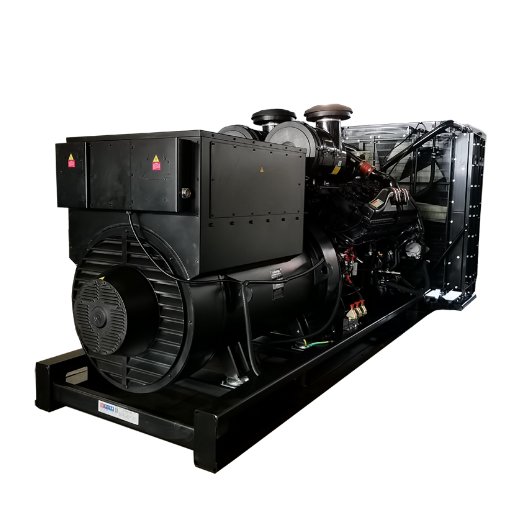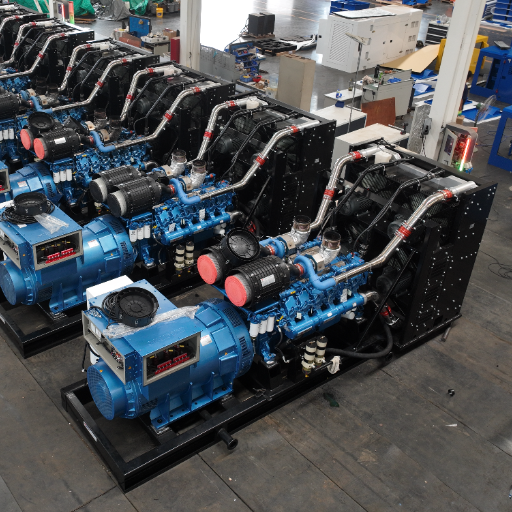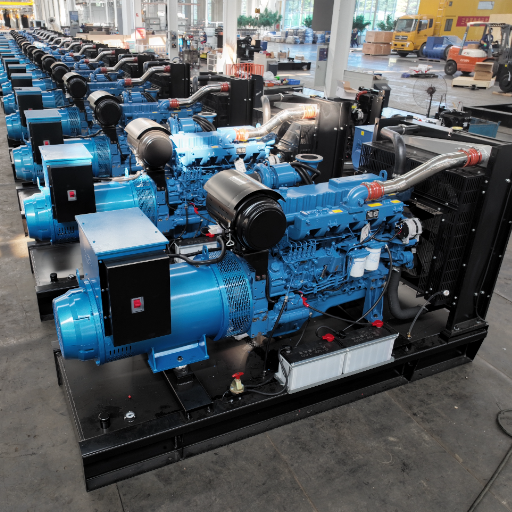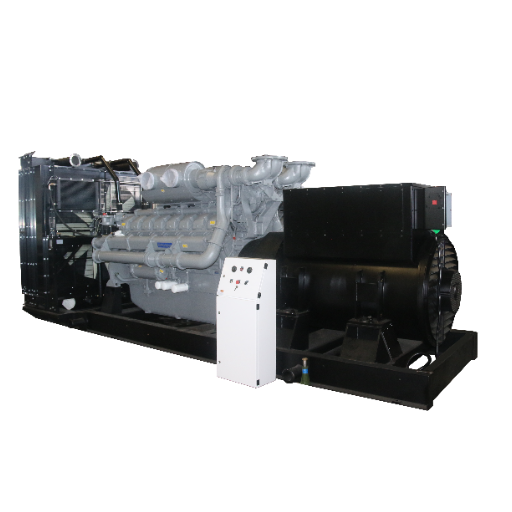

Deciding to purchase a full-home generator is a vital decision for homeowners who are looking for a solution for power outages. This service is however not only simplified by just the acquisition of the generator. The total cost of having this system installed includes all aspect starting from selecting the equipment, labor costs, cost of permit prints, additional installations services, et cetera. This text, in form of an article, is the presentation of the overall cost to be incurred in the process of installing a whole house generator, and the cost of every component of the generator. Be it that you are looking to enhance the resilience of your home, or you simply interested in how much such an improvement costs, this information is useful in knowing the direction one goes to. If so, this article shall enlighten you on the aspects that you must think of before embarking in installing a generator.
Common Types of Whole House Generators

One of the most common ways of classifying whole-house generators is through their fuel source and operational capabilities. Some of the most common would include the following features:
Natural Gas Generators
These units are hooked up to the existing natural gas supply of the residential homes. This allows the system to function smoothly and consistently. Because the generators do not get damaged on a regular basis and need very little checking, they are mostly used by house owners.
Propane Generators
The generator designed to use propane burners operates by using a tank that has liquid propane in it. They work well in areas that cannot access natural gas and tend to have a longer storage duration of the fuel. They also work well in low temperatures.
Diesel Generators
Diesel powered apparatus is highly renowned for its longevity as well as the economy of its fuel. They are preferred due to the amount of power they generate, and tend to be used more in the more expensive house sizes and such houses that has more energy needs.
Dual-Fuel Generators
These all-purpose devices have capability to run on two fuel sources such as natural gas and propane simultaneously when there is requirement, for example — when natural gas is exhausted
Each translation entails unique positive aspects, and the best one depends on conditions such as the availability of fuel, financial resources, and demand for electricity in a household.
Standby Generators Overview
Standby generators refer to a series of equipments that are engineered for the purpose of providing alternative mains power in the occurrence that the usual mains power supply has failed. These trucks are generally installed as part of the buildings’ electrical system and the majority of them come with automatic start, also called transfer switches, that connect the generator once the primary source of power fails. However, various types of generators are available depending on how small or large one wishes to err, for example one for connecting to just the refrigerator while others can connect a propelling unit.
Current backup generators in use are preferred to safes utilized in the past and come with technologically innovative features such as load management systems that ensure the best possible distribution of power to priority circuits. There are several options for the source of energy that standby generators use and these generally include natural gas, propane or diesel and natural gas fits the preference of many people due to the reasons that it can be in continuous supply even in cases of long term power interruptions. After thorough study and research on the development of generators, it is important to realize that their most recent improvement takes on other aspects; improved fuel efficiency, reduced noise, and remote monitoring so that the system is more dependable and provides more comfort.
Portable Generators vs. Whole Home Generators
| Key Point | Portable Generators | Whole Home Generators |
|---|---|---|
| Power Capacity | Limited, suitable for select devices/appliances | High, powers entire household or business |
| Fuel Type | Gasoline or propane | Natural gas, propane, or diesel |
| Installation | No installation, plug-and-play | Professional installation required |
| Portability | Compact, easy to transport | Stationary, fixed in one location |
| Runtime Duration | Short, requires frequent refueling | Long, continuous operation with fuel supply |
| Noise Level | Typically louder | Quieter, advanced noise-reduction designs |
| Cost | Low upfront cost | High upfront cost |
| Maintenance | Simple, user-performed | More complex, regular professional servicing |
| Usage Scenarios | Emergency or recreational use | Backup for prolonged or frequent outages |
| Remote Monitoring | Rarely available | Common in modern models |
Factors Influencing Whole House Generator Costs
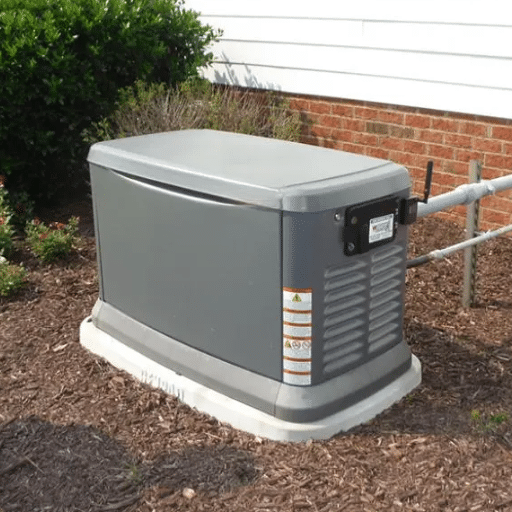
The price of a full house generator varies for several good reasons:
1. Generator Size and Capacity
For a more significant kilowatt of capacity, the drain laid out on the person is also greater. The person needing this range will have to be the one who has found the household feel urge to use it.
2. Fuel Type
It is known that generators which use natural gas or propane as fuels are relatively more expensive in comparison with those which use gasoline or deisel, however provide more beneficial costs as well.
3. Installation Complexity
There are also additional costs that affect the installation of power generation systems in houses. One of these is the complexity of the wiring system, which is especially the case when a person must retrofit the house, such as by installing additional natural gas or propane lines.
4. Brand and Features
As it might be expected more sophisticated brands with amenities like condition monitoring, automatic switchboards or even addition of soundproofing materials would cost more to install.
5. Maintenance and Warranty
Products, which come with extended warranties and require sophisticated service procedures, often turn out to be more expensive in the end, even if they are often more reliable in the long run.
It also helps households in making the correct call specifying the nature of the generator that can be purchased for the number of gadgets one owns and at what cost, among many other factors they need to consider.
Size of the Generator
The Dimension of the generator has a lot to do with the ability of running the essential appliances in the house or business facility during such times. Generators are often classified according to the amount of electricity it produces which is measured in kilowatts (kW). For domestic applications, small generators (e.g., 5-10 kW) will be enough to manage the load of the most important devices like electric cooker, washing machine, lights, and sump pump. Medium-sized models of generators 10-20 kW can be used for running further devices as well, such as heating, ventilation, and air conditioning systems, and the biggest generators >20 kW will suffice to power the entire building or a larger area full of expensive equipment.
Picking the right one is not so difficult after making some simple calculations, such as adding all the watts that the most important appliances would consume when electricity is lost. For instance, an average air conditioning unit will utilize not more than 3,000 watts of energy, but when it comes to a microwave, the figure drops to 1,000 watts. The importance of all these energies is that in case of failure, the calculated grade of a generator will be found, all within the acceptable values of both efficiency and load. In this case, it is always better to use a generator that is slightly bigger than the calculated size limit, for most applications.
Fuel Type Considerations
| Fuel Type | Advantages | Disadvantages | Availability | Storage Requirements |
|---|---|---|---|---|
| Gasoline | Widely available, affordable | Short shelf life, flammable | High | Proper ventilation needed |
| Diesel | High efficiency, longer lifespan | Noisy, emits more pollutants | Moderate | Cool, dry storage |
| Propane | Clean burning, long shelf life | Requires external tank, costly | High | Stored in pressurized tanks |
| Natural Gas | Unlimited supply via pipelines | Limited portability, installation | High (urban areas) | Not storable, pipeline use |
| Solar | Eco-friendly, no ongoing fuel cost | Weather-dependent, high setup cost | Variable | No storage required |
| Dual Fuel | Flexible fuel options | Heavy, more expensive | High | Depends on selected fuels |
Type of Generator: Standby vs Portable
Just like standby generators, portable generators differ in the aim for which they are meant. This gives them the qualification for different loads, level of understanding, and intended use. Standby generators are essentially permanent, fixed back up units which are directly connected to a specific structure’s electrical system. They can automatically turn on during a power cut, and usually come with an automatic transfer switch (ATS) which makes it possible for power to resume without any hitches. Usually, such standby plants are powered by propane or natural gas and therefore associated with high output power and very high dependability. In case of homes or offices needing central access for electricity of certain critical parts, including water or cooling systems like heaters or fridges, or feeding emergencies in health care sectors, these are the best and recommended to buy.
However, the portable generators, unlike stand-alone ones, are general, minimized and are seen strong only for a short period. The petroleum-based type of these are self-standing, or models run by both considerations such as petrol and LPG gas. This type of generator is most commonly found in many outdoor events for its ease of movement without interference with activities like construction activities or simply relaxing at home. It is typically less expensive and less troublesome to use compared to standby generators, These generators also have lower capacity and require manual connection to the appliances or circuits. These might produce more sound and discharges compared to standing generators. Given so, the most important factor for the choice between a standing model and a mobile generator is the amount of energy needed, the budget and use cases.
Breakdown of Generator Installation Costs
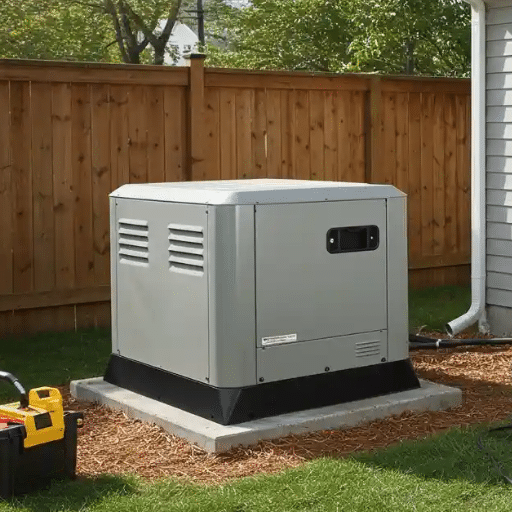
Various aspects determine the total installation cost of the generator:
1. Generator Unit
Cost of the generator unit itself is subject to the model and the power required. Where portable generators generally cost around $500 to $2,500, the price range for the stationary generators is around $2,000 to $10,000 or even higher.
2. Installation Labor
The typical cost of hiring a professional to install a standby generating system is in the range of $1,500 to $5,000 and varies from one place to another. Installation services for portable generators do not normally apply but various additional costs like optional placement may be included.
3. Electrical Wiring and Accessories
In addition to accessories such as connecting a standby generator to the electrical panel, or attaching transfer switches or other electric appliances, an additional amount of $500 to $2,000 is needed to show that all is well again.
4. Permits and Inspections
For governmental regulations and specific local requirements, costs within this range are expected: obtaining permits and scheduling inspections typically range from $50 to $500.
5. Fuel Source Connections
Provide information and use degrees of difference in the formation – For units, connecting to natural gas or propane will cost you from $200 and $2,000, depending on the distance from the gas supply station to the equipment.
It is essential to handle these ideas when calculating the expenses required to install a power generator in order to avoid any future surprises in the course of their evaluation.
Average Cost of Whole House Generator Installation
The budget for a comprehensive full-scale power outage solution (including repair or refurbishing, fuel purchase, maintenance, refurbishment, and similar costs) must be scoped between $5,000 – $15,000, not including the electricity provision materials and fuel. The cost of small connection generators that are put off most especially for tiny houses ranges between $5,000 up to $7,000, which includes cost of installation. But cost of larger ones meant to be able to power more parts of greater houses on the other hand may lead to the above-whooping figure of $10,000 –$15,000.
Central heating and furnace installation usually prevails in health-care and training establishments following chiller cooling systems. Installation is mainly affected by cost where extra wiring, fuel line extensions, containment walls, among other costs would arise. This would mainly depend on available materials and the ability/laws in these regions. And the homeowner should prepare in advance a budget for the expenses while the house is still at the designing stage.
Labor Costs for Generator Installation
The cost of labor for generator installation ranges between $500 at the low end to $4,000 at the maximum depending on the extent of work and the price of labor in the market. In certain cases, for example with the mobile ones, the pricing is normally focused to extensive player. Still, the expenses on permanent generator installation tend to be above the rest, considering that the installation typically involves additional work of trenches, transfer switches, and sometimes even electric panel upgrade which all add to the overall labor costs.
Clearly, many factors may influence the cost of labor in a project. In particular, the geographical location is a significant factor, with urban areas or regions with higher overall wages generally commanding higher labor rates. Also, the cost may go higher under certain circumstances such as the costs of permit acquisition, inspection fees, and the use of professionals such as electricians or plumbers. As such, it is important to work with qualified vendors who maintain high levels of compliance and at all times install properly functioning systems and also provide minute-scale breakdown of the labor cost for easier and more realistic budgeting.
Permits and Additional Fees
Estimating permits and other miscellaneous costs during the planning stage of a project is fundamental since such expenses are likely to show notable differences even for similar undertakings, all due to geographical concerns. Permit charges are usually issued by the local administration and perhaps depend on a number of things, like the nature of the work, the type of property, and the project’s magnitude. For example, roofing work warrants more thorough building permit – the cost of which can build to more than the cost of remodeling permits. Other fees may be collected for environmental assessments, water and sewer connection charges, and structural reviews in specific points of the project to make sure that the building complies with the necessary codes and standards.
Analysis from a recent industry report suggests that condition in urban settings where legislation tends to be more severe costs of permit allowance can eat up to 10-15% of the overall project’s budget. There are still circumstances when the handing in applications, and the getting of the corresponding approvals are significantly delayed since regulators require additional information or provide new regulations. That is why early interventions will come in handy and engage your government institution during planning even before the submission of the required drawings. Consequently, with these environments in mind, clear projection emphasizing costs and accomplishments within the regulatory framework shall be possible.
How to Choose the Right Generator for Your Home?

When you search for an appropriate home electric generator it is necessary to pay attention to power demands-energy load, type of fuel and educational objectives in the design of the installation. To begin with, calculate the total extractor loads of the house by assessing such household components and systems as the refrigerator, air conditioning system, and lights. Total the energies in watts and that of the generator size becomes apparent. Second, select a fuel since it can be a problem of petrol, kerosene or coal remaining few. Each of the resources occupying air and storage happens to have its advantages and disadvantages.
Lastly, make a choice of the structure of the generator whether portable or standby. Stationary generators are known for their automatic operation and permanently fitted, but portable generators provide ease of use though still require hand operation. By examining these issues you can be sure that, within the limits of financial capabilities, the most appropriate and the most budget-friendly generator is chosen.
Assessing Your Power Needs
Before proceeding with the generator selection process, it is important to understand the power requirements with precision. Identify all the electrical devices and places that you need to power in case of an outage. Exemplary devices may involve a refrigerator, HVAC system, lighting, medical equipment, and electronic devices in general. For every device, note the figure used up, which could well be indicated on the wattage section of the device or in the user’s instruction manual. As an orientation, consider the amount of starting watts and running watts, especially when understanding how motors operate like in air conditioning.
When you know how many watts in total you need, think about adding 10%–20% more as a margin to include some unexpected devices. That is, for example, when a heating, ventilation and air conditioning system is to be powered, it may require 2,000 to 6,000 watts depending on the size, and most refrigerators need about 600 watts of running power, in addition to a higher starting power. If correctly calculated, you should be able to have all the functions of a generator in a state of interaction without being an efficient overload fuse.
Understanding Generator Sizes
Sources of power shall be highlighted even before choosing the preferred one to prevent incompatibility and poor performance. The correct way to approach this is to first of all add all the running wattage of all important appliances or gadgets that you want to use either when power is out or when you are in some work area. This involves both running watts and surge watts, which are the extra power needed by some devices to be able to start. It is also crucial to identify devices which have abrupt power draws such as sump pumps among them air compressors and those with relatively constant power consumption such as LED or laptops.
Take, for instance, families with limited living quarters that may work well with a portable generator ranging from 3,000 – 5,000 W with the power supply to such basic appliances as fridge, light bulbs, and small freezer. On the other hand, larger households who happens to have central air conditioning, an electric water heater and or well pump could opt for a 10 kW and above rated standby generator. Also, for the needs of industry, machinery tends to be of a higher kilowatt rating than kilowatt tools, in which a generator exceeding 20 kW may be suitable.
Moreover, growing provisions for commercial inverters are able to make the flow of the current more efficient, and also consume less power. This also makes three-phase auxiliary output possible without consuming any power. That is why these generators can be used comfortably in homes and in the majority of other places as well as it does now. It is important to think about the total wattage you need as well as the possibility of expanding it. In this way, the possibility of experienced load shedding problems while using the generator during the continuous power outage is avoided.
Consulting with an Installer
When you need to pick out and put up a generator there is no other way than hiring a professional to complete this assignment. There are designers who have a modern understanding of the electrical codes and design elements, and understand all construction requirements, health and safety precautions, and so forth. This can include the cooling system as well as any added features and the noise protection strategy allowing efficient cooling of the generator. They will help you determine the amount of power the generator should produce when support power is needed and the duration in which it is needed as well as engineering consideration for further expansion or change in use.
Moreover, professional installers have the ability to scan the site and resident conditions of interest, for example ventilation, noise, and spaces in which people are likely to reside, in order to identify the most appropriate positions for the equipment. Using information on relevant technologies and configurations, they can help, for example, in recommending extractor fans to be fitted, along with remote control systems and automatic shifting devices. Advice and services provided by contractors helps also ensures that in any possible condition, generators are properly run, with maximum levels of effectiveness.
Practical Tips for Homeowners
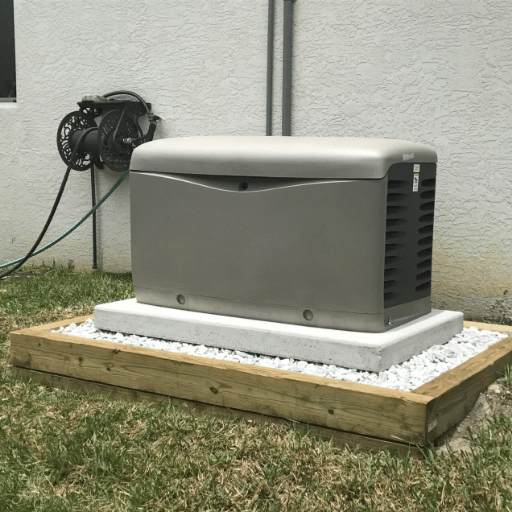
1. Perform Regular Inspections
Every so often, you should go look at your gen for any obvious signs of damage or excessive use. Check the wiring, the fuel system and if the air intake vents are clogged.
2. Change Filters and Fluids as Recommended
Follow the manufacturer’s guidelines for when to change the oil and filter. Because these parts should be regularly changed and kept in good condition so that the engine can perform efficiently and wear can be minimized
3. Test the Generator Periodically
Start the generator and let it run occasionally even if not in use. This will prevent the generator from hard starting during emergencies and ensure proper functioning of the system.
4. Refuel Safely and Store Properly
Do not forget to choose the correct fuel for the generator as stated in the user’s guide. If you have extra fuel, keep it in its proper and safe place. Always in an empty state, cool down the Generator before fueling it.
5. Schedule Professional Maintenance Annually
Request services from a competent electrician at least once a year as directed by the generator’s guarantee. This will involve tests to determine the condition of the engine, battery and other parts of the unit.
Preparing for Generator Installation
A proper installation of a gen set includes careful planning and following safety measures so as to avoid compatibility and in compliance with local building codes. First, decide where you will put the gen set. It should preferably be situated outside the building on a moderately raised, non-rocky surface that is at least 5ft away from openings or vents so as to prevent any possibility of carbon monoxide build-up. It also needs to be mounted on a stable foundation such as weatherproof concrete or composite in order to eliminate vibrations which can eat away the equipment.
Ensuring safe and quality electrical connections is one of the most critical areas needed to avoid any risks while installing temporary sources of power. All elements of changeover switch installation are normally performed by a qualified electrician in order to stop the generating unit from pumping electricity into the grid during operation. It is necessary to establish the most appropriate method of delivering fuel depending on the measure of urgency, the nature of the generator concerned, and whether it employs a natural gas feed, has a propane tank or maybe uses its fuel tank and runs on diesel as well. Also, all connections should be checked for leaks and made resistant to the prevailing environmental factors.
Attention should also be paid to working in accordance with receipt of permissions, conforming to building norms and codes which is another significant part of preparation. There can be local laws or regulations stipulating the level of noise produced by the generator, where it is to be put and how it is to be installed. Approving all the required papers in good time will save your project from the possible penalties or future postponements. For residences in regions where the worsening of weather conditions, such techniques as weatherproof structures and surge protective equipment should also be incorporated.
Maintenance Considerations for Backup Generators
In connection to daily routine services of stored electric power plant, it is necessary to prepare service checklists. One of the checklists includes monitoring and checking the quality of the stored fuel every time it is refilled. Due to the natural characteristics of the fuel and the storage capabilities therein, the fuel is bound to be in a good state. Sometimes, however, some impurities develop in the fuel which soil it or weaken its efficiency. For diesel machines, it is recommended to change and introduce a cap of stabilizers to the plenty of usable but not year-old fuel. Beyond this, all moving parts are to be properly lubricated and coolants and other fluids are to be checked to avoid any breakdown when the generator is switched on for extended periods of time.
Battery condition is yet another important factor to take into account since a generator needs a proper battery in order to start. It is advisable for the generator care-taker to perform regular checks on terminals for rust and keep the battery in full charge to avoid circumstances of sudden breakdowns. In addition, one should be very keen on software updates for digital generator systems considering that these can affect the operational effectiveness and problems with the firmware if any. Keeping a log of maintenance activities is a useful practice for monitoring the maintenance cycles and confirming performance of manufacturer’s specified user maintenance. The use of such meticulous methods for taking care of equipment not only extends its useful life but also provides for dependable operation when utility power fails.
Long-term Cost Benefits of Whole House Generators
It is possible to use entire home generators instead of partial ones or portable generators in order to make sure that in case of a blackout the structure and everything in it are protected from damage which can be brought up by failure of food to function properly due to power outage which may in turn lead to ruptured tubes due to ice and extreme cold and appliances being seen as useless due to spoils from water. Apart from this, it is also known that generators play a role in lowering homeowner insurance premiums in some areas, since some insurance companies would be able to calculate the level of risk when power is continuous and there is no need to worry about losses or damage occurring.
Modern-day generators are made efficient and are created with the need to conserve fuel, thereby reducing spending money. Many units that garner energy from cooky gas or liquid propane, such as those on the market, offer increased cost effectiveness because the fuels are abundant and relatively cheap. Last but not least, power consumption is expected to decrease with very new loads because load management systems are included in the systems aid in distributing the energy efficiently and therefore reducing the running costs of the generator that may come into play.
Another economic factor that becomes highly significant in these scenarios is the resale value of the house or property in which whole house diesel generator is installed. Given that the majority of potential buyers will consider the system as valuable, capable of lasting for long periods of time, and further promotes the safety levels and convenience of the house. This, together with regular maintenance activities can be very rewarding to house owners and therefore purchases of whole house generators will be worked into the budget by any house owner who seeks financial efficiency and durability.
Reference Sources
- U.S. Energy Information Administration (EIA): Construction Cost Data for Electric Generators
- Oklahoma State University Extension: True Cost of Energy Comparisons – Apples to Apples