

Since the weather is changing and winter conditions, in particular, are getting more and more severe, the issue of controlling the power supply is getting more and more relevant. As a rule, when power supply from the electricity company is interrupted, portable generators are used, or when you live away from the power lines. But our winters are so harsh that no amount of commitment can make them usable without proper education and preparation. Failure to prepare these essential machines for use is one of the biggest mistakes users commit, engine power loss during winter and possible breakdown is a disaster. This article is a full fact to fact guide on how you can winterize your portable generator in order to be effective in cold and inclement climates. We will cover the maintenance tools used for cold climate, as well as various technical devices commonly called cold weather gen-set enhancement products that will help in ensuring that any generator remains functional and reliable throughout the year.
Why Winterization is Crucial for Your Generator

Winterization plays an important role in the preservation of generators considering that harsh climate settings and particularly extreme cold can have a negative impact on their efficiency and predictability. For example, the use of generators in freezing temperatures can cause certain fuel types to thicken, batteries to discharge more quickly, and engine parts to freeze if not carefully handled. More so, ice and water may result in mechanical failures or poor performances by breaking the fragile components. The best way to handle all these eventualities is to winterize the generator so that in cases of power loss or extremely harsh climate conditions, the machine still functions. Implementing the appropriate winterization measures for generators also prevents them from premature aging, maintains their good serviceability for a long time and reduces the cost of repairs that could just take place.
Impact of Cold Weather on Portable Generator Performance
Cold weather can certainly alter the total effect of how well a portable generator may perform, the main reason being that it has an influencing effect on both mechanical operations and fuel efficiency of the generator. When the temperature levels are scaled down, more so it becomes even colder, the engine oil is likely to become viscous, lessening the efficiency of lubrication thereby causing more wear and tear on the components which can make starting the engine hard. On the other hand, it is very common to have the carburetor on a generator in such conditions become iced, as the ice that is being accumulated causes the airflow to be blocked and this creates interruptions in the air-fuel mixture thus resulting into diminishing performance or failure to start the engine.
Winter conditions greatly impair the fuel efficiency and storage of the device. Diesel generators in particular face significant problems because surplus fuel coagulates in the pipelines under the extreme weather conditions and is difficult to flow. The situation even worsens when such diesel generators are left without any fuel treatment for a long time. Moreover, the rise and fall of temperatures inside the fuel tank may result in water contamination and this could in turn cause rust, blocked fuel filters or malfunctions. Many efforts need to be made for a smooth operation of the equipment in cold likely. These measures include the use of oil from winter season, incorporation of respective fuel conditioners or antifreeze in the fuel, as appropriate packaging operations procedures including fuel protection, amongst others.
Ensuring Longevity and Reliability
When dealing with preparing portable generators for usage in cold weather, it is essential to fully look over all of them to prevent any malfunctions. The first item is to take care of the internal fuel parts where it’d be necessary to verify that the fuel line has no cracks, escaping gas, or any type of film which if present will only worsen with the cold and relatively arid conditions. If any part of the fuel line is seen to be damaged, a new piece of the same material should be put in its place so that the particular equipment this is used for shall not miss its service from inability to operate. In addition, ensure that the air filter unit is also very clear and clean and that there are no impurities stultifying the airflow, as an obstructed aeriation will lead to increased downtime.
Second, scrutinize the battery to know if the charge is sufficient enough and its level is average. Usually, batteries are less effective during the colder seasons and thus checking the charge voltage as well as eradicating any form of rusting on the terminals is important. If the equipment incorporates a starting rope, the starting till hand wrench will have to be looked at for any tears or shaking. And lastly, validate functional unity of all covering and stuffing layers to avert such penetration that would be a medium for corrosion from within.
Common Generator Issues in Winter Months
|
Issue |
Description |
Solution |
|---|---|---|
|
Difficulty Starting |
Battery weakened by cold temperatures |
Use a battery warmer or keep indoors |
|
Fuel Line Freeze |
Moisture in fuel lines freezes, blocking fuel flow |
Add fuel stabilizer or antifreeze additives |
|
Oil Thickening |
Low temperatures cause oil to thicken |
Use winter-grade or synthetic oil |
|
Moisture Accumulation |
Condensation leads to generator corrosion |
Conduct regular inspections and store properly |
|
Carburetor Issues |
Stale fuel clogs carburetor components |
Empty fuel or use fresh stabilized fuel |
|
Voltage Fluctuations |
Low temperature affects generator’s electrical output |
Use a voltage regulator or check wiring systems |
|
Exhaust Blockage |
Snow or ice blocks exhaust vents |
Clear snow and ice around the generator |
|
Spark Plug Failure |
Spark plugs degrade, reducing ignition reliability |
Inspect and replace spark plugs periodically |
|
Overloading |
Excess power demand strains the generator’s components |
Ensure usage within rated capacity of the unit |
|
Air Filter Clogging |
Freezing of moisture or debris clogging the filter |
Clean or replace air filter monthly |
Steps to Winterize Your Portable Generator

- Change the Oil
Empty out the old generator oil and replace it with a higher calibre, cold-weather-friendly oil to enable the generator to withstand the low temperatures. Find the description section and use the recommended oil as per the manufacturer’s needed oil weight. - Inspect the Fuel System
Perform a full inspection on the fuel tank and pipes to identify cracks, ruptures, and irregularities, prior to filling in fresh and winter-hazed gas, consideriing fuel additive for drying and preventing corrosion. - Clean or Replace the Air Filter
Look on the inner part of the air filter for any debris to an extent from which it can be deduced that the filter is useless. Under such circumstances, use a cleaner replacement filter on the one that is in use at the moment for the reason that one is unable to provide for proper ventilation in case a clogged filter is used. - Check and Replace the Spark Plug
Remove one of the spark plugs and examine if there is any rust or damage on the surface. Dry it out and fix it if possible and make sure to return it in the right position to avoid useless other properties this hard piece may have after restoration. - Test the Battery (If Applicable)
For generators that come with an electric starter mechanism, test the battery to ascertain that it is fully charged and active. Whenever at such times when the temperatures are at their lowest and it becomes very cold, always have a battery charger or a battery maintainer with you on site. - Keep the Exhaust Area Clear
Frequently remove ice snow and other obstacles from and around the discharge air openings to prevent clogging and secure smooth operational process. - Store in a Dry, Heated Space
When the generator is not on, avoid direct exposure to rain on sunny days, or any other type of rain. This weather protection can also be achieved by putting them inside waterproof plastic cover.
Preparing the Fuel System
In preparation for the upcoming winter season, most of the operating portable generators should be prepared. It is essential to start with the fuel tank, properly prepare this system in order to avoid any fuel problems during operation. Remove all the old fuel first, as it is recommended for gasoline that has stayed in the tank for a long time to form gums and cause blockages of the carburetor passages. Complete the removal and replace the stored gas with winter gas that is adjusted to cold temperatures considering that it has low vapor pressure thus is effective. Put the storage fuel in the tank and it is highly recommended to add a diesel stabilizer as it will deter any microbial growth and the formation of sludge inside the fuel system. The stabilized gasoline can be used much later, after at least, but not limited to, 12 months, depending on the kind of additive applied.
After refueling and stabilizing the fuel, start the generator for 10-15 minutes so that the treated fuel can travel through the engine and the injectors. This measure is taken to have all the important components of the generator covered in safe fuel, significantly reducing the likelihood of the damage in the form of inside icing. Besides, check if the filter is clean and if any foreign matter is present, substitute it, as a dirty filter reduces fuel supply and worsens the generator’s performance. If the diesel generators are not used for the prolonged time, then flush the tank system fully on the introduction of the above-mentioned additive, as it has significance in inhibiting internal varnish or sludge build up. These procedures will protect the durability of the portable generator in the most arduous winter conditions.
Battery Maintenance for Winter
Winter is the most delicate period, and a lot can be done to maintain the battery of the portable generator. First, examine the battery connections for signs of buildup which can be easily removed using an underflow covering a base of baking soda and water and scrubbed around with a brush. Next, make sure there are no loose connections after cleaning to eliminate the need of fixed voltage. Before troubleshooting, the battery’s voltage should be checked by a multimeter. An average portable generator battery running cost at a fully charged state is around 12.6 to 12.8 volts.
In case the battery voltage fails to meet the recommended value, it is advisable to use an automatic battery charger other known as a trickle or float charger to top off and maintain its correct charge volume. In case the generators are of the type that use lithium ion batteries, they require specially calibrated chargers to prevent any damage. Moreover, for safekeeping when the period of inactivity is too long, the battery should be isolated and placed in a cool and dry area to reduce the chances of any self discharge. Compared to quite a number of batteries, a test on the load size of the battery will show the degree of charge among the lithium-ion batteries in use. Besides any of the above-mentioned steps, the recommended and recognized method of failure is adopted by always monitoring the portable generator’s battery especially in cold conditions where the demand for starting is high.
Protecting the Engine and Components
During the winter season, it is imperative to take into account that the whole of the engine and all its crucial aspects are invariably consumed for safekeeping. Initially, using high-grade engine oil for cold season is the way to go as it has the ability to maintain viscosity at very low temperatures. Full synthetic base oils are highly recommended during winter as they can blend without solidifying and generate cold-engine starting ability. Minor factors such as Fuel stabilization is any fuel-related equal measure and our emphasis is to know that untreated gasoline can corrupt over time and result in deposits of gums and varnish that interfere with the full and efficient use of the engine. It makes sense to enforce the treatment even if the generator has some fuel, one has to add gasoline with the requisite amount of the degeared to it and then let the generator run for a minute or two to mix the fuel properly.
Winterization Tips for Optimal Performance

- Check and Replace Oil
Use winter oil with recommended values by the manufacturer suitable for a generator operating under such cold temperatures. Also, before starting the generator oil should be checked for adequacy. - Inspect Fuel System
Fill the tank with old untreated fuel and clean in places where ornaments will not be hindered when getting ready, to ensure safety. Also, any fuel left in a generator for a prolonged period should be emptied before such time comes. - Examine the Battery
Examine the battery to ensure it is adequately charged and check the contacts to facilitate any erasures. Consequently, if the generator will be lying idle, consider moving it to a warmer room, probably away from the environment exposed to cold temperatures and subsequently loss of the battery. - Clear Exhaust Vents
Make sure that the gas vent system is clear of obstructions such as snow or foreign objects to allow for free and safe operation. - Warm-Up Period
Allow the generator to run at idle for a few minutes while you attend some other issue so that the engine can be started and operated more effectively in case of cold temperature circumstances.
Regular Maintenance Checklist
Maintaining a set of preventative measures for the protection of a portable power supply unit during winter months is crucial not only to guarantee its dependability but its safety and efficiency as well. Great care must be taken to counteract the adverse effect of low temperatures on the battery, the fuel, and the whole engine. Protective measures such as application of these stabilizers in the fuel are particularly useful, otherwise, whenever the engine is required to operate in low temperatures, the fuel tank may have fuel pour from it and cause it to gel in the engine.
Changing the lubricant is vital in the case of specialty engines as the viscosity of products used changes depending on region and the time of the year, winter being affected most. Keeping these counterparts (air filter, spark plug) clean leads to an effective mixture in the combustion chamber, and in turn avoiding direct heat exposures. This lessens the running surfaces hence cutting down on wear and tear which might affect that machine especially under low temperatures. Lastly, the regularly done electrical connections check and the correct storage will all help in maintaining a good functionality during the winter period.
Storing Your Generator Properly
Proper storage has a fundamental role to play in extending the service life and ensuring that a portable generating set produces power. This is necessitated especially when one is bracing themselves for winter. For instance, remove all the fuel from the tank and carburettor to avoid it from going bad, combining with other substances and damaging the device when it fails to respond. It might also be useful to add that the use of fuel stabilizer serves as a good maintenance practice for the system fuel that the user has been provided with. It is not advisable to leave the battery in the port if it is possible, it should be removed, wrapped with a special blanket and placed in a cool, dry place so that it could not freeze or lose charge.
Be sure that the generator is clean and free of all dirt, chips, trees, and moisture that can make it easy for rust or others begins to act on it. Put more emphasis to the air entry and exhaust parts so that no item remains in that place. Create a serene place for storage of the generator whereby it can be well-maintained, and it is protected from high humidity or any predisposing conditions. Make use of a dust and environmental resistant generator’s cover to extend its life. To keep the generator at a ready-to-use state, run it for a short period each month, under a small load, in order to oil the moving parts and check the work. It is all because of the compliance to such storage that the portable standby generator shall indeed be in the best shape whenever it is required especially during the emergency winter operation conditions.
Testing Your Generator Before Use
You will need to inspect your generator carefully before you start generating it again and test it out for whether it is functional. Get rid of the fuel and put in new fuel. Look for any damages or signs of a potential risk such as fuel leaks, rust or clogging. Carry out fuel line examination, while ensuring that fuel is not leaking. Do likewise on the fuel filter. After the inspection of the fuel system, check the oil for any defects or insufficient oil, i.e., oil is of a massive quantity or very poor quality. When an hour meter equipped with the generator reads a low number, change the oil to allow the engine components to be lubricated properly.
Check air filter for dirt and obstructions, clean and replace if necessary to remove the performance degrading factor of littered air filters. The condition of the battery is of high significance and requires to be checked and in case if battery low efficiency is detected increased cold resisting capacity lithium batteries. Resistant to cold weather lithium batteries change; so all the connections should be examined for corroded or blackened metal, crimping such weak knots to enhance reliability. In conclusion, without any load, start the machine and conduct an inspection for pad, qualified abnormal noises or smoke. Provided all is well with the start-up test allow the machine to run under normal conditions with load and check whether or not the machine’s performance meets factory specifications. This ensures the machine is safe and free from any failures while in use.
Common Myths About Winterizing Portable Generators
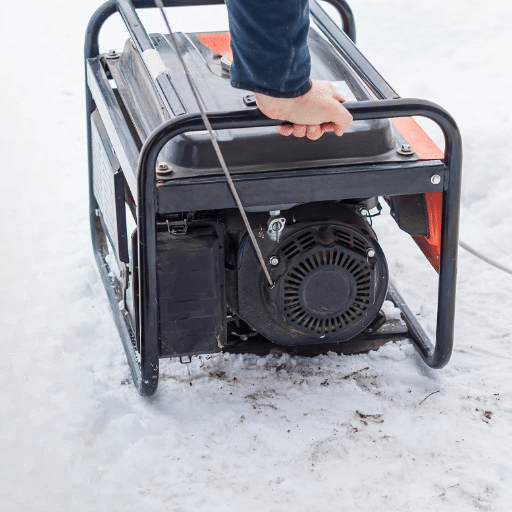
A human being can help in servicing and preserving every machine, which is not a novelty for a generator. It appears that it is important to do some maintenance on equipment before it is put down for storage to enhance its future full operation. Assuming that the fuel would go stale or some fine stuff would gradually accumulate in the tank, it would be appropriate either to empty it or add a stabilizer. At the same time, it is also necessary to check the quality of lubricant as well as the state of the filtering elements. These are preventative measures in terms of preventing rusting, deterioration or pitting while the generator is idle.
Inadequately stored portable generators, experience a lot of damage. Especially, it is a mistake that a place can be found either in or outside a building. When one is explaining where to throw the generator, he or she must provide directions to an appropriate place. However, they may be stored in a clean, well-ventilated structure so as to prevent any form of mechanized rust from harming them.
Debunking Misconceptions
One frequently reiterated misconception about generator maintenance is that it is unnecessary to use fuel stabilizers when the machine is not needed. Yet, one does not have to be a mechanic to know that fuel can in fact disintegrate with time and it can lead to operational problems. It can also degrade within less than a month’s time unless a stabilizer is mixed in the fuel. In such cases, a good stabilizer can also save one by keeping the fuel from harming other parts due to deposits.
In terms of reasonable options to prevent fuel degradation during a generator’s dormancy, it is impractical to just keep the tank full. This is due to the fact that in case it is kept in such a way that it is dry to the point of no condensation, there will be humid air in it which will eventually lead to the formation of corrosion inside the fuel tank. Instead, it is common to see fuel tanks in such machines filled with a certain volume of fuel in the hope of lessening the space occupied by air and the benefits expected of this practice are it will prevent the accumulation of moisture.
Some people mistakenly believe it to be unnecessary to plan regular oil changes in the course of use of the plant. However, failure to change old oil can be dangerous since it may wear off, cause fatigue of the impurities which might have been deposited within the engine. When the generator is switched off, fresh oil is applied which reduces the friction between the components upon startup. Hence the need to replace the oil after using the generator for a long time to service the engine health before additional usage.
It is these very beliefs that get dispelled this way that is the very reason one should not take lightly the aspects and good habits that contribute to the prevention of economic. Use of generators and guarantees their flawless operation throughout the winter period and further on.
Truths About Generator Needs in Winter
While winterization of a portable generator unit can have varied meanings, there are two things a user must keep in mind at all times during the cold season: preparation and maintenance. The possible negative impact of low temperatures should not be underestimated under any circumstances as the performance of the generator can suffer. For example, the inspection of the fuel system is critical as with time ethanol-based fuels might develop moisture which causes phase separation and could lead to problems with the engine. Applying fuel stabilizer or using a gasoline sans ethanol is recommended as it decreases the chances of such damage considerably.
Also, winter preparations battery maintenance is crucial. Such cold temperatures may hinder the capacity of the battery hence its emergent need to examine its health condition as well as terminals of the battery. Further, it would be beneficial to preserve the battery by storing it indoors or in a facility where temperatures are controlled.
Keeping Your Generator Ready for Winter

In order to have your generator ready for the winter season, perform the following steps:
- Fuel Preparation
Fill the gas tank with fresh fuel, say no to fuel degradation and add a stabilizer, which can clog the carburetor if untreated fuel is used causing the generator to break down; switch on and off the generator after some time nbsp. - Battery Maintenance
Check the marine battery or any battery provided with the generator for proper charge levels and if necessary wash away all the corrosion on the terminals of the battery. Power source terminals keeping only the battery can be kept on trickle charge or battery maintainer during the off-season. - Oil and Filter Check
Replace the oil and the filters of the generator as a general intervention before they can be used in winter. When using the generator at temperatures below 60°F, utilize the oil grade suited for cold weather for approximately 8 cycles. - Test Run
Ongoing testing is also a requirement for generator equipment, which includes starting it up at least once every month for a short while and letting it run for some time. Running the generator does not only lubricate the equipment, but also drives away any accumulation of water in fuel and oil before it thickens. - Emergency Supplies
Remember to always have all these other replacement items on hand to allow ease of changing the ones inside and this is helpful especially in the case of an emergency power failure.
Recap of Key Winterization Steps
Winterization of portable generators is necessary to enable consistent performance in cold months. Some of the requirements are discussed below.
- Fuel Stabilization – Upgrade the quality of gas in the tank and make it recommendable for added lifespan, without unnecessary cares. To prevent fuel lines and carburetors from plugging up and compromising their working conditions.
- Battery Maintenance – It is advised to keep checking the charge of the battery and maybe even discharge in battery management. Cold environments are not friendly to batteries, hence, fully charged batteries are vital for making sure they do not fail.
- Oil and Filter Replacement – It would be good to change the oil of the engine and the filters as per the specifications of the manufacturer while considering cold weather. This storage also ensures that the oil and the filters offer the recommended protection.
- Inspect and Clean Components – In addition, check the quality of wires and filters beside doing say clean the spark plugs. Replace or clean each component according to necessary standards to guarantee that the system performs better.
- Store in a Weather-Protected Space – If possible, keep all portable generator types in a protective shelter. These shelters should be insulated, well-aerated, and free of damp weather to prevent any contact with damp weather and freezing winter temperatures. Accumulated atmospheric moisture should be minimized as it can corrode the engine.
- Run Periodic Test Cycles – Test your generator at intervals during the winter. Operating the unit throughout the wintry season is recommended in order to keep the machine functional. This is also helpful in addressing uncomplicated problems before they become severe.
By showing these steps in detail, the effective operation of these power sources will be guaranteed. They will do anything within their limits in order to prepare and offer maintenance to the portable generator on those unfavorable climate situations.
Final Thoughts on Generator Care for Winter
In a harsh winter, it is essential to take care of one’s power generator timely with an aim to ensure its efficiency and longevity. To ensure that there would be no untimely incidents, it is advisable to undertake preventive measures such as inspecting fuel lines for leakage, fuel system cleaning, check for fuel blockage whatsoever, proper cooling and lubrication system with any applicable oil, and periodic running of the generator. Moreover, advancements in generator systems such as remote measuring systems may help in solving the problem greatly. They provide alerts for alarms thus the user can take corrective action before the problem gets worse.
There has been a consistent indication that generators in cold countries encounter several problems as a result of the manner in which they were kept or stored. Protective covering will ensure such a place remains clean because most of the times however clean such a place may be, water and other substances may reach the generator and reduce its capacity to above 100% consumption. In this case, winter fuel should be used when required in order to tackle the problems of gelling fuel systems in very low temperatures which very much affect the efficiency of the combustion process.