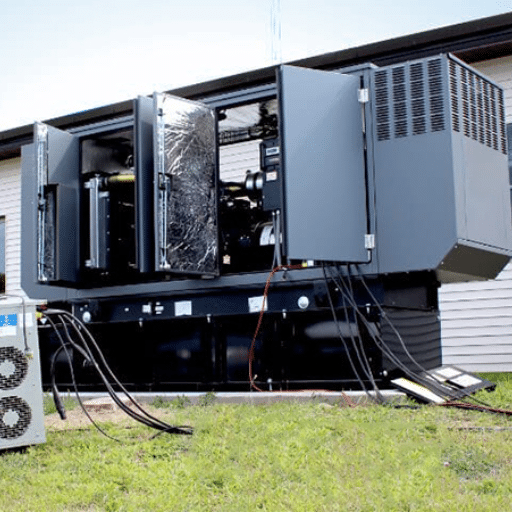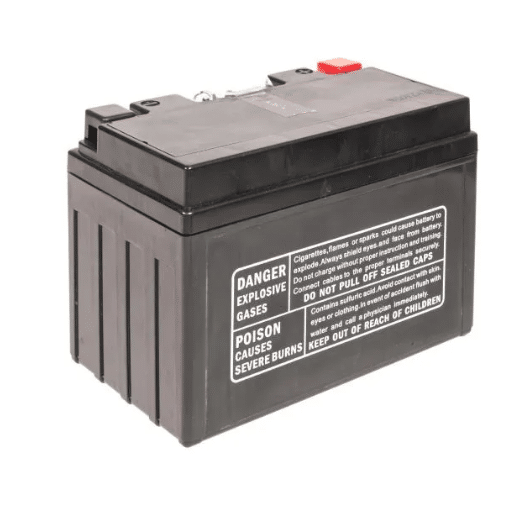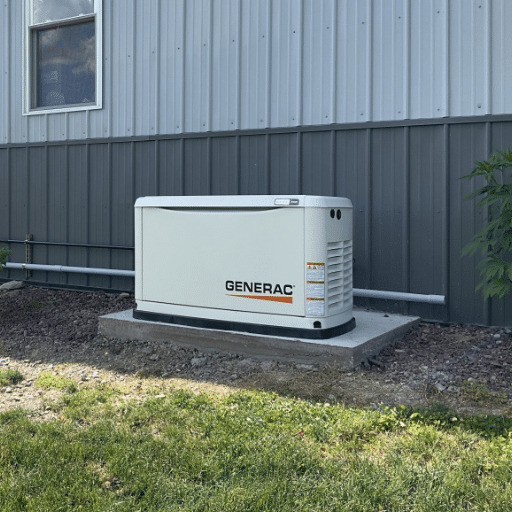

A generator, as the name suggests, is an electric device whose main purpose is the conversion of mechanical energy into electric energy in order to power various systems. It doesn’t matter whether it is installed at industrial plants, at home, or is being used as a temporary power source—you cannot carry out the proper functioning, maintenance, or troubleshooting of a generator without understanding its basic structure. In this text, we will review the main components of the generator, what functions each of them performs and how they collaborate so as to bring about effective energy generation. By the time you are through with this manual, you will be well-informed on how these machines perform and be in a position to make appropriate decisions on how to use or maintain them effectively.
Simple Introduction of Generators

Generators are made in such a way to convert mechanical energy to electric energy whenever a traditional source of energy proves to be unavailable. In the most natural way possible, they act through generating an electric field and electric current flow, once a magnetic field is generated by means of a conductor. They present different uses in specific areas, such as provision of energy reserves for houses, business activities, other industrial purposes and distribution of power across the remote areas. The proper working of a generator is dependent on, the generator capacity, alternator, fuel tank, voltage controller among others which will direct the flow of electricity.
What is a Generator?
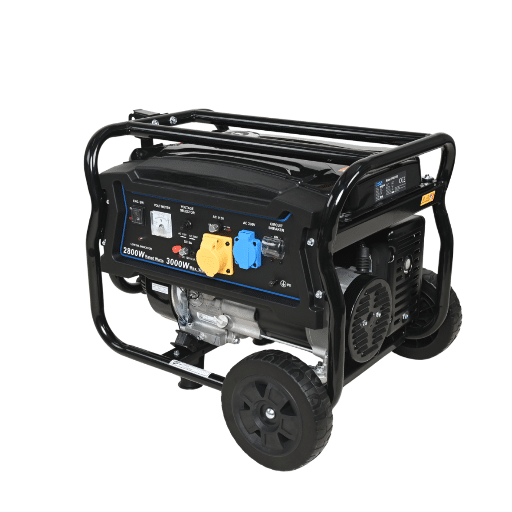
Generators are a type of equipment that is built for converting mechanical energy into electricity with the help of induction in the presence of a magnetic field. Electric force is created through value change owing to movements between the magnetic domain and the current carrying medium. Know that currently available generators differ in their application, as well as their inverter or standby designs. They are further classified into categories, such as the portable, inverter and the standby depending on what they should be used for. For example, portable generators are convenient and suitable for short-term power requirements, but standby generators are designed to provide power whenever the grid power goes off.
In the current era, various motor technologies have thrived in the reduction of pollutants, increased monitoring, and carried out other ergonomic tweaks in the generator world. Nowadays, monitors for such generators are fitted with controls that are more user-friendly and can be connected to the operational systems like energy utilization volumes and even the extent of the fuel burnt. What’s more, it is noticeable that new possibilities to encourage the use of generators have appeared. Efficient electric generators were first known to work exclusively on gasoline. Fortunately, the technological climate has enabled the innovation of electric biogenerators which are both and eco friendly and efficient. Such technologies related to the generators ensures they do not just deliver reliable power but meet the demands of power efficiency of the modern world.
How Generators Work
Generators function based on electromagnetic induction i.e. they convert mechanical energy into electrical energy. At first, the process begins with a prime mover which can be a gas or diesel engine which rotates the alternator. Within the alternator, a rotor and a stator are both functioning. The rotor, which is commonly wrapped with wire or contains permanent magnets inside, rotates within the stator creating a rotating magnetic field. And this magnetic field induces an emf in the stator winding thus generating electrical power.
These modern generators have implemented sophisticated control devices which functions to adjust the voltage and frequency when employed in various applications and under different output loads continuities to maintain consistent power output. In addition, a lot of them have Automatic Voltage Regulators (AVRs) for load management and machine protection against over-voltage conditions. How efficient a generator is depends on several areas like, the type of fuel used, engine design, cooling system and others too. This improvement will advance to load-following modes and adjust the output to the dictated electrical demand and environmental conditions.
Importance of Generator Components
The performance and durability of the generator are directly influenced by the quality of its parts and terms of assembly. The performance and efficiency of the alternator in converting mechanical into electrical energy can be achieved or dependent on the quality of material in the winding. Therefore, the operation of the generator depends on the role played by its engine, which is always either a diesel or a petrol engine, therefore the consumption of fuel and the emission of gases are other factors which depend on it. In addition, the availability of intelligent control panels, which are extended control systems with digital interfaces, allows approximating such features as the possibility of accurate monitoring of operational parameters, trouble-shooting, and automation.
In maintaining the level of voltage, the grid voltage stabilizer conforms to the ability of the load to compensate without overloading the generator. Automatic voltage regulators (AVRs) and circuit breakers will help protect the generator and any connected load from overloading and short circuits. Noise and wear-related worries are catered to by advances in sound proofing and vibration isolation for use of the generators for homes and business premises. Every unit must do its bit for the overall system to function as expected, carry electricity efficiently, and conserve energy in ‘green’ measures of inevitability.
Key Components of Generators
Function of the Engine
Power secrets of these sway engine not complete if the generator core component is not the engine which as a result of internal combustion will increase potential energy available for further generation. The performance of an engine varies and is dependent on fuel characteristics, that is, diesel, gasoline, natural gas or propane. The higher capacity and the higher power of the fuel and other factors such as the displacement and hp, the better the performance of the engine.
Advanced technologies have also improved engine operation in different ways. For example, turbocharging and fuel injection systems have greatly improved engine power delivery efficiency and reduced emissions while advanced technologies allow for optimized power delivery. Regular measures like changing oil, checking the spark plugs, replacing the air filter, and other generator maintenance requirements including engine overhaul and major bearing replacement are necessary to sustain the integrity and viability of the generator. This is very important as well to reduce pollution by guaranteeing that gensets adhere to the emission standards. Thus, it is essential to improve operational capabilities and satisfy the principles of nature conservation with these practical solutions.
Alternator: Generating Electricity
An alternator is a device that turns mechanical energy into electrical energy through electromagnetism, and so it functions as a key element of the process that generates energy. By enabling designers to build the alternator containing efficient windings and high-grade cores, at present, we cannot only enhance the output power but also reduce the energy dissipation. Coupled with energy loss of an amount of resistance and inductive reactance of the windings, a process typically uses an alternator along the lines of induction motor principles. There are generator standards now which completely wipe out this brush requirement. They are also known as brushless alternators. Since they do not need any commutator or brushes, these kinds of alternators may prove to be a little more reliable and may have longer life expectancies. voltage control units are in place for the minimization of terminal voltage fluctuations to easing loads sensitive between the system. All the technology improvements give assurance that today’s constructors can count on the advanced alternator systems for the successful power production.
Fuel System: Powering the Generator
There is impossible without a fuel system when it comes to the operation of an electric generator, whose scope of work is the delivery of fuel, preservation and fuel regulation for power generation. Commonly, fuel appliances used in generator are intended to burn several fuel options like diesel, gasoline, gas or propane tank fuel. It can be concluded that the system under discussion includes a number of necessary units such as fuel tank, fuel pump, fuel lines, injectors, and a fuel filtering system. The fuel tank is designed to store a suitable amount of fuel which will allow the generator to run as required with only one full tank while fuel pumps and injectors in turn ensure accurate dosage and destruction in the combustion chamber.
Fuel system development has advanced with the infusion of sophisticated filtering techniques such as Clean Fuel Production. It allows for the elimination of various components of fuel that can adversely affect the engine efficiency and fuel saving benefits, and can produce poor quality oil. Additionally, most present-day fuel systems include sensors and other devices for the control of the situation or the telematics equipment which help to follow certain parameters of burnt fuel or to give any alarm in case the fuel use or the responsibility if the fuel tanks becomes very low. These combined developments alongside fuel management policies engenders efficient energy operation cutting down significantly on visit to the city and level of pollutants discharged thereby enabling the generators to work comfortably even in most strenuous settings.
Cooling System and Its Importance

The cooling mechanism of a generator is very important, not only for the protection of the engine from overheating but also to maintain and regulate its temperature during its operation. This purpose is carried out through manly expelling the heat that is formed through the process of burning of alcohol in it. When there is no cooling whatsoever remote areas of the engine can turn red-hot causing scorch marks on the components degrading effective lubrication and eventually leading to the engine filling out of service. Most cooling systems use air cooling or liquid cooling techniques separately or in combination for better efficiency.
How the Cooling System Works
A simple yet reliable explanation of how generators are cooled is appropriate here. For instance, to achieve optimal performance and prevent overheating, the function of the cooling system as the most important system is to remove heat from the engine and other vital components of the gen-set. In the context of the liquid-cooled systems, the use of coolant has always been the main and first method of cooling. This approach is in part due to the coolant, a mixture of water and antifreeze, passing through ducts around the engine. The self-heating properties of combustion gases and the engine block per se are cooed by the coolant and the latter takes the heat to the radiator, where it is then released to the environment.
But it is not the case in Air-cooled systems which are at hand as they use tubes and little shields to funnel air through the engine’s sides. And for these systems including even high-powered ones, an internal rotor or air pressure appreciating predispositions remedy the intrinsic fan deficiency bad reliability; this is ideal for smaller off-grid systems and facilities planned in an easy-to-operate or maintainable manner. Current cooling systems are more developed to include specialized features that respond and regulate the temperature better so as to prevent the problems with excessive heat or with the improper performance of a generator load.
Innovations in Generator Technology

Current progress in generator design often stresses higher performance, environmental friendliness and dependability which include, among other strategies, the deployment of renewable energy technologies. This involves the fusing of the more or less competitive electricity generation based on solar panels and wind turbine energy in the hybrid source of energy. Primarily, these systems achieve reduced power consumption and carbon dioxide emissions by managing energy delivery in consideration of loads and available renewable energy. Moreover, great attention is paid to smart technologies that involve intelligent controls and the Internet of Things (IoT), and tend to optimize these functions.
Latest Developments in Generator Components
For generator accessories, thermal control has always been problematic and has now become even more important with the increased efficiency in system designs. A number of works have been dedicated to cooling approaches such as advanced airflow control systems and liquid cooling systems. In liquid cooled generators for instance, direct liquid cooling-based methods are implemented instead of the much less effective air cooling. Besides, more efficient air inlets sanitary ware and computational flows calculations are being used to suppress the flow distortions and make heat removal within the load reach the required level for all indoor elements.
The ability to create digital twin greatly impacts the development, surveillance and service of various mechanical segments, such as a generator. Optimization of design and performance of a generator – these tasks are carried out by any digital form that will obstructally replicate the physical generator system: create real-life operating conditions and test possible design changes and predict flaws and work out the sophisticated improvement of the maintenance work plan. This can also promote better on-site data that are grounded through the application of AI. Applications are anticipated to exhibit a degree of liability when responding to changes in the surrounding environment while increasing efficiency.
Impact of Technology on Efficiency and Reliability
The adoption of artificial intelligence (AI), machine learning (ML), and the Internet of Things (IoT) as well as other advanced technologies, has evidently improved the efficiency and reliability of doing business in many industries. AI-driven solutions provide an ability to process enormous volumes of information in real time in order to capture invisible patterns and correlations. This will even allow the modern manufacturers to embrace predictive maintenance regimes that can slash the unexpected downtime by up to 30%, as the most recent studies reveal. In line with this, IoT offers embedded sensor and connectivity solutions that allow for system monitoring adequately, timely identification of abnormalities without human intervention, and better decision-making.
As technological advancements continue to improve machine learning models through extensive data enhancements, existing business processes may be perfected to leverage on energy efficiency, optimal utilization of resources and the enhancement of the overall operational efficiency. For example, fully automated production plants with the use of robotization and especially actual data analysis tools have registered cost savings of up to 20% and lower operational expenses. Such contemporary devices then provide predictability of results while improving work safety and reducing the use of these systems in the environment leading to the provision of resources in regards to sustainable development.
Future Trends in Generator Design
The transformation of the design of generators is affected by more of the materials engineering and the input of the expert minds during the technological process. Of particular interest is the movement towards the use of solid-state generators that are an alternative to the use of mechanical components and in its place is the use of electrolytes. Such generators are enhanced for they are robust, more environmentally friendly and do not require frequent servicing. Presently, AI methods and machine learning are currently finding their way to most generators, assisting them in achieving management goals. Such measures allow for performance to be fine-tweaked in real time and in response to the prevailing environmental condition without disturbing load on the generator.
Another important change to note is that manufacturers are now making generators that motors as generators that are powered by renewable energy, such as photovoltaics or wind, along with engine or motors fuel. There is possible improvement in energy storage when it comes to these kinds of solutions due to the extension of green approach to equipments, which are stationary in a significant proportion of the case being off-thegrid in remote areas. Great attention should also be paid to these energy sources and storage solutions, as it has been observed that they rarely correspond with the local energy demand.
Ensuring Optimal Generator Performance

01
Regular Maintenance
Make sure to fix appointments to support regular checks and the necessary care as suggested by manufacturers. It also calls for keeping oil in the right amount, install filters and check all connections for damages causative of slips.
02
Load Testing
Submit load tests which means, test if the generator can continue to function proficiently when required to do so or subject to the normal operational conditions.
03
Proper Ventilation
There is too much danger in generator placement where specifications desire better ventilation. An operating generator in a place where free circulation of air is restricted may overheat causing the exhaust from the said engine to pose health hazards.
04
Fuel Management
Preparation of the equipment management includes employing only pure, high-quality type of fuel while ensuring that it is kept in the right conditions to avoid external contamination.
05
Battery Care
With generator having batteries, regular charge should be conducted on the batteries and finally after charge checks on the batteries possible in the start up duration.
06
Monitor and Address Alerts
It must be made sure that certain alerts and detection are closely monitored and adherently dealt with the available built-in monitoring system or additional tools as well thereby protecting further and unnecessary downtime.
Summary of Generator Components
| Component | Description |
|---|---|
| Engine | Converts fuel into mechanical energy. |
| Alternator | Converts mechanical energy into electrical energy. |
| Fuel System | Stores and supplies fuel to the engine. |
| Voltage Regulator | Maintains steady output voltage. |
| Cooling System | Prevents overheating during operation. |
| Lubrication System | Reduces friction between moving parts. |
| Battery | Powers startup and auxiliary electrical functions. |
| Control Panel | Provides interface for monitoring and control. |
| Exhaust System | Safely expels combustion gases. |
| Frame | Houses and supports generator components. |
Final Maintenance Recommendations
It is very important to follow a harmonized maintenance program to ensure high performance and reliability of a generator for a long period of time. Every effort must be made by the operators to ensure that every major component of the generator, which includes the cooling, lubrication and the exhaust systems are regularly examined in order to identify any wear or prospective failures and to prevent a future problem. Maintenance checks need to be done on the voltage regulator occasionally to make sure that the electrical output is within the set limits in order to prevent any damage to the connected equipment.
Besides, it is important to replace engine oil, as suggested by the manufacturer, as well as replacing filters, to supply the engine with sufficient lubrication and reduce the risk of internal mechanical friction. The battery should be tested frequently for symptoms of battery working and corrosion at terminals due to charging because lack of maintenance of the battery may lead to a failure to start. The wall enclosed in steel casings with prefabricated wire mesh achieved the required noise reduction.
Therefore, for those generators that have to operate in high dust environments, it is a requirement that intake filters be checked and replaced very often to avoid the engine from lacking enough air for combustion. In the same vein, in light of the fact that the equipment is not being used, the fuel system should be decontaminated appropriately and all its spare parts removed, as well as all other parts of the generator. These precautions do not just make generator utilization more efficient, but also helps in improving the durability of this equipment.
Frequently Asked Questions
Reference Sources
- 1. “Application generators” — Access the document here
- 2. “Self-excited induction generator: A review” — View the review here