

Today’s world cannot do without low-voltage systems due to the increasing demand for energy and electricity. However, what is considered low voltage, and why does accurate designing and assembling of electrical circuits assume such significance? Let us discuss the fundamentals of low-voltage wiring and its applications, including the relevant standards, advantages, and anticipated challenges. It could be a homeowner who wants to learn more about their outdoor lighting or a professional who deals with the installation of HVAC end Equipment for commercial buildings. As will be demonstrated in this section, it is important to know what low voltage would imply in any of those cases in order to maximize each one of the levels of functionality, safety, and performance. To let the reader in on the underlying tenets, their operation, and subsequently, the logic that dictates, or rather, sculpts, the current technological world, an in-depth inquiry into these systems has been presented.
Defining Low Voltage
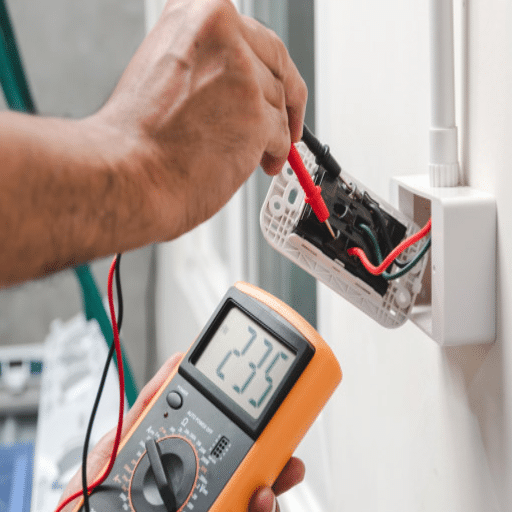
When engineers or electricians discuss low voltage, they mean a certain level of electrical power that is lower than normal household mains voltage, and most often, the voltage ranges from zero up to 50 volts. Typically, examples are seen in the use of 12V or 24V systems for landscape lighting, security systems, or telecommunications setups. Such systems are appreciated due to the enhanced aspects of safety and energy efficiency, and because various installations of low power are often required to be performed. There are very specific requirements and definitions for what is considered low voltage, and it varies by industry.
What is Low Voltage?
Electrical voltage that is lower than the household voltage is commonly known as low voltage, with values typically measured at 50 volts or less for both AC and DC systems. Most of the applications include LED lighting, HVAC controls, and communication networks use systems designed to work with low voltage, essentially aiming at safe and energy-efficient use in constructions or buildings with susceptible electronic devices or with reduced risk of electrical shock.
Low voltage systems have defined and institutionalized standards, which are IEC 61140 in the world and the different national codes per specific countries and industries, to ensure safe and consistent application. Many of these systems consist of transformers or power supplies, definitively unable to perform this function in contemporary low-consumption applications.
Low Voltage Definition and Standards
Low voltage implies, in most cases or as per international standards such as IEC 61140, electrical equipment that falls within fifty volts alternating current(AC) to one thousand volts AC and a hundred and twenty volts direct current(DC) to one thousand five hundred volts DC. Such classification prevents damage and injury by eliminating the risk factor while installing and operating a given electrical setup.
Countries have specific national standards, including the NEC, National Electrical Code in the US, or BS7671 in the UK, that go into further detail on what is considered low voltage in regard to the country’s laws in force. Such standards ensure that low-voltage systems are designed, installed, and maintained adequately to ensure compliance with electrical installation safety. Any low-voltage circuits or networks mostly come with protection devices, which are circuit breakers and RCD (residual current devices), which reduce or eliminate the risk of faults in the system.
Voltage Levels: High vs. Low Voltage
Systems and equipment that require high voltage can be distinguished from those that utilize low voltage systems through the inclusion of high voltage transmission systems. Systems that utilize high power generally operate at voltages of more than one thousand volts, which implies that they involve high voltage transmission systems as well as high voltage distribution systems, given the distances required in power transmission and to mitigate power losses. Tunnels consisting of electric and conduit lines provide the physical structures or the grids on which the systems are based, thereby making certain that huge power loads can be transmitted without danger.
By contrast, low voltage devices and systems encompass an electrical system with a voltage rating of less than 1,000V, meaning what is considered low voltage. For instance, such systems are requested in households and offer lighting and heating appliances, control systems, as well as ventilation equipment and small machines. Low-voltage systems ensure ease of accessibility and operations for people as well as energy conservation. Therefore, these systems incorporate components, more so transformers, in order to reduce electronic waves to safe consumable levels.
Key Distinctions Between High and Low Voltage Systems
Important aspects for distinguishing high and low voltage systems include insulation requirements, standards for the design of equipment, and safety requirements and measures. High voltage systems require stronger insulation, minimum clearances, and close supervision during operation to prevent arcing and electric shock, among other risks. Although a low-voltage system is not at an elevated risk, it is, for example, dangerous to operate such systems without meeting the requirements of IEC 60364, the British Standard BS 7671, and other measures. The understanding of voltage levels mentioned above in electrical systems is equally important so as to improve the design and also ensure the distribution of energy is reliable and effective as well.
Low Voltage Wiring Systems

Electrical wiring systems that are classified as low voltage refer to wiring for the genres that operate at reduced voltage levels that are normally less than 1,000 volts AC or 1,500 volts DC. The use of this system is considered an important and essential requirement for either domestic or commercial applications, like the appliance drive lighting, cabling structure, building maintenance systems, or industrial purposes. It is a requirement for low-voltage wiring systems to be installed safely and effectively, where principles of proper use of conductors, insulation, and earthing of conductors are followed.
Installation, voltage drop, and protection, among others, what is considered low voltage for fabrication, are covered completely with standards and codes such as IEC 60364 or BS 7671, which must be followed. Besides, inspection and repair of systems are recommended to detect the state of wear and decay or other issues that may arise due to exposure, which in turn may pose performance and safety risks as per system use. Application in a prescribed manner aids in preventing the undisciplined operation of equipment.
Types of Low-Voltage Wiring
What is considered low voltage cabling (50 volts and below) is very crucial in electricity wiring, as it is necessary in most communications, security, and automation, such as the following:
- Data Cable: This covers Ethernet cables such as Cat5e, Cat6, and Cat6a that are mostly used for data networks, telephone/voice systems, and Internet networks. The cables are equipped to allow minimal interference in the transmission of data at very high speeds.
- Coaxial Cable: Coaxial cables are commonly used in video transmission, such as CCTV cameras, cable television, or broadband internet access. They have a central of high frequency transfer or a signal loss with a central conductor surrounded by an insulation, a shield, and a clad.
- Fiber Optic Cable: Fiber optic cables are highly preferred mainly because of the high bandwidth and high quality of the signal they offer. They utilize light to carry signals over long distances with minimum delay. They are on the rise in areas like telecommunications, the internet backbone, and advanced security.
- Cables for Low Voltage Devices: Cables of this nature are utilized on gadgets including thermostats, doorbells, and outdoor lighting. Examples entail the 18/2 and 18/4 conductors, designed to provide electrical energy to the devices that do not demand too much current.
The different types of wiring in use are determined by different factors such as the voltage required, the data rates used, the operating conditions, etc., to make sure that the right ranges performance is achieved, as well as standards compliance.
Low Voltage Wiring Installation Guidelines
This is important for the successful application of low-voltage electrical wiring as well as for the safety of people using such systems. The main considerations to be borne in mind during low voltage cable installation are:
- Creating a Tasking Scheme: System breakdown should be performed before proceeding with the actual installation. Any significant features, such as any access control points and other cabling devices and their control boxes, will need to be marked on the map. Such preliminary work prevents problems such as loss of signal, exceeding the permissible distance, or overlapping lines.
- Material Choice: The type and the purpose of wiring also dictate the type of cables used in wiring. For example, in areas that have high threshold limits for electromagnetic radiation, shielded cables may be used if the environment and the radiated field allow. There is always a need to check what an industrial wire is, what is considered low voltage, and what the wire is meant to be used for, for instance.
- Separation from High-Voltage Wiring: Make sure wires are kept at least 12 inches away from the high-voltage cabling so that there is no interference and building codes are followed. If spacing is not enough, use roll piping or other physical containment methods.
- Proper Routing and Securing: Implement the best practice of structured cabling to arrange the wiring in an orderly, labeled, and bundled fashion. Do not twist the cables too sharply or pull them too hard because this may result in the internal conductors being damaged. Use some insulating fasteners to hold the cables in place so that they do not move about or create any wear or tear on them.
- Environmental Considerations: Check if wiring is adequately classified for the environment it will be used, which could be moist, extreme temperatures, or exposed to UV light. Use plenum-rated cables in air ducts in observance of fire protection rules.
- Testing and Certification: After they have been wired, strenuous testing should be done to ensure that the connection is continuous, productive, and conforms to the zoning laws. Make use of specific test equipment for connections and signal strength, such as a multimeter or a signal tester.
Important Note: Following the specified procedures guarantees not only the successful installation of the wiring but also ensures that there is minimal wear and tear of the wiring system and that all the relevant regulations are observed.
Applications of Low-Voltage Wiring
Due to its flexibility and safety features, low-voltage wiring is commonly applied in residential, commercial, and industrial environments. Telecom systems such as voice and data communications that support telephone services and internet connections, would be considered low-voltage wiring. This is because they involve less power, which is what is considered low voltage. In addition, security systems employ electrical power to operate cameras, alarms, and entry barriers. Low-voltage wiring is also needed for audio-visual equipment, installation, for example, for the use of an intercom or home theatre, which provides quality performance without high power requirements.
In today’s smart home systems, low voltage is used to power lights, heating and cooling control systems, and window treatments, making them automated and easy to operate. Additionally, low-voltage wiring is also used in several other areas, including structured cabling systems for Large IT Infrastructure and process automation systems. Summarily speaking, this class of wiring offers cost-effective solutions in all of the above mentioned fields without soaring the power usage and, espacially ever so important, the safety concerns.
Low Voltage Security Systems

Low-voltage security systems are well-built, efficient systems for monitoring and protecting residential, commercial, and industrial premises. The various system elements comprise, for example, surveillance cameras, motion detectors, access control panels, and alarm systems, all of which run on low-voltage power for safety and energy conservation. They work around the clock as needed, minimize electrical hazards, and coexist well with other optional low-voltage installations under what is considered low voltage for remote management, integration of users, and enhanced capabilities.
Understanding Low-Voltage Security Systems
In this fast-growing energy-saving society, low voltage security system is a flexible and affordable method to protect any premises. These kinds of systems use less than 50 volts, actually, and so the risk of shock is insignificant, and they are recommended for continuous use. The current low-voltage system technology is mostly internet-enabled and encompasses far more than just remote control or alert features, even interfacing with home/office/building automation systems.
The technology comes with high-definition cameras, motion sensors, access control devices, and other networked components, all of which can be controlled using the software and hardware installed in the device. They work together in perfect coordination to heighten awareness, secure the perimeter, and document all events in a very comprehensive manner. Moreover, there is an easier installation & even alteration made possible by low voltage cables, thus they can be best suited both in new constructions and renovations as well.
In contrast to the high-voltage systems used traditionally, using low-voltage solutions enhances efficiency, saves the environment, and allows growth to occur smoothly as security requirements change. For these reasons, the low-voltage security systems have superseded most other systems in all residential, commercial, and industrial spheres, where efficiency and usefulness are what one expects.
Benefits of Low Voltage in Security Applications
Reducing Power Usage
Low-voltage systems require much less energy to operate than high-voltage ones. Hence, this provides a significant reduction in the cost of power consumption and also alleviates its environmental impacts. The latter not only contributes to the development of sustainable goals but also helps to reduce their operational costs over time.
Scalability and Adaptability
Supportive to the scalability of these systems themselves, they can be supplemented with more elements without hassle whenever the security levels increase. Such compatibility makes them preferable for safeguarding all, from small residential to large commercial and industrial installations in the future.
Increasing Safety
There’s lower voltage damage and the poser of electric fires, or accidental electrocutions. Therefore, the area is highly functional both in its development and control of activities. Such situations might be, but are not limited to, busy institutions or schools and hospitals, where what is considered low voltage is critical.
Ease In Installing And Maintaining
It is easier to install low-voltage systems because the cables are lighter, and the infrastructure requirements are less complicated. Additionally, the maintenance is much simpler and cheaper, which also keeps downtime to a minimum and helps in achieving the required functionalities over the required time period.
Enhanced Blending
These systems can easily be adapted to advanced technologies such as IoT devices and smart systems. Consequently, users can encompass security functionalities such as surveillance cameras, access controls, and alarm systems in an advanced monitoring and automation platform.
These attributes make them cost-beneficial for what is considered low-voltage systems, and, thus, logically acceptable for the purpose of enhancing efficiency in operations and/or improving security standards.
Comparing Low Voltage and High Voltage Security Systems
Insecurity systems, there are differences between low and high voltage levels in a number of ways, namely: the power consumption, ease or difficulty of installation, expansion possibilities, and suitability in a given application.
| Feature | Low Voltage Systems | High Voltage Systems |
|---|---|---|
| Voltage Range | Below 50 volts (typically 12V or 24V) | 120 volts or higher |
| Safety | Safer to interact with and install | Requires strict safety protocols |
| Installation | Easier and less complex | More complex with regulatory requirements |
| Flexibility | Highly compatible with IoT and smart devices | Limited integration capabilities |
| Cost | More cost-effective | Higher installation and maintenance costs |
| Best Use Cases | Surveillance cameras, access control, alarm systems | Industrial-grade lighting, high-current security systems |
There are also systems that work in below 50 volts, which is what is considered low voltage, which often comes in 12 or 24 volts arrangements; thus, they are safer to interact with and install. Thus, they prove to be very effective and efficient in securing surveillance cameras, access control panels, and alarm systems. Their compatibility with various IoT smart devices and integration into smart platforms, enhancing the efficiency of an overwhelming system upgrade and automation to satisfy the security requirements in this era, makes them very flexible.
Most high-voltage systems operate at 120 volts or higher, which prevents them from being widely used in numerous instances, such as severe industrial-grade lighting or perimeter security systems with high-current capabilities. High-voltage systems are designed to be used in instances where durability is key; however, they are quite a pain to install, not to mention the various rules & regulations regarding safety that they have to comply with, and also they are simply costlier.
Conclusion: In the end, low-voltage systems are better suited for security systems that are flexible, scalable, and made with technology in mind, vs. the heavy industrial cases where high-voltage Industrial Output factors seem necessary. Whether one chooses one or the other option will depend on the exact demands and limitations of the security context or space.
Low Voltage Networking Systems

Low-voltage networking systems are defined as systems that require an electrical infrastructure that involves voltages well below 50 Volts. Such networks provide features of connecting computers, telephones, or cameras, and may consist of other devices. Ethernet, Wi-Fi, or optical technology helps to achieve the needed data transmission and connection in such systems.
These low-voltage networking systems are beneficial as they help to save energy, reduce the cost of installation, and can easily be expanded. They are suitable for companies that need modern solutions that are flexible and interrelated with communication and surveillance today. Provided these systems are well fitted and cared for, they guarantee maximum use for both small-scale and large-scale applications.
What are Low Voltage Networking Systems?
In essence, the low-voltage networking systems are not very powerful electrical structures, as only a maximum of 50V is recommended or in place in such systems. These networks can offer many beneficial services; however, their main purpose is the transmission of signals within digital data, voice, or even video networks, and such other communication features. However, it is not only these applications of systems that qualify as low voltage. Other such technologies include deploying Ethernet cabling, which connects devices via a wired network, wireless networks such as Wi-Fi, security surveillance devices, use of a voice over internet audio system, and use of building management systems. These have become rather common in the recent past for households, offices, or industries alike, owing to their installation processes involving minimal and simple requirements. What’s more, low-voltage networks are aptly structured to accommodate seamless interconnection with multiple gadgets, thereby catering adequately to present-day potent households as well as enterprise requirements. With the help of features like Power over Ethernet and or optically driven communications, these networks can provide the required throughput with the least amount of energy consumption and maintenance.
Advantages of Structured Cabling in Low Voltage
Structured cabling systems come with various benefits and offer standardization with respect to low-voltage networks. One primary benefit is the enhanced network efficiency since structured cabling helps in reducing signal interference and promotes quicker and more stable data transfer. Moreover, these systems contribute positively in terms of ease of installation and maintenance through an integrated infrastructure that helps in the identification of fault making numerical lower safe figures possible. In addition, this type of cabling supports the growth of the network and the flexibility of expansion without restructuring the entire system. The established infrastructure consists of devices and technologies that can be swapped with various levels of sophistication in case of an upgrade, change, or expansion of the organization. Finally, lower operating costs include a reduction of power consumption resulting from low-temperature processes and a decrease in the number of uninstallation services, thus fitting perfectly into modern low-voltage systems, which help greatly reduce the cost of maintaining them.
Commercial Low Voltage Networking Solutions
In today’s business world, commercial low-voltage networks are important because they enable cost-effective systems to be built up and expanded. Such technologies include structured cabling systems, networking tools, and wireless communication systems, which help in managing connections and information flow in all dimensions of a business premise. Structural cabling entails setting up standard telecommunication networks, allowing interconnection of personal computers, hubs, servers, and access points, as well as other devices.
It is one of the main concepts in commercial networks, which is maintaining a good performance without incurring a lot of cost. Low-voltage equipment, that is, with a rating of not more than 50 volts, not only consumes less energy but also generates less heat and meets all safety requirements. Moreover, modern approaches such as PoE allow carrying information and electrical energy on one strand of wiring; this enables ease of connection and lowers the amount of mess.
Scalability is key when setting up a commercial low-voltage network, and so is the consideration of future growth. This is facilitated by the implementation of modular structures and the adoption of acceptable practices within the industry, such as the ANSI/TIA 568 standard, which facilitates the growth of the infrastructure in relation to data consumption and new technologies. In addition, structured cabling supports better-designed cabling, which ensures cable life expectancy increases, which increases the assurance of the network.
In the end, quality low-voltage communication devices have improved efficiency in operations while reducing the cost of acquiring the services required by the organization to meet the technological needs as they come along. Structured cabling systems and reliable equipment in terms of shielding and performance ensure that the level of communication and data exchange requires today’s technology, thus redefining networks that are established by various companies in business.
Considerations for Low Voltage Systems

As one embarks on the implementation of low-voltage systems, various important considerations ought to be addressed and handled effectively to guarantee efficient and functional systems:
- System Compatibility: Make sure components such as cables, gadgets, and accessories are completely compatible. This is so in order to negate cases where there are problems concerning communication and also inefficiencies.
- Scalability avails Safety in long-term carrying out of the business: Construct the structure in a way that it accommodates more peripherals or upgrades in anticipation of the possibility of expansion without major redesign.
- Power Considerations: Confirm that all devices attached are powered properly without pulling too much current from any one circuit and hence destabilize the system.
- Standards’ Compliance: Follow all the safe engineering procedures, and also abide by the national standards as well as any local authority legislation.
- Quality Materials and Equipment: With the use of quality cables and hardware, wear and tear would be less, so the need for maintenance as well as replacement would be minimal, and all this would support. Providing longevity and durability.
System sustainability can be enhanced by taking such issues into account, among numerous other things, in all these permutations that organizations have with their low-voltage management systems.
When is Wiring Considered Low Voltage?
When we talk about what is considered low voltage, we are referring to wire systems and cables that are more or less 50 volts or lower. These include the most popular systems – 12v, 24v, or 48v. Such systems can be found in various fields, such as telecommunication, audiovisual equipment and systems, security systems, and building automation. Although depending on regional codes and standards, low-voltage wiring in general cannot handle the high electrical power carried by ordinary household wiring, it is easier to work on and handle. Yet, guidelines for its usage are still enforced to ensure that it is installed correctly and operates within the limits of connected equipment.
Common Misconceptions about Low Voltage
There is a prevalent misunderstanding when it comes to low-voltage systems, which dictates that such systems do not require following any code or regulation while being installed. Low voltage wiring, while safer compared to high voltage wiring, also mandates the use of Tolerable is well it aversion as applicable, such as minimum boredom. Ladies and gentlemen think that low-voltage facilitator sub-systems will work with any device. Talking about these incorrect conclusions, the fact is that all necessary planning, verification, and checks for compatibility and performance have to be done before the installation of any system. There also exists a stereotype that low-voltage activity requires no training, as any person will perform such a task in confidence, but these wrong or inappropriate installations may turn out to be inefficient or even damage the equipment.
Determining the Need for Low-Voltage Solutions
Determining the need for low-voltage solutions entails identifying the applications envisaged and looking at the existing electrical infrastructure. The extent to which the solutions will be put in use, such as lighting, security, or data communication systems, is among the factors that influence the answer to what is considered low voltage, which is available and serviceable. A scenario that favors the use of light energy involves returning live and cost-effective use of the resources in one’s environment, either at home or office, with an edge to safety.
There is also the issue of compatibility of devices with the low-voltage consumers. Studying the defined system properties and their appropriateness and conformity to the intended devices is to eliminate Slip-in performance. Nevertheless, considerations such as the complexity of the installations and maintenance may indicate that a professional is needed to avoid unnecessary cases of ineffectiveness or system breakdown.
Ultimately, what is considered low voltage that has been extended with proper cabling in accordance with regulations, helps ensure the safety and facilitates the smooth integration of building systems for effective utilisation and provides the desired enhancements over the long run.
Reference Sources
University of Houston – Low Voltage Conductors and Cables
This document provides specifications and standards for low-voltage systems, including voltage ranges and applications.
Michigan State University – Understanding Neutral-to-Earth Voltage
This resource discusses low voltage in the context of electrical safety and current flow.
Salem State University – Low-Voltage Wiring Standards
This document outlines standards for low-voltage cabling, including specifications and acceptable practices.
Frequently Asked Questions (FAQs)
Pros and cons of low voltage: Is it supposed to be less than the standard line voltage?
What is classed as low voltage varies from one place to another and depends on the particular standard you refer to; for instance, the restrictions on voltage are usually up to 50 volts AC, but in the cases of some contexts, it can be 120 volts DC under the categories of extra-low voltage. In contrast, the lower voltage range is frequently extended up to 1000 volts AC in the electrical codes for the commercial electrical systems. The lay term “low voltage” is practically applicable to the lighting systems; moreover, the other door entry, the security and mass notification systems, and thus further low voltage electrical systems, rather than the main or line voltage that is common in that scenario.
Low voltage required: Why do some devices need low voltage rather than main power?
The utilization of low-voltage systems is a basic method in the electric equipment industry to avoid any potential harm of electric shock or other devices and to save energy and keep the whole network more modern in terms of quickly connecting and isolating the devices. For instance, low-voltage gadgets consist of lighting, heating, and air conditioning systems, security devices, and telecommunication equipment. Such gadgets are often supplied with direct or alternately decreasing current through the use of isolators or power supplies, in which devices that are less voltage-sensitive than the high voltage-operated ones are used for the electronics that need to be operated.
Types of low: Can you name some of the low-voltage systems that are widely used?
12V, 24V, 48V, and 48–60V ranges are the example of low voltage. Residential doorbells—for instance, normally employ 12–24V, cleanup and greenhouse illumination (12V), A/C controls and temperature controllers (24V), intruder detection and entry access (12–24V), network cameras and phone systems (48V), and to some extent, disaster warnings and announcements via the PA systems. For this reason, a/c control wiring, which is carrying low voltage, in reality, will also be carrying current and needs an installation that is proper to fight off issues like voltage drops.
Applications of low voltage: Comparison of low voltage with medium and high voltage.
Lower voltage is used for applications that are close to the user and small loads, whereas medium voltage pertains to the distribution levels within unions (usually 1kV to 69kV according to the standards), and high voltage is connected with the transmission levels higher than that. The voltage-current relationship indicates that for the same power, less voltage will be needing higher current, which will also affect the conductor size and potential voltage drops. However, the lower the voltage of a system, the higher the current, and eventually, it may cause safety risks through conductor overheating and the unintentional release of energy in the form of arcs. On the other hand, high voltages among transmission levels make the connection require conductors that are less but not necessarily short and wide or round. The problem might be the cost, but it will be dictated by the location where the underground cable is going. When compared to high voltage systems, low voltage systems pose a lower risk of an electric shock of a severe type, and still, safety standards and installation best practices must be closely followed.
Lower voltage wiring: Name some of the electrical glitches you have seen in low-voltage systems and their causes?
Most common problems could come in the form of low voltage drops, bad wiring connection or, signal interference, and too small a power supply. Low-voltage systems manage substantially larger currents compared to high-voltage systems, resulting in more heat and necessary fire protection measures. This is not the only case; accidental transformer size and unexpectedly extra-long cable lengths can cause voltage drops or even shortouts, and due to palleting of noise, the protected equipment might still malfunction or get damaged.
Need low voltage: Will there be any harm or danger posed by the low voltage?
Yes, even though the probability of electric shock is typically less at decreased voltages, these are still not totally secure levels. Wet environments, the skin has cuts, and prolonged exposure to current are some of the major issues where the risk is increased. Extra low voltage levels (e.g., under 50 volts AC) reduce risk significantly, but still, safety measures insist on correct installation, labeling, and protection. In the low-voltage systems, poor wiring or damaged equipment can also lead to hazards and even start fires in case of high current.
Applications of low voltage: Who is the correct person to work with electrical systems of low voltage?
Most electrical work, particularly in the case of commercial electrical systems, mass notification systems, or when connecting to line-voltage equipment, should be carried out by skilled and experienced professionals or technicians familiar with low-voltage systems. While some easy low-voltage tasks can be done by a non-professional (e.g., replacing a doorbell transformer), the official regulations and installation constraints, however, suggest that licensed electricians are the best when it comes to complicated tasks and to get to the bottom of the safety issue and make sure the equipment is run safely.
Types of low: How do you identify whether a device operates on low voltage, and how is it supplied?
Look at the device specifications or the nameplate to determine the required low voltage — usually it is given on the nameplate as a permanent marking, and additionally, it is shown if the low voltage is DC or AC. Lower voltage needing devices most often get their input through a power supply, transformer, or PoE injector, which are all devices that step down the line voltage to the lower voltage. Correct wiring and the right power supply selection are necessary to stop problems such as voltage drops and bring about the continuous operation of low-voltage electrical systems.