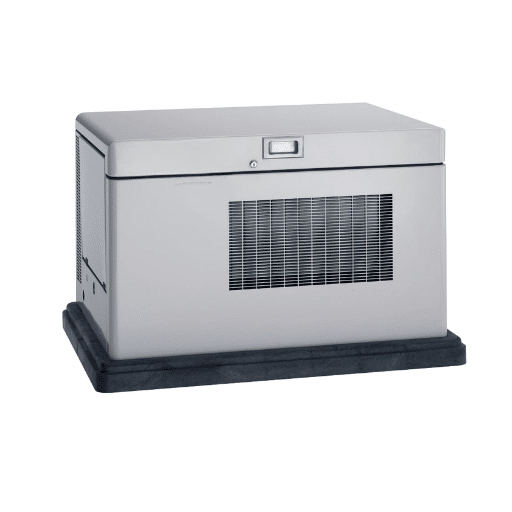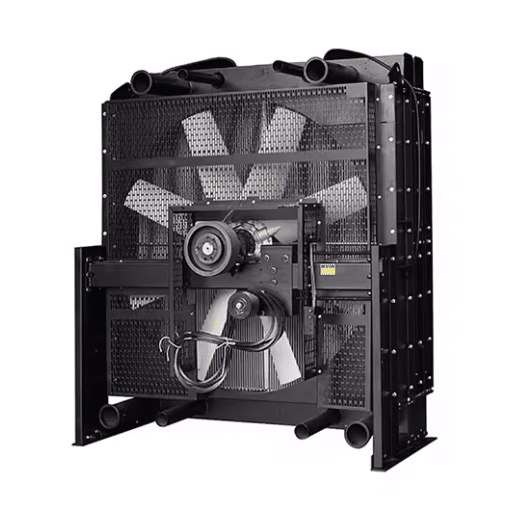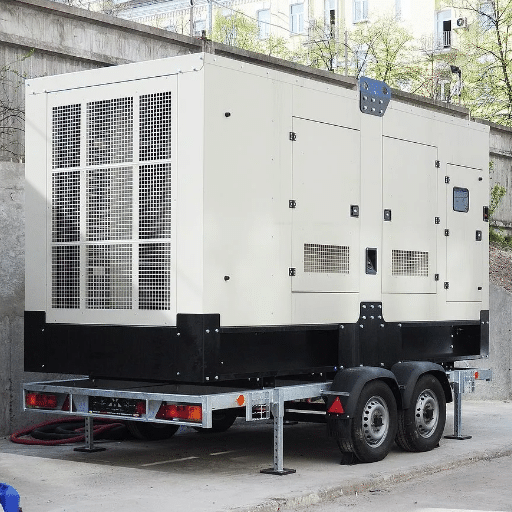

Understanding Your Emergency Generator

Emergency power generators are treated as a means to provide energy when needed and it is of utmost importance that those vital systems and machines remain functional. Basically, a generator burns some sort of fuel like diesel, natural gas or any other fuel as provided which then goes through a heat engine — the final part of the engine being the alternator of power conversion process. Regular maintenance is mandatory to ensure effective operation, such as maintaining appropriate levels of fuel, and scaling, batteries and any physical wear or damage. For optimal productivity and equipment longevity, it is best to only use as well as maintain the mechanical parts intended for use in a particular model. Installation and maintenance check ups are key elements cake in hand and it can help in ensuring that the generator is able to work on demand.
What is an Emergency Generator?
A contingency generator is an electrical peaking plant or standby power unit that is designed to provide energy in the event of an outage or disconnection of power supply. They are essential in situations, e.g., medical institutions, such as clinics, in important computer centers and some production zones where turning off is intolerable for either profit making reasons or for damage control measures. Most of the emergency units are engineered to run on diesel, gas or liquid petroleum gases, with their capacities adapting to the liking of the client, to a level of tens or even hundreds of kilowatts.
Modern emergency generators usually include elaborate control systems which ensure the quick and automatic starting at mains loss, to avoid outages as there is no power supply. These new technologies have even led to standards and specifications like the ones set out by the National Fire Protection Association (NFPA) and the Occupational Safety and Health Administration (OSHA) that insist on safe, effective and appropriate installation and operation of the generators.
How Emergency Generators Work
Backup generators are composed of a combustion engine and power creating apparatus that is reversible, usually an alternator in the provision of electrical energy. The combustion engine, which can be run on diesel, petroleum gas or gasoline, generates electrical energy while the alternator carries forward the mechanical energy produced using the engine into electrical energy.
With the start of the power loss in the main supply, standby or backup generators are activated by a device known as the Automatic Transfer Switch (ATS). This device is responsible for detecting the power interruption and instructing the generator to switch on, to supply the power. This is done by activating the motor which powers the generator with current. The generator starts only a split of the cycles after the voltage of the inverter goes off.
These improved emergency generators are often enhanced with additional features including real-time monitoring and load management capabilities. By assigning priorities to the loads connected and giving whole-picture diagnostics, including fuel consumption, running time, and performance maintenance in particular, these ensure maximum efficiency. A newer style of emergency generators provides possible solutions to the user anticipating the problems or surprises, and minimizing the risk of any failures or flaws affecting the most vital uninterrupted operations under any circumstances.
Components of an Emergency Generator
| Component | Description | Key Function |
|---|---|---|
| Engine | Converts fuel into mechanical energy | Powers the generator |
| Alternator | Converts mechanical energy into electrical energy | Produces electricity for use |
| Fuel System | Stores and supplies fuel to the engine | Ensures uninterrupted fuel supply |
| Battery | Provides power for initial engine ignition | Enables generator startup |
| Voltage Regulator | Regulates voltage output from the alternator | Ensures stable electrical output |
| Cooling System | Removes excess heat from the engine | Maintains optimal operating temperature |
| Lubrication System | Reduces friction between moving parts | Extends lifespan of generator components |
| Exhaust System | Expels combustion byproducts and heat | Manages emissions and heat dissipation |
| Control Panel | Interface to monitor and control generator operations | Allows user control and status checks |
| Frame or Enclosure | Protects internal components from environmental damage | Ensures operational safety and durability |
↔ Scroll horizontally on smaller screens
Core Inventory
Must-Have Generator Spare Parts

- 01
Air Filters: These are such important components since they prevent any foreign particular matter or substance from getting inside the manufacturing machine, leading to poor service. - 02
Oil Filters: They are necessary components that prevent the engine’s lubricating oil from becoming contaminated and extend the engine’s life. - 03
Fuel Filters: These components remove impurities from the fuel to prevent the fuel system and fuel tank from blocking up or undesirably modifying the equipment over time. - 04
Spark Plugs (for gas-powered generators): Necessary for the correct and efficient operation of the engine and the device. - 05
Battery: Such a device supplies power to the engine control system and the starter system as well during the generator switch on. - 06
Belts: A very important part of the electrical system since they are responsible for actual movement of the alternator; for instance, in case of a cooling fan belt, it can be used to avoid overheating. - 07
Coolant: One of the key things is the reduction of the temperature in the internal combustion engine below the boiling point of the coolant, thus risking that the external surrounding systems may not be affected. - 08
Fuses and Relays: They are safety devices that come into play to protect electrical circuits against any form of disturbances thus providing a constant power supply.
Essential Components for Emergency Preparedness
- Non-Perishable Food Supplies: It is important always to have high calorie foods which are long-shelf stable and whole. Such as canned foods, instant soups freeze dried meals, meal replacement for example, the energy bars and muffins will try and buy seconds.
- Water Storage and Filtration: Protect and access both clean and safe drinking water inside safe jars. When there’s no other option, use sand, cloth and impurities tablets to purify the water.
- First Aid Kits: Making sure you have done a great job putting together medical bags — giving the fact that they consist of disinfectants, plasters, pain relievers and equipment such as trauma shears, and other devices for medical purposes like tourniquets — is indispensable when people want to stabilize an urgent condition before reaching high-qualified medical professionals.
- Portable Power Solutions: That also should include simple battery powered, or better — manual crank powered items like radios, flashlights, and even a travel charger. Modern equipment can carry the additional benefit of solar-energy which may replace ordinary sources of power in case there is a prolonged interruption in service provision.
- Emergency Communication Tools: Including satellite phones, walkie-talkies, alarms as necessary for communication be maintained even when cellular networks are down.
- Personal Protective Equipment (PPE): Supplies on this topic include but are limited to gloves, and masks, along with goggles to shield employees from distracting or irritating substances that might interfere with their concentration level at work.
- Multipurpose Tools: No size of such things is ever too small, since greater emphasis is focused on service delivery rather than tools. In relation to the above, get for your period of use various tools such as Swiss army knives, as they have great utility and do not take up a big space.
Common Spare Parts for Wear and Tear
Air Filters
Changing the air filters when necessary greatly helps in getting that much-needed optimum inflow of air in the system as well as preventing any debris from entering the engine. Clogged filters will cause low-performance levels as well as increased fuel usage.
Spark Plugs
Another important item is spark plug which serves the purpose of conducting the spark necessary for ignition. Since they also do wear out, and with time it becomes challenging to start or work smoothly. Get proper replacements to keep the product viable in the market where you sell such products online.
Fuel Filters
Fuel filters are essential for effective polluted substance elimination; a congested or substandard fuel filter however could hamper fuel movement resulting in damages to the internal combustion engine.
Belts and Hoses
Belts and hoses are prone to regular wear and tear especially where there is continuous use. Keeping spares will always look after the longer service periods and the durability of the equipment.
Oil Filters
Change oil in timely manner following the lubrication schedule with filter changes ensures longer lasting engines by allowing the engine to always have appropriate lubrication and removing contaminants.
Fuses
Proper functioning electric systems heavily lean on fuses. The carrying of spares helps the down times that is a result of blown fuses on circuit rideouts.
Carburetor Kits
Carburetors can wear out after prolonged use as they might require fuel to air mixture adjustments. Rebuilding carbs requires some knowledge and carburetor kits are available to do just that without having to buy new carburetors.
Generator Maintenance and Care

Regular generator maintenance is key in keeping the machine in its optimal operational efficiency and extend its useful life. For which wany the fundamental the manufacturer’s recommended service intervals involves activities such as changing the gas, inspecting the air filter approximately the spark plug or loosening it. Ensure that generator is free of dirt, and dirt affects finally airflow as well as board. Also, ensure that fuel is treated properly in order not to be fretted, and pumped up the carburetor tertiary. Assess generator under load to test its operation and if it is not running well rectify the challenges then and there. These are all cases and cases of generator operation, proactive and scheduled maintenance that help optimize and decrease the probability of unforeseen setbacks.
Creating a Generator Maintenance Schedule
A proper time table for the service for the generator can be made after a thorough analysis of recommendations provided by manufacturer as well as ones that are implemented in the sector. First step should be to go through the dealer service manual to obtain details on when the oil filter, air filter and spark plugs need to be replaced. Except for oil changes which have to be done after every 100 hours of operation, or as specifically directed in the manual.
Items on the checklist for weekly checks could be as follows: checking the level of fuel and oil, making sure the power cables do not have any damage, verifying that the accumulator is working properly. The work done during the lesser checks, i.e., over a month, entails cleaning up the unit, viewing the state of the exhausting assembly for misfit, deformation or leakage, and performing one-hour power tests to collect performance data. If subjected to frequent active duty, or installed in extreme working conditions, develop special tech reviews for such power plants.
It is recommended that an overall check of all systems be carried out annually which includes services such as fuel system flushing, control system retuning, and repair of problematic sections such as loads belts and moving parts such as shafts and bearings. The equipment maintenance plan can be equipped with an adjustment of the operational program, where you can take a look at the record of the operating experience and its correlation with the overcomes thresholds, and determine when this or that part of the maintenance work should be started. A well-managed, kept-up-to-date timetable guarantees excellent facilities satisfaction and high quality services.
Maintenance Tools: What to Include
| Tool | Purpose | Key Parameters |
|---|---|---|
| Torque Wrench | Tightening bolts to precise specifications | Adjustable settings, durability |
| Oil Draining Pump | Efficient removal of used oil | Flow rate, compatibility |
| Multimeter | Testing electrical connections and voltage | Accuracy, range capability |
| Fuel Filter Wrench | Removing and replacing fuel filters | Grip strength, size compatibility |
| Battery Tester | Checking battery condition and charge levels | Voltage range, ease of use |
| Cleaning Brushes | Removing debris from sensitive components | Bristle quality, material type |
| Infrared Thermometer | Measuring heat levels in generator components | Temperature range, accuracy |
| Spare Parts Kit | Quick replacement of commonly worn components | Compatibility, part rarity |
| Calibration Tools | Recalibrating control systems | Precision, software integration |
| Lubrication Equipment | Applying appropriate lubricants to moving parts | Applicator type, lubricant capacity |
↔ Scroll horizontally on smaller screens
How to Safely Store Spare Parts
The principles of spare parts storage are to the proper care and control of something in order to preserve its effective condition. First and foremost, one must try to store the spare parts in a clean, dry, and temperature controlled state to keep away the issues related to corrosion, rot and loss of durability. High humidity causes metal parts to rust, so remember to install dehumidifiers or packages of silica gel in parts storage places with high humidity. Divide parts into different classes and their respective uses, use capable containers or racks with clearly marked storage points in order to avoid any confusion, and make it easy to get to the material for repairs or maintenance.
Antistatic packaging is the main way to protect electronic materials from electrostatic discharge, which is responsible for a lot of damages in connections. Whenever it is impossible, the proper care should be taken to avoid access of chemical ware such as lubricants and cleaning materials to parts which might lead to their unintentional pollution. Useful tricks like the regular stock check as well as the stock rotation will help in preventing all the problems of part obsolescence tendency along with inferiority. Lastly, making sure that the spare parts are safeguarded in the makers recommended storage atmosphere with the required temperature and dampness levels means they will work as effective as they should make them work in the end use.
Specific Spare Parts for Optimal Performance

In any system’s operations or functions, ensuring maximum efficiency includes choosing the most relevant spare parts that conform to the original equipment manufacturer. To start with, read the specific technical documents and or the equipment manuals to know the exact part numbers and gadgets’ flexibility. Ideally, use only original spare parts and components from the Original Equipment Manufacturer (OEM) as these are made to work according to the respective equipment’s initial performance specifications. In most cases, original parts are recommended while original ones in most cases suggest the original parts of the equipment they are used for.
Emergency Protocol
Preparing for Power Outages
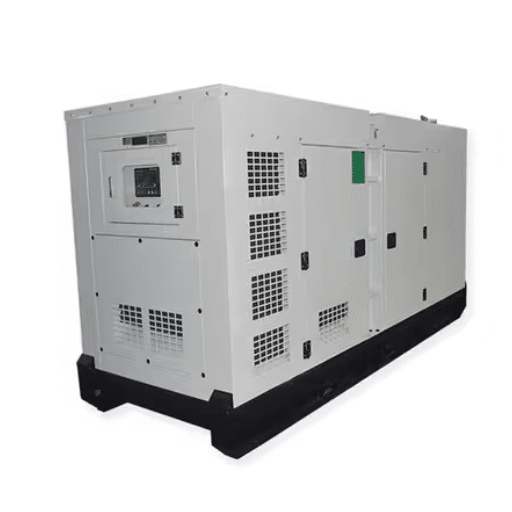
- 1
Create an Emergency Kit
Compiling the kit remains necessary in order to regard items such as bulbs or derivatives of them, extra power supplies, food that won’t rot or water packed in bottles, health kit which will contain bandages or other specifications, in addition to other prescribed dosage. - 2
Invest in Backup Power
For people who are prone to having longer blackouts consider even purchasing a power generator or a UPS that is more reliable in order to keep some of the main appliances running. This is essential given that contact of the external power source should be prevented to cause unwanted power outages or electrical fires in the home. - 3
Preserve Perishables
In addition, it is necessary to preserve the hooded cold air through preventing oneself from getting edibles such as the ones that have to be accessed by opening the refrigerator and the freezer. Do not forget to go to the extent of preparing ice bags, cool boxes, ice packs and even the sealed plastic containers with frozen food in order to keep food fresh during times of long power outages. - 4
Stay Updated
Take advantage of a hand-crank, battery operated device to get updates regarding the power cuts and how it environmentally affects residences at the time. Trust your power provider for real information by subscribing for text messages through their systems so that you do not have to keep calling. - 5
Ensure Safety Measures
Make sure that you unplug devices and all the electrical appliances. This will help you in ensuring that these devices are well protected and avoid damage when power comes back on. Also avoid using a generator indoors but instead take it out in the open such that there is free circulation of air to prevent carbon monoxide poisoning.
Assessing Your Power Needs
To prepare for shortage of electricity with the highest degree of accuracy, it is key to understand first what amount of power consumption would be desired for all nodes in your home. This is important because it determines the power available to run the things in the house correctly. Also devices which have very high demand only during critical times within a crisis for example essential patient’s equipment and light bulbs or telephone among others.
Consequently, you can determine how high or how much energy will be needed by summing up the wattage of each essential equipment. Looking at the reliance on energy on the time factor, one can also establish how long the power cut will last and the relevant back up time required. A minor power cut consumes only a battery back, however, a major power cut may force deployment of larger devices such as an Uninterruptible Power Supply (UPS) or a Generator set.
Modern inverter driven generators are designed specially for catering to clean power requirements and supporting sensitive electronics without the probability of electrical blowout. Furthermore, it would be a green approach as power through the alternative sources such as solar panels and storage batteries instead of the grid power can be available in the long run. In addition, an examination of the company’s electricity demand will guide the users toward use of appropriate backup technology to avoid discomfort and panic in case of a power failure.
Emergency Preparedness Checklist
01
Store a minimum of three days of stock for each person in the camp in easily consumable foods and a minimum of one gallon per person per day of drinking water. Choose a product with a long life, and ensure no wastage in arranging them in a cool and dry place.
02
To get the right generator or another power setup, work out the device or appliance power requirements. Purchase an efficient inverter generator or investigate more ecofriendly approaches such as installing solar panels with built-in energy backup.
03
Get general-purpose medical supplies such as bandages, antiseptic products, analgesics, and any medically required drugs. Besides, some equipment such as a thermometer, tweezers, and medical examination gloves will be useful in handling an ailment at home.
04
Provide means of communication that will certainly operate in any extreme circumstances, such as wind-up radio or radio with batteries. This will also include the availability of charged power bar resources and a list of recognition for quick reaction’s coordination easily.
05
To facilitate illumination of the room have conveniently located within reach the electrical torches with some spare batteries and even LED lanterns for a more extensive range of illumination. Where temperatures are low, prepare heat tickets and hand warmer packets.
06
Keep valuable papers such as IDs, insurance refills, bank statements, and some cash in plastic bags or containers. You should also keep a few shekels on hand as there may be interruptions in digital payment services.
When to Replace Spare Parts
Various factors come into play in regard to the accurate time to change the parts including the manufacturer’s recommendation, rate of usage and the environment the equipment is used. For example, the equipment may possess crucial parts like pumps, engines and engine parts, which might wear out after a period of usage. In some situations, it could be due to wear and increase in timing which is mentioned in the readable part of the user or technical manual. Periodical inspection becomes necessary for assessing the physical deterioration as the observable signs of abrasion like surface crack or breaks can be conveyed by unwanted vibration. In addition, it is important to be able to understand through certain devices how well or badly sensors or the circuits are working and to what percentage. Failure to service such parts in time will reduce the effectiveness and integrity of the system and may necessitate extensive and costly measures to rectify damages.
Reference Sources
[1]
Emergency diesel-electric generator set maintenance and test periodicity
[2]
Joint optimization of maintenance and spare parts inventory strategies for emergency engineering equipment
Frequently Asked Questions
What essential spare parts should I keep for my emergency generator?
It is, in general, advised to maintain a spare parts kit in the vehicle with spark plugs and oils as a standard, oil filter, serpentine belt, and fuel pump and auxiliary fuse holders. You may also consider equipping two more batteries and a charging system to avoid the dead battery situation during long term storage especially if you are outside the home. In relationships where more voltage would seem normal, it needs a coolant supply and a new air filter is needed. All these are provided in one package due to the standard tool kit, workshop gaskets and producer-provided V-belts among others.
How often should I replace the backup battery for my emergency generator?
The average life of a backup battery lies between the range of 3 to 5 years; hence it should be inspected once a year and replaced instantly if any trouble passes the load test. Therefore, taking care in always having a charged battery within the range is very paramount so that in case of power failure, there is no down time. Another way the battery can be protected is by using a batter charger or a desulfator over a short peiod of time. It is, therefore, significant that the facts hidden in the manufacturer’s operating manual with regard to technical features of all the devices should always be utilized in the course of battery application.
When do I need to change the oil filter and other consumables for my emergency generator?
It is advised to consider the use as one of the parameters that determine the optimal time for changing engine oil filters and oil and this can be said to be on the side of motor hours when it comes to operation, for example, every 100 to 250 hours or once a year when in standby. Changing oil filter more often in combination with fresh engine oil ensures constant protection and safety from pollutants, as this gives no chance for the engines to circulate the unwanted particles and thereby damaging the engine. It is important that extra oil and an extra protection device are carried in an aircraft, as this will help to prevent engine problems and assist in quick troubleshooting.
Should I stock spare spark plugs and fuel filters for my emergency generator?
Indeed, over time, the spark plugs and fuel filters can become faulty and may lead to the engine having difficulty starting or not running well. If such problems persist, make sure you have a number of recommended spark plugs along with a fuel filter in sufficient quantities. To prevent a sudden appearance of such defects, replace both parts periodically whenever maintenance is carried out. Also, ensure there is a silicon-based lubricant and a spanner to install the spark plugs.
Is it important to have a spare starter motor or voltage regulator for my emergency generator?
A backup starter and AVR might be an absolute necessity, especially whenever quick recovery is desired, or even more so in areas with extremely adverse conditions. Conveniently, these items do not require any notice before failing and spare items also prevent excessive downtime in case of repairs. Clean them carefully and put them in model line order. It is also advisable to keep some in the inventory to enable quick repair in the event related equipment failures.