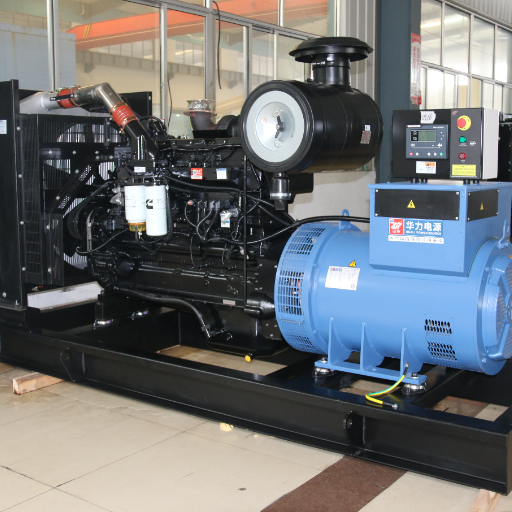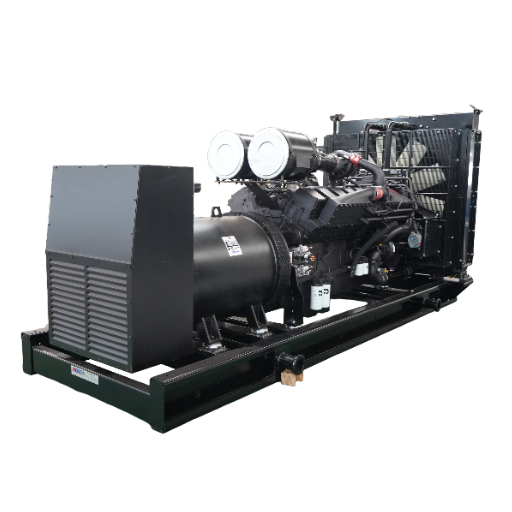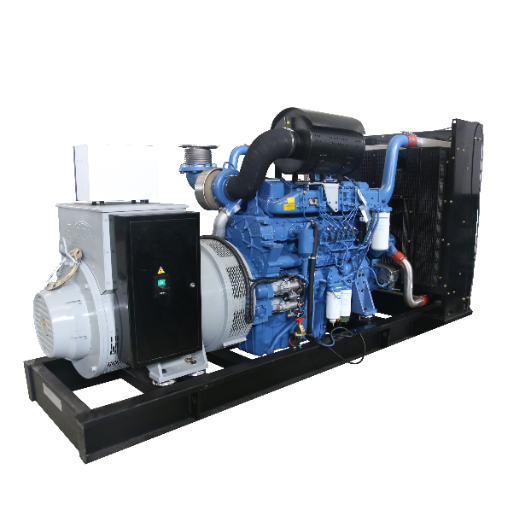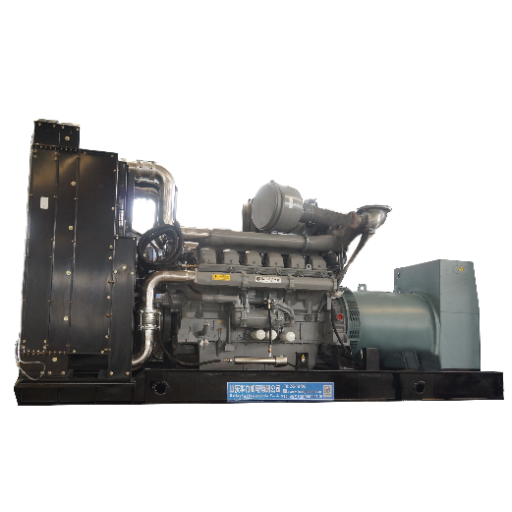



A quality used diesel generator for sale typically costs 30–60% less than a new unit, with prices ranging from 5,000fora20–50kWmachinetoover5,000fora20–50kWmachinetoover300,000 for large 500+ kW industrial sets. The real challenge is not finding inventory, it’s knowing whether a used, surplus, or rebuilt unit is worth the price.
Facility managers and procurement teams often face the same dilemma: the budget only stretches so far, but the risk of buying the wrong machine can exceed the savings. What if the low-hour standby unit you bought has hidden wet stacking damage? What if the emissions paperwork is incomplete and the unit cannot be installed in your region? These questions matter more than the sticker price.
This guide explains what to expect when you shop for a used diesel generator for sale, how prices vary by kW rating and condition, and how to inspect a unit before you buy. You will also learn the difference between used, surplus, and rebuilt generators, plus the red flags that signal a deal is too risky.
Key Takeaways
- Used diesel generators cost 30–60% less than new units, but run hours, service history, and load bank test results determine real value.
- Price ranges in 2026 start near 5,000forsmall20–50kWunitsandcanexceed5,000forsmall20–50kWunitsandcanexceed300,000 for 500+ kW industrial sets.
- Standby units with under 2,000 hours and full records often retain 50–70% of their original value.
- Load bank testing at 50%, 75%, and 100% of rated load is the most reliable way to verify a used generator’s condition.
- EPA Tier and local emissions rules can block installation of older used units, especially in California and other regulated regions.
What Counts as a Used Diesel Generator?

A used diesel generator for sale is any previously owned diesel genset that is being resold without being returned to factory-new condition. These units come from trade-ins, fleet upgrades, rental company retirements, surplus auctions, and insurance write-offs. Some are rebuilt by dealers before resale, while others are sold as-is by private sellers.If you are still weighing pre-owned units against fresh inventory, our broader overview of every diesel generator for sale shows how used, new, and rental options compare across the wider market.
Most buyers encounter three categories of pre-owned machines:
- Used generators, resold in their current condition, often with limited warranty and incomplete history.
- Surplus generators, typically from government, military, or corporate fleets; may have low hours but older technology.
- Rebuilt or reconditioned generators, inspected, repaired, and repainted by a dealer; usually include a limited warranty.
Understanding the distinction matters because each category carries different price, risk, and support expectations. A used generator from a hospital standby application may have only 500 run hours and clean service records, while a surplus construction unit may look clean but have thousands of hard hours at partial load.
For a broader overview of commercial power options, see our guide to commercial diesel generators. If your project centers on offices, hotels, or retail sites, our dedicated guide to the commercial diesel generator for sale explains how to balance space, noise, and code requirements for these buildings.
Used Diesel Generator Price Ranges in 2026
Pricing is usually the first question buyers ask when they search for a used diesel generator for sale. In 2026, prices follow a roughly predictable curve based on kW rating and condition.
Price by kW Rating
| kW Range | Typical Used Price Range | Typical Applications |
|---|---|---|
| 20–50 kW | 5,000–5,000–15,000 | Small business, retail, telecom, residential backup |
| 50–100 kW | 10,000–10,000–30,000 | Office buildings, restaurants, small factories |
| 100–250 kW | 20,000–20,000–70,000 | Hospitals, data centers, mid-size manufacturing |
| 250–500 kW | 40,000–40,000–130,000 | Large industrial plants, multi-building campuses |
| 500+ kW | 80,000–80,000–300,000+ | Utilities, heavy industry, mining, large facilities |
These ranges are broad because condition and brand matter as much as kW rating. A 200 kW Caterpillar with 1,000 hours and full service records can sell for more than a 200 kW lesser-known brand with 8,000 hours and no documentation.To compare offers across different sizes on a level footing, it helps to look at cost on a per-kilowatt basis, and our guide to diesel generator price per kW explains why that figure falls as capacity rises until brand and emissions premiums push it back up.
Price by Condition
- Low-hour standby units: Often 50–70% of original value. These are the most desirable used machines.
- High-hour prime power units: Priced lower because engines have consumed much of their useful life.
- Rebuilt or overhauled units: Usually 15–40% below new price, with some dealer warranty included.
- Surplus or military units: Can offer strong value, but may have outdated controllers or emissions tiers.
Mini-story: In March 2026, David, a facilities manager at a regional hospital in Ohio, needed a 250 kW backup diesel generator to replace an aging unit that had been in service for 20 years. At the time, a brand-new Kohler generator meeting Tier 4 Final emissions standards was quoted at $95,000; in contrast, a dealer-refurbished Cummins 250 kW generator—which had 1,200 hours of prior run time, had undergone a complete overhaul, and came with a two-year warranty—was priced at just $58,000. After reviewing the load bank test results and maintenance records, David chose the refurbished Cummins unit. The generator successfully passed acceptance testing, meeting local emissions requirements while saving the hospital $37,000.
Factors That Move the Price
- Engine brand and model: Premium brands like Caterpillar, Cummins, Kohler, and Perkins retain higher resale value.
- Run hours and duty history: Standby hours count differently than prime or continuous duty hours.
- Maintenance records: Complete service history raises buyer confidence and price.
- Load bank test status: Recent load bank test results show the machine can carry rated load.
- Enclosure and accessories: Sound-attenuated enclosures, sub-base fuel tanks, and ATS add value.
- Emissions tier: EPA Tier 4 Final units command higher prices in regulated markets.
- Location and shipping: Freight, import duties, and installation can add 10–30% to the equipment cost.
For buyers comparing new and used pricing, our 500 kW diesel generator price guide provides current benchmarks for larger industrial units.
Used vs. Surplus vs. Rebuilt Diesel Generators

Not every used diesel generator for sale is the same. The three main categories differ in preparation, risk, and price.
Used Generators
Used generators are sold in the condition they were received. The seller may have cleaned and tested them, but no major overhaul has been performed.
Pros:
- Lowest upfront cost
- Faster availability than ordering new
- Wide selection across brands and kW ratings
Cons:
- History may be incomplete
- Limited or no warranty
- Hidden wear can require unexpected repairs
Surplus Generators
Surplus units come from government, military, utility, or large corporate fleets. They are often sold because they are no longer needed, not because they failed.
Pros:
- Often low-hour and well-maintained
- Available quickly in large inventories
- May be priced below dealer-retailed used units
Cons:
- Older emissions tier may limit where they can be installed
- Controller and alternator technology may be outdated
- Limited dealer support or documentation
Rebuilt Generators
Rebuilt generators have been inspected, repaired, and re-tested by a dealer or reconditioning shop. Rebuild scope varies, so it is important to ask what was actually replaced or serviced.
Pros:
- Dealer inspection and fresh overhaul
- Warranty or return policy often included
- Better reliability than as-is used units
Cons:
- Higher price than used or surplus units
- Rebuild quality varies by dealer
- Some parts may still be near end of life
Understanding which category fits your risk tolerance helps you compare offers more accurately. If you need maximum reliability with lower upfront cost than new, a rebuilt unit is often the best balance.
Key Specifications to Verify Before Buying
A listing for a used diesel generator for sale should include more than kW rating and price. Verify these details before making an offer:
- Power rating (kW / kVA): Confirm whether the rating is standby, prime, or continuous per ISO 8528.
- Duty cycle: Standby-rated units are not designed for continuous daily operation.
- Engine brand, model, and year: This affects parts availability, resale value, and emissions tier.
- Run hours and service history: Ask for the hour meter reading and maintenance log.
- Alternator brand and condition: Check for winding damage, bearing wear, and AVR functionality.
- Controller and ATS compatibility: Ensure the controller can integrate with your transfer switch.
- Fuel tank and runtime: Sub-base tanks, day tanks, and fuel consumption per hour matter.
- Enclosure type and noise level: Sound-attenuated enclosures are needed for noise-sensitive sites.
- Emissions tier and compliance: Verify EPA Tier and whether the unit meets local CARB or air quality rules.
Do not rely on photos alone. A clean paint job can hide deferred maintenance. Always request a video of the unit starting and running, plus the most recent load bank test report.
How to Inspect a Used Diesel Generator

A physical or remote inspection is essential before finalizing a purchase. If you cannot visit the site, ask a qualified technician to inspect the unit on your behalf.
Visual Inspection
Check the exterior for physical damage, corrosion, oil leaks, and cracked hoses. Inspect the radiator, exhaust manifold, and mounting frame. A generator that has been stored outdoors without protection may have water intrusion in the alternator or control cabinet.
Fluid and Filter Checks
- Engine oil: Look for proper level, discoloration, and contamination.
- Coolant: Check level, condition, and whether antifreeze concentration is correct.
- Fuel system: Inspect for algae, water, or sediment in the tank and filters.
- Air filter: A dirty or missing filter suggests poor maintenance.
Start-Up and No-Load Test
Start the generator and let it reach operating temperature. Observe smoke color, engine sound, and vibration. White or blue smoke may indicate fuel, oil, or coolant problems. Listen for knocking or irregular idle.
Load Bank Testing
Load bank testing is the most reliable way to confirm a generator can perform under real demand. A proper test runs the unit at 50%, 75%, and 100% of rated load for specified durations. This reveals:
- Cooling system efficiency
- Governor and voltage regulation stability
- Exhaust temperature and smoke behavior
- Fuel system performance under load
Electrical Output Verification
Verify voltage, frequency, and phase output at no-load and loaded conditions. Confirm the unit produces stable power at its nameplate rating.
Control Panel and Safety Shutdowns
Test low oil pressure, high coolant temperature, over-speed, and under-voltage shutdowns. These safety systems must work correctly before the generator can protect your facility.
Documentation Review
Request the service manual, parts list, wiring diagrams, and any prior inspection or load bank reports. If the seller cannot provide maintenance records, increase your inspection budget and lower your offer accordingly.
Common Problems and Red Flags
Even a low-hour used diesel generator for sale can hide expensive problems. Watch for these warning signs:
- Wet stacking: Caused by long periods of light-load operation, leading to carbon buildup in the exhaust and poor combustion.
- Fuel contamination: Water, algae, or sediment in the fuel tank can damage injectors and pumps.
- Battery and charging issues: Weak batteries and failed chargers are common causes of no-start events.
- Cooling system problems: Radiator leaks, clogged fins, or failed thermostats can cause overheating.
- Excessive smoke: Black smoke usually means incomplete combustion; blue smoke may indicate oil burning; white smoke can signal coolant intrusion.
- High run hours without records: A generator with 10,000 hours and no documentation is a much bigger risk than the same hours with complete service history.
- Missing emissions documentation: Without EPA Tier or local compliance paperwork, you may not be able to install or operate the unit legally.
If any of these issues are present, get a repair estimate before committing. Sometimes the cost of fixing a cheap used generator can approach the price of a better machine.
Soft CTA: Need a generator with full documentation and verified testing? Browse our industrial diesel generator range for new and factory-direct options backed by engineering support.
For larger plants, mines, and mission-critical sites, our guide to the industrial diesel generator for sale covers configurations built for continuous and standby duty at 500+ kW and beyond.
Where to Buy a Used Diesel Generator

There are several channels for finding a used diesel generator for sale. Each has different strengths and risks.
Authorized Dealers and Distributors
Dealers offer inspected, tested, and often warrantied machines. They can also provide installation, commissioning, and aftermarket support. This is usually the safest option for commercial buyers.
Used Equipment Marketplaces
Platforms like Machinio and Surplus Record list thousands of used generators from dealers and brokers. These marketplaces are useful for price discovery, but verify seller reputation and inspection availability before buying.
Rental Company Fleet Sales
Rental companies periodically retire well-maintained units from their fleets. These machines may have higher hours but are usually serviced on strict schedules.
Online B2B Marketplaces
B2B platforms can connect you with international sellers, but they also carry higher risks around documentation, inspection, and shipping. Always use secure payment and clear contracts.Before you commit to any listing on these platforms, our guide to buying diesel generators for sale online explains how to vet sellers, confirm documentation, and avoid the hidden costs that FOB quotes leave out.
Private Sellers and Auctions
Private sellers and auctions can offer the lowest prices, but they also offer the least protection. Assume the unit is sold as-is unless a warranty is provided in writing.
Military Surplus Dealers
Military surplus dealers sell rugged, often low-hour diesel generators. These units are built for durability but may lack modern controllers and emissions compliance for civilian use.
For buyers who prefer factory-new reliability with competitive pricing, Shandong Huali offers direct manufacturing options that can compete with the cost of premium used units. Contact our team for a quote tailored to your project.
Warranty, Shipping, and Total Cost of Ownership
The purchase price is only part of the cost. When you evaluate a used diesel generator for sale, consider the full ownership picture.
Typical Warranty Terms
Used units sold as-is often have no warranty. Dealer-rebuilt units may include 30-day to 2-year limited warranties depending on scope. Always read the warranty terms carefully. Some only cover parts, while others include labor and travel.
Shipping and Import Considerations
Freight for large generators can cost several thousand dollars, especially for international shipments. Import duties, customs clearance, and crating add to the total. Budget 10–30% above the equipment price for logistics, lifting, and installation.
Installation and Commissioning Costs
Installation includes foundation, fuel piping, exhaust routing, electrical connection, and ATS integration. Commissioning may include load bank testing, utility coordination, and final inspection by local authorities.
Maintenance and Parts Availability
Premium brands like Cummins, Caterpillar, and Kohler have global parts networks. Older or obscure brands may require long lead times for parts. Before buying, confirm that filters, belts, injectors, and major engine components are available in your region.
Used vs. New TCO Comparison
A used generator saves money upfront, but new units can offer lower fuel consumption, longer service intervals, and full warranty coverage. If the used unit needs a major overhaul within the first year, the savings may disappear quickly. For mission-critical applications, the total cost of ownership often favors a new or rebuilt unit with warranty support.
For ongoing maintenance planning, refer to our diesel generator maintenance checklist to keep any unit running reliably.
FAQ: Used Diesel Generator for Sale
What is a good number of run hours for a used diesel generator?
Diesel generator engines commonly last 20,000–30,000 run hours with proper maintenance. For standby units, under 2,000 hours is considered excellent, and under 5,000 hours is generally acceptable. Prime-rated units with over 10,000 hours require careful inspection.
Should I buy a used diesel generator from a private seller?
Buying from a private seller can save money, but it carries higher risk. You may have limited recourse if the unit fails. Always request a video of the unit running, recent load bank test results, and service records before buying privately.
Can I install an older used diesel generator in California?
California enforces strict CARB rules for diesel engines. Older Tier 2 or Tier 3 units may be restricted or require permits in certain areas. Check local air quality regulations before purchasing any used diesel generator for sale in California.
What is the difference between standby and prime rated generators?
Standby-rated generators are designed for emergency backup power with limited runtime. Prime-rated generators are built for continuous variable load operation. A standby-rated generator should not be used as a primary power source.
Is load bank testing necessary before buying a used generator?
Yes. Load bank testing is the most reliable way to verify that a used generator can deliver its rated output under realistic conditions. It also helps identify wet stacking, governor issues, and cooling problems that may not appear during a no-load test.
What is wet stacking in a diesel generator?
Wet stacking occurs when a diesel generator runs at light load for extended periods, causing unburned fuel and carbon to accumulate in the exhaust system. This leads to poor performance, increased emissions, and potential engine damage.
How much does it cost to ship a used diesel generator?
Shipping costs depend on size, weight, origin, and destination. Small skid-mounted units may cost a few hundred dollars to ship domestically. Large enclosed units shipped internationally can cost several thousand dollars or more.
What should a used diesel generator inspection checklist include?
A complete checklist includes visual inspection, fluid and filter checks, start-up and no-load test, load bank testing, electrical output verification, control panel testing, safety shutdown verification, and documentation review.
Are surplus diesel generators a good deal?
Surplus generators can be a good deal, especially if they are low-hour and well-maintained. However, they may have older technology, outdated controllers, and emissions restrictions. Verify compliance and inspect carefully before buying.
Should I buy a rebuilt or used diesel generator?
Choose a rebuilt generator if you want more reliability and some warranty protection. Choose a used generator if you have inspection expertise and want the lowest possible price. For critical applications, rebuilt is usually the safer choice.
Conclusion
Buying a used diesel generator for sale can be a smart way to reduce capital costs while still securing reliable backup power. The key is to look beyond the listing price and evaluate run hours, service history, load bank test results, and emissions compliance. Used units offer the lowest upfront cost, surplus units can deliver strong value, and rebuilt units provide a middle ground with dealer support.
For buyers who need guaranteed performance, warranty coverage, and compliance documentation, factory-direct options can make more sense than a risky used purchase. Shandong Huali designs and manufactures diesel generator sets across a wide power range, supporting industrial, commercial, and OEM customers with reliable power solutions and engineering expertise.
Ready to find the right generator for your project? Contact our team for a quote or explore our industrial diesel generator solutions today.