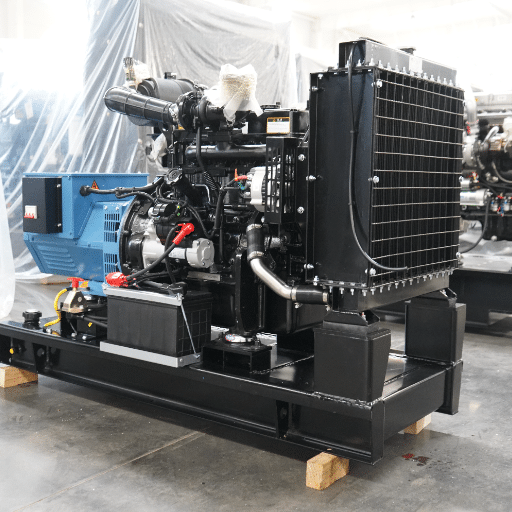

One of the main reasons for the continued use of diesel generators is their ability to serve as the core of the power solutions provided by the industry. The services offered by these machines are mainly felt in areas where electric power is unavailable or inconsistent. The electric power generation of the generators is set at the widely followed standard of 50Hz. This ensures that the generators produce electrical power in a compatible way that can be used in many parts of the world with different electrical systems. The article will exhaustively cover 50Hz generators, focusing on their design, operation, and applications. In addition, it will address the significance of frequency standards, which, in turn, affect not only the selection of the generator but also its performance. If you just want to learn the operating specifications, advantages, or applications of diesel generators, this guide is designed to provide you with the necessary knowledge to make the right choice. Therefore, read through as we take you through the top industry tips and the latest trends around 50Hz generator technology.
Overview of 50Hz Generators
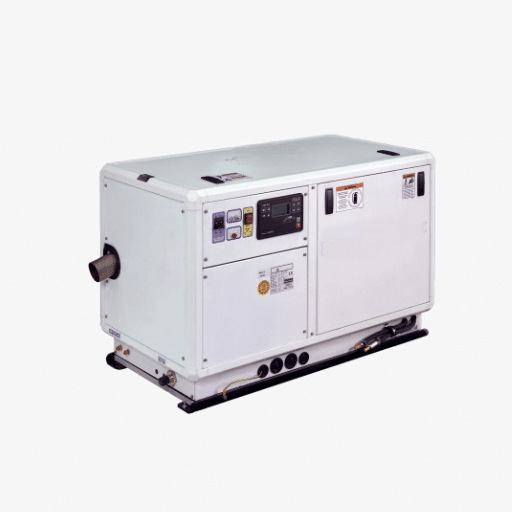
50 Hz generators are manufactured to produce electricity at 50 cycles per second, which is the standard in many regions around the world, especially Europe, Asia, and Africa. These types of generators are highly valued for their adaptability to local power grids and 50Hz appliances. The popularity of diesel-powered versions stems from their high efficiency, reliability, and suitability for both standby and continuous power. One of the most essential advantages of 50Hz generators is their ability to provide a stable power output, which is why they are a must for industries, businesses, and even residential users where performance is taken very seriously. Thus, people should keep in mind the generator’s power output, efficiency, and whether it meets the requirements of the place where it will be used.
What is a 50Hz Generator?
A 50Hz generator is a type of machine in the electrical domain. Its only purpose is to produce alternating current (AC) electricity at 50 Hertz (Hz). This frequency is standard in Europe, Asia, Africa, and some parts of South America. More specifically, those who want to be successful in those areas signify the widespread change of the current 50 times per second. Their electrical performance is already fine-tuned on-site using the same frequency, so the appliances, machines, and networks are all compatible with it. They are mainly used as backup power supplies for industrial, commercial, or residential applications in case of grid failure, or for continuous power in off-grid installations. Present 50Hz electric power generators come in various models —diesel, gasoline, natural gas, etc. —representing a compromise between efficiency and robustness, as required by environmental protection and safety rules. The man-devised and regulated activities for which the generators can be used are almost limitless. They may have been used at one time to power construction equipment, to supply energy to a mine far away from regular power sources, and to provide emergency power to life-support and critical systems in hospitals and data centers.
Importance of Frequency in Generators
The frequency of a generator, usually measured in hertz (Hz), is a significant variable that determines its compatibility and effectiveness with electrical equipment. Almost all areas use standard power grids that operate at 50Hz or 60Hz, and generators must comply with these standards to avoid incompatibility and equipment failures. Differing frequencies can cause a range of undesirable conditions, such as equipment inefficiencies, heating up, and wearing out, that are coupled with the power source-connected devices.
Modern generator systems are equipped with sophisticated digital controllers that maintain a stable frequency even as load changes, ensuring a safe and dependable power supply. To illustrate, changes in the operation of some medical equipment, such as radiography devices, caused by frequency exceeding the set limit of 5 points can be catastrophic. Frequency maintenance is, in fact, a must, as far as both energy spike/imbalance problems and the risks they pose to safety or business continuation are concerned. The quality of power delivery is also among the things that can happen regularly because the operation is running at the standard frequency. It is also important to note that the connection to the grid is a fundamental feature of the power station, signaling proper operation and serving as a prerequisite for injection functionality. Still, it also serves as a gate function, allowing power to be drained.
Applications of 50Hz Generators in Various Industries
Healthcare Industry
50 Hz generators in medical facilities and hospitals are a primary reliance as life-saving equipment, such as ventilators, imaging machines, and surgical instruments. In such places, backup power must be in place and continuously operating during outages, without violating the stringent regulatory standards. To mention, in an average 500-bed hospital, the provision of 500-1,000 kW of backup power may be a condition depending on the critical load calculations.
Manufacturing and Industrial Sector
Heavy industries and manufacturing plants, especially those involved in project execution, require 50Hz generators to meet their power needs. They can operate only with those generators for work that may require absolute control over the frequency of the power supply, such as metal fabrication and textile manufacturing. For instance, in power generation for industrial applications, it is common to see generators range from 1 MW to 10 MW.
Construction Industry
When construction works are underway, the construction site is without electricity, and the grid connection fails, 50Hz generators step in to power equipment, including cranes, drills, and lighting. 50 kW to 150 kW portable 50Hz generators are typically found on construction sites, providing continuous power to ensure the project schedule and safety rules are adhered to.
Telecommunication Sector
In the power grid supply, the telecommunications sector employs 50Hz generators as backup and alternative power sources to ensure power continuity and preserve communication services. Data centers, cell towers, and switching stations are among the facilities that rely on this power source to achieve the highest continuous performance. In fact, one cell tower site can draw about 10-30 kW of power for the unit, which thus gives them an incase-of-underpower- still-running capability even if they are in remote or disaster-prone areas.
Agriculture
In agriculture, the use of 50Hz power generation for powering irrigation systems, grain dryers, and refrigeration units in storage facilities is a common practice. Generators with 10kW to 500kW are typically deployed to ensure stable facility operations and prevent losses that may occur during harvesting or in extreme weather conditions.
Oil and Gas Sector
The oil and gas industry’s exploration and extraction activities are often located in areas without power grid connectivity. Here, 50Hz generators are an excellent solution, with their typical capacities of more than 2 MW for the main and backup power sources of drilling rigs, production platforms, and refining units. Thus, the equipment continues to work despite the difficulties.
Types of 50Hz Generators

Diesel Generators
One of the most frequently used types of 50Hz generators is diesel-powered; these come first to mind due to their reliability and effectiveness. They perform perfectly in emergency situations as well as in long-term power provision solutions and are therefore applied across multiple fields, e.g., construction, agriculture, and manufacturing.
Gas Generators
The use of gas-powered 50Hz generators represents a step forward in environmental protection compared to diesel-powered generators. They appear to be eco-friendlier and are commonly used in situations where the presence of natural gas or biogas is not a big issue at all, for instance, the power supply of commercial facilities, utilities, and industrial plants.
Portable Generators
Portable 50Hz generators are designed for field use and are, in fact, the most suitable for serving temporary or small-scale electrical power needs. They are seen widely in the open-air events and building sites as well as in supporting services of small firms. Owing to their size and weight, they are very easy to transport from one place to another.
Standby Generators
Major power transmission networks are the main source of energy for standby 50Hz generators right after they kick in, the moment when the outage occurs. They are primarily engaged in the uninterrupted operation of mission-critical infrastructure, i.e., hospitals, data centers, etc., which literally cannot afford any downtime.
Industrial Generators
In the industrial sector, 50Hz generators are specially engineered to meet heavy power requirements up to a couple of megawatts. Moreover, they are involved in power supplies for large undertakings such as mining, oil and gas, and the entire electricity distribution grid.
Diesel Generators
The economy, sustainability, and scalability of diesel generators make them a key player in the power generation industry, and they are considered one of the most successful systems. They are a combination of diesel engines and alternators that form a diesel generator system that produces electric power. These generating sets are used not only for standby but also for prime power applications due to their unique traits. In terms of benefits, they offer greater fuel economy and lower pollution than petrol engines, and deliver higher output power for the same amount of fuel burned or a lower THC (thermal efficiency) value. Diesel generator manufacturers produce a range of power plant sizes, from portable models for small-scale applications to units with outputs over 2000 kW, suitable only for heavy industries like manufacturing and construction.
Therein, the up-and-coming diesel generator technology has been prioritizing emissions reduction and increased fuel efficiency. Many of the most current products conform to the strict environmental standards, such as the EPA Tier 4 and Euro Stage V regulations. These plants actually possess smart monitoring and control systems that keep performance at its best while mitigating environmental impact. The diesel generators, by their very construction and versatility, have usually been the only condition for power supply that offers reliability and uninterrupted operation, especially in areas with poor grid infrastructure or in remote areas.
Comparing Diesel Generators and Other Power Sources
| Parameter | Diesel Generators | Solar Power Systems | Wind Turbines | Natural Gas Generators | Battery Storage Systems |
|---|---|---|---|---|---|
| Initial Cost | Moderate | High | High | Moderate | High |
| Operating Cost | Moderate | Low | Low | Low to Moderate | Low |
| Fuel Dependency | High | None | None | Moderate | None |
| Environmental Impact | High emissions | Minimal | Minimal | Lower than diesel | None |
| Reliability | High | Weather-dependent | Weather-dependent | High | Requires recharging |
| Maintenance Requirements | Regular engine servicing | Minimal | Moderate | Regular servicing | Minimal |
| Power Output Consistency | Stable | Variable | Variable | Stable | Stable |
| Scalability | Easily scalable | Dependent on space | Dependent on space | Easily scalable | Easily scalable |
| Lifespan | 15-20 years | 25-30 years | 20-25 years | 15-25 years | 10-15 years |
| Efficiency | 30-50% | 15-20% | 35-45% | 40-50% | 80-90% |
| Best Applications | Remote sites, backup power | Sustainable energy projects | Wind-rich areas | Continuous industrial needs | Urban energy backup |
Industrial Generators vs. Portable Generators
| Parameter | Industrial Generators | Portable Generators |
|---|---|---|
| Power Output | High, up to megawatts | Moderate, up to kilowatts |
| Usage Duration | Designed for continuous operation | Short-term, limited operation |
| Portability | Stationary, requires installation | Highly portable and movable |
| Fuel Options | Diesel, natural gas, bi-fuel | Gasoline, propane, diesel |
| Applications | Industrial, large-scale operations | Small homes, outdoor events |
| Durability | Heavy-duty, long lifespan | Lightweight, shorter lifespan |
| Maintenance | Requires regular, professional servicing | Easier to maintain, self-serviceable |
| Noise Levels | Lower with proper enclosures | Higher, less soundproofing |
| Scalability | Easily scalable for demand | Limited scalability |
| Cost | High upfront investment | Low cost, affordable upfront |
| Efficiency | High, optimized for industrial needs | Moderate, depends on usage |
| Best Use Case | Continuous industrial power supply | Emergency backup, outdoor power |
Key Specifications of 50Hz Diesel Generators
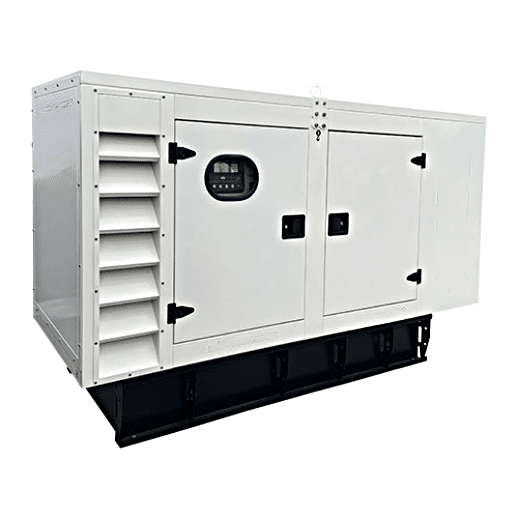
- Power Output Range: The power output range starts at 5kW and extends to 2000+ kW, meeting a wide range of industrial and commercial needs.
- Fuel Consumption: The fuel consumption is set between 0.2 and 0.3 liters/kWh, depending on the load and the generator efficiency.
- Engine Speed: The engine operates at 1500 RPM, which is considered the best speed for 50Hz regions.
- Voltage: In general, output voltage is manufactured in the 220 V to 400 V range and is now suitable for almost every application.
- Alternator Type: The alternator type used is the brushless alternator; this indeed lowers maintenance requirements and increases operational life.
- Cooling System: To avoid operational fluctuations across climates, the cooling system can be air-cooled or liquid-cooled.
- Noise Levels: With soundproofing covers, almost all units are within 75-85 dB when running at full load.
- Fuel Type: Depending on the model, but in general, the units are designed to be standard diesel-fuel compatible, and a few are even capable of blending biodiesel.
Understanding Voltage Ratings
Power equipment voltage ratings mark the operational limits in the designed range where the device shall operate stably and safely. The very root of these ratings is the voltage the generator or alternator can provide without risking the inner parts or causing any change in the connected electrical systems. The most common and popular industrial and commercial generators are designed by default to output 120/240V for single-phase systems and 208/480V for three-phase systems, which, in turn, meet the standard needs of a particular area and application.
The nominal voltage must comply with the end-user installation specifications to avoid inefficiencies or overloading. Besides, factors such as load changes and environmental conditions may affect voltage stability, requiring the use of a built-in voltage regulation system. Usually, sophisticated Automatic Voltage Regulators (AVRs) control the power of the equipment so that the output remains virtually constant even with changes in load, thereby maintaining the quality and longevity of the equipment by delivering precise voltage to the connected devices.
Engine Specifications and Fuel Efficiency
The latest generation of engines has been developed with performance enhancement as the primary goal and fuel efficiency as the secondary. The principal features often include advanced combustion systems using high compression ratios, direct fuel injection, and variable valve timing. These peculiarities boost engine power output and thermal efficiency, thereby enabling it to convert fuel more effectively into energy.
Fuel efficiency can be further increased by using lightweight engine materials, such as aluminum alloys, and by integrating turbocharging systems, which enhance combustion without adding significant size or weight to the engine. Besides that, modern engines usually meet very rigorous emission standards by employing measures such as exhaust gas recirculation (EGR) systems and diesel particulate filters (DPF), which can significantly reduce harmful emissions. The actual situation indicates that the fuel consumption of modern engines is very good and can be within the 25 to 40 miles per gallon range, depending on factors such as engine type and condition.
Optional Equipment for Enhanced Performance
Adding extra features to vehicles can significantly improve their efficiency and overall performance. The turbocharger and supercharger are often chosen as upgrades because they increase engine power by restricting the air entering the engine, enabling more efficient combustion. Fuel injection systems are another technological high point. Being one of the most common, the direct injection system delivers fuel with the highest accuracy, enabling optimal power and fuel efficiency. Moreover, the performance of exhaust systems can be improved by optimizing airflow, which will, in turn, reduce back pressure and, subsequently, improve engine power.
Among other things, adaptive suspension systems that continuously adjust damping levels to improve a vehicle’s handling and ride, and lightweight alloy wheels that reduce unsprung weight and improve acceleration and braking performance. There are also oil coolers and high-capacity radiators for vehicles that work in unusual conditions to avoid overheating and to get sustained performance during rough operation. All three parts mentioned earlier are intended to give the driver a more controllable driving experience that better meets his specific performance needs.
Purchasing Considerations for 50Hz Generators

When selecting a 50Hz engine, one should first consider the power output, which is usually expressed in kilowatts (kW). This is typically the case, so one can be certain the generator will be able to take the intended load, which may also include additional surge power demands from equipment. The type of fuel to be used is another important consideration – diesel, petrol, and natural gas are the most common options for this purpose, each offering significant differences in fuel efficiency, availability, and maintenance costs.
Moreover, it is important to consider the generator’s runtime and tank capacity, especially for long-term operations. In case of continuous or emergency use, pick a model with a sturdy engine and an automatic transfer switch for power restoration during outages—consider your choice based on noise levels, local circumstances, quality of life issues, etc. Especially for residential or low-noise applications, where soundproof enclosures or silent generators may be preferable, noise levels should also be considered. Finally, make sure all requirements of the regional regulations and safety certifications are met to ensure the operation is reliable and in compliance with local standards. Additionally, go for a manufacturer with a good reputation for providing great after-sales services—including spare parts, maintenance, and service.
Factors to Consider When Buying a Generator
Power Output and Load Capacity
Check whether the generator is performing at the right level of its power output, which is to be measured in kilowatts or kilovolt-amps (kVA), and further estimate the capacity of the generator to meet your demand. Please allocate your electricity needs as starting (surge) watts and running watts, and keep the generator power committed to these requirements at all times. For example, a regular home might need 5-7 kW, whereas an industrial complex could be asking for 50 kVA or more.
Fuel Type
You mustn’t neglect the generator’s fuel issue. Among the fuel options present, diesel, natural gas, propane, or a combination of petrol and gas can be mentioned. Generators powered by diesel are quite efficient and robust for heavy use or when used continuously. On the other hand, petrol generators are suitable for small projects and require frequent refueling. Natural gas is a cleaner-burning option, while propane can be very convenient for off-grid sites.
Runtime and Fuel Efficiency
Analyze the generator’s running time at different load levels and its fuel consumption. The high-efficiency generator with a bigger fuel tank will mean less time wasted on refueling. For instance, a 20-kW diesel generator could essentially run for half a day on a full tank with a load of half the capacity, while a small portable gasoline unit might give you only 5-8 hours.
Portability and Size
By examining the benefits and downfalls of the use of either a portable or a stationary (standby) generator, determine which solution is the more practical one. In the first case, portability would be of importance for temporary job sites or outdoor events; in the second case, stationary units are permanent installations that are part of the electrical system. Small generators designed to lack essential features are usually placed in narrow spaces, but they might sacrifice capacity and/or working hours in return.
Noise Levels
As far as decibels (dB) are concerned, they are a major factor in the product, given that customers are not really considering it a good idea to be around loud things at present. Go for models with noise ratings below 60 dB for such cases, or else opt for soundproof enclosures. For the comparison, an everyday conversation is around 60 dB.
Durability and Build Quality
Generators’ durability largely depends on the kind of materials used, engine build, and the quality control of the whole package. Industrial units designed for hard work would almost always feature tough steel bodies, highly reliable engine components, and the strictest quality standards to withstand extreme conditions.
Interactive Virtual Product Tours for Informed Choices
Interactive virtual product tours are revolutionized by the latest cutting-edge visualizations they offer users for immersive experiences. By incorporating precise product rendering with moving elements, such as unlimited-angle views, assembling components, and simulating functions, the virtual tours allow customers to thoroughly evaluate the product before making a purchase. In addition, interactive features such as spatial marking and the different sets of changes a user can make ensure that the user gets a complete, customized solution with the specifics and insights they need in the most suitable format. This convergence of powerful digital tools is a significant factor that helps consumers understand product functionality, usage, and design details in an open, user-friendly format.
Maintenance and Troubleshooting of 50Hz Generators
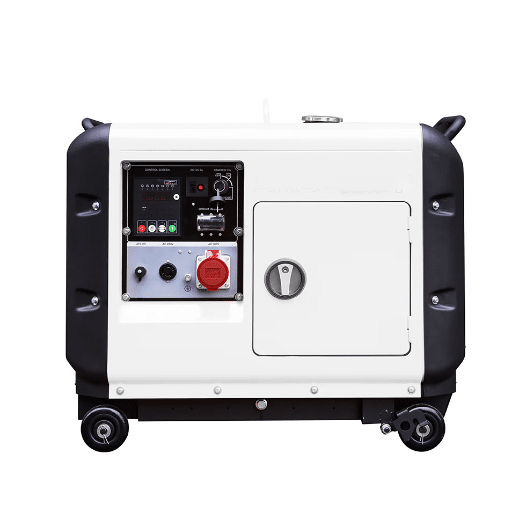
For the optimal performance of a 50Hz generator, regular maintenance is an absolute must. These are the things to do:
- Inspect and Replace Filters: Check air, fuel, and oil filters often and, if needed, follow the manufacturer’s instructions for replacement. The result is avoiding the build-up of dirt and maintaining efficiency.
- Oil and Coolant Levels: Keep an eye on the engine oil and coolant levels. Change these liquids at the manufacturer’s recommended intervals to avoid the engine from getting too hot and wearing out.
- Check Electrical Connections: Inspect the wiring for signs of wear and tear, such as corrosion, and check for loose connections. Fasten and mend circuits as needed to avoid electrical faults.
- Battery Health: Examine the battery’s charge level periodically, and check for corrosion on the terminals around the battery. If there is a tight connection, clean and tighten the connections to ensure the battery is well supported and starts consistently.
- Test and Calibrate: Connect the generator periodically to loads to maintain it within the correct voltage and frequency levels.
Common Issues and How to Resolve Them
Failure to Start
The most common reasons for the issue are insufficient battery power, a defective ignition switch, or blocked fuel tracks. The first step for this problem is to check the battery’s charge and cleanliness, as well as the battery terminals. Secondly, identifying any damaged components in the ignition system and replacing them is an important step. Thirdly, even the best-quality fuel can gum up and cause blockages, so check that nothing obstructs the fuel line and unexpectedly compromises the start-up process. Regular maintenance checks would also help to avoid these problems.
Overheating
Generators are at risk of overheating if there is insufficient coolant, airflow is obstructed, or a continuously high load has been applied for a long time. Address these issues by inspecting the cooling system and ensuring it is full and there are no leaks. Also, do not forget to remove any dirt or leaves that are blocking the ventilation. It is essential to monitor the generator’s load and not let it exceed safe limits to avoid further damage.
Voltage Fluctuations
Aging capacitors, a fluctuating engine speed, and damaged voltage regulator components can cause voltage drops. Changing the capacitors is a straightforward solution, and the governor needs to be set for the right speed if that did not fix the issue. Replacing the voltage regulator would be the next step if a defect persists after performing the two remedies mentioned.
Excessive Noise
Loud noises can be a probable indication of equipment wear, item losses, and incorrect fixtures. Start by visually inspecting the engine, belts, and bolts using a checklist. If there are problems with any parts, take appropriate measures, such as tightening them, applying oil, or replacing them. Regular lubrication of mechanical parts will soon reduce noise and, at the same time, make the operation smoother.
Fuel Supply Issues
Malfunctions such as fuel impurities, water infiltration into the fuel tank, or a faulty fuel pump may result in operational disturbances. If contamination is detected, fuel tank drainage with clean, high-quality fuel is essential. Replacing a poorly functioning or leaking fuel pump and testing it for proper pressure and flow are ways to solve this problem.
When to Seek Professional Assistance
Despite all the effort in servicing and fault-finding, some problems may be beyond the scope of anything but a repairman’s skill to resolve correctly. Hence, it is wise to ask for help if your unit shows any of the following: it is continuously going on the pump out of order, it has strong vibrations, or its functional efficiency is very low compared to other similar but better-performing units. These kinds of faults might be a little challenging to detect solely through the senses and experience, given the possibility of hidden or minor defects. Thus, the use of sophisticated diagnostic tools is the only, and indeed the best, way to go. Furthermore, disturbances emanating from the aforementioned electronic control systems, hydraulic actuators, and businesses that rely on ideal force and position settings are not to be considered cheap, as they can become very costly later; thus, the hire of a technician is mandatory. Furthermore, more rigid compliance is achieved if a company is under the supervision of a certified technician. Also, by knowing the safety and maximum performance factors, the owner can save considerable money by simply following the technician’s advice.
Reference Sources
Frequency response due to a large generator loss with the increasing penetration of wind/PV generation–A literature review
Summary: This paper reviews the impact of losing a large conventional generator on frequency response, especially with the growing integration of wind and photovoltaic (PV) generation.
Linear electromagnetic electric generator for harvesting vibration energy at frequencies more than 50 Hz
Summary: This research explores the design and application of a linear electromagnetic generator for harvesting vibration energy at frequencies above 50Hz.
Frequently Asked Questions (FAQs)
How do I choose the right 50Hz diesel generator for my needs?
Assuming the need for a 50Hz standby generator, the first step is to identify the power required and the electrical equipment to be served. Check the kva rating at 50 Hz for the generator to be able to bear the full load efficiently. Besides, get models with robust parts or optional accessories that may enhance performance and lower costs. Big, reliable power sources are essential in places that frequently experience blackouts, but the choice of your generator brand can give you assurance of quality and, hence, peace of mind. Scrap the manuals and use the detailed technical specs; then laboriously open a new tab to compare the prices.
What are the advantages of using a 50Hz diesel generator?
There are many advantages to using a 50Hz diesel generator, one of the main ones being that it is very reliable and efficient during outages. Generators powered by diesel are always sought because they are robust and can withstand heavy use. This makes them the best for either standby or continuous applications. They even have lower fuel consumption than gasoline generators, as a rule; therefore, quite a lot of savings in operation would be realized over time. On top of that, features such as exhaust gas treatment and self-start are integrated into many models, making diesel generators more attractive. Some of the manufacturers, like Yamaha Motor Co. and Caterpillar, offer a variety of models, so you can always pick the one that fits your requirements and at the same time complies with the standards of the industry.
Can I upgrade my existing generator to improve performance?
Yes, the industrial generator can often be upgraded to enhance its performance and efficiency. Various manufacturers sell kits to upgrade, especially to improve fuel efficiency and overall performance. Furthermore, to some extent, the alternator or add-ons will also be the best devices for a clear view of such improvements. It is vital to check whether the upgrades you wish to carry out are compatible with your equipment to prevent any issues. In addition, looking not only at product information but also at the technical requirements of reliable brands can be very helpful and guide you toward the right upgrades for your generator model.
What should I consider for generator maintenance and support?
Maintenance needs to be done periodically for the 50Hz generator to work at its best. The procedure involves inspecting the engine oil, air filters, and fuel filters to ensure the generator is working without problems. Many companies, like Caterpillar, offer excellent service support and even provide maintenance schedules and parts that may be required. Being familiar with the equipment used in the generator can help you recognize and address potential issues at very early stages. Visiting the company’s page, watching the media galleries, and reading the articles might be the perfect way to discover the best maintenance practices for your machine. Besides, maintenance keeps the generator running and allows it to provide power whenever needed.