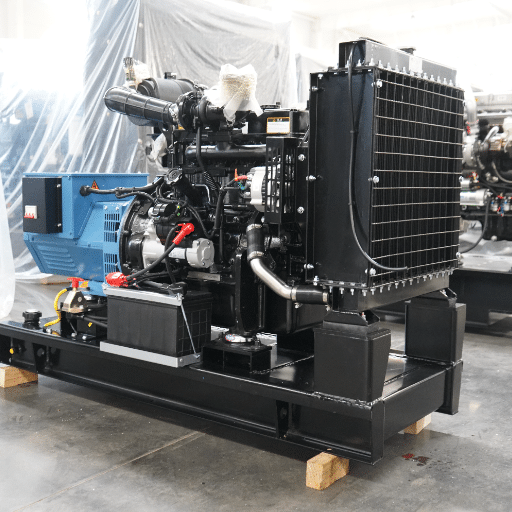


In the event of an unforeseen power failure, the significance of the reliability of electricity is revealed. Part of the solution in this case is a permanent power generator for homes, also known as the Whole House Generator, which is very important to property owners who need steady electricity supply in case of power cutbacks. But are the expenses really worth it? This post covers the primary factors you should investigate, starting from the initial costs to the installation and continuing with the long-term advantages like energy security and convenience. No matter if it is unprecedentedly bad weather, electric company faults, or just wanting to raise the home’s worth, we will be alongside you in deciding if the home generator is what you need.
Understanding Whole House Generators

A whole home backup generator is a standby power system which is designed to provide power to a whole house during an outage. These systems are different from portable generators in that they are fixed components that get switched on automatically in the occurrence of a power cut. They can usually be powered by natural gas or propane, and this is how they can provide a constant flow of power without human intervention. For example, essential systems like heating, cooling, lighting, refrigeration, and even medical equipment can be supported by a whole house generator therefore offering a smooth and constant power supply. Being able to run on its own due to the automatic process and at the same time being able to power several devices make the whole house generator the best solution for any extended outages.
What is a Whole House Generator?
Whole house generator works by itself monitoring power cut and upon detection, it starts generating electricity for the house. The generator is tied to the utility power through an Automatic Transfer Switch (ATS). Whenever a problem occurs, the ATS changes the power distribution from the utility grid to the generator without any interruption. In general, the generators are running on a secure connection to a natural gas line or a huge propane tank which gives them the advantage of operation for a long time without manual resort. A lot of the new systems are coming with features like remote monitoring, load management, and the latest noise reduction technology, and hence they are very efficient and reliable. The fact that they are the ones behind the delivery of the same amount of electric power each time makes them an indispensable part of the homes facing the threatened situation of cutting off the electricity due to frequent storms or extreme weather conditions.
Benefits of a Whole Home Generator
1. Reliable Power Supply During Outages
Whole home generators supply power without interruption during electrical outages from the utility and thus they provide backup for all electric systems in a house at once. They become particularly helpful in areas where there is frequent access disruption to electricity due to unstable infrastructure or severe weather events. The average household according to a study conducted in 2022 by U. S. Energy Information Administration encounters more than eight hours of power interruptions yearly which makes it imperative to have a reliable backup system.
2. Automatic Activation
The automatic transfer switches that these systems come with help them to detect power outages almost instantaneously and then they spring into action within seconds. This feature takes away the need for manual interference which in turn guarantees that the critical systems like HVAC, medical equipment, and refrigeration are running without any hard and smoothing the transition between power sources.
3. Comprehensive Energy Coverage
Not like portable generators, whole home systems are built to handle all of the other electric load plus the most power-hungry appliances like water heaters, washers, and sump pumps. Because of this power, safety is always assured even during long-lasting outages.
4. Fuel Efficiency and Versatility
Today’s whole house generators run on eco-friendly and efficiently natural gas or propane instead of gasoline or diesel. For example, propane has a lifespan of more than ten years which makes it a perfect long-term fuel choice. Some of the generators can use both fuels giving you the option to choose whichever is cheaper at the time or what you have at that time.
5. Advanced Monitoring and Control Systems
Not only are the whole-house generators equipped with remote monitoring which allows the homeowners to know the system performance, fuel levels, and maintenance schedules through smartphone apps and devices, but some systems come up with smart load management systems to give priority to the essential circuits thus the performance gets optimized during peak demands.
6. Enhanced Property Value
Finding a whole house generator can develop your property value considerably. Real estate statistics suggest that houses with standby generators usually sell for about 3-5% more than comparable properties with no power backup, which is very appealing and reflects their added convenience and security.
The Costs of Whole House Generators

The price of a full-house generator can change significantly depending on how big, what brand, and linchpins of that specific equipment. The cost ranges from $3000 to $6000 for the usual residential-sized ones as a stand-alone price. But when installing the generator, the total can range from $5000 to $ 6000, depending on the area where the work is being conducted, the difficulty of the work, permit conditions, and so on. The price for oil change inspection type of annual maintenances is about $200-400. But models that are larger or newly equipped with lots of advanced features will be out from the prices mentioned above such as extended warranties, higher wattage, or remote monitoring capabilities and will cost way above those prices. It is better to ask an installer or generator retailer to provide you with correct estimations on the basis of the electricity consumption of the home and the general local conditions.
Average Cost of a Whole House Generator
The total cost associated with a whole house generator, considering the unit price of the generator and professional installation, can generally fall between $5,000 and $12,000. A generator unit can cost roughly within the range $2,000-$6,000, differing by brand, power (measured in kW) and the availability of noise reduction or smart monitoring systems. The average cost is between $3,000 and $6,000 depending on the brand, the power output in kilowatts, and any other additional features such as noise reduction or smart monitoring systems.
Doubtless, super high-quality alternatives that are capable of supplanting whole buildings or home may cost $15,000 and more. If we speak about a portable generator, it is less beautiful when it comes to both expenditures and daily life supply. That’s why it’s rare for this kind of product to be offered for more than the stated price range. The owner of the house also needs to plan for the additional expenses of getting a permit and having the transfer switches installed, which vary from $500-$2,000. Accessing energy needs and seeing which type of fuel is to be used—whether propane, natural gas, or diesel—are important factors that are tied to the total costs. The whole expenditure on the installation of the generator could be minimized and very efficient if proper planning of the whole project is done and negotiations with professional installers are made.
Factors Influencing Generator Cost
There are various variables that need to be considered in depth for determining the price of a generator. One of the main factors that have a big impact on the cost is the generator’s power supplied, which is given in kilowatts (kW) as the unit of measure. Bigger units that provide more power generally cost more because they are made to supply larger systems or more than one appliance at the same time. Furthermore, the type of generator, special-purpose or standby, plays a very important part. Standby generators are usually accompanied by extra features like automatic transfer switches and remote monitoring systems, which raise the total price.
The quality and efficiency of the engine are another crucial point to consider. The superior performance of engine technologies, fuel efficiency, and durability in continuous use is marked by higher upfront costs in generators equipped with these features. The complexity in installation along with the labor cost associated is also a very big factor in the total cost of a project. Just to take an example, the additional cost of installing a generator connected to a natural gas line is charged for the specialized labor, the electrical connection, the following of the local building codes, etc.
Now, take brand reputation, warranty terms, and extra characteristics, such as the possibility of a weatherproof machine or a noise-reduction feature, into account. Fuel type decided to be natural gas, diesel, propane, or dual-fuel designs will also have an influence upon the initial investments and operational costs, telecom costs being the outcome of market fuel rates and availability. Such variables must be well known and be included in the cost evaluation in order to ensure that the final price will not exceed the budget and the product will meet the performance requirements.
Installation Cost Breakdown
The complexity of the installation and the number of locations the generator will need to be installed are the most important factors that will determine the total cost of setting up a generator. Residential installations would mean a range of installation costs from $3,000 to $7,000 which would include labor, electrical, and plumbing work if necessary. The budget for the installation cost for commercial or industrial applications is higher and could reach as much as $15,000 to $20,000, adding to the cost of the main components, the installation of the transfer switches, control panels, and, if necessary, the making of special enclosures.
Sometimes there might be an extra financial burden for the site preparation, such as having to have concrete pads, do excavation works, or get the necessary permissions and permits to follow the local building codes. Labor expenses and the cost of materials can differ a lot from one area to the other which makes the budget fluctuate even more. Getting the right cost for the installation is only possible if the site is checked and the necessary adjustments are made taking into consideration the safety issues and other customized needs.
Choosing the Right Generator for Your Home Needs

In search of a generator for your household, it is wise to begin by determining the necessary energy that your home would require. List down those objects and systems you want to power up during an emergency—these may include refrigerators, heating systems, or electricity-dependent health-care devices—then, find out the total wattage they consume together. Give some thought to the presence of the generator as a crucial factor—unlike the portable generator which is more affordable and able to be used in several cases, the standby generator is rather expensive and permanently installed, but lets you enjoy the automatic power supply during outages. In addition to this, also check the available fuel types that go hand in hand with your personal preferences among the ones that are commonly used like natural gas, propane, and gasoline. Of last importance, also make sure that the generator adheres to all local safety and regulatory standards and also consider seeking advice from a professional for the right-sizing and installation guidelines.
Determining the Size of Your Generator
The first point to consider is the importance of choosing the right size generator so that it will cope with your power needs and not overload or underperform. The right starting step is to sum the wattage indicators of all equipments that have to be powered during the outage. This includes the task of identifying the starting (surge) wattages and running wattages for each device. For example, air conditioners, refrigerators, and sump pumps usually need very different high starting wattages than their running wattage.
In order to be certain of the correct figures, you can always grab hold of an appliance wattage chart to go through, or at least contact the manufacturer for the exact specifications of each device. The process of recording should not only capture the big loads but also should reflect small loads, that is, for example, lights, fans, and chargers. Another point of concern is the inclusion of a safety margin, usually about 20–25%, so that the whole system works smoothly and reliably during sudden increases in the demand of power supply. A well-trained technician may be called upon to assist further or at least verify the calculations with respect to the unique power needs and proper generator size.
Understanding Fuel Types for Whole Home Generators
Installation Process for Whole House Generators

Assess Power Needs
The total wattage needed to power important appliances during a blackout is the first thing to calculate. This will assist in choosing the matched generator size.
Choose a Suitable Location
The generator should be placed on the outside on solid ground that is at least five feet away from any doors, windows, and vents. It must also conform to the dimension and safety rules of the respective local area.
Prepare the Foundation
A concrete or an approved composite pad should be installed as the base for the generator—a pad that offers a stable and level surface.
Install Transfer Switch
The automatic transfer switch (ATS) will be mounted by an electrician near to the main electrical panel and will be taking over power during outages in a smooth way.
Connect Fuel Supply
Depending on the fuel type (natural gas, propane or diesel) a certified technician will connect the generator up to fuel the source, making sure there are no leaks and that the installation is safe.
Electrical Wiring
The generator is cabled to the transfer switch which allows the power to be administered efficiently throughout your home’s circuits.
System Testing
Once the generator is installed, testing by the professionals will be conducted to make sure it functions properly. It will also be tested during power outages, whereby it will start up automatically after a power failure.
Perform Final Inspection
Local officials might make a judgment of the placement if it is in line with the local building codes and safety rules through a check. It is highly recommended to check with your installer if this is a mandatory step.
Hiring a Professional vs. DIY Installation
Permits and Regulations for Generator Installation
Setting up a home generator that powers the entire house entails following the right set of rules and regulations set by the local, state, and national authorities to the extent of security and reliability. It is normal for the process to begin with the local building authority issuing the required permits as the first step. The permits may cover electrical, structural, and zoning considerations depending on the place. It is necessary to ensure that the generator is installed in accordance with established guidelines, such as the safe distance from windows, doors, and combustible materials, as set by the National Fire Protection Association (NFPA) Code 37 and other standards.
In addition, the National Electrical Code (NEC) prescribes that the electric connections should be made in a compliant manner to reduce any risks and also be able to connect to existing systems. Local government inspection authorities mandate the scrutiny of systems to determine whether they conform to the Code’s requirements and to identify potential safety hazards. Permit acquisition is also one of the duties of the property owner, and the non-compliance of regulations may even put him/her in a much worse situation than just having to pay a fine; it could postpone the operation, result in damages, and consequently lead to a lawsuit by the insurance company. It may just take getting someone who has the necessary credentials and know-how in this area to make the whole thing easier and quicker.
Maintenance and Longevity of Your Generator

Do not forget that the proper genset maintenance is crucial for you to provide reliability and prolong the generator’s lifespan. It is always best to have a maintenance timetable and follow it with the most common activities such as oil checking and replacing, fuel and air filters inspection and probably the most hated exam of all, the spark plugs. The rule of thumb is that oil changes should be carried out after every 50-100 hours of use or annually depending on the model. Most manufacturers have this as their recommendation.
Dirt or garbage has to be kept away from the generator to prevent damage and overheating. You must always keep the equipment in a place that is neither very hot nor very wet. For this reason, it is best to find a dry area with good ventilation and keep the generator there. In addition to the above-mentioned things, you should start your generator from time to time when it is not being used at all to let the machine run for a while and also to keep the engine components well oiled and operational.
Find in the manufacturer’s manual the maintenance periods and procedures to be followed since they are the ones meant for the specific type of generator you have. By undertaking these suggestions, you should get a better-performing generator that will have a long lifespan with fewer unexpected repairs.
Regular Maintenance Tips for Home Generators
1. Change the Oil Regularly
For the proper functioning of the generator, oil changes are indispensable. The majority of the manufacturers’ recommendation is to change the oil after every 50 to 100 hours of operation, or once in a year as a minimum if the generator is operated occasionally. Dirty or contaminated oil can result in decreased engine performance and more wear on internal parts in turn.
2. Inspect and Replace the Air Filter
A clean air filter has the role of being a key factor in achieving the best airflow and preventing any form of particulates from getting through to the engine. Inspection of the air filter should be done after every 50 hours of usage, and if it is found worn-out or according to manufacturer recommendations, which are typically found from 100 to 200 hours of operation, then the filter should be replaced.
3. Check and Clean the Spark Plug
The spark plug is responsible for igniting the fuel-air mix and its condition can determine the treadmill use performance. It’s important to check the spark plug every 100 hours of operation and clean the carbon build-up if there is any. Changing of the spark plug needs to be done every 200 hours or as recommended in the manual in case the first scenario had not occurred.
4. Examine the Fuel System
Fuel that is expired may lead to a system that is clogged with deposits as a result of the exposure of fuel to air for a longer period of time. Hence for the prevention of the problem, always use the fresh fuel and apply the fuel stabilizer if the generator is not planned to be used for a long time. In the end, the aircraft needs a certain amount of remaining fuel to be extracted from the tank every six months to avoid the build-up of toxic petroleum residue.
5. Inspect Battery Condition
Check the battery used for electric start of your generator periodically if your generator uses a battery for electric start. Also, monitor the condition of the battery. Charge it as needed. Look for any signs of corrosion on terminals and ensure the right connections. Replace the battery every 3-5 years or even sooner if it does not function properly.
6. Perform Load Bank Testing
Generators, especially the big standby ones, can only operate well if a load bank test supports them. This is normally performed once a year and requires the generator to run under different loads, the purpose being to test its capacity and expose any weaknesses that may be present.
Extending the Lifespan of Your Whole House Generator
For the extended life of your whole house generator, the process is a must to have a maintenance schedule that is stable, and that put in and kept in writing too. This matters for a more extended lifespan. The period for the oil and filter change has to be set, happening between 50 and 200 hours of operation and the time period has a range depending on the generator model and manufacturer’s specifications. In addition to that, one should at least once a year conduct a complete check of the most important parts like the cooling system, alternator, and fuel lines. The routine maintenance at regular intervals is the best prevention since minor issues can be easily detected and sorted out before they grow into major ones that require expensive repairs.
The setting and the vicinity of your generator greatly affect its life. Generators have to be put in a breezy location, one without an excess of humidity since the latter can cause their corrosion and the degradation of the industrial parts. Also, the pad must be level and sturdy, which will in turn mean less tension on inside parts. Protection against heavy rainfall, snow, or strong heat could also be achieved through the investment in good enclosures or weather-proof covers.
The type as well as the quality of the fuel, therefore, that your generator uses will have a direct impact on its operational efficiency and its longevity. Generators that have diesel as their fuel should have regular fuel polishing and tank cleaning to prevent contamination or the building up of sludge. When using propane or natural gas as a fuel, it is important to carry out the inspection of the supply system to avoid leakage or pressure differences. The safe storage of fuel being practiced as well as the conducting testing on the lines of supply from time to time can help you overcome risks such as fuel spoilage or interruptions of the supply during the critical times of power outage.
Reference Sources
- Techno-economic analysis of high-efficiency natural-gas generators for residential combined heat and power
Read the article here - Feasibility analysis of a renewable hybrid energy system with producer gas generator fulfilling remote household electricity demand in Southern Norway
Read the article here
Frequently Asked Questions (FAQs)
How much for whole house generator, including installation and permits?
The price of a complete home generator system, which also includes installation and permits, will greatly vary depending on the generator’s size, prevailing local pay rates, and associated fees. The cost of a standard installation of a generator, along with the change-over switch and with professional setup, may be anywhere from $8,000 to $20,000. The costs of permits and assessments differ from town to town, so contacting a genuine electrician is the best method to get an accurate idea about the final bill. The kind of fuel and model of the generator are the two factors that have an impact on the cost of acquisition and maintenance. It is important to always place the installation of the transfer switch and the probable electrical panel upgrading in the budget.
What size generator do I need for a whole house setup?
The right generator size is chosen by calculating the essential and optional loads of a home to prevent the machine from being too big or too small. Generators that power an entire home usually come in a range of 8 kW to 24 kW or even bigger ones for bigger homes and the exact wattage needed is influenced by the number of appliances, the HVAC system, and well pumps. A load calculation can be done by an electrician or generator installer and then they can give a recommendation for the best generator size. Keeping the future in mind and going for a bigger size may help you with this situation, as it also provides a larger cash flow for the initial cost, and it can also raise the efficiency.
How does fuel type affect the cost and operation of a whole house generator?
The choice of fuel (natural gas, propane, or diesel) is a powerful factor influencing the expenses associated with the whole house generator both at the very beginning and during the operation time. In case of natural gas, it is often considered to be the most convenient of all three, given that you have the pipeline, as in this case the supply is endless and refueling is not required; on the contrary, with propane and diesel you will have to have storage tanks on site and refilling will be done periodically. Diesel-powered generators, as a rule, require more capital investment but are the most reliable and durable for a heavier amount of use. It is technically possible to consider fuel availability during a major breakdown and the fact that local fuel prices may be high when estimating the cost of the lifetime of the unit.
What does installation include and why is a transfer switch important?
The standard process of installation encompasses the placement of the generator on a pedestal, the establishment of fuel connections, the wiring of the generator to a transfer switch, and running the necessary tests and inspections. The role of the transfer switch is key as it separates the generator from the grid and thus precludes the possible accumulation of electricity, thus making the utility personnel and equipment very safe. An expertly done installation guarantees that all the electrical codes are met and the grounding is done the way it should be, the latter being a major factor that not only affects safety but warranty coverage as well. Furthermore, the installation may demand an electrical panel upgrading or setting up of more circuits, which in turn will drive up the overall cost.