
To install a residential generator is a very important step to ensure that your property has an uninterrupted stream of power, meaning that the homeowner will gain peace of mind. The process is expensive and complex, therefore, many people get bogged down in the details and costs associated with it. The intention of this post is to make the installation of a home generator easier to understand by breaking down the most significant components like the type and capacity of a generator and costs like labor and permits. If the case is that you are in a disaster-prone area or on the other hand, you are interested in being ready for any kind of event, our power outage tips will not only save that extra money you pay to a professional but also help you to go through the whole process easily. At the end of the day, my aim is to make your life easier by giving you the right knowledge for your decision-making process.
Common Factors Affecting Generator Installation Costs

1. Generator Type and Size
There are different kinds of generators available on the market, namely, portable, standby, or inverter, and each of them has a direct impact on the final cost. Standby generators are typically more expensive to purchase, for their larger power output and the necessity of a secure, static, and professionally installed setting. Furthermore, the generator’s kVA (power capacity), which is another important factor, the bigger the generator, the more it will cost to install.
2. Installation Location
The place of the generator’s installation will dictate the costs as well, and the reason behind them would be accessibility and topology of the land, In the case of a generator being placed by an electrical service panel, relatively less work and material would be needed, and subsequently, the cost of installation would also be less; on the other hand, for a setup that is hard and requires considerable trenching, the cost would be the highest.
3. Labor and Professional Installation
It is necessary to hire qualified electricians and construction workers for proper and safe installation. The labor cost is dependent on regional wages and the difficulty of the installation process. In the case of standby generators, they usually imply extra electrical and plumbing work, which will also raise labor costs.
4. Permitting and Inspections
Local governments usually won’t approve a generator installation without a permit. The charging for this permit can come with regional differences and consumers have to spare the money. Moreover, the project might be subject to inspections making sure the building code and safety standards of that area are met.
Compare Different Generator Types
Complexity of Installation
The difficulty of installing a generator can be quite different in terms of the item itself, the way it is meant to be used, and the community’s infrastructure. For instance, standby generators demand professional installation because they are heating on a building’s electric system and fuel supply, as well as meeting local regulation and permitting requirements. This might involve moving the transfer switch, replacing the other, and the like, which would mean more labor and cost.
On the other hand, portable and inverter generators are quite simple to be set up generally. These gensets are designed for simple plug-and-play operation and, therefore, the only requirements are proper positioning, refueling, and connections with the equipment or systems they are going to energize. The installation of such equipment still requires observing safety precautions, such as keeping a distance from any structure for the purpose of ventilation.
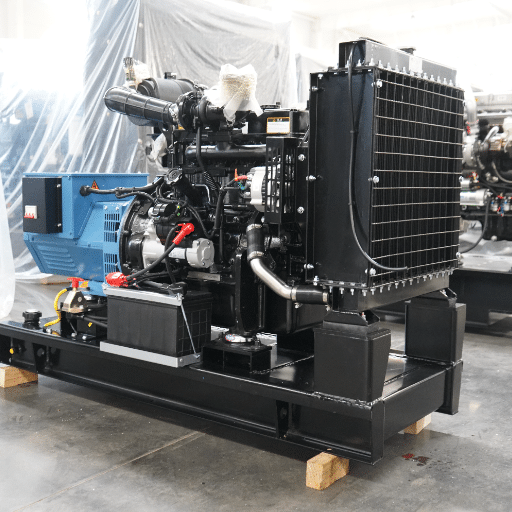
Diesel-fired generators, especially the ones with high power, can pose quite a bit of the preparatory task, for example, a pad specially made to keep them stable and an exhaust system designed only for them must be in place. On the other hand, the installation of a solar generator presents a different challenge necessitating the setup of solar panels, correct angling, and maybe the merging of battery storage for maximum energy utilization. These setups may require wiring and the connection of an inverter that is almost impossible to handle without a professional.
Site Preparation Requirements
Meticulous site preparation is absolutely important in the process of installing modern energy systems, guaranteeing the correct structure and way of carrying out business. For wind turbines, this means checking the soil stability with a geotechnical investigation on a very wide scale, especially in the high-wind-load areas. The foundations have to be strong enough to bear the forces dynamically and not let the structure sink gradually. Equally, solar energy systems are such that they cannot be put up without accurate site analysis of this type, which involves the irradiance mapping to arrive at the best places and direction for the panels. Also, one should determine the clash-free zone where the systems will not be affected by nearby structures, trees, or uneven ground, as these could cause energy loss.
Cutting-edge methods that harness the power of batteries and renewable energy need a separate area for premises and environmental management essentials like ventilation or cooling to ensure the quality of the equipment and the extension of the life of the facility. Additionally, the points of electrical interconnections are crucial to the placement in the case of grid-connected systems, while for off-grid systems, planned spaces are necessary for the auxiliary components, e.g., inverter and charge controller. All in all, these preparatory actions not only speed up the installation and cut down the outages but also guarantee the observance of the regulations and the safety of the users.
Types of Home Generators

Home generators come in three basic categories:
1. Standby Generators
These are backup power supplies when the home is out of power. They are linked directly to the home’s power system and usually use natural gas or propane as the source of power. Standby generators are the best choice for home users who really need electrical power all the time, for example, those with HVAC, medical equipment, or refrigeration.
2. Portable Generators
Portable generators, designed for temporary use and versatile due to the variety of possible uses, can take care of the electricity supply to specialized household appliances. These sources of power usually work on gasoline or propane and calling for manual setting up and operation is usual. The situation in which these generators are used is mostly for short-term emergencies or in the case of camping or job locations.
3. Inverter Generators
Inverter generators are the best option for users who need to operate sensitive equipment, e.g., computers or smartphones, without worrying about the quality of the electricity. They not only operate quietly but also use less fuel than the usual light-weight units of power, which for home-owners who are particularly concerned about noise and fuel economy, makes them quite practical choices.
When you need a generator, the first thing to consider is the amount of power you need, for how long you will need it, and what your needs are in an outage.
Portable Generators
Portable generators are such versatile machines that are specially made to provide electricity temporarily whenever there is no power or in areas where the grid is not available. These machines are generally operated by gasoline, diesel, or propane and can generate a power output that spans from 1,000 to more than 10,000 watts. Characteristics like multiple outlets and overload protection enable the users to connect a mixture of devices to the generator in a safe way. Changes in the engine and design technologies have been major factors in making the use of these generators much more eco-friendly and, at the same time, practical.
The most common uses of this type of generator are for residential areas where they act as a backup, in the case of construction work, and for leisure purposes like camping or using an RV. The factors that the users have to keep in mind when choosing the model that best fits their requirements and situation are wattage consumption, fuel availability, and noise produced by the generator. A continuous effort to keep the generator functional by means of oil change and cleaning will not only give time for the generator to perform better but also to have a longer life span.
Standby Generators
Standby generators are the kind of generators that provide automatic backup power always. They tend to construct to serve for a long time. Standby generators are usually connected to the electrician’s system and have a switch of their own known as the Automatic Transfer Switch (ATS) that changes over the power source from the grid to the generator. They are usually fueled by natural gas, diesel, or propane from the storage tanks. Standby generators also come with longer operational times and are definitely better than the portable ones. Standby generators are mostly sought for applications that cannot afford power cuts for any instance like hospitals, the offices of critical organizations and data centers.
Standby generators come with a lot of varying capacities, starting from the small ones that can only power essential household circuits to big ones that can support a whole industrial facility. Contemporaneous features such as improved monitoring systems permit real-time performance monitoring and remote diagnostics while noise-reduction technologies and improvement in energy efficiency are more utilities and less environmental impacts. Thus, regular generating station maintenance including pullers and pushers together with filtering devices and conducting lead-acid battery tests at the specified time will guarantee continuous performance and a long life span.
Inverter Generators
Inverter generators have become a leading technology in the generator sector as they combine several factors like efficiency, quiet operation, and portability. In comparison to standard generators, the inverter models work by producing currents in three stages using the method of HFAC power first; then changing it into DC and finally inverting it back into stable frequency, and voltage AC. The energy that the device produces is safe for all types of loads including sensitive electronic devices like laptops, medical instruments, and mobile phones.
There are also many other characteristics now that the smart load monitoring systems are part of the generator design and can automatically manage the engine speed to the voltage demand. This is the way the machine can be automatically controlled to save wastage and, at the same time, be more eco-friendly. On the whole, the noise is also substantially decreased compared to the ordinary generators, as the eco-friendly devices can be as quiet as 50 to 60 decibels, that is, they are perfect for home use or even in the case of a holiday accommodation.
Light and portable designs make inverter generators truly mobile, as they can be easily transported and stored. The best models today can be connected in parallel, which means you could connect two when you need more power. In addition, the development of durability and longer operational times has made inverter generators a rather common choice among different applications. Regular maintenance that includes checking the spark plug and changing the oil is still a must when you want to optimize the performance of your machine continuously.
Average Costs for Generators and Installation

The price for a generator is mostly defined by the kind and quantity of the solution. it is more likely that portable generators price will be between $500 and $2,000. On the other hand, stand generators use to have a high price, but they are worth it for they cost from $3,000 to $10,000. The cost of installing standby generators may also fluctuate; the variables are labor, permits, and site prep, but the average is $2,500 to $5,000. So things are so much easier when you only have to focus on the main solution and it’s worth from $5,500 to $15,000. To go beyond the prices good advice would be to work with a professional assistance to get a tailor-made estimation considering the power requirements and local rules.
Generator Costs Breakdown
While studying the generator expenses, one must be familiar with different kinds that are available for home and business usage. Scanner generators are the most affordable type as they start from $500 and go as high as $2,500. These are the ones that are used only when power is needed, they are easy to operate but they are never kept permanently in one place. The cost of the user-friendly inverter generator stands between $1,000 and $4,000 for those who are in the middle of these.
Automatic operation stand-by generators developed for power failures are the most costly, however, the most trustworthy. The amount which ought to be paid for the generators themselves ranges between $3,000 and $10,000. Moreover, the costs of having them installed and maintained should not be neglected. The residential or business places which are very large might demand bigger capacity stand-by generators whose prices are above $15,000. Besides, one has to include fuel, maintenance, and periodical inspection costs into the calculation to know the full cost of ownership.
Being familiar with these prices and categories allows for the implementation of more accurate decisions in a situation where the energy requirements and monetary restrictions are the major concerns. The advice is given to do in-depth research and seek the advice of professionals to be sure that the generator that is to be picked meets requirements on both power output needs and local code requirements.
Installation Cost Estimates
The cost of having a generator installed can differ greatly, with it being as high as the cost of the machine, facilities, and installation. Usually, the owners pay between $3,000 and $6,500 for a dependable generator installed by a professional, but through the means of a larger or more advanced setup, the cost may go up to $10,000. The pricing normally consists of the work needed to position the generator, link it to the house’s electrical system and guarantee that it is in compliance with local safety standards and building codes. Extra expenses could include those for the upgrading of the electrical panel or gas lines if the generator needs them or if it has to have a custom concrete pad poured on which it will stand securely. All these factors make it absolutely necessary to take into account the total cost of the project along with the separate costs.
Long-term Financial Considerations
When you estimate the long-range economic results caused by installing a generator, you have to take into consideration the fuel consumption, the maintenance needed, and the potential shift in market value. The newest generation of backup power generators are normally run by natural gas, propane, or diesel with the rates of their use being different because of the generator’s size and load. For example, a 20-kilowatt generator, which is fully loaded, can be expected to use up around 2-3 gallons of propane per hour, resulting in fuel that ought to be pegged to the operating expenses as a whole.
Another major point is also the regular maintenance which generators need for their proper work and length of the lifespan. It covers oil changing, filters replacement, and inspections. In other words, the performance and life span of the generator are ensured. The yearly maintenance will cost you $150 to $300 for a house of an average size, depending on the service provider. Not only are there some insurance policies that may provide a discount to homes with a backup generator, but they also lower the risk of a claim resulting from power outages.
Last but not least, a properly installed generator can make a property more attractive to the market, especially in areas with frequent harsh weather. A professional standby generator setup is usually calculated to give back an average of 50-75% return on investment (ROI) during the time of resale, which should make it an appealing choice for future-minded homeowners considering price vs. future financial gain as a critical parameter. A clear plan concerning money is very important to be able to completely comprehend and manage the everlasting costs and the probable savings during the generator’s lifetime.
Choosing the Right Generators for Your Home

When you are choosing a generator for your home, make sure to abide by the crucial criteria that follow, to guarantee that you have the best solution:
1. Power Requirements
In the case of the power outage, you can start with the calculation of the wattage which is necessary for the basic operation of the main systems and use the devices such as refrigerators, lighting, and HVAC systems. Most manufacturers provide guidelines to help estimate the total power needs.
2. Fuel Type
Common choices are natural gas, propane, and diesel. Residential users are known to prefer natural gas and propane due to the reason that the emissions are cleaner and the fuel is more available. So, in conclusion, I would say that you consider the fuel source that is the one in your area and easy to get.
3. Generator Size
Generators are available in the market from small portable units to large whole-house standby systems. You might want to choose a standby generator if you are looking for a reliable power supply that is going to be connected to some critical devices in your home all the time, while the small portable ones can be just temporary and limited-use power sources.
4. Noise Level
Look up the generator’s noise level and make sure it complies with the local noise level and does not create any disturbance to you and your neighbors during its operation.
5. Warranty and Maintenance Support
On the other hand, take into account the manufacturer’s warranty policy and the availability of local service technicians for the brand. The commitment to sticking to a regular maintenance schedule will gear up the generator for a long period of great performance and reliability.
6. Budget and Installation Costs
Also, take into account the total costs of the generator, such as installation, fuel, and any necessary licenses. A generator that has been professionally installed not only adds value to your home but also gives peace of mind during emergencies.
By a close examination of these criteria, you are going to be very sure of the generator of your choice that will satisfy your household’s requirements and give you the best possible performance for a long time.
Assessing Power Needs
When it comes to choosing a generator for your place of residence or business, it is highly important that you determine your power needs properly and beforehand. Establish the list of appliances, systems, and devices which are of prime importance and must remain functioning in the event of power loss. In the majority of cases, refrigerators, HVAC systems, the medical equipment in the daytime after the power outage, lighting, and communication devices will be the top priorities. All of the above categories have to be checked as to how many watts they consume, both for the starting and the continuous running operation, as power generators. For example, appliances with motors, such as air conditioners and refrigerators, typically draw much more starting power than running power.
In order to figure out how much power you need in total, add up the wattages of all the important devices and then put some more, let’s say 10-20%, for safety. With that extra power, the system can still function when there are sudden increases in the power usage. There are a few ways to approach this, but one common approach is to partition power requirements into tiers, starting with the most critical systems and allowing upgrades as needed. Another approach is to track total energy usage and assess whether it may change in the future due to factors such as seasonal variations or specific operational requirements. In such scenarios, it would be very helpful to use the modern facilities, such as the load calculators, as these tools could give you the perfect generator selection.
Budget Considerations
When examining the financial issues of procuring a generator, it is important to include costs that are incurred at the beginning as well as those that will have to be paid throughout its life cycle. The initial costs consist of the buying value, the price of putting it in place, and the necessary changes to the already existing system. At the same time, the generator’s operating costs are high, as fuel consumption and routine maintenance, as well as potential warranty extensions, are part of the total cost of ownership. For example, diesel generators typically cost less to operate due to fuel efficiency and long service life, whereas gas models may be cheaper upfront but may incur higher maintenance or refueling costs. Introducing new technologies, such as monitoring systems that are automatic or hybrid generators, may also be cost-efficient ways of improving the performance of the program and, in the long run, saving energy. Ultimately, no matter which solution is most cost-effective, all of them will require a detailed cost-benefit analysis for interested parties to review and make their choice.
Ongoing Maintenance Costs for Generators

Energy system maintenance costs depend so much on the exact type and complexity of the system and can vary greatly. An example of a high-maintenance system is a gas-powered generator that usually needs an oil change, a spark plug change, and air filter cleaning every so often, which leads to a well-known set of expenses that keep showing up. In contrast, solar power systems are characterized by very little maintenance—this mostly equates to a need for panel cleaning every now and then and replacement of the inverter every few years. In the case of a hybrid system, costs might come from both traditional and renewable components, but the extended service life and energy efficiency gains make up for the costs. By monitoring the system closely and strictly following the manufacturer’s service schedule requirements, one can save up a considerable amount in the long run and enjoy the increased system reliability at the same time.
Regular Maintenance Practices
Sustained efficiency and system longevity are two major benefits of a proper energy system maintenance. In the case of a photovoltaic (PV) solar system, regular cleaning of solar panels is essential to stop dirt, dust, and debris from being around and obstructing the sunlight which can reduce the energy output by up to 25% in heavily soiled conditions. The cleaning frequency should be determined by local environmental factors like the amount of dust present or the tree coverage.
Inspectors should conduct regular checks on inverters to identify early signs of degradation or overheating, the primary causes of system inefficiency or shutdown. According to most manufacturers’ manuals, replacement of the inverters is scheduled for every 5-10 years, subject to usage and model specifications. Monitoring systems need to be checked for consistent and accurate reporting on performance metrics as the early detection of performance anomalies can lead to substantial efficiency losses prevention.
On top of that, an energy storage implementation in a hybrid system will need more than the usual expertise due to the inclusion of lithium-ion batteries. The attendant task of battery maintenance includes keeping a close eye on charge cycles, making certain that there is enough ventilation, and checking the voltage levels to stop overcharging or discharging to very low levels, which can shorten the battery’s life. The battery management systems (BMS) are the leading battery-related technology, as far as the monitoring is concerned, allowing the user to have instant real-time data for optimized cycling and the life-extending process.
Possible Repairs and Replacements
Energy storage systems require very specific diagnostics and adherence to manufacturer specifications when it comes to repairs and replacements. If there are issues like degradation of capacity, thermal instability or corrosion of connectors, those are fixed by the most common repair procedures. Often, when capacity degradation is a problem, cell replacements are the main solution; this requires the compatibility of the new cells with the existing setup so that the system’s performance is not imbalanced. On the other hand, thermal issues may be tackled by upgrading or repairing the cooling system in order to keep the operating temperatures at the best level, thus ensuring the battery’s integrity.
When searching for substitutes, the company needs to take into account such things as cycle life, energy density, and operational efficiency. The strongest point (advantage) is that lithium-ion batteries possess a high energy density and have a long cycle life. Nonetheless, the research and breakthroughs in solid-state and sodium-ion battery technologies are also on their way to becoming the alternative replacements. The substitutes, on top of everything else, should come with up-to-date Battery Management Systems (BMS) for better and reasonable monitoring and safety measures. Another consideration is the proper recycling and disposal of the replaced components, which is as important as ensuring they align with industry guidelines and follow the same environmental sustainability principles.
Reference Sources
- Florida PACE Blog: The Cost of a Whole Home Generator – Provides insights into professional installation costs and considerations for safe and reliable operation.
- U.S. Energy Information Administration (EIA): Construction Cost Data for Electric Generators – Offers detailed cost data for generators, including installation costs, based on official reports.
Frequently Asked Questions (FAQs)
What does generator installation and the cost to install a home generator typically involve?
Setting up a home generator usually necessitates a qualified generator installer to evaluate the panel, remove the gas or connect with the propane tank, and make sure it will be robust enough to cater for the entire building. The cost of the installation varies considerably according to the intricacy of the works, the need for a natural gas line or gas pipe extension, and the presence or absence of a transfer switch in the configuration. The final balance may involve the price of the power generator, a new breaker box, the cost of labor, permits, and perhaps the cost for gas pipe work, so that the variations in prices open widely.
How much does a whole home generator installation or whole house generator cost?
The total cost of a home backup generator will rely on the generator’s power capacity, the type of generator—portable versus standby, and the electrical work involved to connect the generator to your utility power and breaker panel. On average, the generator, labor to install, permits, and any gas or propane tank work that may be needed if not already present are all included in the pricing; however, the costs of installation are largely location and contractor-driven. The presence of a transfer switch can significantly impact the cost of the generator, and an electrical panel upgrade might be another major additional cost for the homeowner.
What cost factors affect the average cost to install a standby generator?
Main cost drivers cover the dimensions of the generator, the fuel used, which could be natural gas or propane, the distance from the gas meter, and whether the gas pipes need to be extended or even a trench to be dug. Other factors that can bring up the cost of installation are the need to upgrade the electrical panel or fit a whole-house generator with a transfer switch that ensures a safe operation of the generator in parallel with the utility. The complexity of the installation, local permits, and inspection fees are also costs that need to be met while installing. Hiring the services of a reliable generator installation specialist and getting maintenance plans for the generator are two ways that the long-term costing can be mitigated by the homeowner.
How does generator size influence the cost of installing a whole-house generator?
If the size of the generator is bigger, consequently it affects the unit cost and the installation cost as well, since the usage of heavier fuel, the necessity of broader gas meters, or the need for bigger propane tanks, or even at times extensive electrical work at the breaker panel are required with the larger generator. Also, a larger unit increases the complexity of the installation, with the possibility of replacing the transfer switch and installation of larger wiring to make sure the whole house can be powered by the generator. The installer will suggest a balance between the entire system cost and the appliances and lights you plan on using during power outages to prevent the generator from being too oversized.