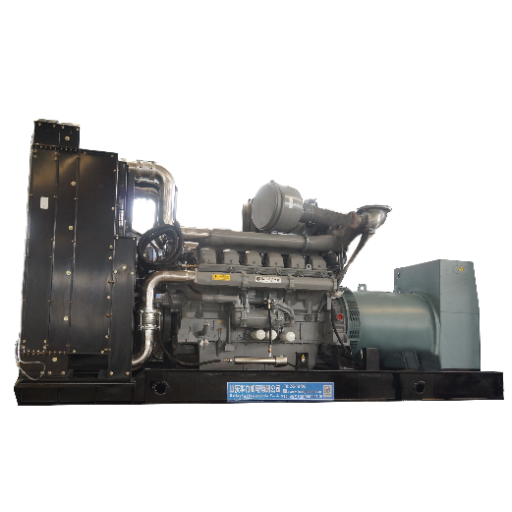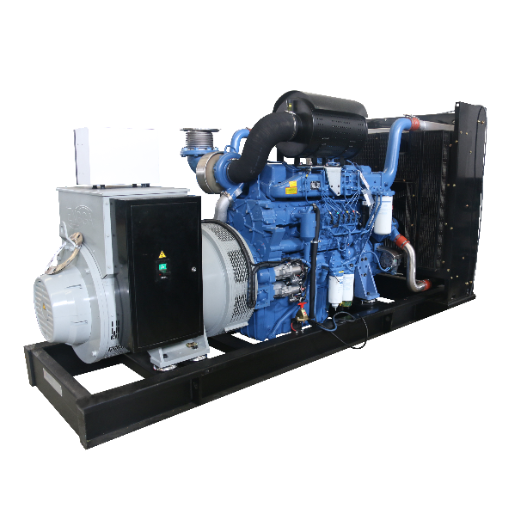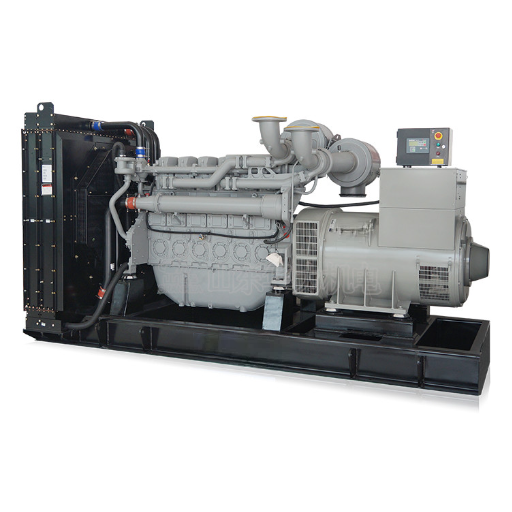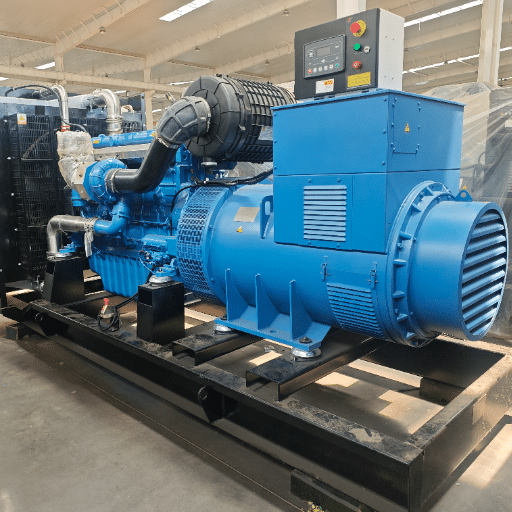


Everyone’s aware that it’s difficult to judge all the technical specifications; whether to buy a budget model largely depends on its impressiveness on paper or long-term performance and counterfeit promise of premium models. The choice, in this context, helps one liberate or bind oneself to the long ladder of cost-efficiency for one’s performance. This guide helps readers distinguish critical differences between budget and premium generators in both portable and standby categories. We will be discussing the main features of both, their performance under different conditions, and tips on determining in which way your case goes. The read will guide you till you reach a compromise with your budget and actual power requirements.
Brief Introduction of Generators

The idea of a generator is the conversion of mechanical energy into electrical energy, also called electromagnetism induction. The components used within a generator run as such: an internal-combustion (IC) engine comprises alternator and fuel system and some control panel. The IC engine runs an alternator that consists of a rotor and a stator. The prime reason behind the machine’s operation is that the engine transfers power to the rotor of the stator, which creates an unvarying magnetic field around the stator and then induces current generation when the rotor runs. This current is given for the utilization of devices or kept for further use. Generators are meant to supply electricity reliably during power outages or in remote areas with no direct access to the grid.
What is a Generator?
The operation of such a generator steps down to the concept of electromagnetic induction. On one hand, mechanical energy is converted into electrical energy, while the other side of the coin represents the transmission of the energy along the parting line from the internal combustion engine. The main driver of the generator is the internal combustion engine. The engine’s rotational energy is transmitted to an alternator, which generates electrical energy. For almost all alternators, complete generation of these components occurs and new steps are subsequently taken toward the overall advantage. The rotor on the alternator rotates within the stator that remains in a stationary position to create changing magnetic fields. This in turn induces electric current of variable aspect in the stator winding. Major determinants of a generator’s overall performance and energy output are the efficiency of the engine, design of the alternator, and fuel type (diesel, gasoline, and natural gas).
Types of Generators
Importance of Choosing the Right Generator
A crucial element in power that informs the potential surety of production is the choice of generator for an appropriate function. Power output, fuel type, noise, portability, and impact on the environment should be the most important considerations in selection. For instance, standby generators are necessary for establishments like institutions in charge of infrastructure functions necessary; they provide essential backup power during emergencies. On the other hand, inverter generators, some of which, offer advanced levels of power for delicate products, offer very low sound output, which can power up something as complex as components in laptops. In other directions, renewable energy like solar and wind generators is envisaged to offer sustainable alternatives, supplementing the already accelerating environmental biodiversity concerns towards embracing green energy alternatives.
In the context of market trends, hybrid models that combine the traditional fuel system with renewable energy elements seem to be gaining ground faster due to the options and fixtures provided. Moreover, the technology harnessed in generator design ensures quiet operations, highly miniaturized generators, not compromising their performance. Hence, by analyzing the operational requirement, availability of fuel, and the maintenance of a machine for the long term, users would select the right type of generator to meet power distribution and sustainability.
Budget Generators

For buyers who only have the budget for limited energy demands, the budget generators are definitely the right ones to power up with. In the case of these generators of limited-size, the power is enough to operate the small appliances, tools, and those on emergency backup supply during power outages. The more advanced qualities like power optimization and noise reduction may be missing from such generators but still, they are performing well enough for the basic loads. It is very essential to take into consideration the main factors like power capacity, fuel type, mobility, and duration of power when buying a budget generator. Reading a lot of reviews of products and customers gives a buyer the chance to make a good and budget-restricted buying decision.
Features of Budget Generators
- Wattage Capacity: Budget generators usually have power output starting from 1,000 watts up to 4,000 watts which are good for running basic appliances like refrigerators, lights or power tools. It is very important to gauge your wattage needs properly so as not to overload the unit.
- Fuel Type: The majority of low-priced generators are powered by gasoline simply because it is one of the most commonly available fuels; however, a number of these generators may also have a dual-fuel option, thus, allowing them to use propane as a secondary fuel for greater versatility.
- Portability: One of the main characteristics of budget generators is their portability and this is seen as being the case since they are featured with compact designs and built-in handles. Most of the units in this bracket will be in the range of 40-120 pounds and some of them might even come with wheels to make transport much easier for you.
- Runtime: Normally, these units provide power for 6 to 12 hours at 50% load, so for homes, or the unusual camping or any other short-term events, such capacity is more than enough, because fuel tank sizes are usually 1 to 4 gallons, which then again directly determines the runtime.
- Start Mechanism: Very often, less costly units start with a rope pulling (recoil) system while a few top-end models in this group offer press-button or remote starting for more user-friendly experience.
- Noise Levels: Even though not as quiet as high-end inverter generators, budget ones usually give off noise levels ranging from 65 to 75 decibels, and this could be boosted even more under a heavy load.
Performance Comparison with Premium Generators
While comparing budget generators to their premium counterparts, there are many performance metrics that help us see the trade-offs between low cost and advanced engineering. Premium generators, for instance, mostly feature higher fuel efficiency that is reached through the use of sophisticated inverter technology that adjusts the power output to the load. This, in turn, results in longer operation on the same amount of fuel and the costs are clouding people’s minds, reduced over time.
Moreover, premium models are often better in terms of power stability as they can provide cleaner electricity with a lower total harmonic distortion (THD), usually under 3%. This makes them a lot more suitable for the devices that are sensitive to the quality of the current like smartphones, laptops, and medical devices, while the budget generators might usually have higher THD levels of the output that can be dangerous for the equipment.
Moreover, in high-quality units, durability and construction quality have seen huge improvements. They usually consist of top-grade materials and have advanced cooling systems that make them even more energy efficient through the continuous or heavy use of the device. Also, Premium generators are silently operated by stronger noise reduction technology, with the noise level as low as 50-60 decibels–a highly beneficial feature in residential or camping spots. On the other hand, with a longer warranty and superior technology, the result is always good for the consumer who values the quality and performance of the product and is ready to pay a little extra amount as the guarantee for it.
Common Use Cases for Budget Generators
Budget generators are used a lot in different fields where cost and functionality are the top concerns. For instance, when electricity is down for a short time, most people at home just use these generators as the easiest backup power source, thus it is possible to keep the electric devices such as refrigerators, lights, and fans working. Besides, their small size and affordability are some of the things that make them a trendy choice in recreational activities such as camping and tailgating, where only a limited amount of electrical load is required to power small electronic devices and other portable equipment. Furthermore, budget generators are frequently used on small construction sites and DIY projects, where they can give energy to tools like drills, saws, or air compressors. They are not designed for very heavy and continuous power loads; however, the balance between performance and cost-effectiveness is good enough to warrant their use as a practical means of intermittent or low-power applications.
Premium Generators
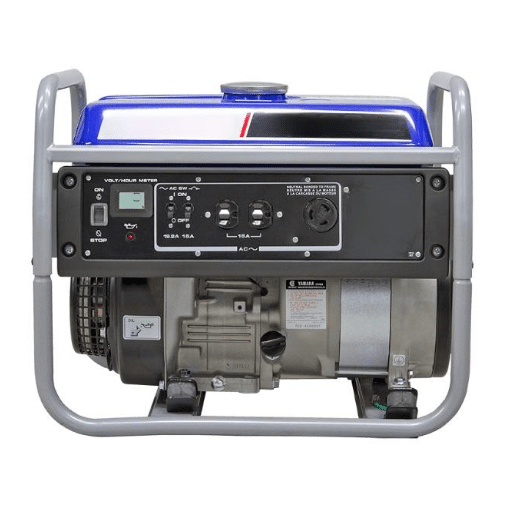
High-performance generators are the main resource in terms of their performance, strength, and power-saving properties. These generators are suitable for heavy-duty commercial and industrial applications where the need for power is continuous and huge. Due to the use of cutting-edge technologies, they also have in-built Inverter Systems for precise power and Automatic Transfer Switches for unbreakable operation during power cuts. Furthermore, the generators under this category are known for quieter operation and less fuel consumption, and hence, they are usually run for longer hours. Even though the initial cost is higher with them, they are still highly cost-effective because of their dependable performance and the various other benefits of long-term usage.
Features of Premium Generators
- Advanced Power Output Technology
Premium generators use inverter technology, which provides a precise and stable power supply with low Total Harmonic Distortion (THD) that is usually under 5%. This factor is a very big plus for the sensitive kind of user who uses things like computers and medical devices. - Automatic Transfer Switch (ATS)
The majority of the finest quality generators that are available in the market are having an Automatic Transfer Switch to guarantee the seamless change-over between the main power source and the generator. This feature has greatly helped in reducing downtime and is therefore imperative for critical facilities such as hospitals and data centers. - High Fuel Efficiency
In order to provide a more efficient fuel consumption, these units come with an advanced fuel management system; they consume fuel more than 30% less than any other generator in the same category. Moreover, some of them have an eco mode which adjusts the engine’s speed automatically to the load, making the fuel used only for the load. - Quiet Operation
In the power generators of the present generation, noise is almost negligible, with most of them running between 50-70 decibels (dB). Their noise-blocking metal boxes and top-of-the-line silencers make them a perfect match for home use and other quiet environments.
- Durable Build Quality
Products of high quality very often contain enclosures that are resistant to corrosion and are made of materials such as aluminum or galvanized steel without any fail in quality. They are constructed in a way that the components are higher wear resistance qualities, hence contributing to the extended product’s life which can be up to 10-15 years by doing regular maintenance - Digital Control Panels
A lucid, high-resolution digital display is always a feature of a premium generator, and it enables easy monitoring of real-time parameters such as voltage, current, frequency, and fuel levels. In the case of the top models, clients are to provide frequent check-ups by satellite as well as smartphones with the Wi-Fi or Mobile App network.
Performance Advantages Over Budget Generators
One of the distinctive merits of high-end generators is their highly competitive performance in comparison with cheap generators. This is mainly due to the sophisticated technology used and the top grade materials available. The biggest point is that they consume less fuel; the fuel saving is the outcome of the engine’s optimal design and the cutting-edge fuel injection system. Such a system of the highest level and activities on the fringes cut the consumption of fuel by as much as 20-30% relative to a typical budget generator, hence making the premium units more economically sound in the long run.
Additionally, premium generators are much quieter than their budget counterparts during operation. The use of technologies such as soundproof shelters and high-level mufflers could lower the average sound to no more than 50-65 decibels consecutively, and thus meet the most stringent noise limits for residential areas and commercial places. On the other hand, many of the budget generators may cause noise that will be measured at over 70 decibels when overloaded hence not very good for noise-sensitive applications.
Another important benefit comes from better power stability and accuracy which are features of the best products. Systems of advanced voltage regulation like Automatic Voltage Regulation (AVR) and inverter technology are used to guarantee that the output fluctuates very little—normally only within ±1% of its rated value. The accuracy plays a critical role in the operation of highly sensitive electronic devices, such as computers, medical equipment, or data centers, where even very small discrepancies can cause problems to the operation or devices.
Ideal Scenarios for Using Premium Generators
Top-quality generators are a must-have in places where power quality is very important. One example is data centers, which utilize these generators to back up and keep on running servers, as a result of the possible data corruption, downtime, and very big finance losses that even a short-term power loss or fluctuation can cause. The critical care areas in hospitals as well as medical facilities are big users of premium generators. They make sure breath is flowing and diagnostic tools are running by providing power to life-support systems and other essential medical equipment from a stable and reliable source.
One of the most important applications is in industry, especially with precision manufacturing or automation, where the irregularities in power supply can seriously affect the performance of the equipment. Also, the top-of-the-range generators are very often found in high-level residential or commercial properties where the house owners or companies are after protecting the complicated home automation systems, security networks, and other luxury appliances. Besides, it will be reasonable to say that no one can ever object to the acceptance of the high Total Harmonic Distortion (THD) level, the noise-free operation during loading changes, and the continually diminishing operational expenses of the fuel, during the course of time. In addition, it would be interesting that all of the above would apply there too; however, in the area of telecommunications countries or in process plants where uninterrupted supply is a must but the grid is either not available or the service is unreliable. Thus, the need for premium and reliable sources of power becomes inevitable.
Cost-Effectiveness

When the matter of balancing the budget and premium generators cost-effectiveness, we have to deal with the costs that are to be paid at the very beginning and the ones which will be coming in the long term. Low-cost generators generally have a lower buying price than others, which can attract those who want to invest a small amount of money first. However, they might need more frequent service, have a shorter life span, and even consume more fuel leading to higher long-term costs.
On the other hand, premium generators, although more expensive when bought, are outfitted with the latest technology and high-quality parts that make them more efficient and live a longer life. Consequently, there’ll be fewer maintenance costs, better fuel usage and lesser downtimes. In the course of time, the advantages are many times neutralizing the high initial investment in favor of the premium generators which are more favorable to the situations where maximum reliability and performance are needed. Users should take into account the specific application, usage frequency, as well as financial restrictions, and come to a conclusion.
Initial Costs vs Long-Term Savings
When it comes to comparing budget generators to their premium counterparts, one of the aspects which has an immense significance in terms of future savings is the performance and efficiency. The generators which belong to the premium category usually come with the introduction of the latest technologies, such as inverters or automatic load regulation, which guarantees a little consumption of fuel in case of varying loads. That is, an inverter generator can supply power to the same extent without the need to burn 20-30% more fuel than the non-inverter models, which is a very big thing when it comes to the long-lasting application that needs power the whole time. On the other hand, budget generators typically do not have as sophisticated operating systems, hence they are among the high fuel consumers, frankly speaking, for prolonged use.
Moreover, the maintenance expenses for these two groups are very different. Expensive generators are usually made much better and have a longer life because they use materials that do not corrode and have components that are more durable and need fewer repairs and replacements. Nevertheless, less expensive generators are subject to more rapid degradation, especially when strained, and, therefore, their through-life costs might be greater. The research reports that the expensive equipment can work for more than 5,000 hours with no or very minor service, while the cheap generators can break down or need major maintenance before it even reaches half of the running time.
Maintenance Costs: Budget vs Premium
If you compare what a budget and a premium generator maintenance will cost you in the long run, you’ll see that it is very important to take both the component quality and the technology integration into consideration. Normally, premium generators have the most advanced diagnostic systems, which can monitor the performance in a proactive manner, alerting users of possible issues much before they become a system failure. These systems not only reduce the downtime but also the costs of unplanned repair. Moreover, the premium line of products usually employs branded filters, lubricants, and resistant parts, which could further prolong the servicing intervals.
However, budget models do not have these advanced diagnostic features and are mainly made of simple, lower-quality components which can lead to more frequent need for servicing. The evidence shows that the maintenance intervals for budgeted generators are many times shorter, with the oil and filter changing time usually coming after around 50–100 hours of operation. On the other hand, the premium ones are able to run for 200 hours or more before the same type of maintenance is needed. This eventually results in a direct increase of operational efficiency and a decrease of service costs for premium models, especially in cases where they are normally used very frequently.
Return on Investment Analysis
The return on investment (ROI) needs to be thoroughly assessed when comparing budget and premium generators; among the determinants that must be taken into account are the operational costs and the lifetime of each variant. Usually, the so-called budget generators have a smaller purchase price at the beginning which is the reason why they are more attractive at first sight for the purchasers who are very particular about costs. Nonetheless, those machines are not likely to last long, the normal duration of which is between 1,000 and 2,000 operational hours with an average number of working hours before they need major repairs or replacement. This drawback is one of the main reasons for increasing the overall expenses during the period for which the generators are highly demanded.
High-quality generators, although they come with a higher price tag, are made with both reliability and energy efficiency in mind. Their long-working-life constitutes, in many instances, ordinary 10,000 operating hours, needing lesser replacements through time. For example, several of the commercial-grade premium type machines are fitted with more powerful cooling systems and the best parts possible, thus decreasing the wearing-out of the machine during its long hour operation. Therefore, the change brings about decreased costs for repair and less labor which brings about big savings for the user in the lifetime of the generator.
Durability and Reliability

In terms of durability and reliability of budget and premium generators, one of the core differences resides in material quality, design, and maintenance features. Budget generators communicate poor material, design, and maintenance quality, resulting in a high rate of failure especially when used heavily or for a long time period. Premium generators, however, mark themselves with the use of high quality parts and designed with much engineering know-how. As a result, they are not only tough and wear-resistant but also can maintain performance in the toughest of the toughest conditions. Furthermore, premium models usually include better cooling systems and the latest safeguards against overloads, that way enhancing their reliability. It is true that the ease of use of the budget models is limited to the light and temporary kind, whereas a premium generator remains the better choice for regular and heavy usage because it is so much more reliable as compared to a budget model.
Material Quality and Build
Quality and structure of the material play a key role in the cheap generators, most of the time they decide to economize on the accounts and make the use of weaker materials as well as plastic elements in making the generator. Although these materials are functional, some may have shorter lives with corrosion, or even cracking when put under high stress for an extended period or harsh environmental conditions.
On the other hand, the most expensive generators normally involve the use of materials of the highest quality like reinforced steel, aluminum alloys, and coatings that resist corrosion to the increase of the strength and durability of the materials. These materials have been carefully designed to endure both extreme temperatures and heavy use, plus being exposed to moisture, giving them the best characteristics and the longest life possible. Indeed, the use of advanced manufacturing methods like precision welding and strong linking systems also helps in the long life and the ability of the premium model to maintain its functionality and quality over times.
Longevity of Budget vs Premium Generators
Despite being a good financial choice, budget generators are mostly built using worse quality materials and increased ease-of-production features which in turn may cause a decrease in their useful life span. Typically, these types of generators are built from run-of-the-mill steel pieces and with as little protective coating as possible. As a result, they gradually become more prone to wear, or rust and eventually mechanical breakdowns. Technical reviews and research have shown that most of these budget generators can provide their best performance for a few hundred hours only and then need to go through costly maintenance or part replacements.
On the other hand, premium generators are designed in a way that they last long and perform efficiently most of the time. They even come with warranties reaching up to several thousand operational hours when properly taken care of. The tasks related to the durability of the systems are notably carried out by utilizing high-quality materials like stainless steel parts, specific treatments restrained corrosion and including coolants that were designed in an unconventional way. Besides, the premium models offer built-in monitoring capabilities and high-efficiency engine design, which altogether result in the reduction of stress during operation and hence, extension of the life cycle. Thus, people needing the constant or the most extended use of the generator find the premium type a better investment in terms of sustainability.
Reference Sources
- “Customer Segmentation as a Revenue Generator for Profit Purposes”
Read the article on MDPI - “Market integration of renewable electricity generation—the German market premium model”
Read the article on SAGE Journals
Frequently Asked Questions (FAQs)
Can a portable generator run my air conditioner or entire house?
Most of the time, portable power units offer enough capacity for essential loads only. If you need to run a central air conditioner and power the whole house at the same time you have to select a high-watt portable super quiet or a larger portable model. And for your home to be completely covered, whole-house generators or a home standby generator are the ones to be mainly sought after since they are the most powerful and reliable source of power for the central air, freezer, and the rest of the power-consuming appliances. In use of the generator it is good to plan your specific circuits and calculate the loads to prevent any overloads. Still, if an RV or a few appliances is the primary concern, then a smaller generator may do the job.
What are the main types of generators and how do they differ for home backup?
Various types of generators are available in the market. Portable generators are one of these types. The other types are standby generators, and entire house generators, which are different in their own way and involves different types of installation as well. Portable generators are mostly used among the needs for portable power and, besides RV usage, but on the other side, you have to install and refuel them manually. Whereas the home standby generator type, the unit is automatically started and connected either to a propane tank or a gas line for a continuous home backup.
How should a homeowner calculate power needs for a home standby generator?
The appliances that you want to keep running deserve the highest priority on your list such as your air conditioner, freezer, and other devices. It is the simple math of addition of their starting and running power ratings in order to know the total amount of power needed. It is quite frequent that the home standby generators are available to support the whole house or big loads so it is important to calculate the correct size of the generator. This way, one can avoid either undersizing or overpaying for a premium brand. Apart from looking out for motors and machines that need a lot of power to be started, also factor in how often you will be using the generator during a power outage.
Is a budget brand generator a good option for occasional use?
A low-cost generator of a less-known brand could be a wise option for your occasional power needs, for instance, for your freezer, a few lights, or an RV, but it could be less durable and noisier compared with the high-end models. If you are going to use the generator very often or you are looking for a source of power that will run your whole home, it is more reasonable to go for a home standby generator or a high quality portable super-quiet model. The differences in warranty, maintenance, and availability of parts should also be included in the comparison of the cheap and the premium options. You should get to know the generators that are possible to be delivered to your location and look up the buying guide articles to help you with your choice of the cheapest yet the most reliable generator.