
Effective placement of industrial generator exhaust pipes is a crucial element to ensure that the system is working optimally, it will secure regulatory compliance and the safety of the employees. This is because the systems evacuate the hazardous fumes produced by the generator’s operation and failure to comply with set standards remains an impossibility. This chapter discusses exhaust systems as a very important part of the installation of the generator in detail, shedding more light on the installation requirements, safety procedures, and the various factors to consider in designing the system. For any engineer, a contractor or a facility manager, these references on installation are important to ensuring the effective use of the system, abiding by the law, and maintaining its operating status in the long run. Keep reading to find out the best operating practices meant to assist in the installation of ductile and appropriate exhaust systems for the applications at hand.
Overview of Generator Exhaust Systems

It is considered essential to have an effective generator exhaust connection that ensures secure and efficient exit of combustion gases that are created during running the engine. This involves both the generator and the area around it and potentially toxic and dangerous gases like carbon monoxide and nitrogen. These will relate to preventing problems in the functioning of equipment, eliminating equipment exhaust gases like carbon monoxide and nitrogen oxides. Typically, systems like these have parts like exhaust pipes, silencers, and supports which are able to contain gas carrying the heat and prevent leakage. Optimizing the system for operation, it is necessary to design the system so that there is no interruption of the gas flow and ensure that the exhaust air is in conformity, all while meeting the building codes and providing ventilation and clearances for maintenance.
Importance of Exhaust Systems in Commercial Generators
The output of commercial-grade generators is an area that contributes greatly to the general discussion on the importance need of making effective use of the operation of the generator exhaust system to ensure that biomass power generation is as safe and effective as possible. For example, this is very important as such systems need to discharge the toxic gases such as carbon monoxide and nitrogen oxides from the generators and their environments. There may therefore arise circumstances where poisons may get stuck when the exhaust systems are lacking or have not been well preserved.
Additionally, improved gas turbine schedules contribute to improved gas turbine performance by decreasing flow resistance, which may otherwise disrupt combustion efficiency and escalate fuel consumption. Innovations in engine exhaust applications including catalytic converters and diesel engines exhaust after treatment systems help reduce the amount of pollutants emitted and ensure that such environmental matters are being handled as the law has stipulated. The incorporation of efficient, well-designed and implemented structural means of exhaust capture and emission control in particular regions becomes paramount in sustaining energy output, maximizing infrastructure utility in service and in being within the realms of safety and environmental laws.
Components of an Engine Exhaust System
| Component | Description |
|---|---|
| Exhaust Manifold | Collects exhaust gases from engine cylinders. |
| Oxygen Sensors | Monitors oxygen levels for optimized fuel combustion. |
| Catalytic Converter | Converts harmful gases into less toxic emissions. |
| Diesel Particulate Filter (DPF) | Traps and removes particulate matter from diesel exhaust. |
| Exhaust Pipes | Direct exhaust gases from the engine to the tailpipe. |
| Muffler | Reduces engine noise through sound absorption technologies. |
| Resonator | Enhances acoustic performance by reducing specific sound frequencies. |
| Exhaust Temperature Sensors | Monitors exhaust system temperature for safety and performance. |
| EGR Valve | Reduces nitrogen oxides by recirculating a portion of exhaust gases. |
| Tailpipe | Releases treated exhaust into the atmosphere. |
Understanding NFPA Standards
The National Fire Protection Agency (NFPA) produces many best practices that in different sectors are aimed at ensuring minimum dangers as well as destructions caused by fire. This is why their standards have many requirements regarding design, installation, and maintenance laid down so that casualties due to fire and other risks are highly minimised. Such codes perform checks on such systems as fire suppression, electrical installations, and construction of buildings. Every NFPA code is prepared in detail and kept up to date through extensive technical research, peer reviews, and industry wide consensus building.
To illustrate further, NFPA 72 specifies the design and testing requirements of fire alarm systems, while NFP 70, also known as the National Electrical Code (NEC), deals with the proper installation of electrical wiring and equipment. The observance of the mentioned requirements helps to prevent the loss of system function and to reduce hazards on sight to people and property in habitations, businesses, and factories.
Design Considerations for Exhaust Systems

To ensure that an exhaust system performs its purpose optimally and meets all compatibility and safety standards, the following primary factors should be analyzed:
- 01
Airflow Requirements
Adequately estimate the amount of air flow ever necessary (in cubic feet per minute – CFM) in relation to the loose-based contaminants in the space to get rid of the appropriate levels of unwanted heat or pollutants. - 02
Duct Design
Avoid excessively large ducts that create too much resistance or pressure drop in the system, have soft lined ducts and ease the number of sharp angles to allow for easy air flow. - 03
Ventilation Standards
The proper ventilation and exhaust design principles and rates such as ASHRAE standards and regulation including the International Mechanical Code (IMC) need to be addressed. - 04
Material Selection
Ensure that the materials selected are strong yet non-reactive, and if necessary, refrain from transporting water across the systems with corrosive materials. - 05
Noise Control
It is suggested that measures such as silencers or insulated ducts are considered to reduce noise disturbed by system, particularly for sound-sensitive areas. - 06
Fan Performance
Providing exhaust fans with the estimated performance and efficiency for use. Due care points are in the proper placement of the exhaust fans and ensure that they are able to handle the minimum static pressure and the required air flow amount.
It is within the regulations and requirements that the services of the exhaust management systems can be of great help to their full development and health safety to their achievement.
Initial Design and Planning for Installation
One of the main features which are of prime importance to ensure the effectiveness and safety of an exhaust system is an early stage of its design and planning. In this phase in view it includes a detailed position assessment of the site for space restriction, ventilation easements and potential impositions such as building structures or also mentions that the design must not be harmful to the environment. There is a need to ascertain the quantities of air that would satisfy the ventilation factors should the ductwork be installed to assist in maintaining the air quality and the working environment.
On top of this, we should definitely bear in mind the question of how to avoid resistance or inefficiencies triggered by increased pressure gradients or, in other words, to ensure proper duct rendering and avoid any unnecessary torsion. As another idea, one must give a dire thought to the material to be used, whether the material is suitable in the operational environment as to whether the material will face any corrosive elements or has to undergo extreme temperature applications so that it serves its purpose to a desirable period of the project registration. Finally, the field is quickly transforming with improved methodologies including the latest innovations such as adiabatic control systems which maintain standby over periods of discharge in the absence of heat exchangers as a cooling system.
Material Selection for Exhaust Pipes
It’s important to consider different factors such as thermal resistance, corrosion resistance, etc., when selecting materials for them. Such components handle a huge amount of heat and resistance to such heat as well as the thermal shock from temperature changes is also essential. This is where stainless comes in, more especially austenitic grades, e.g., 304 and 309, having a zero rate of ferritic segregation while still able to withstand the heat cycles and corrosion very well.
In case of applications where there is a need for a material that has both great strength to weight ratios and can resist extreme temperatures very well, the use of materials like titanium is usually considered also the mentioned materials come at high prices Medical technologies are just one representative example when reconstructive surgery need is to be helped in depends on highly competitive industries, such mobile telecommunication. Such factors all differ according to the materials used and other factors and what is critical in one instance may not be so important in another. Material science has made it possible to employ new combinations of materials elsewhere, e.g., coated or composite materials that would extend the useful life of the product and reduce its respective strengths.
NFPA 110 and Compliance Requirements
Regulatory Note
NFPA 110 distinguishes between Level 1 systems — which bear the most risk of harm to occupants — and Level 2 systems, which support operations that are less risky.
NFPA 110, the Standard on Emergency and Standby Power Systems, is structured aimed at the development, arrangement and continuing operation and maintenance of systems envisioned to provide power that is crucial during times of power failure. This standard encompasses the fundamental characteristics describing how standby power systems and the relevant equipment work; it does not overlook the measures for the reliability of such systems when normally expected to be in active states of operation. Functions of the equipment are established as acceptable if they conform to the standards outlined in this chapter or in other drafts. Compliance is broken down into directions for both the specific types of systems and for the different levels of systems. For instance, Level 1 systems bear the most risk of harm to occupants while Level 2 systems support operations that are less risky.
In addition to the above requirements, NFPA 110 requires that fuel automation and fuel tank management shall be maintained, i.e., preventive or breakdown maintenance, periodic testing under load, ascertaining fuel tank quality, and any visual inspection to ascertain any faults which may develop. Enhanced energy monitoring capabilities and self-diagnosing systems have simplified achieving NFPA 110 compliance, making it easier for businesses to handle and store network performance data as well as it improves system reliability by foreseeing and fixing any defaults. It is the aim of all safety regulations to contain and eliminate risks to enable economical operations at all times including during emergency events.
Installation Best Practices
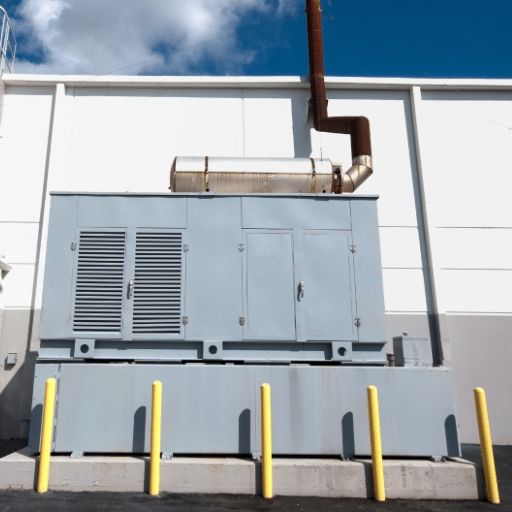
The installation of an exhaust system is very important because the efficiency of the appliance and the health and safety of people can be involved if the installation is wrong. The first step is selecting exhaust components that conform to the particular requirements, are easy to integrate with the generator set. When it comes to placement of the exhaust discharge, always refer to the guide of the manufacturer making sure to tweak the position as necessary so as to avoid interfering with local building and fire codes.
The most important part is to quickly and carefully fix all joints and pipes to avoid any possible leakage with the help of soundproofed materials that are used exclusively in vehicle exhaust systems. If the exhaust pipes are directed towards the back and present enough space, undertake to carry out more complex development stage in planning such exhaust of the automobile, certainly supporting the moving parts. Take necessary measures in such areas as the use of insulating materials and thermal blankets to minimize the prevailing temperatures in some sections.
Step-by-Step Guide to Exhaust System Installation
On-Site Safety Protocols During Installation
■ Safety Advisory
Operating personal protective equipment (PPE) — including gloves, glasses, and steel-capped boots — shall be maintained at all times when working with aggressive chemicals and heavy machinery.
It is the essential norms followed during installation that result in the prevention and zero causative injuries in addition to smooth running of the tasks. It is very necessary that operating personal protective equipments (PPE) for instance gloves, glasses, steel capped boots and like all leaves for making thin cutting objects, aggressive chemicals, heavy machinery etc., shall be always put on. The workplace also has to be clutter-free so as to avoid any trip and fall hazards and tools should be checked for defects or condition prior to their use to avoid machine malfunction. Considering that toxins may be present in solvents, primers, adhesives and other related potentially harmful products such as fume units as bulky and of sufficient capacity should be provided. One must also remember that protection against electrical equipment comes extreme on any safety measures checklist when installing what the manual calls most relevant containing adhesives materials. This is what, in addition to clear communication and discipline, makes it easier for an institutional setting to be safe and efficient.
Performance Optimization for Exhaust Systems

01
Regular Maintenance
Check for clean the ducts, fans and filters and remove the unnecessary debris that may clog the system. This is done to ensure better performance and longer duration of all the parts.
02
Proper Sizing
Proof that the exhaust system is sufficient for the activity exhaust treatment. Under-sizing exhaust systems may not provide practical ventilation, while oversized systems may lead to depleting energy.
03
Energy Efficiency Upgrades
The most current research recommends replacing it with energy-saving models. The consumer energy consumption issue is addressed without impacting the service level, which is the key concern for all parties involved.
04
System Balancing
Monitor the distribution of air flowing throughout the system to ensure extraction from all places, without creating weak areas.
05
Compliance with Standards
Evaluate the system upgrades and performance measures in line with the standards in the respective industry (e.g., ASHRAE guidelines) for the purposes of safety and durability.
Maximizing Energy Efficiency in Exhaust Systems
The operation of exhaust systems and reduction of their energy consumption to the lowest level possible can be achieved through a systemic approach in the optimization of individual elements of the system. This is particularly in the use of energy efficient fans and motors. The use of advanced variable speed drive (VSD) technology enables the fans to adjust their speed and run only at speed necessary under specific manufacturers’ requirements and thus limits the amount of energy used during intervening periods of reduced airflow to a very high percentage. Also alleviating the pressure drop across the system is the use of high-efficiency filters eliminating the resistance of airflow and consequently reducing the power consumption needed for the operation.
Moreover, the incorporation of sensors and automation controls within a system allows it to reach a point where it can accommodate the dynamic changes produced in the atmosphere in such a way that energy is used effectively, yet it does not reach unwanted consumers. This adjustment and real-time activators automatically ensure that the operation of the system reaches the maximum operational ability in subsistence in all possible uses in a given facility. Also, in reducing operational cost this will assist in achieving a system that is operational, sustainable and reliable.
Monitoring for Leaks and Performance Issues
The effective monitoring for leaks and, maintenance and performance-wise issues, are all essential factors to consider to ensure intact system operation. Thanks to more sophisticated sensor and diagnostic technologies there is a possibility for detecting even the smallest defects which can signal about the leakage or the decline in performance. In cases where the data from such monitoring systems is current, specialists will be able to spot problems the abnormal pressure, the flow rates and temperature deviations in an effort to stop any damage as early as possible. This is further supported by the fact that there’s a system service uptime from wasting what let’s go into varying conditions. In addition, the adoption of the techniques like machine learning and predictive forecasting helps identify irregular signal changes and makes a contribution to greater demands for costs for repairing appropriate systems, and methods that enhance the performance of the systems are sought and found.
Regulatory Compliance and Maintenance Procedures
It is important for any business that operates using a comprehensive system or plan that contains all the necessary components of that system, to also ensure proper compliance to operate and maintain systems with regard to consistent standards. It ensures the adherence to all the set legal standards, industry norms and health and safety protocols by compliance. Best technical practices include but are not limited to, statutory requirements for routine inspection and audit protocols. However, this is taken to mean the activities or tasks that are aimed at minimizing a breakdown or malfunction of various types of equipment. This includes activities in relation to equipments such as checking the state of machines at the manufacturer’s specifications. With the prevalence of advanced technologies in real-time data gathering, compliance can better accomplished bridge the gap for advanced maintenance or repair and management. This approach will not only prevent the need for fines from non-compliant activities, but especially for operations, it also helps maintain the assets for a longer period, which in turn benefits the company as well as the stakeholders.
Final Inspection and Maintenance of Exhaust Systems

The three primary areas of concern, to manage a criticality of optimality and compliance, within the checklists that should be considered during the final step of inspection and repair any tubes, channels, or ducts, include:
It is quite clear that the above-mentioned procedures, which aim to promote compliance with the recognized standards, shall be followed so as to protect the exhaust systems from any damage.
Checklist for Final Installation Inspection
-
Verify Component Integrity
If exhaust pipe wear and tear are necessary to verify all parts, exhaust clamps, hangers, and holders are fixed correctly and there are no big visible problems on them due to cracks or corrosion. -
Check Alignment and Clearance
Make sure the exhaust is positioned properly. Make sure it is kept far from components/surfaces that can get heated and fuel lines to prevent them from heating or the vehicle floor from getting damaged during use. -
Evaluate Seals and Connections
Check all fitting places of seals, gaskets and adjoining elements for installation correctness. Also, carry out a pressure test to determine the presence of bladders and locate potential faults before the welding activity starts. -
Measure Backpressure Levels
Utilize proper tools to determine the amount of backpressure within the system with the aim of ensuring that it is with the stated acceptable range by the manufacturer, for maximum engine output and exhaust capacity. -
Assess Noise and Vibration Levels
Carry out a functional check of the system to confirm it is devoid of excess vibrations and more importantly, that it adheres to the limits set for noise. If noise levels are too high, this is an indication of incorrect installation or a defect of the parts. -
Ensure Compliance with Emission Standards
According to the specific requirement, all the emission controls applicable to that particular system must be evaluated. This should include going out to check and properly monitor the operation of catalytic converters, diesel particulate filters and other associated emission reduction devices.
Routine Maintenance Practices for Longevity
Optimisation of the degree of effectiveness, through frequent and routine checks and adjustments, equipment service can be extended within the prescribed limits. Specific maintenance procedures include regular checks on oil levels and other fluids that are preserved for their lubricating effects and to enable the system to work at the highest efficiency, as disregarded fluids tend to facilitate overheating or wear and tear. The preventative checks will further include looking at the condition of the belts, hoses and other seals for any wear, cracks or leakage since, in the nature of these devices, deterioration and replacement are inevitable over time.
Cleaning or changing air filters, oil filters, and fuel filters so that any kind of impurities do not enter these viscous machines is essential at all times to provide an interruption-free service. It is of paramount importance that system components are aligned and setup correctly and maintained this way so as not to cause discomfort to the system or cause any potential efficiency reductions. Proper observance of such practices will be successful in averting disturbances, enhancing the delivery up to the full power of the system and adding useful life to it.
Responding to Compliance Audits and Inspections
Operational norm conformity is a high priority for a company or an outfit. The reason why such checks are carried out and are considered very necessary is important in order to devise a compliance audit. The approach to the compliance audit should revolve around the legal and contractual standards and respect the environmental concerns contemporary to any particular industry. Accurate record keeping is perhaps the most crucial element; keeping and updating logs, standard operational procedure or policy and practice files as well as operations records will ensure transparency and demonstrate responsibility.
Moreover, carrying out a series of evaluations and activities at the company will bring such identified weaknesses and other issues to the fore and address these measures proactively to curtail any chances of non-compliance. Technology can go a long way in keeping track of changes to the laws and implementing the necessary standards. However, through instilling an ethos of compliance and change, an organization can attain, and even progress above, the standards expected by the auditors and inspectors which in turn enhances operational integrity and reduces the possibility of encountering legal or financial risks.