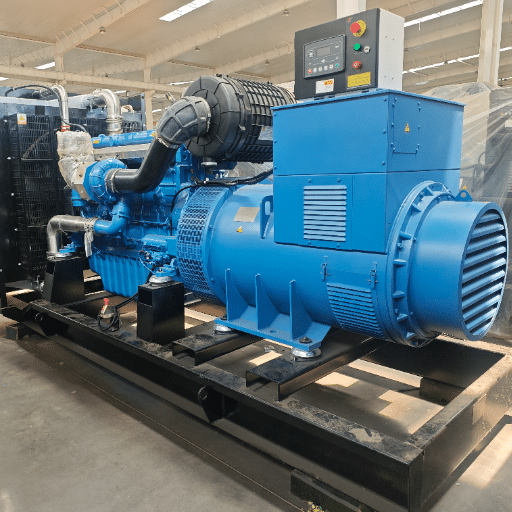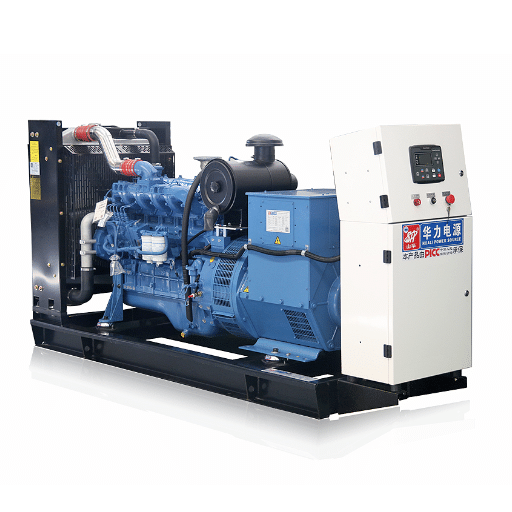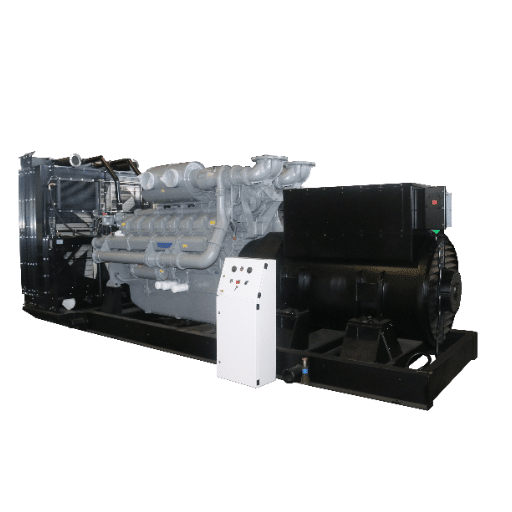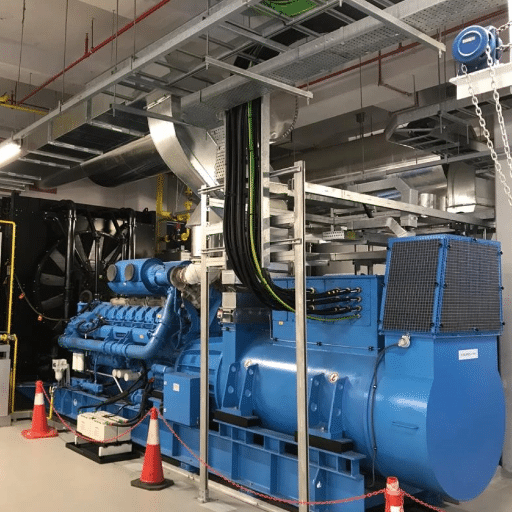

A critical need for any US facility in the manufacturing or any other sector is the use of an industrial power generator. This is especially so since the current facilities not only need to protect their equipment, but also reduce the amount of downtime suffered when there is no power in the facility. This industrial generator installation guide is intended to act as a comprehensive guide for the manager responsible for maintaining the factory or plant, installation engineers who do such work and the key decision makers. Readers will look at the site evaluation and regulatory compliance, the design and installation of the system and the more technical aspects of this skill area such as how the system performs, the real installation and the certification center testing. These are the most crucial factors, which if not paid attention to, may end up jeopardizing the entire installation process.
Section 01
Understanding Industrial Generators

Industrial generators are usually large pieces of machinery that perform the central purpose of converting mechanical energy into electrical energy so as to guarantee consistent power supplies within the needed facilities in cases such as power blackouts and instances where the common grid electricity is not available. Such generators are therefore designed with durability, performance, and overall long use in mind and hence come in handy in construction projects, manufacturing industries, hospitals, data centers and the like. Again, mostly they ignite diesel, natural gas or propane, depending on what is more easily obtainable and the reference application. These help to ensure there are minimal chances of breakdowns owing to lack of power and the accompanying silencing issues when machinery is being used.
Types of Industrial Generators
| Type of Generator | Fuel Source | Primary Application | Key Advantage | Capacity Range |
|---|---|---|---|---|
| Diesel Generator | Diesel | Manufacturing, construction | High durability | 10 kW – 3,000 kW |
| Natural Gas Generator | Natural Gas | Hospitals, data centers | Clean emissions | 20 kW – 2,000 kW |
| Propane Generator | Propane | Remote locations, businesses | Long fuel shelf life | 5 kW – 400 kW |
| Portable Generator | Gasoline or diesel | Emergency backup | Easy portability | 1 kW – 20 kW |
| Standby Generator | Diesel, natural gas | Critical infrastructure | Automatic power start | 8 kW – 2,000 kW |
| Solar Generator | Solar panels | Sustainable energy use | Zero emissions | 1 kW – 10 kW |
| Hybrid Generator | Diesel and renewable | Remote or eco-sensitive areas | Fuel efficiency | 10 kW – 1,500 kW |
Key Components of a Generator Set
| Component | Description | Key Function |
|---|---|---|
| Engine | Converts fuel into mechanical energy | Powers the generator |
| Alternator | Converts mechanical energy to electrical energy | Produces electricity |
| Fuel System | Stores and delivers fuel to the engine | Ensures continuous fuel supply |
| Voltage Regulator | Stabilizes output voltage | Maintains steady power output |
| Cooling System | Removes excess heat from the engine | Prevents overheating |
| Lubrication System | Reduces friction within moving parts | Enhances engine durability |
| Control Panel | Monitors and controls generator operation | User interface and monitoring |
| Battery Charger | Maintains the generator battery | Supports engine startup |
| Exhaust System | Expels engine combustion gases | Ensures safe operation |
| Frame/Enclosure | Houses generator components | Provides structural integrity |
Choosing the Right Generator for Your Business
To opt for the ideal source of power for industrial use takes into account these and other vital criteria for efficiency that must be carefully studied, in order to make an informed decision of the purchase. The following are the most common factors:
-
- 01
Power Requirements
While busy working on an innovative project, it is significant for the creator to look at the electric power demand calculations aimed at the business. It is vital to first determine the wattage required for lighting and the electrical works operations of the business at the peak times which is an integral part of evaluating total power demand.
- 01
-
- 02
Fuel Type and Availability
In most cases, the kind of fuel that runs the generators are almost always liquid ether diesel, natural gas, or propane. The long-term focus of diesel generators is that they will be able to withstand high loads with ease, but it only gets better in allowing substantially clean the atmosphere by offering natural gas generator options if provision of gases in use can be easily managed in relation to the geographical location as far as fossil derivation is concerned.
- 02
-
- 03
Runtime and Fuel Efficiency
Calculate the operating time of a generator on a full tank of fuel and its fuel consumption under a loaded condition. Use of such generators, discussed as high efficiency can contribute to significant savings on running costs, which is particularly relevant where the generator is used frequently.
- 03
-
- 04
Load Management Features
Present day generators are commonly enhanced with the ability to de-energize excess loads and in that way they can even cater for the efficient distribution of power. Automatic transfer switch (ATS) equipped generators can readily adapt to the resources when there is an instant increase in load through loss of power.
- 04
-
- 05
Noise Levels
In some cases, depending on the position and scope of operation, there is a need for particular equipment to adhere to some levels of noise regulations. Special attention should be given to the generators designed with sound proof containers or those that are installed with exhaust sound attenuation devices when the operations are being done within areas with noise restrictions.
- 05
-
- 06
Maintenance and Serviceability
It is generally agreed that frequent checks and routine services will prolong the life of a generator set significantly. Modern generator sets equipped with friendly checking points, reliable components and remote maintenance systems make it easy to maintain the generator, thereby reducing waste time and cost for the users.
- 06
- 07
Regulatory Compliance
Generators sourced must meet requirements with regard to emissions, safety and code of practice in building codes. For example, diesel generators that are subject to the Tier 4 regulations which is a requirement for all gas engines meet all the emission demands from the EPA and therefore fine in areas where the environment is still protected.
Carefully examining these aspects not only makes your decisions more organized but also readies your business for power outages so as to promote smooth running and productivity.
Section 02
Industrial Generator Installation Process

- 01
Site AssessmentAt the start of the process, an extensive assessment is made at the site for finding out the energy requirement, infrastructure available for the facility and the unused space. This method is important so the dynamics of the selected generator suits the activities of the center without sacrificing the much needed space considerations as well as operational requirements.
- 02
Permitting and ComplianceBefore installing, it is quite crucial to know and fulfill the pre-requisites and enlist the support or involvement of federal and local authorities in their regime. One may have to adhere to norms on local emissions as well as EPA policies or acquire the requisite construction permits.
- 03
Generator Positioning and PreparationSite specific considerations such as access, ventilation, nearby critical systems and other factors determine the appropriate location of the generator. In addition, the use of vibration pads or creating a concrete foundation will assist in ensuring that noise is contained and the generator operates flawlessly.
- 04
Electrical and Fuel System IntegrationThe very nature of the processes involved in the installation of the generator. The installation of a generator set requires the generator to be connected to the establishment’s electrical system via a transfer switch to be able to operate the device during periods of power outages.
- 05
Testing and CommissioningEffective commissioning of generator comes after the generator has been fully set up. The purpose of load testing is to determine or capture the requirement and design condition of the system, such as ability to maintain power transmission facility or equivalently, it adjusts the effective measures.
- 06
Training and Maintenance SetupAnd before the generator is handed over for use, training and familiarization of staff should take place. It is important to have a program centered on preventive maintenance in order to ensure that the generator runs consistently and in perfect conditions, as well as adheres to the warranty conditions.
Planning and Site Selection
Good planning and picking the right site is undoubtedly a skill always connected to the effectiveness and reliability of any gas generator plant. The procedures typically cost energy planners through evaluation studies focusing on demand requirements in various aspects where energy consumption has to be forecasted such as in peak demands, there are demands as units running in continuous load, ranges of other loads and projection of demand to the future period of a certain timeline. Demand identification precedes the search for a site that is within the required criteria in terms of safety, convenience, and eco-friendliness. As much as no location is ever free of risk with or without hazardous exposures, the optimum must be to avoid floods and extreme environmental temperature conditions in such places. Everyone must be able to work in any location; there must always be adequate lighting and ventilation.
Local factors as well as building code requirements also come into play in the placement, such as the necessary nearness to power supply, the type and the distance to a fuel source, the need to take into account emissions regulations when it comes to radiation and heat, etc. Reasons for acoustic treatment demand including recessed enclosures and shields if positioned to generate sound in residential areas should be considered. Possibilities for considering the use of geospatial technology as well as data analysis equipment are aimed at performing more accurate measurements of the geological features of the territory and the logistical requirements, which state even better level of accuracy in decision making and the effectiveness of use of the designed system.
Site Preparation for Generator Installation
Before you install a generator, sited it well means considering its location, such as whether it can fit appropriately and in conformity to the standards. Homesteads should be graded accordingly to avoid also sunny water to accumulate as it can damage the generator electronics and in the worst case rust the device. Always make sure there is a structural engineer who will calculate if the land can carry the weight of the generator as well as the amount of vibrations. It is essential to carry out a comprehensive assessment to mitigate subsidence risks that might result from the use of heavy generators.
In order to maintain the overall strength of the facility, the base should be built as outlined by the manufacturer which in most cases is a reinforced concrete pad built under dynamic and static loading. The setup where the generators are installed in seismic regions is usually suspended on seismic isolators or using seismic mounts for the genset engines. Moreover, some clearance for the purpose of serviceability and airflow for the cooling systems’ safety is necessary hence there must be a ventilation in accordance with the safety code requirements.
With critical information from the weather watch office including severe weather data and the effects of winds and flooding in reinforcing the reliability of the installation. Such a worked-out regime of generator installation also safeguards the general effectiveness and minimizes the basic equipment affecting operational problems.
Professional Installation Best Practices
Optimal functioning of industrial generators largely depends on whether strong foundations have been laid. These foundations have to be engineered in a way that follows the standard guidelines of the profession which includes being able to handle the load that the generator and its accessories put on the structure. In seismic active zones, it is advisable to fit the generator with bolts which are compliant with earthquake durability, in order to decrease the no-displacement probability and enhance the performance continuity during vibrations.
Undertaking accurate and intricate processes in the installing of the generator makes the inclusion of proper electrical connections very important if the generator is to have perfect integration into the available power system. This is normally achieved through using cables that are correctly sized, ensuring the integrity of the proper earthing system and the employment of auto transfer switches which help to switch power seamlessly in case of power failure. An equitable load sharing also needs to be done in order to avoid pushing excessive loads in particular phase/s and to get the most out and reach the life span of the generator.
As far as operational reliability is concerned, optimize coolant and fuel systems for the generator can also be added in the list of best practices. Corrosion or leaks from the fuel lines must be inspected and prevented; and the location of the fuel storage tanks should be such that any contamination or condensation that may occur is also minimized. Furthermore, there are temperatures and velocities of coolant that are needed to prevent overheating within the specific operating durations.
Section 03
Permits and Compliance

Industrial installations of US generators necessitate compliance with established standards and conditions at the level of federal, state or local regulation making the installation legal and secure. Here are the leading industry principles:
- 01
Environmental PermitsIn most cases, such installations will require a Void of Air Permit which is provided by the state or local environmental agencies. In addition, the Clean Air Act regulates pollutants such as generators; therefore, it may require an evaluation of emissions compliance.
- 02
Electrical PermitsBuildings require construction permits that allow electric installations in compliance with the National Electric Code (NEC). This is usually backed up by calls for inspection by qualified professionals to establish the status of observance of the electrical safety precautions as demanded by the law.
- 03
Zoning and Building PermitsIn some cases, zoning laws may also specify where the generator can be located and how loud it can be. Furthermore, building permits are typically required for structures around such generators and for how they are installed.
- 04
Occupational Safety ComplianceOSHA’s regulations are somewhat significant. Users of the equipment need to know how to use it properly, for example the emergency stop device or training of the workers.
- 05
EPA ComplianceFuel-powered engines such as diesel-powered portable generators should be registered or the EPA would need to be informed depending on the size or application of the system. Spill prevention, containment, and fuel storage plans may also be categorically applicable in some cases.
It is recommended to work together with the government authorities and professionals to address the specific needs of one’s installation.
Necessary Permits for Generator Installation
When you are preparing for a generator installation, consider overcoming legal obstacles first as it is very important as one has to be compliant to city and state laws and even Federal Law. It is common for the building department to require building permits which involves presenting floor plans, schematics, and weights to the local building department. This would require a detailed site plan unless a variance application is being submitted. Depending on the situation and the outbuilding or outdoor generator, it may also be necessary to secure a zoning permit to address items such as height, blockage of view, and whether or not a warranty is in place. There is an increased need for fire department approvals in commercial and industrial applications including generator back-up systems as well as environmental permits where the fuel source is diesel-powered.
Applying for permits due to generator’s connection to utility supply might pressure the need for utility interconnection permits to ensure that the generator and utility networks are in synchronization. In this regard, the required documents for such permits involve confirming compliance with power secular rules and, in some cases, the inspection of work and commissioning by the utility provider. Failure to seek out the permits will expose the subject to severe penalties and management may also experience delays. One is always advised to interface with a qualified professional and adhere to the authority’s status quo during the organization’s completion process in setting up the project.
Regulatory Compliance Considerations
Industrial generator systems compliance with environmental laws is undoubtedly a cardinal point in the installation. The existing legislation in different areas, such as for instance the one on emissions, especially for the diesel generators, is quite severe. For example, the Environment Protection Agency in the USA enforces the Tier 4 standard for off-highway diesel engines, which is effective in limiting particulate matter (PM) and nitrogen oxides (NOx) emissions. The users must see their systems in compliance with this level of NOx emissions or try to improve the old generators by fitting them with more efficient emission control devices.
In the urban or residential areas special attention should be paid to the compliance with the noise safety standards. For instance, installation of enclosures with a noise-proof wall or removal of generators from noise remote zones are basic countermeasures. The permissible audio levels and permissible values of the decibels of noise enumerated in the legislation of different countries often require the maximum diligence, in order to avoid fines or sanctions which may be imposed within the territory. All these things apart, it is necessary that project managers take into account the eco and noise levels at the initial stages of project development in order to ensure conformance with them.
Environmental Regulations and Compliance
It’s crucial that every industrial generator sits as per the criteria for clean air. A department under the laws of the mentioned industrial country called the Environmental Protection Agency (EPA) ensures that the rated standards of emissions for both the Diesel and Natural gas generators including nitrogen oxides (NOx), particulate matter (PM), and carbon monoxide (CO) limits, are met and observed. There are areas where special conditions are input in the standards that are put within the country in order to meet the country’s objectives on air pollution control, such areas where additional standards are localized are the areas that are not in accordance with the Clean Air Act.
In order to be compliant, project engineers must verify the generator’s parameters based on local and State standards, as well as introduce more sophisticated anti-pollution devices such as selective catalytic reduction (SCR) systems or diesel particulate filters (DPFs) into the design of the equipment. Additionally, there are situations in which the use of documents such as an air quality permit or an operating permit may require the showing of emission estimates and methods of controlling the same. Doing dispersion modeling in cases where it is accepted, applying the language of the law to the promised place, is conducted in order to prove that emissions do not trespass any acceptable value, particularly in designated environmentally constrained zones. Such unmeasured steps are crucial in the context of supporting sustainable processes and concurrently adapting to environmental standards.
Section 04
Backup Power Solutions

It is essential to have backup power to lessen the impact of power failures during business activities and maintain service continuity in critical processes. The implementation of industrial power solutions in the United States should take into consideration the mitigation of specific power needs when designing or procuring backup power systems, also in the context of national and regional regulations such as NFPA 110 for emergency and standby power generation units. In order to lower the challenges caused by a power cut, the installations should be so robust that:
- 01
Assess Power RequirementsIt is necessary to determine the readiness of the power use system, which is designed to meet the demands of power during peak hours and some operational needs of the entity when the normal power supply fails.
- 02
Select the Appropriate GeneratorIt is relevant to have a marginally greater or equal capacity to demand generators with the most appropriate fuel for the intended application and to capture potential excess fuel.
- 03
Ensure Code ComplianceEvery method of construction has its own codes designed especially for that particular kind of installation and those must be architectural, mechanical, electrical standards with ventilation, emissions and distances of building limitations.
- 04
Regularly Maintain EquipmentAs scheduled, conduct normal system checks regarding the fuel company used through functional performance tests to ascertain the system’s performance in case of any breakdown.
Backup power supply systems are usually installed in many industrial sectors to protect against electricity faults and problems for the general factory welfare.
Understanding Standby vs. Backup Generators
| Key Point | Standby Generators | Backup Generators |
|---|---|---|
| Primary Use | Permanent, automatic emergency power | Temporary, manual or semi-automatic power |
| Activation Method | Automatic transfer switch | Manual or external initiation |
| Power Supply Duration | Long-term, continuous during outages | Limited, depending on fuel and capacity |
| Installation | Fixed, requires professional setup | Portable or temporary setup |
| Power Output | Higher, suitable for large operations | Moderate, for small to medium loads |
| Maintenance | Requires regular servicing | Basic maintenance for occasional use |
| Fuel Type | Gas, diesel, or natural gas | Usually gasoline or diesel |
| Cost | Higher initial investment | Lower initial cost |
| Ideal Use Case | Large-scale operations, businesses, hospitals | Residential homes, small-scale applications |
| Noise Level | Quieter due to advanced insulation | Louder, especially under heavy load |
Diesel vs. Natural Gas Generators
| Parameter | Diesel Generators | Natural Gas Generators |
|---|---|---|
| Fuel Availability | Widely available globally | Requires proximity to gas pipelines |
| Fuel Storage | Easy on-site storage | Limited due to infrastructure |
| Startup Speed | Quick startup | May take slightly longer to stabilize |
| Efficiency | Higher fuel efficiency | Less efficient over extended periods |
| Environmental Impact | Emits more pollutants | Cleaner and lower emissions |
| Durability | Robust and long-lasting | Less durable under continuous use |
| Operating Costs | Higher due to fuel pricing | Lower operational costs |
| Maintenance | Requires frequent servicing | Longer intervals between maintenance |
| Noise Level | Louder compared to natural gas | Quieter operation |
| Temperature Performance | Optimal in all weather conditions | Performs best in moderate climates |
| Cost Efficiency | Better for continuous, high-power needs | Suitable for intermittent use |
Fuel Storage and Management
Storage and management of fuel material which the generator utilizes is considered important, not only because it contributes directly to the operational safety of the generator in the long run but also because it directly affects the efficiency and reliability of the generator. Diesel gensets bear the necessity of having oil kept in an environment that is free of impurities and operated inside tanks whose material of construction is suitable such as steel or high-density polyethylene, to prevent any possibilities of having rust.
Surely, it’s true that intervals are important since waters can easily accumulate; the same applies to any microbial organisms and dirt that may be present reducing the performance of the generator and affecting the life of the engine. Nevertheless, diesel is quite perishable, losing its concentrations in between 6-12 months; hence some additives may be necessary to keep it active for a longer period.
In contrast, natural gas is delivered by pipeline systems, so it does not need to be stored on site in a tank either. That means there is no risk and inconvenience of refueling by using labor as in the case of the other fuel types. However, care should be taken to get in touch with the local utilities and ensure that sufficient gas is supplied at optimal pressure available for the smooth working of the generator.
When using the two types of generators, it is important to have fuel supplied according to a fuel management plan. This plan will involve checking fuel levels at regular intervals and ensure that it is done while meeting the required standards of environmental storage as well as testing and testing all equipments at different intervals. In view of the above in reference to proper storage and handling of fuel, generator operators stand to reduce the exposure to risk, achieve the highest level of efficiency, and optimize operational lifetime expectations.
Section 05
Maintenance and Operational Best Practices

- 01
Perform Regular InspectionsAs per the schedule, visual inspections should be made of the generating equipment to identify visual indications of wear, damages and discharge of the system’s working fluid. All main components such as belts, pipes and fittings have to be checked very carefully.
- 02
Adhere to Manufacturer GuidelinesYou must adhere to the manufacturer’s practices – for example, advising on maintenance servicing with the appropriate frequencies that are well understood (such as frequency of oil changes, cooling system level, and filter replacements) performing the service packages on time such that it maintains the desired state of performance.
- 03
Test Generator FunctionalityPerform load bank and operational checks within the limits of normal operation should be carried on to ascertain the generator’s power ratings under varying degrees of loading conditions. This should also be included in disaster preparedness.
- 04
Maintain Proper Environmental ConditionsMake sure that the generator set is installed and run in an environment that is properly ventilated and controlled in terms of temperature to prevent its overheating as well as excessive consumption of fuel.
- 05
Address Fuel QualityEnsuring that fuel quality is dominant over fuel quantity in particular in prolonged storage cases. Moreover fuels additives are mixed to prevent them from deteriorating over time and measures of fuel testing are carried out on a regular basis.
- 06
Train PersonnelIt is advisable to teach staff appropriate generator operation and maintenance steps so that each employee has the necessary background knowledge to swiftly resolve any threats that may arise.
Routine Maintenance Procedures
For any such facility located within the United States, there must be routine maintenance and monitoring procedures for installations of generators, as well as a regulatory compliance inspection work program in place. Such a process would naturally include regular checks, which will involve thorough examinations of the fuel tank, radiators and the wiring setup, among other installations. The maintenance program should also entail inspecting some of the systems, especially battery systems and alternators. These must be replaced at proper intervals to ensure operationalization of the generator.
Moreover, oil changes in a transformer should be done within the recommended period, irrespective of the operating hours, in order to enhance the efficiency of the engine. Running a generator under extreme load conditions helps in identifying and removing potential problems that have been created due to under-loading. Operations and maintenance to the said equipment should always be in compliance with NFPA 110 which spells out the minimum requirements that systems of standby power of critical facilities should both meet and follow during their operation. Keeping accurate maintenance schedules helps to instill a sense of responsibility and make it possible for any upcoming issues to be addressed beforehand.
Monitoring and Managing Generator Performance
Monitoring and managing the performance of a generator is a very important aspect to consider seriously in regard to its reliability, efficiency and sustainability. Most of the new generation generators are equipped with more advanced surveillance systems such as temperature sensors, oil pressure sensors, fuel level sensors and electronic load sensors. These variously placed sensors ensure that at no time is the speed of the rotors not recorded. It helps in the timely detection of inefficiency problems that if not arrested in time would force an overhaul of the generator.
The use of performance improvement tools in the virtual environment is real, and can in fact be even more effective. It is impossible to track the use of synthetic material loaders, temperature controllers and paint cartridges manually, so these tasks are done automatically by the software. Tools like these can track data collected from the generator and identify patterns, such as the rate of fuel efficiency and the number of hours it has been operating as well as help in predicting when maintenance may be needed.
To achieve the most long-lasting changes in operation, it is important to check the condition of the generator by carrying out performance assessment that includes the best practice of load bank testing. This activity is useful as it tests the potential of the generator to carry out its rated work in the desired manner along with the assurance of its functionality when in use. Besides, with the help of real-time monitoring device tethered to the faintest performances, remote monitoring enables proactive management of the performance, reducing the recovery time and mitigating potential risks associated with core operations.
FAQ
Frequently Asked Questions
Reference Sources
1
Utility-Scale Solar, 2024 Edition — escholarship.org
2
Opposition to Renewable Energy Facilities in the United States: June 2025 Edition — scholarship.law.columbia.edu