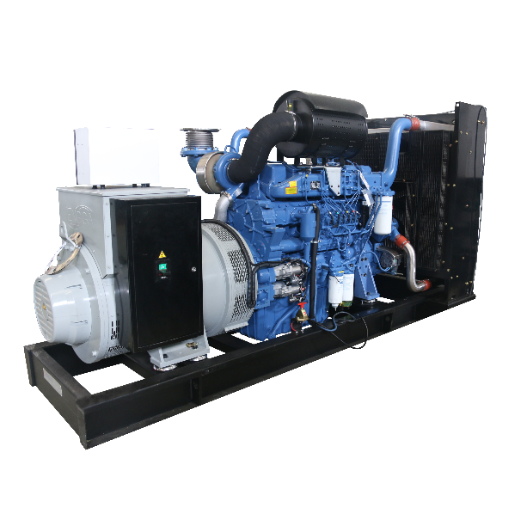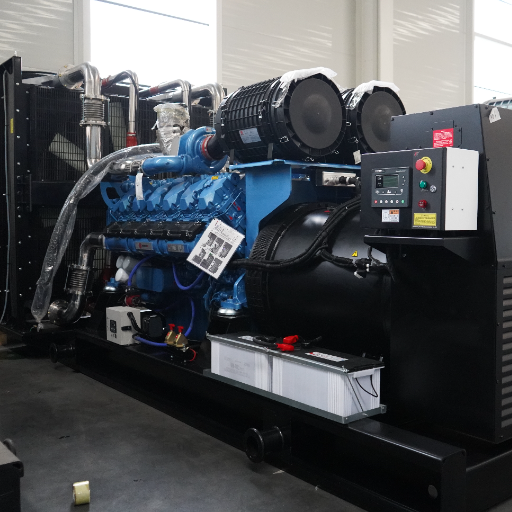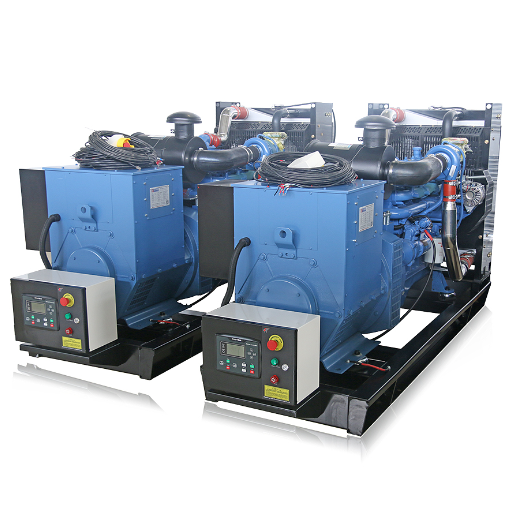

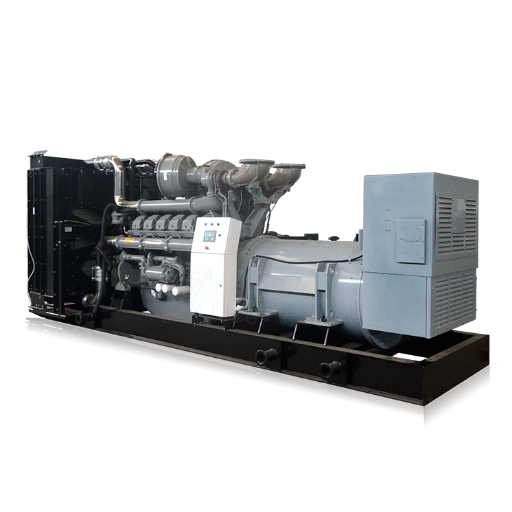
Review a generator load test report by matching the unit and test scope, checking real readings against agreed limits, and tracing open issues to an authorized acceptance decision. A pass stamp alone does not tell you which loads, test conditions or functions were proved.
That matters when the report arrives just before you need to ship. You need more than a page of figures, but you don’t need to repeat each site test at your desk. This guide shows which questions to ask, what missing fields mean and where the evidence stops.
Use it with your purchase terms and generator inspection and test plan. The aim is a clear finding, with limits that the next reader can trace back to the records.
Key Takeaways
- Match serial numbers, the unit setup and duty rating before you judge the readings.
- Separate real-power loading from apparent power, power factor and phase current.
- Check achieved load and time history against the agreed test scope.
- Keep missing data, measured shortfalls and agreed exceptions distinct.
What a generator load test report must identify
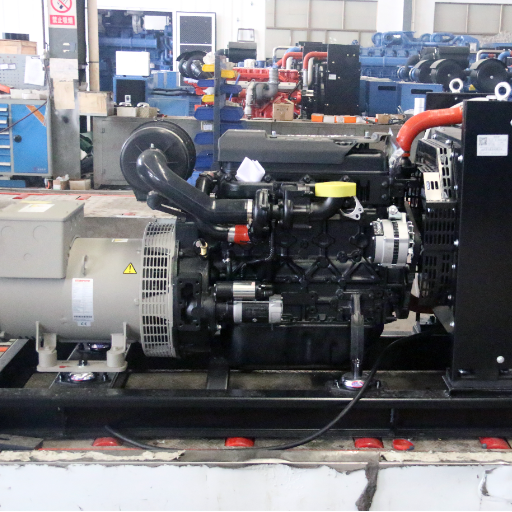
Match the unit before the result
Whose machine does the generator load test report describe? Start with the genset model and serial number. Then check the engine, alternator and control details against the ordered build. A shared model name alone does not link a record to your unit.
Read the rating basis as well. Note the stated kW, kVA, voltage, frequency, power factor and duty rating. If the order and report use different ratings, ask the supplier to explain the gap.
Then compare the load percentages. Don’t assume that “full load” refers to the rating in your contract.
Check the report number, test date, version and list of files. The generator load test report should point to the procedure and test limits used. Check the version too; without it, each party could be using a different set of rules.
Match the test boundary
Identify where the readings were taken and what was connected. Did the test cover a factory assembly, a set on site or part of a wider system? Check which enclosure, cooling layout and control settings were used, and ask if these affect the agreed scope.
If you’re agreeing documentation before ordering, contact Huali about your equipment and record requirements. Share the duty, unit setup and test record list. These give both parties a clear basis to discuss the supply scope.
Illustrative scenario: A buyer receives a generic model test sheet with an order. Its figures may come from a valid test, but no serial number links it to the ordered machine.
Does a unit-specific record exist? Or did the order call for a different kind of proof? Ask the supplier.
A type-test sheet may still be useful. Just keep its role clear when you review the unit test. Mark the gap in the generator load test report review and request the relevant record.
Keep the original attachment so its purpose remains visible. If a serial number is hard to read, ask for a clear copy and a link to the unit record. Do not guess the missing digits.
Read the electrical values in a generator load test report
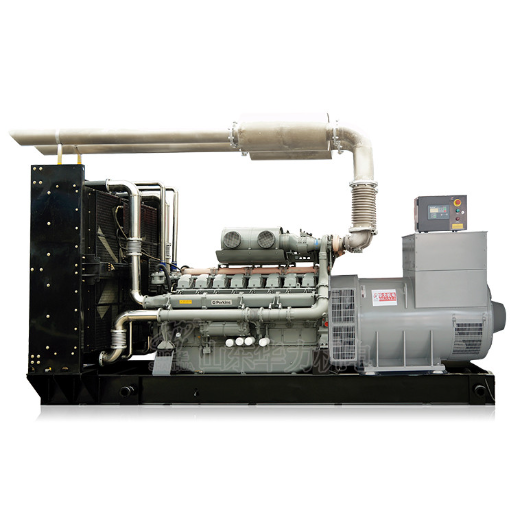
Separate kW from kVA
A generator load test report can show full rated real power without showing every rated load condition. kW describes real power; kVA describes apparent power. Power factor relates the two, so the same kW figure can accompany different kVA and current values.
Avtron’s resistive-reactive testing explanation uses a 500 kVA, 0.8 power-factor example. Its real-power rating is 400 kW. Applying 400 kW at unity power factor does not give the same apparent-power load as 500 kVA at 0.8 power factor.
Avtron uses this example to teach the concept; it is not a Huali product rating. Its practical use is to check what “full” means in your generator load test report.
A resistive result may meet the agreed real-power scope, yet leave a required reactive load point unproved.
Don’t choose a different test solely because of that distinction. First check the recorded load type and power factor against the agreed test plan. Choosing the right load bank for the task comes before this review.
Give each reading a question
Use this table to review the readings; it is a guide, not a required form for all tests.
| Report field | Question for the reviewer | What to ask if missing |
|---|---|---|
| Actual kW | What real power did the set deliver at this point? | Request achieved load, not just the selected load-bank setting. |
| kVA and power factor | Does this load match the agreed test point? | Ask which values were read and which were worked out. |
| kVAr, where relevant | Was the required reactive loading represented? | Ask whether it was in scope. |
| Voltage | Which phases or line pairs were measured, and where? | Request channel labels and point of reading. |
| Phase current | Are individual phase readings available for the agreed check? | Avoid treating an unlabeled current as every phase. |
| Frequency | Does the stated value represent a steady point or an event? | Request its time and how it was logged. |
For each row that applies, link the value and unit to the stated limit. If a row just says “normal,” ask for the value and its limit. One voltage value does not prove every phase relationship.
Read the units in the generator load test report before you work out a difference. Check whether each percentage is based on rated power, the requested load or the measured output. The generator load test report should make that basis clear enough for the next reader to check the sums.
Keep steady readings next to their limits. If a field is blank, mark it “not recorded” until clarified; neither zero nor pass can safely replace it. Leave unrelated functions to the broader generator set commissioning procedure.
Check the load history, duration and conditions
Compare planned load with recorded load
A peak value is different from evidence of holding a load. Read the generator load test report against the planned stages, test conditions and hold times that both parties agreed. Do not import a generic schedule from another project.
Build a generator load test report comparison sheet: target load, actual load, start time, finish time, run log and open question. Link each line to the procedure step. Did the test miss a target, or is the time log missing?
Was it never in scope? Distinguish these gaps.
Check the meaning of timestamps. A row may identify a spot reading, the start of a stage or a value logged at a set interval. Two times show the gap between rows.
They do not prove what happened in that gap; you need the run log for that.
Illustrative scenario: A report lists the target load, but the next row has no end time for that stage. The buyer cannot yet tell how long the set held that load. Ask for the run log and how its times link to the sheet.
Do not assume the unit ran without a break or that it failed.
If the generator load test report does not cover an agreed point, ask how the provider will address the gap. Was the point omitted, stopped, deferred or recorded elsewhere? Keep that answer beside the test requirement so the gap stays in view when the final file is put together.
Read conditions and observations through time
Check the stated ambient conditions and cooling setup where these matter to the test. Check coolant temperature, oil pressure and other engine readings. Use the model manual and agreed limits to judge them. One temperature, with no label or time, does not show a trend.
Ask when each note was made and which load it refers to. Notes about leaks, smoke, vibration or alarms should name the stage and say what action was taken.
One note alone does not prove a cause; ask the test provider to explain it and supply the records.
Check the meter ID as part of the generator load test report review. If the order calls for calibration proof, match it to the meter ID and test date. Ask which channels were logged and how if the detail or timing affects your finding.
You need to know where each reading came from. Do not use a generic guide to set a new test time, oil-pressure limit or rule for the air conditions. Use the agreed records and model manual for those inputs.
Separate steady readings from transient evidence
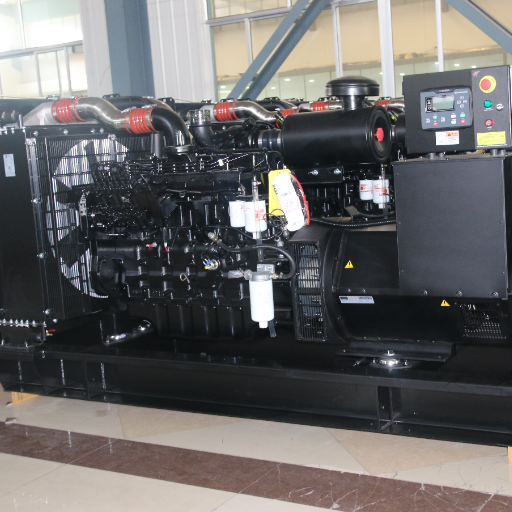
What a snapshot cannot show
A steady end value can hide the event between readings. A generator load test report with steady values alone does not prove the lowest voltage or frequency reached in a load change. An average can also hide a short dip or rise.
Cummins’ transient-performance white paper, bulletin 5544421, explains voltage and frequency dip or rise, and recovery within a defined band. It discusses ISO 8528-5:2018. Use the paper to learn the terms. Do not treat its historical tables as current acceptance criteria for your project.
The ISO catalogue lists ISO 8528-5:2025, published in May 2025. Check which edition and limits your order calls for. The listing does not prove clause-level compliance; a newer edition alone does not change how both parties agreed to assess an earlier order.
Read the supplied step trace
If transient response was in scope, find the trace or event log. Check the load before the step and the load added or removed. Check the channels, time axis and point of reading.
The generator load test report should connect the trace to the unit and setup already named. Check that the trace labels match the summary table. If they differ, ask which record is correct before using either result.
Then find the stated dip or rise, recovery band and recovery time. Is the log detailed enough to show the event? Ask how it was captured if that is unclear.
To judge a recovery time, check its band and start point against the agreed criterion.
Keep gradual loading separate from the agreed step event. Both may provide useful evidence, yet one does not prove the other. This review reads the supplied event; it does not invent the steps or class limits that should have been agreed first.
For process background, Generator Source’s video description identifies the following as edited load-bank-test highlights. It can help show the type of process behind a report. It is not this buyer’s test record, and the length of the clip does not prove a hold time or transient response.
If the trace is missing, link your request to the ITP record requirement. Don’t infer a class pass from a clip. Don’t use a steady table in place of a step trace in the generator load test report.
Resolve alarms, exceptions and retests without losing history
Classify the event before judging it
An alarm entry in a generator load test report needs context. Was it an unplanned event during loading, a planned trip test or a note from another stage? Ask for the event time, load condition and test step before you judge it.
A blank alarm field does not prove there were no alarms. Likewise, a planned simulation does not prove that the machine failed its load run. The generator load test report needs enough detail to tell these cases apart. Find the separate trip-test record too, if there is one.
Keep a short exception register beside the report. Use a row for each issue:
- Requirement and observed result: what was expected, and what was recorded?
- Record reference: which sheet or log backs up the entry?
- Explanation and action: what is known, and what will happen next?
- Owner and status: who will respond, and is the item open, awaiting a reply, awaiting retest or signed closed?
Connect the correction to the repeat test
Illustrative scenario: A run stops, an adjustment is made and a repeat sheet shows no further interruption. The reviewer still needs the original event record, the authorized action and the configuration used for the repeat. The new sheet should state what it replaces and which earlier results still apply.
Don’t write a cause into the generator load test report review merely because the repeat looked better. If the provider has not confirmed the cause, say that the cause is still unknown. Ask who assessed the change and whether the repeat covers the test point at issue.
Keep the first generator load test report and each revised version. Link the original exception to the action record, the retest result and the signed closure. This lets a later reviewer tell a fixed fault from a missing sheet or an open issue.
Check the boundary of the retest conclusion. A repeat of one stage may prove that stage without proving other functions. If settings or hardware changed, the technical reviewer should say which earlier results still apply. Ask which points need more proof.
A name alone does not answer those questions. Confirm whether the person signed as test operator, witness, file reviewer or person who accepts the result. Check the authority and decision that their signature records.
When the generator load test report is revised, retain an index with the current version and the status of older ones. Do not mix an old summary with current attachments. Keep a clear trail from the original observation to the final, scoped conclusion.
Make a bounded acceptance decision from the records
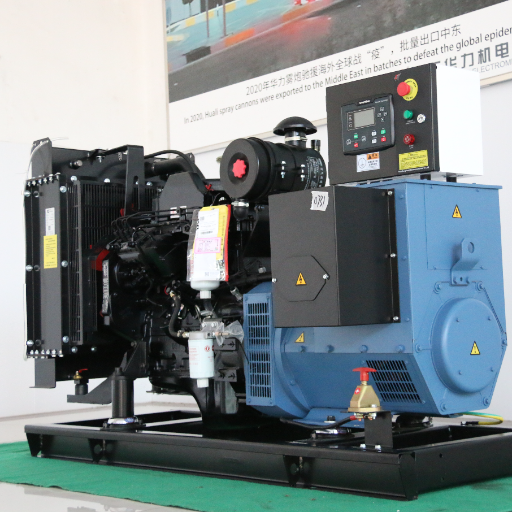
Approve only the conclusion that the records support. A generator load test report is one part of the dossier, not a pass for every function on site. Keep each decision clear. A technical pass, a complete file, shipment release and site handover are different decisions.
Alongside the generator load test report, use a decision note that states the unit, report version, test plan and remaining limits. The following categories help frame the next action; use them as review notes, without treating them as legal acceptance terms.
| Evidence position | Suggested next action |
|---|---|
| Required measurements and records support the agreed scope | Send the scoped finding to the person named to accept it. |
| A value, attachment or criterion reference is missing | Ask for the missing detail. Leave that finding open. |
| A measured result falls outside its applicable criterion | Record the shortfall. Ask for the agreed action to address it. |
| A requirement was excluded or deferred | Name the other record or sign-off needed before wider release. |
For example, a factory generator load test report may cover the set and load bank but leave out the site’s automatic transfer switch (ATS), cables or control sequence. Check the site test records for those functions instead of stretching the factory finding.
The same boundary applies to the wider technical file. Test readings do not replace every declaration, manual or certificate that the supply may need. See OEM generator documentation responsibilities for that separate buyer task.
Return to the generic-sheet scenario: a unit-specific record only answers the identity question if its references match. You must still check scope, values and open issues. Another attachment alone does not settle the purchase decision.
Finish your generator load test report review with a short open-item list. Give each question a record reference, an owner and the decision it affects. State which items block your current decision and which belong to a later stage.
Keep that distinction in the reply. That makes the response more useful than asking the supplier to “confirm everything is acceptable,” and keeps the decision with the person named in the purchase terms.
Questions buyers ask about generator load test reports
Can a resistive report prove rated kVA?
A resistive result does not automatically prove operation at the rated non-unity power factor. Check actual kW, kVA, power factor and current against the agreed scope. It can support a valid real-power test while leaving a separately required reactive-loading condition outside the demonstrated evidence.
What if duration or limits are absent?
Ask for the referenced procedure, applicable limits and time-linked record before deciding. Do not fill the gaps with a test time or limit from another project. Leave that finding open, then check whether a record was missing or a reading fell short when the provider responds.
Does a factory test prove ATS and site performance?
Only functions in scope, with proof of the result, can support that finding. A factory load run alone does not prove the site ATS, wiring or full start-and-transfer sequence works as planned. Find the site commissioning records and compare their scope with the functions you need accepted.
Can a video replace the recorded results?
A video can add context or support an agreed witness arrangement, but edited highlights do not establish an unbroken hold, how precise a reading was or every transient value. Keep the generator load test report, logs and trace references called for in the agreed plan. State what each record adds to the decision.
Who can accept an exception?
Use the authority named in the contract or approved test plan. The test operator, witness and buyer may have different roles. Record the issue, the agreed action and any limits on release.
Neither a name with no stated role nor a clean replacement sheet alone closes the original issue.
Before closing the review, check identity, scope, measured evidence and unresolved items together. A useful generator load test report lets you explain both what was proved and what still needs an answer.
To discuss a proposed generator supply, send Huali your required rating, duty and documentation scope. Include the record list and open questions so the discussion starts with your project’s actual requirements.