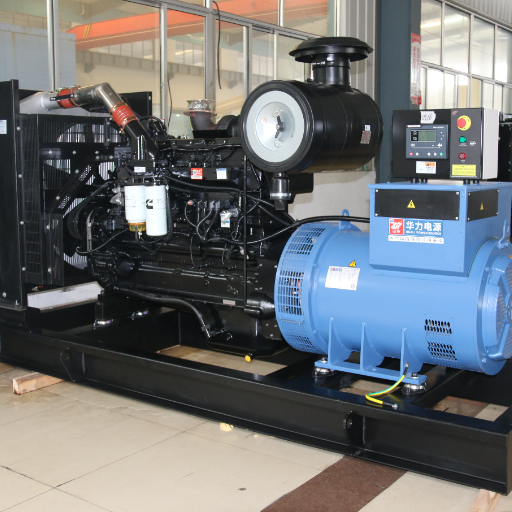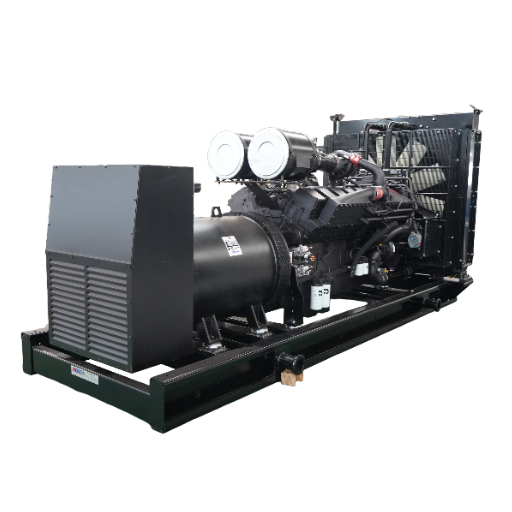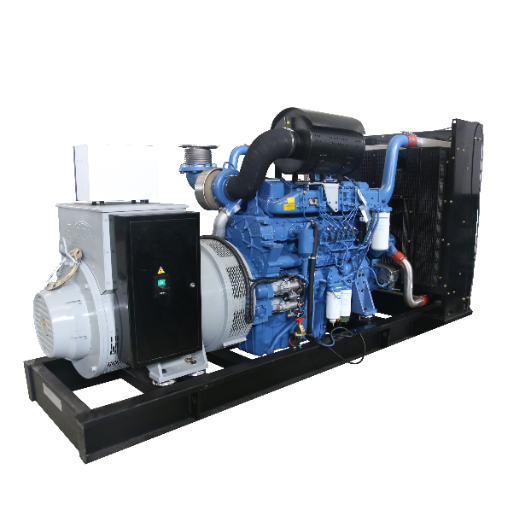

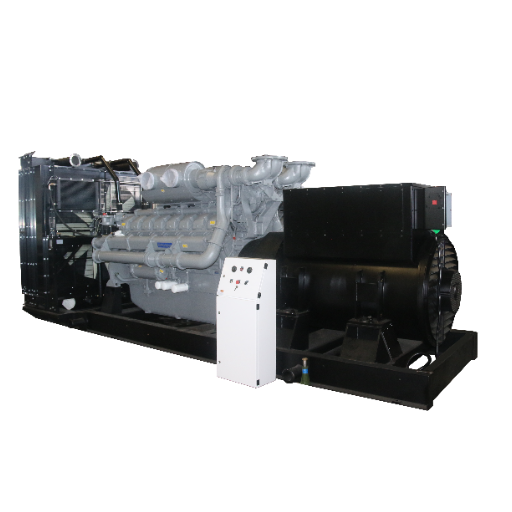
A private label generator factory builds two kinds of part, and only one of them survives your model’s retirement. The engine, the alternator and the controller have their own global supply chains, so they remain serviceable long after your badge stops appearing on new units. The canopy, the plate, the loom as built, the brackets and the manual do not. They exist because your model exists.
That distinction decides whether a badged line is an asset you can support for fifteen years or a liability you discover in year eight. Most buyers verify the engine and assume the rest of the machine follows. It does not.
This guide is about the half of the parts list nobody checks. It sets out how to split the list, what ends availability, which terms to secure before the first unit is built, and what you have to keep in order to keep the units running after the relationship changes.
Points clés à retenir
- Parts on a badged machine split into two classes: components with independent supply chains, and parts that exist only for your model.
- Only the second class is at risk, and the risk is invisible at purchase because the parts look identical on an invoice.
- Four events end availability: component obsolescence, an emissions step change, a product-line decision at the factory, and the end of the relationship.
- Obsolescence management is a recognised discipline with its own standard, IEC 62402, and its core mechanism, the lifetime or last-time buy, is exactly what a badged model needs.
- A support period, a parts commitment, notification before a part ends, and the drawings are the four terms worth negotiating before the first run.
The Two Classes of Parts on a Badged Machine
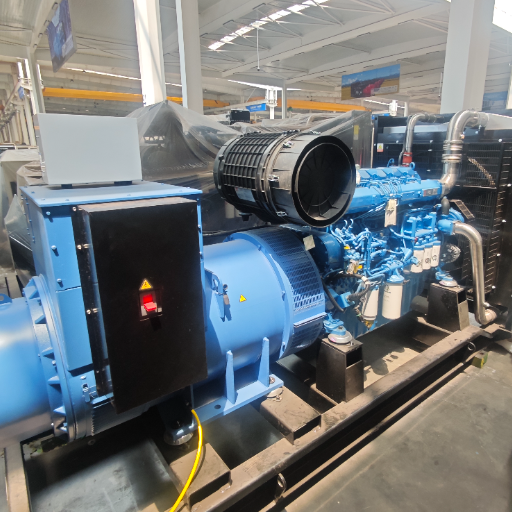
Every generator is a combination of parts that were designed for it and parts that were designed for something else.
| Classe | Qu'y a-t-il dedans ? | D'où ça vient | What happens when the model ends |
|---|---|---|---|
| A, independent parts | Engine, alternator, controller, standard sensors, filters, belts | Component makers who sell the same item into thousands of other machines | Continue. Any dealer can supply them under the component maker’s own part numbers |
| B, model-bound parts | Canopy panels and the paint code, the set plate, the loom as built, mounting brackets, the documentation pack | Your model exists, so these exist | Ends, unless someone secures it. No other machine uses them, so no other supply chain carries them |
The asymmetry is the entire risk. A Class A part stays available because thousands of other machines use it. A Class B part stays available only for as long as someone holds the drawing, the tooling or the stock, and nothing in the original purchase surfaces that difference. Generator spare parts continuity is decided entirely by which of the two classes a part falls into.
The buyer’s instinct is to check the engine, and the instinct is right as far as it goes. Engine parts are available for decades, and that check usually comes back clean. What it does not tell you is that the parts with no substitute are the panels, the brackets and the loom, and that they were made for you.
What keeps the split invisible is that both classes arrive on the same invoice, in the same shipment, under the same model number. A canopy panel and a fuel filter look equally ordinary until one of them cannot be replaced. The classification only becomes visible at the moment it stops mattering, which is why it has to be done deliberately, at the beginning, while the model is still in production.
Generator model obsolescence is the same problem the aviation and defence industries named decades ago. IEC 62402, the international standard for obsolescence management, defines obsolescence as the transition of an item still in use from available to unavailable from its manufacturer, and it applies to any item in continuous service, not just electronics. Under that definition, a badged generator’s Class B parts are the ones exposed, and the classification is the first step in managing them.
Four Ways a Model-Bound Part Stops Being Available
Generator parts availability after discontinuation does not usually end because a factory closed. It ends through one of four ordinary events, and only one of them is dramatic.
- Component obsolescence. A control module, a sensor or a breaker goes out of production, and no replacement has been designed into your model. This is the event IEC 62402 was written about, and it is routine rather than rare.
- An emissions step change. When the market moves to a new stage, an engine that met the old one can no longer be fitted to new units. The machine in the field is unaffected; the parts built around that engine configuration are not. For how the regimes differ between markets, see our guide to normes d'émissions des générateurs.
- A product-line decision at the factory. The enclosure, the panel or the loom is rationalised away because your annual volume no longer justifies holding it.
- The end of the commercial relationship. The most common cause of all, and the one buyers plan for least. When you move your programme, the drawings and the tooling usually stay where they are.
Bruno ran into the fourth. His company had sold just over 300 badged units across four years, then changed factories for a better price on the next generation.
Six years on, a customer needed a canopy side panel for a unit with a damaged door. The engine part was a phone call. The panel was a drawing that had gone with the relationship, and the new factory had never built that enclosure.
The lesson is not that changing factories is a mistake. It is that the parts you cannot replace are the ones you did not think of as parts.
What to Secure From a Private Label Generator Factory Before the First Run
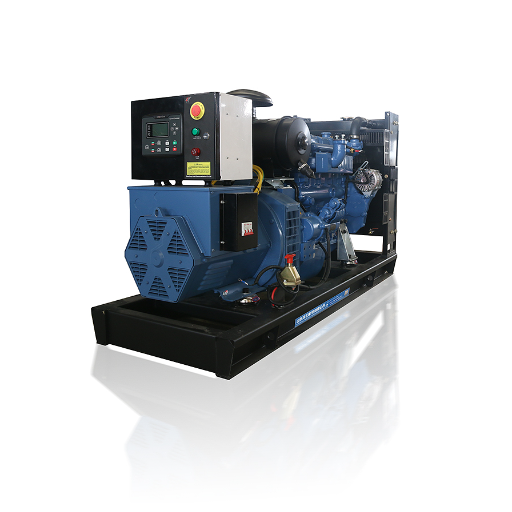
The terms that matter are settled before the first order, not after the first failure. Four of them do most of the work.
A stated support period for the model. How many years after the last unit ships will the factory still supply parts for it? A number written into the agreement is a commitment; “we support our products” is not.
What matters is that the period is long enough to cover how you sell: if your customers keep a unit for fifteen years, a five-year window leaves ten years uncovered. A badged generator is easier to support than most machines, because so much of it is Class A.
A parts commitment with a lead time, covering a named list of model-bound parts rather than a general promise. The list is the point: it forces both sides to identify which parts are Class B while the drawings are still open.
Notification before a part stops. The mechanism the standard calls a lifetime buy depends on being told in time. Under IEC 62402, a lifetime or last-time buy is the purchase of enough stock to cover an item’s remaining service life, made avant production ends. The International Institute of Obsolescence Management is the professional body behind that work, and its guidance is aimed at exactly this problem: equipment still in service after its maker has moved on.
That only works with notice. Ask for written notification a defined period ahead, so you can buy a final batch rather than discover the gap.
The right to have the part made elsewhere. If the factory stops building it, can a third party? This is the term that converts a dead end into a manageable one, and it is a continuity provision rather than an intellectual-property clause: the question is who may manufacture a part nobody else uses, once the original maker has stopped.
None of these are unusual requests. A factory that has run private-label programmes before will have answered them, and one that has not will show you that too. They sit alongside the wider commercial terms a private-label programme needs, which our guide to groupe électrogène diesel sur mesure builds covers separately.
What You Have to Keep
Securing the terms is half the work. The other half is holding what the terms refer to, because a right you cannot exercise is not much of a right.
- A spares list split by class. Two columns, not one. A single list tells you what the machine contains; a classified list tells you where your exposure is. Sorting badged generator parts into those two columns is the first practical step.
- The drawings for the Class B parts, or at least a route to them. This is the difference between being able to commission a replacement part and being able to describe one.
- The manual in editable form. A printed manual cannot be corrected, reissued or translated, and a manual that no longer matches the machine is its own kind of failure.
- The build record that ties a unit to what is inside it. Recording which engine, alternator and control module went into which set is what lets you work out qui units a part end affects. That record-keeping is a separate discipline, covered in our guide to a fournisseur de générateurs personnalisés; what belongs here is the archive that sits behind it.
There is a useful distinction between what you record and what you keep. A build record tells you what a machine contains. The drawings and the editable documentation tell you how to replace it. A programme can have the first and not the second, and the second is the one that matters at year nine.
Keeping those records also matters for a reason that has nothing to do with parts: the compliance duty for a machine carrying your brand follows your name rather than the factory’s, and our guide to what an OEM diesel generator manufacturer in China relationship makes you responsible for sets that out.
What to Ask a Private Label Generator Factory
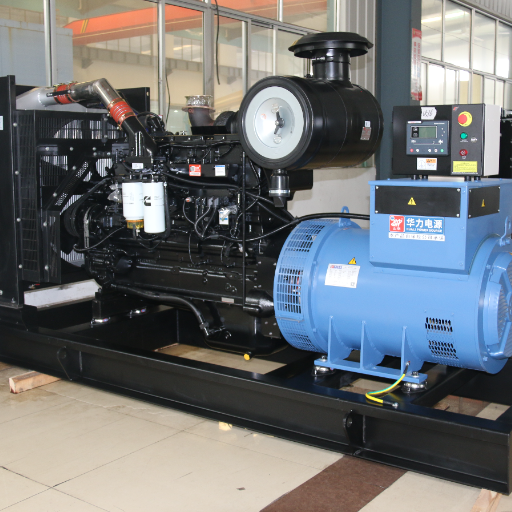
Five questions, all answerable in a first conversation, and all of them about the end of the model rather than the beginning.
- Which parts of this machine are model-bound? A factory that can answer this is a factory that has thought about continuity. One that answers “all of it is available” has not.
- What is the support period after the last unit ships? In years, and written down.
- Will you notify us before a part goes out of production, and how far ahead? The notification period is what makes a lifetime buy possible.
- Who owns the drawings, and what happens to them if our programme moves? Ask it directly; the answer is usually clear.
- What does your parts plan look like for a model five years after the last build? This one is a conversation rather than a term, and it is the one that reveals how the factory actually thinks.
A sixth question is worth asking if the machines are going into a critical application: which of these parts would stop a unit working? A model-bound part that is cosmetic and a model-bound part that is a control loom carry very different consequences, and only the factory knows which is which.
A factory’s answers also tell you something a specification cannot. Continuity planning is a habit rather than a document, and a supplier who has thought about the end of production has usually thought about the rest of the programme as well. For the wider assessment of a prospective partner, our guide to choosing an Fournisseur de groupes électrogènes industriels en Chine couvre ce terrain.
Questions fréquemment posées
What happens to spare parts when a generator model is discontinued?
It depends which class the part belongs to. Parts with their own global supply chains, such as the engine, alternator and controller, stay available under the component maker’s part numbers. Parts made only for your model, such as the canopy, the plate and the loom as built, stop unless someone secured the drawings, the stock or the right to have them made.
How long will spare parts be available for my generator?
That is a contractual answer, not a technical one. Ask the factory for a stated support period measured from the last unit shipped, and get it in writing. Where no period is agreed, availability ends at the factory’s discretion, which in practice means when the model is rationalised.
Can another supplier make parts for my branded generator?
Only if you hold the drawings or the right to have the part manufactured. Because a model-bound part is used by no other machine, no independent supplier will have tooling for it, and no parts catalogue will list it. The right to have it made is the term that keeps that route open.
Do I own the drawings for my private label generator?
That depends entirely on the agreement, and the answer varies across the market. What matters is not ownership in the abstract but the practical right to use them: whether you, or a party you nominate, may manufacture a model-bound part after the factory stops doing so.
What is a last time buy for generator parts?
A last-time buy, also called a lifetime buy, is the purchase of enough stock to cover an item’s remaining service life, made before its production ends. It is a standard mechanism in obsolescence management, described in IEC 62402, and it depends on the manufacturer notifying customers ahead of the end of production.
Conclusion
A private label generator factory’s product is a machine, but what you are really buying is a model you have to keep running. That means treating the parts list as classified from the start.
Four things follow:
- Split the list. Components with independent supply on one side, parts that exist only for your model on the other.
- Secure the terms before the first run, including a support period and notification ahead of the end of production.
- Keep the drawings and the editable documentation, because a right you cannot exercise is worth little.
- Ask the questions about the end of the model at the beginning, when they are easy.
A model you cannot service is not an asset. It is a liability with your name on the plate.
Send us your model range and the markets you sell into, and our engineering team will set out what a private label generator factory can commit to on parts continuity.