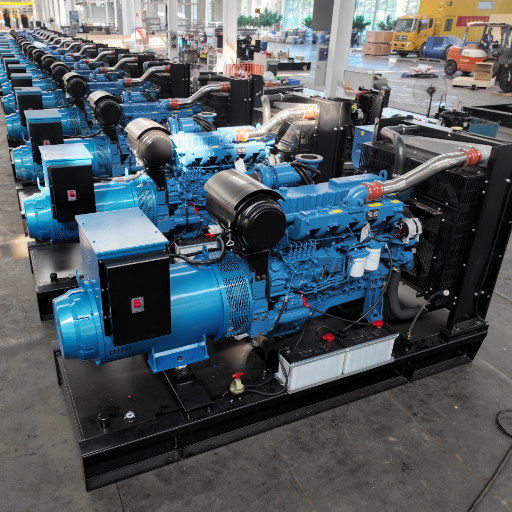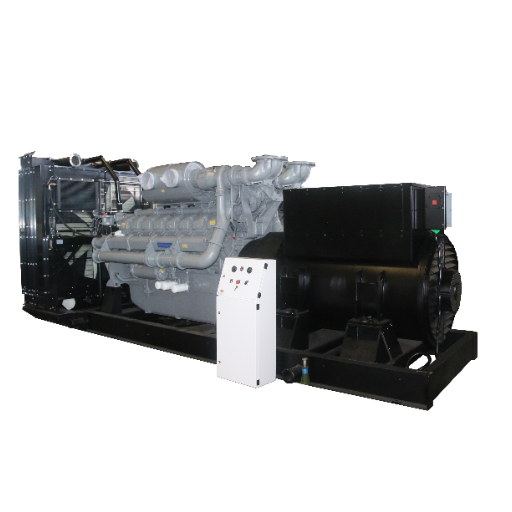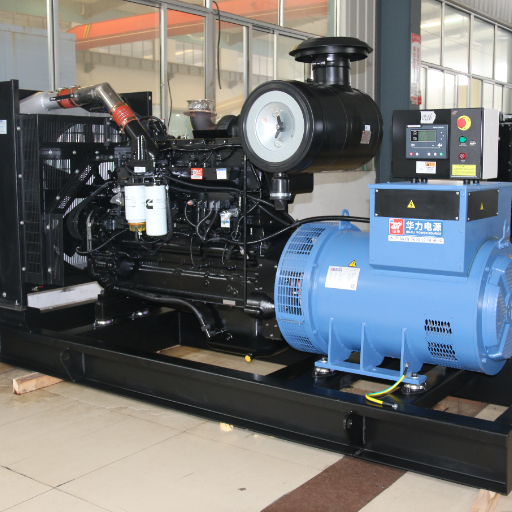

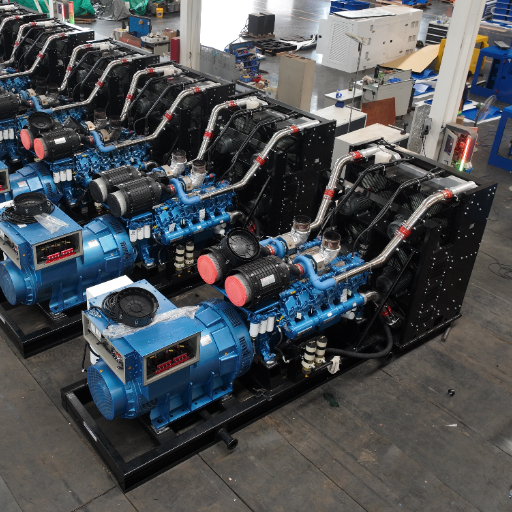
A generator manufacturer for export is not judged by the machines on its assembly line. It is judged by whether the machine, the invoice and the crate say the same thing.
A set can be built exactly to specification and still stop at the destination port. The paperwork may describe a different rating, the crate may carry no treatment mark, or the unit may have shipped with fuel and no declaration. None of that can be fixed at the port. It has to be right before the container is sealed.
This guide separates the two document packs an export order carries, shows the documents that must agree, and gives you five questions that produce the pack before you pay a deposit.
Основные выводы
- An export generator order carries two document packs. The engineering pack goes to the buyer’s engineers; the export pack goes to customs and the carrier. Only the second one crosses a border.
- The manufacturer cannot issue the bill of lading, and normally does not issue the certificate of origin. Its job is the inputs and the reconciliation, so “we handle all the documents” is either a trading company or a warning.
- HS line is decided by rated output in kVA: 8502.11 at 75 kVA or below, 8502.12 to 375 kVA, 8502.13 above. The same figure must appear on the invoice, the certificate of origin, the packing list and the nameplate.
- ISPM 15 is about the crate, not the machine. Heat treatment means a 56 °C wood core for 30 minutes, and the mark carries the country code and the producer’s number.
- A generator containing fuel is UN 3528 under the IMDG Code’s special provision 363; one empty of fuel and otherwise clean is outside the Code. Either way, get the determination in writing.
Two Packs, and Only One Goes to Customs
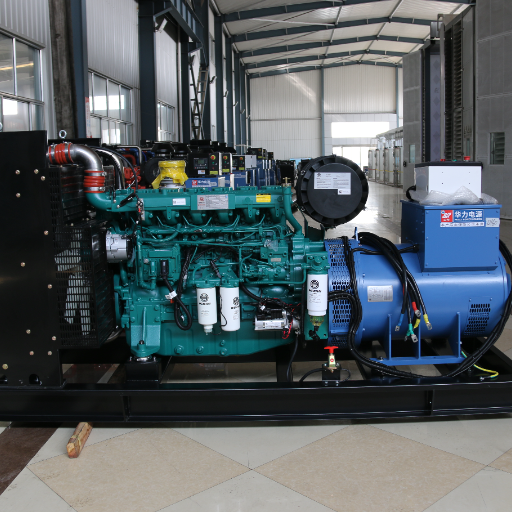
Every export generator order includes two packs, each for a different reader.
инженерный пакет contains the operator manual, the drawings, the factory test report and the FAT certificate, among other documents. It proves the machine was built to the agreed specification, and it goes to the buyer’s engineers and maintenance team. Our guide to дизельный генератор на заказ sets out what a custom build includes, so the pack itself is not repeated here.
export pack includes the commercial invoice, packing list, bill of lading, certificate of origin, conformity certificate, and dangerous goods declaration or a written “not restricted” statement. Together these are the generator export documents, and they prove the machine in the crate is the machine in the invoice, and that both are the goods declared to customs. The pack goes to the broker, the carrier and the destination authority, not to the buyer’s engineers.
The two audiences rarely overlap. The project team reads the engineering pack and never sees the bill of lading. The broker reads the invoice and never opens the schematic. That is precisely why a factory can be excellent at one and careless with the other.
The two fail differently. An incomplete engineering pack produces a maintenance argument six months later. An incomplete export pack produces a stopped shipment in three days.
That difference is diagnostic. A supplier that answers a documentation question with one long list is telling you it has never had to reconcile the two packs. A supplier that asks which market the unit is going to, and whether the tank will be drained, has done this before.
Generator Manufacturer for Export: The Export Pack, Document by Document
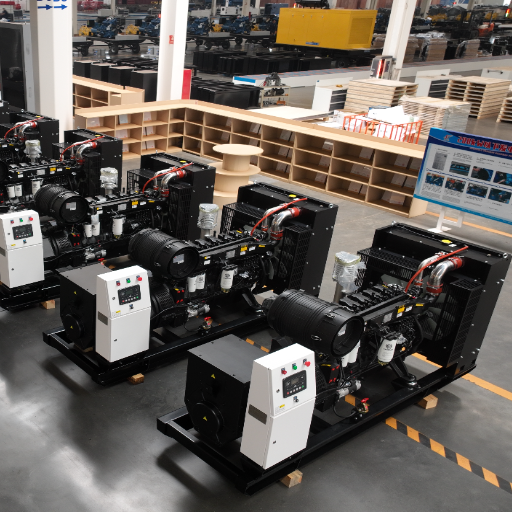
Six documents carry a generator shipment. Each has an issuer, and only some of them are the manufacturer’s to produce.
| Документ | Кто это выдает? | Что это доказывает | What fails without it |
|---|---|---|---|
| Счет-фактура | продавец | The transaction: buyer, seller, goods, rating, HS code, delivery terms, value | Customs has no basis to assess duty, and a rating that differs from the plate is a misdeclaration |
| Список необходимых вещей | продавец | What is in the box: serials, net and gross weight, dimensions, accessories | The carrier and the container plan work from it; a wrong gross weight is a loading error |
| коносамент | Перевозчик | The contract of carriage and the receipt for the goods | The buyer cannot take delivery, and the factory cannot produce this document |
| Сертификат происхождения | Chamber of commerce or exporting authority | Где были сделаны товары | The buyer loses any preferential duty, or the goods are inadmissible |
| Сертификат соответствия | Производитель или импортер | The unit meets the destination market’s regime | The unit is treated as non-compliant at import |
| DG declaration, or written “not restricted” statement | Manufacturer, with the forwarder | Whether the shipment is dangerous goods, and under which entry | A carrier can refuse to load a shipment whose status is undocumented |
Two rows deserve a note. The bill of lading belongs to the carrier, not the factory. The manufacturer’s contribution is the shipping instruction and the packing list that feed it, and the reconciliation when they disagree.
The generator certificate of origin is normally issued or certified outside the factory. ICC describes chambers of commerce as the natural issuing agent and separates non-preferential from preferential certificates. The factory supplies the origin data and the invoice. Some markets permit self-certification, so confirm the rule for your destination before assuming the factory can sign the certificate itself.
For a generator manufacturer for export, the customs check is not an inspection of the alternator. It compares the documents with each other: the invoice against the certificate of origin, the packing list against the bill of lading, the declared weight against the verified container weight. One mismatch in the set is enough to hold the shipment, even when every individual document is genuine. That is why reconciliation matters more than any single certificate.
The conformity certificate is the one buyers most often confuse with a test report. A declaration of conformity states that the unit meets a named regime; the test report is the evidence behind it. Our guide to стандарты выбросов генераторов explains which regime applies to which market. This article only asks whether the certificate exists and matches the invoice.
If you are still choosing the factory rather than the paperwork, our guide to the Поставщик промышленных генераторных установок в Китае covers that assessment. This article starts after the supplier is chosen.
Five Questions That Produce the Pack
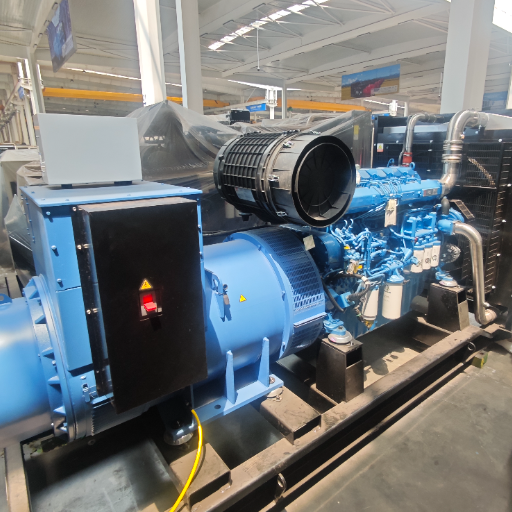
Ask these before the deposit, and ask for the answers in writing. The pattern of the answers matters more than any single one.
- What is the rated output in kVA, and will it appear identically on the invoice, the certificate of origin, the packing list and the nameplate?
- What are the packed gross weight and dimensions, and do they match the packing list?
- Which six-digit HS line will you declare, and why that line rather than the one below it?
- Is the wooden crate ISPM 15 marked, and who treated the wood?
- Is the unit shipping with fuel or a battery, and will you give me the dangerous goods determination in writing?
A factory that answers all five without hesitation has shipped export orders before. One that answers three and defers two is still assembling the answer, which is a different thing.
The 75 kVA Line and the 375 kVA Line
generator HS code is decided by rated output, and the lines sit close together.
| HS line | Что это покрывает |
|---|---|
| 8502.11 | Diesel generating sets of an output not exceeding 75 кВА |
| 8502.12 | Diesel generating sets exceeding 75 кВА но не более 375 кВА |
| 8502.13 | Diesel generating sets exceeding 375 кВА |
| 8502.20 | Generating sets with spark-ignition internal combustion piston engines |
These are the six-digit lines shared across national tariffs; individual countries add digits beyond that. They are listed on the current Japan Customs tariff schedule, and the thresholds are stable across markets.
The line is not the whole declaration, but it is the part every document shares. A set rated at 75 кВА sits in 8502.11. The same model rated at 80 кВА sits in 8502.12. That five-kilovolt-ampere difference is the boundary, and it is why the rating has to be agreed in writing before the invoice is raised.
A set quoted in kW has to be converted at its power factor before it can be placed against a kVA threshold. A 60 kW set at 0.8 power factor is 75 kVA, which lands exactly on the line. That conversion is a common source of mismatch, because the invoice may carry kW and the tariff line is written in kVA.
The rating also has to match the machine. Our guide to the паспортная табличка генератора explains which plate carries which figure. For customs purposes, the question is narrower: does the plate agree with the invoice, and does the certificate of origin agree with both?
Sunil found out the hard way. His order was invoiced at 80 kVA and shipped with a set plated at 75 kVA, and the certificate of origin had copied the invoice.
At destination, the broker flagged three documents that described two different machines, and the shipment sat while the invoice and the certificate were reissued. The genset was fine. The paperwork was not, and the delay cost more than the rating difference was worth.
Export Packing for Generators: The Crate Has to Say the Same Thing
Export packing for generators is usually discussed as protection: film, desiccant, shock absorption, a wooden case. All of that matters, but the part that stops shipments is the mark on the wood.
МСФМ 15 governs wood packaging material in international trade: crates, pallets and dunnage. The standard’s heat treatment schedule requires a minimum wood core temperature of 56 °C for at least 30 minutes, and the treated wood carries a mark with three elements. They are the IPPC symbol, the ISO two-letter country code followed by the unique number assigned to the producer by the national plant protection organisation, and the treatment abbreviation (HT for heat treatment, MB for methyl bromide).
The mark must be legible, permanent and preferably on two opposite sides. Red and orange are avoided because those colours are used for dangerous goods labels. All of this is set out in the ISPM 15 text, and destination authorities treat the mark as a condition of entry.
Protection and documentation meet in the packing specification. A sea passage exposes a set to humidity and salt, so export packing for generators normally adds a barrier film, desiccant and shock absorption inside the crate, along with lifting points and a centre-of-gravity mark. None of that is a customs document, but all of it belongs in the packing list the broker reads.
Two details catch buyers. First, the mark belongs to the producer who treated the wood, not to the exporter, so a re-used crate carries someone else’s number. Recycled, remanufactured or repaired wood packaging must be re-certified and re-marked, and every component must have been treated. Second, the crate’s общий вес и габариты must match the packing list, because those numbers feed the container plan and the loading calculation.
Meera’s shipment arrived at this point late. The crate was sound, the set was secured, and the wood was untreated local timber with no mark.
The forwarder refused it at the port, the unit was re-crated, and a week disappeared. The crate had been built to protect the machine. It had not been built to cross a border.
Fuel and Battery Decide What the Shipment Is
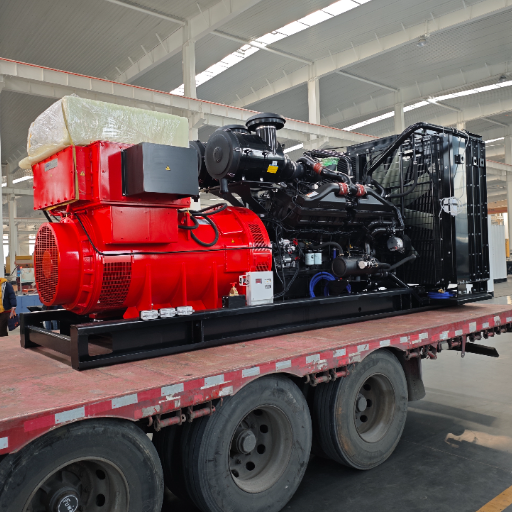
Dangerous goods generator shipping turns on one question: what is in the tank? The answer changes the paperwork.
Под IMDG Code’s special provision 363, генератор empty of liquid fuel and containing no other dangerous goods is not subject to the Code. Empty means the tank is drained so the unit cannot run; the fuel lines, filters and injectors need not be cleaned. That is the cleanest way to ship, and it is why export units normally leave the factory dry.
Генератор containing fuel is a different shipment. It is consigned as UN 3528, machinery, internal combustion, flammable liquid powered, and the entry’s documentation must carry the statement “Transport in accordance with special provision 363.” The fuel is not declared separately; it is part of the machine’s entry. Whether that means a full dangerous goods transport document or a simpler declaration depends on the fuel volume and the mode, so ask the forwarder to confirm what your shipment needs before booking.
Either way, the buyer needs a written determination: a dangerous goods declaration for a fueled unit, or a written “not restricted” statement for an empty one. This is the document most often missing, because nobody thinks to ask for a negative.
Zara asked. Her factory offered to “leave a little diesel in for testing”, which is a helpful instinct and a paperwork problem. Without a declaration, the forwarder would have been booking a fueled machine as ordinary cargo. She asked for the tank to be drained and the unit declared empty, and the shipment moved on a clean statement.
An installed battery is part of the machine. A battery shipped loose, or a spillable battery, is a separate question, and the forwarder should put the classification in writing. Do not accept a verbal answer on either point.
Часто задаваемые вопросы
What documents does a generator export need?
Two sets. The engineering pack (manual, drawings, test report, FAT certificate) goes to the buyer. The export pack goes to customs and the carrier: commercial invoice, packing list, bill of lading, certificate of origin, conformity certificate, and a dangerous goods declaration or written “not restricted” statement.
What is the HS code for a diesel generator?
At the six-digit level, 8502.11 covers diesel generating sets up to 75 kVA, 8502.12 covers sets above 75 kVA up to 375 kVA, and 8502.13 covers sets above 375 kVA. Spark-ignition sets fall under 8502.20. National tariff lines add digits beyond the six.
Does a generator crate need ISPM 15?
Yes, if the crate, pallet or dunnage is solid wood. The wood must be heat-treated to a 56 °C core for 30 minutes or fumigated, and marked with the IPPC symbol, the country code, the producer’s number and the treatment code. Re-used or repaired crates must be re-marked.
Is a generator with fuel dangerous goods?
Yes. A generator containing fuel is UN 3528 under the IMDG Code’s special provision 363, and the special provision governs what documentation the shipment needs. A generator drained of fuel and containing no other dangerous goods is not subject to the Code, but you should still hold a written statement saying so.
Заключение
A generator manufacturer for export is measured at the border, not on the production line. Three things have to agree: the machine, the paperwork and the crate.
The practical rules are short. Keep the two packs separate, because they serve different readers and fail in different ways. Check the rating against the HS line, because 75 kVA and 80 kVA are different declarations.
Treat the crate as a document, because an unmarked crate stops a sound machine. And get the fuel determination in writing, because an empty tank is a claim someone has to sign.
Send us the rating, the packed dimensions and the destination market, and our engineering team will set out the export pack and the points where your order needs to agree.
The earlier that reconciliation happens, the less it costs. A corrected invoice before the container is sealed is a clerical fix. The same correction at the destination port is a delay, a storage bill and a customer conversation nobody wants.