

Brief Understanding of Standby Generators

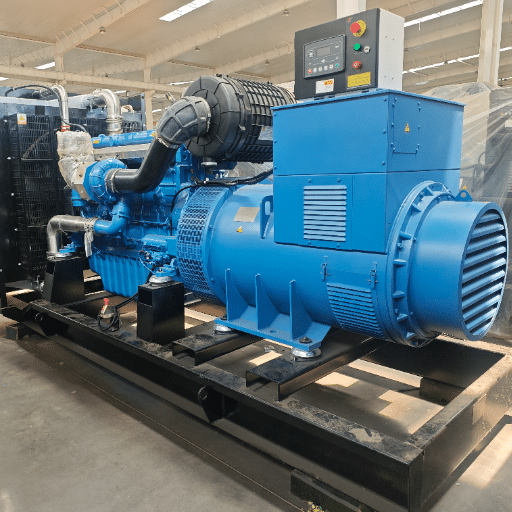
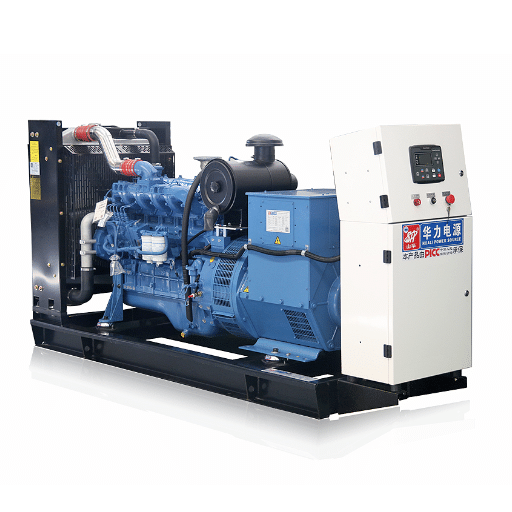
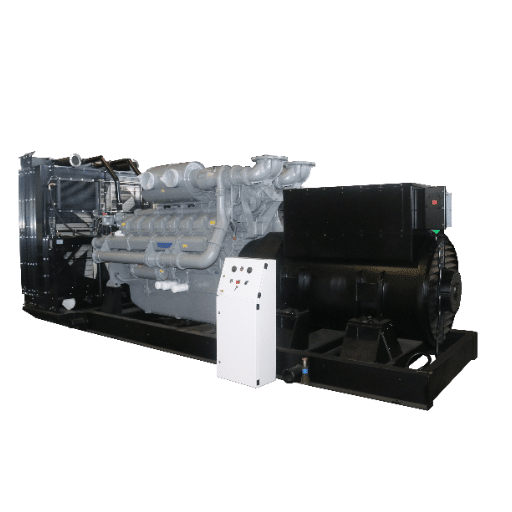
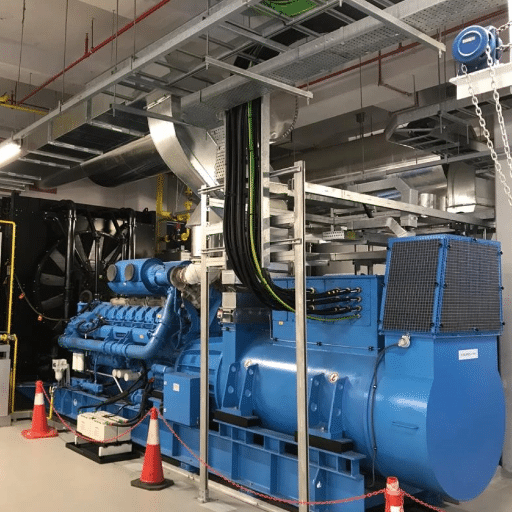
Standby generators refer to backup generators that are engineered to automatically supply power should there be a power cut. These devices generally run on diesel oil, natural or bottled gas and it is possible to set them in motion within a few seconds after a mains failure. They are a must have in most of the environments that cannot afford any shut down such as hospitals, data centers, industrial environments and in households where reliable power back up cannot be compromised. The main ways not to loose out on the investment in standby generators is developing a regular maintenance schedule, full management of fuel and adequate sizing of the standby generator according to the needed loads.
What is a Standby Generator?
A backup power system is a backup power system that is permanently installed, intended to be used in times of power interruptions or disruptions. A standby generator does not include portable generators, as they are designed to be fixed to the electric system of a house, which has an automatic transfer switch that can shift the source of power rather seamlessly. In fact, in the case of such generator systems, it is not a question whether they will run out of power but rather how long they will take to run out of it, if at all since these systems work on reputable energy sources like a natural gas, diesel or propane for example.
Nonetheless, a presentation of some of the latest versions of the standby generators shows that most of those generators are expandable and are designed to be able to serve dedicated circuits within the same facility or the building depending on the available power capacity and the specific design of such machines. More advanced models include real-time monitoring, remote control options and in compliance with pollution control regulations are particularly useful for critical infrastructure and domestic installations as well.
Importance of Standby Power
Standby power is an essential element that ensures the effective functioning of the current energy infrastructure when the primary power sources cease to function. The need for consistency in power supply is more severe for some sectors such as health, data centers, and engineering where, even very short periods of power interruptions can result to disastrous situations such as data loss, down time due to operations’ discontinuance or even safety completely being compromised. Available studies have consistently raised the alarm over the growing number of power outages due to issues of worn out existing infrastructure, adverse weather conditions tampering with the grid, and fluctuating needs of energy, sending home the clear message of the vital role of the distributed energy resources.
In addition to the above, the progress of the technology which provides emergency electrical power supply also caters for efficient management of fuel, lower noise levels, and the capability of the system to grow to fit the target for businesses and homes. For certain applications, the risk of fear and apprehension towards business organization is absent on account of the presence of power reserve, since its development and performance make it possible to support essential services and truncate delays in the applied systems in the modern world networks.
Key Components of a Standby Generator
| Component | Description |
|---|---|
| Engine | Primary power source for electricity generation. |
| Alternator | Converts mechanical energy into electrical energy. |
| Fuel System | Provides and manages fuel for continuous operation. |
| Voltage Regulator | Maintains steady voltage output for connected loads. |
| Cooling System | Prevents engine overheating during operation. |
| Lubrication System | Reduces friction and wear in moving parts. |
| Battery Charger | Keeps the starting battery charged and ready. |
| Control Panel | Interface to monitor and control generator operations. |
| Exhaust System | Expels combustion gases safely and efficiently. |
| Automatic Transfer Switch | Enables seamless transition during power outages. |
Common Fuel-Related Issues of Standby Generators

Emergency power generators can experience fuel-related issues that may lead to their malfunction/loss of effectiveness:
- 1
Fuel Contamination
When impurities such as water, dust, or fungus gather in the fuel tank, they hinder the operating of the machine and may even ruin certain components. Routine fuel quality checks and fuel treatment are certainly advised to avoid problems. - 2
Fuel Degradation
Another problem that may be faced is fuel weathering in long-term storage, especially with diesel fuel or gasoline. This can result in deposits in the fuel lines and latering or incomplete combustion. The short-term measures involve the use of fuel conditioners as well as rotating the stored fuel. - 3
Insufficient Fuel Supply
It is recommended to avoid using the machine with very low fuel supply, as the case might be dangerous. Make sure that the prevailing fuel level is checked time to time and that the tanks are full accordingly. - 4
Leaks in the Fuel System
Breakages and wear tear in a fuel system might cause fuel leaks leading to safety issues and generation performance levels. Appointment of regular checkups and servicing can prevent this.
As mentioned, most of these common fuel problems can be countered even before they affect the operation of the generator thus ensuring that standby applications, as the term suggests achieve the desired performance or quality of energy auxiliary.
Fuel Contamination of Standby Generators
Standby fuel generators are commonly at the risk of being contaminated from either the internal source or the external source of contamination. This can significantly hamper the effectiveness of these systems, create inefficiency, as well as demand heavy repairs. Contaminants may include water, microbiological growth, ash, and sediment all of which are brought in by the long storage period, condensed inside the tank or through the introduction of tainted fuel. Water though remains of the most plausible likelihood because it enhances microbiological activities and rust formation that will lower the level of the fuel.
The good news is that a generator fuel system without fuel issues is possible with proper fuel cleanliness testing that prevents the appearance of harmful agents. Moreover, high-efficiency fuel dispensing filters and decanters can improve filtration and dewatering processes, respectively. Another component of mitigating risks is providing the appropriate conditions for underground fuel storage, e.g., keeping the temperature and the contact of fuel with air and humidity at low levels. Moreover, regular tank cleaning and decanting especially of fuel, will ensure that fuel remains in good condition without risking the caloric value of the fuel for generating plants. By doing this, it is easier for generator operators to take care and make sure that their equipment is working properly and remains useful as long as it has to be.
Fuel Degradation and Its Impact on Standby Generators
Deterioration of fuel in emergency power generators is frequently brought about by such chemical and biological activities that occur during the storage period. One of the most important ones is oxidation which occurs when the lubrication is undone and the available air comes into contact with the hydrocarbons over a period of time leading to the development of gums, varnishes and dust particles. In addition to that, combustion additives can sometimes experience loss of quality making them sticky and will not clean the respective areas appropriately. Furthermore, the presence of water contaminants promotes the growth of bacteria/fungi is fissures and inclusions filling cracks, which (these bacteria/fungi) form biological mass and goo, potentially hastening the demise of the entire fuel system.
When fuel is not of good quality, generators tend to operate poorly. There is a considerable decrease in fuel efficacy as when fuel is dirty or not stable it makes combustion processes to malfunctions, thereby causing poor generation of electrical power. In addition, the building up of settling material inside the tank may impede the spread of the fuel and that might result in the engine faltering or simply failing to ignite, which is undesirable when operating under such circumstances. Deterioration of fuel and acidic compounds break down essential parts like nozzles, meters, solving tanks rendering them beyond repair. In other cases, if you do not beat these technical problems for long, the power of the reserve generators would most likely become invalid endangering when outages strike.
Identifying and Addressing Fuel Issues of Standby Generators
One of the primary causes for poor functioning of emergency generators are the said “diesel bugs”. These are types of bacteria, yeasts and fungi that develop in water from the storage tanks. This leads to their biodeterioration by the formation of sludges and biofilms. Furthermore, these detrimental build-up help in the clogging of fuel filters and hence low efficiency of the power generating equipment. Lastly, the water component, which is collected from the condensation in tanks fuels the fire of the whirlwind by aggravating oxidation at an even faster rate, thereby degrading the quality much faster.
In order to face these problems, there must be ongoing maintenance carried out on fuel systems. The quality of fuel should be checked from time to time for the purposes of determining contamination levels. Also, it is significant to deal with chemical stability. Installation of filtration systems and/or desiccant breathers serves a purpose of minimizing moisture and particulate. Fuel treatment methodologies such as fuel filtration that recursively circulate fuel and remove impurities are instrumental in improving the keeping period of fuel in storage. In addition, it is worthwhile for the tanks to be opened for periodical checks or use of chemical biocides to prevent the build up of biological matter.
Fuel Maintenance Best Practices

One of the best remedies that should be in place in case of emergencies of power losses is fuel cleaning at regular intervals.
Fuel Testing
Fuel inspection is the action of testing the fuel every so often to look for such things as water in the vehicle fuel, bacteria in the fuel, and the quality of the fuel. Performance of some kind of chemically oriented experiments keeps the most scandalous problems on the queue when working with the fuel quality.
Routine Filtration
Regular filtering includes the administering of fuel management processes to clear away any physical objects found in the fuel like dirt, water, or anything else. This particular process is also helpful in extending the life of the fuel while always keeping it in a clean condition.
Tank Inspections and Cleaning
Set a timetable to check the storage tanks for burner fuels on a regular basis usually in the case of bunkers to avoid dust particles getting stuck or any symptoms of corrosion. If the impure materials are not allowed into the product as is the point of the present approach, cleaning is effective in such cases.
Use of Additives
Fuel oxidation and microbial activity are among the threats from which preservation of fuel quality is derived. There is still the practice of long-term preservation of fuel with special attention to such environmental conditions.
Thus, adhering to these principles would enable the effective use of the emergency generating systems, and the latter would serve operational purposes without posing any sudden undesired failure risks.
Regular Inspection and Testing
Regulation and examination of the reserve generator energy barring schedule. One must prepare to apply the provided fuel most efficiently so that it serves you through critical times. The fuel will also degrade over time due to certain reactions such as oxidation, the influence of fluctuating ambient temperature and humidity as well as the microbial factor; this however affects its performance. Besides fuel testing energy experts should carry out some essential fuel checks some of which include: periodic fuel sampling for testing, etc. As technology improves, so do the analysis techniques and hence one of these is the ASTM standards which target diesel.
Apart from that, another crucial part in testing is testing done under increasing loads. This means running the generator at maximum or nearly full load and observing fuel supply, burn of fuel, and whether the overall system is working as it should in any case of any malfunctions detected. Load testing is essential as it enables to pick out the fuel ignition or other problems that may flare up at low loads or even fail to manifest in a no load situation. To prevent the fuel from getting old, checks and the staggered deposit of imports as an input between checks go a long way. Even preventive action would be appropriate in circulating generator’s assembly and fuel of tank as these analyses means “less effort” or “less expensive” in accomplishing the same end.
Preventive Maintenance Scheduling
To manage fuel effectively, it is important to have a proper plan for preventive maintenance and scheduled procedures for standby generators, as these enhance the efficiency involved. The plan must also factor in diesel fuel testing frequency. To mitigate the risks of underperformance arising from adulteration, water, or foulness, fuel sampling and testing must therefore be carried out rigorously. Analysis of fuel quality in the field is recommended once a year in general. However, in the presence of higher consumption tendencies or in extreme climatic regions, tests should be undertaken more often without failure for optimum outcomes to be realized.
In addition, as fuel filters are also desirable in any generator, entails the frequency at which it should be cleaned and checked to prevent unwanted blocked and ensure smooth fuel passage, critical towards achieving the desired level of efficiency. Equally, the recent developments such as tanks with level sensors, provide accurate data on a real-time basis due to changes in oil volume, consumption rates, and even filter fouling issues that may be going out of tolerable limits on tank bottoms prompting immediate action. Adoption of prognostic maintenance and health management services will add value to the operational processes by helping to predict the intervention timeframe and thus reduce unplanned maintenance operations.
Using Quality Fuel for Standby Generators
For the duration of their service, the right fuel used in backup power generators, plays a crucial factor in defining their functioning and sustainability. This is because top-grade fuel guarantees proper, more consistent combustion, lessened engine deposits and component wear out. However, low grade and dirty fuel is a recipe for blocked filters, damage of injectors, among other things, such that the quality and integrity of the generator is eventually compromised owing to increased emissions.
The fact that so many standby generators use diesel fuel means that the diesel fuel is prone to becoming spoiled over time because of the encouraging influences of oxidation, microorganisms, and moisture. In order to prevent these problems, it is strongly suggested that a fuel quality control system is implemented together with reasonable controls in place when using additives and handling biocides. At the same time, the compliance with the requirements to fuel contamination levels applied to the ISO 4406 serves the purpose of fuel efficiency as far as the engines are concerned. This means that operators of standby generators should ensure a reliable and uninterrupted electrical power supply by only purchasing high quality fuel as well as installing surveillance and filtration system architectures.
Fuel Tank Maintenance of Standby Generators

- 1
Regular Inspection
The storage tank should be checked at least for any signs of corrosion, damage or leaks. Any instances noticed in the tank should be fixed as a matter of urgency to avert its forthcoming damage. - 2
Water Removal
Encourage periodic survey of your storage tank for water that might accumulate as a result of condensation. Water can cause moulds and microbial agents to grow and also enable fuel adulterants hence minimize it by employing drying equipment or vacuuming. - 3
Fuel Quality Testing
Test fuel quality each year to check for any pollution or damage hidden. - 4
Cleaning the Tank
After every 3 to 5 years tank cleaning is in order or in case of damaged tanks often on other period. Specialized cleaning feature professionally remove the congealed fuel, the trash elements and the eventual colonization caused by the microbes. - 5
Install Filters
There must be efficient filters to inhibit the intrusion of sediments in the generator’s fuel system. Change them as often as the manufacturers recommend.
Inspecting the Fuel Tank
A thorough examination of the fuel storage vessel is essential in the maintenance and performance of backup power systems. General checks must confirm the fit, check the physical appearance condition of the tank, especially if any corrosion or hollows can be detected that could come in the way of the working capacity of the tank. More sophisticated methods of testing like ultrasonic testing or pressure testing can also be used for locating certain types of weaknesses in the walls of the tank. Analyzing the health of the fuel is another important step during the examination as the operation of the backup generator may be disturbed by poor quality or contaminated fuel necessitating further work incurring additional costs.
According to the recommendations of the industry, a stricter approach must be applied, implying that the diesel must be checked for its water content, the microbial growth, as well as the other contaminants underneath the tank, through various laboratory tests at chance intervals. Simultaneously, all the fittings, hoses, as well as seals connected to it should be checked to confirm their proper placement and conditioning in order to avoid any possible leakage or air penetration. Implementing the specified practices enable operators to lower risks associated with the use of power systems and create conditions for a longer service life of power generators.
Cleaning and Decontaminating the Fuel Tank
It is almost a must for the cleanup of fuel tanks to take place so as to maintain their optimal efficiency and operativeness of standby generators. With time, impurities including sludge, bacteria, and particles settle in the tank, increasing risk factors to the fuel system as well as its other components. The next step in the procedure is to empty and store the fuel, being in full compliance with the standards, and without any inadvertent leaks or dust.
The contents of the tank must also be removed and then the inside of the tank should be cleaned using high-pressure washing together with approved biodegradable substances that can break down hydrocarbon residues and microbial biofilms. Various cleaning operations may additionally call for the application of special chemicals that would counteract the effect of bacteria, fungi, and other microorganisms that are usually contained in fuel tanks which have agitation.
After the cleaning process, water in the tank has to be fully removed so that any moisture remaining will not contribute to the growth of microbes. More sophisticated methods of examination, including applying borescope technologies, will also be utilised to ascertain that the entire impurities, especially in tanks with complex internal features, are totally removed. Lastly, before the tank is refilled with fuel, the fuel as well as the tank should both be filtered and checked for compliance to clean fuel specifications as well as the proper generator operation and industry requirements upon pouring it into a loudspeaker.
Monitoring Fuel Levels and Quality
Sensitive monitoring of the reserves of fuel maintaining its serviceable condition is necessary for the proper operation of emergency diesel power units. The recently developed systems for fuel control have sophisticated means like ultrasonic and capacitive level sensors to supply accurate and timely data about the volume of fuel in the corresponding tanks. The function of these systems is to prevent spillage and other phenomenon that may emanate from too much fuel or dry gauge. In other words, these level sensors also help in scheduling the refilling activities at the right time by the fuel suppliers.
While on the other hand, fuel adulteration has to be handled for the deterioration not to exceed the allowable factor with elements such as water, and even oxidation being responsible for the maintenance creates. Another example is that diesel fuel may get worse in quality with time in the end this would lead to formation of miens and other sludge which may clog or even spoil a generator. For example, the discovery of a deficiency may require regular testing for water, solid impurities, and also utilization of the analysis of cetane index in ensuring adherence to the standards. Moreover, the current fuel management platforms incorporate best practices in centralization of fuel trend data that quickly alerts management to consumption divergences. This practice enhances fuel environment monitoring and quality assurance allows for the preservation of generator use and guaranteed participation in case of emergency power outages.
Emergency Power Supply Systems

In the event of power outages, generators come in handy, and are highly useful for providing uninterrupted back-up power to critical systems. These normally function to detect a drop in power. Within seconds of a power cut, the generators will come into play. They effectively reduce down-time in cases of emergencies. They normally include an engine, an alternator and a transfer switch which together sum up to provide power. Routine checking which includes a load test and the fuel system is very critical in hyphenations to maintain the effective performance in case if the occurrence of any system failures during emergencies. In immense planning and development with consideration of the regulatory acts, the doomsday devices are also very emergent applicable.
Overview of Emergency Power Supply Systems
The three main types of emergency power supply systems can be classified in the following ways: standby power systems, uninterruptible power supply (UPS) systems, and hybrid systems.
Integrating Fuel Maintenance into Emergency Planning
It is essential to take fuel maintenance actions on time to enhance the power system reliability. Overtime, the stored fuel in backup generator fuel tanks is known to degrade mainly due to contamination, oxidation, and even water entry. All these factors are known to inhibit the proper functioning of power systems hence compromising the performance especially in moments of emergency. Therefore, this calls for the adoption of fuel maintenance schedule, which encompasses the use of tests, purifiers as well as fuel handling chemicals to eliminate this problem.
Conventional practices suggest that compliance to various fuel monitoring tests, including ASTM fuel tests for water, microbial and sediments should be tested. It is also possible to improve the quality of diesel fuel through the use of fuel polisher by remediating the existing contaminants and ensuring it is in a stable condition. Ensuring compliance with the required safety standards during fuel utilization and sale by design of preventive practices in the contingency plans and eliminating the possible consequences of blackouts. There is also evidence of saved costs, if to be more precise, a decrease in system failure when extensive fuel management is employed.
Testing Emergency Power Systems Regularly
It is sufficient to say that testing of emergency power sources is cardinal and besides important in ensuring that particular places which are critical are able to function. For example NFPA 110 states several standards which include testing of the load capability of a newly added genset at the time of installation as well as yearly inspections to check if the system is still intact. This simplification should however incorporate aspects of real testing such as how the generator will operate under load, the condition of the batteries, and the condition of the Automatic Transfer Switch during its entire operation.
Looking into various research and business reports, it is evident that testing containment over time can reduce the error margins by almost 70%. Besides, the remarkable technological changes which are easy to put into a strategic action have a mechanism of showing whether a particular system is behaving in a way that it is expected to. These applications not only improve the adherence to set laws and regulations but also enhance timely availability of one of the most critical utilities, which is back up power in the case of needs.
Reference Sources
- 1
Comprehensive Review on Fuel Cell Technology for Stationary Applications as Sustainable and Efficient Poly-Generation Energy Systems
Link to source - 2
Power System Reliability and Maintenance Evolution: A Critical Review and Future Perspectives
Link to source
Frequently Asked Questions (FAQs)
Q
What are the best practices for preventing microbial growth in stored fuel for standby generators?
A
One might think that the problem of dealing with bacteria in fuel tanks can be solved mainly by recognizing early signs of microbial growth before a major contamination takes place, drying tanks routinely, sanitizing, and maintaining desiccators when necessary. This also includes the issue of periodic analysis for presence of microbes using best probiotics as well as treating the problem of significant contamination by the proper use of biocide and fuel polisher. Tripping hazards around storage tanks, trash laying about tanks and removal of unknown material from the tanks must be taken care of in this plan.
Q
How should water be managed in fuel tanks to maintain reliable standby power generation?
A
It is important to take proactive measures such as installation of water separators, regular tank bottom drainage and careful management of the tank seals and venting to reduce the accumulation of water, condensation and spotting inside the tanks. Keeping control of free and emulsified water and its subsequent analysis will determine the need for water extraction or fuel separation. Fitting desiccant breathers and applying specific storage conditions prohibit accumulation of water in the system. Lingering water concerns would aggravate the situation, too, leading to rust, bacteria and clogging of the fuel filter that would prevent the generator from running.
Q
When is fuel sampling necessary, and what tests should be performed for standby power systems?
A
When gasoline remains stored for some time, after tank cleaning or whenever there are worries about gasoline consistency, one often needs to inspect the quality of fuel to prevent any difficulties; a time range for such inspections is anywhere from twice a year to once in a year. The routine tests applicable in this case are the evaluation of water in the fuel, particulate dirt and other contaminants such as microbial contamination as well as fuel decay and reactor limits of contamination with the purpose of assessing the extent of decay and aging. Many fuel quality issues require action such as fuel polishing, an application of a biocide to the seawater, or replacing filters in order to get the diesel to work again.
Q
How often should fuel filters be replaced to ensure dependable standby generator starts?
A
Fuel filter replacement goes by manufacturer’s recommendation, the number of cycles loaded or the visible elevation in pressure every one takes, Mostly around six to twenty-four months depending on the back-up basis. Regular replacement of the filters also ensures that there is no malfunctioning of the injectors after the start of the emergency. Keeping tabs on the state of the filters while running a business assists in assessing advisability of replacement during the period of scheduled shutdown or after polishing of fuel even servicing the tank. Appropriate specification of filter micron ratings and their availability also go a long way to facilitate the implementation of prompt solutions in times of crisis.