
The decision on what generator to buy at an instant can have a big impact on the costs and the reliability that will be experienced for quite some time; which is 15 to 20 years. Choose the wrong fuel brand of generator and you will scurry around looking for expensive solutions to contractual standards or worse experience frequent power cuts.
Historically, every time he bought a generator for his company in any senior management positions, Chen Wei, who is the production director in a certain plant in Shandong Province, was always right about the choice of a fuel type, but there was no reason for him not to be. Since the genset was powered by natural gas and was cheaper, he picked that over the others. Two years down the line, the gas was bushed, the gens cost the gas, and about 40 percent of it was down.
Having manufactured more than a thousand generators over 20 years of existence in the service of industrial consumers across the globe as generator manufacturers, design technologies company started inborn applicable fuel strategies and felt to understand what constitutes long term successful operation.
This guide includes an engineering comparison between natural gas and diesel generators. Various technical distinctions, financial consequences, and expert information related to generators are considered for the purpose of establishing which power solution is appropriate for users. This analysis will be of use with the development of a specific project as well as overcoming backup power reliability challenges as it is supplemented with appropriate resources.
Understanding the Fundamental Differences

How Diesel Generators Work
Diesel generators change chemical power from diesel oil to electric power. The process of the diesel engine includes compressing the air at a high pressure and temperature. After that, fuel is injected directly into the combustion chamber. The reason the diesel engine is called compression ignition engine is that it does not require spark plugs. Such prolonged detonation process forces the pistons to rotate hence rotating the engine shaft with the dynamo.
In the alternator a magnetic field rotates inside a stationary inductor; as the latter is spun about – the spinning of the engine — a system of electromagnetic induction produces alternating current (AC) electricity. Irrespective of circumstances, the voltage controller situated within ensures that there is no excess level of supply borne due to the economical interruptions.
This is the reason why diesel fuel is such a useful fuel type: its energy content, being considerably high — about 137,000 BTUs per gal. — offers a higher efficiency rate per unit of fuel so that an equivalent running can be achieved from less storage of the fuel.
How Natural Gas Generators Work
Generators that are fueled by natural gas would also work using similar conditions with the only difference being that natural gas is fed to the system through pipelines, or the engine is specifically designed to burn natural gas compressed to higher pressures, CNG, or even natural gas in a liquefied form. A fuel system which adsorbed the air before ignition is also called a carburetor where the gas and air mixtures take place and lastly there are spark plugs that ignite the gas-air mix similar to gasoline engines.
Diesel engines produce more particulate matter in addition to nitrogen oxides as compared to natural gas. With this gas, it is a gas and that takes away the need for an injection system as is found in diesel engines. Yet, it can also be said that natural gas also includes the natural gas generators because operating these types of generators raises air-fuel ratios to a very high level.
Key Technical Specifications Comparison
| Specification | Diesel Generator | Natural Gas Generator |
|---|---|---|
| Energy density | 137,000 BTU/gallon | 1,000 BTU/cubic foot |
| Compression ratio | 14:1 to 25:1 | 10:1 to 12:1 |
| Ignition system | Compression | Spark ignition |
| Fuel storage | On-site tanks | Pipeline or CNG/LNG |
| Starting method | Electric starter | Electric starter |
| Typical efficiency | 35-45% | 30-40% |
Understanding these technical foundations helps explain why each fuel type excels in different applications. The choice between them depends on factors beyond the generator itself.
Cost Analysis: Initial Investment vs. Long-Term Operating Costs

Purchase Price Comparison
The initial costs for equipping diesel generators is considerably lower than for equipping natural gas generators. This is as indicated by the curent presumed industrial market:
Diesel generators typically range from 300 to 800 per kilowatt of capacity. A 500 kW diesel generator might cost between 150,000 and 400,000, depending on specifications, brand, and features.
Natural gas generators generally cost 20-30% more upfront, ranging from 400 to 1,000 per kilowatt. The same 500 kW capacity in a natural gas unit runs 200,000 to 500,000.
There is a price discrepancy as a result of various reasons. Firstly, the costs go up due to the fact that natural gas generators have to have far more intricate exhaust controls to adhere to the regulatory codes. At the same time the compressors in the engines are also powered by the aid of spark and gas. The related production of industrial natural gas generators is far less than that of diesel and this results in smaller economies of scale.
However, purchase price represents only the starting point of your investment.
Fuel Cost Analysis
Fuel costs dominate long-term operating expenses. Here’s how the two fuels compare:
Diesel fuel prices and factors such as the state of oil prices may not always adversely affect the cost of producing energy. Right now, the cost of 1 gallon of diesel oil has played within the range of 3.50 to 4.50 in most states, therefore approximately 0.20 and 0.35 per kilowatt hour of electricity enable the installation of diesel generators depending on light weight and effectiveness belched.
Natural gas is generally cheaper on the basis of BTU. From 3.00 to 6.00 per million BTU (industrial standard rate) natural gas power generation cost is around 0.15 to 0.25 per kWh. These savings will specifically matter when the generator is operated nonstop.
The relevant factor of the natural gas is the following. At some places, mainly in some parts of North America, where gas production is abundant, the natural gas prices are much lower than in improved gas fields. There, the natural gas can easily compete with other fuels in the buildings. In other regions, especially where LNG is imported, the expenses for the equipment of diesel-battery charges may outweigh the expenses for the natural gas stations.
Maintenance Cost Differences
Maintenance represents a substantial portion of lifecycle costs. Diesel and natural gas generators have different maintenance profiles:
Diesel generator maintenance includes:
- Oil changes every 250 to 500 operating hours
- Fuel filter replacement every 500 hours
- Air filter replacement every 1,000 hours or as conditions require
- Coolant system service annually
- Injection system calibration periodically
It is common to expect the maintenance of a 500 kW diesel-powered machine would be about 5000 to 150000 based on the purpose and condition for which it is used.
Natural gas generator maintenance includes:
- Oil changes every 500 to 1,000 operating hours (longer intervals due to cleaner burning)
- Spark plug replacement every 1,000 to 2,000 hours
- Air filter replacement every 1,000 hours
- Coolant system service annually
- Ignition system inspection regularly
Annual maintenance for equivalent natural gas units typically runs 4,000 to 12,000. The cleaner-burning nature of natural gas reduces engine wear and extends oil life.
Total Cost of Ownership: 10-Year Projection
Naturally powered sources of energy keep a low cost as the one that uses diesel operating machines. The anticipated repair costs over the life of 10-year natural gas generator were approximated according to the assumptions specified above and compared to the respective costs for her personal case. The findings reasoned the selection of the natural gas generator. According to her calculations, one could appreciate from the diesel generator a profit of around $180,000 compared to the cost of natural gas after 10 years.
Nonetheless, there was also a weakness shown by this analytical model. It was found that the amount of money on energy would be saved only when the electricity was available. Adding the costs of the diesel generator in case of a natural gas pipeline failure, the points were far from so clear.
For a typical 500 kW installation with 500 operating hours annually:
| Cost Category | Diesel (10 years) | Natural Gas (10 years) |
|---|---|---|
| Initial purchase | $250,000 | $325,000 |
| Fuel | $500,000 | $375,000 |
| Maintenance | $100,000 | $80,000 |
| Infrastructure | $25,000 | $15,000 |
| Total | $875,000 | $795,000 |
These figures illustrate why TCO analysis must be specific to your location, fuel prices, and operational patterns.
Performance and Reliability Comparison

Fuel Efficiency and Consumption Rates
The fuel costs and the runtime capability are significantly increasing due to the reduction in fuel efficiency. The thermal efficiency per equipment of diesel generators has been higher than of some other types of power equipment which exist in the power industry:
A contemporary diesel generator on average has a thermal efficiency of 35-45% which means that 35-45% of the fuel’s potential energy ends up being power. The remainder of this stands as waste and is dissipated with cooling.
Thermal efficiency of natural gas generator is generally in the region of 30-40%. The reason for the spark ignition and the lower compression ratio gives a less efficient energy features.
For a 500 kW generator at full load:
- Diesel consumption: approximately 40 gallons per hour
- Natural gas consumption: approximately 70 cubic meters per hour
Within a span of one year, the operational difference presents itself in the form of 40,000 gallons of diesel gas as opposed to 70,000 cubic meters of natural gas. As far as the pricing is conventional, the economic scale is usually tipped in favour of natural gas, which is typically, where there is zonal gas.
Runtime Capabilities and Fuel Storage
Runtime capabilities differ fundamentally between the two technologies:
Diesel generators rely on on-site fuel storage. Typically, a common installation calls for the tanks to be large enough for operation consumption for 24 to 72 hours at full demand. Keeping in view the context of intended use, increased operating hours requires that the size of the tank should increase or alternatively, there must be a special arrangement for delivery of fuel in emergencies.
In accordance with the emergency power system requirements of NFPA 110, combustible engine generators arranged for Emergency Lighting and Fire Protection (Life Safety) are to guarantee and use fuels for at least 96 hours of operation, particularly for hospitals and other healthcare departments.
Natural gas generators fueled generators that are supplied from the homes gas pipeline or from any other locally available source of gas can operate on as standby power indefinitely unless the pipeline fails. This almost perpetual exposure can be more advantageous for most critical applications owing to their long expected backup duration.
Existing unlimited run time however, has led to a very high single supply to a number of critical backups which would require long backup runs of discrete systems. However, it is not all hunky-dory with it. Any system may have a risk, and gas based systems do have theirs.
Startup Time and Load Response
Response time matters for applications requiring immediate backup power:
Diesel generators often take 10 to 15 seconds to get running at full capacity after activation. The newest generation of electronic control systems enhances the performance of the starting sequence so that it is quicker. Such prompt response makes this type of engine an excellent choice for back-up use. Any longer interference is intolerable in such applications.
Natural gas generators needed 15 to 30 seconds to achieve the full capacity. This is because significant delays are experienced from the Otto cycle spark ignition and air-fuel mixture formation compared to the liquid-fuel compression ignition engines.
For facilities with automatic transfer switches (ATS), and the most installation or protective relays simple and fast, both technologies provide acceptable response times. The variance will only grow when it comes to the most critical applications such as data centers and those with directives that there is no downtime.
Performance in Extreme Conditions
Environmental conditions affect generator performance differently:
Diesel generators work incredibly dependently under prevailing conditions. The cold weather conditions on the other hand will require the use of room temperature fuel or winter-grade diesel so as to avoid blockage, but the engines can be started without hitches and run. On the contrary, high altitudes have the effect of reducing the production of energy since the possibility of air starts losing density. This loss of density typically corresponds to a 3-4% reduction in power output for every 1,000 feet above sea level.
Natural gas generators work less effectively in extremely cold environments. LNG will be very difficult to vaporize during cold environment, and gas distribution pressure as well as pipeline pressure may go down during peak times when demand in the market is highest. The other aspect that also hampers use of natural gas is similar to that of diesel and that is the altitude effect that makes units need deration at comparable terms too.
Maintenance and Service Requirement

Diesel Generator Maintenance Schedule
Regular investment in maintenance minimises defects and prolongs the life of the generator. Usually, a maintenance plan for a diesel generator would include such elements as:
Daily or Weekly:
- Visual inspection for leaks, damage, or unusual conditions
- Check coolant and oil levels
- Verify fuel supply adequacy
- Exercise the generator under load (recommended weekly)
Monthly:
- Inspect battery condition and connections
- Check air filter condition
- Review control panel indicators
- Test automatic transfer switch operation
Every 250-500 Operating Hours:
- Change engine oil and filter
- Inspect fuel system for leaks or contamination
- Check coolant condition and concentration
- Inspect belts and hoses
Annually:
- Replace fuel filters
- Replace air filters
- Service coolant system
- Load bank test at full capacity
- Inspect exhaust system
Long-Term (Every 3-5 Years):
- Major overhaul considerations based on hours
- Injector service or replacement
- Turbocharger inspection
- Cooling system deep maintenance
Observing such a routine for a 500 kW diesel generator takes an estimate of $5,000 to $15,000 depending, among other things, on the number of hours regularly clocked by the generator and current cost of labor in the area of operation.
Natural Gas Generator Maintenance Schedule
Natural gas generators require similar attention with some differences:
Daily or Weekly:
- Visual inspection for leaks (especially important with gas fuel)
- Check oil and coolant levels
- Verify fuel pressure and supply
- Exercise under load
Monthly:
- Battery inspection
- Air filter check
- Spark plug condition assessment
- Control system verification
Every 500-1,000 Operating Hours:
- Oil and filter change
- Spark plug replacement or inspection
- Ignition system check
- Fuel system inspection
Annually:
- Air filter replacement
- Coolant service
- Ignition timing verification
- Load bank testing
- Emission system inspection
Long-Term (Every 3-5 Years):
- Engine condition assessment
- Ignition component replacement
- Valve adjustment
- Exhaust system inspection
The norm for a natural gas generator would be 4,000 to 12,000 hours a year with regard to a similar situation block load rating in capacity. What is also clear, that hydraulically drooping the governor and utilizing a smoke unit would be a one way to save the engine and ameliorate its efficiency.
Parts Availability and Service Network
The hindrance is the cause of the problem and maintenance cost. The worldwide use of diesel generators promotes the development of their distribution:
Diesel generator parts are widely available worldwide. All major engine manufacturers (Cummins, Perkins, Deutz, Volvo, MTU) have huge global distribution chains. Usual maintenance components (e.g., filters, belts, hoses) can be purchased from many producers. Even technically old generator models come with their own kits of spare aftermarket parts.
Natural gas generator parts are less universally available. To repair the generator, there may be some delay in getting the spark ignition components, specialized exhaust parts and gas specific exposed fuel compartments may be difficult in some areas for those who have a smaller user base.
Maintenance is crucial for various reasons, among which the obvious is the location of the acquisition solution and the availability of the maintenance personnel. There are many diesel generator specialists around the world. Gas powered generator maintenance can be an issue, especially in the remote areas, where the professional is always booked in advance.
Environmental and Regulatory Considerations
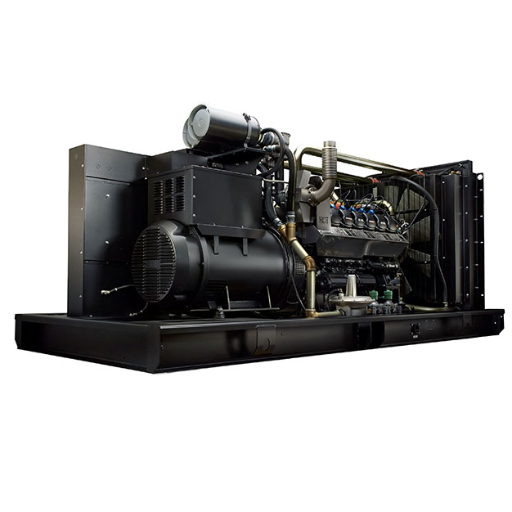
Emissions Comparison
Environmental regulations increasingly influence generator selection. Understanding emissions profiles helps ensure compliance:
Diesel generators produce:
- Particulate matter (PM): Higher levels requiring filters
- Nitrogen oxides (NOx): Significant emissions, controlled with SCR or EGR systems
- Carbon monoxide (CO): Moderate levels
- Hydrocarbons (HC): Lower levels than gasoline
- Carbon dioxide (CO2): Lower per kWh than natural gas due to higher efficiency
Diesel engines, especially more modern Tier 4 Final or even Stage V, can effectively controlled emissions through the reduction of PM and NOx over 90% compared to uncontrolled engines. This, however, introduces some complications and additional costs which have need to be taken into account.
Natural gas generators produce:
- Particulate matter: Minimal (near-zero without aftertreatment)
- Nitrogen oxides: Lower than diesel, though still significant
- Carbon monoxide: Similar or slightly higher than diesel
- Hydrocarbons: Higher unburned methane emissions (a potent greenhouse gas)
- Carbon dioxide: Higher per kWh due to lower efficiency, though lower carbon content per BTU
Regulatory Compliance
Generator regulations vary by jurisdiction and application:
United States:
- EPA regulates non-road engines under 40 CFR Part 1039
- Tier 4 Final standards apply to most new diesel generators
- Natural gas engines face less stringent standards but are regulated
- State and local regulations may be more restrictive (California CARB standards)
European Union:
- Stage V emission standards apply to diesel engines
- Natural gas engines face regulation under different frameworks
- Local air quality regulations affect generator operation permissions
Other Regions:
- China implements China IV and V standards similar to European norms
- India has Bharat Stage emission regulations
- Many developing markets have less stringent or inconsistently enforced standards
When selecting a generator, verify current and anticipated future regulations in your location. Installing a generator that meets stringent standards provides longer operational life as regulations tighten.
Sustainability and Carbon Footprint
Sustainability considerations extend beyond direct emissions:
Fuel fractions that include diesel are produced from crude oil. The thing is that carbon is used up not only in a burning process, but also in the processes of obtaining, refining, and delivering that fuel. This is the reason why diesel is more efficient when compared with petrol, since most of the energy in the fuel is used power.
Natural gas emits about 30% less greenhouse gas (GHG) per BTU as compared to diesel fuel owing to its higher hydrogen-to-carbon ratio. For such companies, this may represent an important step forward. Despite this, methane losses, both at the extraction and transmission stage, we’re ediately reduce this advantage.
Renewable fuel options are emerging for both technologies:
- Biodiesel and renewable diesel can reduce lifecycle emissions for diesel generators
- Renewable natural gas (biogas) offers carbon-neutral potential for natural gas units
Application-Specific Recommendations

Best Applications for Diesel Generators
Diesel generators excel in specific scenarios based on their characteristics:
Construction Sites and Remote Locations
Diesel generators instead of grid electricity were chosen by the construction company that was setting up a highway in remote areas in Africa. The reason why there was no pipeline infrastructure within 200 kilometers. Renewable energy is out of question and local tree species cannot satisfy the needs of people. It is diesel fuel that was sold in tanks or barrels that was taken to the construction site, with the help of which all works were performed for 18 months.
Usually, the process of reaching a proper site meeting progresses through different stages, including the increase of expertise and basic market research. One further stage is explorative research, etc. Production of more costly and huge clutch, portable and rotary units requires bigger expenditures.
Heavy Industrial Loads
Factories with significant power demand typically have a preference towards diesel engines due to their heavy starting Currents. Diesel engines are preferred for applications where load variation occurs and the incoming gas is not appropriate so as to achieve steady state loads. The main built – up areas that use the three use it for their backup as well as prime management.
Emergency Backup Applications
For decades, industries and corporations such as hospitals and data centers have historically opted to use diesel fuel due to its clear track record of performance. The availability of service centers around the globe and the speed in which operations can begin after the diesel engine is ignited for use gives this equipment an edge over the others because in cases where even downtime is not tolerated, only proven technologies are deployed to be on the safe side.
Standby Power with Limited Runtime Needs
Most facilities which operate on a part-time basis and would require back-up power as well, therefore find it cheaper to go for a generator that runs on diesel. Due to the low initial cost and less infrastructure requirement this type of generator is mostly preferred in situations where operation is not continuous.
Best Applications for Natural Gas Generators
Natural gas generators fit different operational profiles:
Grid-Connected Facilities with Pipeline Access
A commercial office complex located in city center of Chicago was built with provision of natural gas for localized heating. It was not difficult for them to install a natural gas generator because most of the infrastructure was already in place. The office building has a superior heat and power system that supplies electricity, heat and chill beyond a total of 80% efficiency.
It is more cost-effective to expand the supply and demand of the electric power industry by pumping in more gas than by establishing diesel systems in areas already supplied with gas. Gas provided with gas pipelines are preferred over other sources of energy.
Continuous Operation Requirements
Any developed consumption increasing unit – wastewater treatment plants, agricultural production, and industrial manufacturing with uninterrupted process requirements – benefits greatly from the virtually continuous usage of natural gas. Societies of natural gas facilities offer unlimited hours of operation of generator facilities supplied with natural gas when there is a pipeline network.
Emission-Sensitive Environments
Some convenience healthcare facilities in the towns, educational centers including residential schools, and the given restrictions are said to be enforced about the sample regions. Due to the low emissions of particulates as well as NOx upon combustion, natural gas does not conflict with the interests of the authorities and the public at large with respect to authorizing generation facilities. Sound even legislation can also be said to work in favor of natural gas the sound properties of which are often quieter than those of diesel.
Combined Heat and Power Applications
Fuel Supply and Storage Considerations
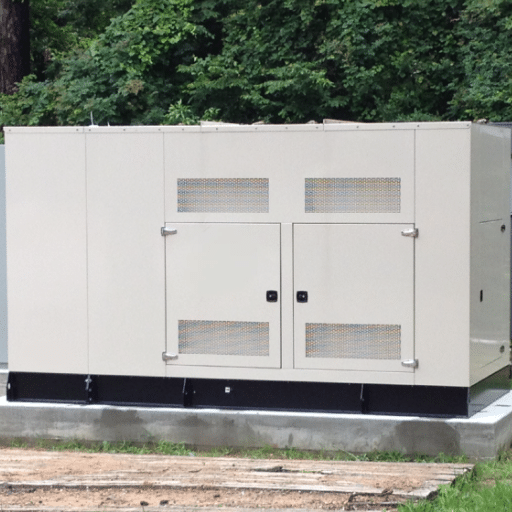
Diesel Fuel Storage Requirements
On-site fuel storage requires careful planning and regulatory compliance:
Tank Capacity Planning
Determine required storage based on runtime needs and fuel delivery reliability. Critical applications often specify 72 hours or more of fuel on-site. Consider:
- Expected outage duration in your region
- Fuel delivery logistics and lead times
- Fuel degradation over time (diesel lasts 6-12 months with proper treatment)
Regulatory Requirements
Environmental regulations govern diesel storage:
- Secondary containment (typically 110% of tank capacity)
- Spill prevention and response plans
- Regular tank integrity testing
- Overfill prevention systems
However, these needs have impact on the outlays and structure of diesel boilers. Typical cost of a diesel storage of 10,000 gallons which consists of tanks, liners and monitoring runs from $50,000 up to $150,000 including additives.
Fuel Quality Management
Stored diesel degrades over time. Water contamination, microbial growth, and oxidation reduce fuel quality. Management practices include:
- Fuel polishing systems for long-term storage
- Biocide treatments to prevent microbial growth
- Regular fuel testing
- Rotation of fuel stock
Natural Gas Infrastructure Requirements
Natural gas supply infrastructure varies by source:
Pipeline Connection
Utility pipeline connection requires:
- Metering and pressure regulation equipment
- Emergency shutoff valves
- Odorization (for safety)
- Coordination with utility provider
Connection costs range from 10,000 for simple connections to 100,000+ for complex industrial installations requiring pipeline extensions or upgrades.
Compressed Natural Gas (CNG)
Where pipelines don’t reach, CNG provides an alternative:
- High-pressure storage tanks (3,000-3,600 psi)
- Compressor stations for fueling
- Tube trailers for delivery
- Specialized dispensing equipment
CNG works for locations with moderate consumption and reliable delivery logistics. High-pressure storage adds safety considerations and regulatory requirements.
Liquefied Natural Gas (LNG)
For high-volume applications without pipeline access, LNG offers energy-dense storage:
- Cryogenic storage tanks (-260°F)
- Vaporization equipment
- Sophisticated safety systems
- Specialized delivery logistics
LNG infrastructure costs significantly more than diesel or CNG but provides pipeline-independent operation for large installations.
Supply Reliability and Global Availability
Fuel supply reliability varies dramatically by region:
Diesel Fuel
This has a high prevalence globally with diesel use more pronounced in heavy diesel usage which even necessitates the construction of containerized power solutions for places that do not have grid electricity. However, fuel prices change according to crude oil and local capacity is subject to constraints from both crude oil prices and demand shocks (for instance, reallocation of supply in case of an inventory deficit).
Natural Gas
Different levels of risk beset regions depending on the state of the Supply chain. Domestic production heavy areas (like the United States and some Middle Eastern countries) are blessed with tens of millions barrels of oil, and as such, enjoy stable and affordable oil. On the other hand, areas reliant on imports of liquified natural gas face price shocks and possible lack of supply at some juncture.
When evaluating supply reliability, consider:
- Local fuel infrastructure maturity
- Historical supply disruption frequency
- Alternative supply options during emergencies
- Strategic fuel reserves or dual-fuel capability
Making the Right Choice for Your Operation

Decision Framework
Selecting between diesel and natural gas requires systematic evaluation:
Step 1: Define Your Requirements
- Power capacity needed (kW)
- Runtime requirements (hours per year, maximum continuous runtime)
- Response time needs (seconds to full power)
- Load characteristics (steady, fluctuating, high starting current)
Step 2: Assess Your Infrastructure
- Natural gas pipeline availability and capacity
- Space for diesel fuel storage
- Environmental regulations and emission requirements
- Existing utility connections
Step 3: Calculate Total Cost of Ownership
- Initial equipment and installation costs
- 10-year fuel cost projections
- Maintenance cost estimates
- Infrastructure and permitting costs
Step 4: Evaluate Risk Factors
- Fuel supply reliability in your region
- Maintenance technician availability
- Parts supply chain robustness
- Regulatory change likelihood
Step 5: Consider Strategic Factors
- Organizational sustainability goals
- Future expansion plans
- Site-specific constraints
- Long-term operational preferences
When to Choose Diesel
Diesel generators are the right choice when:
- No reliable natural gas pipeline exists within economic connection distance
- The application requires true portability (construction, remote operations)
- Maximum reliability with global service support is paramount
- Cold climate operation is required without fuel heating infrastructure
- Initial capital constraints favor lower purchase price
- Rapid startup (under 10 seconds) is critical
Diesel remains the default choice for most backup power applications due to proven reliability and infrastructure independence.
When to Choose Natural Gas
Natural gas generators fit when:
- Reliable pipeline service exists at your location
- Continuous or extended runtime is required
- Emission regulations favor lower NOx and particulate output
- Combined heat and power integration provides economic benefit
- Fuel cost savings justify higher initial investment
- Urban location makes diesel storage difficult or expensive
Natural gas increasingly makes sense for grid-connected facilities with predictable, long-duration power needs.
Hybrid Considerations
Some applications benefit from hybrid approaches:
Dual-Fuel Generators
Power plants that utilize diesel, gas, or both as fuel present an alternative since they can rely on more than one fuel option. These systems use diesel as fuel for a short period before transitioning into the use of primarily natural gas. Additionally, the use of such systems is combined with diesel autonomy to cater for the lack of gas supply in pipelines.
Parallel Systems
Installing both diesel and natural gas generators introduces an element of synergetic effects in engineering. In case of a blackout, natural gas will be used reset for some significant period, with diesel however being reserved for immediate support to the loads requiring high capacity. The operation of the power system is easily controlled by the integrated fault-parallel system.
Bi-Fuel Retrofit
The conversion to bi-fuel could be an option in the drive for increased gas use without sidelining diesel generators in service. The alternative is best recommended for projects that have already put in place diesel powered systems that aim at minimizing the cost of fuel.
Conclusion
Selecting either natural gas or diesel engine generator technology is a decision that will be felt for many years to come. Both systems have been successfully used in many industrial sectors. However, the appropriate decision largely depends on the nature of your needs, the locality and what is of utmost importance.
Key takeaways from this comparison:
- Diesel generators are cost effective, dependable and have global support as well as being able to operate on multiple fuel options. Especially in off-grid areas, they are perfect as backup for power when there is an emergency and for heavy industries.
- Natural gas generators are more suitable and cost-effective in case there exists a gas pipeline, emit heat; are sequential and able to run perpetually and still minimize the emission of greenhouse gases especially where the use of diesel is less practical. Such applications are more prone to urban development or CHP installations.
- Total cost of ownership analysis is important, as it should not be the purchases price but the overall economics surrounding the purchase. Call costs, repairs and the need for infrastructure should be taken into account.
- Fuel supply reliability deserves careful evaluation. Pipeline-dependent systems introduce different risk profiles than on-site fuel storage.
There was no easy answer. Since their Singapore factory was subsidized by reliable city gas service, gas had to be used in the continuous operation of clean rooms. The facility in the rural part of Vietnam had no choice but to use diesel, due to infrastructure constraints. In each case, the optimal choice was to use natural gas and diesel respectively.
Choose a power solution that is compatible with the way the system is supposed to operate you system. Also consider your infrastructure requirements, the time needed for operations and comfort, legislation, and the nature of the threats posed to the system. The capacity of the generator chosen will safeguard the functioning of the system for a very long time.