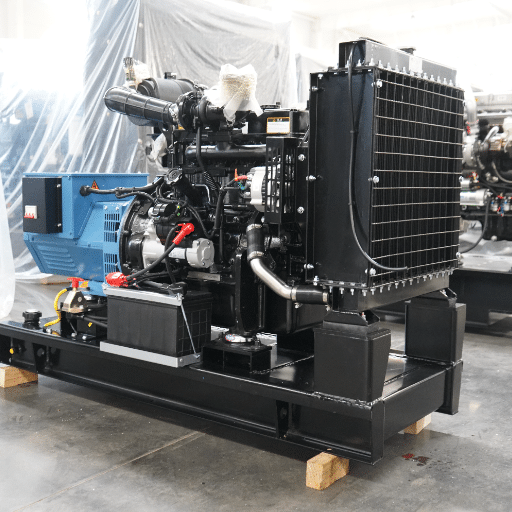



The manufacturing plant in Southeast Asia established a natural gas generator for its assembly line which opened in 2024. The facility had pipeline access, and the procurement team expected lower fuel costs. Regional gas supply shortages led to a 30 percent reduction in pipeline pressure after eighteen months. The plant had to install a backup diesel system at nearly twice the original power budget. The project manager later told us that the decision would have been different if they had evaluated fuel infrastructure risk alongside fuel price.
Most buyers do not realize that this story happens more than they think. The natural gas generator vs diesel debate does not have a universal winner. Your application requires fuel infrastructure selection together with your operating hours and operational objectives for future operations. The two technologies offer dependable power supply when engineers design their systems effectively. Your project needs a specific fuel type to match its actual operational requirements.
This guide provides a manufacturer-level comparison of natural gas and diesel generators for industrial buyers. The investigation will focus on fuel efficiency and cost structures and reliability and maintenance requirements and emissions compliance and real-world applications. The end result will provide you with a complete system to determine the appropriate generator technology needed for your project.
For in-depth technical details regarding natural gas generator specifications, (please refer to our natural gas generator guide.)
How Diesel and Natural Gas Generators Work

Understanding the fundamental difference between these two technologies is essential before evaluating performance or cost.
Diesel Generator Fundamentals
Diesel generators operate with compression ignition engines. The engine compresses air in the cylinder until it reaches extreme temperatures. The system injects diesel fuel straight into the combustion chamber. The fuel ignites without a spark plug. This process generates thermal efficiency combined with powerful torque output at low engine speeds.
Diesel fuel has an energy density of about 129 BTU per unit volume. This value exceeds natural gas energy density at standard conditions by approximately three and a half times. Diesel engines achieve greater power output because their high energy density enables them to generate more power from each liter of diesel fuel burned. Diesel generators maintain their operations through fuel stored in tanks located at their facilities. The storage system enables complete operational autonomy because it eliminates the need for any external fuel delivery systems.
Natural Gas Generator Fundamentals
Natural gas generators operate using spark ignition engines which function like automotive gasoline engines. The cylinder burns a natural gas and air mixture which a spark plug ignites. Natural gas combustion produces cleaner emissions than diesel because natural gas contains fewer impurities and its combustion process achieves complete fuel combustion.
Natural gas has a lower energy density of approximately 37 BTU per unit volume at standard conditions. A natural gas engine requires more fuel to achieve the same power output compared to other engines. Natural gas generators can either connect to utility pipelines or operate using compressed natural gas (CNG) and liquefied natural gas (LNG) storage systems. Most installations can use pipeline connectivity to prevent the need for on-site fuel storage.
Fuel Efficiency and Performance Comparison
Energy density directly affects how each generator performs under industrial loads. However, real-world efficiency depends on more than fuel chemistry.
Power Output and Load Response
Diesel engines manage unexpected weight increases better than natural gas engines do. The 500 kW diesel generator maintains steady voltage levels during a 50 percent load increase which demonstrates its capability to handle such load increases. Diesel fuel serves as the optimal fuel choice for construction sites mining operations and industrial facilities that require extensive motor operations.
Natural gas engines excel at steady, consistent loads. A natural gas system will deliver stable operation for a data center that operates at 80 percent baseline load. The engine operates smoothly at constant speed with less mechanical stress. Natural gas functions as a dependable power source for applications that experience minimal changes in electrical demand.
Startup Speed
Startup time matters for emergency backup applications. A diesel generator typically reaches full load capacity in 5 to 10 seconds after startup. Natural gas generators generally require 10 to 30 seconds to reach full output. For hospitals, data centers, and critical manufacturing processes, those extra seconds can determine whether backup power arrives before sensitive equipment shuts down.
Fuel Consumption at Common Loads
Fuel consumption varies by load percentage and generator size. According to industry data compiled by Generator Source, a diesel generator at 75 percent load consumes approximately 24 gallons per hour at 500 kW output and 47 gallons per hour at 1000 kW output. Natural gas consumption is typically measured in cubic feet per hour or gasoline-gallon-equivalents. While natural gas requires a larger volume of fuel for the same energy output, the lower per-unit cost of utility gas often compensates for the higher volume in continuous-use scenarios.
The comparison below summarizes the key performance differences:
| Factor | Diesel Generator | Natural Gas Generator |
|---|---|---|
| Energy Density | ~129 BTU per unit | ~37 BTU per unit |
| Startup to Full Load | 5–10 seconds | 10–30 seconds |
| Load Spike Handling | Excellent | Moderate |
| Steady Load Efficiency | Good | Very Good |
| Best Application | Variable / heavy loads | Consistent / steady loads |
Cost Analysis: Upfront Investment vs Long-Term Operation

Purchase price is only one component of total cost. Industrial buyers must evaluate installation, fuel, maintenance, and equipment lifespan together.
Equipment and Installation Costs
Diesel generator sets display decreased initial equipment expenses which affect all standby systems but especially impact large standby systems. A 1000 kW diesel unit typically costs less than a comparable natural gas unit. Diesel installation requires less equipment than other fuel types because remote sites only need fuel tanks and delivery logistics. The system requires no pipeline connections and utility meters and gas pressure regulators.
When a facility possesses existing pipeline infrastructure natural gas installations become financially competitive with other options. If a gas main runs near the property connection costs may be modest. The process of extending a gas line to a remote industrial site or upgrading pipeline capacity for large generators will create major expenses. Facilities without gas service must spend more on infrastructure than they need to pay for generator equipment.
Fuel Cost Over Time
Fuel cost is where the diesel vs natural gas generator calculation shifts most dramatically. Diesel fuel prices track crude oil markets and can fluctuate significantly. Delivery logistics add cost for remote sites. Natural gas utility rates are generally more stable and lower on a per-kilowatt-hour basis.
For a facility running a generator 2,000 hours per year, natural gas fuel savings often offset higher installation costs within three to five years. For standby systems running 50 to 200 hours annually, fuel savings are minimal. In those cases, the lower upfront cost of diesel usually produces a lower total cost of ownership.
Total Cost of Ownership
Total cost of ownership includes purchase price, installation, fuel, maintenance, overhauls, and eventual replacement. A manufacturing plant in Eastern Europe learned this lesson during a 2023 expansion. The project team initially favored natural gas due to lower projected fuel costs. After calculating pipeline extension fees, gas pressure booster equipment, and maintenance contracts, the 15-year TCO for diesel came in 18 percent lower. The plant chose diesel and installed on-site fuel storage for 72 hours of continuous runtime.
The break-even point between natural gas and diesel depends heavily on annual operating hours. Frequent operation favors natural gas. Occasional or standby operation favors diesel.
For a complete picture of what a natural gas generator costs to own, see our guide to commercial natural gas generator cost.
Reliability and Runtime Considerations
A generator that cannot deliver power when needed is a failed investment. Reliability depends on fuel supply, environmental conditions, and engineering quality.
Fuel Supply Independence
Diesel generators store fuel on-site in dedicated tanks. The system continues to run until it exhausts all available fuel. The 5,000-liter tank facility with its 500 kW generator can function continuously for multiple days without needing to refuel. Emergency situations become more complex because refueling needs a fuel truck to deliver fuel. The fuel exists on-site and the operator maintains complete control over its usage.
Natural gas generators require connection to existing pipeline systems for their operation. The system can operate indefinitely because the pipeline maintains constant pressure. The system does not need refueling trucks because its fuel can stay secure for long periods. The situation becomes dangerous because it requires people to depend on existing infrastructure. Gas flow interruptions can occur because of natural disasters or pipeline maintenance or supply disruptions. Hospitals and critical facilities use diesel backup systems because they require backup power even when natural gas serves as their main fuel.
Cold Weather and Harsh Environments
Diesel engines demonstrate dependable operation in cold environments when equipped with suitable glow plugs or block heaters. The standard winter temperature range does not cause diesel fuel to freeze yet extreme cold temperatures lead to gelling unless users add special additives. Mining operations in northern regions and construction sites with seasonal temperature changes use diesel as their main fuel because it remains effective under these conditions.
Natural gas engines experience operational difficulties during extreme cold conditions when two specific problems occur which involve gas pressure reduction and moisture freezing inside regulators. Natural gas systems operating in cold environments need extra security measures which include heated enclosures and continuous pressure surveillance. The added difficulties of remote sites which lack dependable utility services lead operators to prefer diesel fuel for their needs.
Maintenance Requirements and Equipment Lifespan

Maintenance directly affects uptime and lifetime cost. The two technologies differ significantly in service intervals and component wear.
Diesel Generator Maintenance
Diesel engines create additional carbon emissions together with soot. This leads to more frequent oil changes, filter replacements, and fuel system cleaning. Diesel generators which use Tier 4 Final emissions controls need extra maintenance requirements. Diesel particulate filters (DPFs) must regenerate regularly, which requires running the engine at high load (85 to 90 percent) for sustained periods. Failure to meet this load requirement causes filter clogging and expensive repairs.
Diesel fuel stored on-site degrades over time. Water contamination and microbial growth together with oxidation processes will decrease fuel quality. Facilities must implement fuel polishing systems or periodic fuel replacement to maintain reliability. These measures add operational cost but are essential for standby systems that may sit idle for months between uses.
Natural Gas Generator Maintenance
Natural gas combustion produces fewer emissions than diesel combustion. The combustion process results in reduced carbon buildup, which leads to extended periods between major service work and decreased need for oil changes. Drivers must replace spark plugs and ignition wires at regular intervals because these components need to be installed with new parts.
The tradeoff between engine lifespan exists as an engine performance constraint for Natural gas engines which operate at elevated RPMs while their engines experience repeated temperature fluctuations throughout their operational time. A natural gas generator has a lifespan ranging from 10 to 15 years when used continuously at full capacity. A diesel generator with lower RPM operation and heavy-duty internal parts can achieve a lifespan of 20 to 30 years when maintained properly.
For ongoing care after installation, follow our natural gas generator maintenance guide.
Overhaul Intervals
Diesel generators typically operate between 15000 and 25000 hours before they need their first major maintenance. The operating conditions and maintenance standards of natural gas generators determine their lifespan which ranges between 12000 and 30000 hours. The service life of a well-maintained diesel unit increases by several years for every 4000 hours of annual operation at the facility.
A facilities director at a hospital in the Middle East explained that their diesel backup system had operated for 22 years with scheduled overhauls every 18 000 hours. The equipment maintenance schedule required higher costs because the system showed strong reliability performance. Equipment durability serves as the main priority for critical infrastructure because it provides more benefits than the expense of routine maintenance.
Emissions and Environmental Compliance
Environmental regulations increasingly influence generator selection. Understanding emissions profiles helps buyers avoid compliance penalties and permitting delays.
Emissions Comparison
Natural gas produces approximately 30 percent less carbon dioxide than diesel per unit of energy generated. It also emits significantly lower levels of nitrogen oxides (NOx), sulfur compounds, and particulate matter. According to technical data from Depco Power Systems, a Tier 4-compliant natural gas generator can produce less than 2 grams of NOx per kilowatt-hour, while an unfiltered diesel system may produce 7 to 10 grams per kilowatt-hour.
Noise emissions also differ. Natural gas generators typically operate at 58 to 69 dB(A) at 23 feet. Diesel generators often produce 75 to 90 dB(A) at the same distance. For urban installations or facilities near residential areas, noise restrictions may make natural gas the only viable option without extensive soundproofing enclosures.
Regulatory Context in 2026
Countries worldwide continue to establish increasingly strict emissions standards. The United States requires most new diesel generators to meet EPA Tier 4 Final requirements which apply to equipment that exceeds specific power limits. The European Union enforces Stage V standards. Many emerging markets are adopting similar regulations.
Natural gas generators encounter fewer obstacles from regulatory requirements. The process of obtaining permits for natural gas facilities requires less time compared to other facilities while the organization needs to fulfill compliance obligations. Companies that want to achieve sustainability objectives or work in locations with strict air quality regulations should choose natural gas because it offers them a more environmentally friendly way to obtain permission.
The emissions gap between modern diesel technology and previous technologies has decreased. Diesel oxidation catalysts together with selective catalytic reduction (SCR) systems and diesel particulate filters enable diesel generators to meet the most demanding environmental standards. The additional equipment raises expenses and maintenance requirements but diesel remains competitive in markets that have environmental regulations.
How to Choose the Right Generator for Your Application

The natural gas generator vs diesel decision becomes clearer when you match technology to operational requirements. Use the framework below to evaluate your project.
Choose Diesel When
- Backup or emergency power is the primary need
- The site lacks natural gas pipeline access
- Load spikes and heavy motor starting are common
- Cold weather or harsh environmental conditions apply
- Equipment lifespan of 20-plus years is a priority
- Fuel independence from utility infrastructure matters
Choose Natural Gas When
- Continuous or frequent operation is required
- The facility has existing natural gas infrastructure
- Emissions compliance and noise restrictions are strict
- Lower long-term fuel costs justify higher setup investment
- Maintenance simplicity is valued over equipment longevity
- Permitting timelines must be minimized
Consider Hybrid Configurations
Some mission-critical facilities install both technologies. A hospital might use natural gas for extended outage coverage while keeping diesel as the primary emergency backup. A data center might run natural gas for continuous cooling support while relying on diesel for uninterruptible power supply (UPS) backup. Hybrid systems increase capital cost but provide the greatest operational flexibility.
Industrial Applications: Real-World Scenarios
Theoretical comparisons matter less than real-world results. Here is how the natural gas vs diesel decision plays out across common industrial applications.
Construction Sites and Mining Operations
Construction and mining sites are typically remote, temporary, and subject to extreme conditions. Diesel dominates these applications for three reasons. First, pipeline access rarely exists at remote project sites. Second, construction equipment creates heavy load spikes that diesel handles more effectively. Third, diesel fuel can be transported and stored in bulk without specialized infrastructure. A mining operation in northern Canada reported that their diesel generators operated reliably at minus 30 degrees Celsius after simple cold-weather preparation.
Manufacturing Plants
Manufacturing facilities present mixed requirements. A factory with a stable baseload and existing gas service can benefit from natural gas. A plant with variable shifts, heavy machinery, and unreliable grid power may prefer diesel. One automotive parts manufacturer in Mexico chose natural gas for its main production line but installed a diesel backup for the paint shop, where power interruption would ruin an entire production batch.
Hospitals and Healthcare Facilities
Hospitals require the highest level of reliability. Most healthcare codes mandate diesel backup for life-safety systems because diesel provides fuel independence and rapid startup. However, some large hospital complexes use natural gas for non-critical loads or for extended outage support. A 400-bed hospital in Texas uses diesel for its operating theaters and intensive care units while running natural gas generators for administrative buildings and parking structures.
Data Centers and Telecom Infrastructure
Data centers need uninterrupted power. Diesel remains the standard for UPS backup because it starts within seconds and stores fuel on-site. Natural gas is increasingly used for continuous cooling or for facilities located in urban areas with strict emissions rules. The choice often depends on the tier level of the data center and the maximum allowable downtime specified in service level agreements.
Agriculture and Remote Processing
Agricultural operations such as irrigation systems, grain processing, and cold storage facilities often operate far from utility infrastructure. Diesel is the practical choice for most agricultural applications. Natural gas becomes viable only when the facility is near a pipeline or when liquefied natural gas delivery is economical.
What to Look for in a Generator Manufacturer

Fuel type is only one variable. Manufacturing quality, engineering support, and after-sales service determine whether your generator delivers reliable performance over its lifetime.
Engineering and Customization Capability
Not every project fits a standard catalog model. A manufacturer with strong engineering capabilities can customize generator enclosures, cooling systems, control panels, and fuel configurations to match your site conditions. Customization becomes especially important for containerized deployments, high-altitude installations, and specialized emission requirements.
Quality Control and Testing
The reliability of a generator depends on the performance of its least dependable part. The search should focus on manufacturers who possess certified quality management systems and complete testing capabilities for their manufacturing facilities. The standard testing procedures should include load bank testing and voltage regulation verification and control system simulation before shipment. Shandong Huali Electromechanical tests every generator set at our national-standard testing center before we make deliveries.
After-Sales Support and Parts Availability
Generator downtime is expensive. A manufacturer with global parts distribution and responsive technical support reduces mean time to repair. Ask potential suppliers about service network coverage, spare parts lead times, and remote diagnostic capabilities before placing an order.
Selecting the right partner is as important as selecting the right fuel type. A quality manufacturer ensures that your diesel or natural gas generator performs to specification for its entire service life. Learn more about our generator manufacturing capabilities and quality standards.
Conclusion
Diesel generators provide superior power backup solutions which operate in heavy load situations and function at remote locations and endure freezing weather conditions. The system provides total control of fuel resources while extending equipment service life. Natural gas provides facilities with pipeline access reduced operational expenses for continuous operation while producing cleaner emissions and requiring less maintenance work.
Your selection should reflect your generator usage plans and installation site and operational needs. You should select a fuel type which matches your actual project needs instead of evaluating specifications on their own.
Key takeaways for industrial buyers:
- Evaluate total cost of ownership, not just purchase price
- Consider fuel infrastructure availability and reliability risk
- Match generator technology to your load profile and duty cycle
- Account for emissions regulations and permitting requirements
- Select a manufacturer with proven quality control and engineering support
Our engineering team will help you select natural gas and diesel generators for your industrial power project which you are currently planning. Our team delivers personalized recommendations through their evaluation of load requirements and site characteristics and operational objectives. Contact us to discuss your project and receive a tailored power solution.
For a deeper technical breakdown of dual fuel industrial generator specifications and key considerations for commercial buyers, see our dual fuel industrial generator guide.