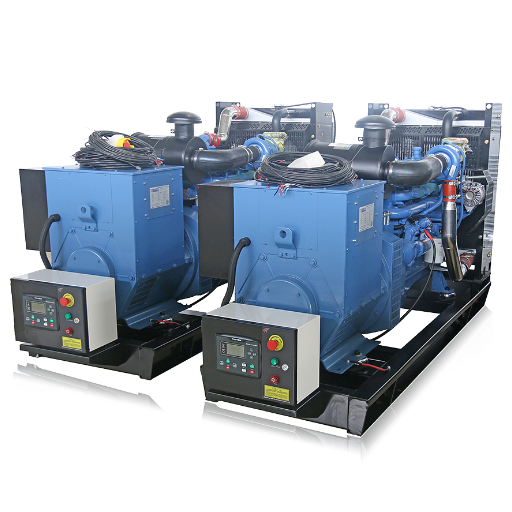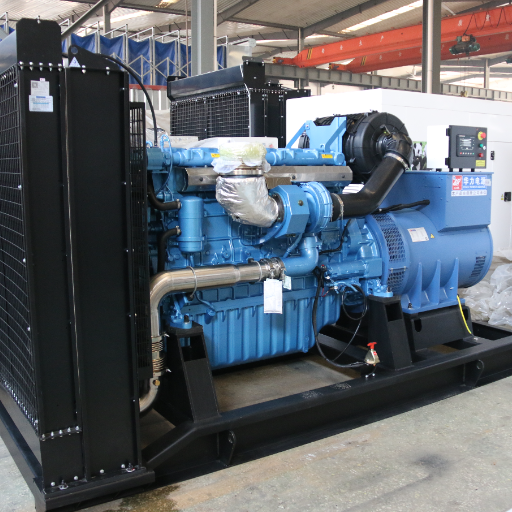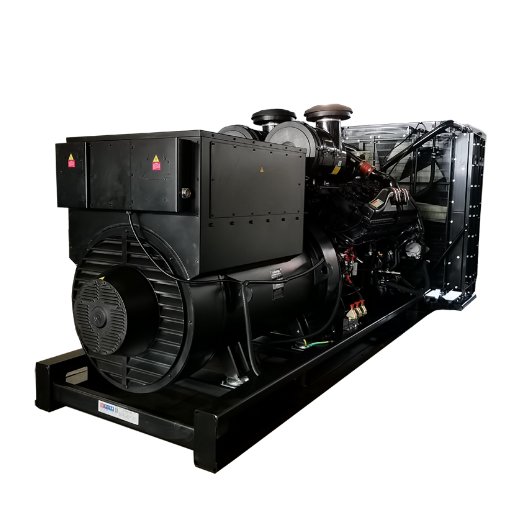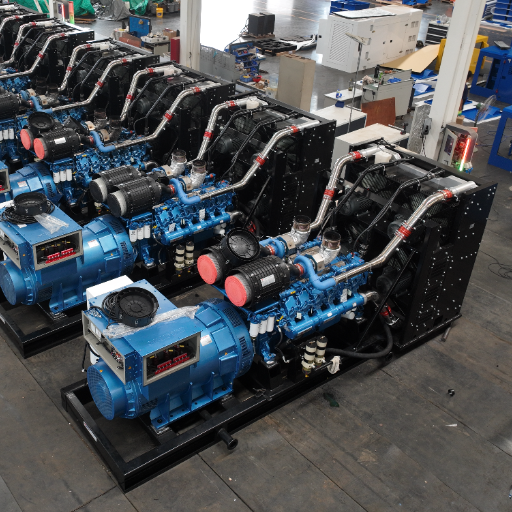



Generator set installation cost ranges from 8,000forasmall20kWcommercialunittoover8,000forasmall20kWcommercialunittoover500,000 for a 2,000 kW industrial system, with installation typically representing 45-55% of the total project budget. For most industrial buyers, the surprise is not the equipment price; it is how quickly site work, electrical integration, and code compliance add to the bottom line.
In 2024, a project engineer in Eastern Europe named Viktor received a quote for a 500 kW diesel generator set at 135,000.Hebudgeted135,000.Hebudgeted170,000 total. Six months later, the final invoice came to $248,000. The concrete inertia block, ATS integration, and EPA Tier 4 exhaust aftertreatment had pushed installation costs to nearly match the equipment price.
Viktor’s story is common. Most buyers underestimate installation by 40% or more. They focus on the sticker price. Everything else becomes an afterthought.
This guide breaks down generator set installation cost by kW class, component, and region. You will learn exactly where the money goes, which hidden costs blow budgets, and how to plan a realistic project estimate before you break ground.
Key Takeaways
- Installation typically costs 45-55% of the total project budget, often matching or exceeding equipment price on large systems
- A 500 kW diesel generator installation runs 85,000−85,000−125,000 in labor and materials, on top of 150,000−150,000−240,000 for the equipment
- Regional labor rates create 40-60% cost swings between Southeast Asia and Western Europe for identical scopes
- Foundation, electrical switchgear, and fuel storage are the three largest installation cost drivers after labor
- Proper upfront planning with a detailed installation checklist prevents 15-20% contingency overruns
What Drives Generator Set Installation Cost

Installation cost is not a single line item. It is the sum of civil, mechanical, electrical, and regulatory work that transforms a factory-delivered genset into a functioning power system. Understanding each driver helps you control the total rather than react to surprises.
Generator Size and Weight
Larger generators require heavier foundations, larger cranes, thicker electrical cabling, and more complex fuel systems. A 2,000 kW unit can weigh 12,000 kg or more, which means the concrete inertia block alone may cost 20,000−20,000−35,000. Smaller 50 kW units often sit on simple reinforced pads that cost under $3,000.
Weight also drives rigging complexity. Rooftop or basement installations for large units can add 15,000−15,000−50,000 in crane and structural reinforcement costs. Ground-level placement with clear truck access is almost always the most cost-effective approach.
Site Conditions and Access
Flat, stable soil with good drainage simplifies foundation work. Rocky terrain, high water tables, or contaminated soil can require soil stabilization, dewatering, or imported fill. Each of these conditions adds 5,000−5,000−25,000 to site preparation.
Physical access matters too. If a crane cannot reach the pad location, you may need specialized rigging, temporary road construction, or even helicopter lifts for remote sites. One mining project in West Africa spent $18,000 just building a temporary access road to move a 1,000 kW generator to its final position.
Fuel Type and Storage Requirements
Natural gas installations avoid fuel storage tanks entirely, which saves 8,000−8,000−50,000 depending on diesel tank specifications. However, natural gas requires utility connection upgrades and pressure regulation stations that diesel systems do not.
Diesel installations must account for above-ground or underground storage tanks, leak detection systems, spill containment, and fire department approvals. Underground double-wall tanks with environmental monitoring can cost 25,000−25,000−50,000 alone, but they are required by code in many jurisdictions. See our diesel vs gas generator comparison for a full fuel-type cost analysis.
Electrical Complexity
A simple automatic transfer switch for a 100 kW unit might cost 8,000−8,000−15,000 plus 5,000−5,000−12,000 in installation labor. A 1,000 kW system with paralleling switchgear, remote annunciation, and multi-building distribution can push electrical costs past $100,000.
Hospital and data center installations often require isolated grounding systems, redundant feeders, and specialized protective relaying. Each layer of electrical redundancy adds cost but is non-negotiable for life-safety applications.
Environmental and Noise Compliance
Sound-attenuated enclosures add 10,000−10,000−80,000 to equipment cost. They often eliminate the need for separate building construction. In noise-sensitive areas, additional acoustic barriers or intake silencers may be required.
Emissions compliance adds another variable. EPA Tier 4 Final aftertreatment systems add 15-25% to equipment cost. They also require exhaust insulation and DEF (diesel exhaust fluid) storage.
Generator Set Installation Cost by kW Class

The most practical way to budget is by kW tier. Equipment and installation costs scale differently as systems grow larger, and the percentage split between equipment and labor shifts significantly. Industry data from Turnkey Industries confirms that installation often equals equipment price on systems above 500 kW.
Small Systems (20-100 kW)
| Cost Component | Range |
|---|---|
| Equipment | 22,000−22,000−52,000 |
| Installation (labor + materials) | 8,000−8,000−35,000 |
| Permits and inspections | 500−500−2,500 |
| Total Project Cost | 30,500−30,500−89,500 |
Small commercial installations for offices, retail, and restaurants typically involve straightforward electrical work, minimal foundation requirements, and simple above-ground fuel tanks. Installation represents roughly 25-40% of total cost at this scale because the absolute dollar amounts for electrical and foundation work are lower.
Medium Systems (100-500 kW)
| Cost Component | Range |
|---|---|
| Equipment | 45,000−45,000−240,000 |
| Installation (labor + materials) | 45,000−45,000−180,000 |
| Permits and inspections | 2,000−2,000−8,000 |
| Total Project Cost | 92,000−92,000−428,000 |
This is the range where installation cost begins to approach equipment cost. A 250 kW unit for a manufacturing plant requires a substantial concrete pad, dedicated fuel storage, and significant electrical switchgear. At 500 kW, the installation often hits 85,000−85,000−125,000, nearly matching a mid-range equipment price of $135,000.
For a detailed breakdown of foundation requirements in this range, see our guide on generator set foundation design.
Large Systems (500-2,000 kW)
| Cost Component | Range |
|---|---|
| Equipment | 175,000−175,000−750,000 |
| Installation (labor + materials) | 150,000−150,000−500,000+ |
| Permits and inspections | 5,000−5,000−25,000 |
| Total Project Cost | 330,000−330,000−1,275,000 |
Large industrial installations reverse the cost ratio seen in small systems. Installation can equal or exceed equipment price because of the civil engineering involved. Inertia blocks for 2,000 kW units may require 15,000 kg of reinforced concrete.
Fuel systems need multiple tanks with transfer pumps. Electrical work involves paralleling gear, sophisticated protection schemes, and extensive conduit runs.
Equipment vs Installation vs Permits Split
| kW Class | Equipment % | Installation % | Permits % |
|---|---|---|---|
| 20-100 kW | 60-70% | 25-40% | 1-3% |
| 100-500 kW | 50-60% | 35-45% | 2-4% |
| 500-2,000 kW | 45-55% | 40-50% | 2-5% |
Component-by-Component Cost Breakdown

Breaking installation into individual components helps identify where to optimize and where corners cannot be cut.
Foundation and Concrete Pad
- Small pad (under 200 kW): 3,000−3,000−8,000
- Medium inertia block (200-750 kW): 8,000−8,000−25,000
- Large inertia block (1,000+ kW): 20,000−20,000−50,000+
- Rooftop reinforcement and crane: 15,000−15,000−50,000
Concrete specifications depend on soil bearing capacity and vibration requirements. A proper inertia block should weigh 1.5-2 times the total generator set weight. Skimping here leads to cracked pads, vibration damage, and expensive retrofits.
Fuel System
- Above-ground 500-gallon diesel tank: 8,000−8,000−15,000
- Underground 1,000-gallon double-wall tank: 25,000−25,000−50,000+
- Natural gas connection and pressure regulation: 5,000−5,000−15,000
- Fuel piping (steel or CSST): 2,000−2,000−10,000
- Leak detection and spill containment: 3,000−3,000−8,000
Diesel systems cost more upfront due to storage requirements but avoid utility dependency. Natural gas is simpler to install but ties reliability to pipeline infrastructure.
Exhaust System
- Industrial muffler and piping: 2,000−2,000−15,000
- Exhaust insulation and shielding: 1,500−1,500−5,000
- EPA Tier 4 aftertreatment (SCR/DPF): 15,000−15,000−60,000+
- Rain caps, expansion joints, and supports: 1,000−1,000−3,000
Exhaust back pressure must stay within manufacturer limits, typically 6.7 kPa or less. Undersized piping or excessive bends increase back pressure, reduce engine power, and can void warranties.
Electrical Integration
- Automatic transfer switch (100-250 kW): 8,000−8,000−20,000 installed
- ATS (500-1,000 kW): 35,000−35,000−75,000 installed
- Load cabling and conduit: 5,000−5,000−30,000
- Grounding electrode system: 2,000−2,000−8,000
- Panel upgrades: 1,500−1,500−4,000
- Remote monitoring and annunciation: 3,000−3,000−12,000
Cooling and Ventilation
- Engine room ventilation fans and louvers: 3,000−3,000−15,000
- Remote radiator with glycol loop: 10,000−10,000−40,000
- Heat exchanger and raw water piping: 5,000−5,000−20,000
Remote radiators are common for indoor installations where engine room airflow is limited. They add cost but solve ventilation challenges that would otherwise require extensive building modifications.
Noise Control and Enclosures
- Sound-attenuated enclosure (factory): 10,000−10,000−80,000
- Site-built acoustic barrier: 5,000−5,000−25,000
- Intake and exhaust silencers: 2,000−2,000−10,000
Many industrial applications do not require full enclosures, but hospitals, schools, and residential-adjacent sites often do. Factory-installed enclosures are almost always cheaper than site-built solutions.
Commissioning and Load Bank Testing
- Basic commissioning (startup and tuning): 3,000−3,000−8,000
- Full commissioning with load bank test: 8,000−8,000−25,000
- Protection relay testing and simulation: 2,000−2,000−5,000
- Documentation and handover package: 1,000−1,000−3,000
Commissioning is not optional. NFPA 110 requires specific acceptance tests for Level 1 emergency power systems, and most manufacturers require documented commissioning to activate warranty coverage.
Permits, Inspections, and Compliance
- Electrical permit: 150−150−800
- Building/foundation permit: 200−200−1,500
- Environmental permit: 500−500−5,000
- Fire department approval: 0−0−1,000
- Third-party inspection: 1,000−1,000−3,000
Complex projects in regulated environments can see permitting costs reach $10,000 or more, particularly when environmental impact assessments or noise studies are required.
Regional Cost Variations
Labor rates, material costs, and regulatory complexity vary dramatically by region. The same 500 kW installation can cost 60% less in Southeast Asia than in Western Europe.
North America (US/Canada)
Labor rates range from 75−75−150 per hour for electricians and 50−50−100 for general construction. Union jurisdictions push rates higher. Total installation costs typically run 600−600−1,000 per kW for commercial projects. GeneratorPrice.com tracks these labor rates across US markets and updates them annually. EPA Tier 4 Final compliance is mandatory for most non-emergency applications, adding 15-25% to equipment and exhaust costs.
Western Europe (UK, Germany, France)
Labor rates are among the highest globally, often 80−80−160 per hour. EU Stage V emissions compliance adds cost similar to EPA Tier 4. Installation costs average 700−700−1,200 per kW. Environmental permitting is rigorous, and noise limits are strictly enforced in populated areas.
Southeast Asia (Thailand, Vietnam, Indonesia)
Labor rates of 15−15−40 per hour make installation significantly more affordable. Total costs often run 400−400−700 per kW. However, permitting processes can be unpredictable, and imported equipment may face customs duties of 5-20%. Local concrete and steel are inexpensive, which reduces foundation costs.
Middle East (UAE, Saudi Arabia)
Labor rates vary widely depending on whether work is performed by local contractors or expatriate firms. European contractors charge 60−60−120 per hour, while South Asian labor crews may cost 10−10−25 per hour. Total installation costs range from 500−500−900 per kW. Extreme heat requires additional cooling and ventilation design.
Africa (Nigeria, South Africa, Kenya)
Local labor is inexpensive (8−8−25 per hour), but equipment import duties, logistics challenges, and limited local expertise can increase overall project cost. Total installation ranges from 450−450−800 per kW. Generator reliability is especially critical because local technical support may be limited.
China and East Asia
As a manufacturing hub, China offers the lowest equipment costs globally. Local installation labor runs 10−10−30 per hour. Total installed costs can be 30-50% below US levels for equivalent systems. However, quality of installation work varies, and projects in Tier 2 or Tier 3 cities may face contractor availability challenges.
Regional Cost Multiplier Table
| Region | Multiplier (US = 1.0) |
|---|---|
| United States | 1.0 |
| Western Europe | 1.1-1.4 |
| Middle East (local labor) | 0.7-0.9 |
| Southeast Asia | 0.6-0.8 |
| Africa | 0.6-0.9 |
| China | 0.5-0.7 |
These multipliers apply to installation labor and local materials. Equipment cost is more uniform globally, though import duties create regional variations.
Hidden Costs That Blow Installation Budgets

Even experienced project managers miss these line items. Each one can add thousands to the final invoice.
Crane and Rigging for Tight Access
When a truck cannot reach the pad, a mobile crane becomes necessary. Crane rental for a day runs 1,500−1,500−5,000 depending on capacity. Indoor installations may require rigging through walls or roofs, multiplying the cost. One facility in Southeast Asia spent $12,000 on crane rental alone because the generator had to be lifted over an existing building.
Soil Stabilization and Drainage
Poor soil conditions require geotechnical engineering, soil replacement, or deep foundations. A 750 kW installation in Eastern Europe discovered unstable peat soil that required pilings, adding $22,000 to the foundation budget.
Utility Upgrades
The existing electrical service may not support the additional load of a charging circuit or block heater. Utility upgrades can cost 5,000−5,000−25,000 and add 4-8 weeks to the schedule. Natural gas installations often require larger service lines and meter upgrades.
Temporary Power During Installation
If the generator is replacing an existing backup system, temporary power may be needed during the cutover. Rental generators, transfer switches, and cabling can cost 2,000−2,000−10,000 for a multi-week installation.
Delay Costs from Permitting
Every week of delay costs money. Site security, equipment storage, and extended contractor mobilization add up. An 8-week permitting delay on a medium-sized project can easily add 10,000−10,000−20,000 in indirect costs.
Retrofit vs New Construction Delta
Installing a generator in an existing building costs 30-50% more than in new construction. Existing structures require demolition, structural analysis, and creative routing of fuel lines and exhaust. If you have a choice, always plan generator installation during initial construction.
Mini-Story: The Hospital That Saved $40,000 by Planning Ahead
In January 2025, a hospital facilities director in the Middle East named Rashid was planning a 1,000 kW standby installation. Instead of budgeting equipment-only and adding installation later, he hired a local engineering firm to produce a full installation specification before requesting quotes. The spec included foundation drawings, single-line diagrams, and a phased construction schedule.
When contractors bid, the spread between high and low quotes was only 12% because everyone was pricing the same scope. Rashid’s competitor hospital, which used a vague verbal scope, saw a 45% spread and ended up with a low bidder who added 40,000inchangeordersfor”unforeseen”electricalwork.Rashid′supfrontplanningcost40,000inchangeordersfor“unforeseen“electricalwork.Rashid′supfrontplanningcost8,000. It saved him $40,000.
How to Budget Accurately for Your Installation
Accurate budgeting is not about padding numbers. It is about understanding every cost category before contractors start work.
The 45-55% Rule
For commercial and industrial installations between 100 kW and 2,000 kW, plan for installation to represent 45-55% of total project cost. That is a big number. It includes labor, materials, fuel systems, electrical switchgear, and commissioning.
Small systems under 100 kW see lower ratios. Installation drops to 25-40%. Mission-critical applications with full redundancy can reach 60-70%.
Getting Multiple Contractor Quotes
Request at least three quotes for installation work, and ensure each contractor is pricing the same scope. Provide a written specification that includes foundation design, electrical single-line diagrams, fuel system requirements, and commissioning criteria. Vague scopes produce low initial bids and expensive change orders.
Planning for Contingency
Add 15-20% contingency for unforeseen conditions, particularly on retrofit projects or sites with unknown soil conditions. On new construction with clear site surveys, 10% may suffice. Never reduce contingency to make a budget target fit. Under-budgeting creates cash flow problems mid-project.
Phasing Installation to Manage Cash Flow
Large projects can be phased: site preparation first, followed by foundation, then generator delivery, then electrical and fuel connections, and finally commissioning. Phasing does not reduce total cost, but it spreads payments across quarters and allows early identification of budget overruns.
Ready to plan your installation budget? Start with our complete generator set installation guide to understand the full process from site assessment through commissioning.
How Shandong Huali Reduces Your Installation Cost

Generator set installation cost is not just about local labor and materials. The design and quality of the equipment itself has a major impact on field installation time and complexity.
Shandong Huali generator sets are engineered to streamline installation through several design choices. Every unit leaves the factory with a complete technical documentation package, including foundation drawings, exhaust routing diagrams, and single-line electrical schematics. This eliminates the engineering hours that many projects waste on reverse-engineering equipment specifications.
Our DSE digital control panels arrive pre-configured with standard protection settings and communication protocols, reducing electrical commissioning time by 20-30% compared to systems that require extensive on-site programming. Standardized skid dimensions and mounting patterns are compatible with common spring isolator systems, which simplifies foundation design and reduces the risk of alignment errors.
Factory load testing at the national-standard testing center ensures that alternator voltage regulation, engine governor response, and protection systems are validated before shipment. This reduces the likelihood of commissioning surprises that extend field time and add labor cost.
For projects requiring full engineering support, our team provides installation guidance, foundation review, and commissioning assistance. From initial specification through final handover, we support your project to ensure the installation stays on budget and on schedule.
Conclusion
Generator set installation cost is the largest hidden expense in most power system projects. Equipment price is only half the story. Foundation, electrical integration, fuel storage, and commissioning can add 45-55% more, and regional labor rates create swings of 40% or more for identical installations.
The buyers who avoid budget overruns follow three principles: they budget by kW class using realistic cost tables, they get detailed contractor quotes from a written specification, and they plan for a 15-20% contingency on anything but the simplest greenfield project.
Whether you are installing a 50 kW backup unit for a commercial building or a 2,000 kW prime power system for a remote industrial site, accurate cost planning prevents the mid-project surprises that derail timelines and strain capital budgets.
Before you start budgeting, make sure you have selected the right generator size. Our guide on how to choose a diesel generator set covers load analysis, starting requirements, and sizing margins. After installation, establish a preventive maintenance schedule using our generator maintenance checklist to protect your investment.
Need help estimating installation cost for your specific project? Contact our engineering team for a detailed budget assessment based on your kW requirement, site conditions, and regional factors. We will help you build a realistic plan that keeps your project on track from day one.