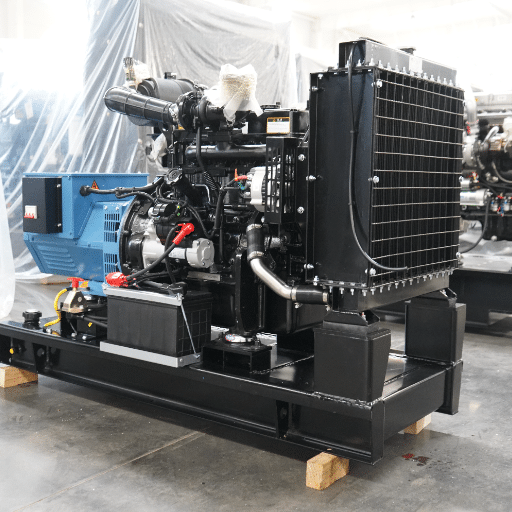


In case of severe weather events or sudden power outages, a dependable backup power source can literally bring comfort instead of chaos. The very first step of home generator installation is definitely a thing that the homeowner should consider. Thus, such generators are a must-have feature to keep the electricity fed into the household uninterrupted. In addition to lights and heating, essential services like refrigeration will still be functioning when the main power supply shuts down, and the grid is offline.
You will find this guide on installing a backup home generator quite helpful and easy to use. We’re going to provide you with a thorough overview of everything that needs to be done in order to get through to the utmost of the generator installation process, from gaining a good understanding of the main installation steps to getting familiar with the compulsory safety measures and maintenance routines. You may find this guide particularly helpful if you just want to upgrade your existing system or if it’s your very first time going through the process. In either case, the information presented here will help you make educated choices.
Understanding Backup Generators

Backup generators are machines that can provide power to your residence in case electricity is cut off. They work by converting fuel like natural gas, propane, and diesel into electrical energy with the help of an internal engine and an alternator. They are normally divided into two major types: portable and standby models. Standby generators are installed permanently; they start automatically when there is a power cut, and they are connected to your home’s electrical grid, so power is restored without interruption. Portable generators, on the other hand, need to be installed manually and are usually meant for smaller power requirements. Proper installation, regular maintenance, and strict compliance with safety protocols are the key factors to keeping the system running reliably and free from dangers like carbon monoxide poisoning or electrical accidents.
What is a Backup Generator?
A backup generator is essentially a power system that automatically kicks in and provides electricity when the main power supply goes off or there is an interruption. The market offers various types of these generators, with standby and portable being the most common ones. Standby generators are those that are set permanently, connect with the electrical panel of the house, and then automatically run when a power cut is detected. Usually, the standby generators are based on fuel sources like natural gas or propane, or diesel. On the other hand, portable generators are less powerful and need manual operations; they are mostly used in small applications and also run on gasoline. Backup generators are critical for preventing the entire business from going down and incurring losses during prolonged power cuts. The three main factors that determine the success of backup generators are installation, maintenance, and compliance with safety standards.
Types of Backup Generators
Standby Generators
Standby generators are automatically operating units that are permanently installed to deliver power backup during outages. The systems can run on fuels like natural gas, propane, or diesel and are installed right into the power line of a building. They switch on within a few seconds after the power goes off, so there is no break for the critical systems. Standby generators are perfect for homes, firms, or institutions that need a constant power supply.
Portable Generators
Portable generators are temporary or emergency units that are mobile and less powerful than standby generators. They are usually powered by gasoline or propane, and they need manual setup and connection to the appliances or power systems. Outdoor events and short-term power outages are some of the common uses. They are mobile and convenient, but they are typically lower in power.
Solar Backup Generators
Solar backup generators make use of solar panels to harness energy and store it in batteries. This is a renewable and environmentally friendly solution for power. They are especially beneficial in sunny accredited locations, and they can operate without conventional fuel. However, power-wise, they have a downside when compared to fuel-based systems, but the development of technology has paved the way for them to be efficient in lighting small devices or essential after an outage.
Users can opt for the most relevant solution based on their power needs and situations by being aware of the various forms of backup generators and their operations.
Benefits of Home Standby Generators
Home standby generators are one of the most reliable and effective backup power sources, and they are completely automatic, so there won’t be any appliance or system that will be interrupted during a power outage. The generators are installed in a permanent place and are connected to the building’s electrical system. The automatic transfer switch is ready to be activated at once if there’s a cut in the grid power. The prompt restoration of electricity caused by the generator is among the best benefits; it happens automatically, so there is no need for a person to do the hard work, which is a great thing to have during bad weather or emergencies.
On the other hand, one notable benefit that generators have is that they ensure the necessary operations without interruption, like air conditioning, medical devices, and refrigeration, that could be at risk if the power goes out. The up-to-date home standby generators come with many features that were not available to the last generation, for example, they support apps for remote monitoring and show better fuel efficiency, using natural gas or propane for burning. On top of all that, the standby generator installation comes along with advantages like property value increase and long-term cost savings compared to the rental of portable units or repairs after prolonged outages. The generators are seen as a necessity for proper powering, thus making it a worthy investment for safe and comfortable living amid power failure.
Generator Installation Process

The process of installing a standby generator is very methodical, with safety and reliability as the first priorities. The first step is to pick out an appropriate site that is usually outside, on a flat surface, and far enough away from the house to comply with safety regulations. After that, an expert with a proper license puts the generator in place and hooks it up to a transfer switch, which makes the power cut very smooth because of the quick transition. Next, the electrician and plumber make the electrical and gas line connections, respectively, so that the home and the generator are properly integrated into the utilities system. Moreover, the generator is tested to check if it works well and is up to standard according to the local codes and regulations. This is followed by the maintenance needed for the reliability and performance of the system over a long period of time.
Preparing for Generator Installation
The successful installation of a generator depends very much on proper preparation. First, assess the power requirement of your house in order to choose the generator size and capacity that fit your needs. During an outage, determine the necessary appliances and systems that have to be provided with power backup. After that, talk to a licensed technician and have him//them conduct a site survey that will determine the best place for installation. Usually, such a location has to maintain safety clearances and be close to utility lines. Make sure that local regulations are followed, and the necessary permits are acquired before installation. Finally, come up with a comprehensive budget that lists all the expenses for the generator, transfer switch, installation, and possible upgrades to your electrical system. Not only do these steps help in the smooth running of the process, but they also make sure that the generator is ready to function properly when demanded.
Choosing the Right Location for Your Generator
Choosing the perfect generator site will not only guarantee safety but also maximize efficiency and be in accordance with the law. Hence, install the generator outside, at least 5 feet away from all doors, windows, and vents, so that carbon monoxide will not build up inside the house. Always observe local codes and manufacturer instructions for the correct installation. Check that the ground is even and solid to avoid any unnecessary vibrations, and think about having protective covers to prevent the generator from damage from bad weather. Moreover, place the generator next to the electrical panel to save on wiring and installation costs, and at the same time, be able to maintain it easily. The flow of air and space around the generator is very important to avoid overheating and get the best performance out of the machine. The application of these techniques together not only protects the performance of the generator but also prolongs its life.
Required Equipment and Tools
For the proper installation and continual operation of a generator, the following tools and equipment are required:
- Generator Unit – It is important that the generator has the correct wattage and is compatible with the electrical system specifications.
- Transfer Switch – It is required that a manual or automatic transfer switch be used to safely switch over the electrical power during the operation of the generator.
- Concrete or Steel Mounting Pad – A place that is strong and can absorb vibrations is provided for the generator.
- Weatherproof Enclosure – The generator is protected from rain, snow, and heat or extreme cold.
- Electrical Wires and Conduits – The connection between the generator and the electrical panel will be made by using high-quality, weather-resistant wiring and conduits, which are of utmost importance.
- Fuel Supply Equipment – This includes pipes, regulators, and tanks that can accommodate your choice of generator fuel (natural gas, propane, or diesel).
- Voltage and Continuity Tester – The device is used to make sure that the right connections are made and that the generator has been properly wired to the power system.
- Basic Hand Tools – The installation and maintenance activities will require tools such as drills, wrenches, pliers, and screwdrivers.
- Ventilation Components – Exhaust piping and clamps are included to allow safe emission of fumes from the generator.
- Safety Gear – Personal protective equipment (PPE) such as gloves, safety glasses, and hearing protection is provided to protect the person who is doing the installation during the performance of his/her duty.
The presence of appropriate equipment and tools not only facilitates the installation but also guarantees the overall operation of the generator system for a long time. It is recommended that you always hire a licensed electrician for complicated installations to ensure adherence to local electrical codes and safety standards.
Home Generator Installation Steps

- Site Assessment – To begin with, the site should be evaluated, and an appropriate location for the generator should be determined by considering all the factors, like the distance to the electrical panel, the possibility of good ventilation for exhaust, and possible compliance with the local zoning and safety regulations.
- Permits and Codes – Next, permission should be sought as a priority, and the installation secured from the standpoint of being compliant with local electrical and building codes. This step is vital as it removes the potential of legal and safety matters arising.
- Prepare the Installation Area – Debris should be removed from the site, and a firm and flat surface should be created for the generator. A concrete slab or other appropriate foundation may be a necessity in the case of larger units.
- Electrical Connections – A certified electrician should be consulted, and the transfer switch should be installed, and the generator’s connection to the electrical panel made. All wiring should be confident and protected against faults or hazards.
- Fuel System Setup – Depending on the model specifications, the generator should be connected to a fuel source like propane, natural gas, or diesel. Double-check that all the connections are properly sealed to prevent leakage.
- System Testing – Switch on the generator and check its performance with load conditions. Make sure it carries out power transfer through the switch without any hiccup and runs within the prescribed limits.
The outlined steps, if meticulously followed, will result in a safe and resourceful home generation installation. Moreover, professional technicians can be consulted throughout the process if needed.
Installing the Generator Pad
The generator pad can be considered as a foundation that is very stable and secure, thus the generator will have proper functioning and durability. The procedure to correctly install a generator pad is given below in detail:
- Select the Site – It is necessary to find the flat and drained area that is able to meet the local building codes and also has the required clearance from walls, doors, and windows, that is according to the requirements given by the generator manufacturer.
- Prepare the Ground – The selected area should be cleared of all debris and vegetation. The ground should be leveled, and if necessary, should be an excavation done to a depth of 4 to 6 inches. A compactor should be used to make sure that the soil becomes firm and stable.
- Add Gravel or Base Material – A layer of gravel or crushed stone about 2 to 3 inches thick should be laid to help in draining and preventing settling. The material should be compacted evenly.
- Install a Concrete or Precast Pad – In the case of a concrete pad, a form is constructed, and standard mix concrete is poured to a thickness of 4 to 6 inches. The concrete is then allowed to cure fully. Or, one can directly place a precast generator pad on the already prepared surface.
- Secure the Pad – If concrete pads are being used, then it is suggested that the generator be secured by bolting down the anchor while the concrete cures. If using a precast pad, ensure that it is either weighted or anchored in accordance with the manufacturer’s guidelines.
- Inspect the Installation – Check whether the pad is level and stable or not. Also, check that it is of sufficient size to take the generator’s footprint and weight.
A correctly installed generator pad keeps the machine safe from any vibrations and environmental conditions, thus enabling it to be operated safely and efficiently. It is imperative to consult the local codes and manufacturer guidelines to comply with the safety requirements.
Connecting the Gas Line
Connecting the gas line correctly is extremely important for the operation of the generator to be safe and efficient. Therefore, carefully follow these steps:
- Check Gas Type and Supply Requirements – Find out whether the generator is set for natural gas or liquid propane, and check that the supply pressure is in line with the manufacturer’s specifications. Use a regulator if necessary to keep the right pressure levels.
- Lay Out the Gas Line – You can go ahead and put in the gas line with the approved materials, like black iron or stainless steel piping, and also observe the local building codes. Gas flow will not be interrupted if you avoid sharp bends and kinks.
- Fit a Shutoff Valve – Put a manual shutoff valve near the generator for emergency and maintenance purposes. This should be very accessible, but at the same time protected from being damaged by the environment.
- Join the Flexible Hose – To connect the gas supply line with the generator’s inlet port, use a CSA-approved flexible gas connector. Make sure that all fittings are secure and tightened according to code and manufacturer guidelines.
- Leak Testing – Conduct a thorough leakage test by checking the connections with an approved leak detection solution or a gas analyzer. If there are any leaks, fix them immediately by resealing and retesting before continuing.
- Ensure Installation Site Has Ventilation and Combustion Airflow – Verify that the installation site is properly ventilated so that gas does not accumulate and also that there is adequate airflow for combustion.
Always refer to the generator’s manual and keep local regulations and safety standards in mind during the installation of gas lines. When it comes to complicated installations, get the help of a licensed professional to reduce the risks that come with incorrect gas connections.
Wiring the Transfer Switch
The installation of a transfer switch wiring is an essential part of the process to make the backup power solution safe and effective. Identify the main electrical panel and turn it off to eliminate any chances of electrocution. The transfer switch will be wired to the chosen circuits in the main electrical panel and thus will be connected to the circuits that you´d like to power up with the generator.
Position the conduit correctly by the transfer switch, which is included in the transfer switch kit, between the transfer switch and the panel. Afterward, take the wires from the transfer switch and put them through the conduit to the main panel, making sure the connection is nice and secure. Put each wire in a corresponding circuit breaker in the transfer switch and the main panel, according to the color code instructions provided in the manufacturer’s manual.
Once the wiring is completed, do a thorough inspection to make sure all the connections are tight and there is no possibility of shorts. Make the labeling of the connected circuits to avoid confusion during the operation. The system should be tested by starting the generator and checking whether the transfer switch has switched the power supply between the mains and the generator successfully. Make sure that all the requirements of the National Electric Code (NEC) and local regulations are met, and if necessary, call for a licensed electrician.
Cost Considerations for Installing a Backup Generator

The backup generator installation cost is influenced by the type of generator, its size, and the complexity of installation. Usually, portable generators are less expensive, and their costs are between $500 and $2,500, but they come with manual operation and power output limitations. The cost of standby generators that are permanently installed and ready to auto-activate during outages is usually between $5,000 and $10,000, and this amount includes both the generator and installation fee.
Moreover, it is important to take into account other expenses, such as obtaining permits, upgrading the electrical system, and maintenance. Having a licensed electrician carry out the installation professionally may increase the cost by $1,000 to $2,500, depending on the requirements of the system and local regulations. To cut down on the costs in the future, consider the fuel type (natural gas, propane, or diesel) and consumption efficiency while making the decision. Besides, buying a quality brand and regular maintenance can lead to better operation and lower repair costs throughout the life of the unit.
Factors Affecting Generator Installation Costs
The total cost of generator installation is determined by a number of basic factors. To begin with, the generator’s size and capacity are the main determinants of the initial cost, as large units for the whole household are much more costly than small, portable ones. On the other hand, site preparation needs like the grading of the installation area, digging a trench, and putting down a concrete pad can also add to the labor costs. Furthermore, the fees for the permit and inspection differ by locality, depending on the regulations of the area, and in most cases, they will increase the cost of installation by several hundred dollars. Additionally, the installation will include the expenses related to the transfer of panels, wiring upgrades, and meeting the requirements of safety as well as building codes. If the planning is done efficiently along with the engagement of a certified electrician, it can make the process easier and less costly.
Obtaining an Installation Quote
Accurate estimates are given only when the requester of an installation quote for any project tells the exact requirements needed. First, the work to be done should be presented, giving details, for example, the kind of equipment, size, and if there are any special points like location restrictions or extra features to consider. Secondly, ask for permission to see if there are any other hidden charges or costs that would not be immediately visible in the price given, such as fees for permits, inspections, or adjustments to the current setup. Thirdly, it is important to make sure that the quote provides a detailed breakdown of the labor charges, the cost of materials, and the other costs that are associated with the project. Furthermore, it would be wise to ascertain whether the company offers a guarantee for adherence to safety codes and local regulations and whether labor or material warranties are available. When you look at the quotes from three reputable suppliers at least, this practice will help you to find the most cost-effective and quality service at the same time.
Budgeting for Maintenance and Operation
While preparing a budget for maintenance and operations, close attention should be paid to those conditions that are the most important, such as cost clarity, service inclusion, and long-term value. The first thing to do is to make sure that the budget covers not only routine maintenance and emergency repairs but also inspection fees and any upgrades required by law. The major sources say that an all-inclusive quote should offer a breakdown of labor and materials costs and also mention other charges such as disposal and permits. Ask the contractor if they will guarantee safe practices and also if they have provided warranties on both the job and the materials used.
If the best price is to be grabbed, get estimates from at least three different reputable firms, preferably three, because otherwise you might end up paying for your ignorance; and also consider the customer reviews and ratings for dependability. Besides, it is really important to take into account the preventive maintenance measures, which will save on repairs in the long run. A precise budget not only helps in controlling present costs but also secures the proper functioning of the business processes for a longer time.
Choosing the Right Size Generator

The total power needs of your house or facility should be the first thing you take into consideration when selecting a generator of the right size. Calculate the wattage requirements of the generator’s load of devices, appliances, or systems, taking in both running and starting wattage. By summing up the wattage requirements of these, you will get the minimum generator capacity that is required. Do not underestimate your needs, as this might result in generator overload. For residential or small commercial use, always refer to reliable manufacturer guides or get the assistance of a professional to be certain of the correct sizing. It is always better to choose a generator that is a little larger than your calculated needs because it gives you a safety margin for unexpected power demands.
Calculating Your Power Needs
The first step in estimating my power necessities would be to make a list of all the devices and appliances that I am going to use, and at the same time, I would indicate their running and starting wattage requirements. Then I would sum these figures up in order to find the capacity of the generator that is needed. I would be careful not to overload the generator by making sure its capacity is higher than my calculated needs, thus giving a safety margin for any additional or unexpected power requirements. To achieve a high level of accuracy, I would use the manufacturer’s instructions or call a professional if necessary.
Whole House vs. Portable Generators
Before deciding whether to buy a whole-house generator or a portable one, it is imperative to know the differences between them in operation, power, and usage. Whole-house generators are commonly referred to as standby generators; these are permanently mounted and capable of supplying power to the entire house without interruption. In case of a power failure, they start up automatically, offering an easy transition and making sure that the essential systems like heating, cooling, and medical devices are still working. These generators use either natural gas or propane and are installed by professionals; thus are quite expensive installations but suitable for regions that frequently suffer power outages or periods of prolonged power cuts.
On the other hand, portable generators are small, easy to move,and much cheaper. They are the best choice for particular devices or areas of the house during a short-term blackout and run on gasoline or propane. Portable generators need to be set up manually, which includes connecting the devices or a transfer switch, and also monitoring the fuel levels while in use. Even though portable generators lack the power of whole-house ones, they can be flexible and convenient for infrequent use, but proper ventilation may be needed to prevent dangerous conditions like carbon monoxide poisoning.
The final decision is dependent on the amount of power you need, your budget, and the number of outages in your locality. For full, no-break power, a whole-house generator is the best choice. However, for smaller needs or temporary solutions, a portable generator could be an effective and inexpensive alternative.
Reference Sources
Texas A&M University: Safe Operation of Backup Power Generators – This document provides guidelines on the safe operation and installation of backup power generators, including safety precautions and best practices.
North Dakota State University: Standby Electric Generators – This source provides detailed guidance on the operation and installation of standby electric generators, including safety tips and best practices.
Frequently Asked Questions (FAQs)
How can I set up a home generator, and what are the steps involved in the installation?
The steps involved in the installation of home generators include site preparation, connection of the generator to the house’s electrical panel through a transfer switch, and the provision of a fuel supply, such as a natural gas line or propane. A frequent home standby generator installation encompasses the construction of a generator pad, the running of a gas line, or making sure of the utility power fuel supply, and a licensed electrician and plumber completing the connection to the transfer switch and gas meter. Ascertain the installation’s difficulty from the very beginning so that you can prepare for permits and inspections.
What is the price range for the whole-house backup generator installation?
The size of the generator, the necessity of running a new gas line, the distance to the gas meter, the complexity of the installation, and local labor rates all contribute to the variation in installation costs. The installation of a whole-house generator generally includes the costs for the unit itself, the generator pad, the transfer switch installation, and electrical work, among others. In order to comprehensively understand the costs associated with a home standby generator and to have a reliable backup, getting multiple quotes will help compare installation costs.
How to find out what generator is needed to supply the home with generator power?
A generator that is to keep essential loads running may be smaller than a whole-house generator. As a rule, a home backup generator that is properly sized ensures that the house is safe during operation and has reliable power; check with a generator installation guide or a licensed installer to determine the matching of generator power with the electrical system of your house.
Is it okay to install a transfer switch and connect the generator on my own?
Though there are some components whose installation you may learn, the connection of the generator to the electrical panel of your house and the installation of the transfer switch normally call for a licensed electrician. Transfer switch installation should be done properly to ensure that the generator is connected to the transfer switch and backfeed to the utility power is prevented. By doing the professional work, a home standby generator installation ensures that your generator complies with the codes of safety and installation.
Where should I place the generator pad, and what is the maximum distance between my house and the generator?
The generator pad should be level, stable, and situated away from the house according to the manufacturer’s recommendations and local code to ensure proper ventilation and safety. The generator’s proximity to the gas meter may reduce the cost of the fuel line, but you still have to observe the required clearances from windows, doors, and the electrical components of the house. The proper location during the installation guide phase has an impact on both the cost of installation and the supply to the generator.
How long does it take to have your standby generator installed, and when will the generator be ready for use?
Time for installation is based on how complex the process is: simple replacements can take just one day, meanwhile, a complete house generator installation, which includes new gas lines and a transfer switch, may take days to a week. After the installer connects the generator to the transfer switch and tests the generator with an outage simulation, your generator will go live and be ready to supply power and peace of mind.
What permits and inspections are required for the installation of a standby generator at home?
Installation permits and inspections vary from one place to another, but the most common ones are electrical, mechanical, and plumbing permits for the natural gas line and transfer switch. The inspectors make sure that the installed standby generator is within the limits set by the codes, that the generator connection to the electric system of your house is safe, and that the location of the generator pad and the connections to the gas meter are correct. You can be sure that your installer will take care of permits as part of home improvement work.
Will a standby generator guarantee my home backup power during long power outages?
A standby generator of the right size and correctly installed gives reliable power during the outage by automatically starting when the utility power is interrupted and providing generator power to the critical or whole-house loads. The home backup generator, offered with a correctly installed transfer switch and having an adequate fuel supply, provides peace of mind, but maintenance and fuel considerations influence long-term reliability.
How can I find a trustworthy generator installer, and what questions should I ask?
Select a licensed and insured installer who is knowledgeable in the home standby generator installation field. Share with him your experience of past installations of generators and ask whether he will connect the generator to your home electrical panel, and he will install the transfer switch. Also, inquire how he will manage the gas line and gas meter connections, and request references. Agree on warranties, maintenance plans, and that they will assess installation complexity and give an itemized quote that includes the generator pad and all installation costs.